15 Easy-Care Plants That Every Georgia Home Gardener Should Try
Georgia’s warm climate and long growing season give home gardeners a major advantage — but many people still assume gardening requires tons of time, skill, and effort.
The truth?
Some of the most beautiful, productive, and resilient plants are also the easiest to grow.
Whether you garden on a small balcony, a suburban backyard, or a sprawling rural lot, Georgia offers the perfect conditions for a wide variety of low-maintenance favorites.
From heat-loving perennials that thrive in humidity to drought-tolerant shrubs and no-fuss edibles, these plants practically take care of themselves once established.
They offer reliable color, structure, or harvests without constant watering, pruning, or pampering.
1. Black-Eyed Susan
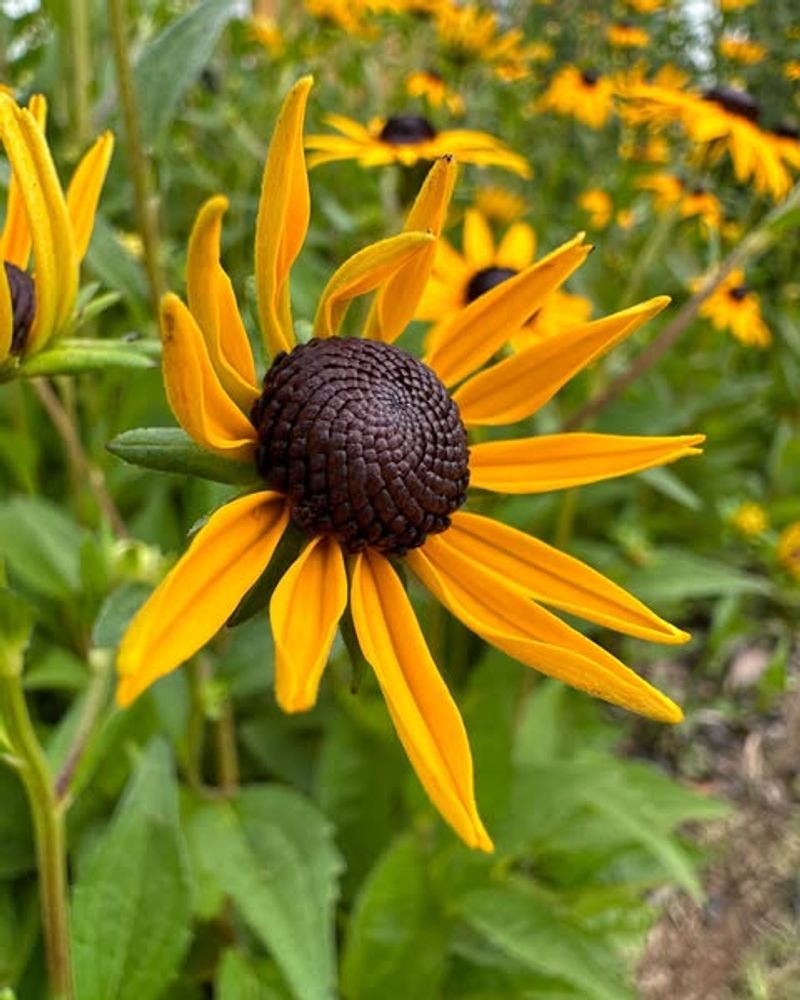
Bright golden petals surrounding dark chocolate centers make this native wildflower an absolute showstopper in any Georgia landscape.
Black-Eyed Susans bloom from summer through fall, providing months of cheerful color without demanding constant attention.
They tolerate drought remarkably well once established, making them perfect for busy gardeners who occasionally forget to water.
Pollinators absolutely adore these flowers, so expect to see butterflies and bees visiting regularly throughout the growing season.
The plants spread naturally over time, filling in bare spots and creating fuller displays each year.
Plant them in full sun for the best blooming performance, though they’ll manage in partial shade too.
They’re not picky about soil quality and will grow happily in average garden conditions.
Deadheading spent blooms encourages more flowers, but even if you skip this step, the plants will continue performing admirably.
Seeds left on the stems provide food for songbirds during winter months, adding wildlife value to your garden.
These cheerful flowers work beautifully in cottage gardens, wildflower meadows, or mixed borders alongside other perennials.
2. Daylilies
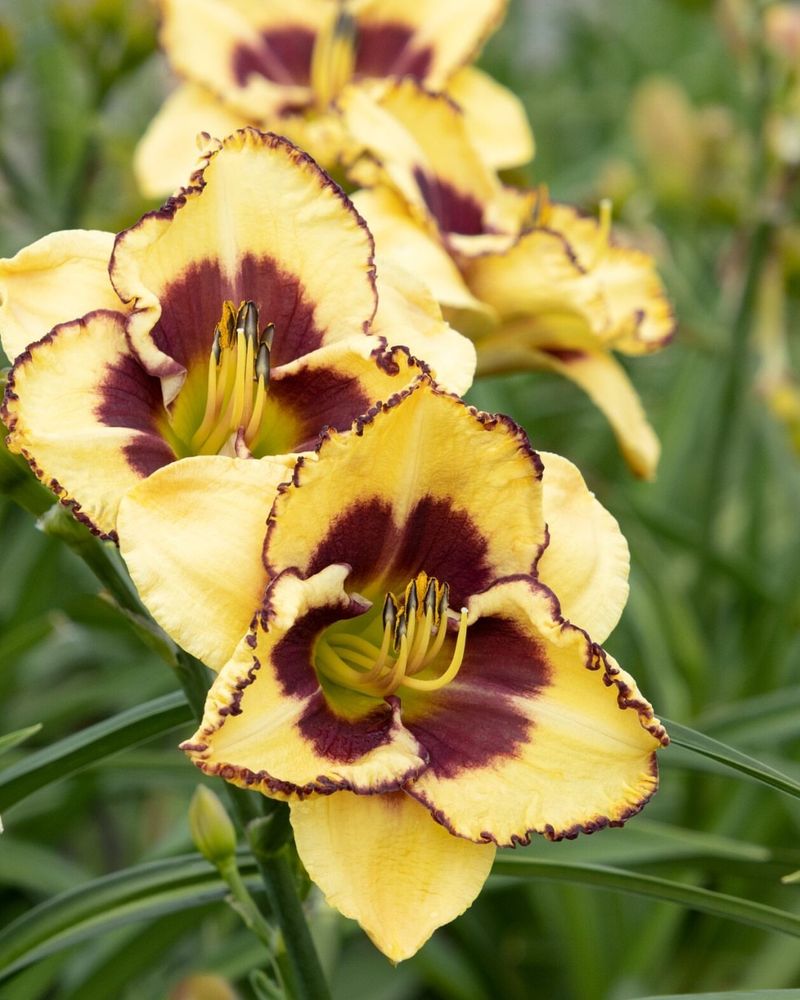
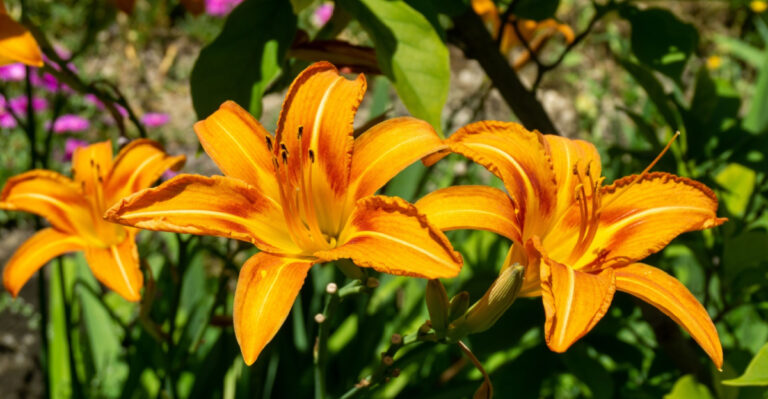
Few plants offer as much beauty for so little effort as the dependable daylily, which thrives throughout Georgia with almost no special care.
Each individual bloom lasts just one day, but established clumps produce so many flower buds that you’ll enjoy continuous color for weeks.
The grassy foliage stays attractive even when flowers aren’t present, providing structure to garden beds year-round.
Daylilies handle Georgia’s summer heat without wilting or complaining, and they’re remarkably drought-tolerant once their roots are established.
They’ll grow in various soil types, from clay to sandy conditions, adapting easily to whatever your yard offers.
These perennials multiply over time, forming larger clumps that can be divided and shared with friends or spread throughout your landscape.
They’re available in countless colors, from pale yellows to deep purples, so you can find varieties to match any garden color scheme.
Plant them in full sun to partial shade, spacing them about 18 inches apart.
They rarely suffer from pest problems and diseases seldom bother them, making maintenance practically nonexistent.
3. Hosta
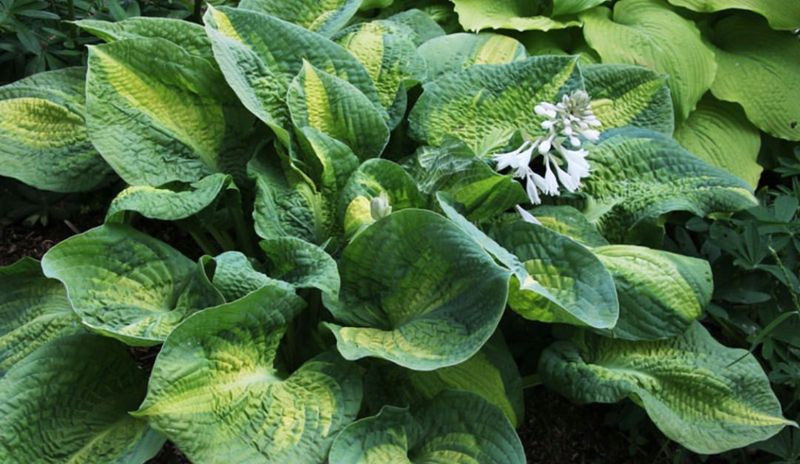
Shady spots in your yard don’t have to be boring when you plant hostas, which offer stunning foliage in an amazing array of colors and patterns.
From tiny miniatures to giant specimens with leaves the size of dinner plates, hostas come in every size imaginable.
Your Georgia Garden Changes Every Week. Your Plan Should Too.
Gardening in Georgia changes quickly throughout the season. Every Friday you’ll receive a simple weekly plan showing exactly what to plant, prune, fertilize, harvest, and protect so you never miss the right timing.
Variegated types feature striking combinations of green, white, yellow, and blue tones that brighten dark corners beautifully.
Georgia’s climate suits hostas perfectly, especially when planted where they’ll receive protection from intense afternoon sun.
Morning light with afternoon shade creates ideal conditions for these shade-loving perennials.
They require very little maintenance beyond occasional watering during extended dry spells and a layer of mulch to keep roots cool.
Slugs sometimes nibble the leaves, but this rarely causes serious damage.
Hostas send up tall flower spikes in summer, typically in white or lavender shades, adding vertical interest to the garden.
The plants grow larger and more impressive each year, eventually forming substantial clumps that can be divided.
They pair wonderfully with ferns, astilbes, and other shade plants, creating lush, layered gardens that feel like woodland retreats right in your own backyard.
4. Coneflower
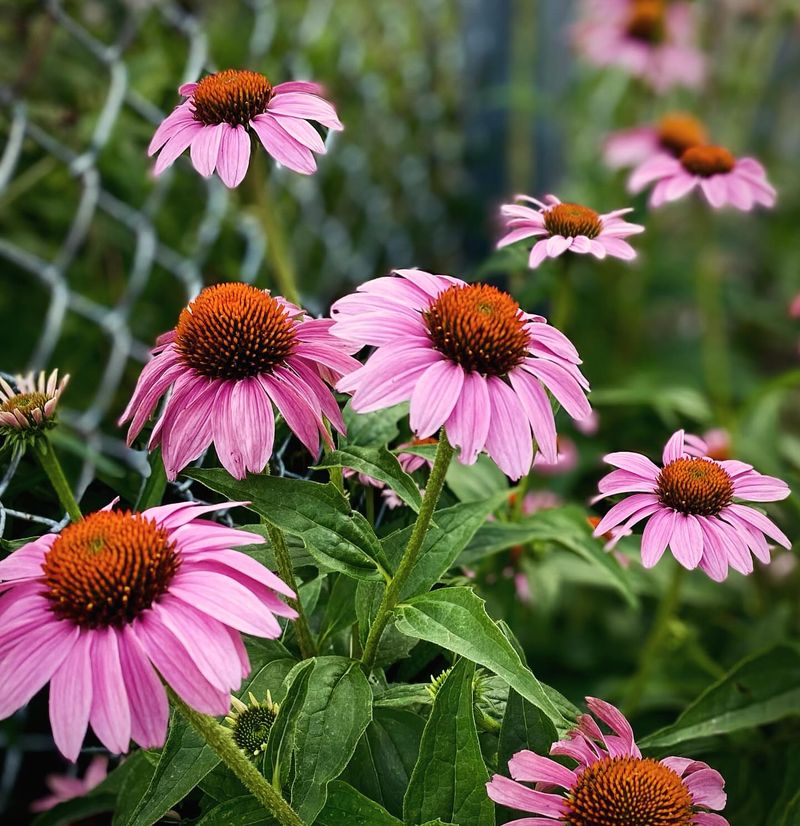
Tough as nails yet beautiful as any fancy flower, purple coneflowers bring both durability and elegance to Georgia gardens.
The distinctive raised centers surrounded by drooping petals create an architectural quality that looks stunning in naturalistic plantings.
These native perennials bloom for months during summer, attracting an incredible variety of butterflies and beneficial insects.
Coneflowers handle Georgia’s heat and occasional drought conditions with remarkable resilience, continuing to bloom even when other plants look stressed.
They’re virtually maintenance-free once established, requiring no fertilizing, spraying, or special soil amendments.
Besides the traditional purple varieties, modern breeding has introduced coneflowers in white, orange, yellow, and even green shades.
All types share the same easy-care nature and pollinator appeal.
Plant them in full sun with good drainage, and they’ll reward you with years of reliable performance.
Goldfinches love eating the seeds from spent flower heads, so leaving some blooms standing through winter provides natural bird food.
Coneflowers also make excellent cut flowers, lasting over a week in vases and adding a wildflower charm to indoor arrangements.
5. Lantana
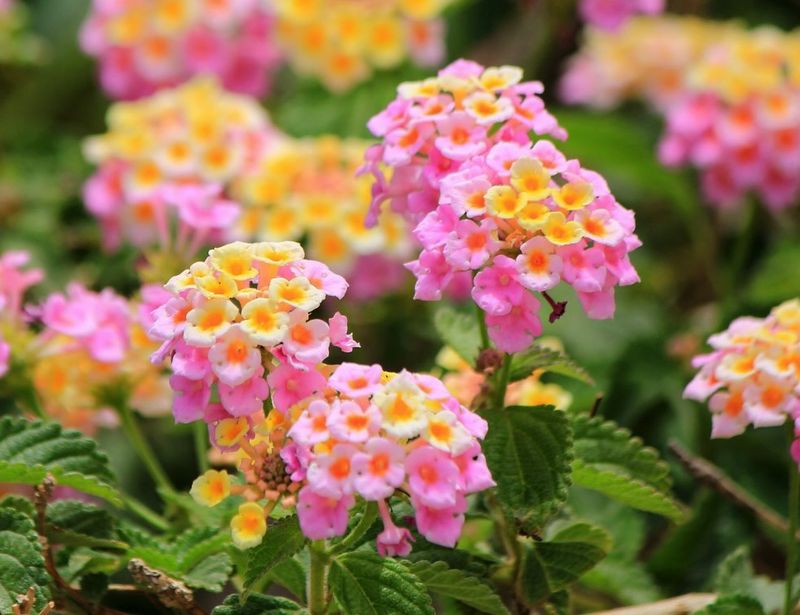
Heat-loving lantana thrives in Georgia’s steamy summers, producing clusters of vibrant flowers that seem to get more beautiful as temperatures rise.
The multi-colored flower clusters change shades as they age, creating a rainbow effect within each bloom head.
Butterflies find lantana absolutely irresistible, making it a must-have for anyone wanting to attract these beautiful winged visitors.
Lantana handles drought exceptionally well, continuing to bloom even when rainfall is scarce and other plants are struggling.
It grows quickly, filling in spaces and providing color from late spring until frost arrives.
In South Georgia, lantana often survives winter and returns as a perennial, while North Georgia gardeners typically treat it as an annual.
Either way, it provides tremendous color value for minimal investment of time and money.
Deer generally avoid lantana, which is a huge advantage in areas where these animals browse gardens regularly.
The plants need full sun and well-drained soil but aren’t picky beyond those basic requirements.
Occasional trimming keeps plants bushy and compact, though they’ll bloom continuously even without deadheading.
Available in trailing and upright forms, lantana works in containers, hanging baskets, or garden beds.
6. Knockout Roses
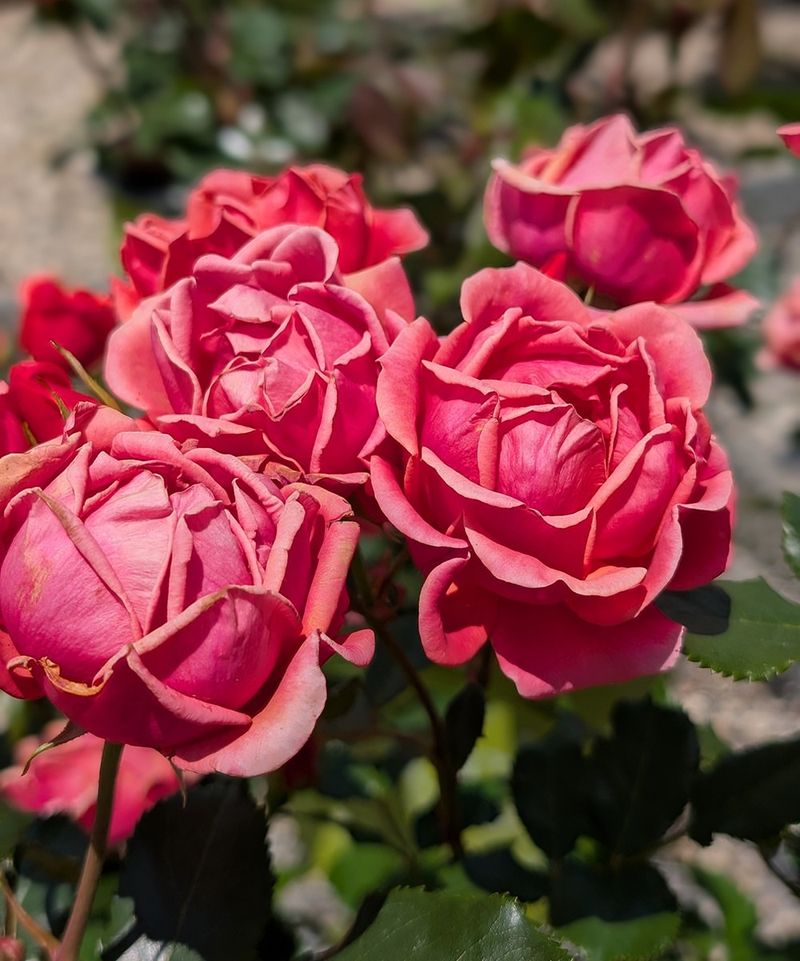
Rose gardening got a whole lot easier when Knockout roses arrived on the scene, offering gorgeous blooms without the typical rose headaches.
These shrub roses bloom continuously from spring through fall without requiring deadheading, a game-changing feature that saves countless hours of maintenance.
They’re highly resistant to the diseases that plague traditional roses, meaning no spraying or special treatments are needed.
Knockout roses handle Georgia’s climate beautifully, tolerating both heat and humidity while continuing to produce flowers abundantly.
They’re available in several colors including red, pink, yellow, and white, so you can find shades to complement your landscape design.
Plant them in full sun with decent drainage, and they’ll thrive with minimal care beyond occasional watering during dry periods.
An annual spring pruning keeps plants shaped nicely, but even neglected specimens continue blooming reliably.
These roses work wonderfully as foundation plantings, in mixed borders, or as colorful hedges that provide privacy while adding beauty.
They’re compact enough for smaller yards yet substantial enough to make a real impact in the landscape.
Knockout roses prove that you can enjoy classic rose beauty without becoming a rose expert.
7. Sedum
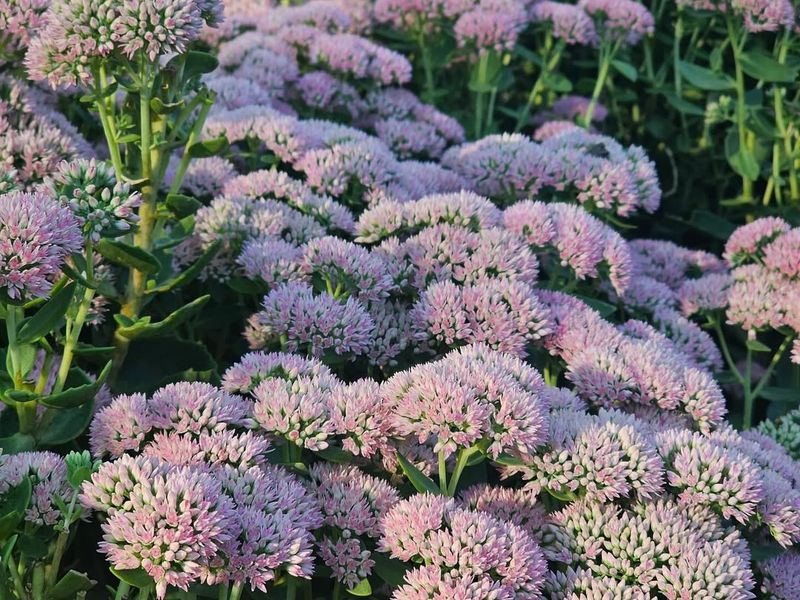
Succulent leaves store water efficiently, making sedum an incredibly drought-tolerant choice for Georgia gardeners who want beauty without constant watering.
Low-growing varieties create excellent groundcovers that suppress weeds while adding interesting texture to rock gardens and borders.
Upright types form bushy clumps topped with flat flower clusters that butterflies visit enthusiastically.
Sedum thrives in Georgia’s full sun and hot conditions, actually preferring lean soil over rich, amended garden beds.
The plants require virtually no maintenance once established, never needing fertilizer or special care.
Flower colors range from white and yellow to pink and deep red, with blooms appearing in late summer and fall when many other plants are finishing their show.
The spent flower heads remain attractive through winter, providing architectural interest and seed for birds.
These hardy perennials multiply easily, and you can propagate new plants simply by breaking off pieces and sticking them in the ground.
They’re perfect for beginners, forgetful waterers, and anyone wanting maximum impact with minimum effort.
Sedum works beautifully in containers, rock gardens, along pathways, or anywhere well-drained soil and sunny conditions exist in your landscape.
8. Ornamental Grasses
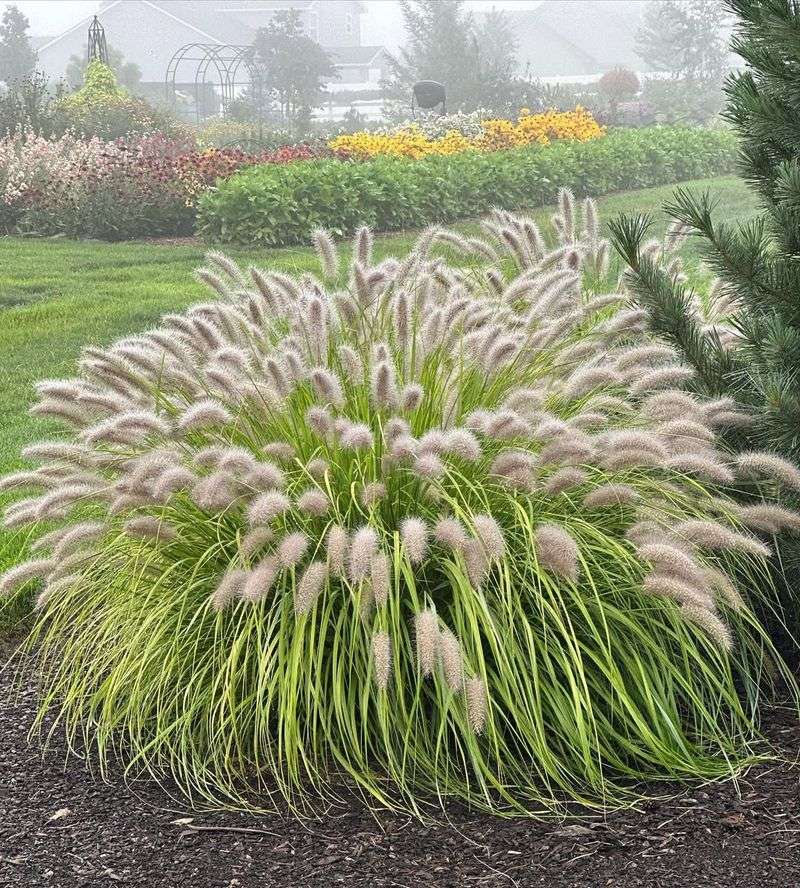
Movement and sound enter the garden when ornamental grasses sway and rustle in breezes, adding sensory dimensions that traditional plants can’t provide.
Georgia’s climate suits many ornamental grass varieties perfectly, from compact fountain grasses to towering miscanthus that can reach eight feet tall.
They provide structure and texture throughout the growing season, with many types developing beautiful fall colors in shades of gold, bronze, and burgundy.
Ornamental grasses require almost no maintenance, thriving in average soil without fertilizers or amendments.
They’re remarkably drought-tolerant once established and rarely suffer from pest or disease problems.
Feathery flower plumes appear in late summer and persist through winter, catching snow and frost for stunning cold-weather displays.
Birds appreciate the seeds and often use dried grass blades for nesting material.
An annual spring haircut is the only real maintenance these plants need, simply cutting the previous year’s growth down before new shoots emerge.
They grow quickly, filling spaces and providing screening or focal points in the landscape.
Ornamental grasses complement perennials beautifully, softening hard edges and adding a naturalistic feel to formal gardens.
They’re equally at home in contemporary designs or cottage-style landscapes.
9. Salvia
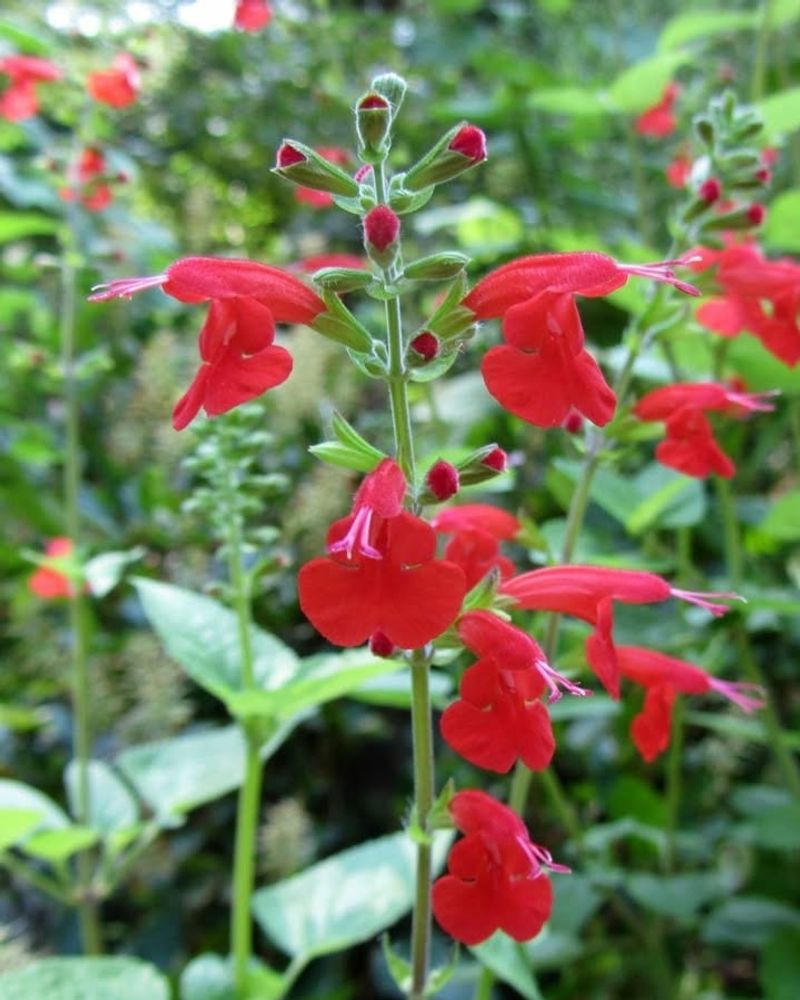
Hummingbirds zoom in like tiny helicopters when salvia blooms, drawn by the tubular flowers that provide perfect nectar sources for these energetic birds.
Salvias offer an incredible variety of colors, sizes, and bloom times, with options ranging from low groundcovers to tall, showy specimens.
Many varieties bloom for months, providing continuous color from late spring through fall with very little deadheading required.
Georgia’s warm climate allows many salvia types to thrive, including heat-loving varieties that would struggle in cooler regions.
They prefer full sun and well-drained soil but adapt to various garden conditions without complaint.
Deer and rabbits typically avoid salvias, making them valuable choices for gardens where wildlife browsing is problematic.
The aromatic foliage releases pleasant scents when brushed against, adding fragrance to pathways and seating areas.
Some salvias are true perennials in Georgia, returning reliably year after year, while others are treated as annuals that provide one spectacular season of color.
All types require minimal maintenance beyond occasional watering during extended dry periods.
Salvias work beautifully in cottage gardens, mixed borders, or planted in masses for dramatic color impact that attracts pollinators and hummingbirds all season long.
10. Caladium
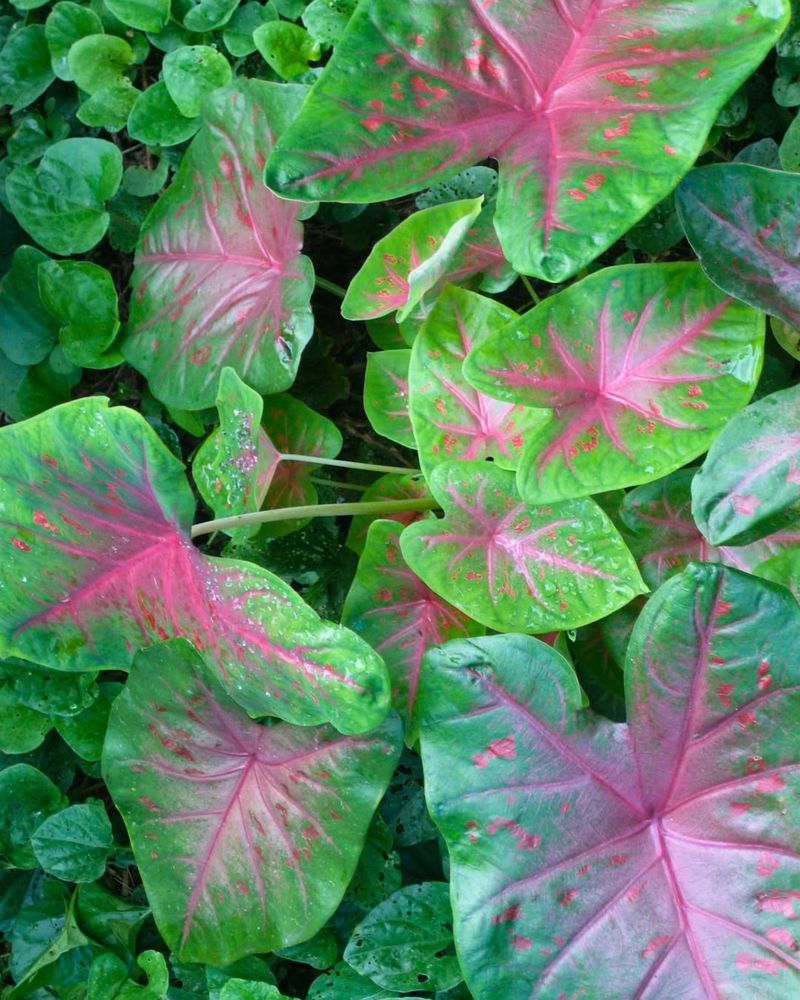
Tropical flair comes to Georgia gardens through caladiums, whose heart-shaped leaves display stunning patterns in combinations of red, pink, white, and green.
Shade gardens transform into colorful showcases when planted with caladiums, which provide bold visual interest without requiring any flowers.
The foliage alone creates dramatic displays that last from late spring through early fall.
Caladiums grow from tubers planted after soil warms in spring, emerging quickly and filling in shaded areas that often lack color options.
They thrive in Georgia’s heat and humidity, conditions that stress many other plants.
Hundreds of varieties offer endless design possibilities, from subtle pastel combinations to bold, high-contrast patterns that command attention.
Strap-leaf types have narrower foliage and tolerate more sun than fancy-leaf varieties with their broader, more elaborately patterned leaves.
These plants need consistent moisture to look their best but don’t require fertilizing or special care beyond regular watering.
In fall, when foliage begins declining, simply let plants go dormant naturally.
Tubers can be dug and stored for replanting next spring, or left in the ground in South Georgia where winters are mild.
Caladiums excel in containers, window boxes, or garden beds wherever tropical-looking color is desired.
11. Verbena
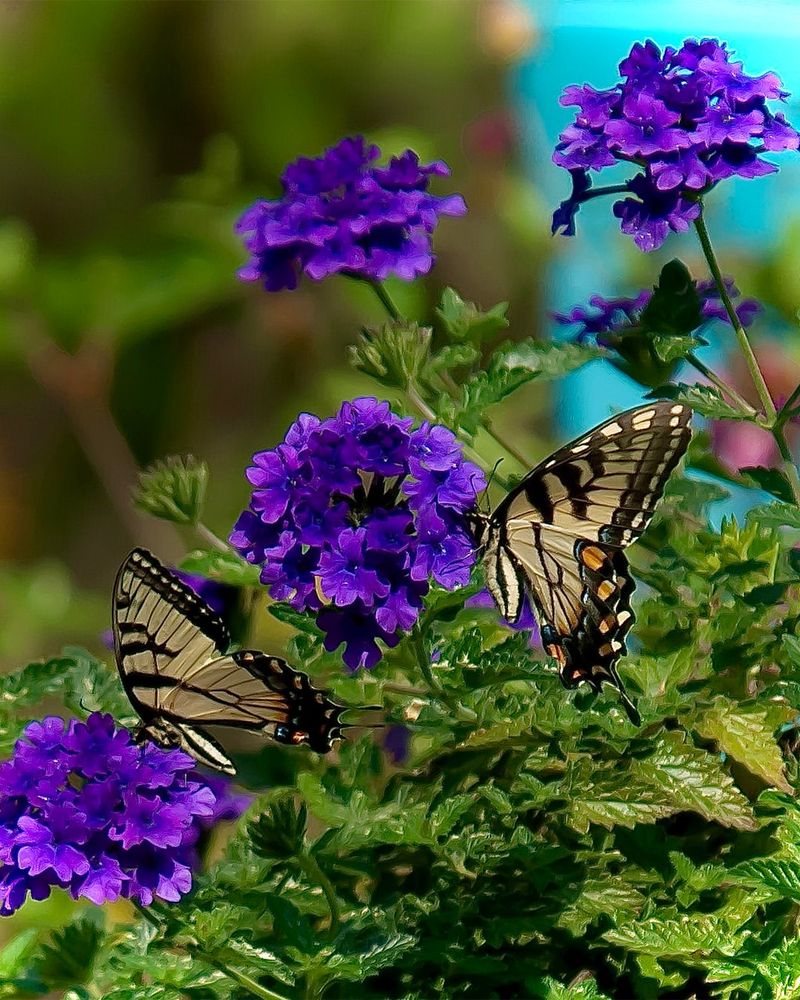
Clusters of small flowers pack tremendous color punch when verbena spreads across garden beds or spills from containers throughout the growing season.
Verbena blooms tirelessly from spring until frost, requiring no deadheading to keep flowers coming abundantly.
The plants handle Georgia’s summer heat with impressive resilience, continuing to bloom when temperatures soar and other flowers fade.
Butterflies visit verbena constantly, making it essential for pollinator gardens and wildlife-friendly landscapes.
The low, spreading habit makes verbena perfect for edging beds, filling gaps between taller plants, or cascading over container edges.
Colors range from white and pale pink to deep purple and brilliant red, with many bicolor varieties offering even more visual interest.
Verbena prefers full sun and well-drained soil but isn’t demanding about fertility or soil type.
These plants tolerate drought remarkably well once established, though occasional watering during very dry spells keeps them looking their best.
They’re naturally resistant to most pests and diseases, requiring no spraying or special treatments.
Verbena works beautifully in cottage gardens, contemporary landscapes, containers, or anywhere continuous color is desired without constant maintenance.
The plants often self-seed, providing volunteer seedlings that fill in bare spots naturally.
12. Ajuga
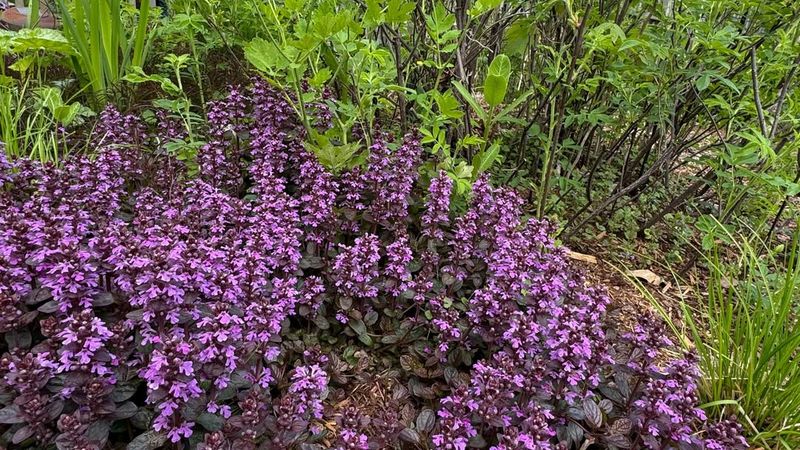
Bare ground disappears quickly when ajuga spreads its colorful foliage carpet, solving erosion problems while adding beauty to challenging shaded areas.
This tough groundcover thrives in Georgia’s shade, forming dense mats that suppress weeds effectively while requiring almost no maintenance.
Foliage comes in various colors including deep purple, bronze, and variegated patterns that brighten dark corners beautifully.
Short spikes of blue or purple flowers appear in spring, creating a stunning display that lasts several weeks.
After blooming finishes, the attractive foliage continues providing color and texture throughout the year.
Ajuga handles foot traffic reasonably well, making it suitable for pathways and areas between stepping stones where grass struggles.
It spreads by runners, filling in spaces naturally without becoming aggressively invasive.
Plant ajuga in partial to full shade with average soil, and it will thrive with minimal care beyond occasional watering during extended droughts.
Deer typically leave it alone, which is valuable in areas where wildlife browsing limits plant choices.
This evergreen groundcover looks attractive year-round, maintaining its color even during winter months when many other plants go dormant.
Ajuga works wonderfully under trees, on slopes, or anywhere you need reliable groundcover without constant maintenance demands.
13. Spirea
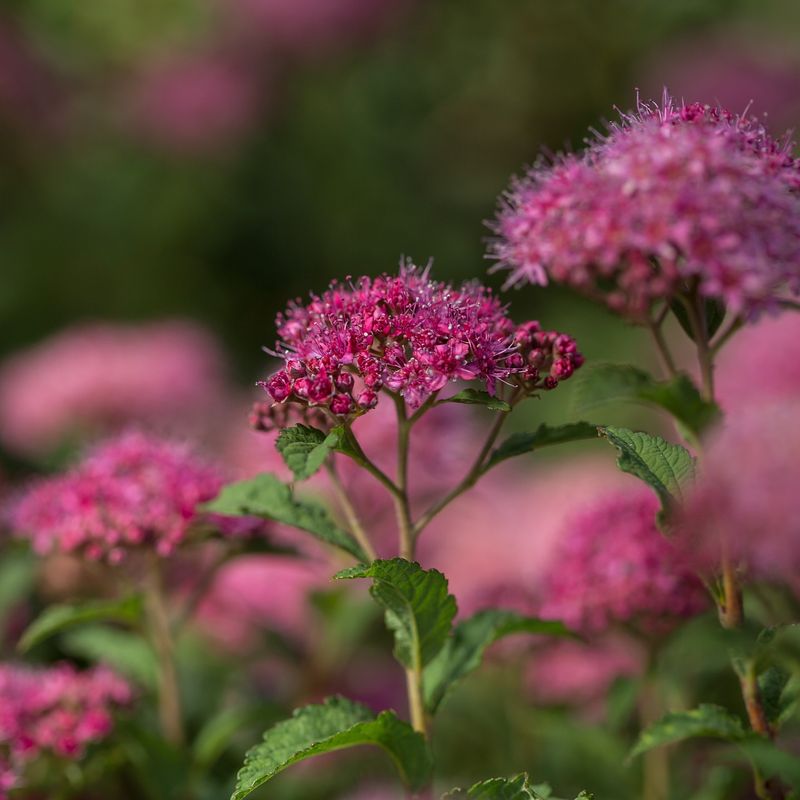
Cascading branches covered in flowers create stunning spring displays when spirea shrubs reach their blooming peak, transforming ordinary landscapes into something special.
Georgia gardeners appreciate spirea’s adaptability to various soil types and its tolerance of both heat and occasional drought.
These deciduous shrubs require minimal pruning and no special fertilizing, thriving with basic care that even beginners can provide successfully.
Spring-blooming varieties produce masses of white or pink flowers along arching branches, creating fountain-like effects in the landscape.
Summer-blooming types offer flat-topped flower clusters in shades of pink and red, extending the season of interest.
Many spirea varieties develop attractive fall foliage colors, providing multi-season interest beyond their spectacular bloom periods.
Compact cultivars fit smaller gardens perfectly, while larger types create excellent hedges or specimen plantings.
Spirea handles Georgia’s clay soils without complaint and rarely suffers from serious pest or disease problems.
Plant them in full sun to partial shade, spacing according to the mature size of your chosen variety.
These versatile shrubs work in foundation plantings, mixed borders, or mass plantings that create dramatic seasonal displays.
Their reliable performance and low maintenance requirements make spirea a smart choice for any Georgia landscape.
14. Zinnia
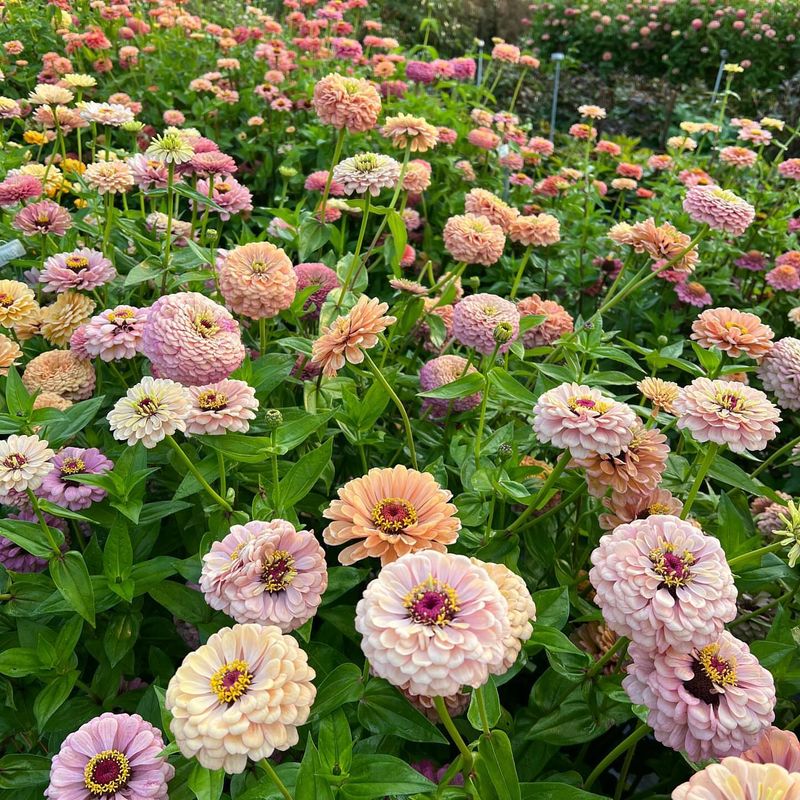
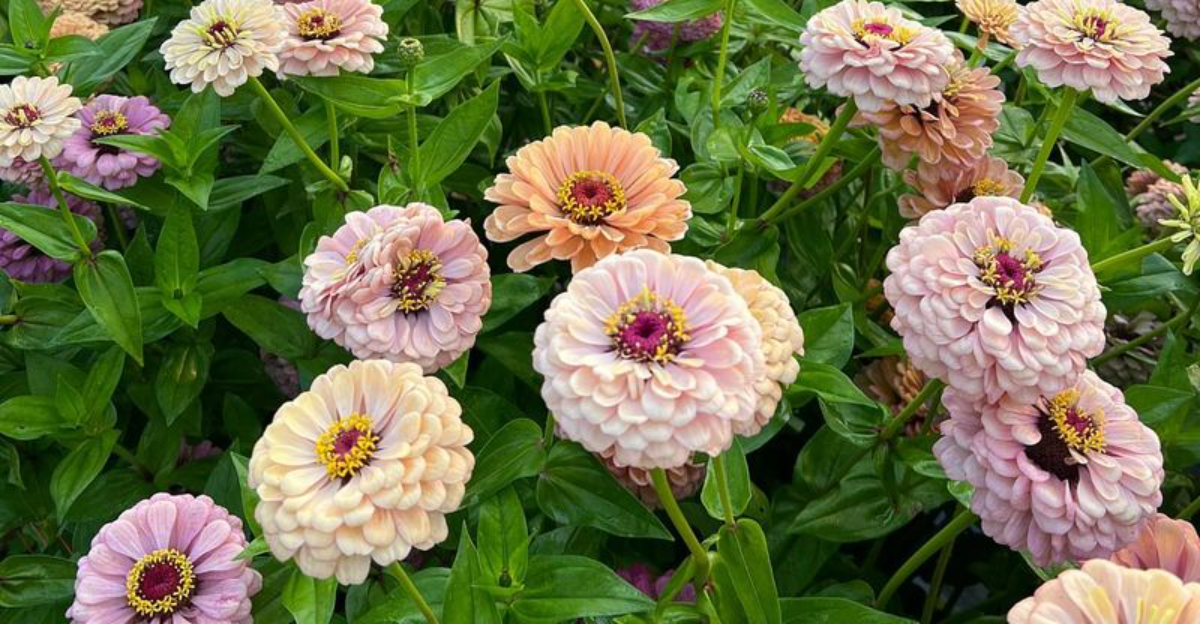
Cheerful colors seem to multiply daily once zinnias start blooming, filling summer gardens with vibrant flowers that keep coming until frost arrives.
Few plants offer more flower power for less effort than zinnias, which grow quickly from seeds sown directly in the garden after frost danger passes.
They bloom in every color except blue, with flower forms ranging from simple daisies to elaborate dahlia-like blooms.
Zinnias love Georgia’s heat, actually blooming more prolifically as temperatures rise through summer.
They’re perfect for beginning gardeners and children, germinating reliably and growing vigorously without requiring special knowledge or techniques.
Butterflies absolutely adore zinnias, visiting the flowers constantly throughout the day for nectar.
The blooms make excellent cut flowers, lasting over a week in vases and providing endless bouquets for indoor enjoyment.
Plant zinnias in full sun with decent drainage, and they’ll thrive without fertilizing or special soil preparation.
Taller varieties may need staking in windy locations, but shorter types stand up perfectly on their own.
Powdery mildew sometimes affects foliage late in the season, but this rarely impacts the abundant flower production.
Zinnias excel in cutting gardens, cottage borders, or anywhere bright, cheerful color is desired inexpensively.
15. Ferns
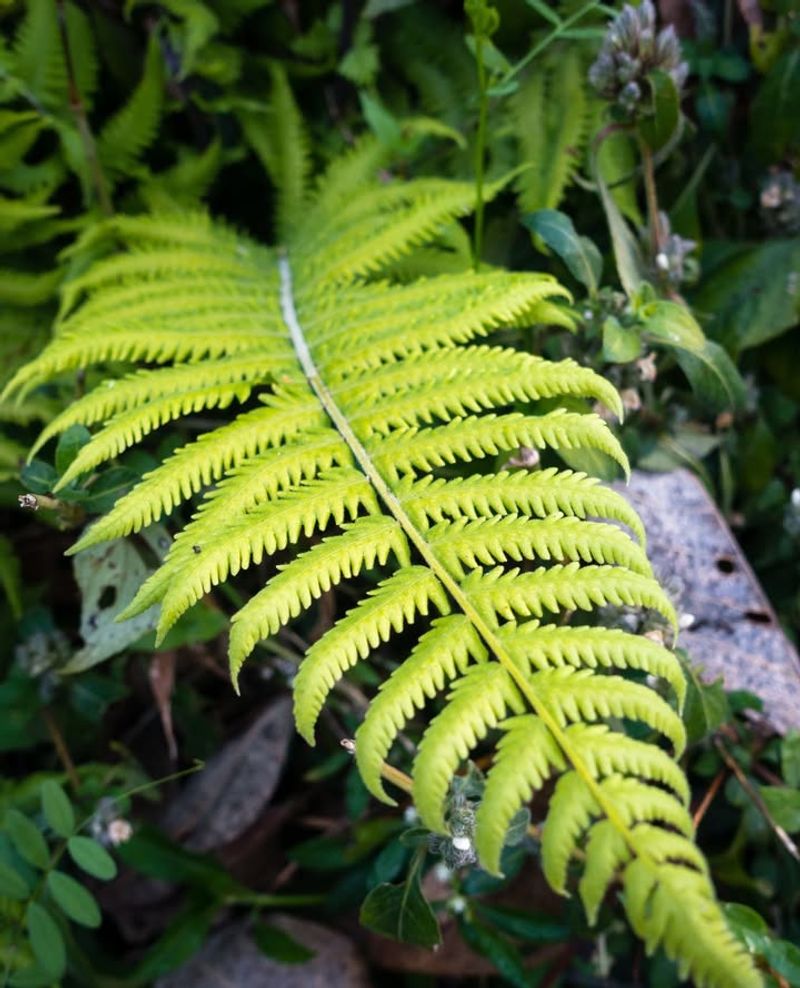
Woodland magic appears in shaded yards when ferns unfurl their graceful fronds, creating lush, layered gardens that feel cool and peaceful even during hot summers.
Many fern varieties thrive in Georgia’s climate, from delicate maidenhair types to bold, architectural specimens that make dramatic statements.
Native ferns adapt particularly well, requiring virtually no maintenance once established in appropriate shaded locations.
Ferns provide texture and movement that flowering plants can’t match, with fronds swaying gently in breezes and creating interesting shadows on walls and pathways.
Most varieties are evergreen or semi-evergreen in Georgia, maintaining their beauty through winter months.
These ancient plants evolved before flowers existed, yet they remain relevant in modern landscapes thanks to their adaptability and easy-care nature.
Ferns handle Georgia’s humidity beautifully, never developing the fungal problems that plague many other shade plants.
Plant ferns in partial to full shade with organic-rich soil that retains some moisture, and they’ll thrive with minimal attention.
They rarely need dividing and never require deadheading or pruning beyond removing damaged fronds occasionally.
Ferns combine beautifully with hostas, astilbes, and flowering shade perennials, creating sophisticated garden compositions that look professionally designed yet require little maintenance to maintain their beauty.