10 Flowering Shrubs That Keep Ohio Gardens Vibrant All Year
An Ohio garden can face all kinds of moods as the seasons roll by, from icy mornings to warm summer nights, yet the right flowering shrubs can keep the whole space glowing day in and day out.
These hardy plants know how to steal the spotlight, bursting into bloom when other garden favorites call it quits.
Some hold their color through spring rains, some shine during the dog days of summer, and others carry the torch straight into fall.
Even winter has a few surprises when certain shrubs refuse to fade into the background.
With steady blooms, rich textures, and colors that never seem to bow out, these plants turn an ordinary yard into a showstopper.
Each shrub adds its own rhythm, giving a garden that smooth, year long flow every homeowner dreams about.
With a smart mix of these dependable bloomers, an Ohio garden can stay vibrant through every twist and turn the year brings.
1. Oakleaf Hydrangea
Few shrubs offer as much drama and year-round appeal as the oakleaf hydrangea.
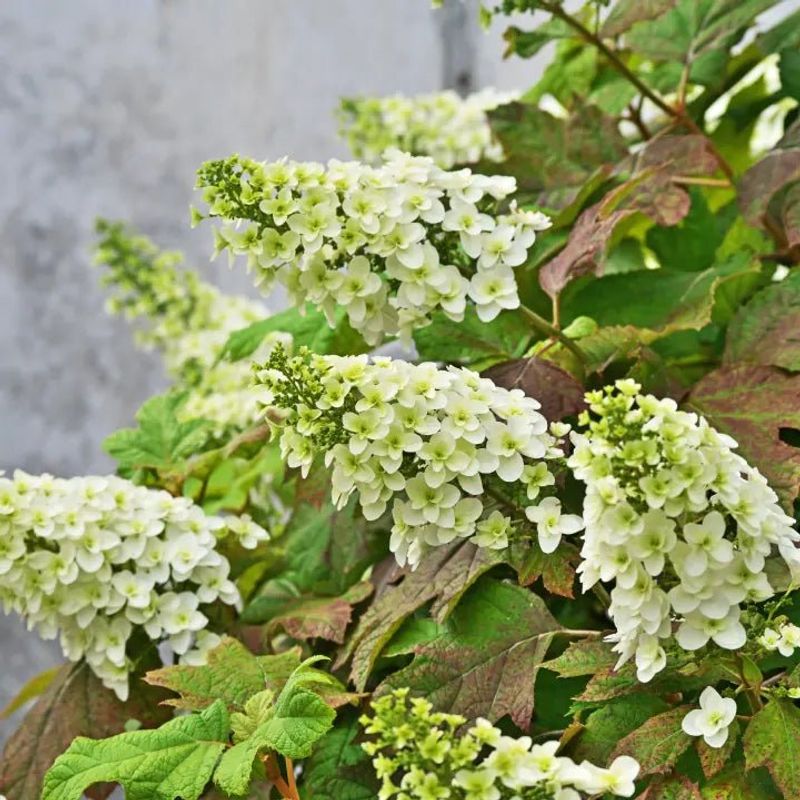
Named for its distinctive foliage that resembles oak leaves, this native beauty produces massive cone-shaped flower clusters that start creamy white in early summer and gradually shift to soft pink and tan as the season progresses.
The blooms can reach up to a foot long, creating an impressive display that lasts for months.
What really sets this shrub apart in Ohio landscapes is its multi-season interest.
During fall, the foliage transforms into brilliant shades of red, orange, and burgundy, rivaling any maple tree for autumn color.
Even after leaves drop, the exfoliating cinnamon-colored bark provides winter interest, and the dried flower heads often persist, adding texture to snow-covered gardens.
Oakleaf hydrangeas thrive in Ohio’s climate, handling both heat and cold with ease.
They prefer partial shade and well-drained soil but adapt to various conditions once established.
These shrubs typically grow four to six feet tall and wide, making them perfect for foundation plantings or as focal points in mixed borders.
One major advantage for Ohio gardeners is that oakleaf hydrangeas bloom on old wood, meaning the flower buds form in late summer and survive winter to bloom the following year.
This makes them more reliable bloomers than some other hydrangea varieties that can lose flower buds during harsh winters.
2. Spirea

Gardeners looking for carefree beauty should consider spirea as their go-to flowering shrub.
These tough plants produce clouds of tiny flowers in spring or summer, depending on the variety, and many types offer colorful foliage that extends their appeal well beyond the blooming period.
Bridal wreath spirea creates cascades of white flowers along arching branches, while newer cultivars like ‘Goldflame’ combine hot pink blooms with chartreuse foliage.
Spirea shrubs are incredibly adaptable to Ohio’s growing conditions.
They tolerate clay soil, handle drought once established, and rarely suffer from pest or disease problems.
Most varieties grow between three and five feet tall, though dwarf types like ‘Little Princess’ stay compact at just two feet, making them ideal for smaller yards or container gardens.
The blooming schedule varies among spirea types, giving Ohio gardeners options for different seasons.
Spring-blooming varieties like ‘Vanhoutte’ cover themselves in white flowers just as tulips finish, while summer-blooming types such as ‘Anthony Waterer’ provide color during the hottest months when many other plants struggle.
Maintenance couldn’t be simpler with these shrubs.
A quick trim after flowering keeps them looking tidy and encourages bushier growth.
In Ohio landscapes, spirea works beautifully as hedge plants, foundation shrubs, or mixed into perennial borders where their fine texture contrasts nicely with bolder-leaved plants like hostas.
3. Butterfly Bush
If you want to turn your Ohio garden into a wildlife haven, butterfly bush delivers both stunning flowers and a parade of pollinators.
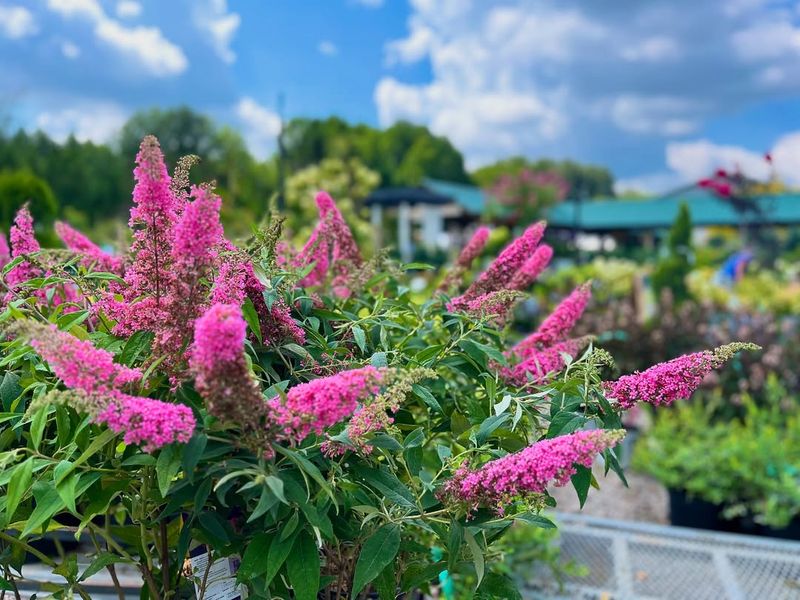
These shrubs produce long, cone-shaped flower clusters from midsummer through fall, filling the air with a sweet honey fragrance that attracts butterflies, hummingbirds, and bees by the dozens.
Colors range from deep purple and magenta to white, pink, and even yellow.
Modern butterfly bush varieties have been bred specifically to perform well in colder climates like Ohio.
While older types could reach ten feet tall, newer compact cultivars like ‘Blue Chip’ and ‘Pugster’ stay under three feet, making them suitable for smaller spaces and easier to manage.
These improved varieties also tend to be less aggressive spreaders, addressing concerns about invasiveness.
Butterfly bushes thrive in Ohio’s full sun and aren’t picky about soil conditions, though they appreciate good drainage.
They bloom on new wood, meaning you can cut them back hard in early spring without sacrificing flowers.
In fact, this annual pruning keeps plants vigorous and encourages more blooms throughout the growing season.
One thing Ohio gardeners should know is that butterfly bushes may experience winter dieback, especially during particularly harsh winters.
However, they reliably return from the roots each spring and quickly grow back to blooming size.
Pair them with coneflowers and black-eyed Susans for a pollinator paradise that provides months of color and activity.
4. Lilac
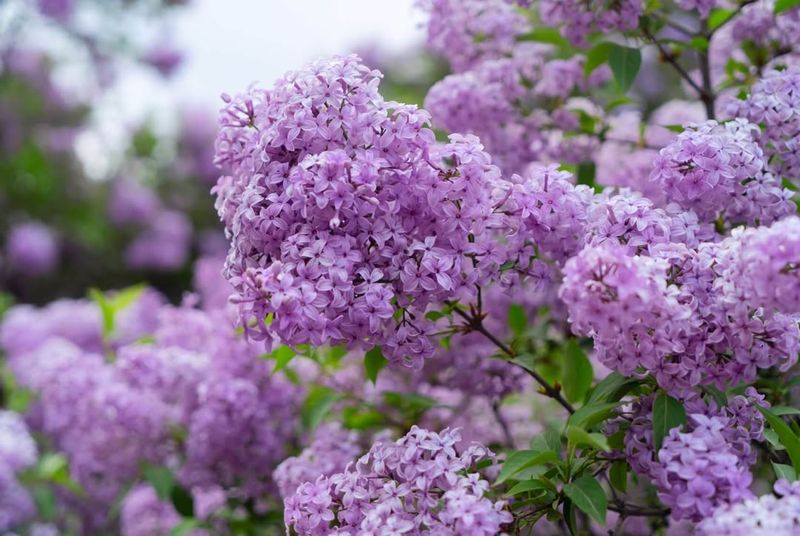
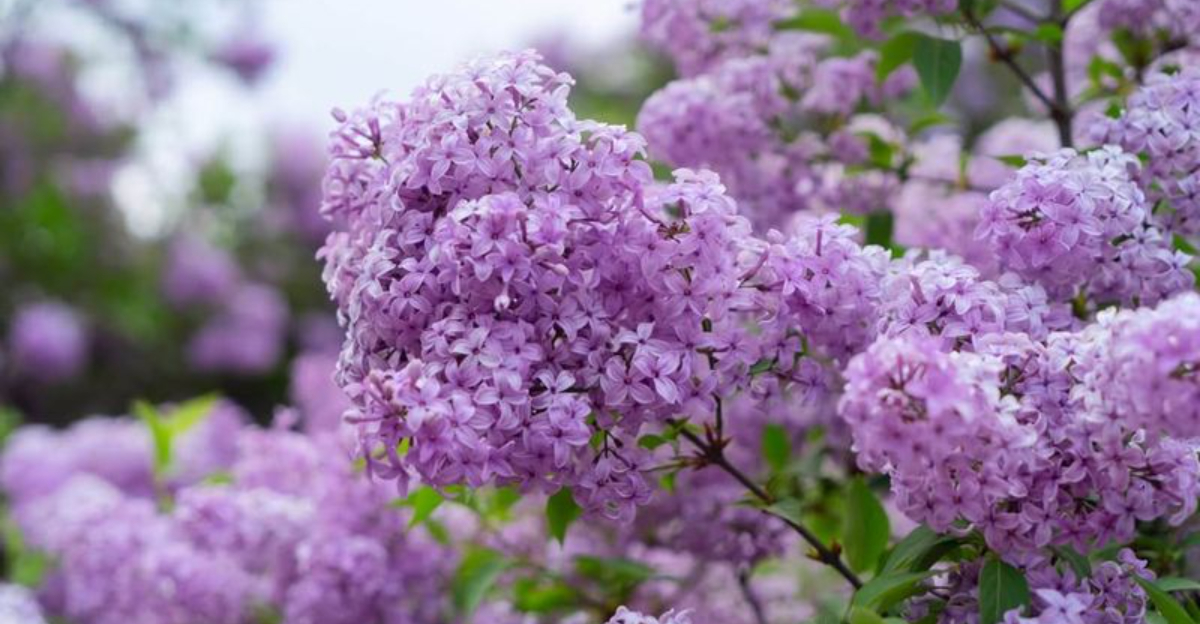
Nothing announces spring in Ohio quite like the intoxicating fragrance of blooming lilacs.
These classic shrubs have graced Midwestern gardens for generations, and for good reason, their heavily scented flower clusters in shades of purple, pink, white, and lavender create an unforgettable sensory experience each May.
A single lilac bush can perfume an entire yard, bringing neighbors out to enjoy the aroma.
Common lilacs grow quite large, often reaching twelve to fifteen feet tall and wide at maturity, so they need adequate space to shine.
For smaller Ohio gardens, dwarf varieties like ‘Bloomerang’ offer the same beloved fragrance on a more manageable four-foot frame.
These newer cultivars also provide a bonus second bloom period in late summer, extending the lilac season considerably.
Lilacs are perfectly suited to Ohio’s climate, requiring winter chill to set flower buds properly.
They prefer full sun and slightly alkaline soil, though they adapt to most garden conditions.
One quirk to understand is that lilacs bloom on old wood, so any pruning should happen immediately after flowering to avoid cutting off next year’s blooms.
Ohio gardeners sometimes struggle with lilacs that produce lots of leaves but few flowers.
This usually results from too much shade, overfertilization, or improper pruning.
Planting in the sunniest spot available and avoiding high-nitrogen fertilizers helps ensure abundant blooms.
Older, overgrown lilacs can be rejuvenated through gradual renewal pruning spread over three years.
5. Weigela
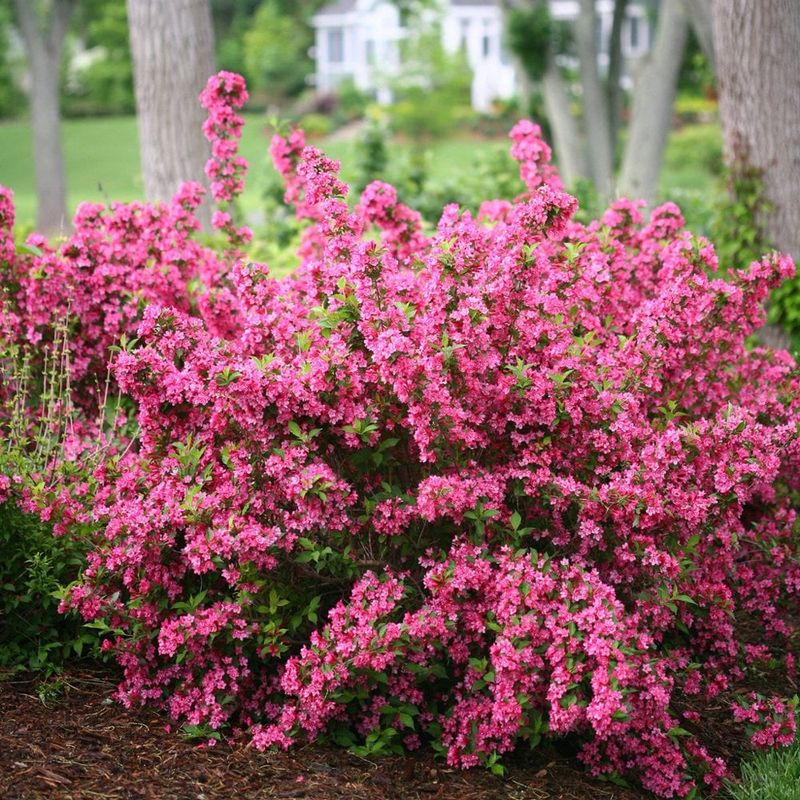
Weigela brings a burst of color to Ohio gardens right when spring transitions into summer.
These old-fashioned shrubs have experienced a major comeback thanks to breeding efforts that produced compact sizes and stunning foliage colors to complement the tubular flowers.
Varieties like ‘Wine and Roses’ combine hot pink blooms with deep burgundy leaves, while ‘Sonic Bloom’ offers bright pink flowers that repeat throughout the growing season.
The trumpet-shaped flowers appear in late May and early June, creating a spectacular show that hummingbirds absolutely adore.
After the main flush of blooms, many newer varieties continue producing scattered flowers through summer and into fall, providing much longer color than traditional types.
The flowers cluster along arching branches, giving weigela a graceful, fountain-like appearance in the landscape.
These shrubs are remarkably tough and well-suited to Ohio growing conditions.
They handle clay soil without complaint, tolerate both heat and cold, and rarely suffer from serious pest problems.
Most varieties grow four to five feet tall and wide, though dwarf types like ‘Midnight Wine’ stay under two feet, perfect for front-of-border placements or container growing.
Weigela requires minimal care in Ohio gardens.
A light trim after the main bloom period helps maintain shape and encourages additional flowers on reblooming varieties.
Older stems can be removed at ground level every few years to keep plants vigorous.
Pairing weigela with spring bulbs creates a seamless seasonal transition in mixed borders.
6. Rhododendron
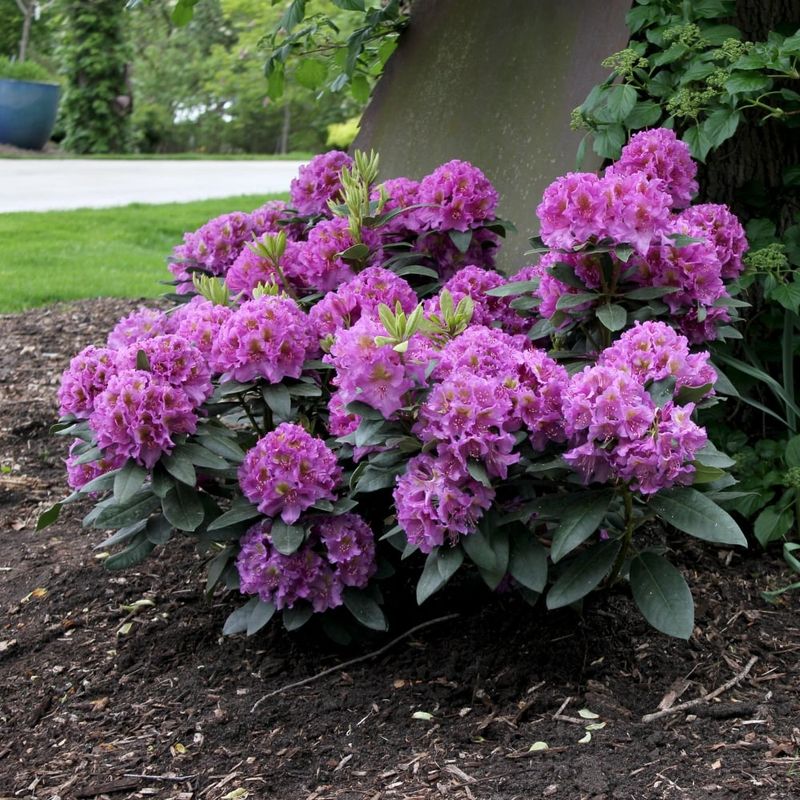
For Ohio gardeners seeking evergreen structure combined with spectacular spring flowers, rhododendrons deliver on both fronts.
These broadleaf evergreens maintain their glossy green foliage year-round, providing winter interest when most other plants have gone dormant.
Come late April and May, they explode with enormous flower clusters called trusses that can measure eight inches across in shades of pink, purple, red, white, and coral.
Choosing the right rhododendron variety matters greatly in Ohio.
Cold-hardy types bred for northern climates, such as those in the Northern Lights series or PJM hybrids, handle Ohio winters reliably without bud damage.
These varieties have been specifically selected to survive temperatures well below zero while still producing abundant flowers each spring.
Rhododendrons have specific growing requirements that Ohio gardeners need to respect.
They absolutely require acidic soil with a pH between 4.5 and 6.0, which can be challenging in areas with naturally alkaline clay.
Amending planting areas with sulfur and peat moss helps create suitable conditions.
They also prefer partial shade and consistent moisture, making them ideal companions for shade trees or north-facing foundation beds.
Size varies dramatically among rhododendron varieties.
Some compact types stay under three feet, while others can eventually reach eight feet or more.
Regular deadheading of spent flower clusters improves appearance and directs energy toward next year’s blooms rather than seed production.
Mulching with pine needles or shredded bark helps maintain the acidic soil conditions these shrubs crave.
7. Forsythia
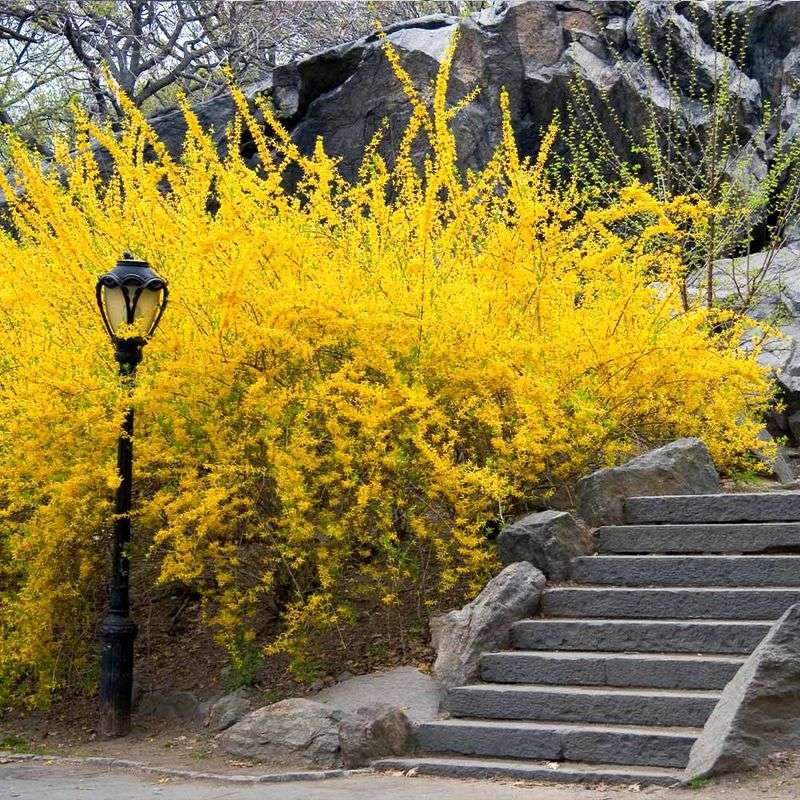
When Ohio finally shakes off winter’s grip, forsythia bursts forth with an explosion of brilliant yellow flowers that seem to glow in the early spring sunshine.
This shrub blooms on bare branches before any leaves appear, creating a pure golden fountain effect that serves as a beacon of warmer days ahead.
The flowers typically appear in late March or early April, depending on the weather, often coinciding with daffodils and early tulips.
Forsythia grows vigorously in Ohio, sometimes too vigorously for smaller spaces.
Traditional varieties can reach ten feet tall with arching branches that spread equally wide, requiring regular pruning to keep them in bounds.
Newer compact selections like ‘Gold Tide’ stay under three feet, offering the same cheerful yellow blooms without overwhelming the landscape.
These shrubs are incredibly forgiving and adapt to almost any soil type Ohio throws at them.
They tolerate clay, sand, and everything in between, and once established, they handle drought remarkably well.
Full sun produces the heaviest bloom, but forsythia also flowers decently in partial shade, making it versatile for various garden locations.
The key to keeping forsythia looking good in Ohio gardens is understanding when and how to prune.
Because flowers form on old wood, pruning should happen immediately after blooming finishes.
Cutting them back in fall or early spring removes the flower buds and results in little or no bloom.
Forsythia branches also root easily when they touch the ground, which can be useful for propagating new plants or annoying if they spread where you don’t want them.
8. Ninebark

Ohio native plant enthusiasts should look no further than ninebark for a tough, attractive shrub that supports local ecosystems.
This North American native produces clusters of small white or pink flowers in late spring, but the real show comes from its foliage and bark.
Cultivars like ‘Diablo’ feature deep purple leaves that hold their color all season, while ‘Coppertina’ offers coppery-orange new growth that matures to burgundy.
The common name refers to the shrub’s distinctive exfoliating bark that peels away in multiple layers, revealing lighter brown inner bark beneath.
This characteristic becomes more pronounced as plants age, providing excellent winter interest in Ohio landscapes when snow highlights the textured stems.
The bark feature makes ninebark valuable as a four-season plant that earns its space even during the dormant period.
Ninebark is exceptionally adaptable to Ohio’s challenging growing conditions.
It tolerates heavy clay soil, handles both wet and dry sites, and grows equally well in full sun or partial shade.
This flexibility makes it perfect for problem areas where other shrubs struggle.
Mature plants typically reach six to eight feet tall and wide, though compact varieties like ‘Little Devil’ stay under four feet.
As a native plant, ninebark supports Ohio wildlife by providing food and shelter for birds and beneficial insects.
The flowers attract pollinators, while the dense branching offers nesting sites for songbirds.
Maintenance requirements are minimal, an occasional thinning of older stems keeps plants vigorous, and the shrub rarely suffers from pest or disease issues.
9. Rose Of Sharon

When most flowering shrubs have finished their show for the season, rose of Sharon steps up to provide color from midsummer through fall.
These upright shrubs produce large, hibiscus-like flowers that can reach four inches across, appearing continuously from July until frost.
Colors include white, pink, red, lavender, and blue, often with contrasting centers that add extra visual interest to Ohio landscapes.
Rose of Sharon adapts beautifully to Ohio’s climate and growing conditions.
It handles hot, humid summers without wilting, tolerates cold winters, and isn’t particular about soil type.
The upright, vase-shaped growth habit makes it useful as a hedge, screen, or specimen plant.
Standard varieties grow eight to twelve feet tall but only four to six feet wide, while newer compact types like ‘Lil’ Kim’ stay under four feet in all directions.
One consideration for Ohio gardeners is that rose of Sharon can self-seed prolifically if spent flowers aren’t removed.
Newer sterile or low-seed varieties like those in the Chiffon series produce abundant flowers without creating hundreds of seedlings, making maintenance much easier.
These improved cultivars also feature showier double or semi-double flowers compared to old-fashioned single types.
Rose of Sharon blooms on new wood, meaning flowers form on current season’s growth.
This allows for hard pruning in early spring if needed without sacrificing blooms.
In Ohio, plants leaf out quite late in spring, often not showing green until May, which can cause concern for new gardeners who worry the plant hasn’t survived winter.
Patience pays off as these shrubs reliably return each year.
10. Viburnum
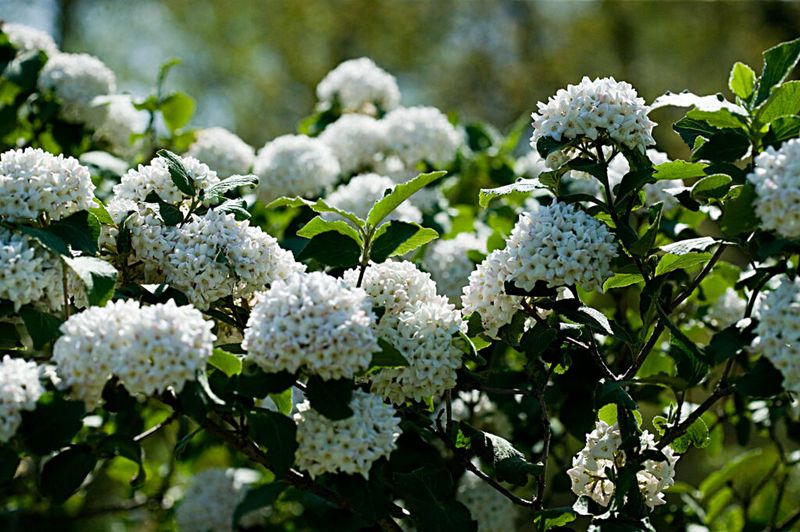
Versatility defines the viburnum family, with dozens of species offering something for every Ohio garden situation.
Korean spice viburnum fills spring air with an intoxicating clove-like fragrance from pink buds that open to white flowers.
Doublefile viburnum creates horizontal tiers of white blooms along gracefully layered branches.
Arrowwood viburnum provides creamy white flowers followed by blue-black berries that birds devour eagerly.
Most viburnums thrive in Ohio’s climate, handling cold winters and variable weather with ease.
They adapt to a range of soil conditions, though they prefer consistent moisture and good drainage.
Size varies dramatically depending on species, compact types like ‘Blue Muffin’ stay around five feet, while larger varieties can reach twelve feet or more at maturity.
This range allows Ohio gardeners to find the perfect fit for any space.
Beyond their spring flowers, many viburnums offer excellent fall foliage color and persistent berries that provide food for wildlife throughout winter.
Arrowwood viburnum leaves turn brilliant red and purple in autumn, while American cranberrybush viburnum produces clusters of bright red fruits that birds eventually consume.
Some viburnums are evergreen or semi-evergreen in milder parts of Ohio, extending their landscape value.
Viburnums generally require little maintenance once established in Ohio gardens.
An occasional pruning to shape or remove older stems keeps them looking their best.
These shrubs work beautifully in mixed borders, as foundation plants, or massed together to create informal hedges that provide year-round interest through flowers, foliage, berries, and structure.