What Washington Law Says About Trimming A Neighbors Vines Growing Over Your Fence
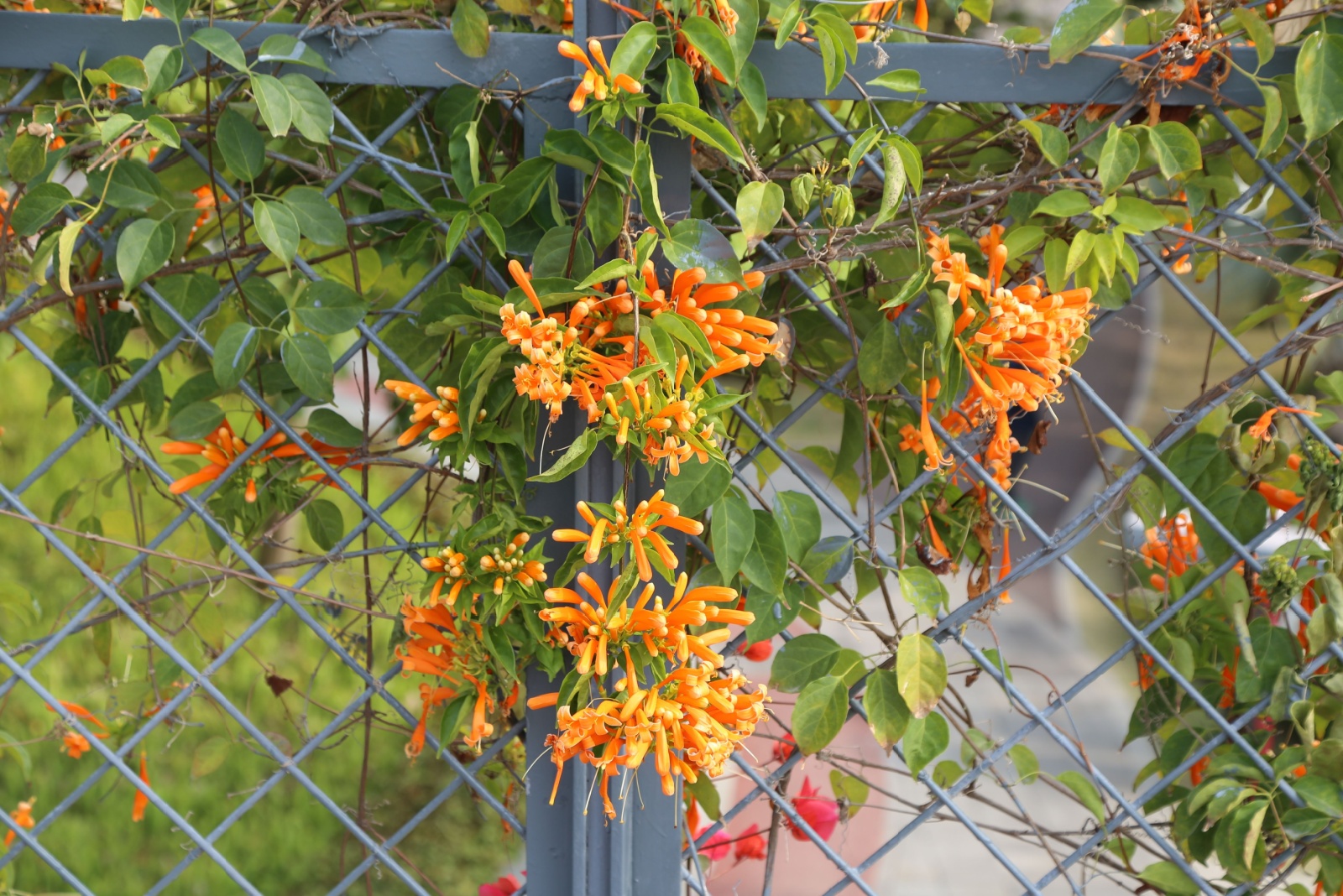
A neighbor’s vines creeping across a fence can stir up tension in Washington faster than a surprise forecast shift on the Puget Sound.
Homeowners often jump to conclusions, yet the law in this state follows its own rhythm, shaped by long-held property rules and practical boundaries that anchor every dispute.
A fence may draw a clean line on paper, yet vines seldom respect that line.
They wander, they sprawl, they test patience, and they push neighbors toward awkward conversations that both sides hope to avoid.
A single snip can cool tempers or spark trouble, all because the law ties rights to clear principles instead of casual guesswork.
The trunk’s location, the direction of growth, and the effect on property each play a role in deciding how much control a homeowner holds.
This topic pulls back the curtain on how Washington handles vines that wander beyond their boundaries.
Once you dive into the full article, you gain practical insight into what the law permits, what it restricts, and how to handle creeping vegetation without stirring up a storm on your street.
1. You Have The Right To Trim Back To Your Property Line

Washington law gives property owners a clear right to manage vegetation that crosses onto their land.
If your neighbor’s vines grow over your fence and onto your side, you can legally trim them back to the exact boundary line.
This principle comes from common law rules about property rights and self-help remedies.
The key detail here is that you must cut only on your side of the property line.
You cannot reach over into your neighbor’s yard to trim the vines at their source.
That would be trespassing and could create legal problems for you.
When you trim, make sure you know exactly where your property line sits.
Check your property survey or plat map to be certain.
If you’re unsure, consider hiring a surveyor to mark the exact boundary.
This right to trim applies to all types of plants, not just vines.
Branches, roots, and leaves that cross over can all be trimmed back.
Just remember to stay on your side of the line.
Most disputes happen when people guess where the boundary is and guess wrong.
Take the time to confirm the exact location before you start cutting.
That way, you’ll exercise your legal right without overstepping.
2. You Must Not Damage The Plant On Your Neighbor’s Side
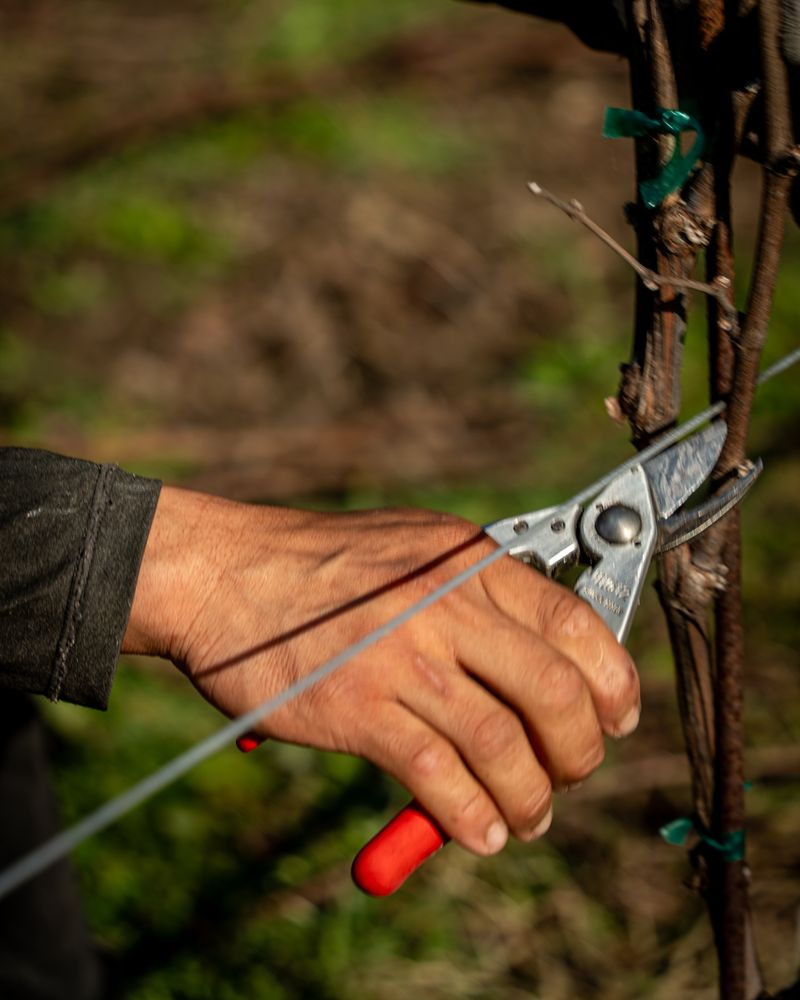
While you can trim vines that invade your property, you must be careful not to harm the plant on your neighbor’s side of the fence.
Washington law protects your neighbor’s property rights too.
If your trimming causes serious damage to the vine at its base or roots, you could be held liable.
Think of it this way: you can remove what’s on your side, but you cannot hurt what remains on theirs.
For example, if cutting the vines causes the entire plant to wither or stop thriving, your neighbor might have grounds to sue you for damages.
Your Washington Garden Changes Every Week. Your Plan Should Too.
Gardening in Washington changes quickly throughout the season. Every Friday you’ll receive a simple weekly plan showing exactly what to plant, prune, fertilize, harvest, and protect so you never miss the right timing.
Courts look at whether your actions were reasonable and necessary.
Use sharp, clean tools and make neat cuts rather than tearing or ripping the vines.
Avoid using harsh chemicals near the property line that could seep into your neighbor’s soil.
These precautions show you acted responsibly.
If the vine is particularly large or valuable, consider talking to your neighbor first.
A friendly conversation can prevent misunderstandings and potential legal trouble.
Document your actions with photos showing you stayed within your property boundaries.
Remember, exercising your rights comes with the responsibility to respect your neighbor’s property.
Trim thoughtfully and carefully to avoid crossing legal lines.
3. Your Neighbor Is Not Required To Trim Their Vines
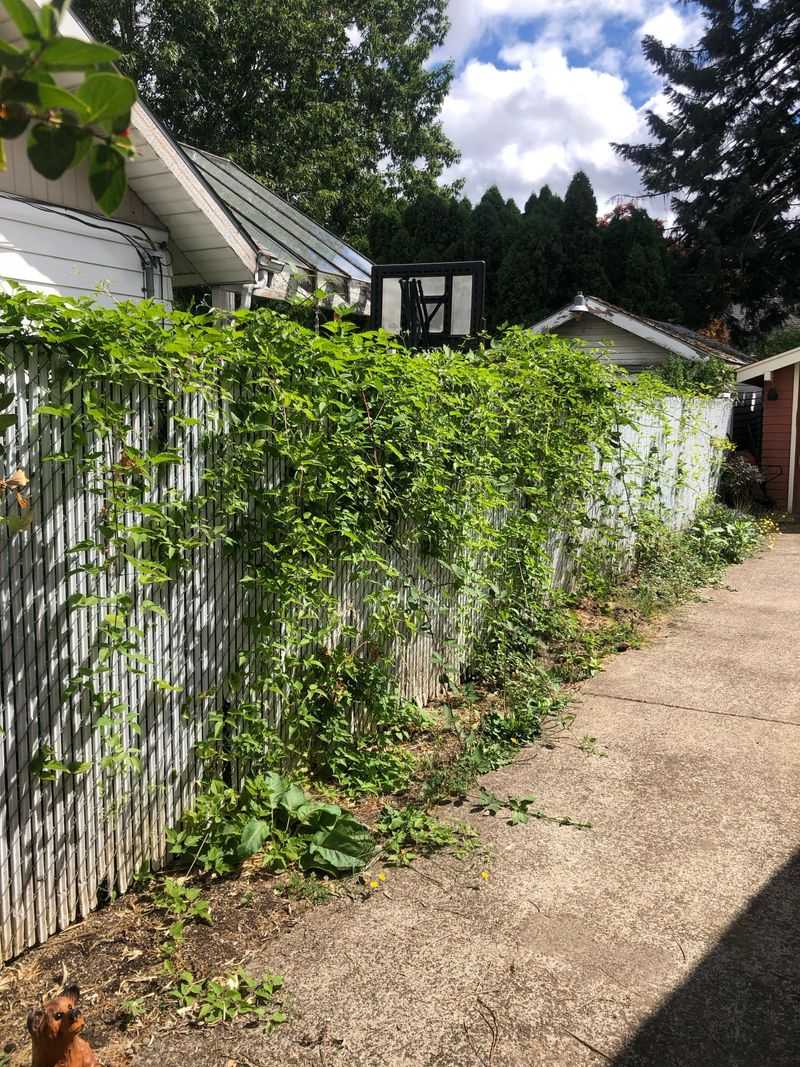
Many people assume their neighbor must keep vines from crossing the property line, but Washington law doesn’t work that way.
Your neighbor has no legal duty to trim their plants just because they grow onto your property.
The responsibility to manage vegetation on your side falls to you.
This surprises many homeowners who expect their neighbors to maintain control of their plants.
However, property law in Washington focuses on self-help remedies.
You handle what’s on your side, and they handle what’s on theirs.
That said, good neighbors often work together to keep shared fence lines tidy.
A polite request might prompt your neighbor to trim back their vines voluntarily.
But if they refuse or ignore you, you cannot force them to take action.
Your only legal option is to trim the vines yourself on your side of the fence.
You cannot demand that your neighbor remove the entire plant or keep it from growing toward your yard.
The law simply doesn’t give you that power.
Understanding this helps set realistic expectations.
Instead of getting frustrated with your neighbor, focus on what you can control.
Trim what crosses over, and maintain your own property boundaries.
If the situation becomes extreme, other legal options like nuisance claims might apply, but those require special circumstances and evidence of significant harm.
4. You Can Keep The Trimmed Vines Or Dispose Of Them
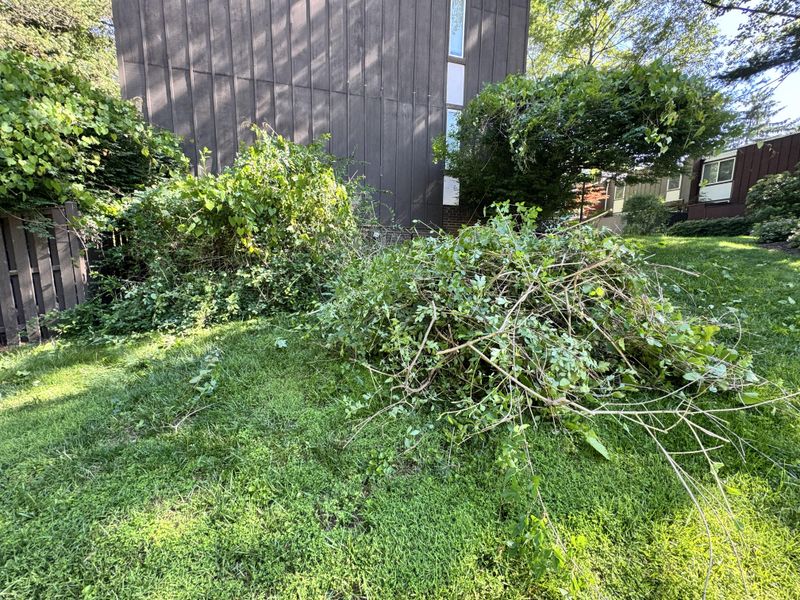
After you trim the vines that grew onto your property, you might wonder what to do with all those clippings.
Washington law allows you to keep them or throw them away as you see fit.
They became part of your property when they crossed the boundary line.
You don’t have to return the trimmed vines to your neighbor.
Some people worry about this, thinking they must give back what they cut.
But once vegetation grows onto your land, it’s yours to manage.
You can compost the clippings, use them as mulch, or simply toss them in your yard waste bin.
If the vines have any value, such as grapevines producing fruit, you can even keep the fruit that grew on your side.
The law treats these as your property.
However, be respectful and reasonable.
Don’t throw the clippings back over the fence into your neighbor’s yard.
That could be considered littering or trespassing and might escalate tensions unnecessarily.
Proper disposal shows you’re handling the situation maturely.
Most cities have yard waste collection services that make disposal easy.
If you have a lot of material, consider renting a yard waste bin.
The bottom line is simple: once you trim the vines on your side, they’re yours to deal with however you choose.
Just dispose of them responsibly and considerately.
5. You Cannot Trespass To Trim The Vines At Their Source
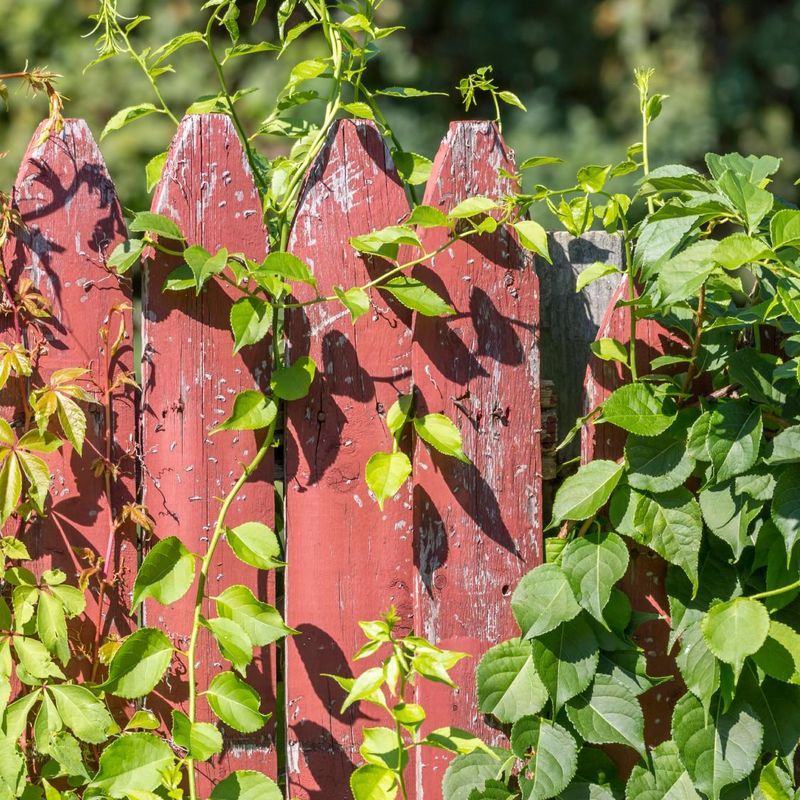
It might be tempting to solve the vine problem once and for all by going into your neighbor’s yard and cutting the plant at its base.
But Washington law is crystal clear: you cannot trespass on someone else’s property to trim their plants.
Doing so could result in criminal trespassing charges or a civil lawsuit.
Even if the vines are a constant nuisance, you must respect property boundaries.
Your right to trim only extends to your side of the fence.
You cannot reach over, climb over, or walk onto your neighbor’s land without permission.
Some homeowners think they’re helping by removing the source of the problem.
But from a legal standpoint, this is property damage and trespassing.
Your neighbor could sue you for the value of the plant and any other damages.
If the vines are truly out of control, the proper approach is to talk to your neighbor first.
Explain the situation and ask if they would be willing to trim the plant themselves.
Most people will cooperate when approached respectfully.
If talking doesn’t work, you can continue trimming on your side as needed.
You might also consider mediation or, in extreme cases, legal action for nuisance.
But never take matters into your own hands by crossing the property line.
Staying on your side keeps you legally protected and maintains good neighborly relations.
6. Poisoning Or Harming The Vines Can Lead To Liability
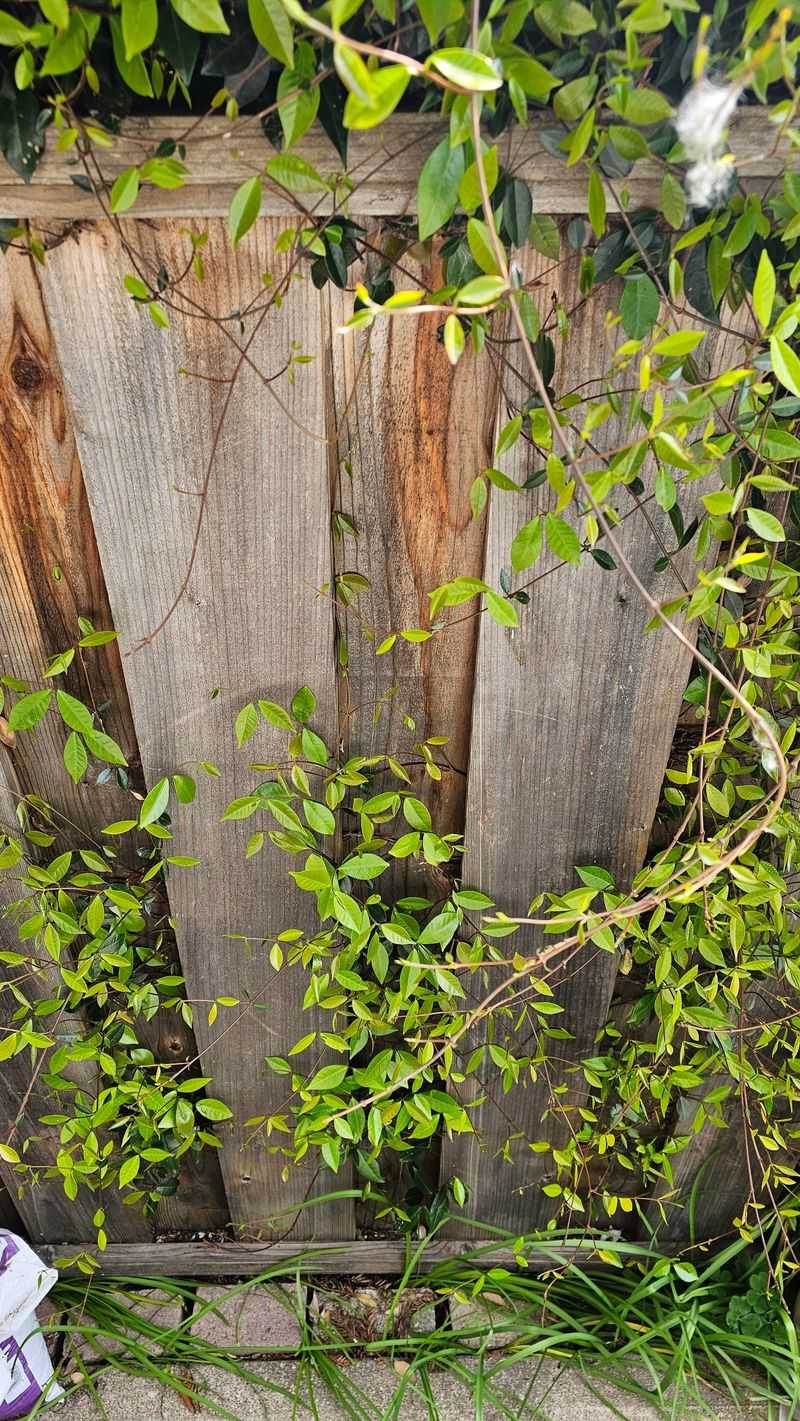
Some frustrated homeowners consider using chemicals to stop the vines from growing back.
But spraying herbicides or using other methods to poison your neighbor’s plant can get you into serious legal trouble in Washington.
Courts view this as intentional property damage.
Even if you spray only on your side of the fence, chemicals can seep through soil and roots to harm the plant on your neighbor’s property.
If your actions cause the vine to wither or perish, you could be sued for the plant’s value and any related damages.
Depending on the plant, this could mean hundreds or even thousands of dollars.
Washington law requires you to act reasonably and avoid causing unnecessary harm.
Poisoning a plant goes beyond reasonable trimming.
It’s seen as malicious or reckless behavior.
If you want to prevent regrowth, physical barriers like root guards or regular trimming are better options.
These methods keep the vines off your property without damaging your neighbor’s plant.
They also keep you on the right side of the law.
Always think twice before using chemicals near property lines.
What seems like a quick fix can turn into a costly legal battle.
Stick to mechanical trimming and protective measures.
If the vines are truly invasive and cause significant problems, document the issue and consider speaking with a lawyer about your options.
But never resort to poisoning.
7. Document Everything Before And After Trimming
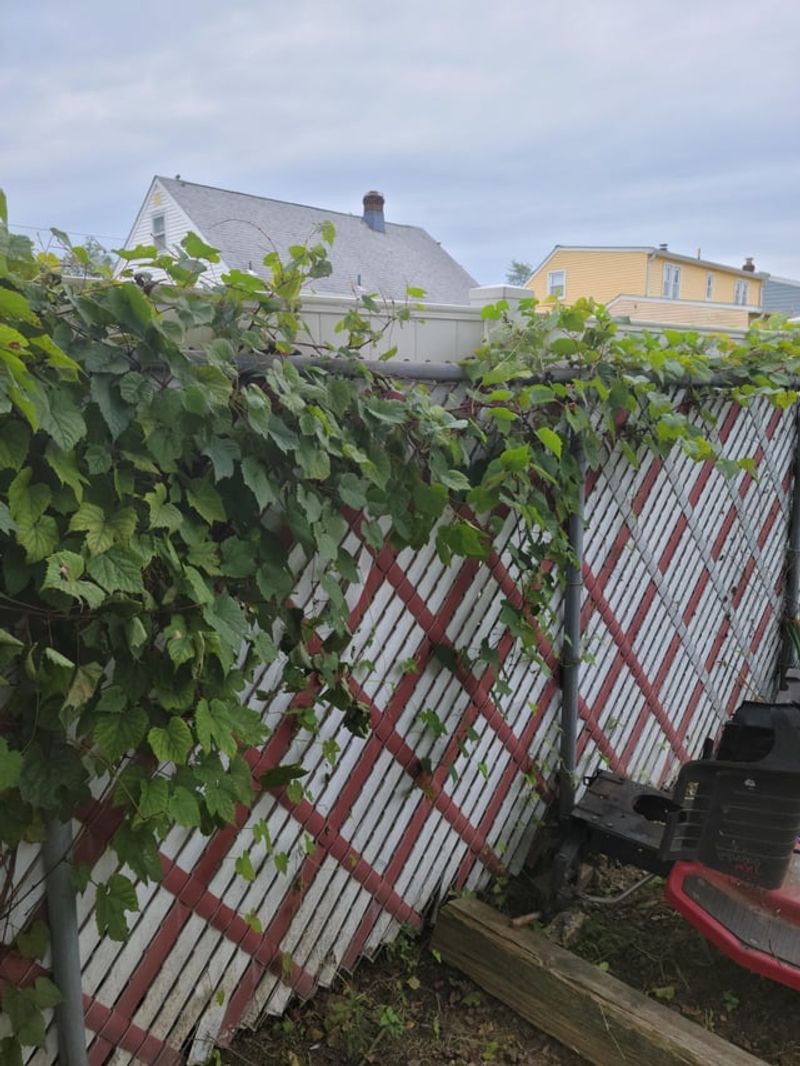
Before you pick up those pruning shears, grab your camera or smartphone and start taking pictures.
Documenting the condition of the vines and your property line before and after trimming can protect you if disputes arise later.
Photos serve as evidence that you acted within your legal rights.
Take clear images showing where the vines cross your fence and how far they extend onto your property.
Include shots of the entire fence line and close-ups of the vine growth.
If possible, photograph any property markers or survey stakes that confirm the boundary.
After trimming, take more photos showing the neat cuts and the fact that you stayed on your side.
These images prove you trimmed responsibly and didn’t damage your neighbor’s property.
They can be crucial if your neighbor later claims you harmed their plant or trespassed.
Keep a written record too, noting the date you trimmed and any conversations you had with your neighbor.
If you sent a letter or email beforehand, save copies.
This paper trail shows you acted in good faith.
Documentation might seem like overkill, but it’s a simple step that can save you headaches down the road.
If a dispute ends up in small claims court, your photos and notes will speak volumes.
They show you were careful, informed, and respectful of the law.
Think of documentation as your insurance policy.
8. Consider Talking To Your Neighbor First
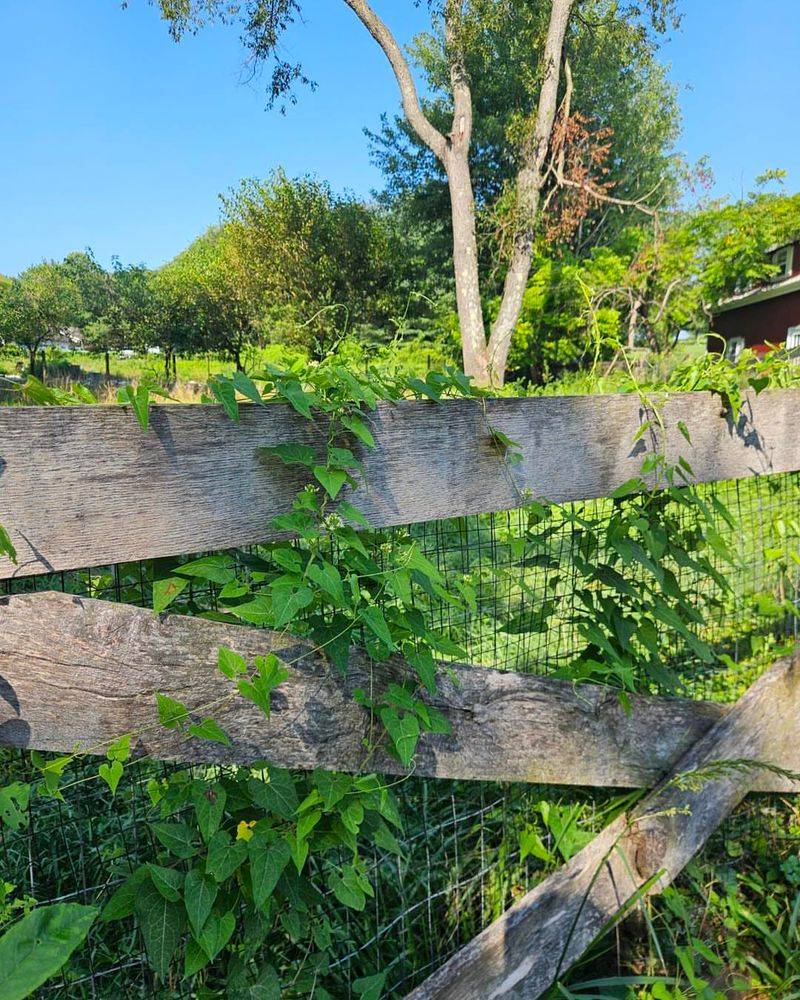
While you have the legal right to trim vines on your property, starting with a friendly conversation can make the whole process smoother.
Most neighbor disputes escalate because of poor communication, not because of the actual issue.
A simple chat can often resolve the problem before it becomes a big deal.
Approach your neighbor calmly and politely.
Explain that the vines are growing over your fence and you’d like to trim them back.
Ask if they have any concerns or if they’d prefer to trim the vines themselves.
Many neighbors appreciate the heads-up and will offer to help or at least understand your position.
Some might not even realize their vines are causing an issue.
A conversation opens the door to cooperation rather than conflict.
If your neighbor gets defensive or refuses to discuss it, stay calm and professional.
Let them know you plan to trim only on your side and that you’ll be careful not to damage their property.
This shows respect and reduces the chance of retaliation or legal action.
In some cases, neighbors might agree to split the cost of professional trimming or install a barrier together.
These collaborative solutions can strengthen relationships and prevent future problems.
Even if your neighbor is uncooperative, you’ve done your part to communicate.
Good fences might make good neighbors, but good conversations make even better ones.