12 Easy-Care Perennials That Thrive In Michigan Gardens
Michigan gardens face a constant shuffle of moods, from chilly spring mornings to hot midsummer afternoons, yet some perennials handle it all as if built for the job.
These steady growers know how to roll with the punches, pushing up fresh foliage and bright blooms even when the weather keeps gardeners guessing.
A single planting can pay off for years, filling beds and borders with color without asking for daily attention.
They shrug off sudden cold snaps, bounce back after heavy rain, and settle in so well that the garden almost seems to run on autopilot.
Each plant brings its own spark, adding shape, texture, and life through every twist of the season.
With the right mix, a Michigan yard can look lively from thaw to frost, giving homeowners a garden that shines without constant fuss.
These easy-care perennials turn any patch of soil into a dependable, long-running show that never loses its charm.
1. Black-Eyed Susans
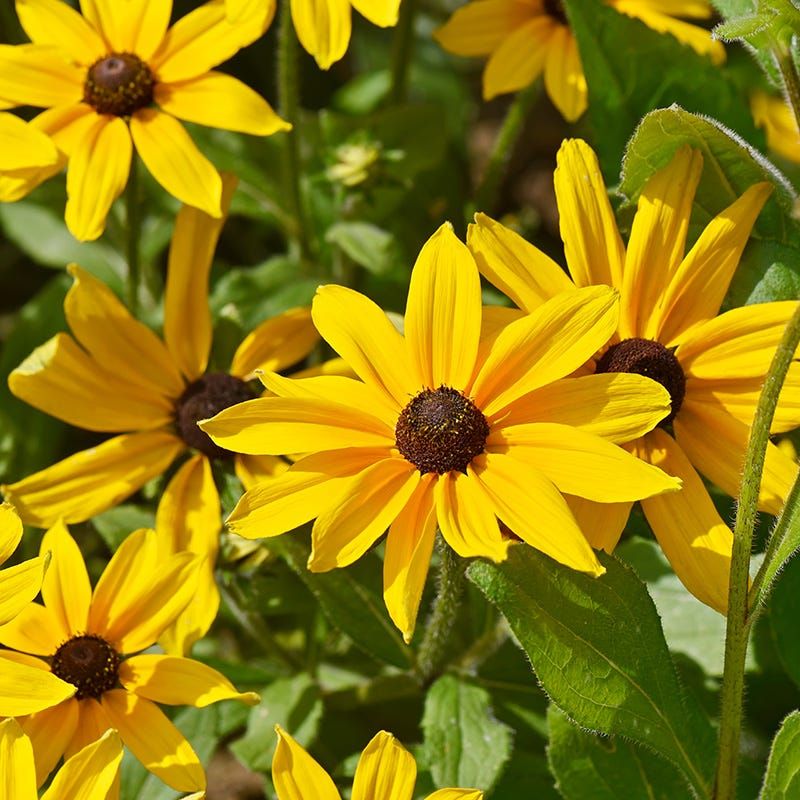
Cheerful golden petals surrounding chocolate-brown centers make Black-Eyed Susans one of the most recognizable wildflowers across Michigan landscapes.
These native beauties burst into bloom from mid-summer through fall, creating masses of sunshine-yellow color that brighten even the dreariest corners of your yard.
Their tough constitution allows them to flourish in almost any soil type, from clay to sand, and they handle both full sun and partial shade without complaint.
Michigan gardeners appreciate how these plants spread naturally to fill empty spaces, creating fuller displays each season without becoming invasive nuisances.
They rarely suffer from serious pest problems and can withstand periods of drought once established, making them perfect for busy homeowners.
Butterflies and bees flock to their nectar-rich blooms, adding movement and life to your garden throughout summer months.
Cutting back the spent flowers encourages additional blooming, though even neglected plants continue performing admirably.
Their seed heads provide winter interest and food for birds during colder months.
Standing two to three feet tall, they work beautifully in borders, meadow gardens, or naturalized areas.
Michigan’s climate suits them perfectly, and they’ll return reliably year after year with virtually no special care required beyond occasional division every few years to maintain vigor.
2. Daylilies
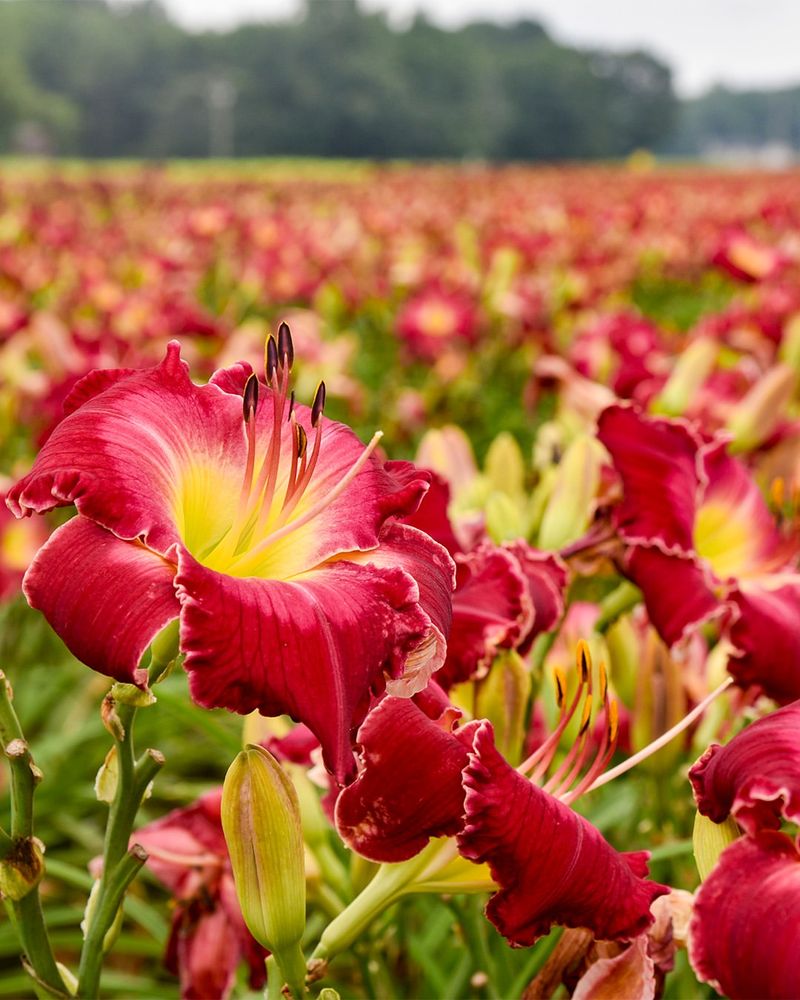
Few perennials match the reliability and beauty of daylilies when it comes to foolproof Michigan gardening.
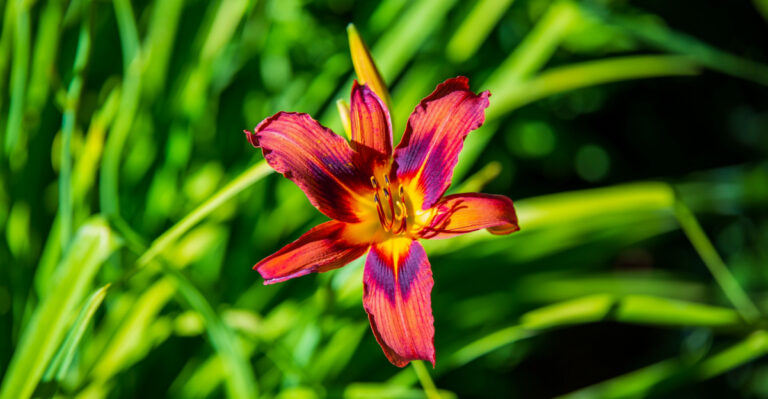
Available in practically every color except true blue, these stunning bloomers produce trumpet-shaped flowers that open fresh each morning and close by evening.
Each plant sends up multiple flower stalks throughout the blooming season, ensuring continuous color from late spring through summer depending on the variety you choose.
Their grass-like foliage remains attractive even when flowers aren’t present, providing texture and structure to garden beds.
Daylilies adapt to nearly any growing condition Michigan throws at them, tolerating clay soil, occasional flooding, and periods of dryness with equal grace.
They grow successfully in full sun or partial shade, though more sunlight typically produces heavier blooming.
Pests and diseases rarely bother these tough plants, and deer tend to avoid them in most Michigan neighborhoods.
Your Michigan Garden Changes Every Week. Your Plan Should Too.
Gardening in Michigan changes quickly throughout the season. Every Friday you’ll receive a simple weekly plan showing exactly what to plant, prune, fertilize, harvest, and protect so you never miss the right timing.
They multiply steadily, forming substantial clumps that can be divided and shared with friends or spread throughout your landscape.
Once planted, daylilies essentially take care of themselves, requiring no deadheading, staking, or special winter protection.
They emerge dependably each spring and grow vigorously throughout the season, making them ideal for beginners and experienced gardeners alike who want maximum impact with minimal maintenance in their Michigan yards.
3. Hostas
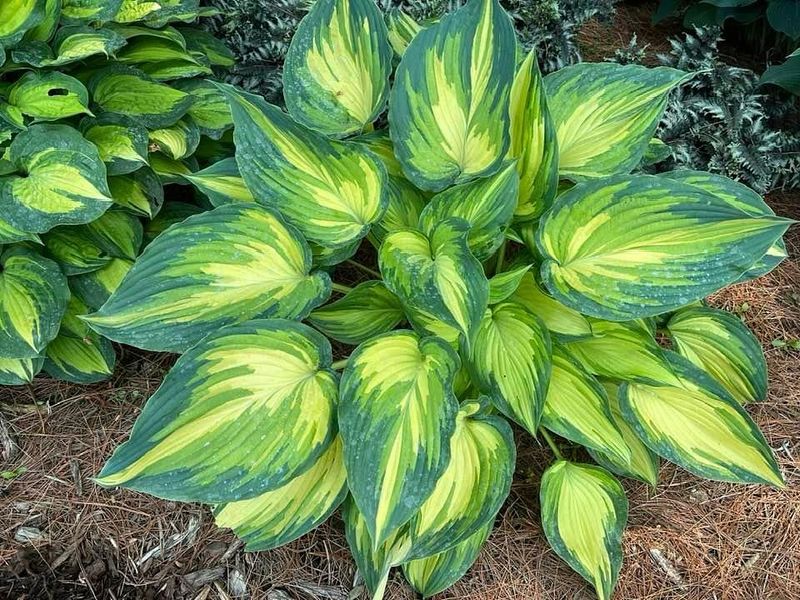
When shade dominates your Michigan landscape, hostas become your best gardening allies.
These foliage superstars come in an astounding variety of sizes, colors, and leaf textures, from miniature six-inch specimens to giant varieties with leaves bigger than dinner plates.
Blue-green, chartreuse, gold, and variegated patterns offer endless design possibilities for brightening those dim spots under trees or along north-facing walls where little else thrives.
Michigan’s climate provides exactly what hostas crave, adequate moisture and cooler temperatures that prevent leaf scorch.
They grow contentedly in heavy clay soil as long as it drains reasonably well, and they rarely require fertilization beyond an annual topdressing of compost.
Slugs occasionally nibble their leaves, but established plants shrug off this minor damage without missing a beat.
Their low-growing mounds suppress weeds naturally while creating lush, layered looks in woodland gardens or foundation plantings.
Bonus spikes of lavender or white flowers appear in summer, attracting hummingbirds to your yard.
Hostas expand gradually each year, eventually forming impressive clumps that can be divided if desired.
They disappear completely in winter, then emerge reliably each spring as temperatures warm.
For Michigan gardeners seeking easy-care shade plants that deliver season-long beauty, hostas remain unbeatable choices that practically grow themselves.
4. Coneflowers
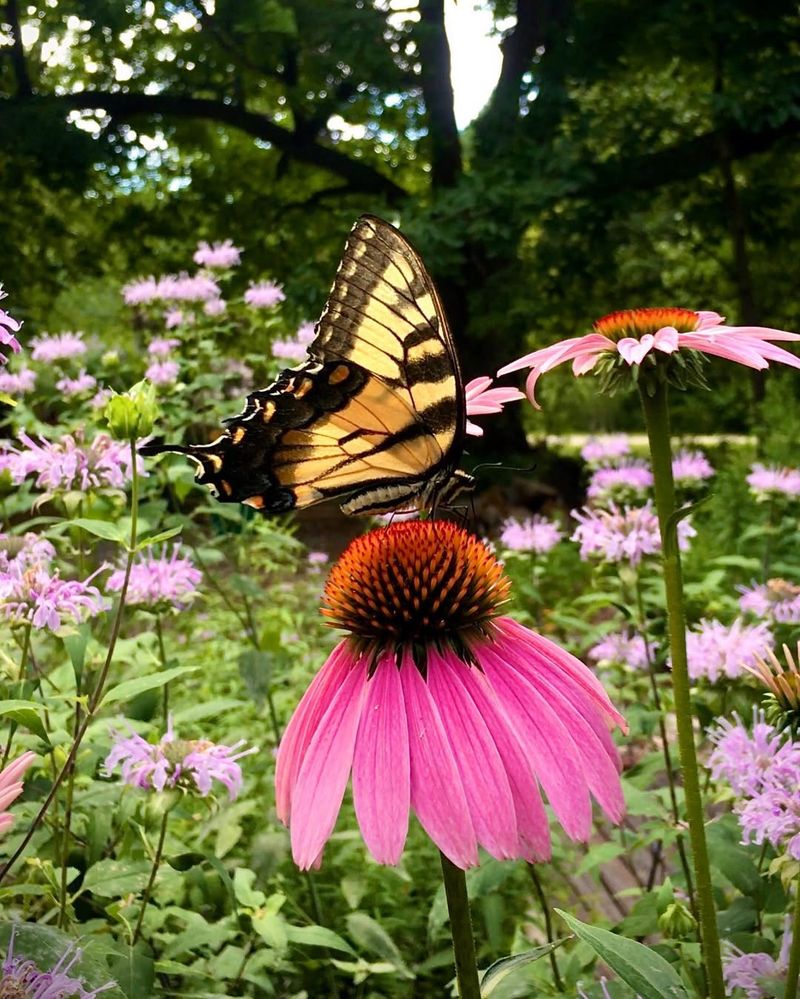
Bold and beautiful, coneflowers stand tall in Michigan gardens with their distinctive raised centers and drooping petals that seem to dance in summer breezes.
While purple remains the classic color, modern varieties now bloom in white, yellow, orange, pink, and red, giving gardeners exciting options for creative color combinations.
These prairie natives evolved to handle tough conditions, making them perfectly suited to Michigan’s variable weather patterns and diverse soil types.
Drought tolerance ranks among their most valuable traits, as established plants sail through dry spells without wilting or requiring emergency watering.
They prefer full sun but tolerate light shade, and they’re completely unfazed by Michigan’s cold winters.
Pollinators absolutely adore coneflowers, with butterflies, bees, and even hummingbirds visiting their blooms throughout the day.
Their sturdy stems rarely need staking, and the plants resist most diseases and pests that plague other perennials.
Goldfinches feast on their seed heads in fall and winter, providing entertainment for bird watchers.
Coneflowers bloom from midsummer into fall, especially if you occasionally remove spent flowers.
They grow two to four feet tall depending on variety, working well in borders, cottage gardens, or naturalized meadow plantings.
Michigan gardeners love how these dependable bloomers return stronger each year, requiring nothing more than occasional division to maintain their vigor and generous flowering habit.
5. Sedum
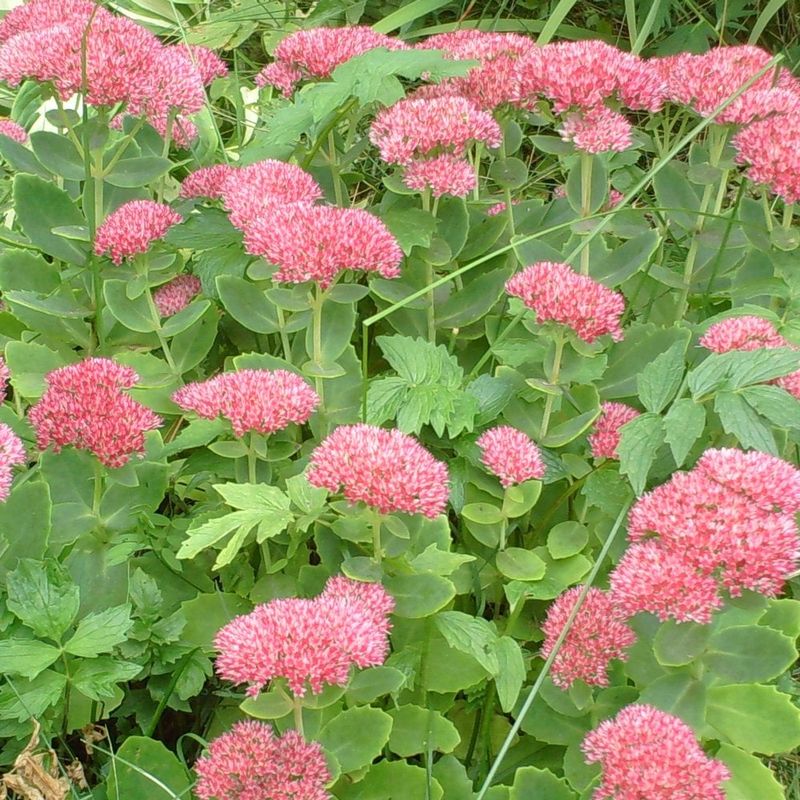
Succulent leaves and incredible toughness make sedums unbeatable choices for Michigan’s sunniest, driest garden spots.
These fleshy-leaved plants store water in their tissues, allowing them to survive extended periods without rain or supplemental watering.
Varieties range from low creeping ground covers barely an inch tall to upright types reaching two feet, offering solutions for multiple landscaping challenges around your Michigan property.
Ground-hugging sedums blanket rock gardens, cascade over retaining walls, or fill cracks between stepping stones with colorful mats of foliage and star-shaped flowers.
Taller varieties like Autumn Joy produce flat flower clusters that start out green, turn pink, then mature to rusty red, providing months of changing color from late summer through winter.
Their thick stems never require staking, and the dried flower heads add architectural interest to snow-covered Michigan gardens.
Sedums thrive in poor, rocky soil where other plants struggle, and they actually perform worse in rich, heavily amended beds.
They need zero fertilizer and minimal attention once established.
Bees and butterflies visit their nectar-rich blooms enthusiastically.
These plants propagate easily from stem cuttings or divisions, letting you expand your collection or share with neighbors.
Michigan’s cold winters don’t faze them at all, and they emerge vigorously each spring ready for another season of carefree beauty in your landscape.
6. Russian Sage
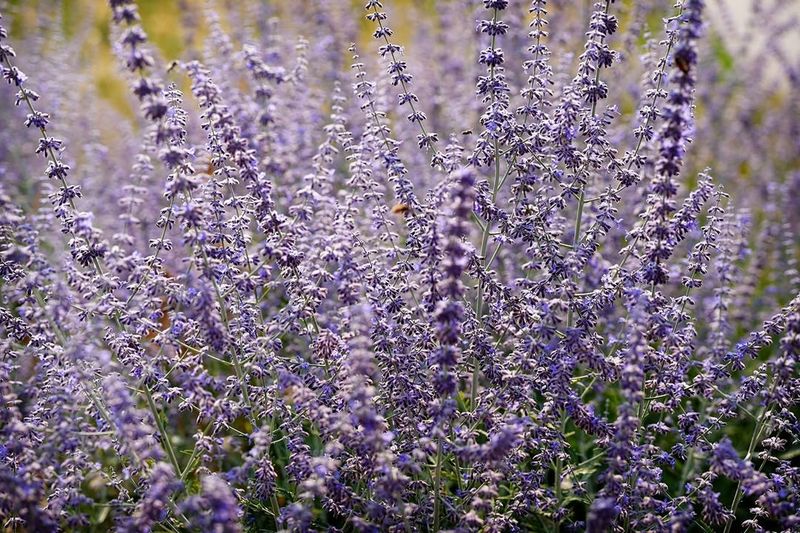
Clouds of tiny lavender-blue flowers floating above silvery foliage create an ethereal presence wherever Russian sage grows in Michigan landscapes.
This woody perennial brings a Mediterranean vibe to Midwest gardens with its aromatic gray-green leaves and tall, airy stems that sway gracefully in breezes.
Blooming from midsummer through fall, it provides months of soft color that complements bolder flowers beautifully.
Extreme drought tolerance makes Russian sage ideal for Michigan’s hottest, driest locations where other perennials wither and struggle.
Once established, it rarely needs watering even during extended dry spells.
It prefers lean soil and actually becomes floppy and less attractive when grown in rich, heavily fertilized beds.
Full sun brings out its best performance, though it tolerates light shade reasonably well.
Deer and rabbits avoid its pungent foliage, while bees and butterflies visit its flowers constantly throughout the blooming season.
Russian sage grows three to four feet tall and equally wide, creating substantial presence in borders and mixed plantings.
Its woody stems provide winter structure in Michigan gardens, though you’ll want to cut them back to about six inches in early spring before new growth emerges.
This plant asks for almost nothing but delivers stunning beauty year after year, making it perfect for low-maintenance Michigan landscapes that still need visual impact and seasonal interest.
7. Shasta Daisies
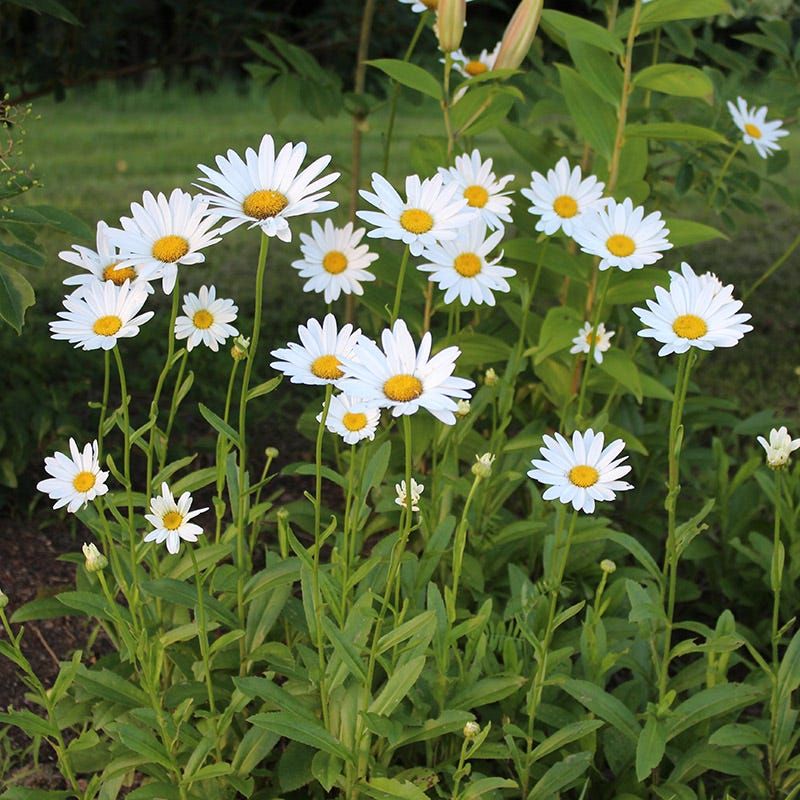
Classic white petals radiating around sunny yellow centers give Shasta daisies their timeless appeal in Michigan gardens.
These cheerful bloomers evoke cottage garden charm while requiring remarkably little effort from busy gardeners.
They flower prolifically from early summer into fall, especially when you remove spent blooms regularly to encourage fresh flower production throughout the season.
Michigan’s climate suits Shasta daisies perfectly, as they handle both cold winters and humid summers without complaint.
They grow best in full sun with average, well-drained soil, though they adapt to various conditions including clay if drainage isn’t terrible.
Their clumping habit keeps them well-behaved in borders without spreading aggressively like some perennials.
These daisies make excellent cut flowers, lasting over a week in vases and providing endless bouquets for your home.
Butterflies visit their blooms regularly, adding movement and interest to your garden.
They typically reach two to three feet tall depending on variety, with dark green foliage that remains attractive even when flowers aren’t present.
Dividing clumps every few years keeps plants vigorous and flowering heavily.
Shasta daisies combine beautifully with nearly any other perennial, working as neutral elements that tie color schemes together.
They rarely suffer from serious pest or disease problems in Michigan gardens.
Their reliability and classic beauty make them favorites among both beginning and experienced gardeners who appreciate plants that deliver consistent results with minimal fussing or special care requirements.
8. Coral Bells
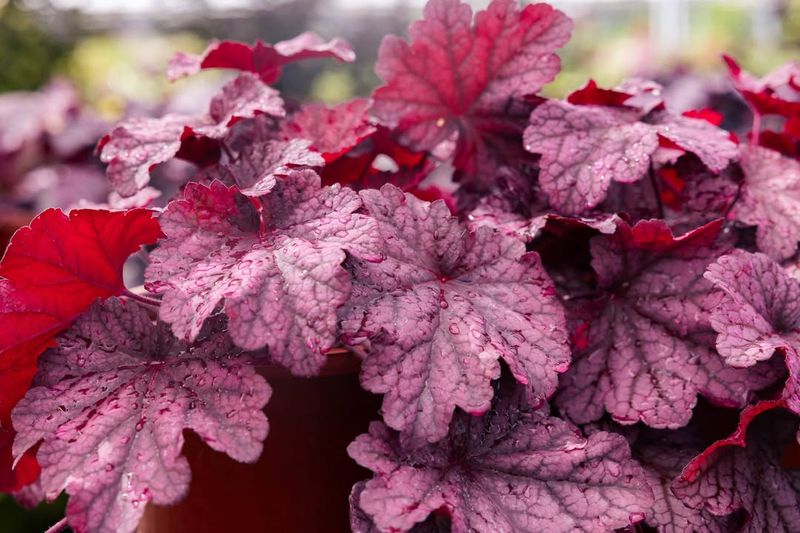
Ruffled leaves in stunning shades of burgundy, amber, lime, silver, and purple make coral bells foliage stars in Michigan shade gardens.
While they do produce delicate flower spikes in late spring, most gardeners grow these beauties primarily for their spectacular leaves that provide color from spring through fall.
Modern breeding has created an explosion of varieties with increasingly vibrant foliage colors and patterns that brighten shady spots like nothing else.
Coral bells adapt to various light conditions, growing in full shade to partial sun throughout Michigan landscapes.
They prefer well-drained soil and appreciate occasional moisture during dry spells, though established plants tolerate short droughts reasonably well.
Their compact mounding habit makes them perfect for edging walkways, fronting borders, or tucking into containers alongside other shade lovers.
These plants stay semi-evergreen in many Michigan locations, with foliage persisting well into winter before finally succumbing to harsh cold.
They emerge early in spring, providing color when most other perennials haven’t yet awakened.
Hummingbirds visit their tiny tubular flowers enthusiastically during blooming season.
Coral bells rarely suffer from serious pest problems and diseases seldom bother them.
They combine beautifully with hostas, ferns, and other shade plants, adding fine texture and intense color to woodland gardens.
Dividing clumps every few years keeps them vigorous, though even neglected plants continue performing admirably.
For Michigan gardeners wanting easy-care foliage interest in shady areas, coral bells deliver stunning results with minimal maintenance required.
9. Catmint
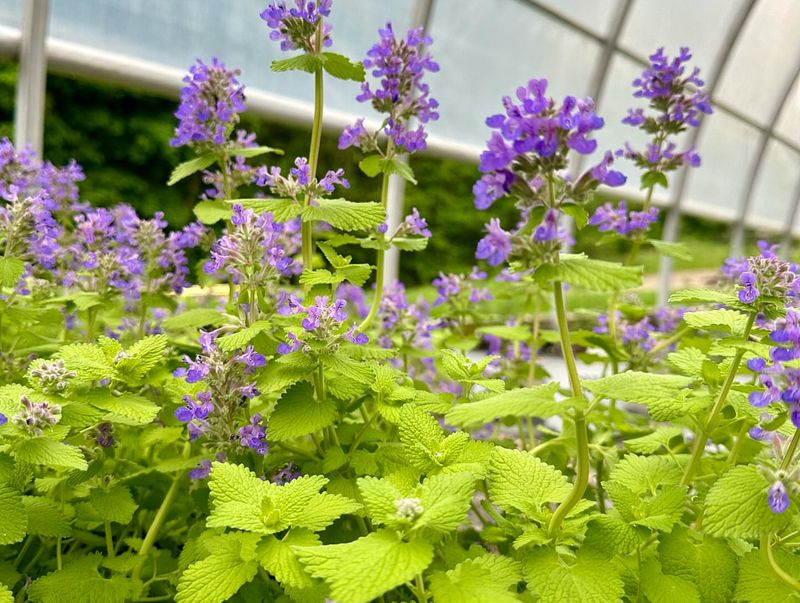
Billowing masses of lavender-blue flowers create a soft, romantic effect wherever catmint grows in Michigan landscapes.
This aromatic perennial blooms heavily in late spring, then continues producing scattered flowers throughout summer into fall, especially if sheared back after the first flush of blooms fades.
Its gray-green foliage releases a pleasant minty fragrance when brushed or crushed, though it’s much milder than true catnip.
Drought tolerance ranks among catmint’s greatest assets, as established plants flourish through dry Michigan summers without supplemental watering.
It grows best in full sun with average to poor soil, actually becoming leggy and less attractive in overly rich, heavily fertilized beds.
The plants form spreading mounds typically twelve to eighteen inches tall and equally wide, creating substantial presence without overwhelming smaller companions.
Deer and rabbits avoid catmint’s aromatic foliage, making it valuable in Michigan neighborhoods where these animals create gardening challenges.
Meanwhile, bees and butterflies visit its flowers constantly from dawn to dusk.
The plants never need staking despite their billowy growth habit, and they resist virtually all pests and diseases that trouble other perennials.
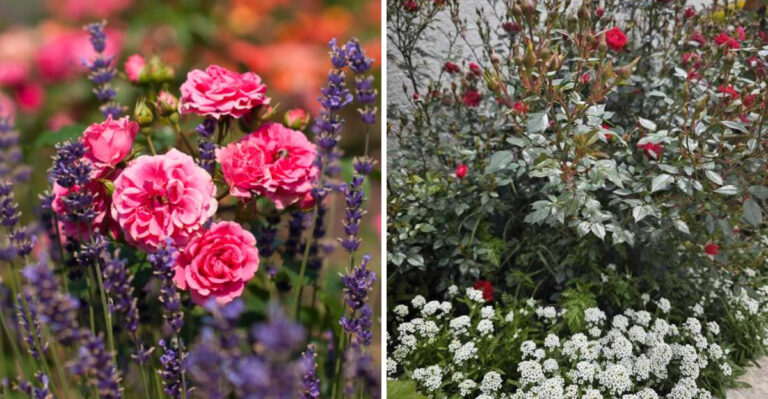
Catmint combines beautifully with roses, complementing their blooms while hiding their often-leggy lower stems.
It edges pathways gracefully or softens harsh hardscape edges throughout your Michigan property.
Once established, these plants essentially care for themselves, asking only for an occasional shearing to maintain compact shape and encourage repeat blooming throughout the growing season.
10. Ornamental Grasses
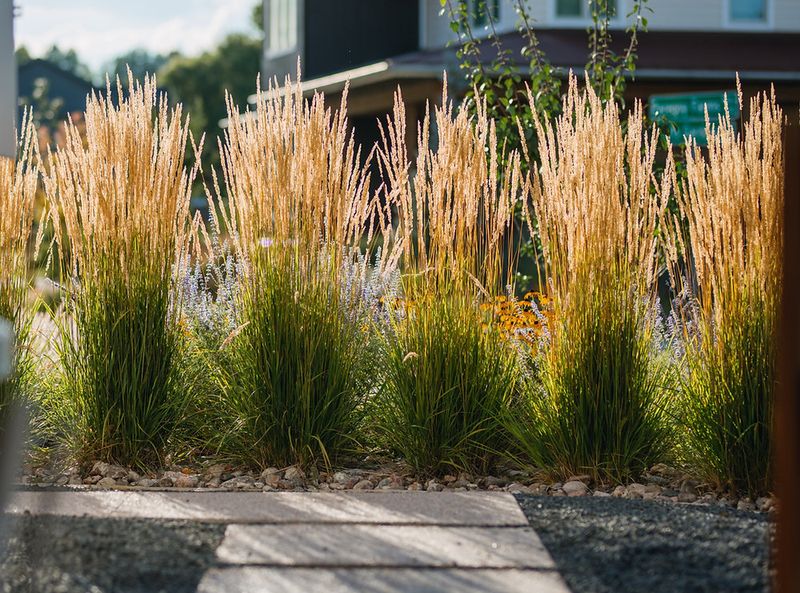
Graceful movement and year-round interest make ornamental grasses increasingly popular in Michigan landscapes.
These versatile perennials range from compact six-inch ground covers to towering eight-foot specimens that create dramatic focal points or privacy screens.
Their flowing foliage sways with every breeze, adding motion and sound to gardens while requiring virtually no maintenance once established in appropriate locations.
Michigan gardeners find ornamental grasses incredibly adaptable to various soil types and moisture levels, with varieties available for wet, dry, sunny, or partially shaded conditions.
Most prefer full sun and well-drained soil, where they develop their best color and most robust growth.
They handle cold winters beautifully, with many varieties providing stunning fall color and attractive seed heads that persist through snow and ice.
These plants rarely suffer from pest or disease problems, and deer typically leave them alone.
They need no fertilizing, staking, or deadheading throughout the growing season.
Simply cut them back to about six inches in early spring before new growth emerges, and they’ll perform beautifully for another year.
Birds appreciate their seeds, and the dried foliage provides winter shelter for beneficial insects.
Varieties like Karl Foerster feather reed grass, little bluestem, and switchgrass have proven especially reliable in Michigan gardens.
They combine beautifully with flowering perennials, providing contrasting texture and form.
Whether used as specimens, massed for impact, or mixed into borders, ornamental grasses deliver four-season beauty with minimal care required.
11. Peonies
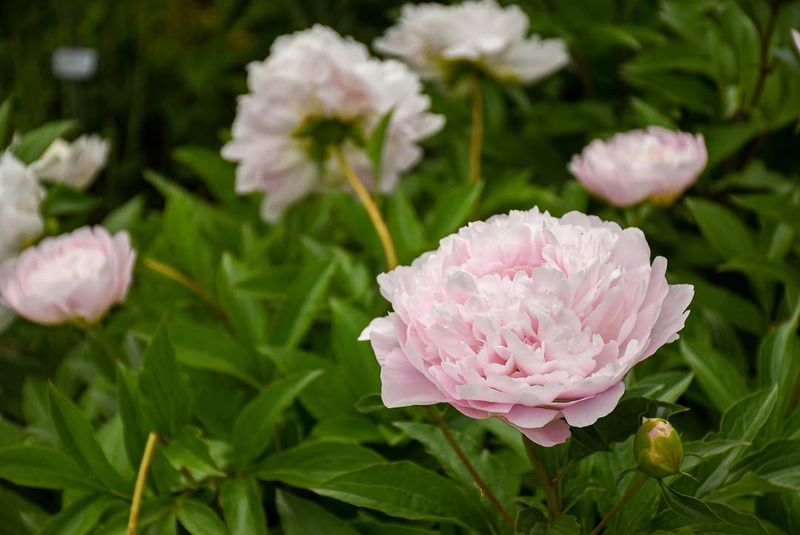
Spectacular spring blooms and incredible longevity make peonies treasured heirlooms in Michigan gardens.
These long-lived perennials often outlive the gardeners who plant them, with some clumps continuing to bloom for fifty years or more when given proper conditions.
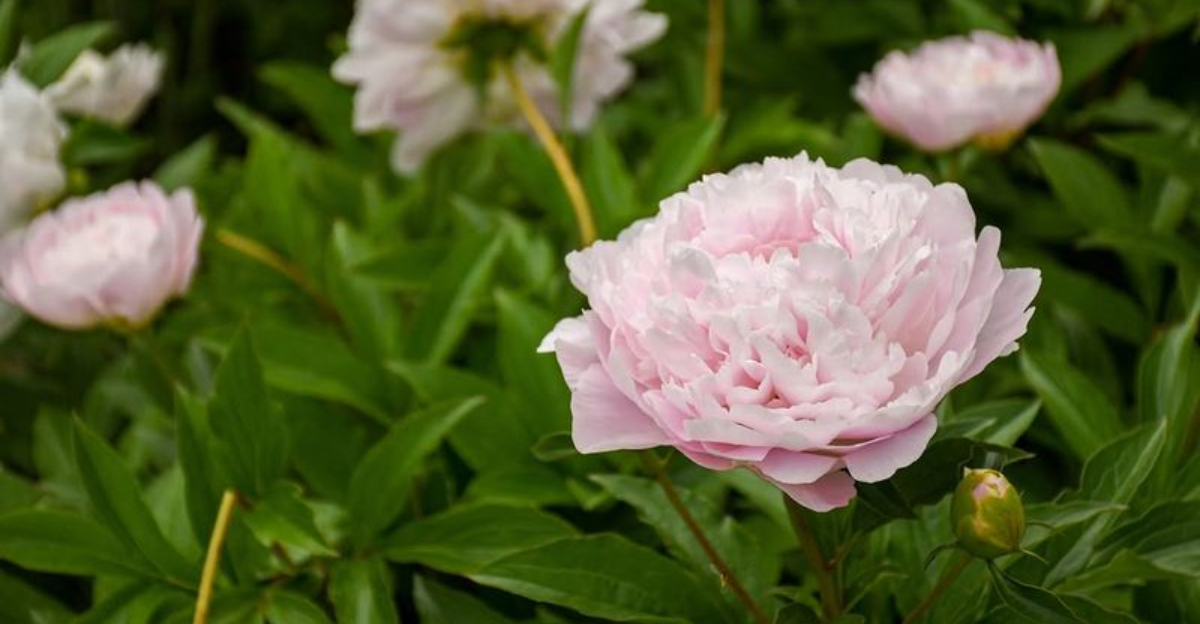
Their huge, often fragrant flowers arrive in late spring, creating breathtaking displays in shades of white, pink, red, and coral that stop people in their tracks.
Michigan’s cold winters actually benefit peonies, as they require chilling periods to bloom properly each spring.
They prefer full sun and rich, well-drained soil, though they adapt to various conditions once established.
The plants form substantial clumps of attractive foliage that remains handsome throughout summer even after flowers fade.
Their deep red fall color provides bonus interest before winter arrives.
Ants crawling on peony buds cause unnecessary worry among new gardeners, but these insects actually help flowers open properly and cause no harm.
The main challenge involves providing support for heavy blooms, which sometimes topple over after rain.
Peony rings or grow-through supports installed early prevent this problem effectively.
These plants rarely need division and actually resent being moved once established, so choose planting locations carefully.
They resist most pests and diseases in Michigan gardens.
While they take a few years to reach full blooming potential, their spectacular flowers and decades-long lifespan make the wait worthwhile.
For Michigan gardeners wanting stunning spring color that returns reliably year after year, peonies remain unbeatable choices.
12. Asters
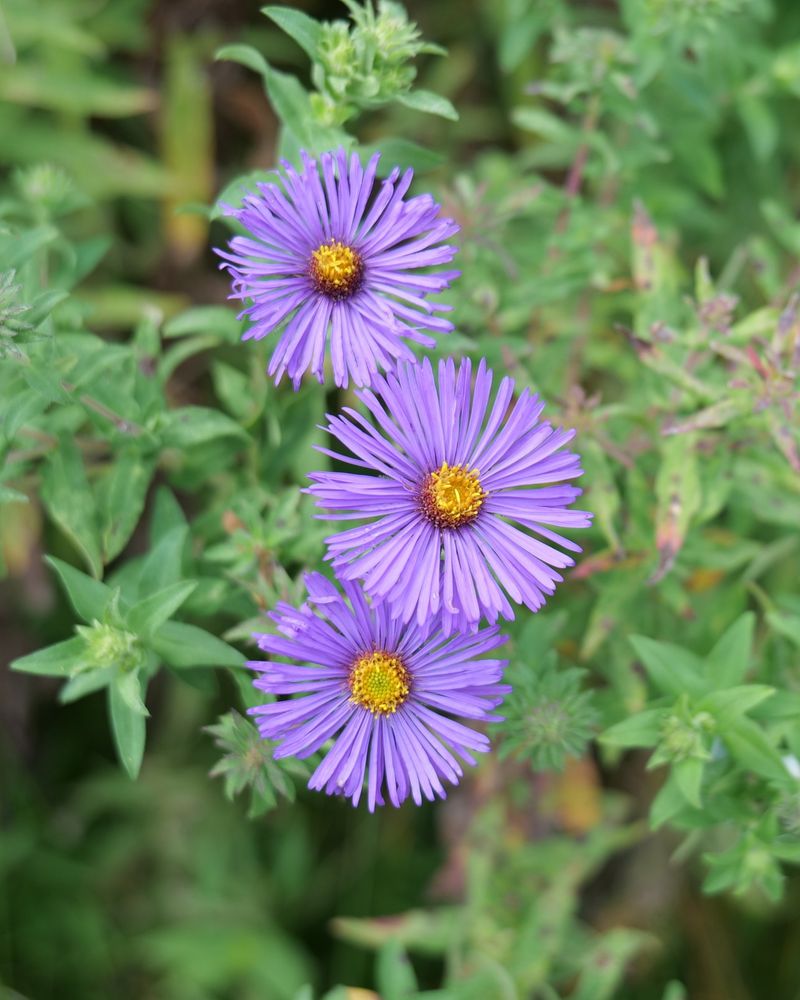
When most perennials have finished their show, asters burst into bloom across Michigan landscapes, providing crucial late-season color.
These daisy-like flowers in shades of purple, pink, blue, and white create spectacular displays from late summer through fall, often continuing until hard frost finally ends their performance.
Native varieties especially thrive in Michigan’s climate, having evolved to handle local conditions perfectly.
Asters grow in various heights from compact eight-inch mounds to tall three-foot plants suitable for back-of-border placements.
They prefer full sun and average soil, tolerating both clay and sandy conditions throughout the state.
Once established, they handle dry spells admirably, though they bloom more heavily with occasional watering during extended droughts.
Their sprawling habit fills empty spaces naturally, creating full, lush displays.
Butterflies and bees desperately seek asters’ nectar-rich blooms as other flowers fade, making these plants essential for supporting pollinators preparing for winter.
Pinching stems back in early summer produces bushier plants with more flowers, though unpinched specimens still perform admirably.
Asters spread gradually through underground runners, forming larger colonies each year without becoming problematic.
They combine beautifully with ornamental grasses, sedums, and other fall bloomers in Michigan gardens.
Powdery mildew sometimes affects their foliage but rarely impacts overall plant health or flowering.
For gardeners wanting to extend color into autumn when gardens often look tired, asters deliver reliable beauty with minimal care throughout their long blooming season.