12 Plants That Stay Healthy With Minimal Care In Michigan
Michigan weather keeps homeowners on their toes, swinging from lake-effect snow to humid summer heat without batting an eye.
Gardens often bear the brunt of those mood swings, leaving folks eager for plants that hold their own without constant attention.
A busy schedule, a hectic season, or a simple desire for low-fuss beauty shouldn’t force a yard to look tired or patchy.
Some plants stand tall through it all, shrug off stress, and flourish as if they have something to prove.
These hardy heroes don’t ask for daily check-ins, complicated routines, or pampered conditions.
They dig in, adapt, and deliver color or texture long after other plants wave the white flag.
Michigan’s changing seasons may push them, yet they respond with quiet strength and steady growth.
Neighbors pause, guests comment, and even seasoned gardeners raise an eyebrow at how effortlessly these selections perform.
1. Black-Eyed Susan
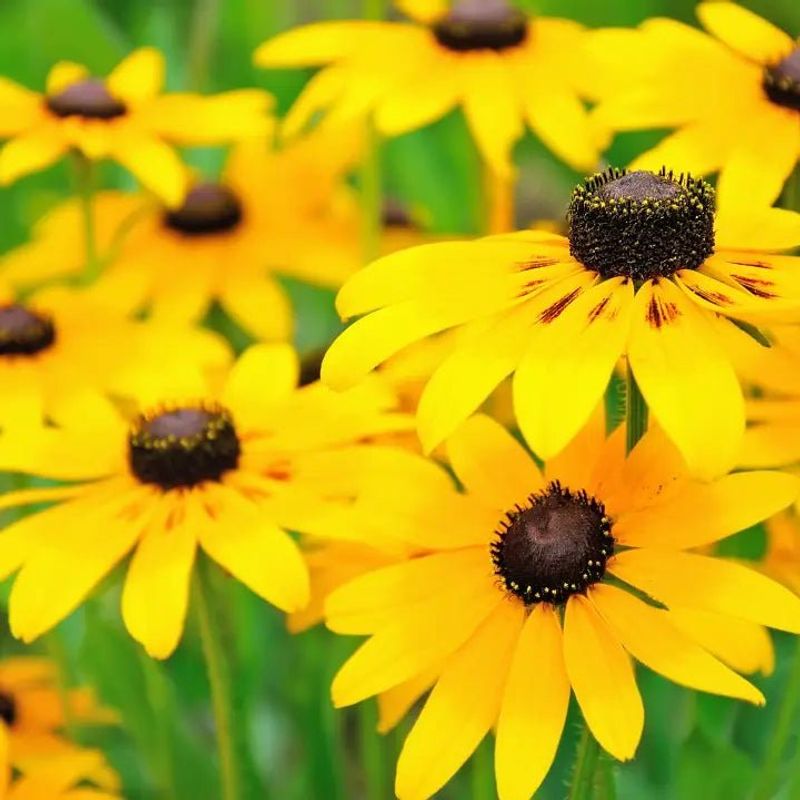
Bright golden petals surround dark chocolate centers on these cheerful wildflowers that seem to smile at every passerby.
Black-Eyed Susans naturalize easily across Michigan lawns and gardens, spreading their sunny disposition without becoming invasive nuisances.
These prairie natives tolerate poor soil, drought conditions, and full sun exposure that would wilt more delicate species.
Butterflies and bees flock to the nectar-rich blooms from June through September, creating a buzzing symphony of pollinator activity.
Once established, these perennials require virtually no fertilizer, pesticides, or special amendments to produce abundant flowers year after year.
Their deep taproots access moisture far below the surface, making them exceptionally drought-resistant during Michigan’s occasional dry spells.
Deadheading spent blooms encourages more flowers, but even neglected plants continue blooming prolifically throughout summer months.
Seeds provide winter food for goldfinches and other songbirds, adding ecological value beyond their visual appeal.
Michigan winters pose no threat to these hardy perennials, which reliably return each spring with increased vigor and spread.
Plant them in masses for dramatic impact or scatter them throughout mixed borders for pops of sunshine yellow that brighten any landscape design effortlessly.
2. Daylilies
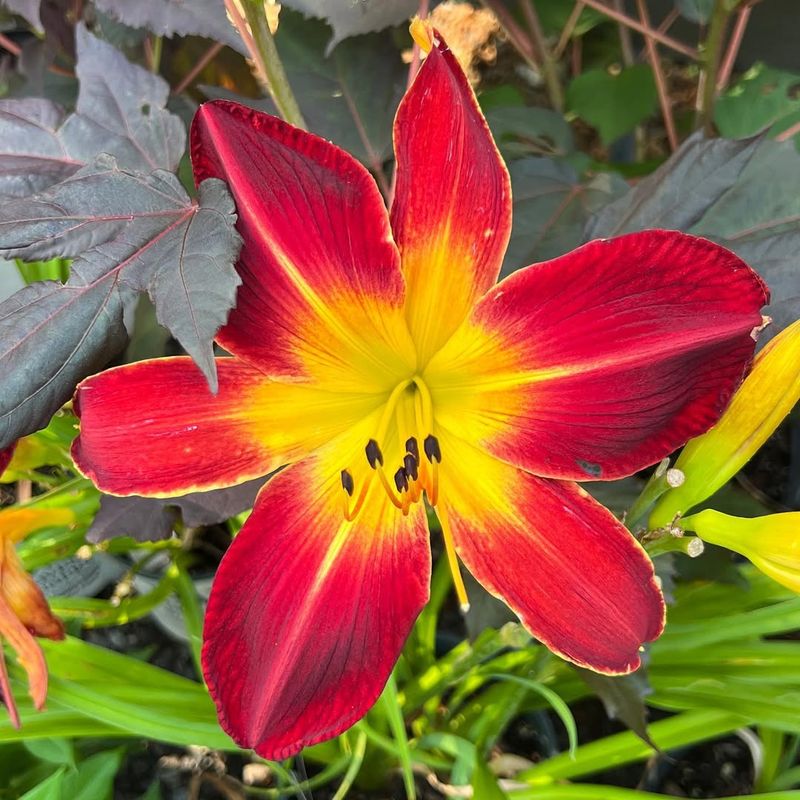
Few plants match the resilience and beauty of daylilies, which Michigan gardeners have cherished for generations as foolproof landscape staples.
Each trumpet-shaped bloom lasts just one day, but plants produce so many buds that the floral display continues for weeks without interruption.
Available in countless colors from pale yellow to deep burgundy, daylilies offer options for every garden palette and design preference.
Their thick, tuberous roots store water and nutrients, allowing plants to survive neglect that would devastate less adaptable species.
Michigan’s clay soils, sandy patches, and everything in between suit these versatile perennials perfectly without amendments or special preparation.
Deer occasionally nibble the buds, but plants bounce back quickly and continue producing flowers despite occasional browsing damage.
Division every few years keeps clumps vigorous, but even undivided plants bloom reliably for decades with minimal attention.
Their arching, grass-like foliage remains attractive even after flowers fade, providing textural interest throughout the growing season.
Frost tolerance makes them ideal for Michigan’s unpredictable spring weather, when late cold snaps can damage more tender perennials.
Your Michigan Garden Changes Every Week. Your Plan Should Too.
Gardening in Michigan changes quickly throughout the season. Every Friday you’ll receive a simple weekly plan showing exactly what to plant, prune, fertilize, harvest, and protect so you never miss the right timing.
Plant them along driveways, in foundation beds, or as mass groundcovers for effortless elegance that returns faithfully every summer.
3. Hosta
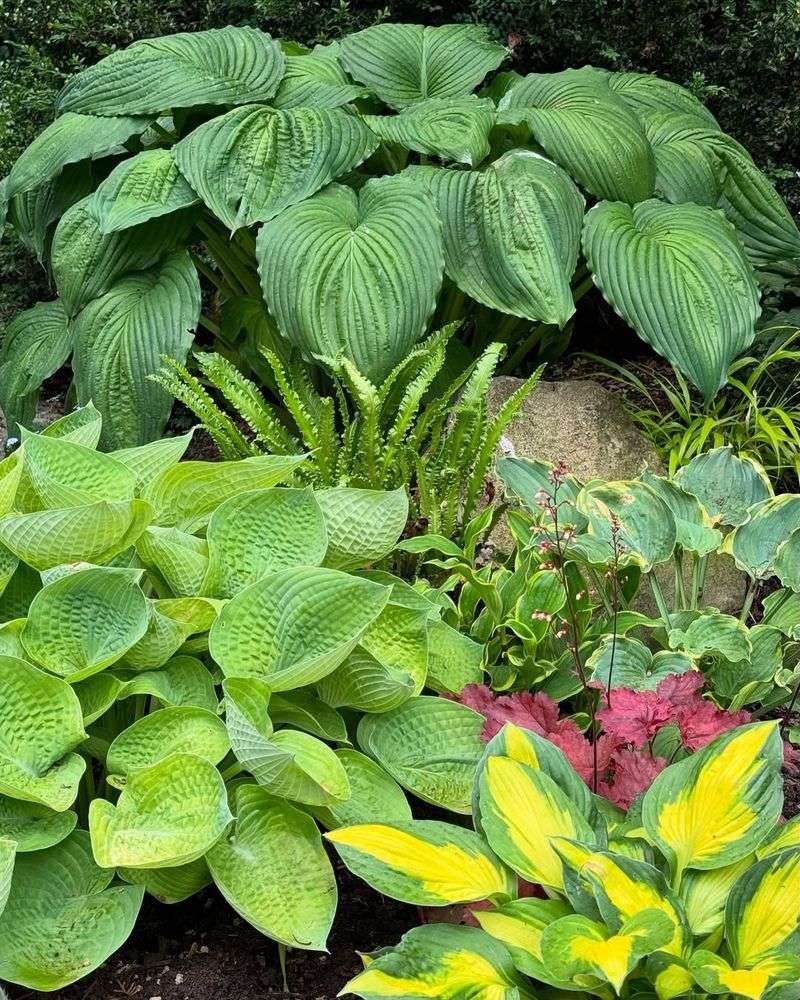
Shade gardens come alive with hostas, whose bold foliage textures and patterns create visual drama without a single flower in sight.
Varieties range from miniature six-inch specimens to massive three-foot giants, offering size options for every garden situation and design need.
Leaf colors span from deep forest green to chartreuse, blue-gray, and variegated combinations that brighten dark corners beautifully.
Michigan’s woodland environments provide ideal conditions for these Asian natives, which thrive beneath trees where other plants struggle to establish.
Slugs sometimes chew holes in tender spring leaves, but established plants grow so vigorously that minor damage becomes invisible quickly.
Their extensive root systems mine moisture from deep soil layers, reducing watering needs even during dry summer periods.
Late-season flower spikes attract hummingbirds and add vertical interest, though most gardeners grow hostas primarily for their spectacular foliage display.
Winter dormancy protects them from Michigan’s harshest weather, and plants emerge reliably each spring with renewed vigor and expanded clumps.
Divide overcrowded clumps in spring or fall, but even undivided plants remain healthy and attractive for many years without intervention.
Combine different varieties for a tapestry effect, or use single cultivars as groundcovers beneath mature trees where grass refuses to grow successfully.
4. Sedum
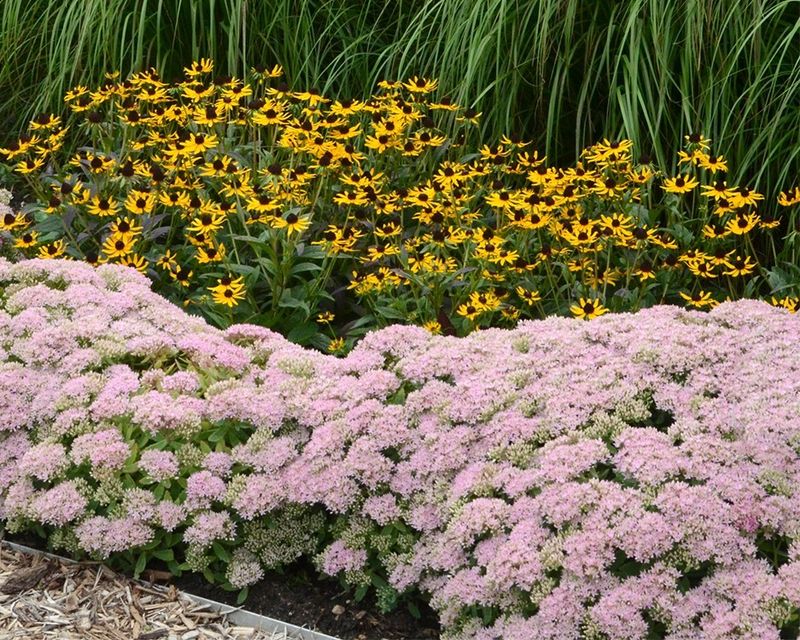
Succulent leaves store precious moisture like tiny water tanks, making sedums the ultimate survivors in Michigan’s driest, sunniest garden spots.
These low-growing perennials spread slowly to form weed-suppressing mats that require no mulch, fertilizer, or regular watering once established.
Flower clusters in shades of pink, red, white, or yellow appear in late summer when many other perennials have finished their show.
Butterflies and bees swarm the nectar-rich blooms, creating a wildlife haven that supports important pollinators during critical late-season periods.
Rocky slopes, sandy soils, and thin planting beds that challenge other species become perfect homes for these adaptable, undemanding plants.
Their fleshy foliage often takes on bronze or reddish tints in fall, providing seasonal interest that extends well beyond the flowering period.
Michigan winters barely faze these hardy perennials, which survive temperatures well below zero without protection or special winter preparation.
Creeping varieties work beautifully between stepping stones or cascading over retaining walls, softening hard edges with living texture.
Upright selections like ‘Autumn Joy’ provide structural interest in borders and look stunning when their dried seed heads persist through winter snowfalls.
Propagation requires simply breaking off a stem and pushing it into soil, where it roots readily without rooting hormone or complicated procedures.
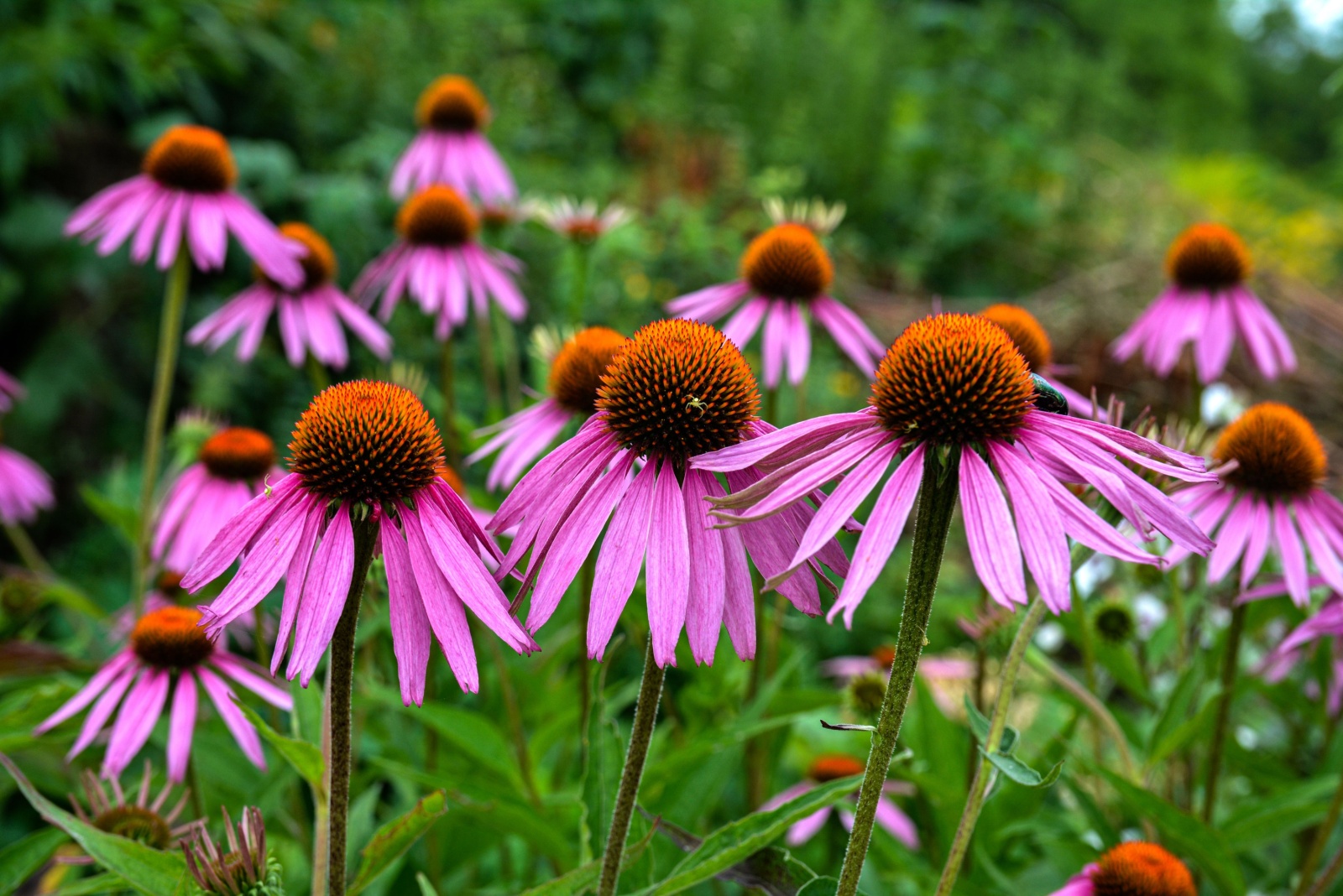
5. Coneflower
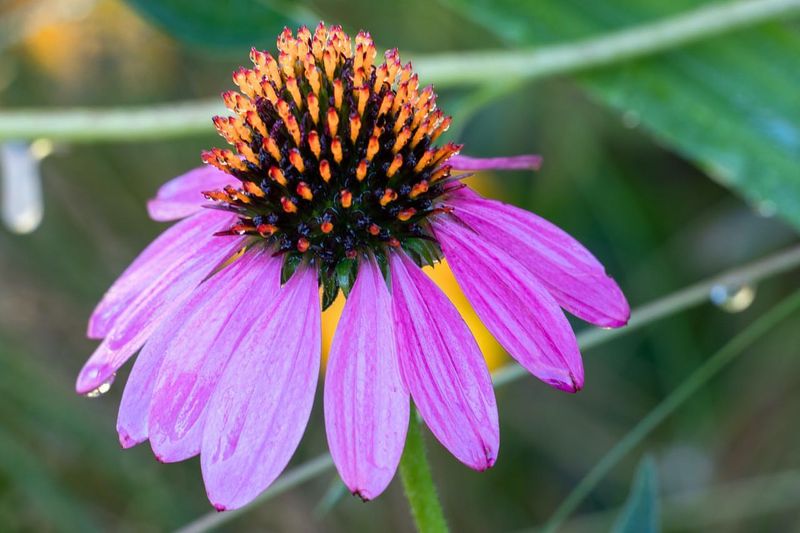
Spiky orange cones rise from the centers of purple-pink petals like tiny porcupines, giving coneflowers their distinctive appearance and common name.
Native to North American prairies, these rugged perennials handle Michigan’s climate extremes with the same toughness their ancestors showed on the Great Plains.
Blooms attract butterflies, bees, and hummingbirds during summer, then provide seed for goldfinches and chickadees throughout fall and winter months.
Once established, coneflowers tolerate drought, humidity, clay soil, and neglect that would stress less resilient garden plants significantly.
Modern breeding has expanded color options beyond the traditional purple to include white, orange, yellow, and even green-tinted varieties.
Their long bloom period stretches from June through September, providing consistent color when many spring bloomers have faded completely.
Powdery mildew occasionally appears on leaves during humid Michigan summers, but plants continue blooming vigorously despite cosmetic foliage issues.
Self-sowing produces volunteer seedlings that fill gaps in borders naturally, though plants rarely become weedy or invasive problems.
Cut flowers last well in arrangements, and their sturdy stems withstand summer storms that flatten more delicate perennial varieties.
Combine them with ornamental grasses and other prairie natives for naturalistic plantings that require minimal maintenance while supporting local wildlife populations beautifully.
6. Spirea
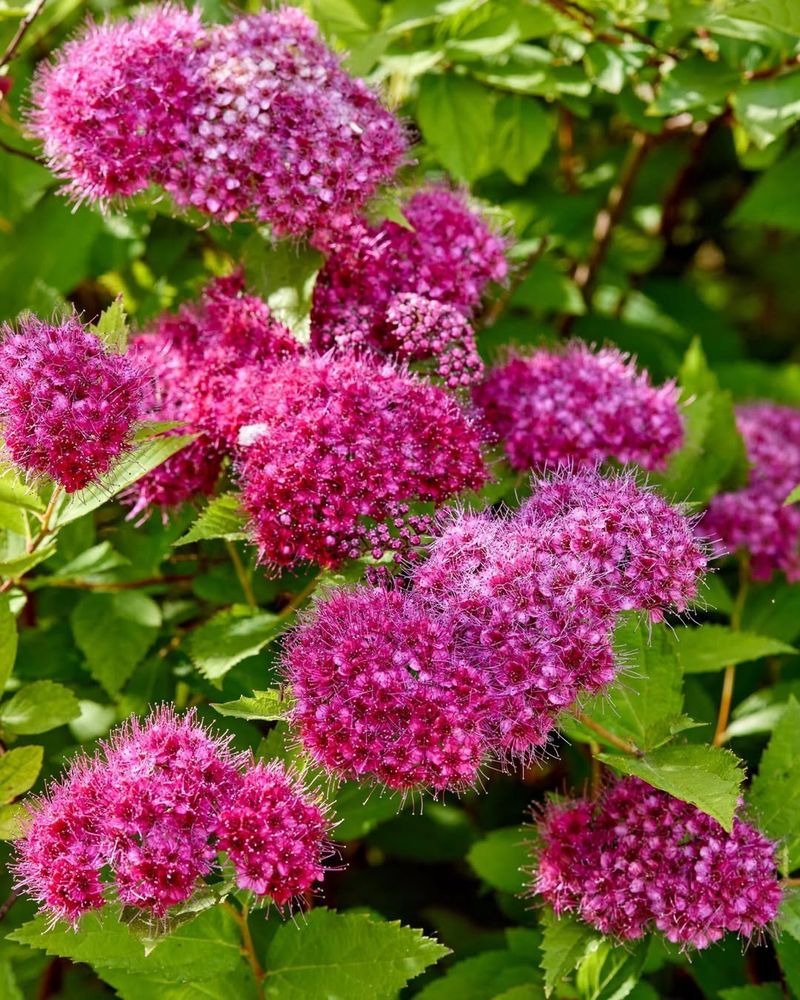
Cascading branches covered in foam-like flower clusters create a waterfall effect that makes spirea one of Michigan’s most popular landscape shrubs.
Spring-blooming varieties like bridal wreath transform into white clouds of blossoms, while summer types offer pink flowers during the hottest months.
These deciduous shrubs adapt to various soil types and pH levels without amendments, making them ideal for Michigan’s diverse growing conditions.
Pruning requirements remain minimal since spireas bloom beautifully even when left to their natural rounded or arching growth habits.
Compact varieties fit perfectly in foundation plantings, while larger selections work well as informal hedges or specimen plants in mixed borders.
Foliage often emerges in shades of chartreuse, bronze, or burgundy, adding color interest before and after the flowering period ends.
Fall brings additional visual appeal when leaves turn shades of orange, red, or purple before dropping for winter dormancy.
Michigan’s cold winters pose no threat to these hardy shrubs, which reliably leaf out and bloom each year without winter protection.
Pests and diseases rarely trouble spireas, eliminating the need for chemical sprays or constant monitoring that more sensitive shrubs demand.
Their moderate growth rate means less frequent pruning compared to fast-growing alternatives, saving time while maintaining attractive proportions in landscape designs effortlessly.
7. Russian Sage
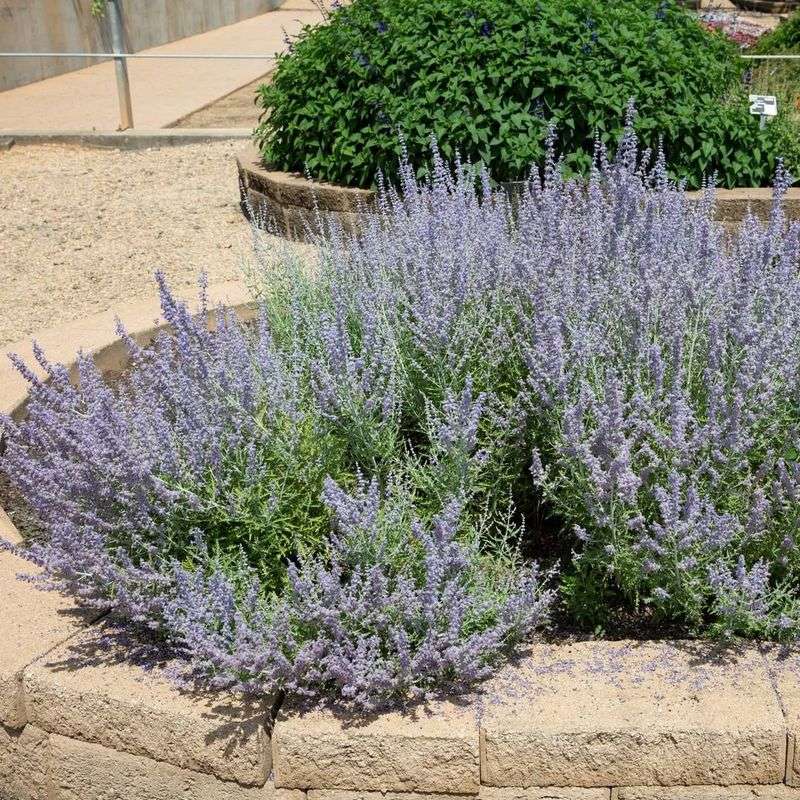
Silvery stems topped with lavender-blue flower spikes sway gracefully in summer breezes, creating movement and texture that contrasts beautifully with bolder perennials.
Aromatic foliage releases a pleasant sage-like scent when brushed, adding sensory dimension to garden paths and borders where visitors pass closely.
Despite its delicate appearance, Russian sage ranks among the toughest perennials for Michigan’s challenging growing conditions and variable weather patterns.
Full sun and well-drained soil satisfy its basic needs, but established plants tolerate drought, heat, humidity, and poor soil remarkably well.
Deer and rabbits avoid the pungent foliage, making Russian sage valuable in areas where wildlife browsing damages more palatable plant selections.
Blooms appear in midsummer and persist through fall, providing months of color when many spring-flowering perennials have long since finished.
Butterflies and bees visit the tiny tubular flowers constantly, creating a hub of pollinator activity that benefits the entire garden ecosystem.
Cut plants back to six inches in early spring to encourage bushy growth, but otherwise they require no deadheading, staking, or fussy maintenance.
Michigan winters rarely damage these cold-hardy perennials, which emerge reliably each spring from woody bases that survive temperatures well below zero.
Their airy texture prevents them from overwhelming nearby plants, making Russian sage excellent for softening the edges of bold-leaved companions in mixed plantings.
8. Coral Bells
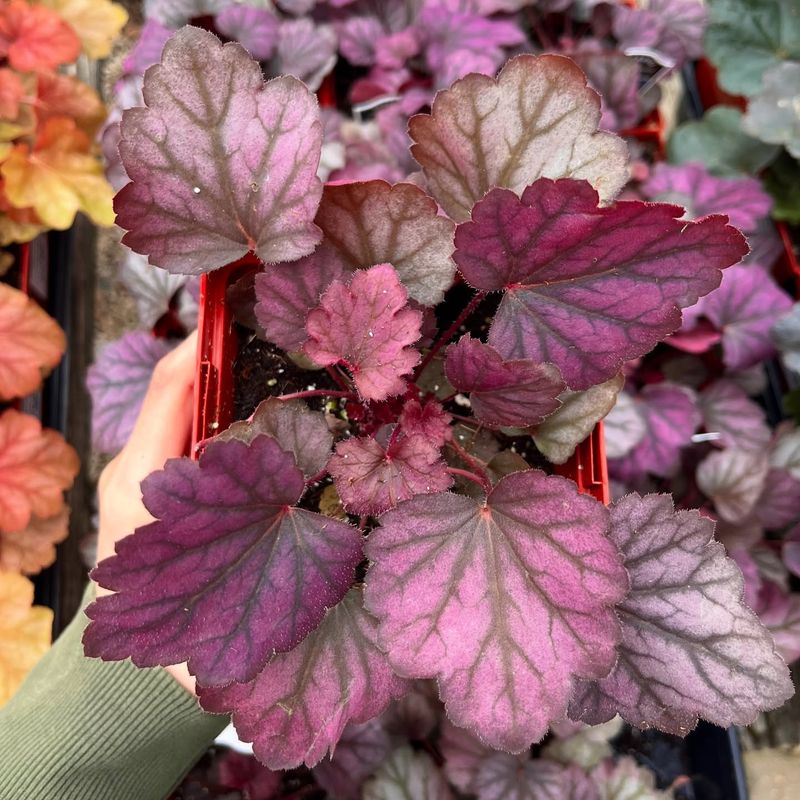
Ruffled leaves in shades of purple, lime, caramel, and burgundy create a living paint palette that brings color to shady spots throughout the growing season.
Modern breeding has transformed coral bells from simple green-leaved natives into stunning foliage plants with colors that rival any flower display.
Delicate flower stalks rise above the foliage mounds in late spring, attracting hummingbirds with their tubular red, pink, or white blooms.
Partial shade suits most varieties best, though some newer cultivars tolerate full sun when given adequate moisture during establishment periods.
Their compact size makes coral bells perfect for edging paths, fronting borders, or filling containers where space limitations exclude larger perennials.
Michigan’s winter cold can heave plants from the soil, but simply pressing them back into place in early spring prevents any lasting damage.
Evergreen or semi-evergreen foliage provides winter interest in milder years, adding structure to dormant gardens when most perennials have disappeared completely.
Divide clumps every three to four years to maintain vigor, but even undivided plants continue performing admirably with just occasional cleanup.
Combine different varieties for a tapestry effect, or use single colors in mass plantings for bold statements that draw the eye effectively.
Their tolerance for dry shade makes them valuable beneath mature trees where competition from tree roots challenges most other shade-loving perennial options significantly.
9. Potentilla
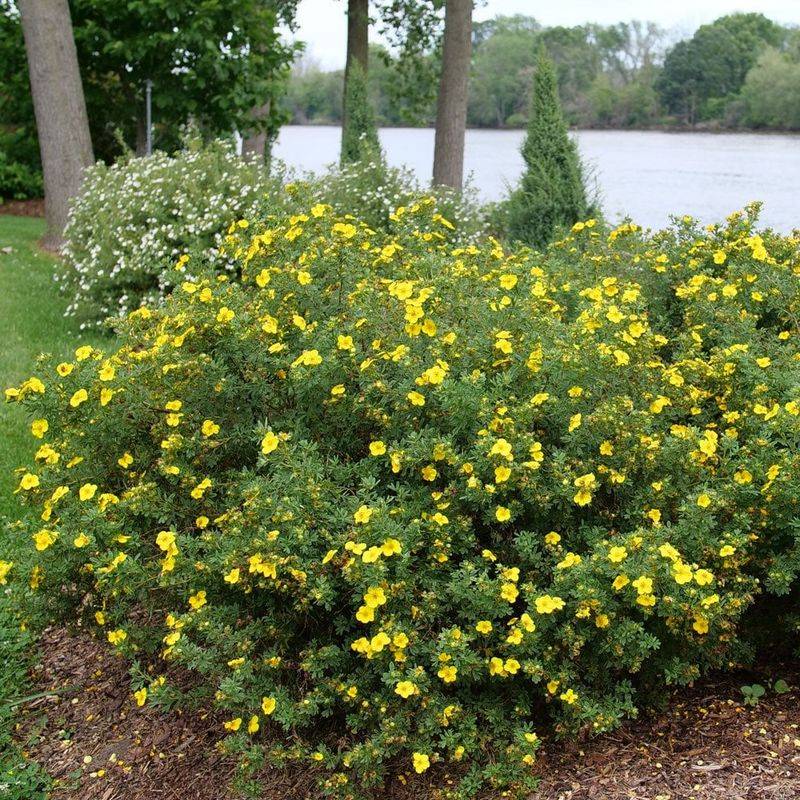
Small rose-like flowers appear continuously from June through frost, providing one of the longest bloom periods available among hardy Michigan shrubs.
Compact growth habit keeps potentilla naturally neat without constant pruning, making it ideal for low-maintenance landscapes and busy gardeners.
Flower colors range from bright yellow and white to soft pink and coral, offering options that complement various color schemes and design styles.
These tough little shrubs tolerate road salt, urban pollution, and poor soil that would stress more sensitive landscape plants considerably.
Full sun exposure produces the heaviest flowering, though plants also bloom adequately in partial shade situations with reduced flower production.
Their fine-textured foliage remains attractive throughout the season, providing visual interest even during the brief periods when fewer flowers appear.
Michigan winters pose no threat to these exceptionally cold-hardy shrubs, which survive temperatures far below zero without protection or damage.
Pest and disease problems rarely occur, eliminating the need for chemical treatments or constant monitoring that some flowering shrubs require.
Use potentilla in foundation plantings, as low hedges, or in mass plantings where their continuous bloom creates sheets of color.
Older plants benefit from occasional rejuvenation pruning, but even unpruned specimens maintain acceptable shapes and bloom reliably year after year without intervention.
10. Ornamental Grasses
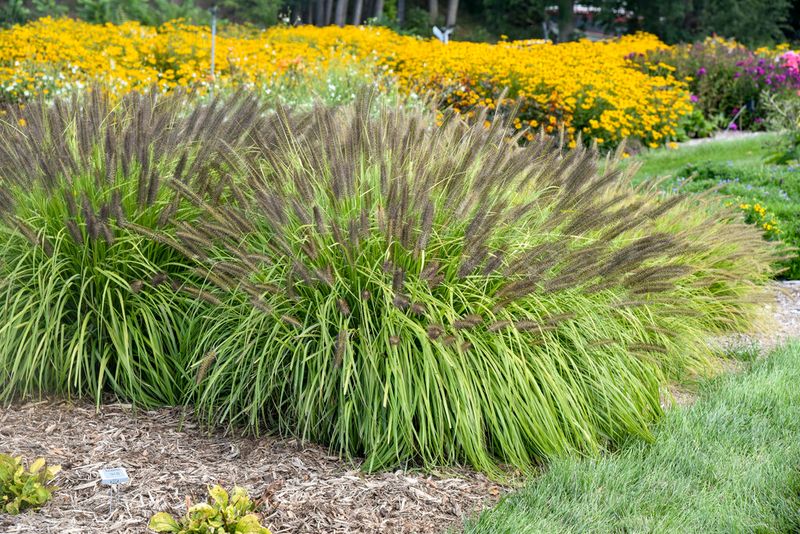
Graceful blades arch and sway with every breeze, adding movement and sound to gardens where static plants create visual interest but lack dynamic qualities.
Varieties range from compact six-inch specimens to towering eight-foot giants, providing scale options for every garden situation and landscape design need.
Foliage colors span from blue-gray and variegated to burgundy and chartreuse, offering year-round interest that extends well beyond the flowering period.
Feathery plumes emerge in late summer and persist through winter, creating sculptural silhouettes that look stunning dusted with snow or frost.
Michigan’s native grasses like little bluestem and switchgrass perform exceptionally well alongside popular non-native selections such as fountain grass.
Once established, these perennials tolerate drought, poor soil, and neglect while continuing to grow vigorously and look attractive throughout seasons.
Their deep, fibrous root systems prevent erosion on slopes and banks where other plants struggle to establish and maintain adequate soil stability.
Wildlife benefits include nesting material for birds, seeds for winter food, and shelter for beneficial insects during cold months.
Cut grasses back to six inches in early spring before new growth emerges, but otherwise they require no deadheading, staking, or fussy care.
Combine them with late-blooming perennials for stunning fall displays, or use them as specimen plants where their architectural forms command attention effectively.
11. Serviceberry
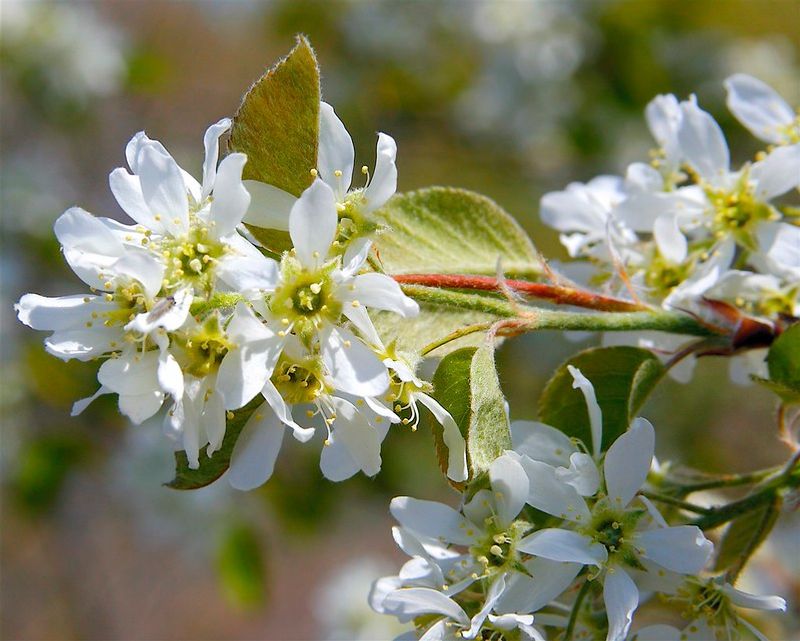
White spring blossoms signal the end of winter with a delicate display that appears before many other trees have leafed out completely.
Edible purple berries follow the flowers in early summer, attracting birds and providing fruit for jams, pies, or fresh snacking if harvested quickly.
Multi-season interest makes serviceberry exceptionally valuable, with spring flowers, summer fruit, fall color, and attractive winter bark providing year-round appeal.
Native to Michigan woodlands, these small trees or large shrubs thrive in various soil types and light conditions from full sun to partial shade.
Their moderate size fits perfectly in smaller yards where larger shade trees would eventually overwhelm the space and dominate the landscape.
Fall foliage transforms into brilliant shades of orange, red, and yellow, creating a spectacular autumn display that rivals any ornamental tree.
Smooth gray bark develops interesting patterns as trees mature, adding textural interest during winter months when leaves have dropped.
Pest and disease issues remain minimal compared to many fruit-bearing trees, reducing the need for sprays or constant monitoring and treatment.
Michigan winters pose no challenge to these extremely cold-hardy natives, which have adapted to local climate conditions over thousands of years.
Plant them as specimen trees, in naturalistic groupings, or along woodland edges where their graceful form and multiple seasons of interest shine beautifully.
12. Ninebark
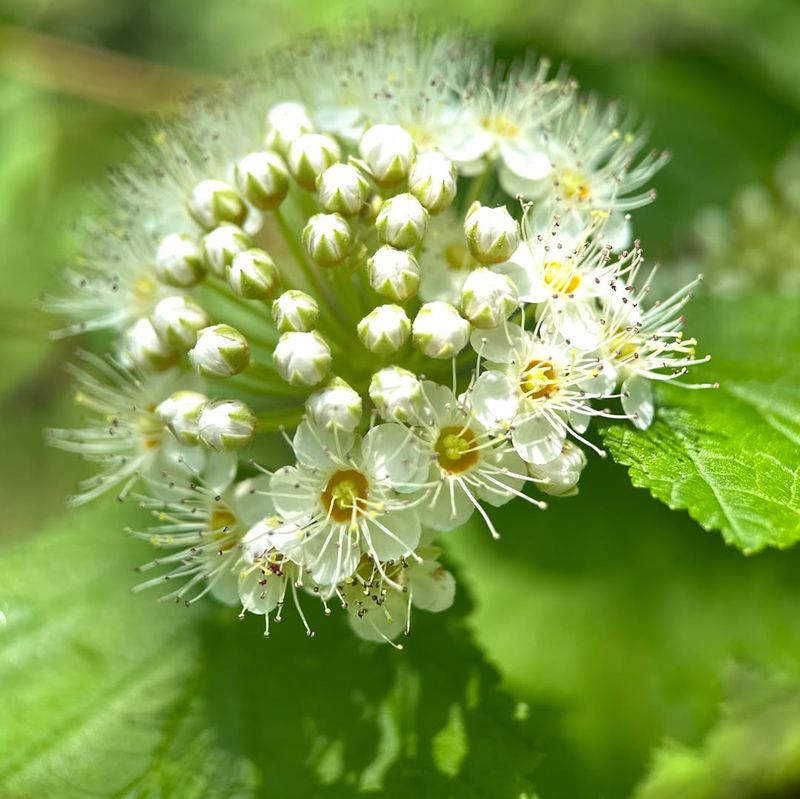
Peeling bark reveals layers of cinnamon-colored wood beneath, creating textural interest that gives this shrub its memorable common name and winter appeal.
Foliage varieties include deep burgundy, bright lime, and traditional green, offering color options that work with diverse landscape palettes and design schemes.
Clusters of white or pink flowers appear in late spring, attracting pollinators and adding a soft romantic quality to this otherwise bold shrub.
Native to North American woodlands, ninebark handles Michigan’s climate extremes with the toughness that only native plants can demonstrate so reliably.
Fast growth fills spaces quickly without becoming invasive, making ninebark ideal for privacy screens, hedges, or filling large areas economically.
Adaptability to various soil types, moisture levels, and light conditions makes placement decisions easy since ninebark thrives almost anywhere it’s planted.
Minimal pruning keeps plants tidy, though even unpruned specimens maintain attractive natural forms that suit informal landscape styles perfectly.
Deer resistance makes ninebark valuable in areas where wildlife browsing limits plant choices and damages more palatable landscape selections regularly.
Fall seed heads provide food for birds while adding architectural interest that persists through winter months after leaves have dropped.
Combine colorful foliage varieties with green-leaved companions for dramatic contrast, or use single varieties in mass plantings for bold statements that anchor landscape designs effectively.