10 Snow-Removal Mistakes Massachusetts Homeowners Make That Damage Their Yards
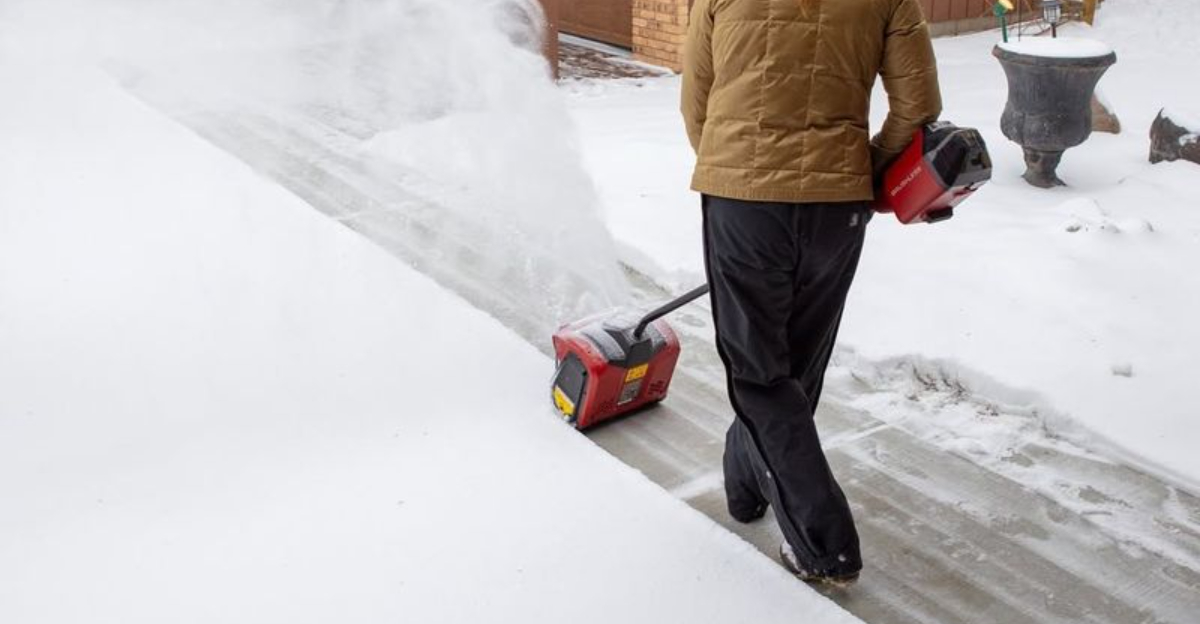
Massachusetts winter storms hit fast, and homeowners often move into action with sharp focus on driveways and walkways.
The yard, however, faces the harsh side of that effort.
A shovel scrape across frozen soil, a careless shove of heavy snow toward a fragile hedge, or a quick toss of de-icer toward a lawn patch can set off damage that remains hidden until spring.
Small choices during a snow event can decide the fate of turf, roots, and shrubs.
A low plow pass can cut into crowns of dormant plants.
A tall snowbank can trap moisture against wood.
Salt drift can burn entire sections of lawn.
None of these moments feel serious in the middle of a storm, yet each one can weaken a yard that already battles cold, weight, and ice.
A clear look at these habits gives every homeowner a fair chance to protect a landscape that endures month after month of harsh conditions.
1. Piling Snow Directly On Grass And Garden Beds
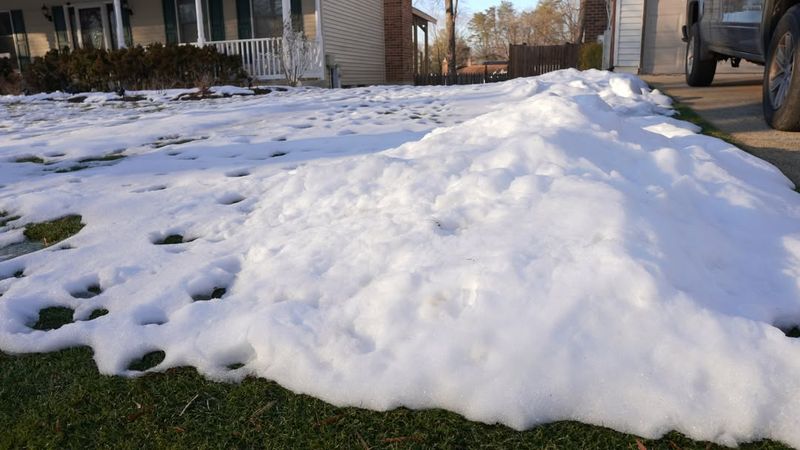
When you shovel your driveway, tossing snow onto the nearest patch of grass might seem like the easiest solution.
However, those heavy piles create serious problems for your lawn underneath.
The weight compresses the grass and soil, cutting off oxygen and creating an environment where mold and disease thrive.
Ice layers form between the snow and grass, which can suffocate your turf for weeks or even months.
Garden beds suffer even more damage because perennials and shrubs get crushed under the weight.
Massachusetts winters are long enough without adding extra stress to your landscaping.
Instead of dumping snow on planted areas, designate a specific dumping zone away from delicate plants.
Choose a spot where compacted snow and ice won’t harm anything important.
Your lawn will thank you in spring when it greens up faster and healthier.
Spreading out smaller amounts of snow over a larger area also helps it melt more quickly.
Planning ahead saves you from seeing withered patches when the weather finally warms up.
2. Using Too Much Salt Near Plants And Turf
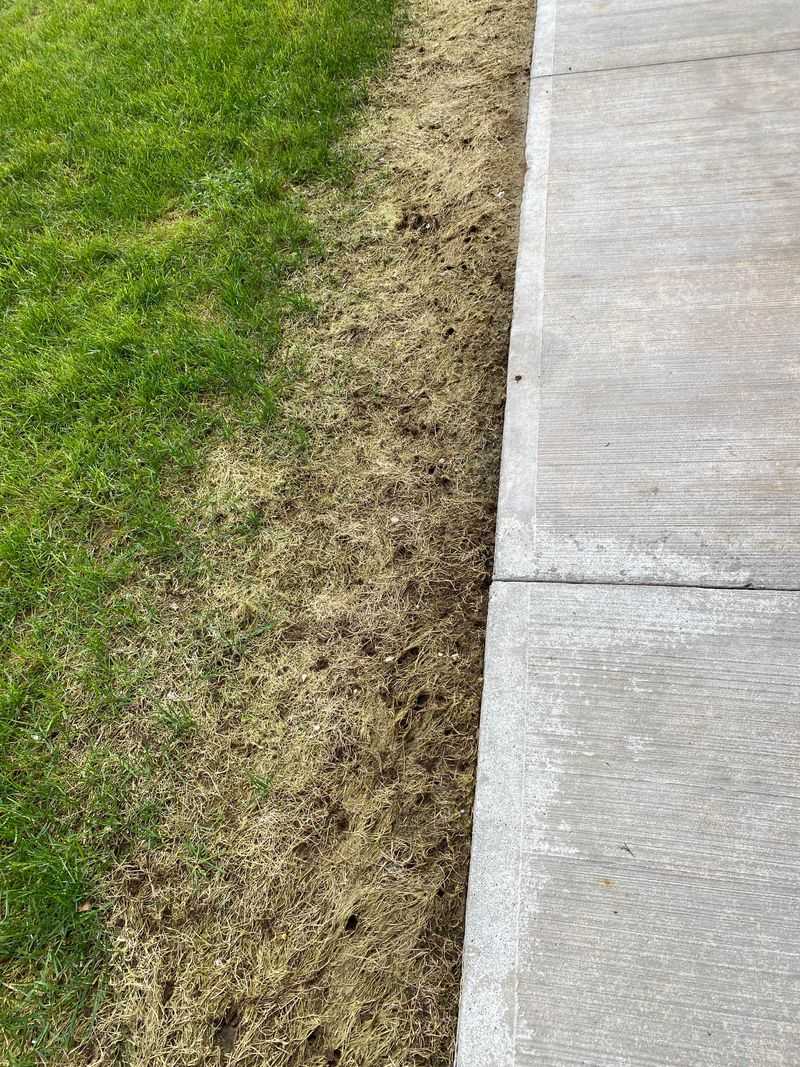
Salt works wonders for melting ice, but it can turn your beautiful lawn into a barren wasteland if you’re not careful.
Sodium chloride draws moisture out of plant roots and changes the soil chemistry in ways that make it hard for grass to grow.
Even small amounts can cause brown streaks along driveways and walkways that persist well into summer.
Massachusetts homeowners often over-apply salt because they want quick results on icy surfaces.
The problem gets worse when snowplows push salty slush from roads onto your property.
Shrubs and perennials near treated areas show signs of stress first, with browning leaves and stunted growth.
Consider switching to calcium chloride or magnesium chloride products, which are less harmful to plants.
You can also mix sand with your ice melt to reduce the amount of salt needed.
Apply products sparingly and only where absolutely necessary for safety.
Creating barriers like burlap screens can protect vulnerable plants from salt spray.
Come spring, flushing affected areas with water helps wash away lingering salt deposits.
Your Massachusetts Garden Changes Every Week. Your Plan Should Too.
Gardening in Massachusetts changes quickly throughout the season. Every Friday you’ll receive a simple weekly plan showing exactly what to plant, prune, fertilize, harvest, and protect so you never miss the right timing.
Being mindful now prevents expensive lawn repairs later.
3. Scraping Snow Removal Tools Across Lawn Surfaces
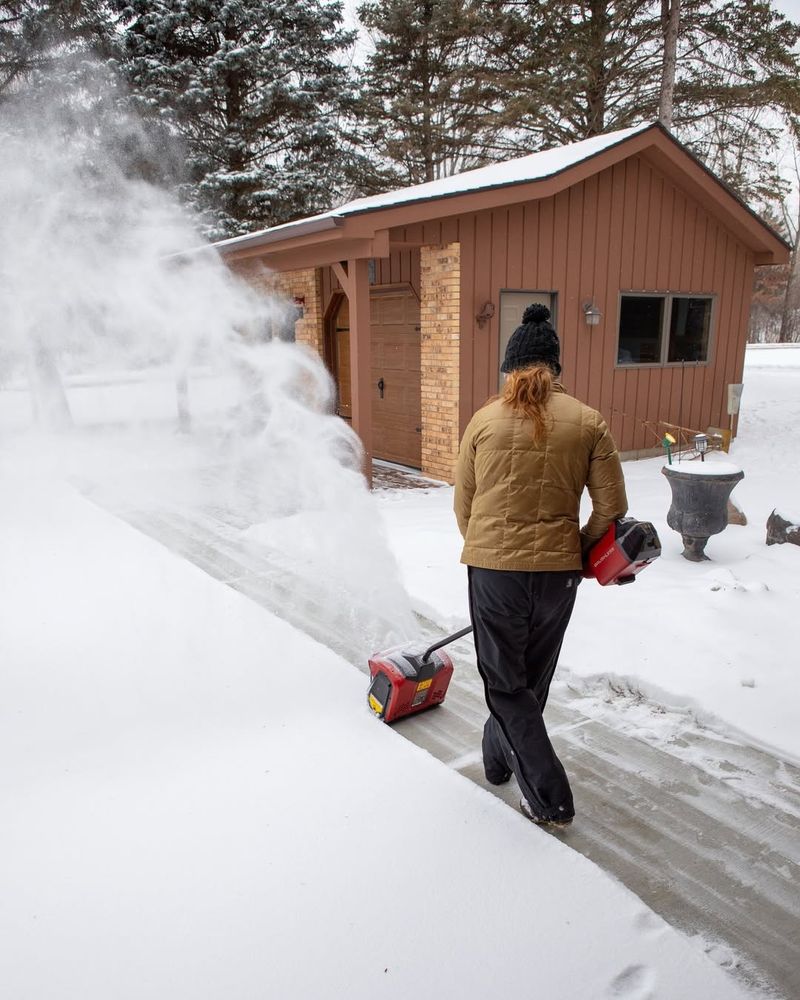
Metal shovels and snow blowers work great on hard surfaces, but they become destructive weapons when they touch your grass.
Scraping tools across frozen turf tears up grass crowns and creates ugly gouges that won’t heal until growing season.
Many Massachusetts residents don’t realize their lawn is still alive under the snow, just dormant and vulnerable.
One careless pass with a shovel blade can scalp an entire section of grass down to bare soil.
Snow blower augers cause even more damage, ripping up chunks of turf and spitting them out with the snow.
Frozen ground makes the problem worse because grass has no flexibility to bounce back from impact.
Always leave at least an inch or two of snow on grassy areas rather than trying to clear down to the blades.
Mark the edges of your lawn with stakes or reflectors so you know where pavement ends and grass begins.
When working near turf, lift your shovel rather than dragging it along the ground.
Plastic shovels with rounded edges cause less damage than sharp metal ones if you must work near grass.
Protecting your lawn’s surface now means less reseeding and patching when spring arrives.
4. Ignoring Where Snowplow Piles End Up
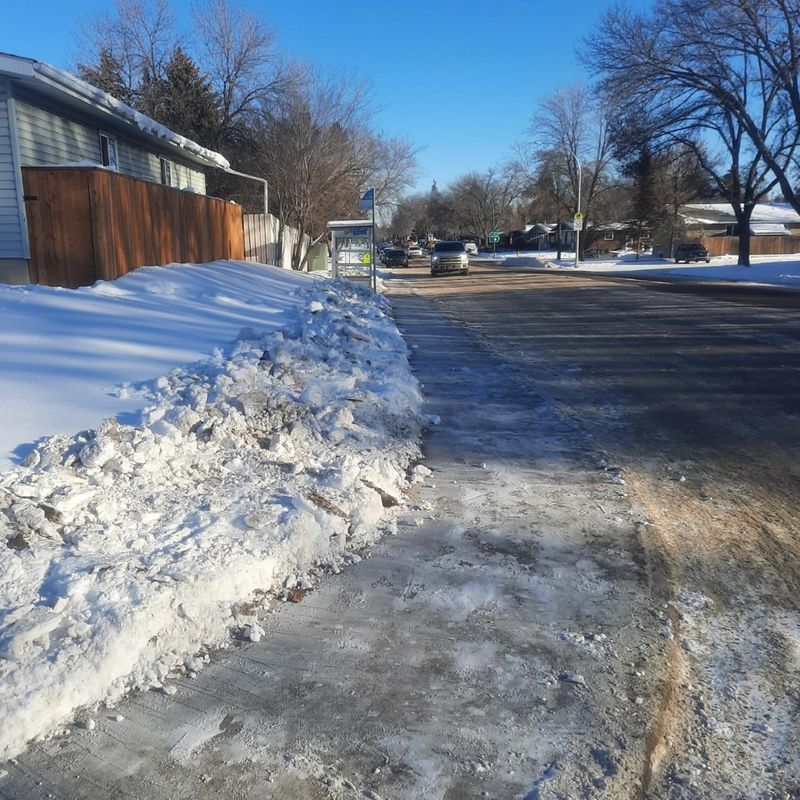
That massive pile the snowplow leaves at the end of your driveway contains more than just snow.
Road sand, salt, oil, antifreeze, and various chemicals get mixed in with every pass the plow makes.
When you shovel this contaminated snow onto your lawn, you’re essentially poisoning your grass and soil.
The concentrated salt alone can create spots where nothing grows for an entire season or longer.
Massachusetts roads see heavy chemical treatment during winter, making plow piles especially toxic to landscaping.
Petroleum products from vehicles soak into the snow and then leach into your soil as temperatures rise.
Many homeowners don’t connect their spring lawn problems to where they put winter snow.
The best approach involves moving plow piles to areas where contamination won’t matter as much.
Driveways, parking areas, or designated dumping spots work better than planting beds or grass.
If you must put some on the lawn, spread it thinly rather than creating concentrated piles.
Washing affected areas thoroughly once the snow melts helps dilute and flush away harmful substances.
Being selective about snow placement protects your yard from invisible damage that shows up months later.
5. Running Snow Blowers Too Close To Shrubs And Trees
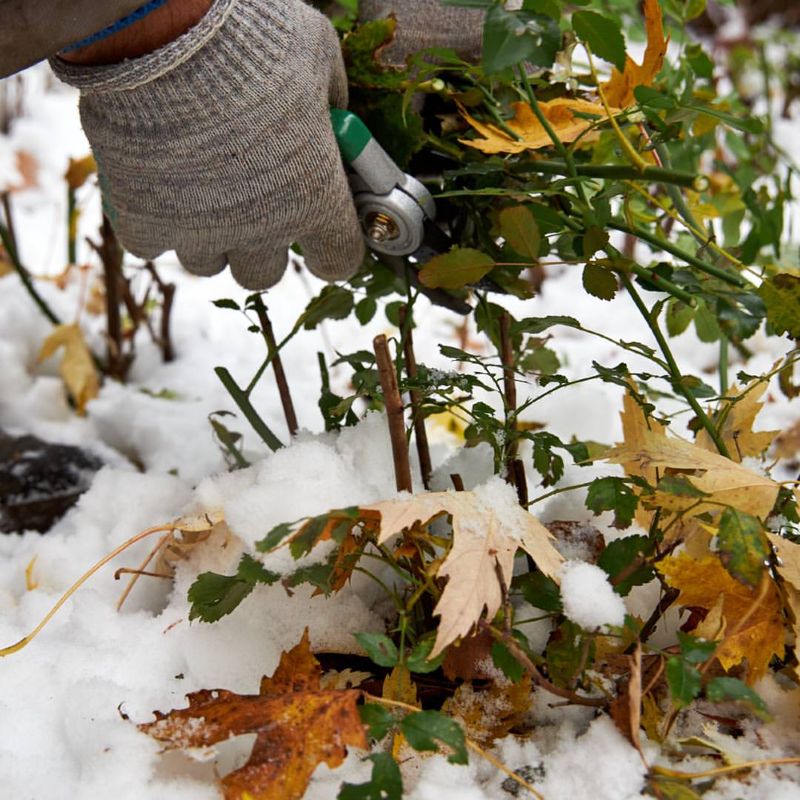
Snow blowers are powerful machines that make quick work of heavy snowfall, but they show no mercy to anything in their path.
Those spinning augers can shred branches, strip bark, and snap young trees without you even noticing until spring.
Rocks, ice chunks, and debris get launched at high speed, causing additional damage to plants and property.
Massachusetts homeowners often work quickly in cold weather and don’t pay close attention to clearance distances.
Evergreens are especially vulnerable because their branches hold snow weight and hang lower than usual.
One moment of inattention can destroy years of growth on ornamental shrubs or young trees.
The force of expelled snow itself can break branches even if the machine doesn’t touch the plant directly.
Always give yourself at least two feet of clearance from any plants when operating snow removal equipment.
Mark the locations of small trees and shrubs with tall stakes before the first snow falls.
Hand shovel around delicate plants rather than risking damage with power equipment.
Wrapping vulnerable shrubs with burlap provides both protection from snow weight and a visual reminder to stay clear.
Taking extra time around landscaping prevents heartbreak when you assess damage in warmer months.
6. Creating Ice Dams By Piling Snow Against The House
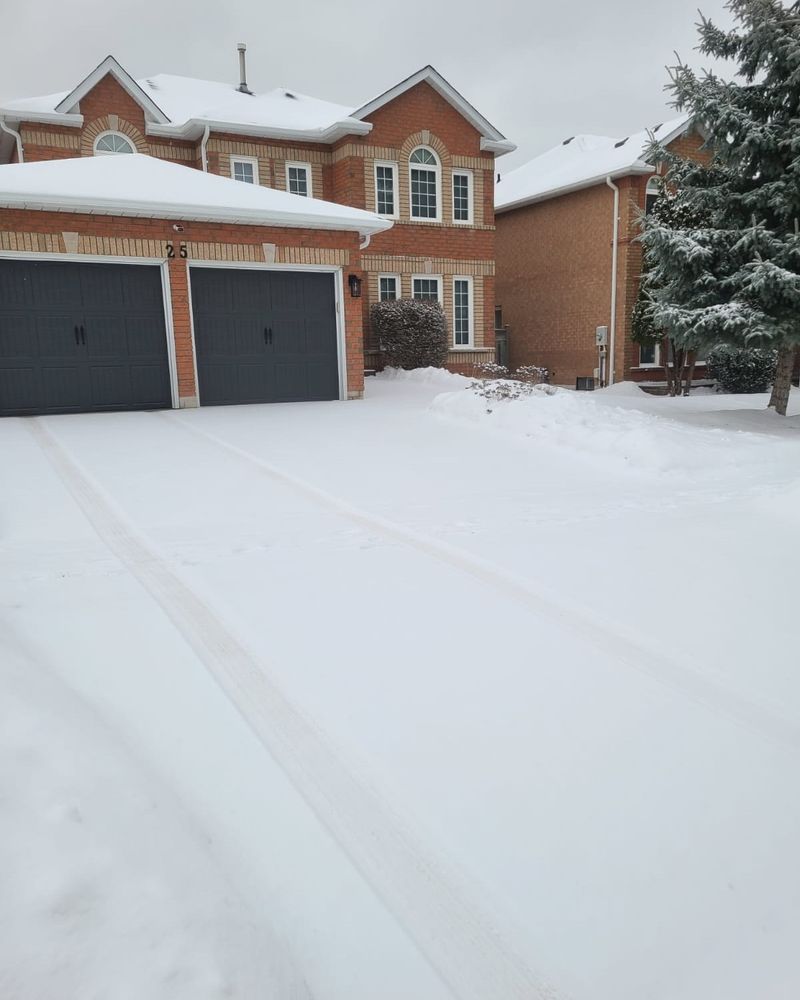
Convenience often leads homeowners to pile snow right against their house foundation, but this creates multiple problems.
As temperatures fluctuate, that snow melts and refreezes, forming ice dams that trap water against your home.
The constant freeze-thaw cycle damages foundation plantings and can even affect your home’s structural integrity.
Water seeping into the ground near your foundation can flood basements or cause settling issues.
Massachusetts experiences frequent temperature swings during winter, making this problem particularly common.
Foundation plants like yews and boxwoods get buried under heavy, compacted snow that prevents air circulation.
Mold and fungal diseases develop in this dark, damp environment beneath the snow pile.
The weight pressing against your home can also damage siding, window wells, and exterior features.
Always direct snow away from your house, creating piles at least five feet from the foundation.
This gives melting snow room to drain properly without pooling against your home or drowning plants.
Check foundation plantings periodically and gently remove excess snow if it’s burying them completely.
Proper snow placement protects both your home’s structure and the landscaping that enhances its appearance year-round.
7. Waiting Too Long Between Snow Removal Sessions
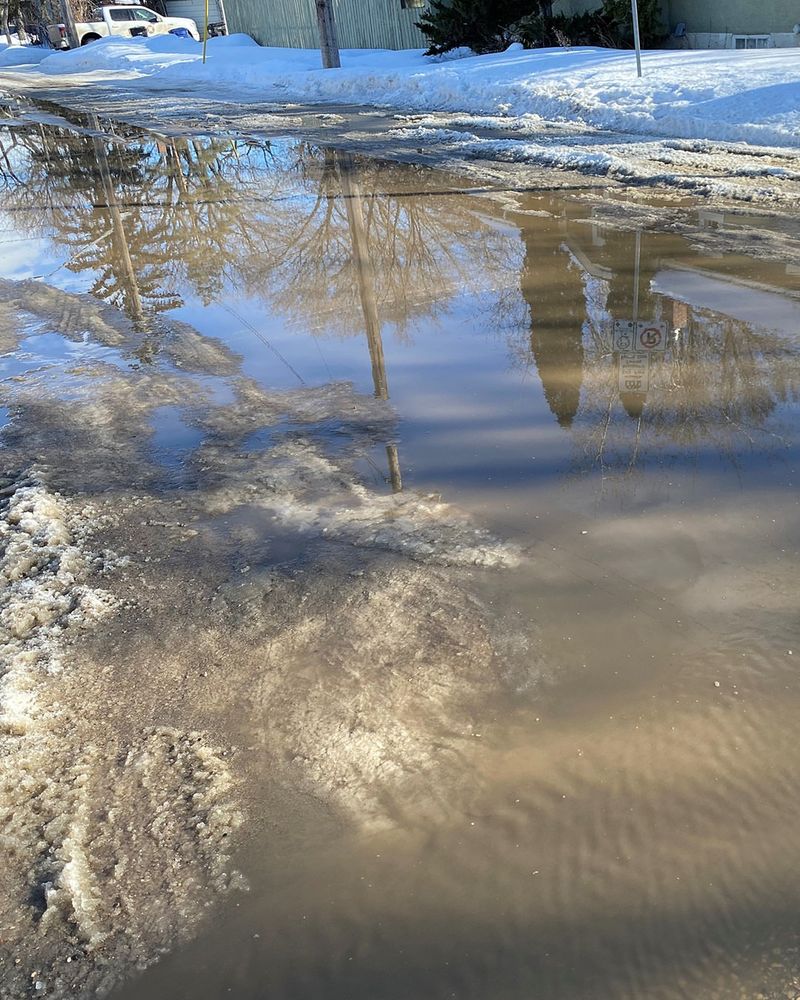
Letting snow accumulate through multiple storms before clearing it creates layers of compacted ice that suffocate your lawn.
Each new snowfall packs down the previous layer, creating dense sheets that block all oxygen and light from reaching grass.
This extended period without air circulation allows snow mold and other diseases to flourish underneath.
Massachusetts often gets several storms in quick succession, tempting homeowners to wait until the snow stops completely.
However, your grass needs periodic relief from the weight and darkness of heavy snow cover.
Compacted snow also takes much longer to melt in spring, delaying your lawn’s recovery and growth.
The longer grass stays buried, the weaker it becomes and the more likely it is to develop bare patches.
Try to clear pathways and reduce snow depth on lawns after each significant storm rather than waiting.
Even just breaking up the compacted layers helps air reach the grass below.
This doesn’t mean removing all snow from grass, but rather preventing dangerous accumulation.
Your lawn can handle snow cover, but not weeks of compressed ice pressing down without relief.
Regular attention during winter translates to healthier, faster greening when spring finally arrives in Massachusetts.
8. Driving Or Parking Vehicles On Snow-Covered Grass
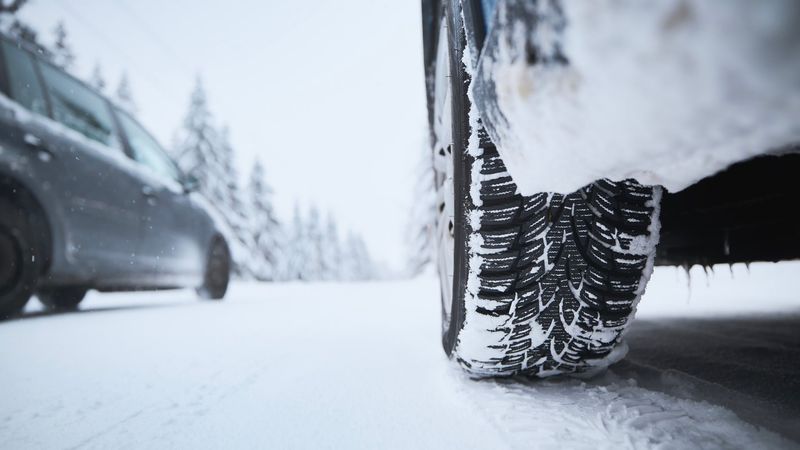
That snow-covered lawn might look like extra parking space, but underneath lies your vulnerable grass waiting for spring.
Vehicle weight compresses soil and crushes grass crowns, creating ruts and damaged zones that become obvious once snow melts.
Frozen ground offers no cushioning effect, meaning every pound of vehicle weight transfers directly to your turf.
Massachusetts winters bring parking challenges, especially during storms when street parking gets restricted.
The temptation to pull onto the lawn increases, but the damage lasts far beyond winter’s end.
Compacted soil prevents proper water drainage and root growth, sometimes requiring professional aeration to fix.
Turning wheels while on grass tears up turf even more severely than just parking in one spot.
The damage multiplies with each vehicle or each time someone drives over the same area.
Snow hides the destruction until spring reveals brown tracks and bare patches where grass won’t grow.
Always keep vehicles on paved surfaces, even if it means shoveling extra space or parking farther away.
If you absolutely must cross your lawn, lay down plywood sheets to distribute the weight more evenly.
Protecting your grass from vehicle traffic during winter saves hundreds of dollars in lawn repair and restoration later.
9. Neglecting To Protect Young Or Newly Planted Trees
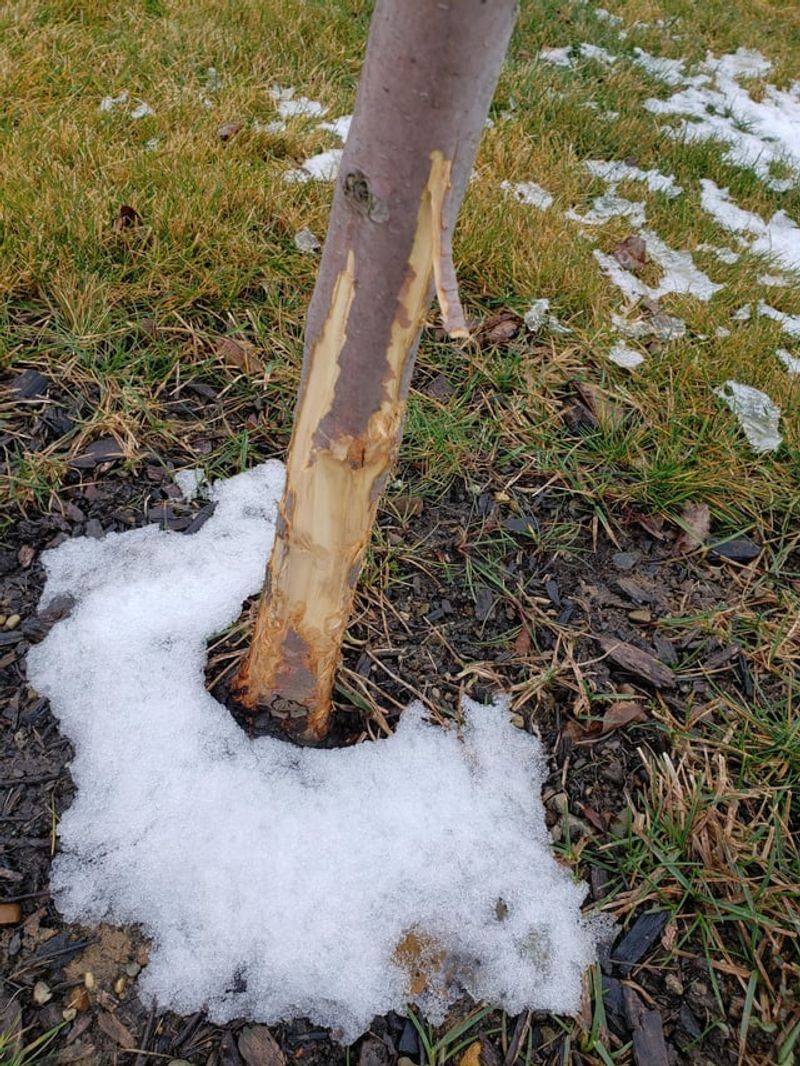
Young trees and recent plantings need extra protection during their first few Massachusetts winters, but many homeowners forget this crucial step.
Their flexible branches and thin bark make them especially vulnerable to snow weight, ice damage, and equipment strikes.
Heavy snow loads can bend young trunks permanently or snap branches that haven’t developed full strength yet.
Salt spray from roads and sidewalks burns tender bark and buds, sometimes preventing spring growth entirely.
New root systems haven’t established enough to handle the stress of compacted snow piled around the trunk.
Many expensive landscape investments get destroyed simply because nobody thought to provide winter protection.
Wrapping trunks with tree guards or burlap shields them from both physical damage and chemical exposure.
Gently brushing heavy snow off branches after storms prevents breakage without harming the tree.
Creating barriers around young trees keeps snow removal equipment and piled snow at a safe distance.
Stakes with bright flags make small trees visible even when partially buried in snow.
The few minutes spent protecting young trees in fall pays off with healthy growth for years to come.
Massachusetts winters are tough enough without adding preventable stress to vulnerable new plantings that need time to establish themselves properly.
10. Forgetting About Underground Sprinkler Systems And Utilities
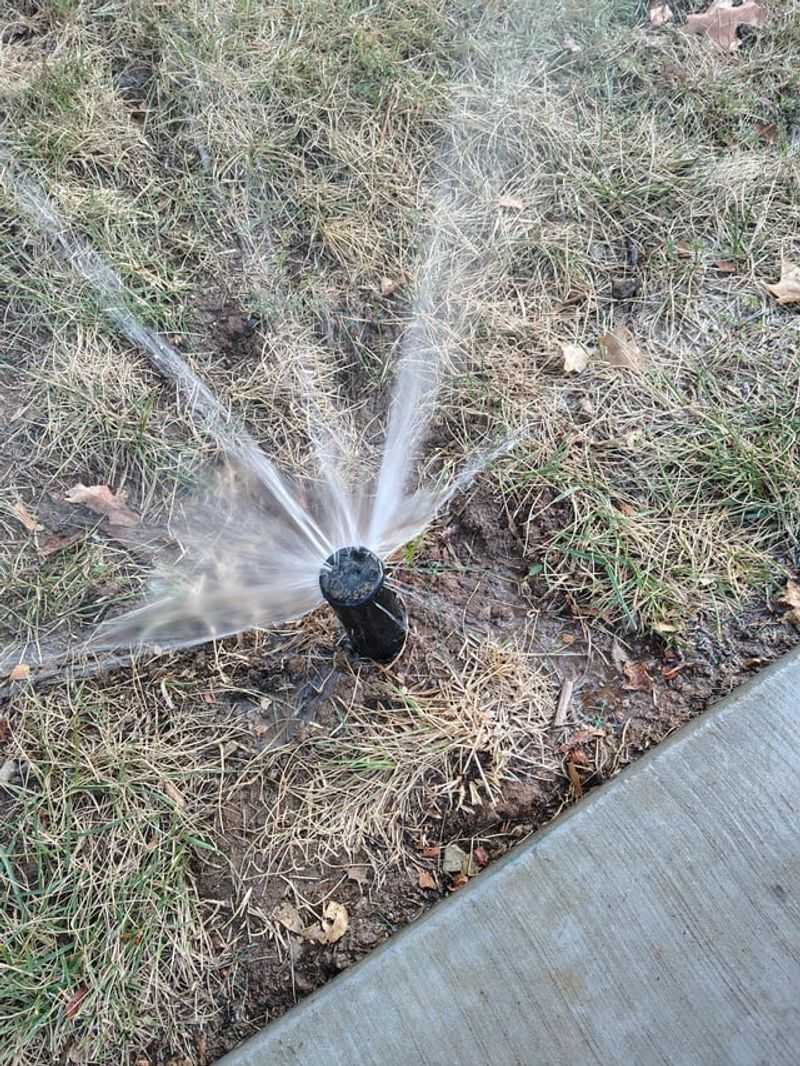
Buried sprinkler heads and utility lines become invisible hazards once snow covers your Massachusetts property.
Metal shovels, snow blower augers, and plow blades can easily crack pipes, break sprinkler heads, or damage electrical lines.
Many homeowners don’t discover this expensive damage until they try to start their irrigation system in spring.
Frozen ground makes underground components more brittle and susceptible to breaking from impact.
Replacement costs for damaged sprinkler systems can run into thousands of dollars, especially if multiple zones get affected.
Utility lines for outdoor lighting, electric vehicle chargers, or other features face similar risks during aggressive snow removal.
The problem intensifies when you hire snow removal services that don’t know your property’s underground layout.
Before winter arrives, mark all sprinkler heads, valve boxes, and utility line locations with tall, visible stakes.
Keep a property map showing underground features and share it with anyone who might clear snow on your behalf.
Use plastic shovels near known underground components and avoid running snow blowers over marked areas.
Taking time to protect buried systems prevents discovering broken, leaking lines when you least expect it.
A little preparation and awareness during snow removal saves major headaches and repair bills once the ground thaws across Massachusetts.