14 Plants That Keep Oregon Gardens Colorful With Minimal Effort
Oregon gardens face shifting skies and surprise showers, yet some plants rise to the challenge and keep the colors coming.
These easygoing growers take rain, sun, and cool breezes in stride, brightening beds and borders as if it takes no effort at all.
They offer bold blooms, rich textures, and steady charm that lasts through the changing seasons.
A small bit of care rewards a gardener with a lively yard that turns heads from spring to fall.
With these plants in the mix, a garden stays vibrant and full of life without turning upkeep into a full-time job.
1. Oregon Grape
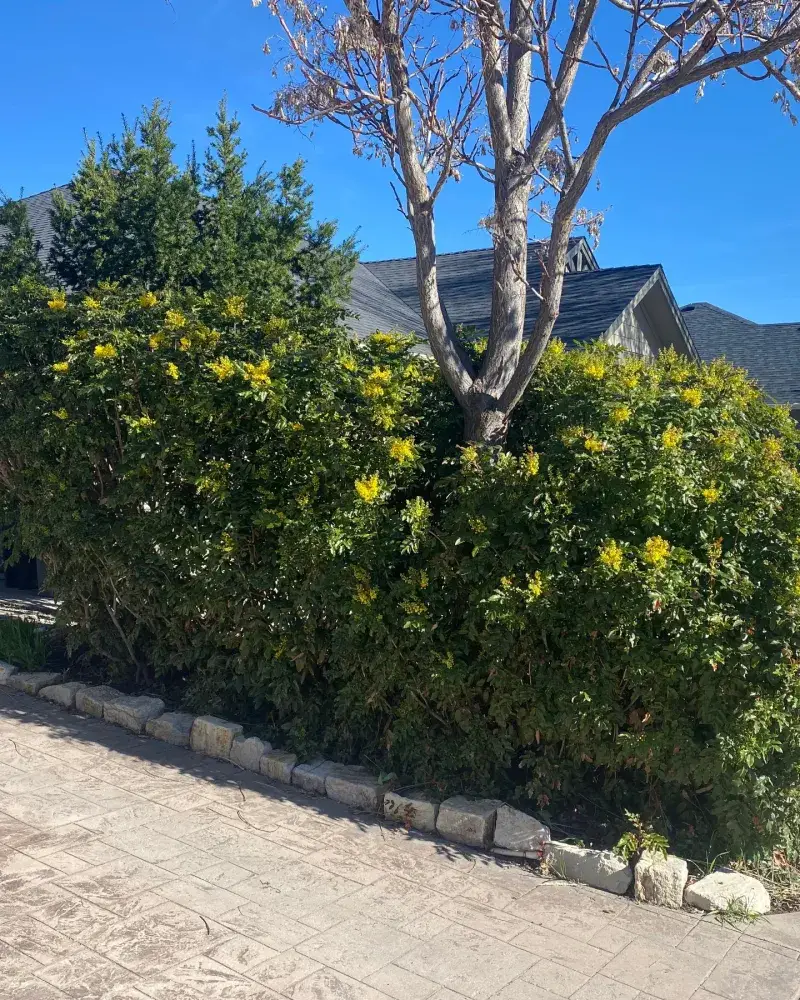
Native to the Pacific Northwest, this evergreen shrub brings golden-yellow flower clusters in early spring that practically glow against its glossy, holly-like foliage.
Oregon grape thrives in shady spots where other colorful plants struggle, making it perfect for those difficult areas under trees or along north-facing walls.
The flowers transform into decorative blue-purple berries by summer, adding another layer of visual interest.
This tough plant handles Oregon’s wet winters and dry summers without complaint.
It rarely needs pruning, fertilizing, or special attention once established in your garden.
The foliage takes on beautiful bronze-red tones during colder months, providing year-round color changes that keep your landscape interesting.
Oregon grape works beautifully as a foundation plant, hedge, or woodland garden specimen.
Birds love the berries, bringing wildlife activity to your yard.
For Portland-area gardeners dealing with heavy clay soil, this native adapts remarkably well without soil amendments.
The plant spreads slowly through underground stems, eventually forming attractive colonies.
Different varieties offer heights from one to six feet, giving you options for various landscape needs throughout Oregon gardens.
2. Japanese Forest Grass
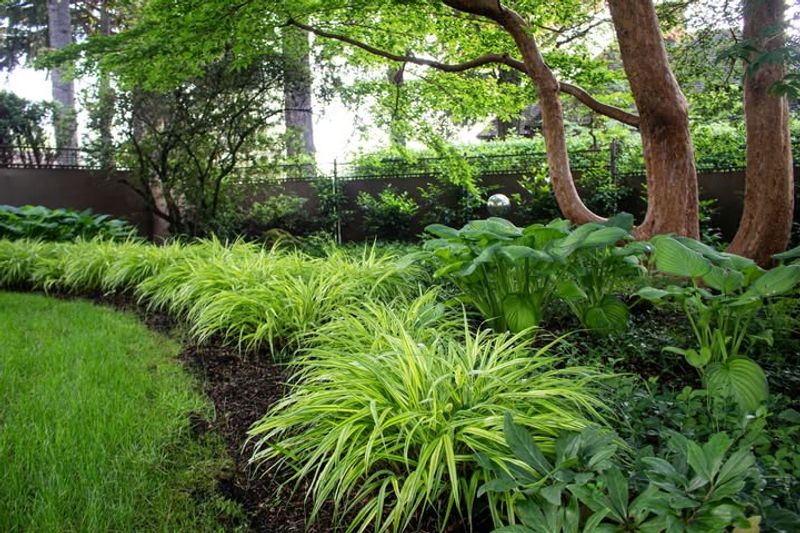
Golden cascades of arching foliage create movement and luminosity in shaded garden areas where colorful flowers rarely bloom.
Japanese forest grass offers brilliant chartreuse-to-golden coloring that brightens dark corners throughout the growing season.
The graceful, fountain-like form adds texture and elegance without requiring deadheading, staking, or fussy maintenance routines.
Oregon’s climate suits this grass perfectly, with adequate moisture and mild temperatures promoting lush growth.
The plant stays compact, typically reaching eighteen inches tall and wide, making it ideal for small spaces or container gardens.
Unlike aggressive spreading grasses, this well-behaved selection stays where you plant it.
The color intensifies in partial shade, creating stunning combinations with hostas, ferns, and other shade-loving companions.
Even in winter, the dried foliage maintains structure and interest until you cut it back in early spring.
Eugene and Salem gardeners particularly appreciate how this grass handles both wet and moderately dry conditions.
Pairing Japanese forest grass with dark-leaved plants like heucheras creates dramatic contrasts.
The bright foliage reflects available light, making shaded areas feel more open and inviting throughout Oregon landscapes.
3. Sedum Autumn Joy
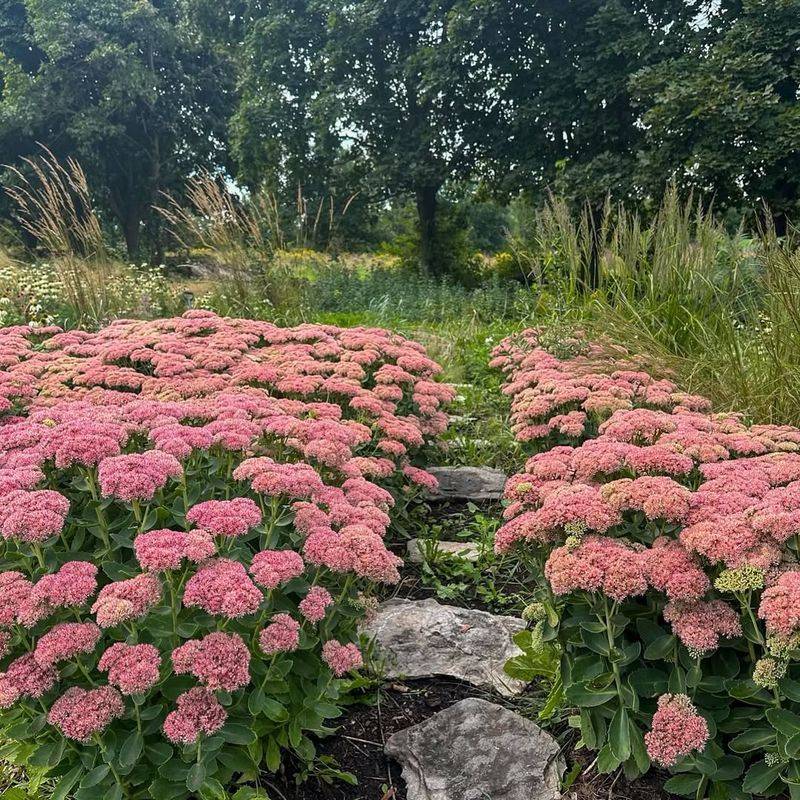
Thick, fleshy leaves store water like tiny reservoirs, making this succulent perennial virtually drought-proof once established in Oregon gardens.
Autumn Joy sedum starts the season with attractive blue-green foliage before producing enormous flat flower heads that transition from pale pink to deep rose and finally rusty copper.
Your Oregon Garden Changes Every Week. Your Plan Should Too.
Gardening in Oregon changes quickly throughout the season. Every Friday you’ll receive a simple weekly plan showing exactly what to plant, prune, fertilize, harvest, and protect so you never miss the right timing.
This color progression spans months, giving you exceptional value from a single plant.
Forget about watering schedules, fertilizer applications, or disease problems.
This tough customer handles neglect better than coddling, thriving in lean soil and full sun.
Beaverton and Hillsboro gardeners love how it performs in hot, dry spots where other plants languish during summer heat waves.
The sturdy stems stand upright without staking, and the dried flower heads remain attractive through winter, providing food for birds and architectural interest when other plants have faded.
Butterflies and bees swarm the blooms in late summer, bringing delightful activity to your landscape.
Sedum spreads gradually to form substantial clumps that can be easily divided to create more plants.
The foliage emerges early in spring, filling gaps left by spring bulbs throughout Oregon gardens.
4. Bleeding Heart
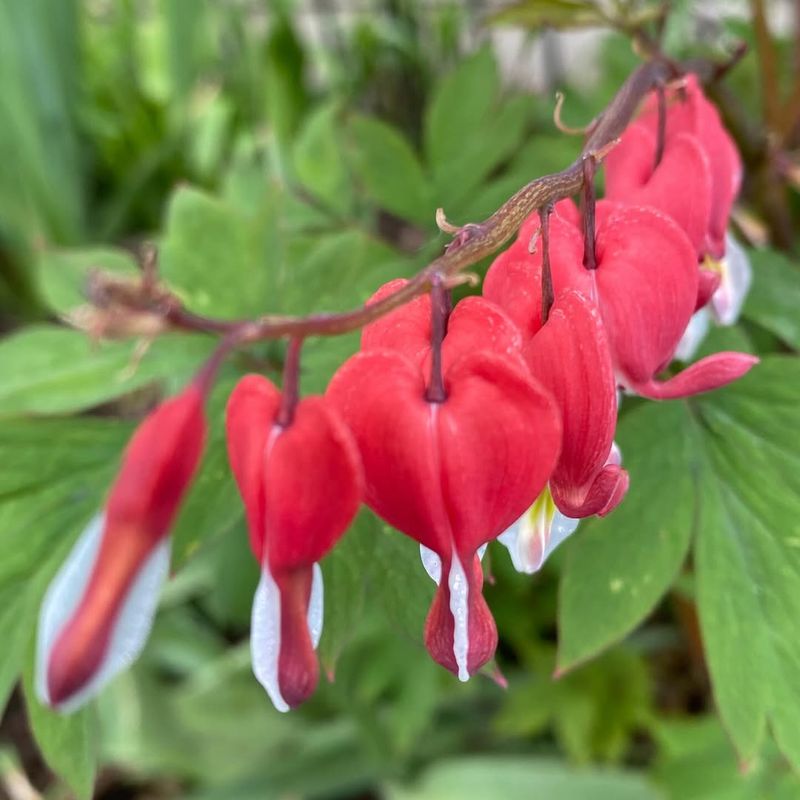
Heart-shaped blooms dangle like tiny lockets from gracefully arching stems, creating an enchanting display in spring that captivates everyone who sees it.
Bleeding heart flourishes in Oregon’s shaded gardens, producing masses of pink or white flowers above delicate, fern-like foliage.
The romantic appearance belies this plant’s tough constitution and ability to return year after year without intervention.
Once established, bleeding heart asks for almost nothing beyond occasional water during extended dry periods.
The plant goes dormant in summer heat, which might concern new gardeners, but this natural cycle conserves energy for next year’s spectacular show.
Corvallis and Albany gardeners appreciate how it pairs beautifully with hostas, which fill in as bleeding heart foliage fades.
This perennial handles Oregon’s wet winters exceptionally well, never suffering from root rot issues that plague less-adapted plants.
The flowers appear in April and May, providing crucial early-season color when gardens are just waking up.
Different varieties offer varying bloom times and colors, from traditional pink to pure white and even dark burgundy.
Native bleeding heart species are particularly well-suited to Pacific Northwest conditions and local ecosystems.
5. Purple Coneflower
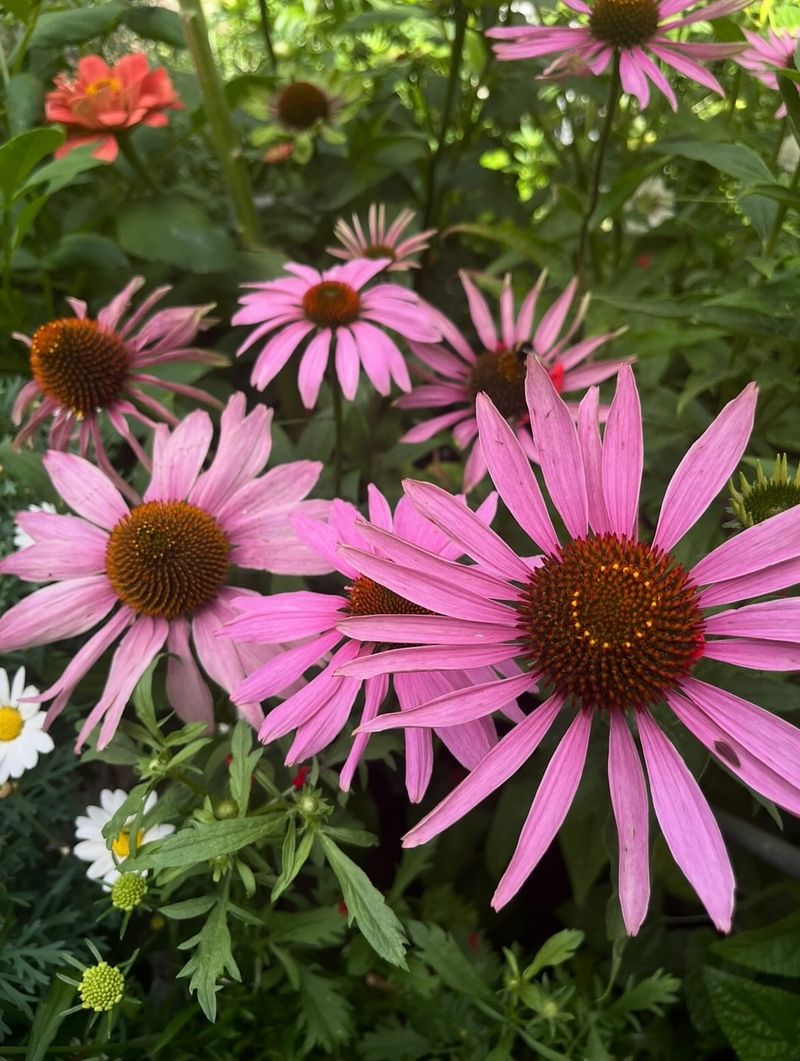
Bold magenta-pink petals radiate from prominent orange-brown centers, creating flowers that command attention from across the garden.
Purple coneflower, also called echinacea, delivers non-stop blooms from June through September in Oregon gardens, attracting butterflies, bees, and goldfinches that feast on the seed heads.
This prairie native adapted perfectly to the Pacific Northwest, handling both wet springs and dry summers with equal ease.
Forget fungicide sprays, fertilizer schedules, or constant deadheading.
Coneflowers thrive on neglect, actually performing better in average soil than in rich, amended beds.
Medford and Grants Pass gardeners particularly value this plant’s heat tolerance during southern Oregon’s warmer summers.
The sturdy stems never need staking, and the flowers last for weeks, making them excellent for cutting arrangements.
Even after blooming finishes, the architectural seed heads provide winter interest and wildlife food.
Birds perch on the sturdy stalks, harvesting seeds throughout fall and winter months.
Modern breeding has introduced colors beyond traditional pink, including white, orange, and red varieties.
However, the classic purple coneflower remains the most reliable and longest-lived selection for Oregon’s diverse climate zones and growing conditions.
6. Coral Bells
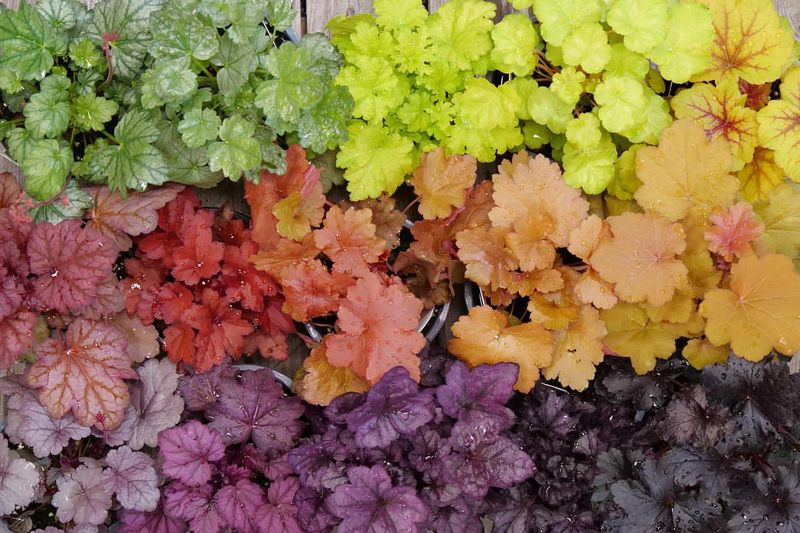
Ruffled leaves in shades ranging from lime-green to deep burgundy, bright coral to silvery purple, provide year-round color even when flowers aren’t blooming.
Coral bells, or heuchera, have become Oregon garden favorites because their foliage does the heavy lifting for visual impact.
Delicate flower spikes in pink, red, or white rise above the leaves in late spring, adding bonus beauty to an already colorful plant.
These compact perennials handle Oregon’s shade and partial shade conditions beautifully, brightening areas where flowering plants struggle.
They tolerate wet winters without rotting and bounce back quickly from occasional dry spells.
Springfield and Cottage Grove gardeners use them extensively as edging plants, groundcovers, and container specimens.
The foliage changes color with seasons and light exposure, offering constantly evolving interest.
Purple varieties often develop more intense coloring in cooler weather, while chartreuse types glow brightest in partial shade.
Maintenance involves little more than removing tattered leaves in spring.
Coral bells combine beautifully with ferns, hostas, and Japanese forest grass in shade gardens.
In sunnier spots, they partner well with sedums and ornamental grasses.
Hundreds of varieties exist, letting you collect different colors throughout your Oregon landscape.
7. Rhododendron
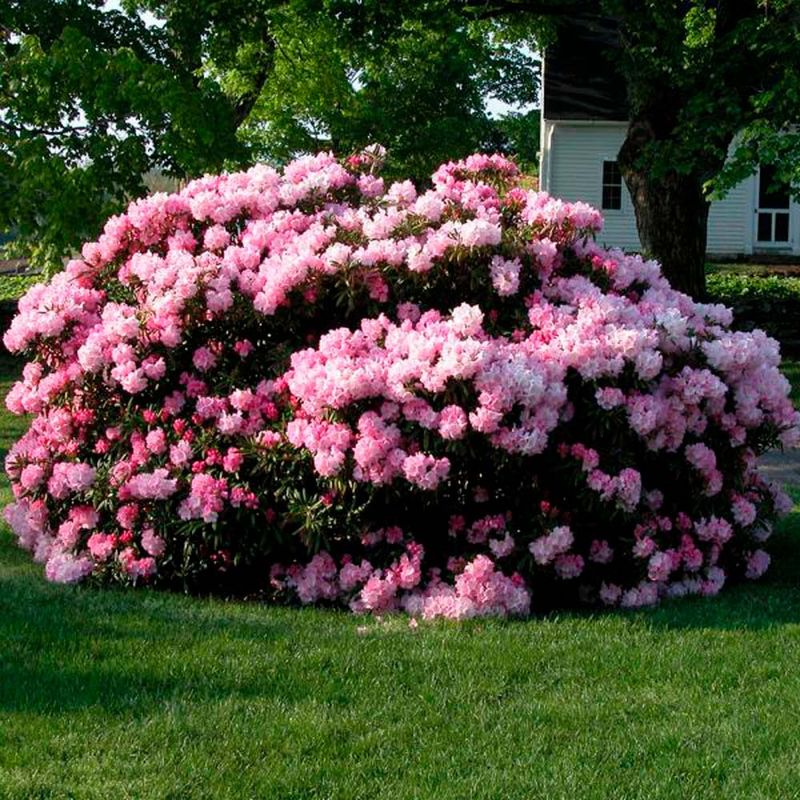
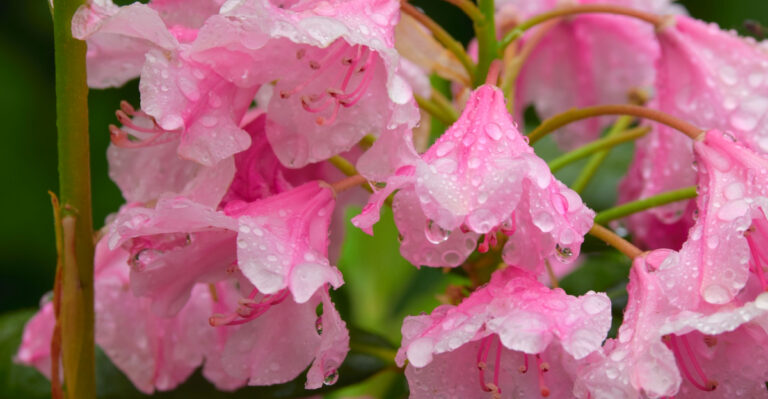
Massive flower trusses in shades of pink, purple, red, white, and yellow transform these evergreen shrubs into spring spectacles that define Pacific Northwest gardens.
Rhododendrons thrive in Oregon’s acidic soil and mild climate, requiring virtually no maintenance once properly situated.
The glossy evergreen foliage provides year-round structure and privacy screening, making these plants valuable even when not blooming.
Oregon’s natural rainfall pattern perfectly matches rhododendron needs, with wet winters and springs followed by drier summers.
These plants evolved in similar climates, so they flourish without irrigation systems or constant attention.
Portland and surrounding areas have become famous for spectacular rhododendron displays in public and private gardens alike.
Choosing varieties suited to your specific location ensures success.
Compact types work well in smaller yards, while larger selections create dramatic focal points or hedges.
Most rhododendrons prefer partial shade, though some newer hybrids tolerate more sun exposure.
The flowers attract hummingbirds and early-season pollinators desperate for nectar sources.
Spent blooms drop cleanly without requiring deadheading, though removing them can encourage better flowering next year.
Mulching with bark or compost maintains soil moisture and acidity levels that rhododendrons prefer throughout Oregon gardens.
8. Black-Eyed Susan
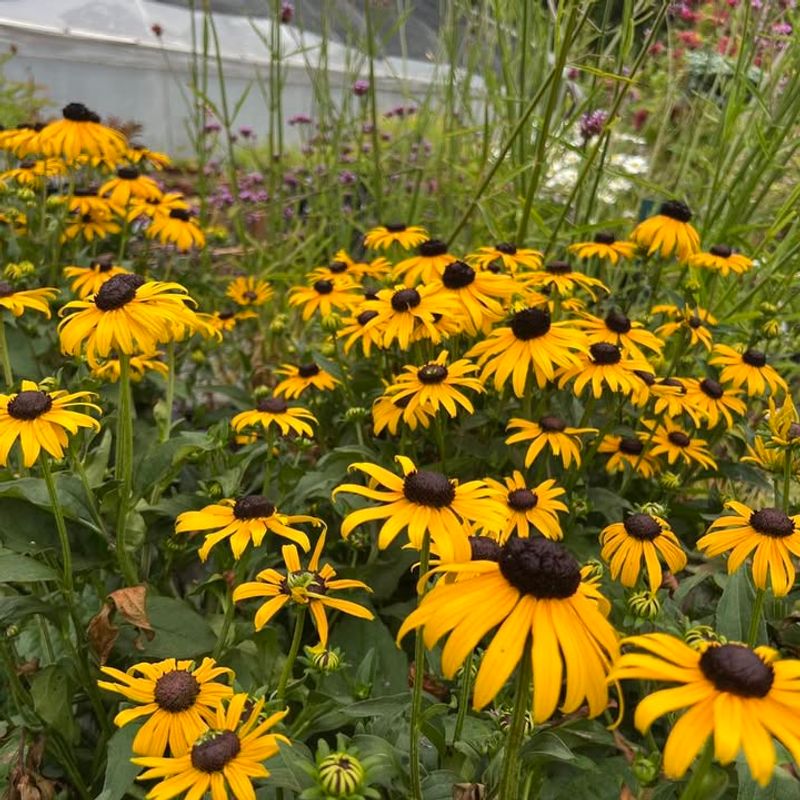
Cheerful golden-yellow petals surround dark chocolate-brown centers, creating flowers that radiate sunshine even on Oregon’s cloudiest days.
Black-eyed Susans bloom prolifically from July through October, providing reliable color when many spring bloomers have finished.
These prairie natives adapted remarkably well to Pacific Northwest gardens, handling clay soil, occasional drought, and wet winters without special care.
Butterflies, bees, and other beneficial insects visit these flowers constantly, making your garden a hub of activity.
Birds appreciate the seed heads in fall and winter, adding movement and life to the landscape.
Roseburg and Ashland gardeners find black-eyed Susans particularly valuable for meadow-style plantings and naturalized areas.
The plants self-sow modestly, creating new volunteers without becoming invasive nuisances.
They spread gradually to form generous clumps that can be divided every few years.
No staking, spraying, or fertilizing is needed for abundant blooms year after year.
Black-eyed Susans combine beautifully with purple coneflowers, ornamental grasses, and sedums in full-sun borders.
They also make excellent cut flowers, lasting over a week in vases.
The sturdy stems withstand Oregon’s occasional summer storms without flopping or breaking, maintaining their upright form throughout the blooming season.
9. Japanese Anemone
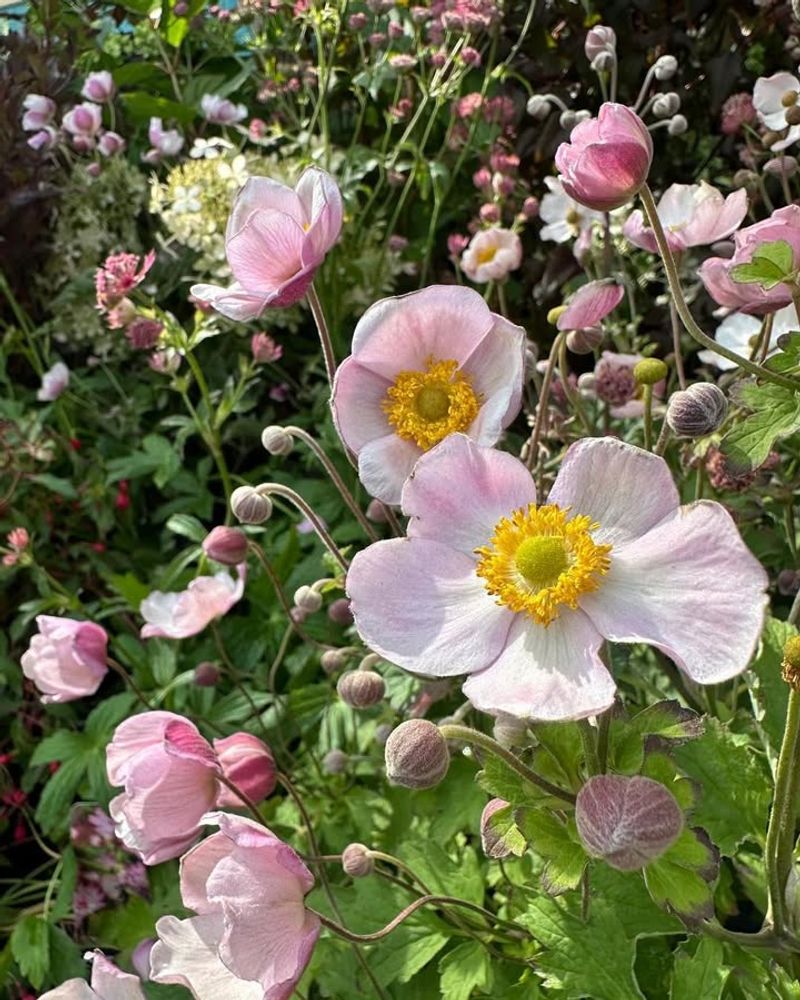
Elegant blooms on tall, graceful stems appear in late summer and continue through fall, providing crucial color when most perennials are winding down.
Japanese anemones produce pink or white flowers with prominent yellow centers that seem to float above dark green foliage.
Oregon gardeners treasure these perennials for extending the blooming season without requiring extra effort or attention.
Partial shade suits these plants perfectly, making them ideal for woodland gardens or areas under deciduous trees.
They handle Oregon’s wet winters and moderate summers beautifully, spreading slowly through underground runners to form attractive colonies.
Eugene and Bend gardeners appreciate how they fill gaps between spring bulbs and fall asters.
The flowers attract late-season pollinators searching for nectar before winter arrives.
Fluffy seed heads follow the blooms, adding textural interest into early winter.
The plants require no deadheading, staking, or special soil preparations to perform reliably year after year.
Japanese anemones take a year or two to establish before blooming heavily, but patience pays off with decades of dependable performance.
They combine beautifully with ferns, hostas, and other shade-loving perennials.
Once established, these plants tolerate brief dry periods, though they prefer consistently moist soil throughout Oregon’s growing season.
10. Salvia
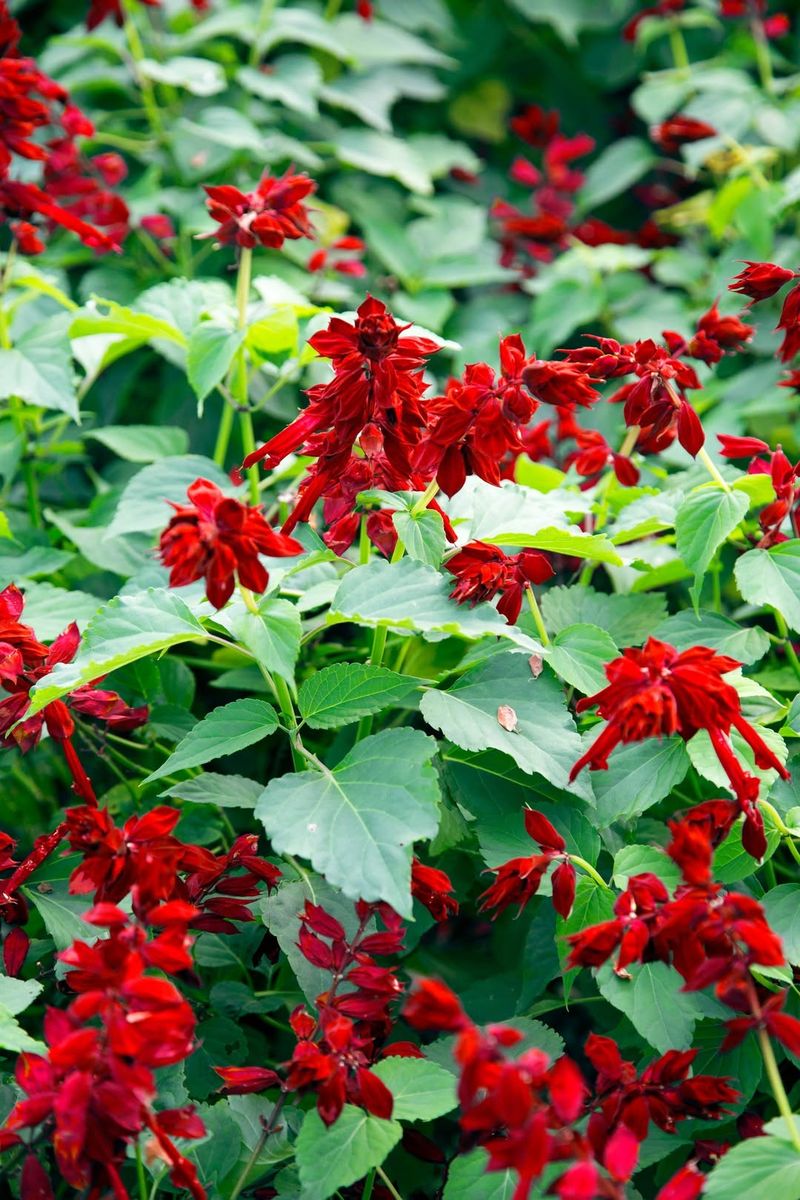
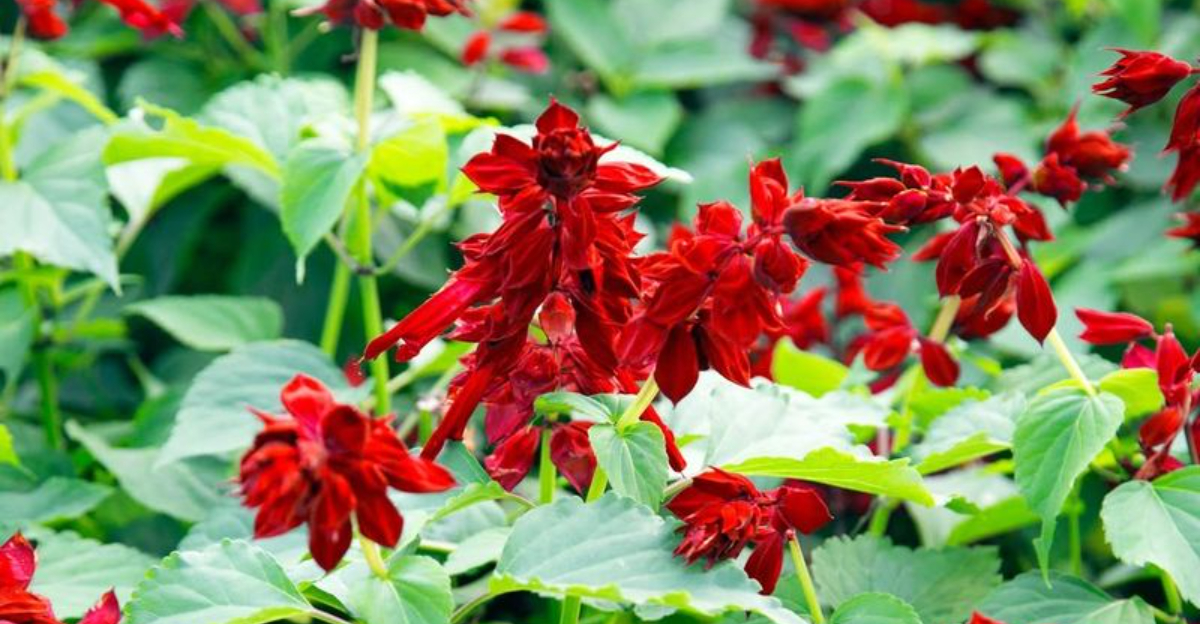
Vertical flower spikes in electric blue, deep purple, vibrant pink, or fiery red rise above aromatic foliage, creating dramatic accents in sunny Oregon gardens.
Salvias bloom for months, often from May through October, providing consistent color with minimal care.
These Mediterranean natives adapted surprisingly well to Pacific Northwest conditions, handling wet winters if planted in well-drained locations.
Hummingbirds and butterflies visit salvias constantly, making them magnets for wildlife activity.
The aromatic foliage deters deer and rabbits, solving pest problems without chemicals or fencing.
Salem and Keizer gardeners appreciate how salvias perform in hot, dry spots where other perennials struggle during summer heat.
Different species offer varying heights, colors, and bloom times, letting you create continuous displays throughout the season.
Most salvias require no fertilizer, deadheading, or special care beyond occasional watering during extended dry spells.
The plants often self-clean, dropping spent flowers naturally without creating messy debris.
Salvias combine beautifully with ornamental grasses, sedums, and other sun-loving perennials in borders and cottage-style gardens.
Their vertical form contrasts nicely with mounding plants, adding architectural interest.
Many varieties remain semi-evergreen in Oregon’s mild winters, providing structure when other perennials have gone dormant throughout the landscape.
11. Daylily
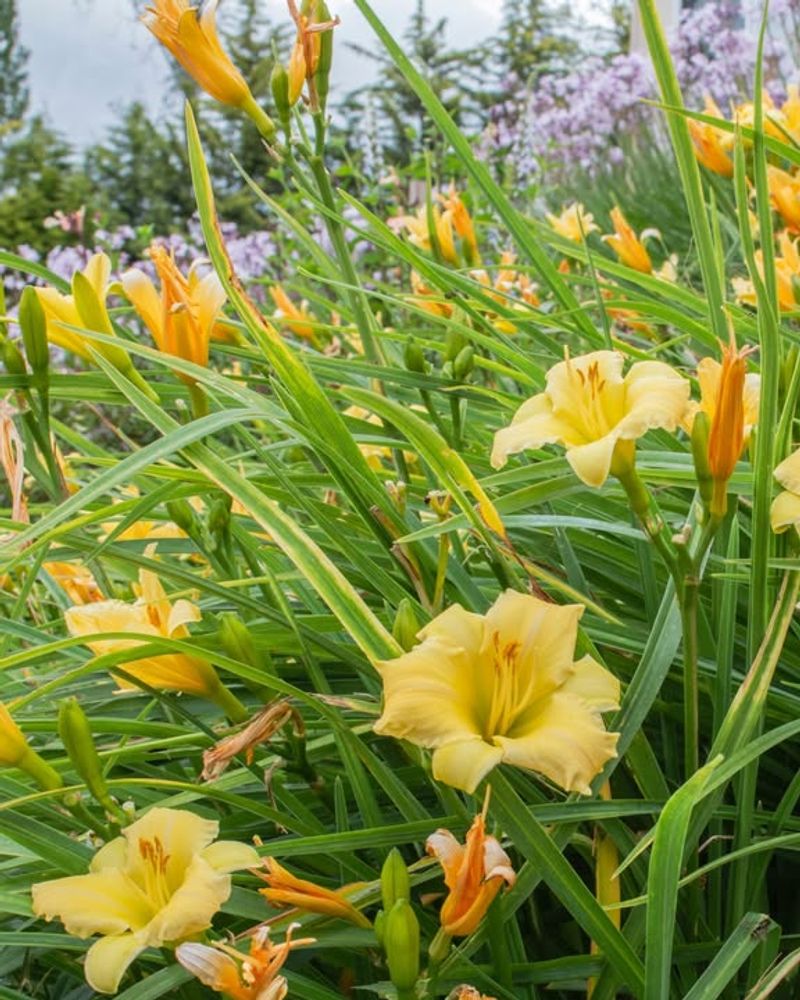
Each trumpet-shaped bloom lasts just one day, but plants produce so many buds that flowers keep appearing for weeks throughout summer.
Daylilies come in nearly every color imaginable except true blue, from pale yellow to deep burgundy, with patterns, ruffles, and bicolors adding extra interest.
These indestructible perennials thrive throughout Oregon with virtually no care, handling clay soil, drought, and neglect better than most garden plants.
Grass-like foliage emerges early in spring, providing texture even before blooms appear.
The plants multiply steadily, forming substantial clumps that can be divided to create more plants or shared with neighbors.
Gresham and Troutdale gardeners value how daylilies handle urban conditions, including pollution and compacted soil.
No staking, spraying, or deadheading is required for excellent performance year after year.
Daylilies tolerate both full sun and partial shade, though blooming is heaviest in brighter locations.
They work equally well in formal borders, cottage gardens, or naturalized areas along driveways and property lines.
Reblooming varieties flower in early summer, rest briefly, then produce another flush of blooms in late summer or fall.
These extended bloomers provide exceptional value in Oregon gardens.
The plants rarely suffer from diseases or pest problems, making them truly carefree additions to any landscape.
12. Azalea
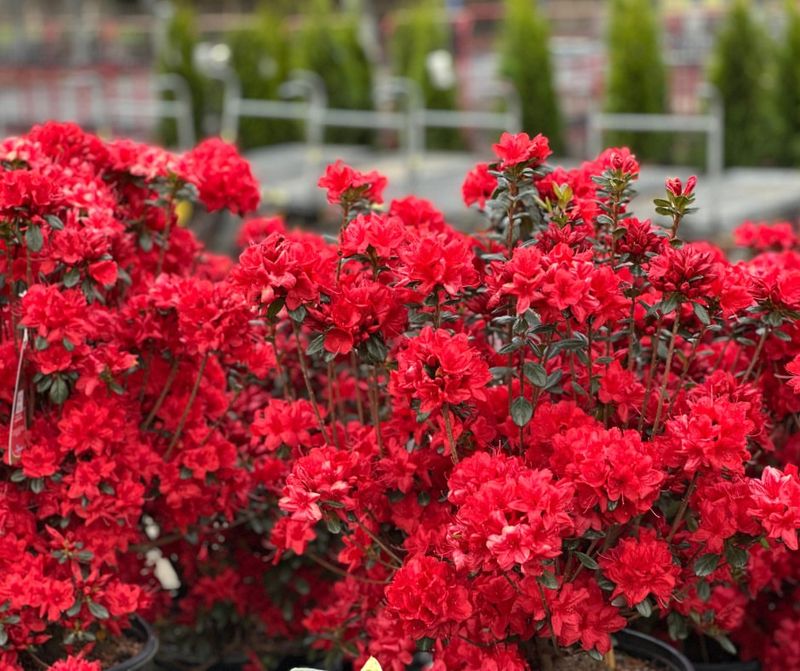
Spring arrives in spectacular fashion when azaleas burst into bloom, covering themselves with flowers in shades of pink, red, orange, white, or purple.
These rhododendron relatives thrive in Oregon’s acidic soil and mild climate, creating stunning displays with minimal maintenance.
Evergreen types provide year-round structure, while deciduous varieties often feature brilliant fall foliage before dropping their leaves.
Oregon’s natural rainfall pattern suits azaleas perfectly, with most varieties preferring partial shade and consistent moisture.
They work beautifully as foundation plantings, woodland garden specimens, or container plants on shaded patios.
Tigard and Tualatin gardeners create breathtaking spring displays by massing azaleas in complementary colors.
The compact growth habit means less pruning and easier maintenance compared to larger shrubs.
Azaleas rarely need fertilizing in Oregon’s naturally acidic soil, and pest problems are minimal.
Mulching with bark or compost helps maintain soil moisture and temperature, reducing watering needs during summer.
Different varieties bloom from early March through June, letting you extend the flowering season by selecting multiple types.
The flowers attract hummingbirds and early pollinators.
Spent blooms drop cleanly without requiring removal, though light deadheading can improve next year’s flower production.
Azaleas combine beautifully with ferns, hostas, and Japanese maples in shaded Oregon landscapes.
13. Crocosmia
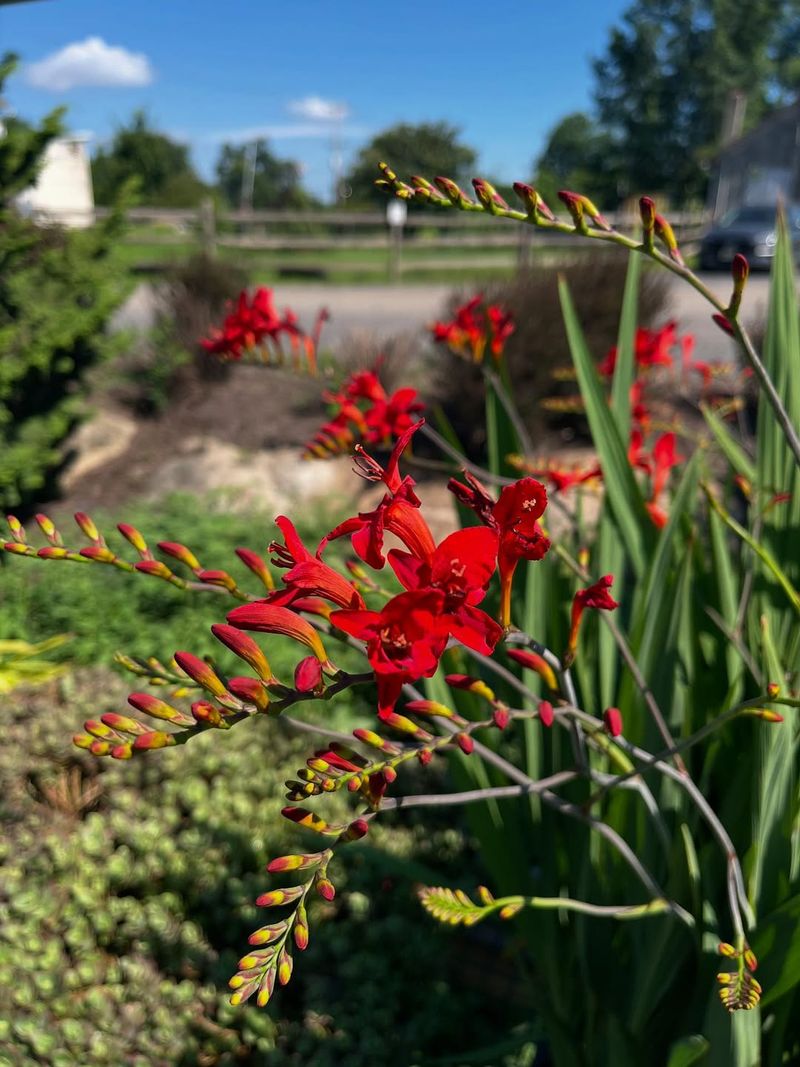
Fiery orange or red flowers arranged along arching stems create eye-catching displays that practically glow in Oregon’s summer gardens.
Crocosmia grows from corms, producing sword-like foliage in spring followed by spectacular blooms from July through September.
Hummingbirds cannot resist these tubular flowers, making them essential for wildlife gardens throughout the Pacific Northwest.
Once planted, crocosmias multiply reliably without becoming invasive nuisances like some bulbs.
They handle Oregon’s wet winters and dry summers with equal ease, never requiring lifting, dividing, or special storage.
The foliage remains attractive even after blooming finishes, providing vertical accents among lower-growing perennials.
These plants tolerate partial shade but bloom most prolifically in full sun.
They work beautifully in mixed borders, cottage gardens, or naturalized areas where their spreading habit fills space attractively.
Coos Bay and coastal Oregon gardeners appreciate how crocosmias handle salt spray and windy conditions.
The flowers make excellent cutting material, lasting over a week in vases.
Seed heads provide winter interest and food for birds.
Different varieties offer heights from two to four feet, with colors ranging from bright yellow through orange to deep red.
Crocosmias combine beautifully with ornamental grasses, creating textural contrasts throughout Oregon landscapes.
14. Astilbe
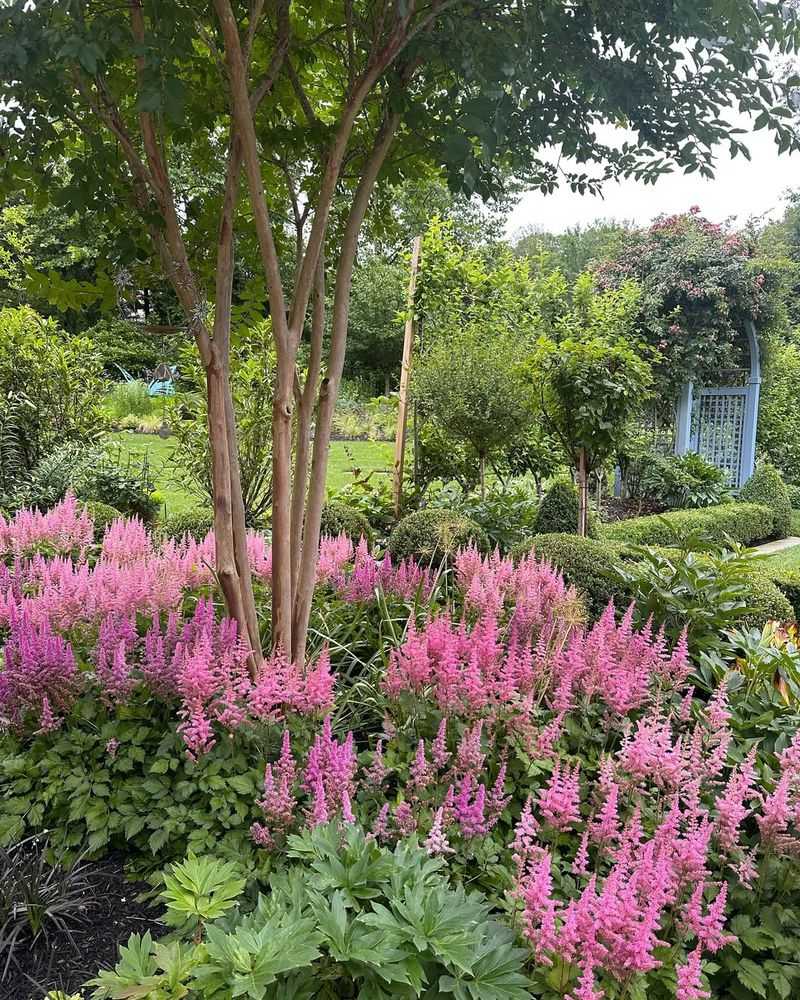
Feathery flower plumes in shades of pink, red, white, or lavender rise above glossy, fern-like foliage, bringing color and texture to shaded Oregon gardens where few other plants bloom.
Astilbes flower in early to midsummer, filling the gap between spring bulbs and late-season perennials.
The architectural foliage remains attractive throughout the growing season, providing structure even when blooms have faded.
Oregon’s naturally moist climate suits astilbes perfectly, with these shade-lovers thriving in conditions that challenge sun-loving perennials.
They handle wet soil better than most flowering plants, making them ideal for low spots or areas near downspouts.
Beaverton and Lake Oswego gardeners use astilbes extensively in woodland gardens and shaded borders.
The plants require virtually no maintenance beyond occasional watering during extended dry periods.
They never need staking despite their height, and spent flower plumes can be left in place for winter interest or removed based on personal preference.
Astilbes rarely suffer from pest or disease problems in Pacific Northwest gardens.
Different varieties bloom at slightly different times, letting you extend the flowering season by planting multiple types.
The flowers attract butterflies and other beneficial insects.
Astilbes combine beautifully with hostas, ferns, and coral bells, creating lush, layered plantings throughout shaded Oregon landscapes that require minimal attention.