Why California Residents Are Changing How They Recycle Yard Waste This Year
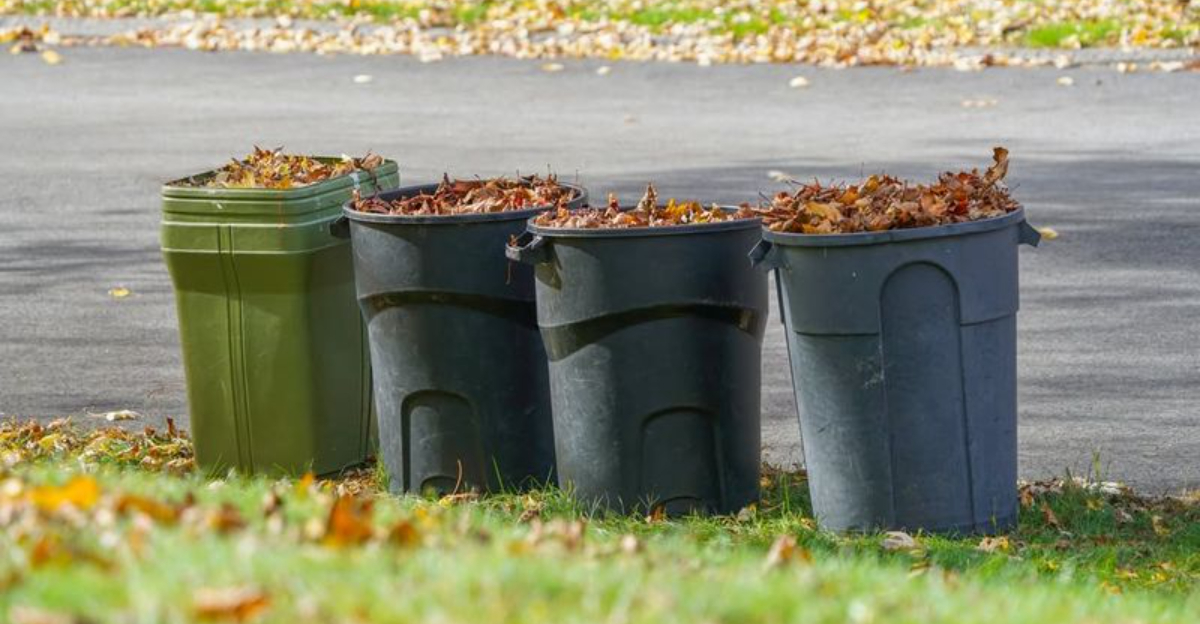
California homeowners are rethinking the way they handle grass clippings, leaves, and branches in 2025.
New state laws, upgraded composting facilities, and stricter contamination rules are transforming what once felt like a simple weekend chore into a more mindful and environmentally focused practice.
For many residents, the changes are reshaping not just how yard waste is collected, but how it’s understood—as a valuable resource rather than something to throw away.
Whether you maintain a small suburban lawn or manage a sprawling garden, knowing what’s new will help you stay compliant, avoid fines, and support statewide sustainability goals.
Here are the key reasons why yard waste recycling is evolving across the Golden State this year and how these shifts affect your home, your community, and the environment.
SB 1383 Requires Expanded Organic Waste Collection
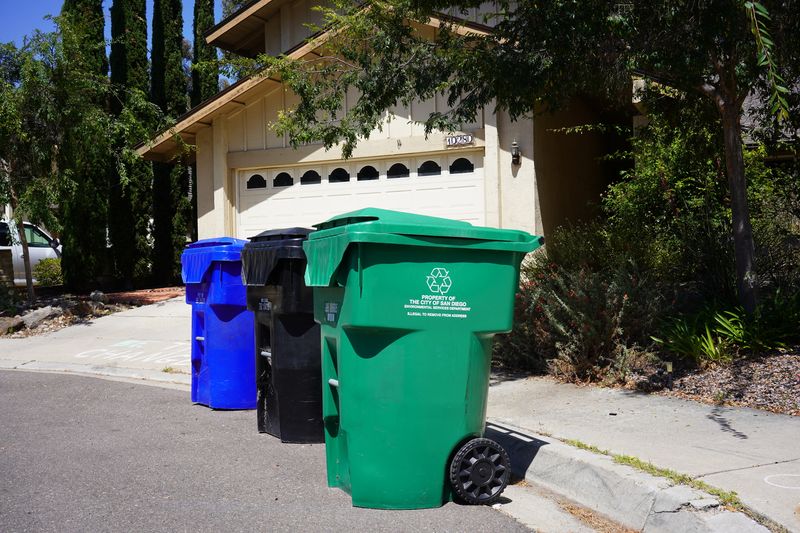
Senate Bill 1383 has reshaped the landscape of waste management throughout California since its rollout.
Cities and counties must now offer organic waste collection to all residents, which means your green bin is no longer just for yard debris.
This statewide mandate aims to slash organic waste going to landfills by 75 percent by 2025.
For homeowners, that translates into new sorting habits at the curb.
You might notice updated stickers on your bins or receive flyers explaining what belongs where.
Local governments are investing in education campaigns to help families adjust.
The law also pushes municipalities to recover edible food and create compost from what would have been buried in landfills.
By separating yard waste properly, you are directly supporting greenhouse gas reduction.
Methane emissions drop when organic material is composted instead of left to decompose anaerobically underground.
This shift may feel like extra work at first, but it quickly becomes routine.
Many residents report feeling proud to contribute to a cleaner, more sustainable California.
Understanding SB 1383 empowers you to make smarter choices every time you trim a hedge or rake leaves.
Statewide Methane-Reduction Rules Change What Goes In Green Bins
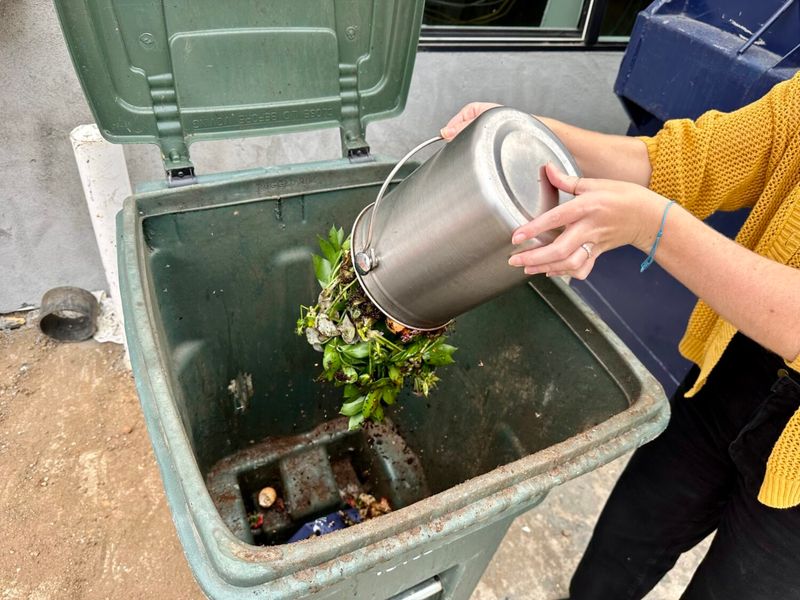
Methane is a potent greenhouse gas, and California is serious about cutting it down.
New regulations require more yard waste to be composted rather than sent to landfills, where it would release methane as it breaks down.
These rules mean your green bin now has a bigger job to do.
You can no longer toss in materials that contaminate the composting process, such as plastic plant pots or treated wood.
Each hauler has updated their acceptable-items list, so double-checking your local guidelines is essential.
Some neighborhoods have even started weekly green-bin pickups instead of bi-weekly to handle the increased volume.
The state tracks methane emissions closely, and every ton of yard waste diverted from landfills makes a measurable difference.
Composting facilities use aerobic processes that produce far less methane than landfill decomposition.
When you follow the new rules, you are part of a collective effort to slow climate change.
It might seem like a small action, but millions of Californians doing it together creates massive impact.
Plus, the finished compost enriches soil across the state, supporting agriculture and landscaping projects.
Your California Garden Changes Every Week. Your Plan Should Too.
Gardening in California changes quickly throughout the season. Every Friday you’ll receive a simple weekly plan showing exactly what to plant, prune, fertilize, harvest, and protect so you never miss the right timing.
Staying informed about methane-reduction goals helps you see the bigger picture behind these bin changes.
Haulers Updated Yard-Waste Guidelines To Prevent Contamination
Contamination has become a major headache for composting facilities, so haulers are tightening their rules.
In 2024 and 2025, many waste-collection companies rolled out revised guidelines that spell out exactly what you can and cannot place in your yard-waste bin.
Plastic bags, even biodegradable ones, are often banned because they clog machinery.
Twine, wire, and metal stakes must be removed from bundled branches.
Some haulers now reject loads that contain more than a small percentage of non-organic material.
This stricter sorting may feel tedious, but it protects the quality of the finished compost.
When contaminants slip through, they can ruin entire batches, forcing facilities to send loads to landfills instead.
That defeats the purpose of separating your yard waste in the first place.
To help residents adapt, haulers are distributing updated brochures and hosting community workshops.
You might also find online videos that demonstrate proper sorting techniques.
Taking a few extra seconds to remove a plastic label or shake soil off roots makes a big difference.
Clean loads mean more efficient processing and higher-quality compost for California farms and gardens.
Counties Added Food-Scrap Co-Collection With Yard Waste
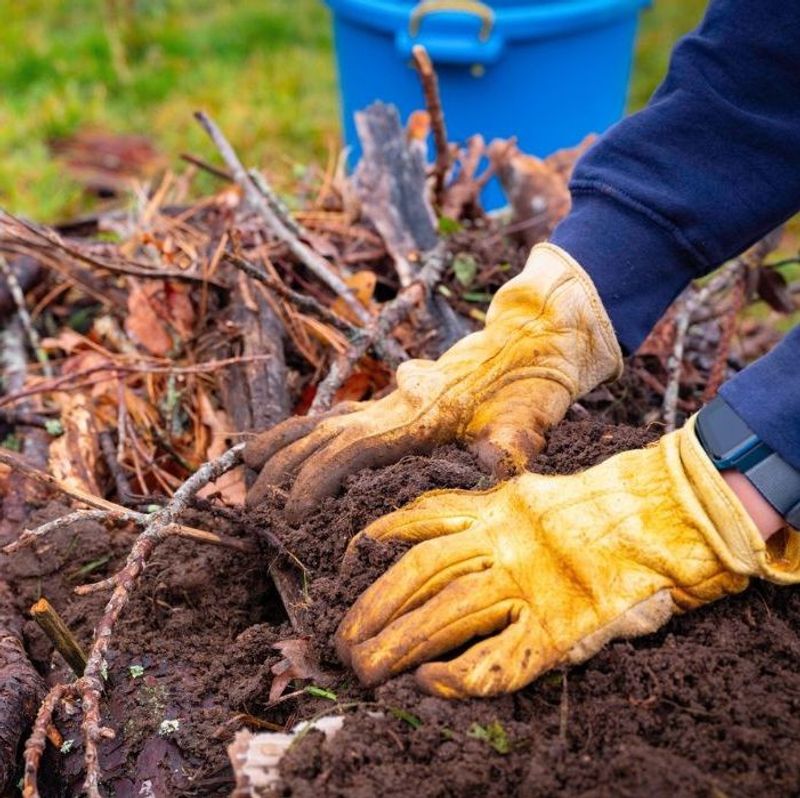
Food scraps and yard trimmings now share the same bin in many California communities.
This co-collection system simplifies your routine by letting you toss apple cores, coffee grounds, and grass clippings into one container.
Several counties launched or expanded these programs in response to SB 1383 requirements.
For families, it means less trash heading to the landfill and more organic material transformed into nutrient-rich compost.
You might receive a small kitchen pail to collect food scraps before transferring them to your curbside green bin.
Some residents were initially concerned about odors, but regular bin pickups and proper layering of materials usually prevent smells.
Mixing food waste with yard debris also balances the carbon and nitrogen content, which helps composting facilities produce better-quality end products.
If you have never composted food scraps before, start with fruit and vegetable peels, eggshells, and tea bags.
Meat, dairy, and oily foods may be accepted in some programs but not others, so check your local rules.
This change reflects a broader shift toward viewing organic waste as a resource rather than garbage.
By participating, you are helping California meet ambitious waste-reduction targets while enriching the soil that grows your favorite crops.
Composting Facilities Upgraded Equipment And Changed Accepted Materials
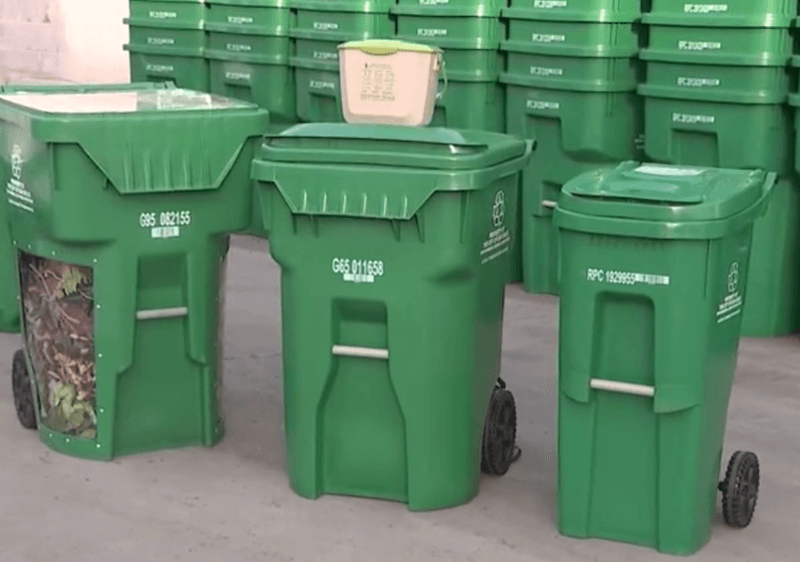
California composting facilities invested heavily in new technology throughout 2024.
These upgrades allow them to process larger volumes of yard waste and food scraps more efficiently.
Advanced grinders, screeners, and aerators speed up decomposition and improve compost quality.
However, the new equipment also comes with stricter input requirements.
Materials that once slipped through unnoticed, like small pieces of plastic or synthetic twine, now jam expensive machinery.
As a result, facilities have updated their lists of banned items.
For example, some plants now refuse palm fronds because their fibrous structure clogs grinders.
Others have stopped accepting certain types of woody debris unless it is chipped to a specific size.
If you have large branches, you may need to cut them into shorter lengths or take them to a designated drop-off site.
These changes can feel frustrating, but they reflect a commitment to producing clean, high-quality compost.
Facilities that upgrade their equipment can divert more waste from landfills and create products that benefit California agriculture.
Staying informed about your local facility’s rules ensures your yard waste is processed smoothly and contributes to a circular economy.
CalRecycle Enforces Contamination Limits With Warnings And Fines
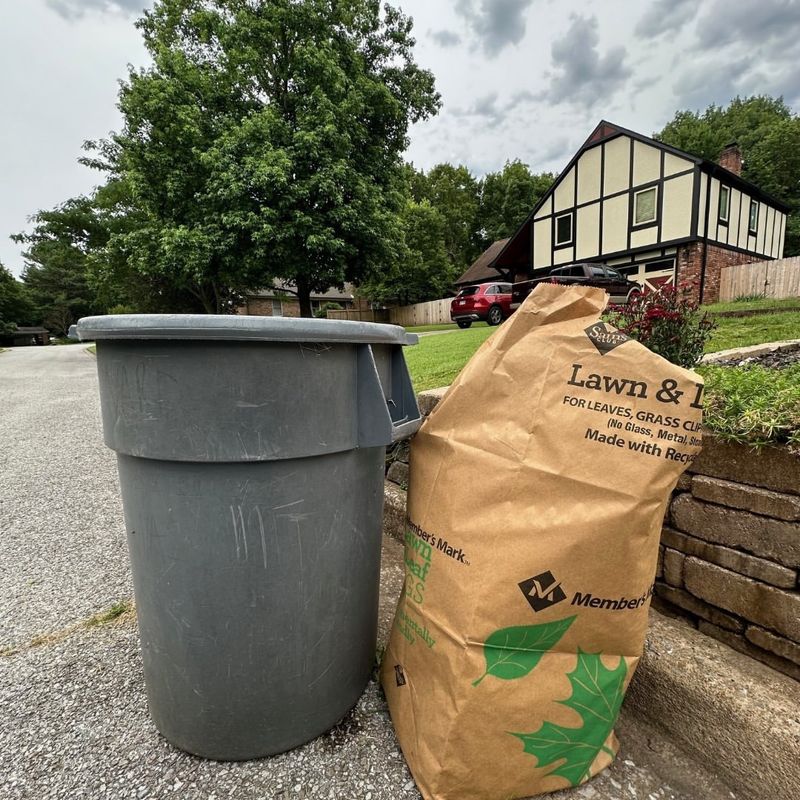
California’s Department of Resources Recycling and Recovery, known as CalRecycle, is cracking down on contamination.
In the past, mixed loads might have been overlooked, but now inspectors are watching closely.
Some cities have begun issuing warnings to households that repeatedly place trash in their yard-waste bins.
If the problem continues, fines can follow.
The goal is not to punish residents but to protect the integrity of the composting stream.
Even a small amount of contamination can ruin large batches of compost, forcing facilities to send material to landfills.
That undermines the environmental benefits of separating organics in the first place.
To avoid warnings, take a moment to review what belongs in each bin.
Remove plastic labels from plant pots, shake soil off roots, and keep non-organic items out.
Many haulers provide educational materials, and some offer free bin inspections to help you get it right.
If you receive a warning, treat it as a learning opportunity rather than a scolding.
CalRecycle’s enforcement efforts reflect the state’s commitment to meeting ambitious waste-reduction targets.
By following the rules, you contribute to cleaner compost, healthier soil, and a more sustainable California.
Storm Cleanup Increased Woody Debris And Prompted New Guidelines
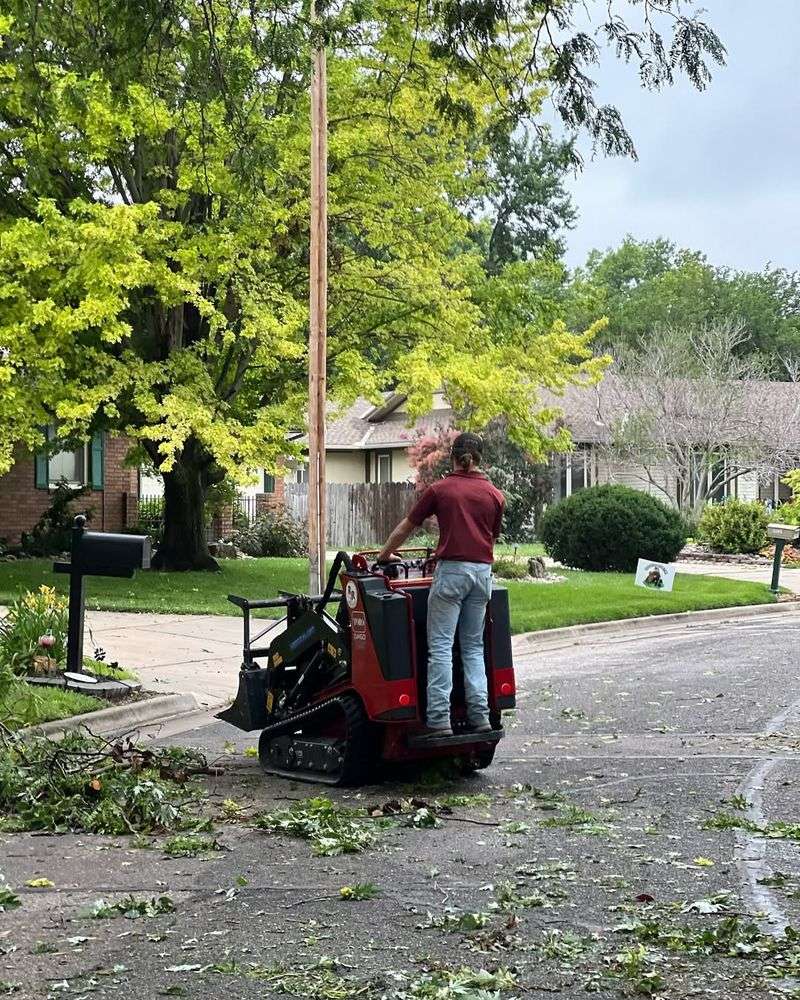
Recent winters brought heavy storms that left California yards littered with branches, leaves, and brush.
The sheer volume of woody debris overwhelmed some collection systems, prompting local governments to issue new guidelines.
In many areas, you now need to bundle branches with natural-fiber twine and cut them to specific lengths.
Loose piles may not be collected, and oversized limbs might require a special pickup or drop-off at a green-waste facility.
Some cities offer free chipping events after major storms, where you can bring branches and watch them get turned into mulch.
These events not only reduce the load on curbside collection but also provide free mulch for your garden.
If you have a large property, consider investing in a chipper-shredder to process woody debris on-site.
The resulting chips make excellent mulch that conserves water and suppresses weeds.
Storm-related yard waste can be a hassle, but it also presents an opportunity to recycle materials right at home.
Understanding your local guidelines ensures your debris is collected promptly and processed efficiently.
It also helps municipalities manage the surge in organic waste that follows severe weather.
Wildfire-Risk Reduction Programs Require Different Disposal Methods
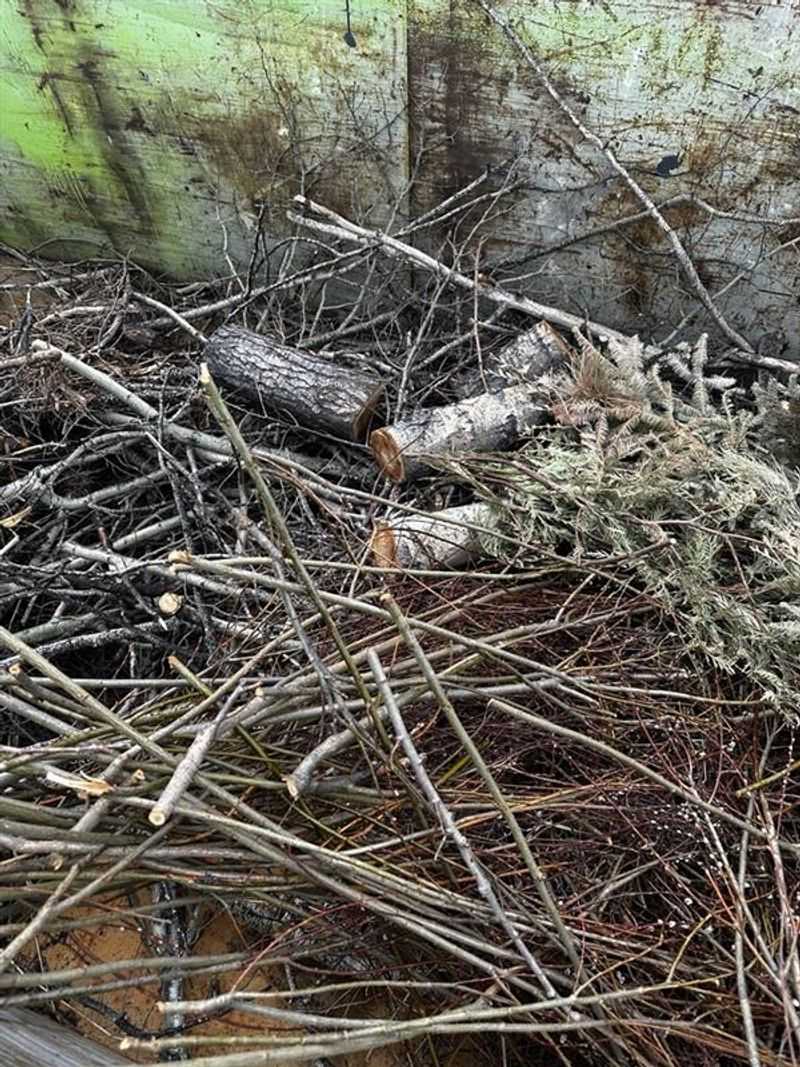
Wildfire prevention has become a top priority in many California counties.
Residents in high-risk zones are required to create defensible space by clearing brush, trimming trees, and removing dry vegetation.
This work generates large amounts of yard waste that cannot always go into your regular green bin.
Some counties have launched chipping programs where crews visit neighborhoods to shred woody debris on-site.
Others host green-waste drop-off events where you can bring truckloads of branches and brush.
These programs help you comply with fire-safety regulations while ensuring organic material is recycled responsibly.
If you live in a wildfire-prone area, check with your local fire department or county website for disposal options.
Many programs are free or low-cost, and some even provide mulch in exchange for your yard waste.
Proper disposal not only reduces fire risk but also keeps organic material out of landfills.
By participating in wildfire-risk reduction programs, you protect your home and contribute to community safety.
It is a win-win that combines environmental stewardship with practical fire prevention.
Cities Promote Water-Saving Mulching Programs For On-Site Recycling
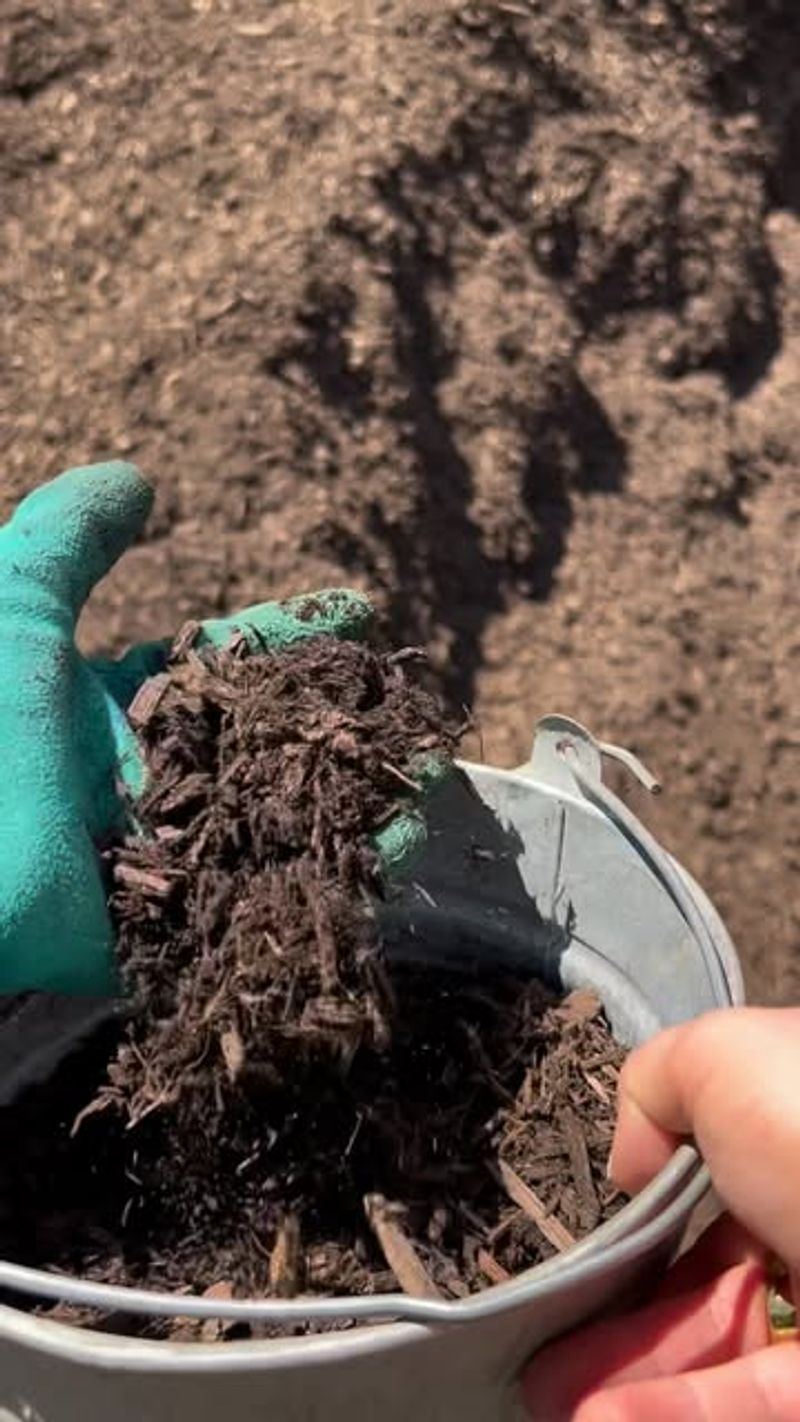
Mulching your yard waste on-site is one of the easiest ways to recycle and conserve water at the same time.
Many California cities are promoting grasscycling, where you leave grass clippings on your lawn instead of bagging them.
The clippings decompose quickly, returning nutrients to the soil and reducing the need for fertilizer.
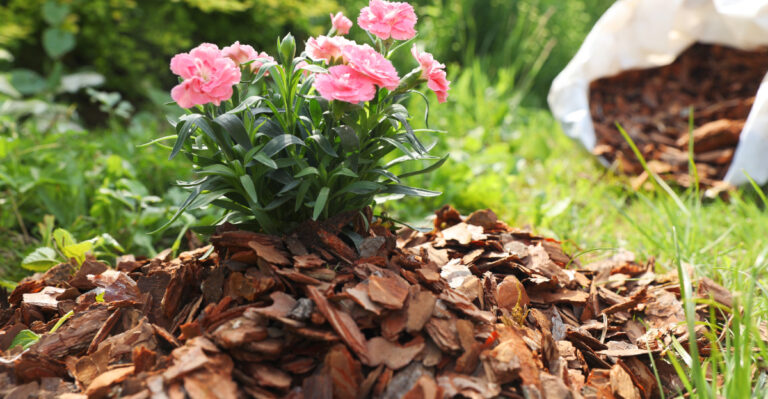
Leaves and small twigs can be chopped with a mower and used as mulch around trees and shrubs.
This layer of organic material helps retain soil moisture, which is especially valuable during California’s dry summers.
Some municipalities offer rebates or free mulch to encourage residents to adopt these practices.
By keeping yard waste on your property, you reduce the volume that needs to be collected and transported.
That cuts down on truck emissions and saves haulers time and fuel.
Mulching also improves soil health by adding organic matter and supporting beneficial microbes.
If you have never tried grasscycling or leaf mulching, start with a small area and see how your plants respond.
You will likely notice healthier growth and fewer weeds.
On-site recycling is a simple, effective way to manage yard waste while conserving water and enriching your garden.