What To Do When A Skunk Appears In Your North Carolina Yard And What To Avoid
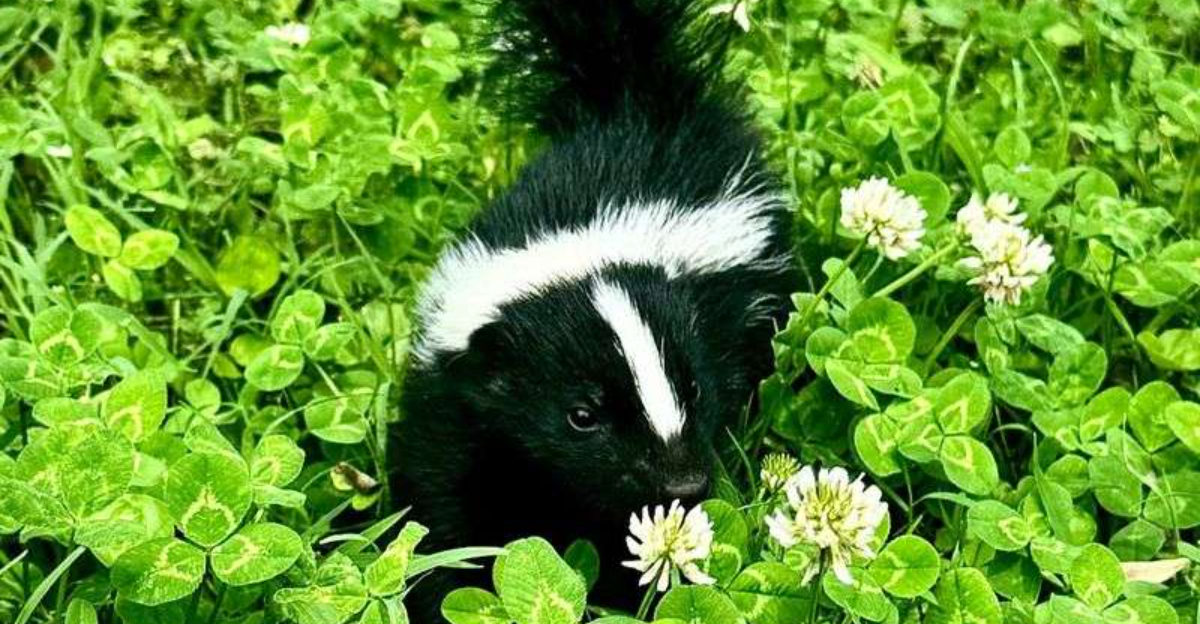
Spotting a skunk waddling through your North Carolina backyard can feel alarming, especially if you’re familiar with their infamous defense spray.
These black-and-white critters are surprisingly common across the state, often wandering into residential areas in search of insects, grubs, fallen fruit, and safe shelter.
While skunks generally prefer to avoid people and pets, a single wrong move can trigger a smelly encounter that lingers for days—or even weeks—around your home.
Knowing how to respond in the moment can prevent unnecessary stress, property odor, and accidental confrontation.
Understanding the right steps to take—and the mistakes to avoid—will help you stay calm, protect your property, and keep both your family and the skunk safe.
1. Stay Calm And Keep Your Distance
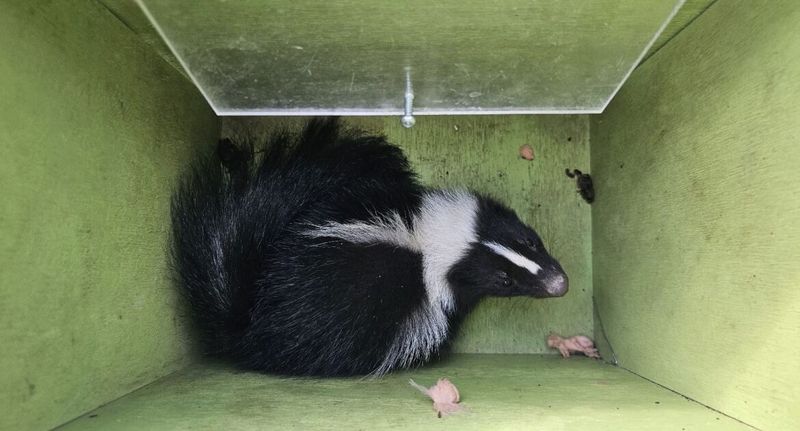
Panic is your worst enemy when a skunk appears near your home.
Your first instinct might be to run or shout, but those reactions can startle the animal and cause it to spray.
Skunks have excellent aim and can spray up to 15 feet with remarkable accuracy.
Remaining still and quiet gives the skunk time to realize you are not a threat.
These animals prefer to save their spray for genuine danger since it takes about ten days to replenish their supply.
If you freeze and breathe slowly, the skunk will likely continue on its way without incident.
Back away slowly if you need to move, keeping your eyes on the animal without staring directly at it.
Avoid making loud noises, waving your arms, or doing anything that could be interpreted as aggression.
Patience is essential during these moments.
Remember that skunks are more afraid of you than you are of them.
They only spray when they feel cornered or threatened.
Giving them space and staying calm protects both you and the skunk from an unpleasant encounter.
2. Watch The Skunk From A Safe Distance
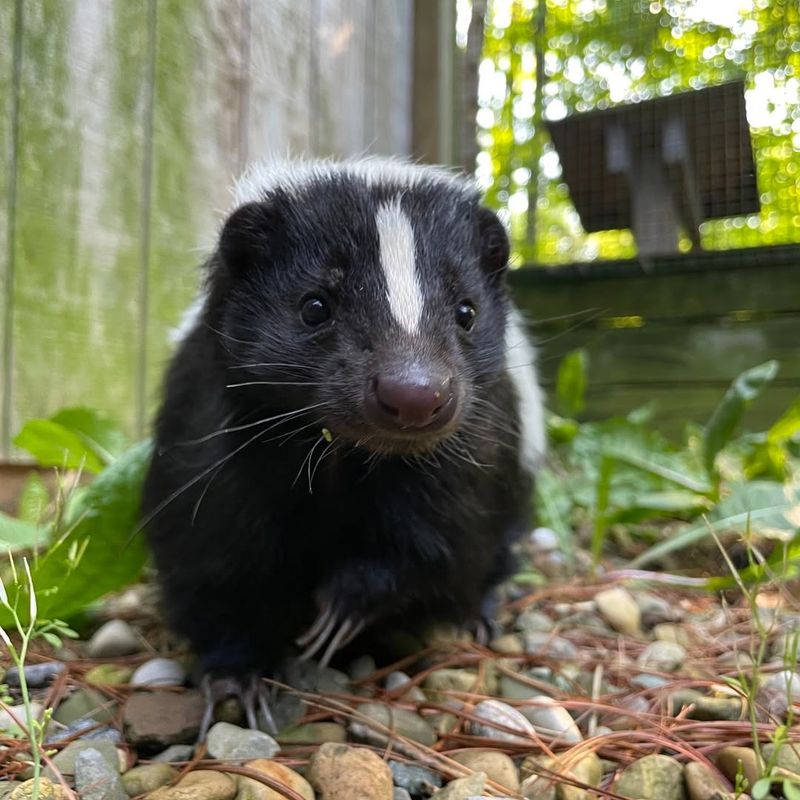
Not every skunk sighting means you have a permanent visitor.
Many skunks are just passing through neighborhoods while searching for food or water.
Watching from a safe vantage point, like a window or porch, helps you understand the animal’s intentions.
A skunk that walks directly across your yard without stopping is probably just traveling.
However, if the animal starts digging, sniffing around specific areas, or returning multiple nights, it may have found something attractive on your property.
Pay attention to where it spends the most time.
Look for signs like small holes in the lawn, which indicate the skunk is hunting for grubs and insects.
Skunks are excellent pest controllers and can actually help reduce harmful insect populations.
If the animal seems focused on one spot, that area likely has food or potential shelter.
Taking mental notes about the skunk’s routine helps you decide on next steps.
A single visit requires no action, but repeated appearances mean you should address whatever is attracting it.
Observation is a powerful tool for peaceful coexistence.
3. Bring Pets Inside Immediately
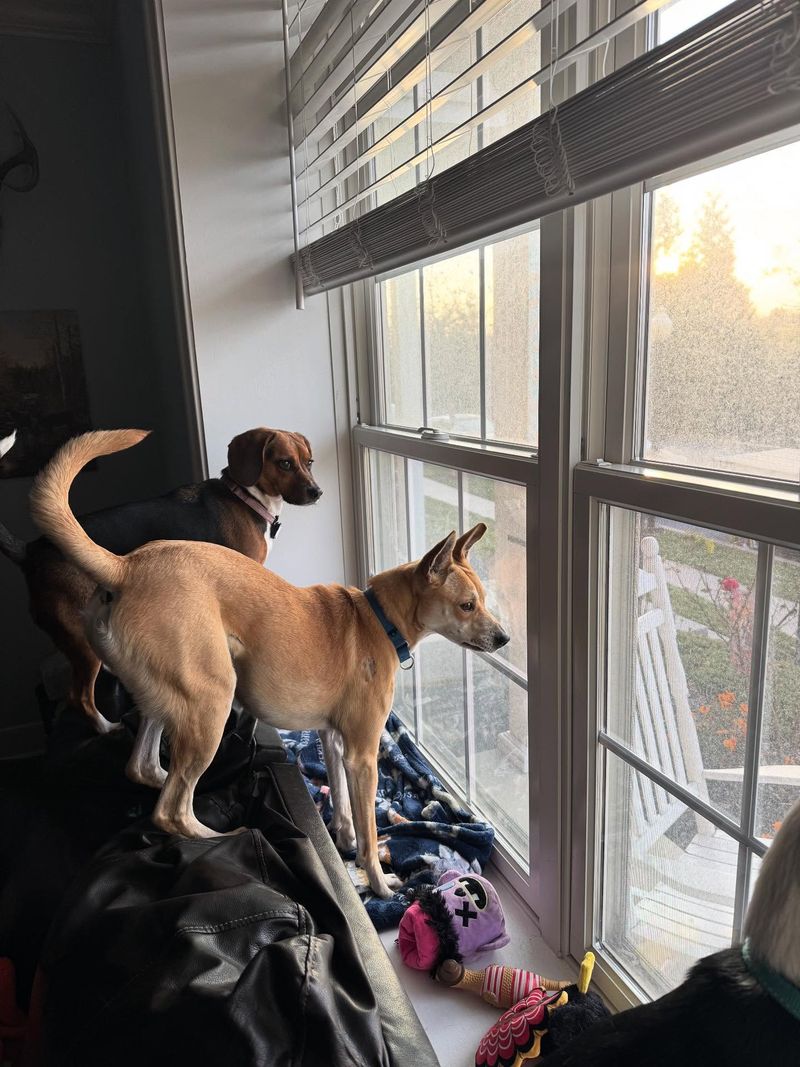
Dogs and skunks are a terrible combination that almost always ends badly.
Your North Carolina Garden Changes Every Week. Your Plan Should Too.
Gardening in North Carolina changes quickly throughout the season. Every Friday you’ll receive a simple weekly plan showing exactly what to plant, prune, fertilize, harvest, and protect so you never miss the right timing.
Canines lack the instinct to recognize skunk warning signs and often charge at these animals with curiosity or territorial aggression.
The result is usually a direct spray to the face, causing intense discomfort and a smell that permeates everything.
Cats are generally more cautious, but they can also get sprayed if they feel playful or threatened.
Bringing all pets inside immediately removes the risk of confrontation.
Even well-trained dogs may ignore commands when faced with an intriguing wild animal.
If your pet has already been sprayed, do not let them back inside until you have treated them.
The oil in skunk spray bonds to fur and can transfer to furniture, carpets, and clothing.
A mixture of hydrogen peroxide, baking soda, and dish soap works better than tomato juice for removing the odor.
Skunks can also carry rabies, though cases are relatively rare in North Carolina.
Keeping pets away eliminates any chance of bites or scratches.
Your furry friends will thank you for avoiding this smelly disaster.
4. Use Gentle Light Or Sound To Announce Yourself
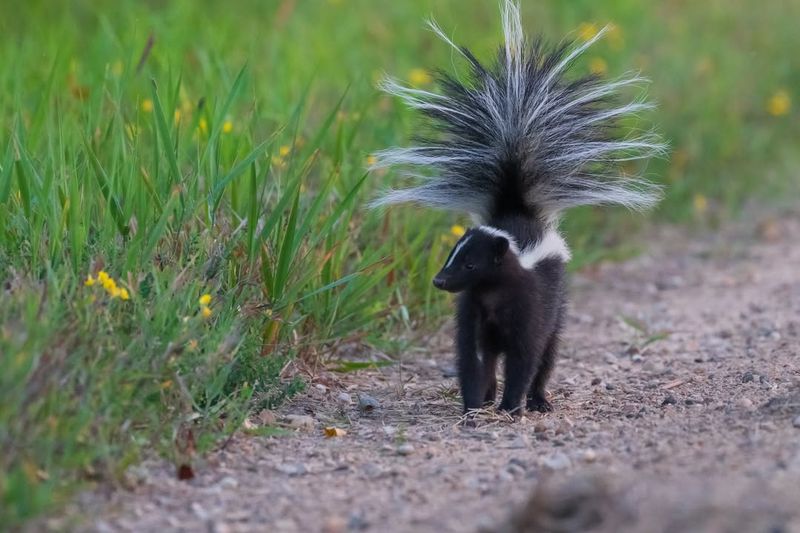
Skunks have poor eyesight but excellent hearing and sense of smell.
Gently alerting them to your presence gives them the opportunity to leave on their own terms.
Flipping on a porch light or speaking in a calm, low voice can encourage the animal to move along.
Avoid sudden bright lights or loud sounds like clapping or shouting.
These can frighten the skunk and trigger defensive behavior.
Think of your actions as polite suggestions rather than forceful demands.
Motion-activated lights work exceptionally well because they turn on gradually as the skunk approaches.
This gives the animal time to adjust and retreat without feeling ambushed.
Many homeowners install these lights specifically to discourage nocturnal wildlife.
Talking softly while moving around your yard also works effectively.
The skunk hears human activity and usually chooses to find a quieter location.
This method respects the animal’s space while protecting your property.
Gentle deterrents are far more effective than aggressive tactics.
Skunks respond well to subtle cues and will leave peacefully when given the chance.
Your calm approach makes all the difference in avoiding conflict.
5. Remove All Food Sources From Your Yard
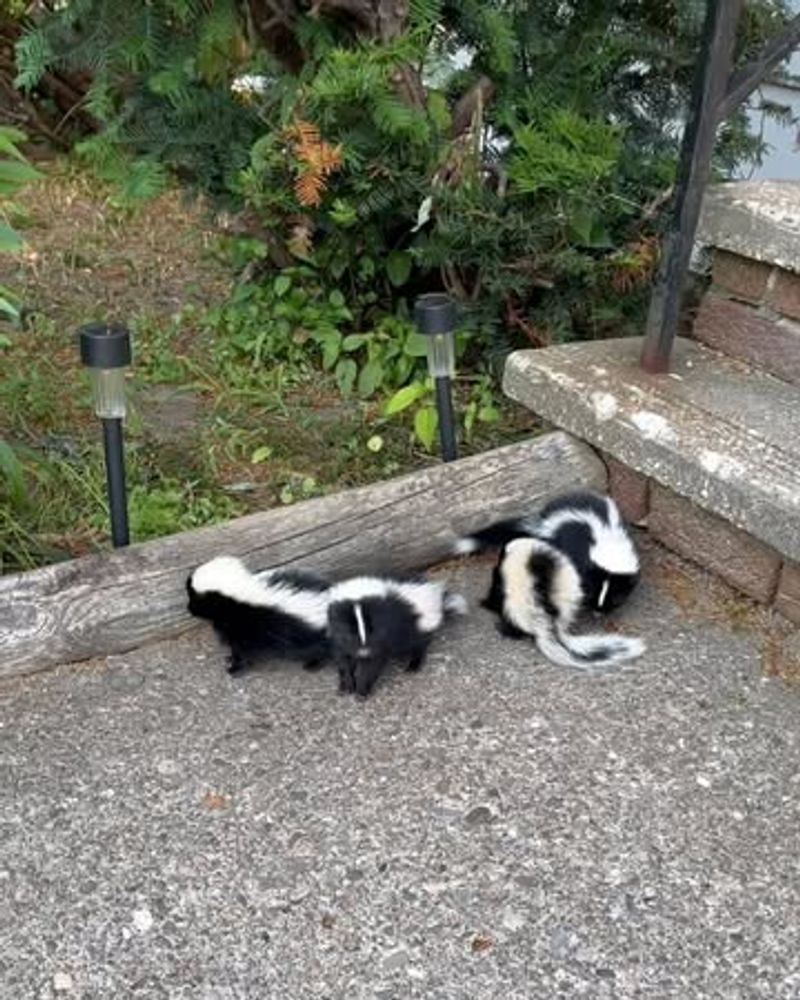
Skunks are opportunistic eaters with a diet that includes insects, small rodents, eggs, fruits, and human leftovers.
If your yard offers easy meals, skunks will return night after night.
Identifying and removing these food sources is essential for discouraging visits.
Pet food left outside is like a buffet invitation for wildlife.
Bring all bowls inside before sunset, and never leave food on porches or patios overnight.
Even small amounts can attract multiple animals.
Trash cans without secure lids are another major attractant.
Skunks can easily tip over bins or pry open loose covers to access garbage.
Invest in wildlife-proof containers or store trash in a garage or shed until collection day.
Bird feeders drop seeds that accumulate on the ground, creating a feeding station for skunks and other critters.
Use trays to catch fallen seeds or bring feeders inside at night.
Fallen fruit from trees should be collected regularly to eliminate another food source.
A clean yard is far less appealing to skunks.
Removing attractants sends a clear message that your property offers nothing of interest.
This simple step prevents many wildlife conflicts.
6. Check Your Yard For Potential Shelter Spots
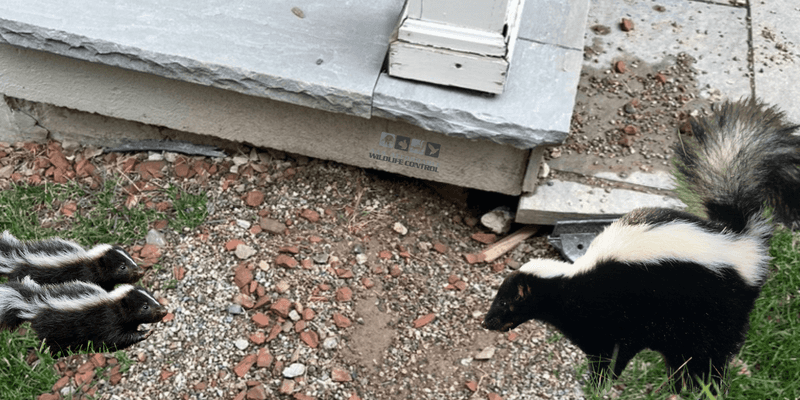
Skunks seek out dark, protected spaces for sleeping during the day and raising young in spring.
Residential properties offer many ideal spots, including areas under decks, porches, sheds, and home foundations.
Identifying these potential dens helps you address problems before they become established.
Walk around your property during daylight hours and look for openings large enough for a skunk to enter.
These animals can squeeze through surprisingly small gaps, typically six inches or larger.
Pay special attention to corners and edges where structures meet the ground.
Look for signs of activity like tracks, droppings, or disturbed soil near openings.
Skunk droppings are similar to cat feces but often contain insect parts and seeds.
Fresh digging or worn paths leading to an opening suggest active use.
Wood piles, brush heaps, and overgrown vegetation also provide excellent hiding spots.
Skunks prefer areas with minimal human traffic where they feel safe.
Clearing away debris and trimming back vegetation reduces available shelter.
Identifying potential dens early allows you to take preventive action.
Once a skunk moves in, removal becomes more complicated and may require professional help.
Proactive inspection protects your property from unwanted tenants.
7. Seal Entry Points Only After The Skunk Leaves
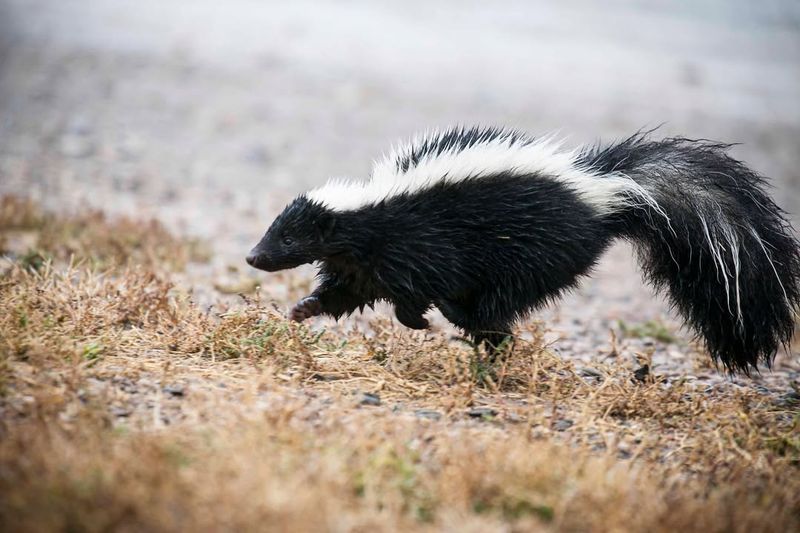
Trapping a skunk inside a den creates a dangerous and smelly situation for everyone involved.
Before sealing any openings, you must confirm the animal has left and is not inside with babies.
This requires patience and careful observation.
One-way doors are specialized devices that allow animals to exit but prevent re-entry.
These can be purchased online or from hardware stores and are installed over the den entrance.
The skunk leaves on its own schedule, usually within a few nights.
Check the area for signs of activity before installing the door.
If you see the skunk leave at dusk, you can be reasonably sure it is out for the night.
However, during spring months, a mother may be inside with babies who cannot leave on their own.
Wait at least three to five days after installing a one-way door before permanently sealing the opening.
This ensures all animals have exited safely.
Use hardware cloth, concrete, or wooden boards to close gaps securely.
Never seal an opening if you hear sounds or detect movement inside.
Trapped animals can cause structural damage while trying to escape.
Proper timing and method prevent cruelty and costly repairs.
8. Use Mild, Humane Deterrents To Prevent Return Visits
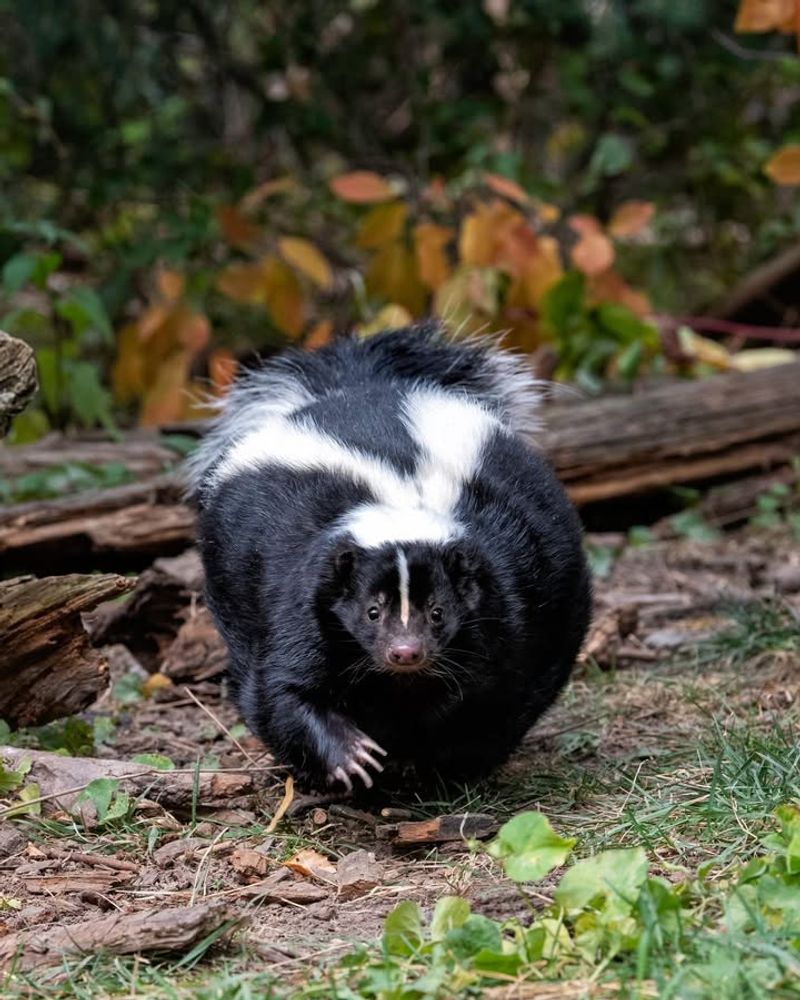
Once a skunk has left your property, gentle deterrents help ensure it does not return.
These methods create an environment that feels unwelcoming without causing harm to the animal.
Consistency is key to making deterrents effective.
Motion-activated sprinklers startle skunks with a sudden burst of water when they enter the yard.
The surprise is usually enough to send them searching for calmer territory.
These devices also work on other wildlife like raccoons and deer.
Skunks dislike strong scents, particularly citrus and ammonia.
Scattering orange or lemon peels around potential den sites can discourage exploration.
Some people place ammonia-soaked rags near openings, though this method requires frequent refreshing.
Commercial repellents containing predator urine or capsaicin are available at garden centers.
These products create the impression that danger is nearby.
Follow label instructions carefully and reapply after rain.
Combining multiple deterrents increases effectiveness.
Lights, scents, and water work together to make your yard less appealing.
Skunks prefer easy, quiet locations and will move on when conditions become uncomfortable.
Remember that deterrents must be maintained regularly to remain effective.
A one-time application rarely provides long-term results.
Consistent effort keeps skunks away naturally.
9. Keep Your Yard Clean To Reduce Hiding Places
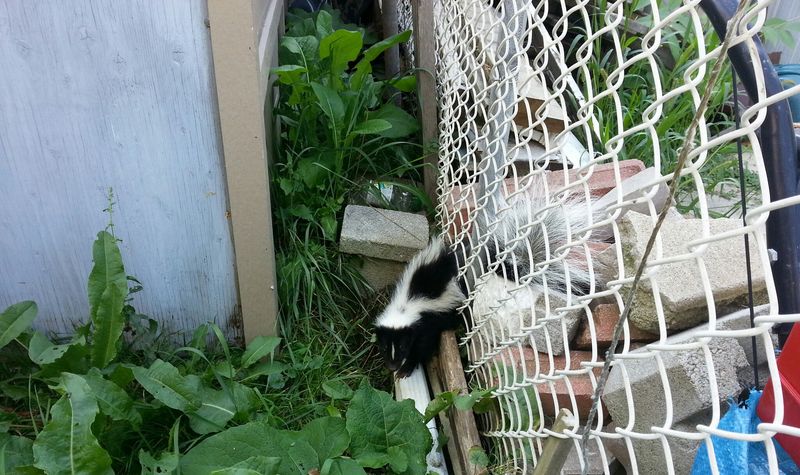
Clutter and overgrown areas provide perfect hiding spots for skunks and other wildlife.
Maintaining a neat yard reduces available shelter and makes your property less attractive to these animals.
Regular maintenance is an ongoing investment in wildlife prevention.
Brush piles and leaf heaps create cozy nesting areas that skunks find irresistible.
Rake and remove these materials regularly, especially during fall and spring when skunks are most active.
Compost piles should be contained in bins rather than left in open heaps.
Firewood stacked against the house offers both shelter and easy access to structures.
Store wood at least 20 feet from buildings and elevate it off the ground on pallets or racks.
This eliminates the protected space underneath where animals can hide.
Overgrown shrubs and ground cover near foundations create pathways and hiding spots.
Trim vegetation back from the house and maintain clear sight lines around your property.
Skunks prefer cover and avoid open spaces where they feel exposed.
A well-maintained yard benefits you in multiple ways beyond wildlife control.
It reduces fire hazards, improves curb appeal, and makes outdoor activities more enjoyable.
Cleanliness is one of the simplest and most effective prevention strategies available.
10. Call Wildlife Officials For Injured Or Aggressive Skunks
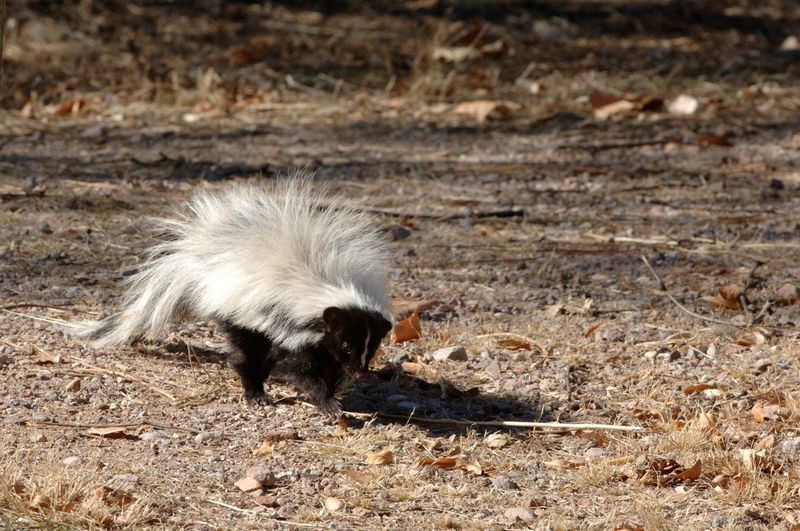
Some situations require professional expertise rather than DIY solutions.
Injured, sick, or unusually aggressive skunks may pose health risks and need specialized handling.
Knowing when to call for help protects both you and the animal.
A skunk active during daylight hours, stumbling, or showing no fear of humans may be sick.
Rabies is a serious concern, though most skunks are healthy.
Never approach or attempt to help an animal displaying abnormal behavior.
North Carolina Wildlife Resources Commission provides guidance and can connect you with licensed wildlife control operators.
These professionals have the training, equipment, and legal permits to handle wildlife safely.
Attempting to trap or relocate skunks yourself is illegal in North Carolina without proper licensing.
If a skunk has established a den with babies, removal becomes more complicated.
Professionals know how to humanely exclude entire families and prevent their return.
They can also identify and seal entry points you might miss.
Costs for wildlife control vary depending on the situation and services needed.
Many operators offer free inspections and estimates.
Investing in professional help often saves money and stress compared to ineffective DIY attempts.
Do not hesitate to seek expert assistance when needed.
Professionals resolve problems safely and legally.
Their experience ensures the best outcome for everyone involved.
11. Do Not Chase Or Approach The Skunk
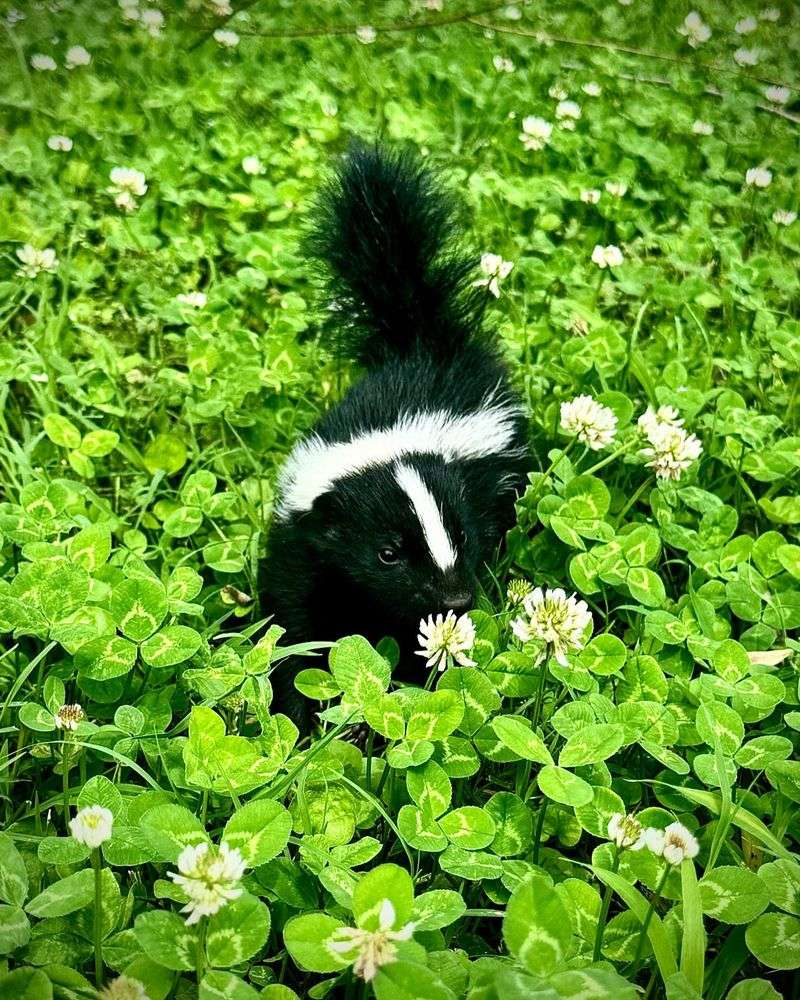
Chasing a skunk is one of the worst decisions you can make during an encounter.
This behavior terrifies the animal and triggers its primary defense mechanism: spraying.
The skunk interprets pursuit as a life-threatening attack and responds accordingly.
Before spraying, skunks display clear warning signs including stamping their front feet, hissing, and raising their tail.
If you ignore these signals and continue approaching, the skunk will spray with remarkable accuracy.
The oily musk can travel up to 15 feet and is incredibly difficult to remove.
Some people mistakenly believe they can scare a skunk away by running at it.
This tactic fails spectacularly and leaves you smelling terrible for days or even weeks.
The odor penetrates clothing, skin, and anything else it contacts.
Children and pets are especially prone to chasing wildlife out of curiosity or playfulness.
Educate family members about proper behavior around skunks before an encounter happens.
Prevention through education saves everyone from an unpleasant experience.
If you accidentally startle a skunk, freeze immediately and back away slowly.
Give the animal an escape route and it will usually leave without spraying.
Respecting the skunk’s space is the only smart approach to these encounters.
12. Do Not Attempt To Trap The Skunk Yourself
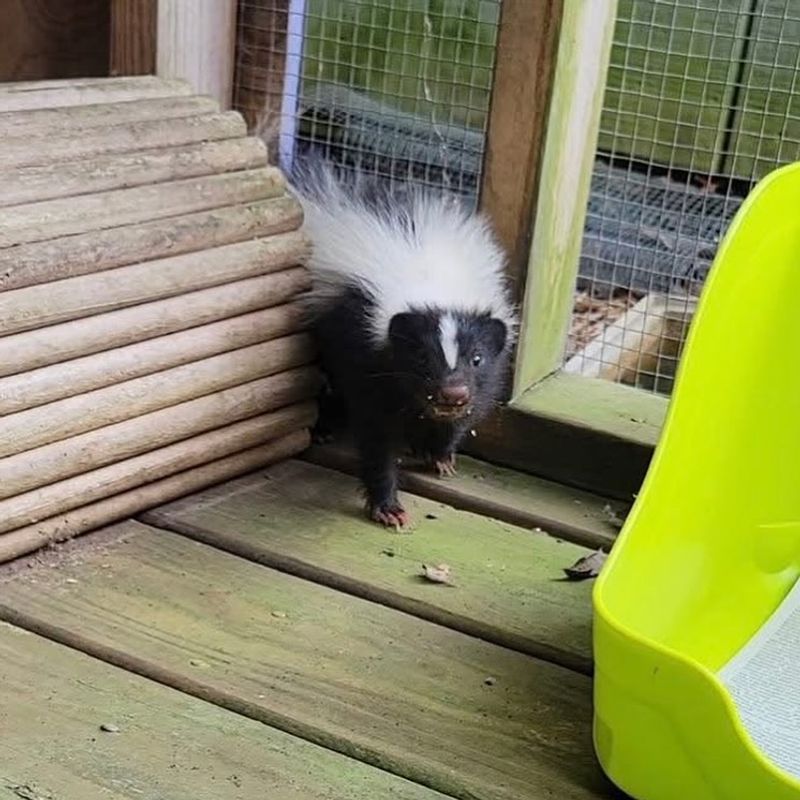
North Carolina has specific regulations governing wildlife trapping and relocation.
Only licensed wildlife control operators can legally trap and handle skunks.
Attempting to do this yourself violates state law and can result in fines.
Even if legal, trapping skunks is extremely risky for untrained individuals.
A trapped skunk will spray inside the cage, creating an overwhelming odor problem.
Approaching the trap to relocate the animal puts you at risk of bites and exposure to potential diseases.
Relocation itself is controversial and often ineffective.
Skunks moved to unfamiliar territory face poor survival odds due to lack of food sources, shelter, and established territories.
Many relocated animals attempt to return home, creating more problems.
North Carolina law restricts relocation to prevent the spread of diseases like rabies.
Moving wildlife can introduce pathogens to new areas and disrupt local ecosystems.
These regulations exist to protect both animals and human communities.
If you believe trapping is necessary, contact a licensed professional who understands legal requirements and humane practices.
They will assess the situation and determine the best course of action.
Respecting wildlife laws protects you from legal consequences and ensures ethical treatment of animals.
13. Do Not Block A Den With A Skunk Inside
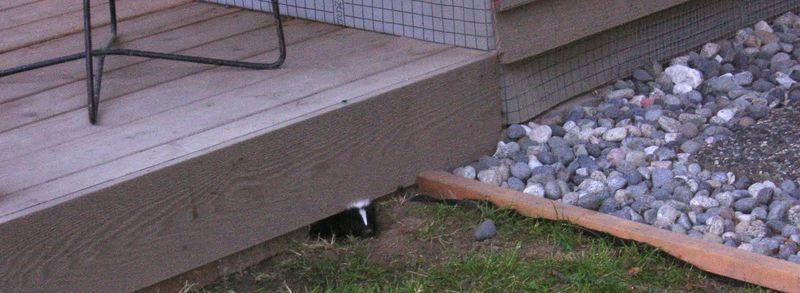
Sealing a skunk inside its den is cruel and creates serious problems for homeowners.
Trapped animals panic and may spray repeatedly, saturating the area with unbearable odor.
The smell can seep into your home through vents and cracks, making living spaces uninhabitable.
A trapped skunk will also attempt to dig or claw its way out, potentially damaging foundation materials, insulation, and structural components.
Repairs can cost hundreds or thousands of dollars.
The animal may also perish inside, creating decomposition odors that last for months.
During spring months, mother skunks may have babies in the den who are too young to survive on their own.
Sealing the entrance separates families and condemns helpless young animals.
This situation can violate animal welfare laws and result in legal penalties.
North Carolina takes wildlife cruelty seriously, and intentionally trapping animals can lead to fines and charges.
Even if unintentional, you may face legal consequences for causing animal suffering.
Proper exclusion methods always ensure animals can exit safely.
Always confirm a den is empty before sealing it permanently.
Use one-way doors and wait several days to ensure all occupants have left.
Patience and proper technique prevent tragedy and protect your property from damage.
14. Do Not Use Poisons Or Harmful Repellents
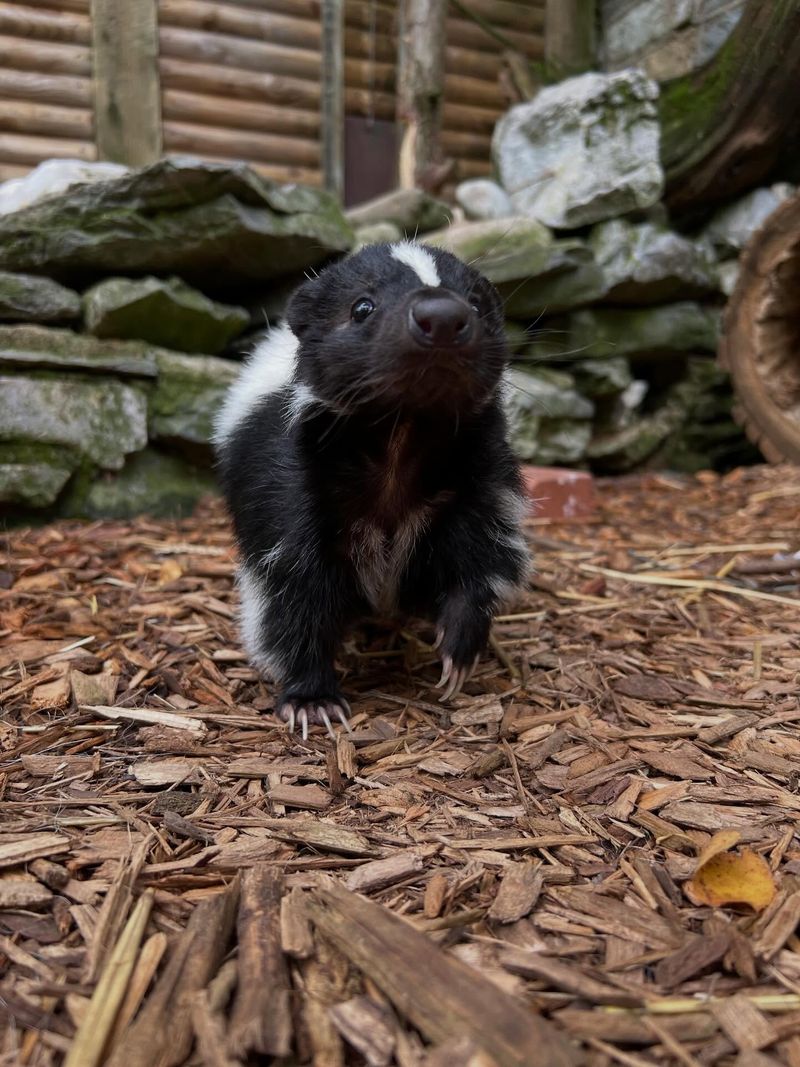
Poisoning skunks is illegal in North Carolina and poses serious risks to people, pets, and the environment.
No pesticides are registered for use against skunks, making any poison application a violation of federal and state law.
Violators face substantial fines and potential criminal charges.
Poisons are also extremely dangerous to non-target animals.
Dogs, cats, birds, and beneficial wildlife can accidentally consume poisoned bait or eat a poisoned skunk.
Secondary poisoning affects entire ecosystems and can harm protected species.
Even if a skunk consumes poison, it may not work as intended.
The animal could crawl into an inaccessible space before passing, creating odor problems you cannot resolve.
Decomposition inside walls or crawlspaces is a nightmare scenario that requires expensive remediation.
Harmful chemical repellents like mothballs or antifreeze are equally problematic.
These substances contaminate soil and water, posing health risks to everyone.
Children and pets are especially vulnerable to accidental exposure.
Effective skunk management relies on exclusion, deterrents, and habitat modification—not dangerous chemicals.
Humane, legal methods work better and protect your family and environment.
There is never a justification for using poisons against wildlife.
Choose responsible solutions that address the root causes of skunk visits.
Professionals can recommend safe, effective strategies tailored to your situation.
Protecting wildlife and your family go hand in hand.
15. Do Not Send Pets Outside To Scare It Away
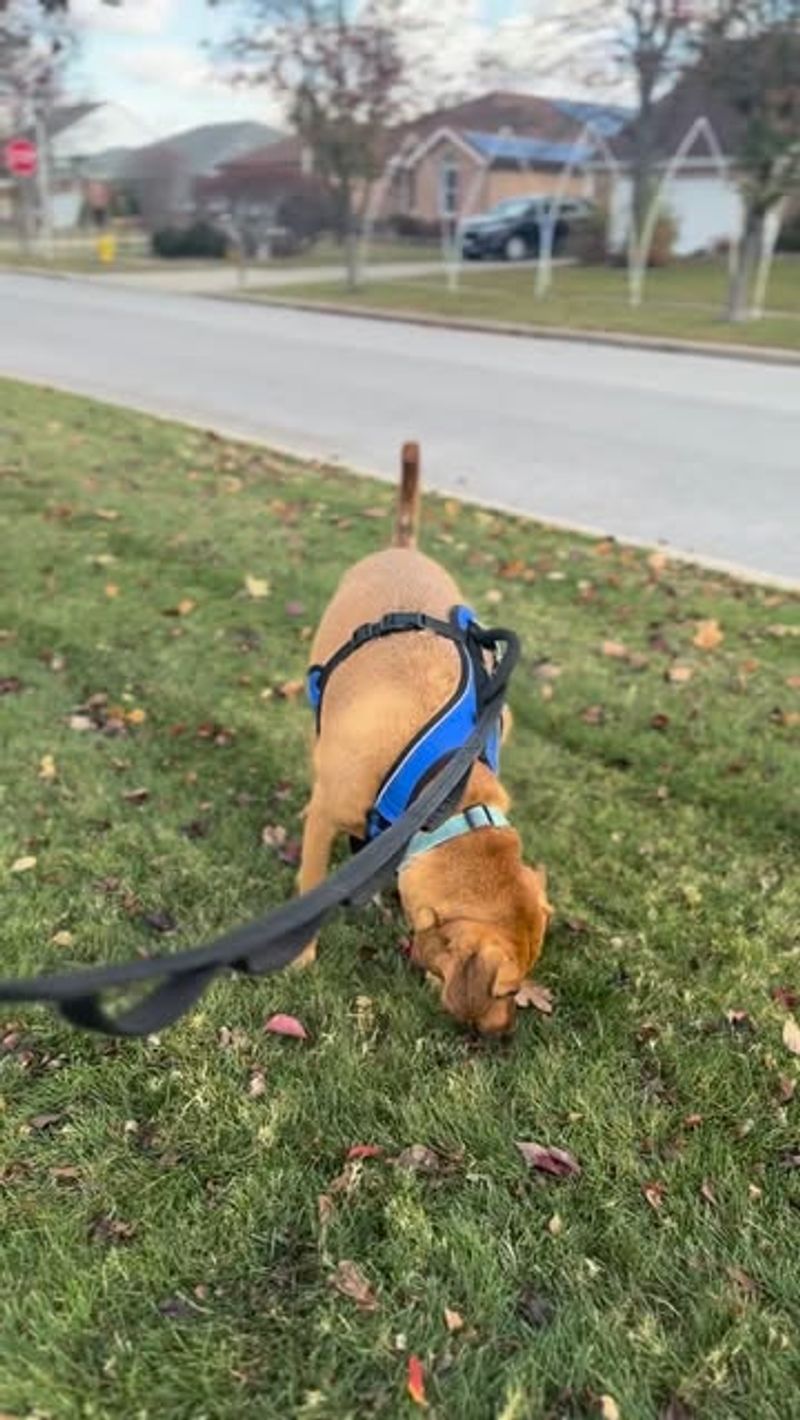
Sending pets outside to confront a skunk is dangerous and irresponsible.
Dogs especially lack the judgment to recognize skunk warning signals and often charge directly at these animals.
The inevitable result is a face full of spray and potential injury.
Skunk spray causes intense burning in eyes, nose, and mouth.
Pets sprayed at close range may experience temporary blindness and respiratory distress.
The odor bonds to fur and skin, requiring multiple treatments to remove.
Beyond spraying, skunks can bite when cornered or attacked.
While rabies cases in North Carolina skunks are relatively uncommon, the disease is fatal without immediate treatment.
Any bite requires emergency veterinary care and potential quarantine for your pet.
Rabies vaccination protects pets but does not eliminate all risks.
Bite wounds can become infected and require antibiotics and medical attention.
Preventing the confrontation altogether is far better than dealing with consequences.
Cats may also engage with skunks, especially if they feel territorial or playful.
Keeping all pets indoors during skunk activity protects them from harm.
No amount of curiosity is worth the risks involved.
Your pets depend on you to make safe decisions on their behalf.
Keeping them away from wildlife is a fundamental responsibility.
Prevent encounters before they happen by securing pets whenever skunks are present.