10 Low-Maintenance Plants That Thrive In Nevada Yards

Living in Nevada means dealing with hot summers, cold winters, and soil that can be tricky to work with.
Many people want a beautiful yard but don’t have hours to spend watering, pruning, and fussing over delicate plants.
The good news is that plenty of tough, beautiful plants can handle Nevada’s challenging climate without demanding constant attention.
From colorful flowers to evergreen shrubs, these hardy options can transform your outdoor space into an oasis.
Native and adapted plants have evolved to survive with minimal water and can tolerate temperature swings that would stress other species.
They also tend to resist local pests and diseases better than plants from other regions.
Choosing the right plants for your Nevada yard saves you time, money, and frustration while still giving you a landscape to be proud of.
You won’t need to constantly replace plants that can’t handle the heat or spend your weekends doing endless yard work.
Instead, you can enjoy a vibrant, sustainable garden that practically takes care of itself.
Smart plant selection means you can have both beauty and convenience in your outdoor space.
The plants on this list have proven themselves in Nevada conditions and will reward you with color, texture, and resilience year after year.
1. Desert Marigold

Cheerful yellow blooms appear almost year-round on this tough little wildflower that seems to smile even in the harshest conditions.
Desert marigold brings sunshine to your yard without asking for much in return.
This perennial grows low to the ground, reaching about 12 inches tall, and spreads into attractive mounds covered with daisy-like flowers.
Once established, it needs very little water and actually prefers to stay on the dry side.
Overwatering can harm it more than drought ever could.
The silvery-green foliage provides nice contrast to the golden flowers and looks good even when the plant isn’t blooming.
Butterflies and native bees absolutely adore desert marigold, making it a wonderful choice for pollinator gardens.
Plant it in full sun and well-draining soil, then step back and watch it thrive.
It self-seeds readily, so you might find new plants popping up in unexpected places, which most gardeners consider a bonus rather than a problem.
Deadheading spent flowers encourages more blooms, but even this task is optional.
The plant will continue flowering without intervention.
Desert marigold tolerates poor soil, intense heat, and neglect with remarkable grace.
For a plant that delivers so much color and charm, it asks for almost nothing in return.
2. Red Yucca
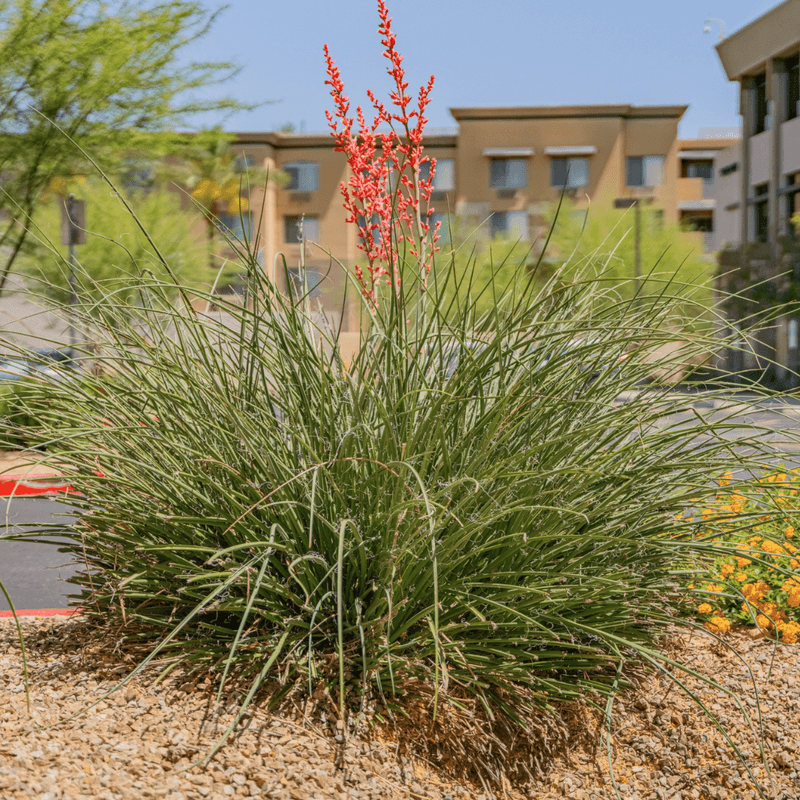
Tall spikes of coral-pink flowers shoot up from grass-like foliage, creating a dramatic focal point that hummingbirds can’t resist.
Despite its name, red yucca isn’t actually a true yucca but belongs to a different genus entirely.
The plant forms a clump of narrow, arching leaves that stay green throughout the year, providing structure and texture even in winter.
Flower stalks can reach three to five feet tall, blooming from late spring through summer and sometimes into fall.
Red yucca thrives in full sun and rocky or sandy soil, making it perfect for Nevada’s conditions.
Your Nevada Garden Changes Every Week. Your Plan Should Too.
Gardening in Nevada changes quickly throughout the season. Every Friday you’ll receive a simple weekly plan showing exactly what to plant, prune, fertilize, harvest, and protect so you never miss the right timing.
It needs almost no supplemental water once its roots have grown deep into the ground.
The plant is evergreen, so it never looks bare or dormant like many perennials do.
Its architectural form adds visual interest to rock gardens, borders, and xeriscape designs.
Maintenance involves removing spent flower stalks and occasionally trimming away old leaves, tasks that take minutes rather than hours.
Red yucca tolerates cold winters and scorching summers without complaint.
Deer usually leave it alone, which is another advantage in areas where wildlife browsing is a problem.
Plant several together for maximum impact, or use a single specimen as an accent plant.
Either way, you’ll enjoy years of reliable beauty with minimal effort.
3. Autumn Sage
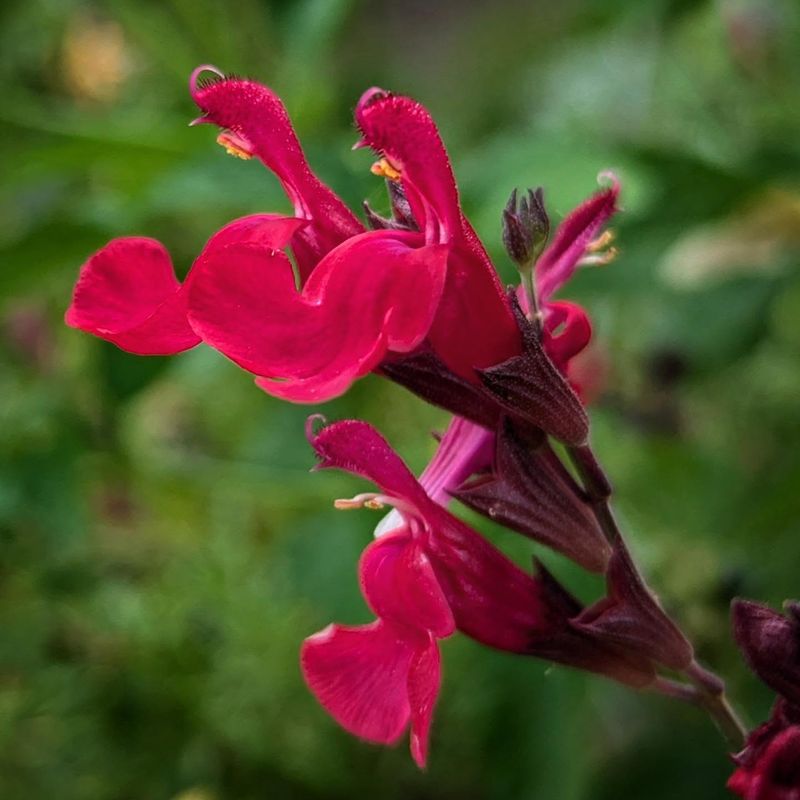
Hummingbirds zip from flower to flower on this compact shrub that blooms for months on end without demanding constant care.
Autumn sage produces tubular flowers in shades of red, pink, purple, white, or coral, depending on the variety you choose.
The small, aromatic leaves release a pleasant scent when brushed or crushed, adding another sensory dimension to your garden.
This woody perennial typically grows two to three feet tall and wide, forming a neat, rounded shape that rarely needs pruning.
It flowers from spring until frost, providing continuous color when many other plants have given up for the season.
Autumn sage prefers full sun but can tolerate some afternoon shade in the hottest parts of Nevada.
Once established, it survives on natural rainfall supplemented by occasional deep watering during extended dry spells.
The plant is semi-evergreen, meaning it may lose some leaves in winter but never looks completely bare.
Butterflies and bees visit the flowers along with hummingbirds, making your yard a hub of activity.
Deer tend to avoid autumn sage because of its aromatic foliage, which is good news for gardeners in rural areas.
Trim it back lightly in early spring to encourage bushier growth and more flowers.
This simple task takes just a few minutes and results in a fuller, more attractive plant.
Autumn sage adapts to various soil types as long as drainage is adequate.
4. Desert Spoon
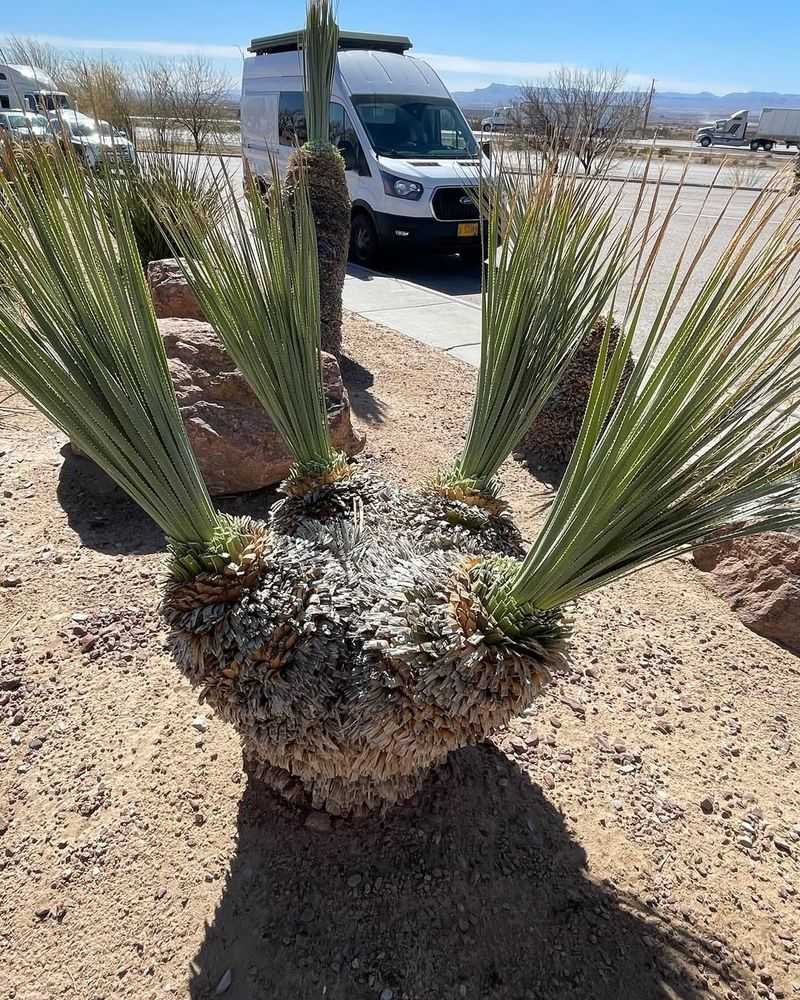
Sculptural and striking, this succulent creates a bold statement with its rosette of silvery-blue leaves that look like they belong in a modern art museum.
Each leaf has a spoon-shaped base, which gives the plant its common name and adds to its unique appearance.
Desert spoon grows slowly but eventually reaches about three feet tall and wide, maintaining a tidy, symmetrical form without any pruning.
The leaves have small teeth along their edges, so plant it away from walkways where people might brush against it.
This evergreen perennial thrives in full sun and extremely well-drained soil, making it ideal for rock gardens and slopes.
It needs virtually no water once established and actually performs better with neglect than with attention.
Mature plants send up tall flower stalks that can reach ten feet or more, creating a dramatic vertical element in the landscape.
The flowers attract bees and other pollinators, though the main appeal of desert spoon is its year-round architectural presence.
It tolerates both heat and cold exceptionally well, handling Nevada’s temperature extremes without showing stress.
Deer and rabbits leave it alone due to its tough, spiny leaves.
Desert spoon pairs beautifully with boulders, gravel mulch, and other drought-tolerant plants in contemporary landscape designs.
Once planted, it requires essentially zero maintenance beyond admiring its sculptural beauty.
This is truly a plant-it-and-forget-it option for busy homeowners.
5. Apache Plume
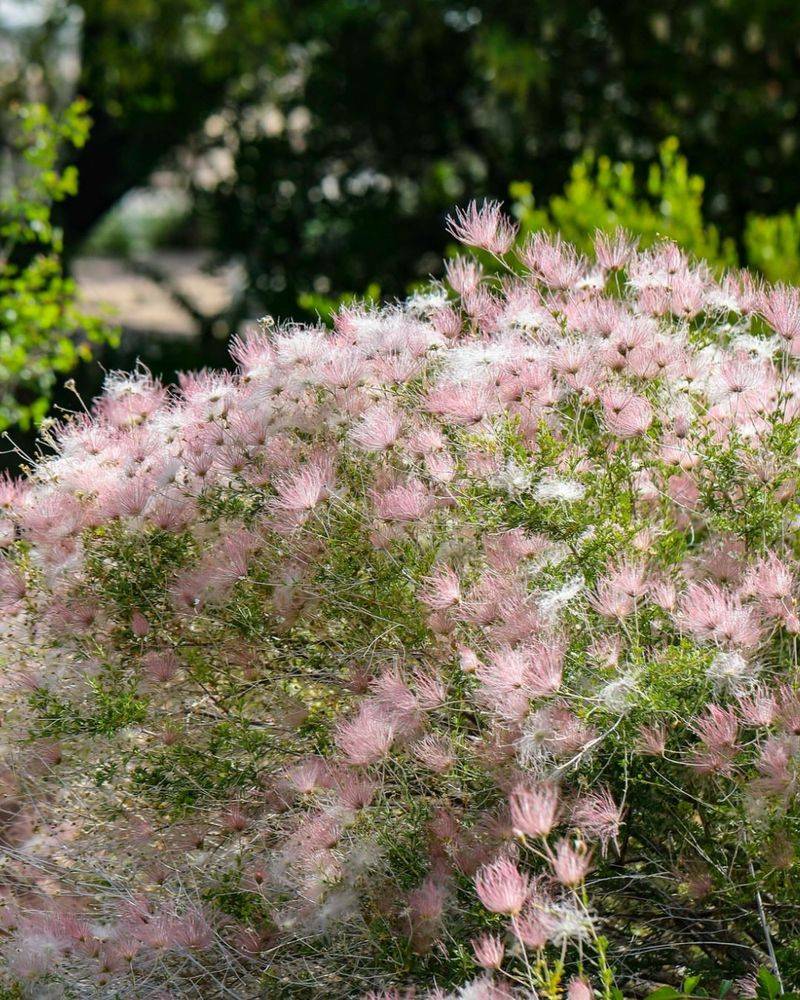
Delicate white flowers transform into feathery pink plumes that dance in the breeze, giving this native shrub a magical quality that changes with the seasons.
Apache plume blooms from late spring through summer, producing small white flowers with prominent yellow stamens that attract butterflies and native bees.
After the flowers fade, they develop into clusters of pink, feathery seed heads that persist for weeks, adding movement and texture to the garden.
The shrub grows three to six feet tall with an equal spread, creating a loose, airy form that softens harsh landscape edges.
Its small, narrow leaves are evergreen in mild winters and semi-evergreen in colder areas, but the plant always maintains an attractive appearance.
Apache plume is a true Nevada native, perfectly adapted to local conditions including poor soil, minimal rainfall, and temperature extremes.
It needs no supplemental water once its roots have established, typically within the first growing season.
The plant tolerates alkaline soil better than most ornamentals, which is a significant advantage in many Nevada locations.
Occasional pruning to remove old stems keeps it looking fresh, but this task can be done once a year or even less frequently.
Apache plume works well as a hedge, screen, or specimen plant in naturalistic designs.
Its wildlife value is high, providing food and shelter for birds and beneficial insects.
This tough, beautiful shrub proves that native plants can be both practical and ornamental.
You’ll appreciate its resilience and changing beauty throughout the year.
6. Penstemon
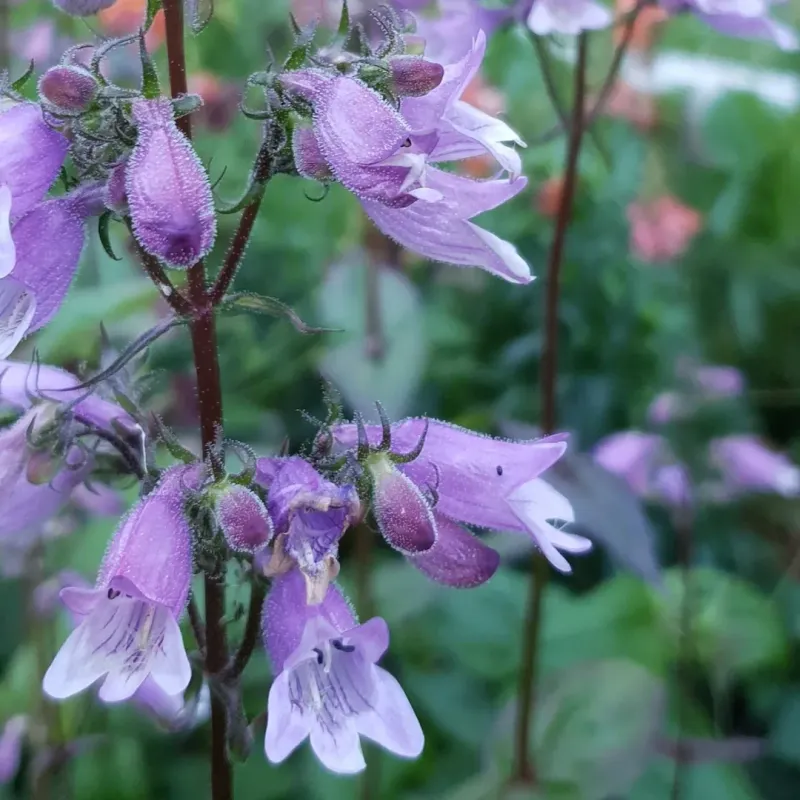
Tubular flowers in electric shades of purple, red, pink, or blue stand tall on sturdy stems, creating vertical interest and attracting pollinators by the dozens.
Penstemon, also called beardtongue, includes many species native to the western United States, making them naturally suited to Nevada gardens.
Different varieties bloom at different times from spring through fall, so you can select species that extend your garden’s flowering season.
Most penstemons grow one to three feet tall, forming upright clumps that don’t require staking or support.
The flowers appear in clusters along the upper portions of the stems, creating colorful spikes that hummingbirds find irresistible.
These perennials prefer full sun and well-drained soil, conditions that are easy to provide in Nevada yards.
Once established, they need minimal supplemental water, usually just occasional deep soaking during extended dry periods.
Some species are evergreen or semi-evergreen, maintaining foliage through winter and providing year-round interest.
Penstemons reseed moderately, which means you might get volunteer seedlings that fill in gaps without becoming invasive.
Deadheading spent flowers encourages additional blooms, though many gardeners skip this step and still enjoy plenty of color.
The plants are generally pest-free and disease-resistant, especially when grown in appropriate conditions.
Penstemon’s upright form contrasts nicely with mounding or spreading plants, making it valuable for creating visual variety in mixed plantings.
With so many species and colors available, you can easily find penstemons that match your design preferences.
7. Brittlebush
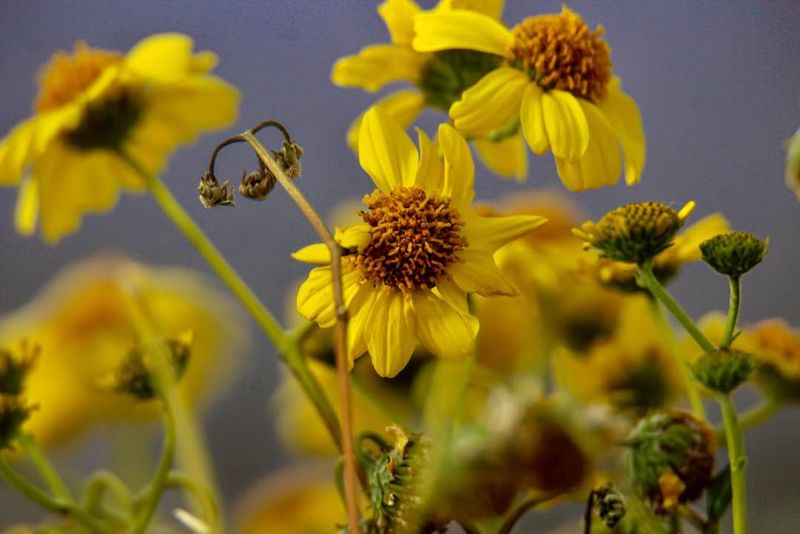
Masses of bright yellow daisy flowers cover this silver-leaved shrub in spring, creating a stunning display that looks like captured sunshine.
Brittlebush is a Nevada native that knows exactly how to handle the local climate without any help from you.
The plant forms a rounded mound about three feet tall and wide, with silvery-gray foliage that reflects heat and conserves moisture.
In late winter and spring, flower stalks rise above the leaves, each topped with cheerful yellow blooms that attract native bees and butterflies.
After flowering, brittlebush may drop some leaves during the hottest, driest months, a natural adaptation that helps it survive extreme conditions.
Don’t worry when this happens; new leaves will emerge when temperatures moderate and moisture returns.
This deciduous behavior is normal and doesn’t indicate a problem with the plant.
Brittlebush thrives in full sun and rocky or sandy soil with excellent drainage.
It needs virtually no supplemental water once established and actually prefers to stay dry.
The silvery foliage provides lovely contrast to green-leaved plants and looks attractive even when the plant isn’t blooming.
Native Americans historically used the resin from brittlebush for various purposes, adding cultural significance to its ornamental value.
Deer and rabbits typically avoid it, making it a good choice for areas with wildlife pressure.
Occasional pruning to remove old flower stalks and shape the plant is the only maintenance required.
Brittlebush proves that native plants can be both beautiful and practical.
8. Russian Sage
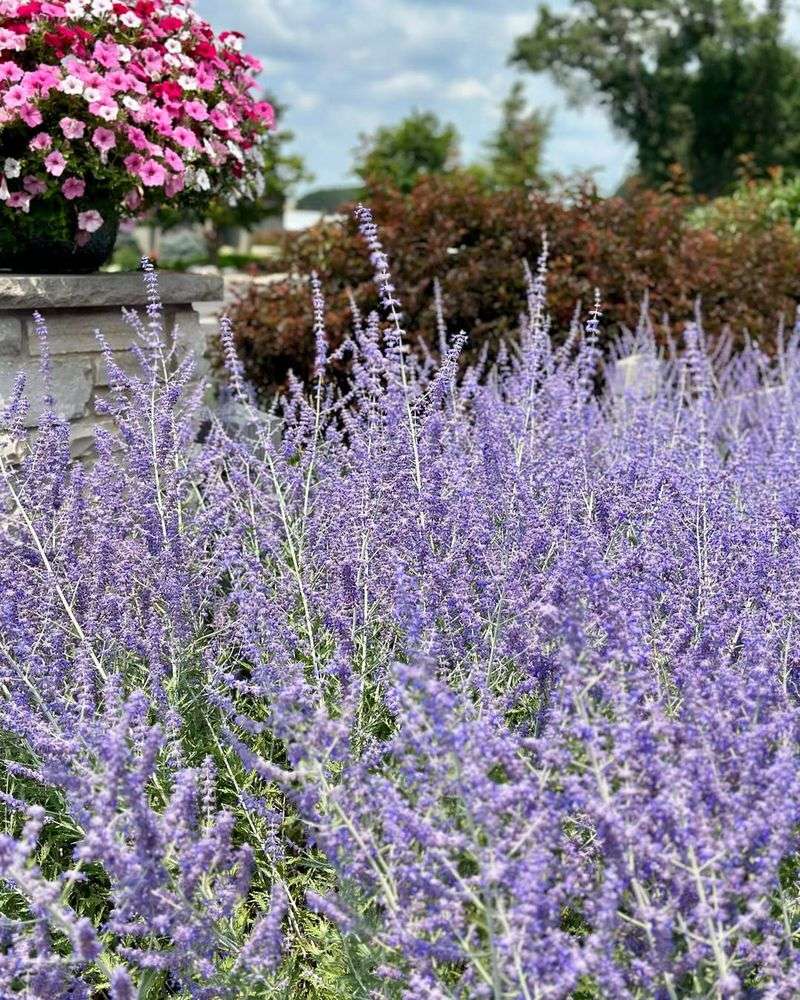
Airy spikes of lavender-blue flowers seem to float above silvery foliage, creating a soft, romantic effect that brings elegance to even the toughest garden conditions.
Russian sage blooms from mid-summer through fall, providing color when many other plants have finished their show.
The plant grows three to four feet tall and equally wide, forming a shrubby perennial that fills space beautifully.
Its aromatic leaves release a pleasant sage-like scent when touched, adding fragrance to your outdoor space.
Russian sage thrives in full sun and well-drained soil, handling heat, drought, and poor soil without complaint.
Once established, it needs little to no supplemental water, making it perfect for water-wise landscapes.
The fine-textured foliage provides excellent contrast to plants with larger, bolder leaves.
Bees and butterflies visit the flowers enthusiastically, making Russian sage a valuable addition to pollinator gardens.
Deer dislike the aromatic foliage and usually leave the plant alone, which is a significant advantage in rural settings.
In late winter or early spring, cut the plant back to about 12 inches tall to encourage fresh growth and prevent it from becoming woody and sparse.
This annual pruning takes just a few minutes and results in a fuller, more attractive plant.
Russian sage pairs beautifully with ornamental grasses, purple coneflowers, and other prairie-style plants.
Its vertical form and soft color make it a versatile choice for mixed borders, mass plantings, or specimen use.
9. Creosote Bush
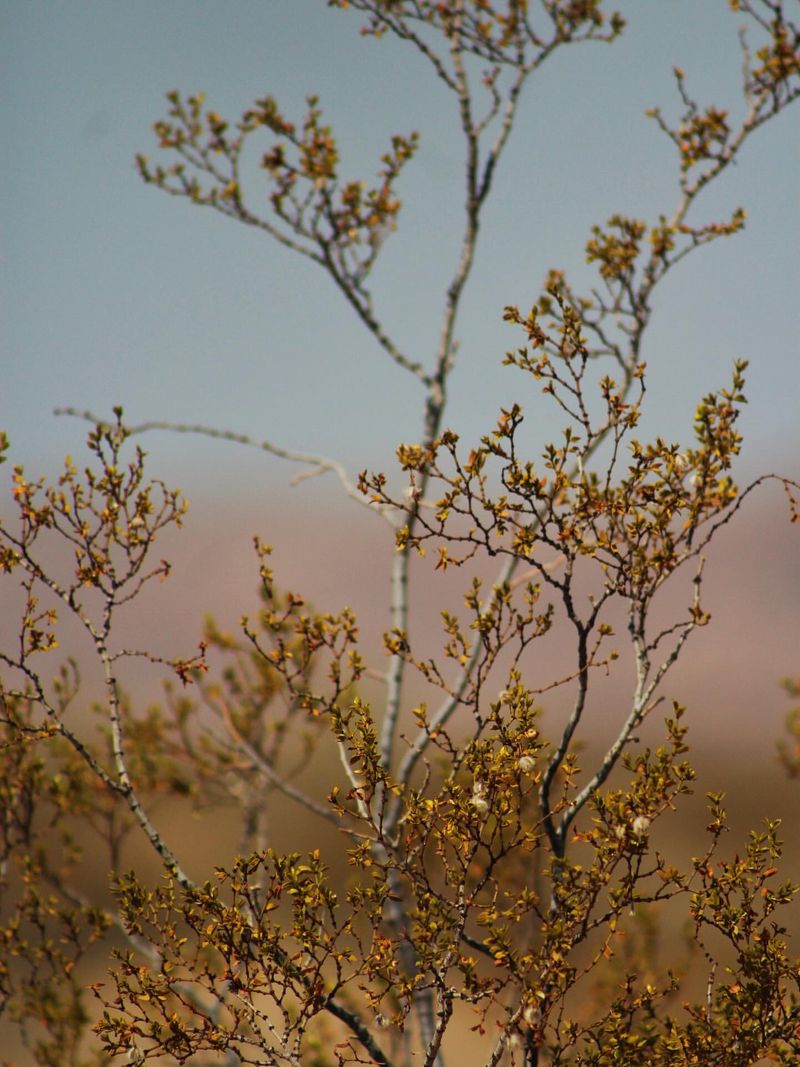
The distinctive scent of rain on desert plants comes largely from this iconic shrub that has thrived in Nevada for thousands of years.
Creosote bush is perhaps the most drought-tolerant plant on this list, having evolved to survive in some of the driest places on Earth.
Small yellow flowers appear after rainfall, usually in spring and sometimes again in fall if conditions are favorable.
The dark green, resinous leaves remain on the plant year-round, providing constant color even during the driest months.
Creosote bush grows slowly to about six feet tall and wide, forming an open, airy shrub with multiple stems.
Its natural form is attractive without pruning, though you can shape it if desired.
This plant needs absolutely no supplemental water once established and actually performs best when left completely alone.
The aromatic foliage releases its characteristic scent most strongly after rain or when temperatures cool in the evening.
Many people find this smell nostalgic and evocative of the desert landscape.
Creosote bush provides important habitat for desert wildlife, including birds and small mammals.
It tolerates extreme heat, cold, and poor soil better than almost any other ornamental plant.
Individual creosote bushes can live for centuries, and some clonal colonies are among the oldest living organisms on Earth.
Planting creosote bush connects your yard to Nevada’s natural heritage while requiring virtually zero maintenance.
This is the ultimate choice for gardeners who want authentic desert beauty with no effort.
10. Blue Grama Grass
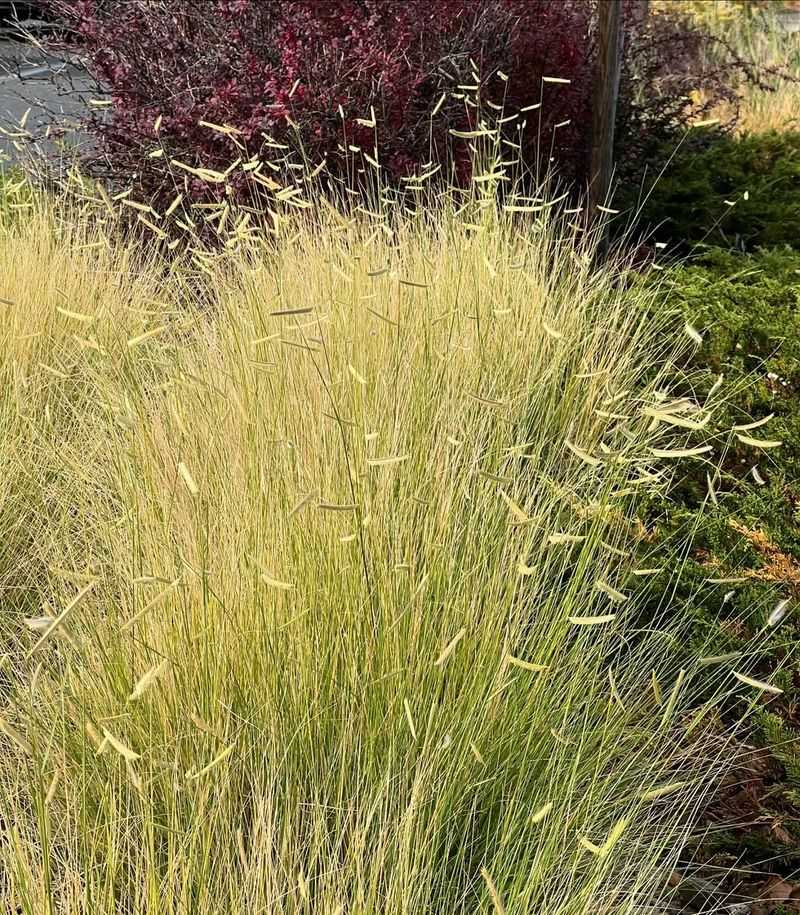
Distinctive flag-like seed heads wave above fine-textured foliage, creating movement and interest in a native grass that needs almost nothing to look its best.
Blue grama is a warm-season grass native to the western United States, including Nevada, making it perfectly adapted to local conditions.
The grass grows in low clumps about 12 to 18 inches tall, forming a neat groundcover that never becomes invasive or aggressive.
In summer, unique seed heads appear, each resembling a tiny flag or eyelash, adding whimsical character to the landscape.
The seed heads start out purplish and fade to golden tan, providing changing color throughout the season.
Blue grama tolerates extreme drought, heat, and cold, handling Nevada’s climate with remarkable resilience.
Once established, it needs no supplemental water and actually prefers to stay on the dry side.
The grass turns golden-tan in winter, providing warm color during the dormant season before greening up again in spring.
It works beautifully as a lawn alternative, border edging, or mass planting in naturalistic designs.
Blue grama requires no mowing, fertilizing, or pest control, making it one of the lowest-maintenance options available.
Wildlife, including birds, appreciate the seeds, adding ecological value to its ornamental appeal.
The fine texture contrasts nicely with bold-leaved plants and rocks, making it useful for creating visual interest in xeriscape gardens.
Planting blue grama grass means embracing a truly sustainable landscape element that celebrates Nevada’s native plant heritage.