Satellite Images Reveal How Fast Drought-Tolerant Landscapes Are Replacing Lawns Across California
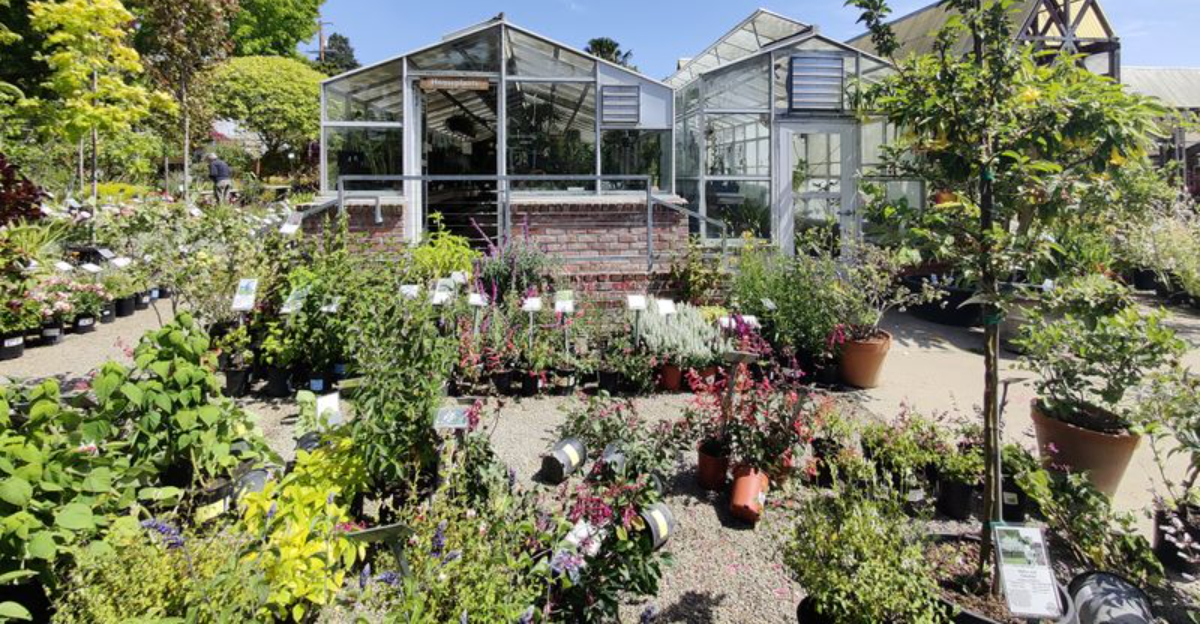
California homeowners are noticing how quickly satellite images show lawns giving way to drought-tolerant designs, and the shift is becoming impossible to ignore.
Each updated view highlights fresh pockets of gravel, native plants, and low-water beds that now stand where green grass once dominated entire streets.
The growing trend reflects how many residents are choosing practical landscaping solutions that match the demands of a hotter and drier climate.
1. Los Angeles City Hall
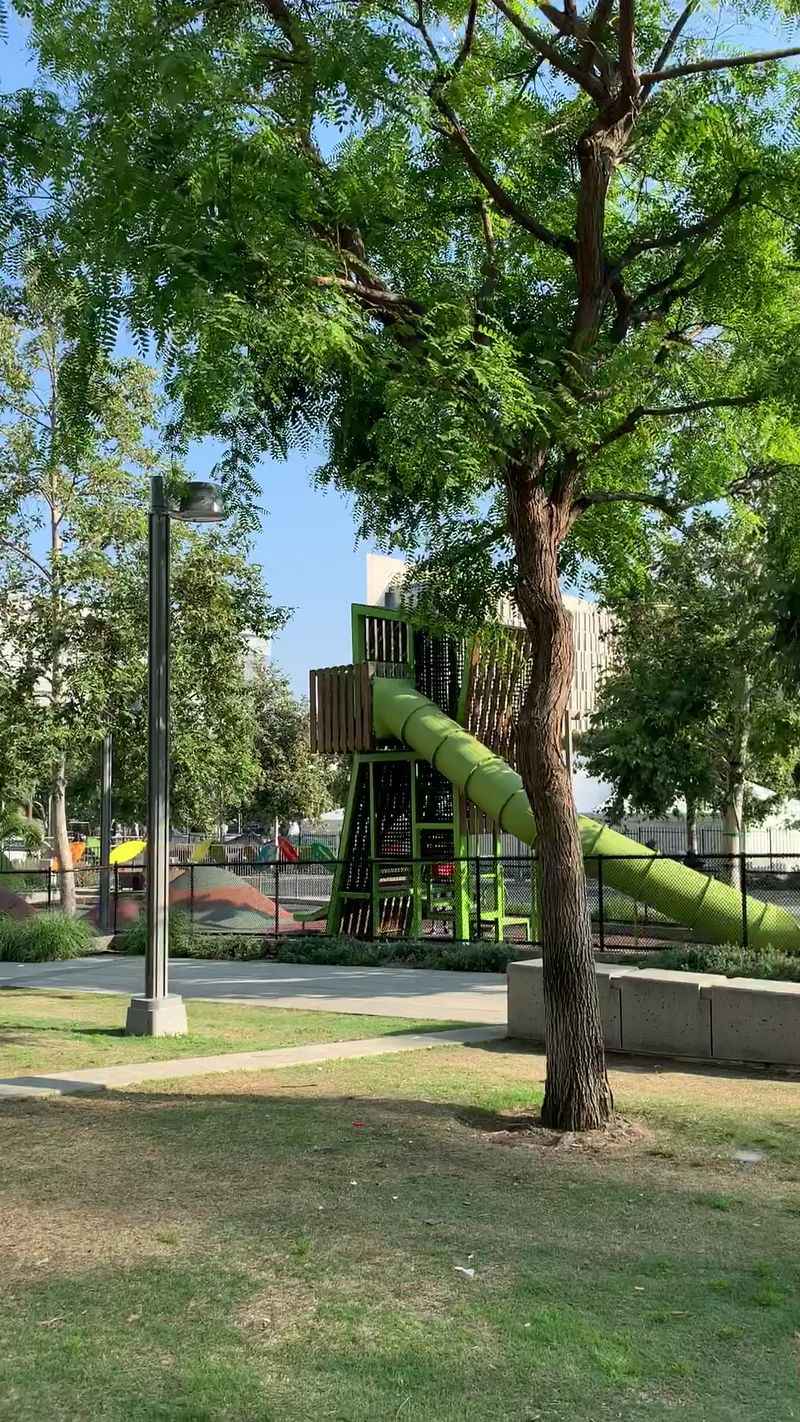
City Hall in downtown Los Angeles made a bold statement when officials decided to remove large sections of traditional grass lawns surrounding the historic building at 200 North Spring Street.
Workers installed stunning native California plants like sages, buckwheat, and colorful wildflowers that bloom throughout different seasons.
The transformation saved thousands of gallons of water each month while creating habitat spaces for local butterflies and bees that desperately need support in urban areas.
Visitors now enjoy walking paths lined with purple sage and golden poppies instead of boring grass that required constant watering and mowing every single week.
This project inspired other government buildings throughout California to follow the same water-wise approach and ditch their lawns for better alternatives.
The landscaping team mixed different textures using gravel pathways, decorative boulders, and drought-resistant shrubs that look fantastic year-round without needing much maintenance at all.
Los Angeles proves that even important government spaces can embrace environmental responsibility while still looking professional and welcoming to everyone who visits daily.
2. San Diego Balboa Park
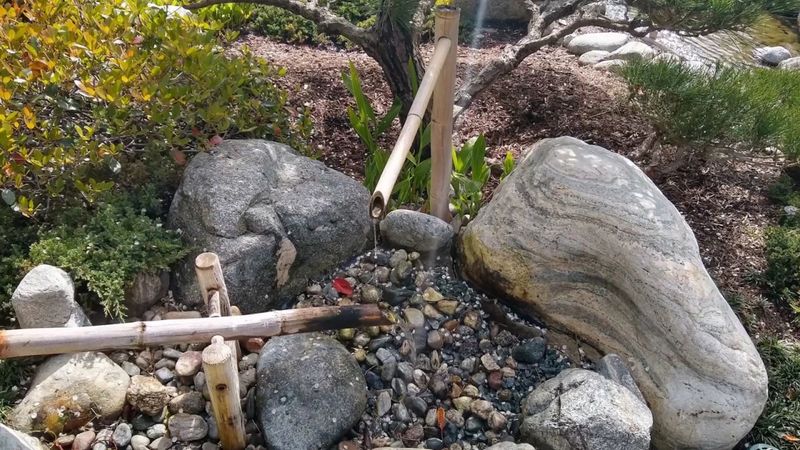
Balboa Park, located at 1549 El Prado in San Diego, transformed several lawn areas into breathtaking drought-tolerant gardens that showcase what California landscaping can truly achieve.
Garden designers chose incredible succulents like echeveria, aloe, and striking agave plants that create living sculptures requiring almost no water compared to traditional grass lawns.
The park’s famous Water Conservation Garden demonstrates over one hundred different ways homeowners can reduce water usage while maintaining beautiful outdoor spaces for families to enjoy.
Wandering through these gardens feels like exploring a desert oasis, with plants in shades of blue, green, silver, and even purple creating amazing visual interest.
Educational signs throughout the space teach visitors about native California plants and explain why choosing drought-tolerant species helps protect the state’s limited water supplies.
Children love spotting the different shapes and textures, from spiky cacti to soft fuzzy lamb’s ear plants that invite gentle touching and exploration during visits.
San Diego’s commitment to water-wise landscaping at Balboa Park shows how public spaces can be both educational and absolutely gorgeous without wasting precious resources.
3. Santa Monica Civic Center
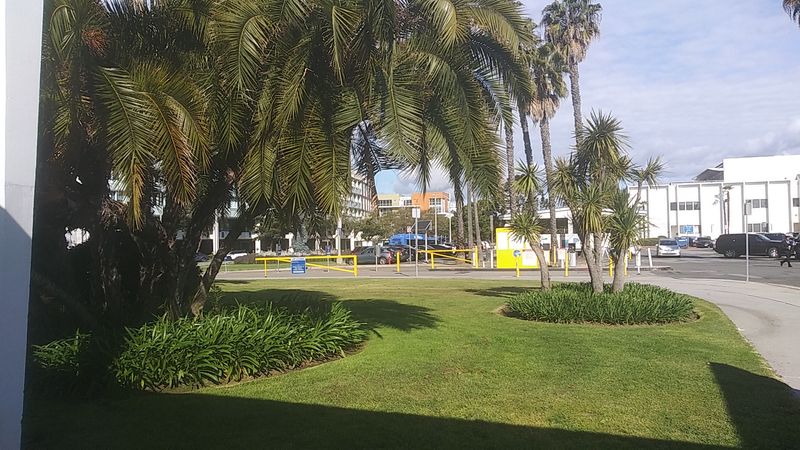
Santa Monica’s Civic Center near 1685 Main Street underwent a massive makeover that removed nearly all grass lawns and replaced them with stunning California native plants.
Landscape architects selected bunch grasses that sway beautifully in ocean breezes, mixed with bright orange poppies and purple lupines that attract hummingbirds and beneficial insects.
The design includes permeable paving that allows rainwater to soak into the ground instead of running off into storm drains and being wasted completely.
Your California Garden Changes Every Week. Your Plan Should Too.
Gardening in California changes quickly throughout the season. Every Friday you’ll receive a simple weekly plan showing exactly what to plant, prune, fertilize, harvest, and protect so you never miss the right timing.
This smart approach helps recharge underground water supplies while creating a landscape that looks natural and relaxed rather than overly manicured or artificial looking.
Workers used decomposed granite pathways that feel soft underfoot and provide excellent drainage during California’s occasional rainstorms that can cause flooding in some areas.
The entire project cut water usage by nearly seventy percent, saving taxpayer money and setting an excellent example for other cities throughout the state.
Residents and tourists visiting Santa Monica now see firsthand how beautiful and practical drought-tolerant landscaping can be when designed thoughtfully with California’s climate in mind.
4. Orange County Great Park
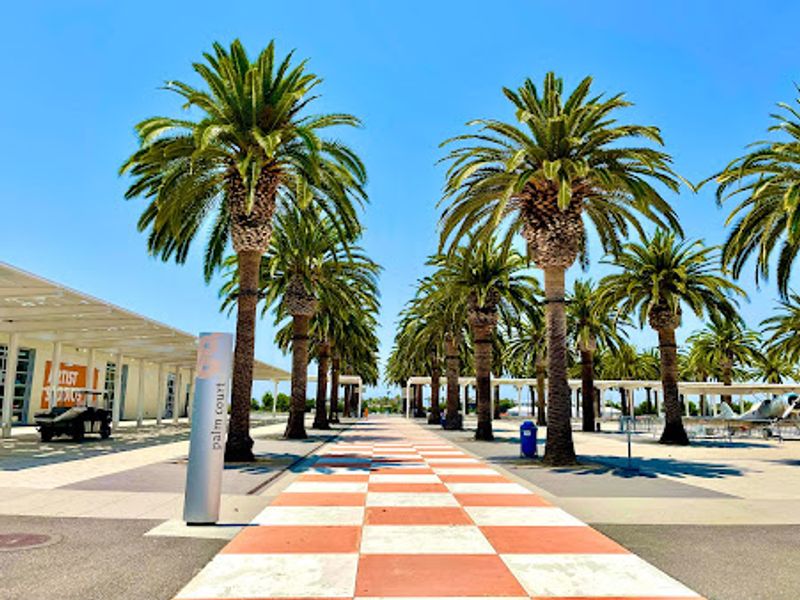
Orange County Great Park at 6950 Marine Way in Irvine replaced massive lawn sections with incredible drought-tolerant gardens that celebrate California’s natural plant communities.
Designers created themed areas showcasing coastal sage scrub, chaparral plants, and desert species that all thrive naturally in Southern California without needing supplemental irrigation.
Families visiting the park discover how gorgeous native landscapes can be, with seasonal wildflower blooms creating carpets of yellow, purple, and white throughout spring months.
The park’s approach reduces maintenance costs dramatically since native plants evolved to survive California’s long dry summers without any help from sprinkler systems.
Children enjoy exploring different garden zones, learning to identify plants like California fuchsia with its bright red tubular flowers that hummingbirds absolutely adore visiting daily.
Interpretive signs explain how traditional lawns harm the environment by requiring excessive water, fertilizers, and pesticides that pollute local waterways and damage wildlife habitats.
Orange County demonstrates that even large public parks can transition away from water-hungry grass while creating spaces that feel inviting and fun for community gatherings.
5. Berkeley City Hall Plaza
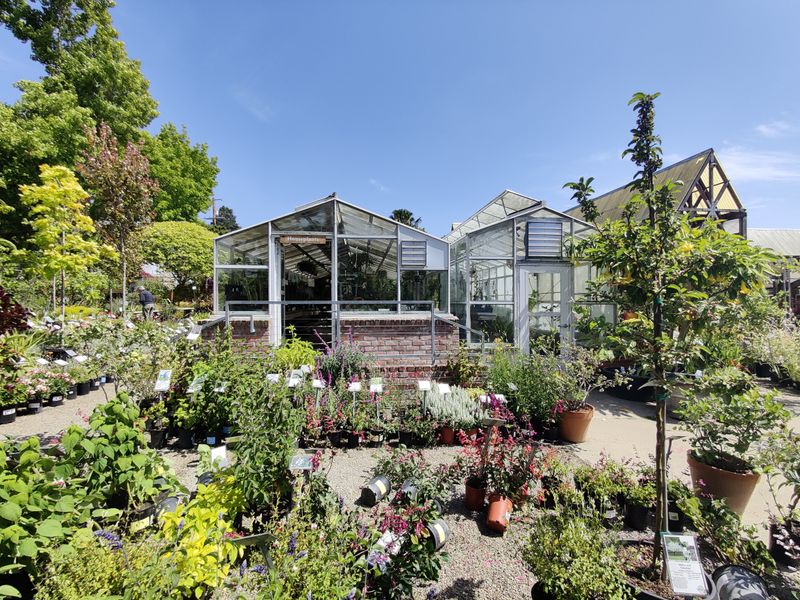
Berkeley City Hall’s front plaza at 2180 Milvia Street transformed from a traditional lawn into an inspiring example of Northern California drought-tolerant landscaping excellence.
City planners worked with environmental groups to select native plants that support local wildlife while requiring minimal water throughout the year in this Bay Area location.
The design features California coffeeberry shrubs, toyon with red winter berries, and manzanita with stunning red bark that provides year-round visual interest for passersby.
Rock mulch covers the soil between plants, reducing water evaporation and preventing weed growth without using harmful chemicals that could damage the surrounding environment.
Berkeley’s approach emphasizes biodiversity, creating mini-ecosystems where native bees, butterflies, and birds find food and shelter right in the heart of downtown areas.
Residents appreciate how the new landscaping requires far less maintenance than grass, freeing up city workers to focus on other important community projects and services.
This transformation shows how Northern California cities can adapt drought-tolerant principles while respecting the region’s slightly cooler climate and different native plant palettes beautifully.
6. Pasadena Rose Bowl
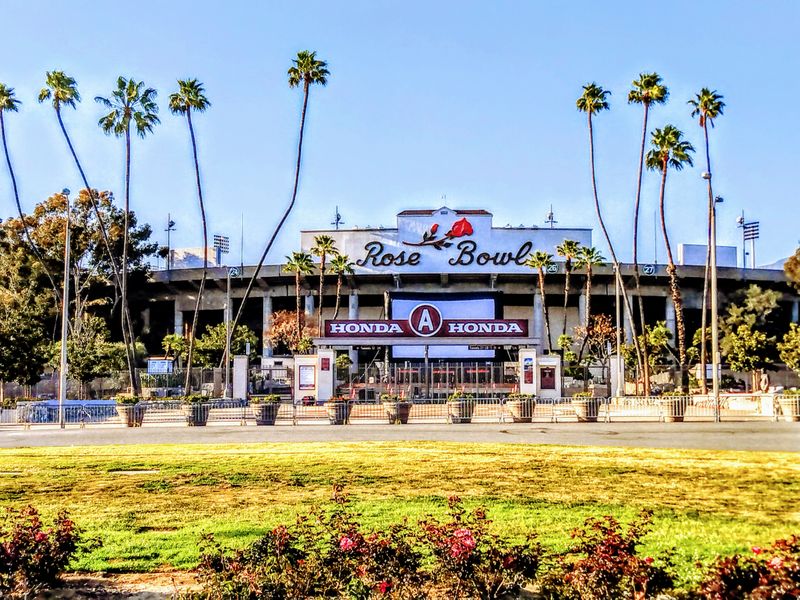
The famous Rose Bowl stadium at 1001 Rose Bowl Drive in Pasadena replaced large lawn areas with water-wise landscaping that honors California’s environmental challenges.
Groundskeepers planted California fescue grasses that stay green with minimal water, mixed with colorful native perennials like penstemon and salvia that bloom throughout different seasons.
This iconic venue shows that even places associated with traditional grass can adapt to modern water conservation needs without losing their beauty or functionality.
The landscape design includes bioswales that capture and filter stormwater runoff, allowing it to slowly seep into the ground rather than rushing into drainage systems.
Visitors attending events now walk through gardens that showcase California’s incredible plant diversity, from low-growing groundcovers to taller shrubs providing shade and visual screening.
The Rose Bowl’s commitment to sustainability extends beyond the playing field itself, demonstrating environmental leadership that resonates with fans and community members throughout Pasadena.
This project proves that historic landmarks can embrace change and innovation while maintaining their special character and importance to California’s cultural heritage and sports history.
7. Fresno City College
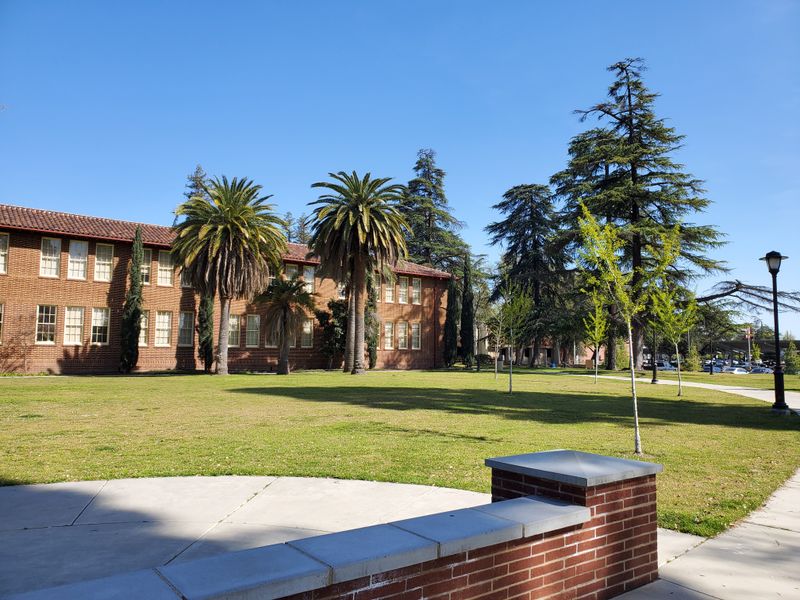
Fresno City College located at 1101 East University Avenue removed traditional grass quads and replaced them with drought-tolerant designs suited for Central California’s hot climate.
College administrators recognized that maintaining green lawns during Fresno’s scorching summers was both expensive and environmentally irresponsible given the region’s severe water limitations.
Landscape designers selected heat-loving plants like desert marigold, California buckwheat, and various native grasses that actually thrive in temperatures exceeding one hundred degrees regularly.
Students now study outdoors among gardens that demonstrate practical water conservation techniques they can apply at home or in future careers related to environmental science.
The campus transformation includes shaded seating areas under native oak trees surrounded by mulched beds filled with aromatic herbs like white sage and purple sage.
This approach creates a learning laboratory where environmental studies classes conduct hands-on research about native plant ecology and sustainable landscape management practices in California.
Fresno proves that educational institutions in California’s agricultural heartland can lead by example, showing farmers and residents how drought-tolerant landscaping works beautifully in challenging climates.
8. Sacramento Capitol Building Grounds
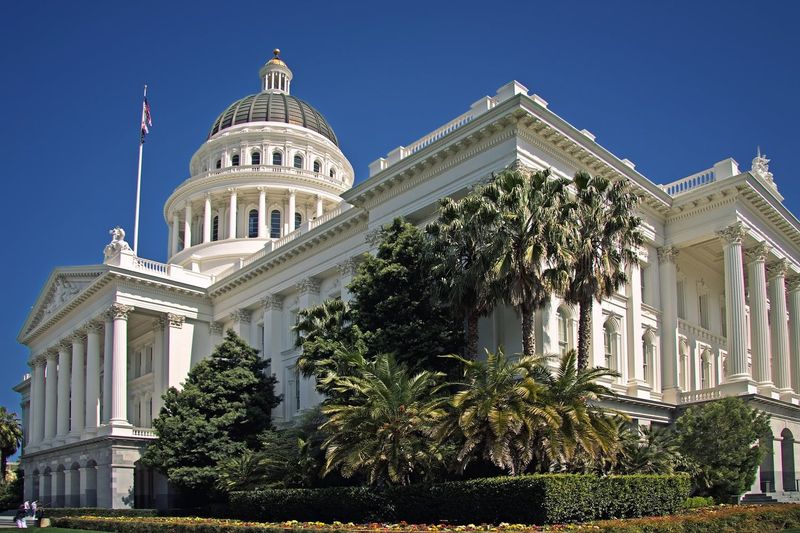
California’s State Capitol grounds at 1315 10th Street in Sacramento underwent significant changes to reduce water consumption while maintaining the dignity befitting government headquarters.
Landscape architects carefully selected plants that complement the Capitol’s historic architecture while requiring far less water than the traditional lawns that previously dominated the landscape.
The updated gardens feature California native bunch grasses, ceanothus with beautiful blue flowers, and redbud trees that provide stunning spring color throughout the capital city.
Educational markers explain the importance of water conservation to visiting school groups, helping young Californians understand why these changes matter for the state’s future.
Workers installed efficient irrigation systems that deliver water directly to plant roots rather than spraying it wastefully into the air where evaporation claims much moisture.
The Capitol grounds now serve as a living demonstration that California state government takes environmental stewardship seriously and practices what it preaches regarding conservation efforts.
Sacramento’s leadership in drought-tolerant landscaping sends a powerful message to cities throughout California about the importance of adapting landscapes to match our Mediterranean climate.
9. San Jose Guadalupe River Park
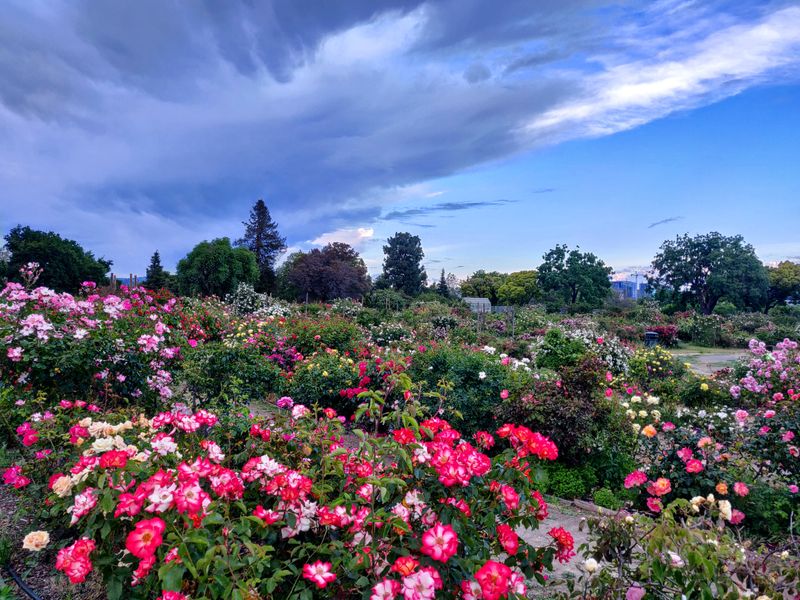
Guadalupe River Park stretching along Woz Way in San Jose replaced non-native grass with beautiful drought-tolerant plants that naturally belong in California’s riparian ecosystems.
Park designers chose willows, sedges, and rushes that survive on natural rainfall and occasional river flooding rather than constant irrigation from municipal water supplies.
This restoration project helps filter pollutants from stormwater before it enters the river while creating valuable habitat for birds, frogs, and beneficial insects throughout Silicon Valley.
Walking and biking paths wind through gardens that change with the seasons, displaying golden grasses in summer and fresh green growth during winter rainy months.
The park demonstrates how urban green spaces can serve multiple purposes including recreation, wildlife habitat, and water quality improvement all while conserving precious resources.
Volunteers from local schools help maintain the gardens, learning about native plants and ecological restoration while contributing to their San Jose community in meaningful ways.
This project shows how California cities can work with nature rather than against it, creating parks that are both sustainable and beautiful places to enjoy.
10. Long Beach El Dorado Park
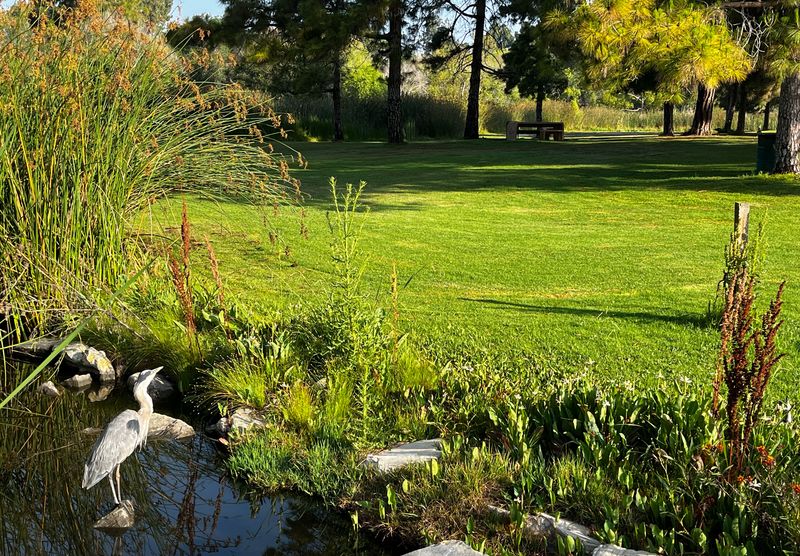
El Dorado Park at 7550 East Spring Street in Long Beach transformed large turf areas into stunning drought-tolerant gardens that celebrate Southern California’s coastal plant communities.
Park planners incorporated seaside daisies, California poppies, and native bunch grasses that create a naturalistic landscape requiring minimal maintenance throughout the year in this location.
Families enjoying picnics now sit surrounded by gardens that buzz with pollinators, providing children with opportunities to observe nature and learn about local ecosystems firsthand.
The project reduced park water usage by more than half, freeing up resources for other community needs while demonstrating responsible environmental management to Long Beach residents.
Decomposed granite pathways wind through different garden zones, each showcasing plant combinations suited to various sun exposures and soil conditions found throughout coastal California regions.
Interpretive signs help visitors identify plants and explain their ecological roles, turning a simple park visit into an educational experience about California’s natural heritage.
Long Beach proves that even well-loved community parks can evolve to meet modern environmental challenges while remaining welcoming spaces where families create lasting memories together.