8 Steps To Take If A Black Bear Wanders Into Your North Carolina Yard (And 3 To Avoid)
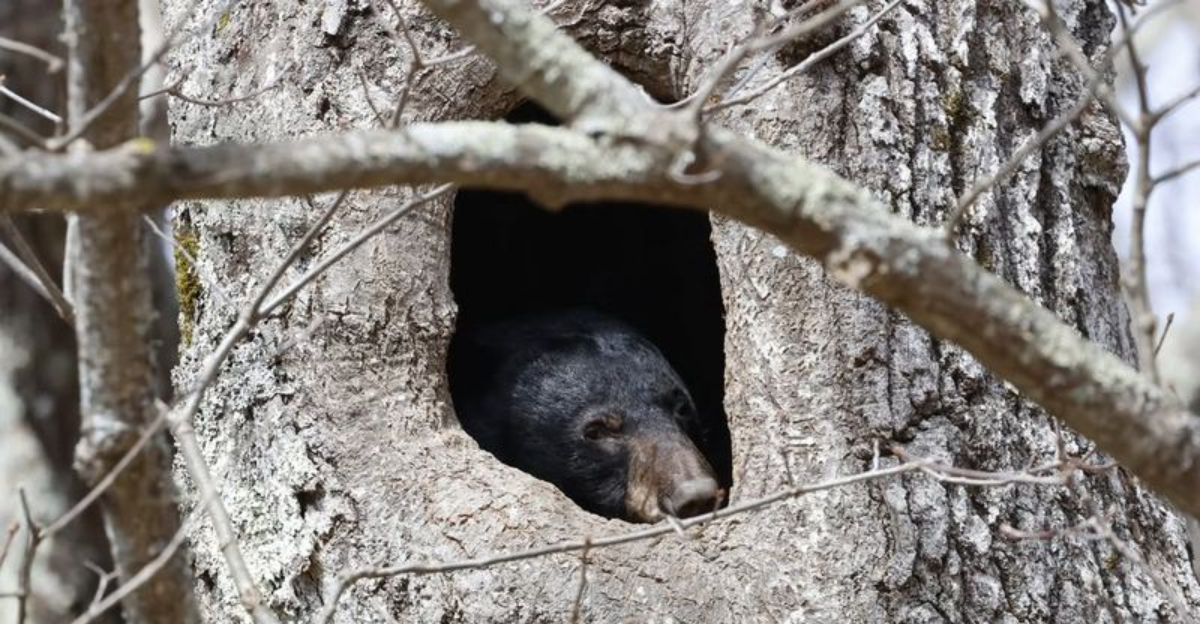
North Carolina homeowners have been hearing more stories about black bears showing up in quiet yards, and the sudden appearances are making everyday routines feel a bit more alert.
Each encounter brings a mix of curiosity and caution as people try to understand what to do next while keeping both themselves and the animal safe.
The steady rise in sightings shows how important it’s becoming to know the right steps to take long before a bear ever walks across the lawn.
1. Stay Calm and Keep Your Distance
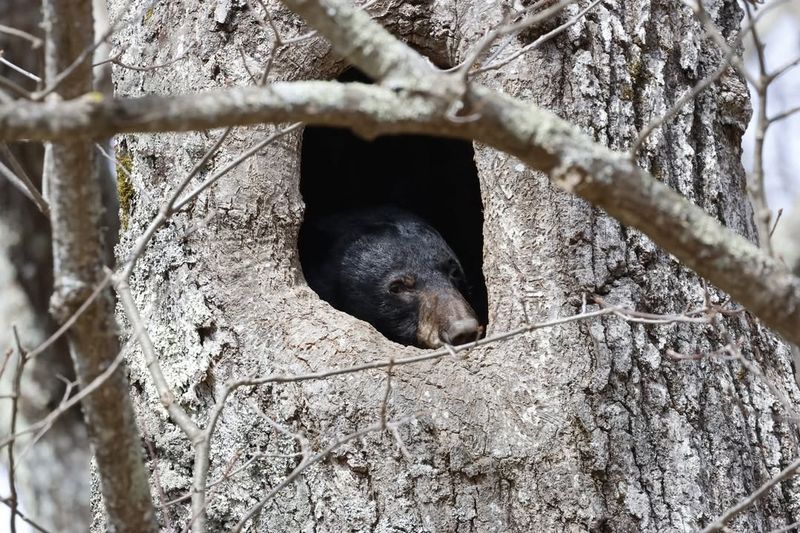
Panicking when you see a bear in your yard will only make the situation worse for everyone involved in this moment.
Bears can sense fear and sudden movements might startle them, causing unpredictable reactions that nobody wants to experience today.
Instead of running or screaming, take a few deep breaths and slowly back away from the animal without turning your back.
Maintaining at least one hundred feet of distance is recommended by wildlife experts across North Carolina and other states too.
Never approach the bear to take photos or get a closer look, no matter how curious you feel right now.
Your safety and the bear’s comfort depend on you staying calm and respecting the space between you both always.
Remember that black bears are usually more frightened of humans than we are of them in most cases.
2. Make Yourself Look Bigger
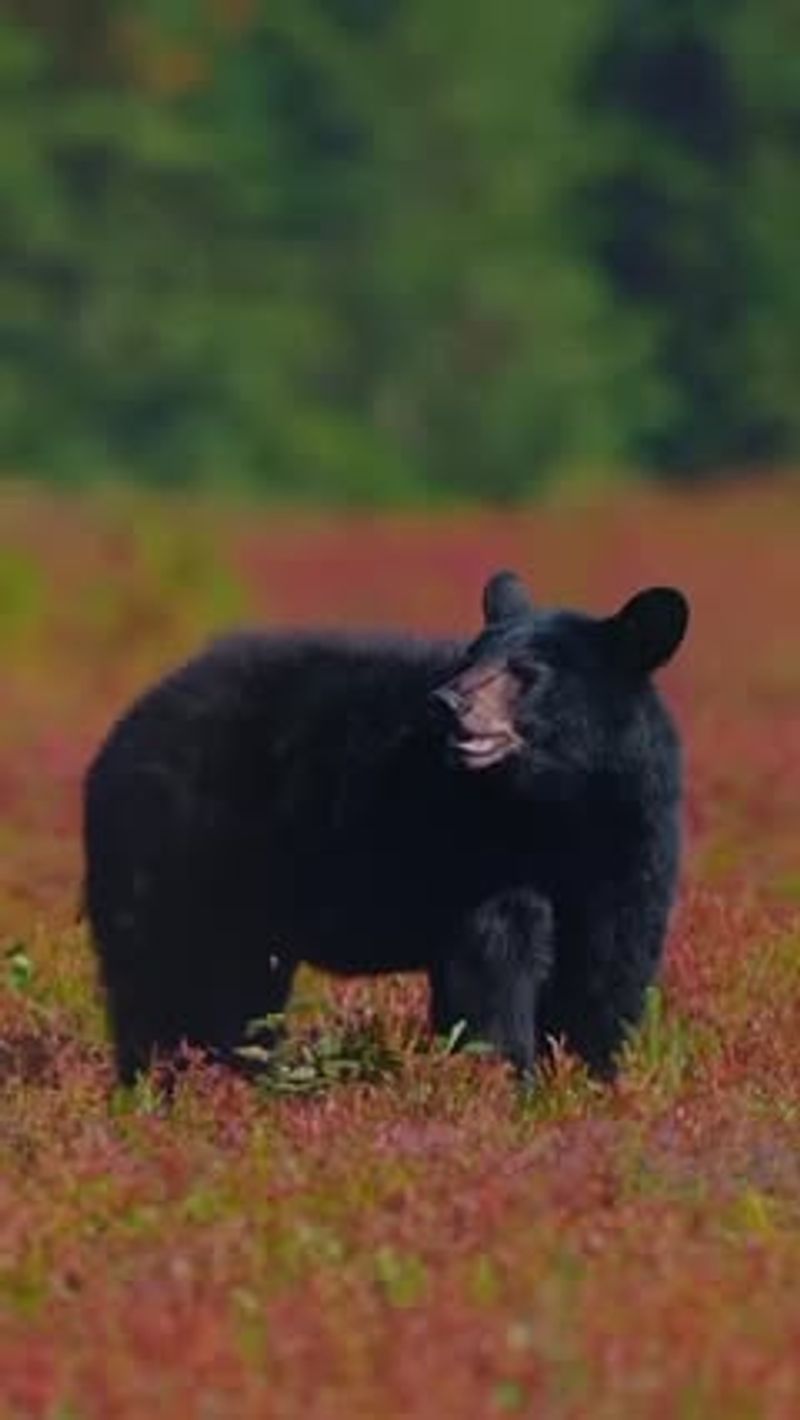
Black bears are less likely to approach if they think you are a large and intimidating presence in the area.
Stand tall, raise your arms above your head, and spread your jacket or shirt to increase your visible size significantly.
This technique works because bears instinctively avoid confrontations with creatures that seem bigger or stronger than themselves in nature.
If you are with other people in North Carolina, stand close together to create an even more imposing group appearance.
Avoid crouching down or making yourself smaller, as this might encourage the bear to come closer to investigate you.
Speaking in a firm, loud voice can also help reinforce the message that you are not an easy target today.
Combining visual size with confident sounds sends a clear signal that the bear should move along without any trouble.
3. Make Noise to Scare the Bear Away
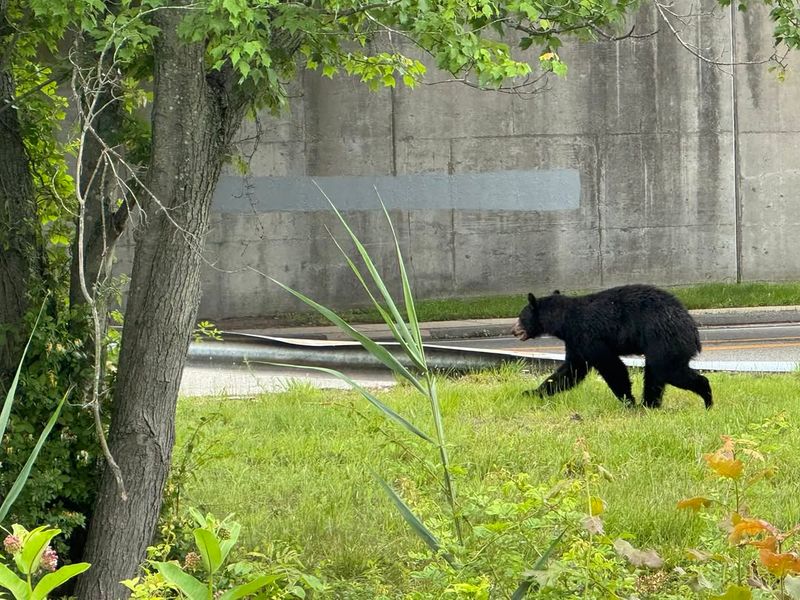
Loud noises can often convince a black bear that your yard is not a safe or welcoming place to hang around.
Clap your hands, bang pots and pans together, or shout in a deep, authoritative voice to create an unsettling atmosphere.
Bears prefer quiet environments where they can forage without disturbance, so noise disrupts their comfort zone in North Carolina yards.
Avoid making high-pitched or panicked sounds, as these might confuse the bear or make it more curious about you.
If you have a whistle or air horn nearby, use it to generate a sharp, piercing sound that bears dislike.
Consistency is key, so keep making noise until the bear starts moving away from your property and back toward the woods.
Your North Carolina Garden Changes Every Week. Your Plan Should Too.
Gardening in North Carolina changes quickly throughout the season. Every Friday you’ll receive a simple weekly plan showing exactly what to plant, prune, fertilize, harvest, and protect so you never miss the right timing.
Once the bear leaves, wait several minutes before going outside to ensure it has truly moved on completely.
4. Remove Attractants from Your Property
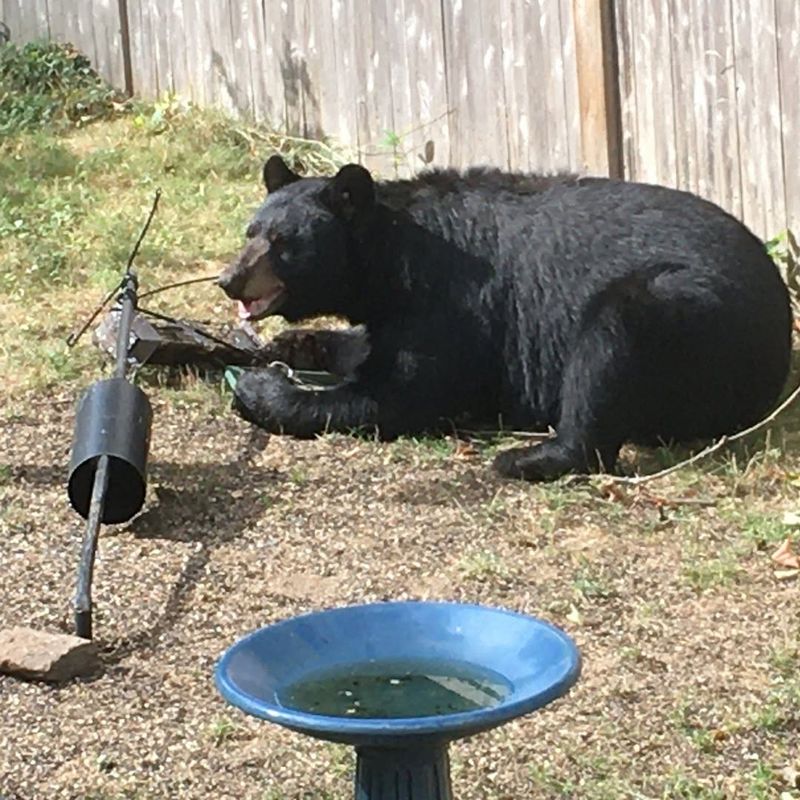
Bears wander into yards because they smell food sources like garbage, pet food, or birdseed scattered around the property.
Taking down bird feeders, securing trash cans with tight lids, and bringing pet bowls inside can eliminate these tempting smells.
In North Carolina, many neighborhoods experience repeat bear visits simply because residents leave attractants outside without realizing the consequences.
Compost piles and outdoor grills should also be cleaned regularly to avoid lingering odors that travel far through the air.
Even fruit trees can draw bears, so pick up fallen apples, pears, or berries before they rot on the ground.
By removing these food sources, you make your yard less appealing and encourage bears to search elsewhere for meals.
Prevention is always easier than dealing with a bear encounter, so take these steps seriously to protect your family.
5. Go Indoors Immediately
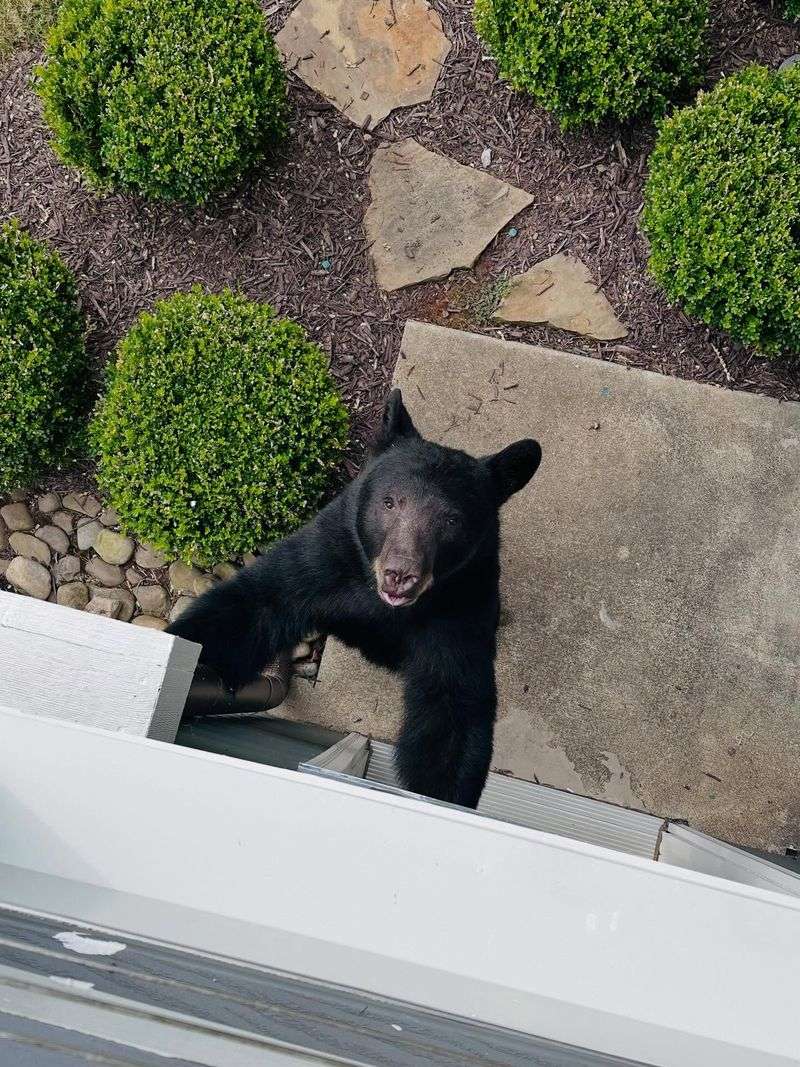
When a bear appears in your yard, the safest action is to get yourself and others inside your home right away.
Lock all doors and windows to prevent the bear from accidentally pushing its way inside while exploring your property in North Carolina.
Bears are surprisingly strong and can open unlocked doors or tear through screens if they smell something interesting inside.
Once indoors, watch the bear from a safe distance through a window to monitor its movements and behavior patterns.
Do not go back outside until the bear has completely left your yard and moved into the surrounding woods or area.
If you have pets or children playing outside, call them inside calmly without screaming or causing a commotion that might startle the animal.
Staying indoors protects you from potential harm and gives the bear space to leave on its own without feeling threatened.
6. Contact Local Wildlife Authorities
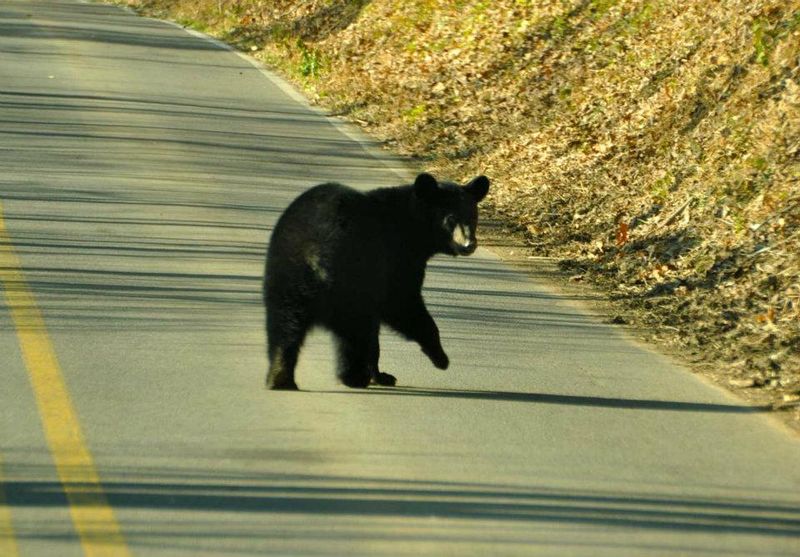
Reporting a bear sighting to local wildlife officials helps them track animal movements and patterns throughout North Carolina communities and regions.
These experts can provide guidance on what to do next and may send someone to help relocate the bear if necessary.
You can reach the North Carolina Wildlife Resources Commission or your local animal control office by phone or online reporting systems.
Providing details like the bear’s size, behavior, and location helps authorities assess whether the situation requires immediate intervention or monitoring.
Do not attempt to handle the situation yourself, as wildlife professionals have training and equipment designed for safe bear management.
In some cases, authorities may educate neighbors about preventing future visits by securing food sources and following best practices.
Calling for help is not an overreaction; it is a responsible step that benefits both humans and bears in the long run.
7. Keep Pets and Children Supervised
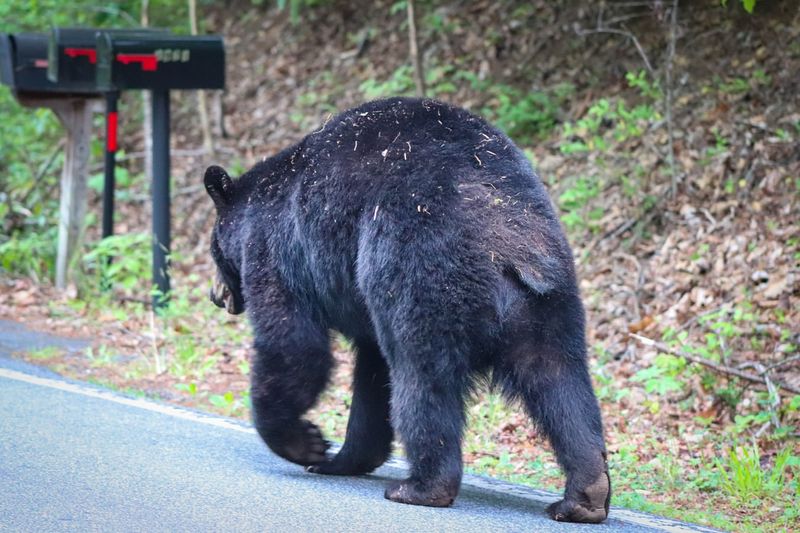
Children and pets may not understand the danger a bear poses, so keeping them close and supervised is absolutely essential.
Dogs can bark and chase bears, which might provoke an aggressive response that puts everyone in the area at risk.
In North Carolina, many bear encounters escalate because pets run toward the animal without realizing the potential consequences of their actions.
Keep dogs on leashes and cats indoors whenever bears are spotted in your neighborhood or nearby wooded areas.
Teach children to never approach or try to feed wild animals, no matter how cute or harmless they may seem.
Explain that bears are unpredictable and can move quickly if they feel scared, threatened, or cornered by people or pets.
Supervision ensures that everyone in your household stays safe and avoids unnecessary interactions with wildlife that could turn dangerous fast.
8. Wait for the Bear to Leave on Its Own
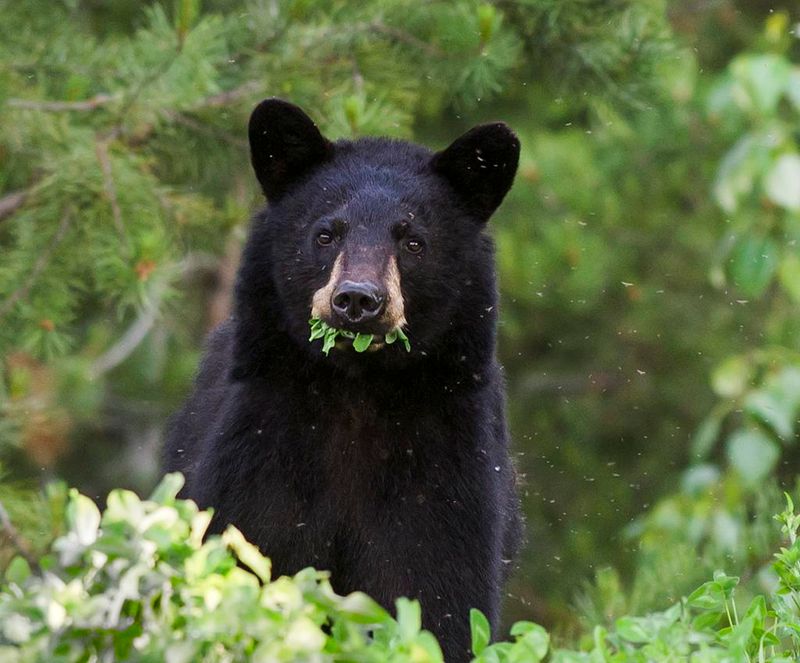
Most black bears are just passing through and will leave your yard once they realize there is nothing interesting to eat.
Patience is important because rushing the bear or trying to force it away can lead to unpredictable and potentially dangerous behavior.
In North Carolina, wildlife experts recommend giving bears plenty of time and space to move along without human interference or pressure.
Bears are naturally shy and prefer to avoid people, so they will usually wander off toward the woods or another area.
While waiting, keep monitoring the bear from indoors and avoid making loud noises that might confuse or agitate the animal unnecessarily.
If the bear lingers for an extended period, contact wildlife authorities for advice on how to proceed safely and effectively.
Trusting the bear to leave on its own is often the simplest and safest solution for everyone involved in the situation.
9. Avoid Running Away
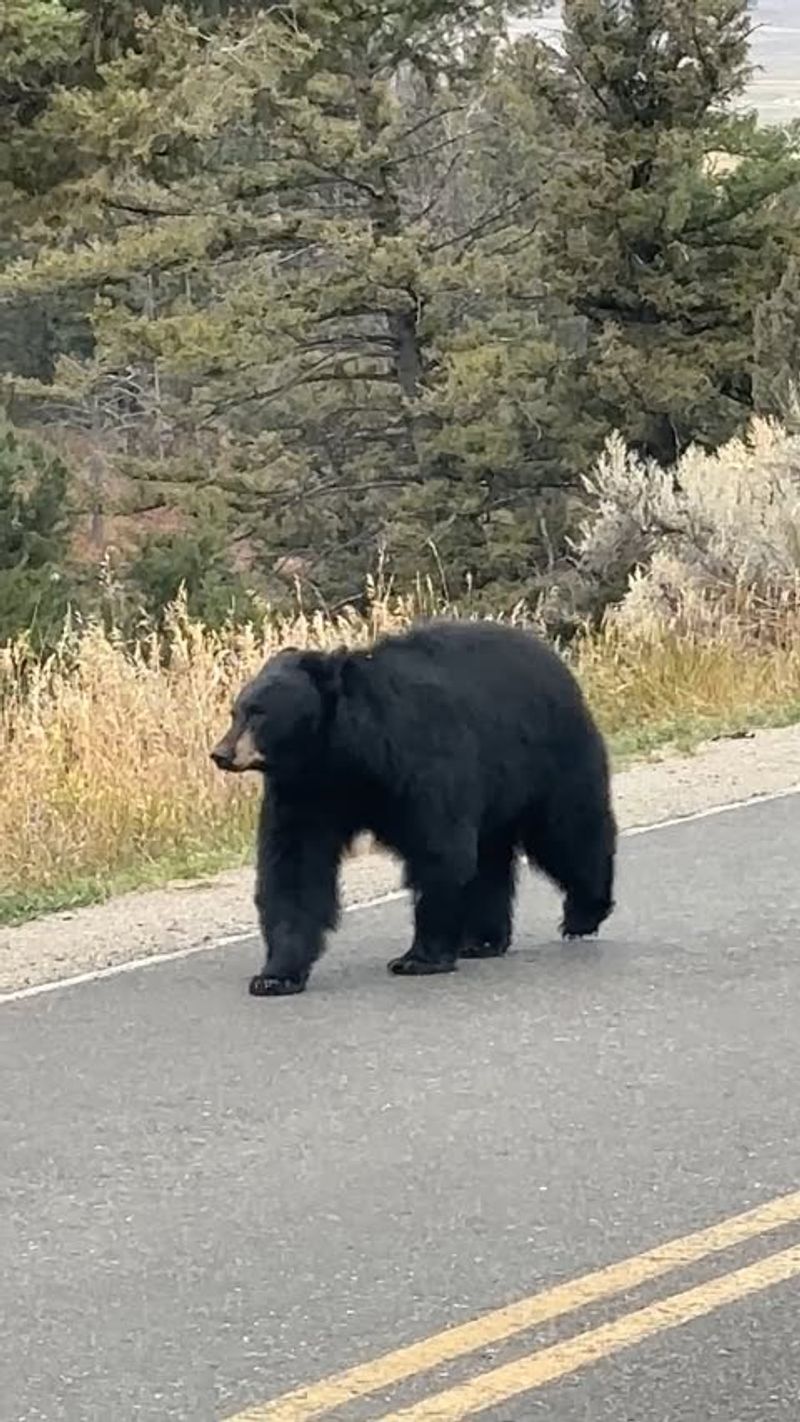
Running away from a bear triggers its natural chase instinct, which can turn a calm situation into a dangerous pursuit.
Bears are incredibly fast and can easily outrun humans, reaching speeds of up to thirty miles per hour in short bursts.
In North Carolina, wildlife officials stress that running is one of the worst mistakes you can make during a bear encounter.
Instead of fleeing, back away slowly while keeping your eyes on the bear and speaking in a calm, steady voice.
Sudden movements or turning your back can make the bear think you are prey, which increases the risk of an attack.
Even if you feel terrified, resist the urge to sprint toward your house or car until the bear is clearly moving away.
Staying composed and moving carefully gives the bear confidence that you are not a threat and encourages it to leave peacefully.
10. Avoid Direct Eye Contact
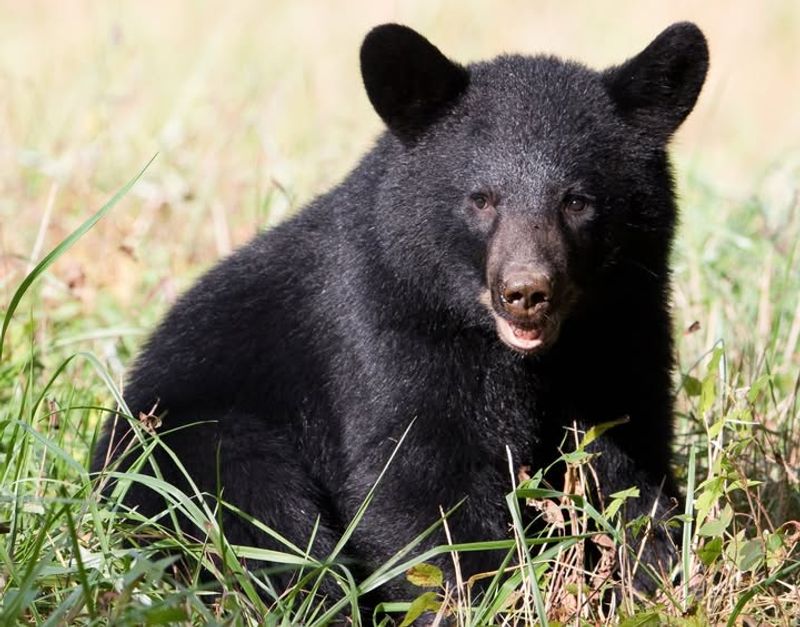
Staring directly into a bear’s eyes can be interpreted as a challenge or threat, which might provoke an aggressive response.
Bears use body language to communicate, and prolonged eye contact signals dominance or confrontation in their world of interactions.
In North Carolina, experts advise keeping the bear in your peripheral vision while avoiding a locked gaze that could escalate tension.
Instead of staring, look at the bear’s chest or shoulders so you can monitor its movements without appearing confrontational.
This subtle adjustment helps you stay aware of the bear’s behavior while reducing the chance of triggering a defensive reaction.
If the bear makes eye contact with you, remain calm and slowly look away without making sudden movements or gestures.
Respecting the bear’s space and communication style is crucial for ensuring a safe and peaceful outcome for both parties involved.