Can You Keep Flowers That Grow Into Your Yard From A Neighbors Garden In Pennsylvania
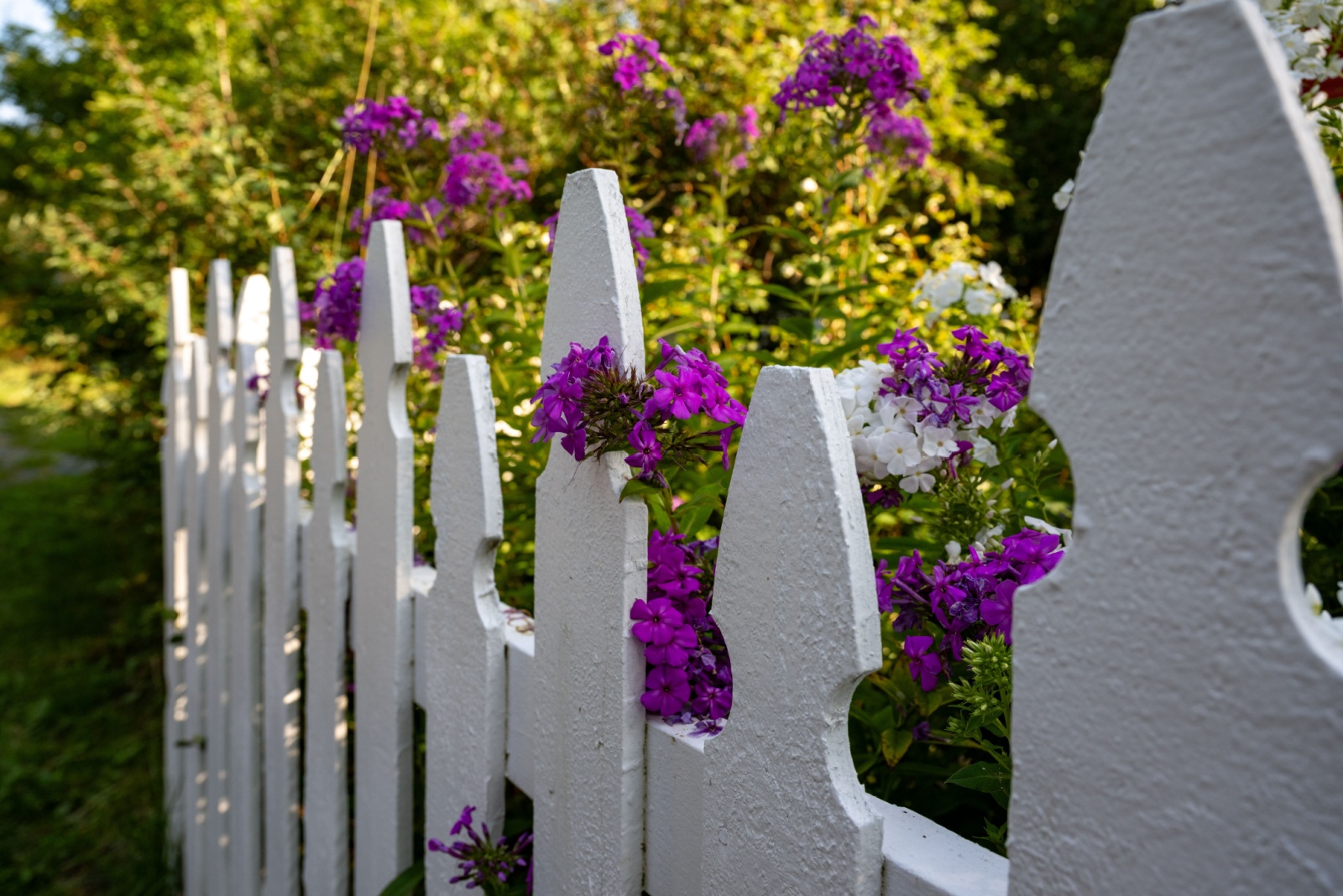
A neighbor’s garden can turn from a pleasant backdrop into a puzzling dilemma the moment blossoms drift, creep, or spill into your yard.
In Pennsylvania, flowers don’t pay much attention to property lines.
They sprout, spread, and settle wherever conditions suit them—sometimes right under the nose of a homeowner who never planted a single seed.
A bright bloom popping up on your side of the fence may spark curiosity, temptation, or a quiet “So… can I keep this?” long before anyone thinks about legal boundaries.
Gardeners across the state run into this situation more often than you’d expect.
A thriving perennial bed next door can send shoots wandering like uninvited guests testing the waters. Some homeowners see a free bonus.
Others see trouble waiting to happen.
And tucked beneath the petals sits a real question about rights, responsibilities, and just how far a neighbor’s plants can go before the law steps in.
Check Pennsylvania Property Line Laws First
Property boundaries in Pennsylvania follow strict legal definitions that determine what belongs to you and what belongs to your neighbor.
The law states that anything growing on your side of the property line technically becomes your property.
However, this principle gets complicated when plants spread naturally without anyone planting them intentionally.
Before you make any decisions about keeping or removing flowers, find out exactly where your property line sits.
Many homeowners assume they know the boundary, but surveys sometimes reveal surprises.
You can check your property deed, hire a surveyor, or look for existing markers that show the official line.
Pennsylvania courts generally recognize that plants growing on your land belong to you, even if they originated from a neighbor’s garden.
This means you have legal ownership of the flowers once they root in your soil.
Still, removing them or keeping them can affect your relationship with your neighbor.
Understanding the law gives you confidence when discussing the situation with your neighbor.
You can explain your legal position while remaining friendly and open to compromise.
Most boundary disputes resolve peacefully when both parties understand their rights and communicate respectfully about their preferences and concerns.
Talk With Your Neighbor Before Taking Action
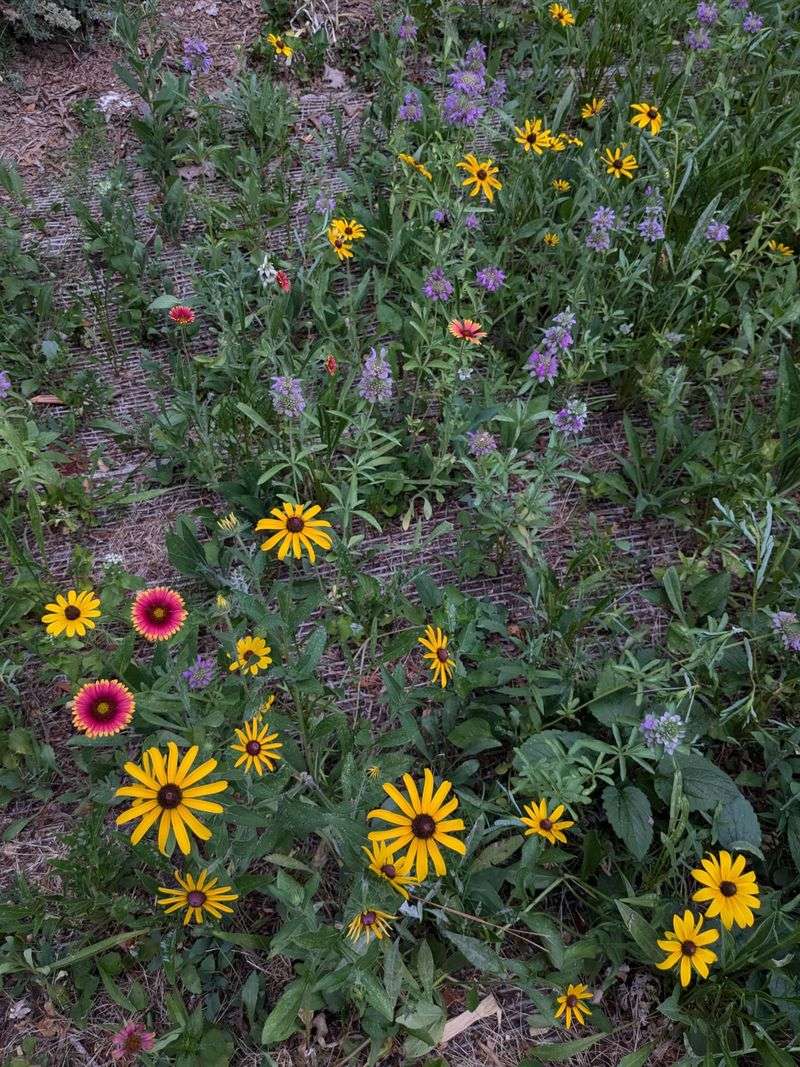
A simple conversation can prevent misunderstandings and preserve your relationship with the people next door.
Many neighbors feel flattered when their flowers spread and create beauty in other yards.
Others might worry about invasive species or prefer to control where their plants grow.
Approach your neighbor with a friendly attitude and genuine curiosity about their feelings on the matter.
You might say something like, “I noticed some of your beautiful flowers growing in my yard.
I wanted to check if you mind me keeping them or if you’d prefer I remove them.”
This conversation shows respect for their original planting efforts and opens the door to collaboration.
Your neighbor might offer helpful information about the plant species, care requirements, or growth patterns.
They could even share divisions or seeds so you can plant more intentionally in other areas of your yard.
Your Pennsylvania Garden Changes Every Week. Your Plan Should Too.
Gardening in Pennsylvania changes quickly throughout the season. Every Friday you’ll receive a simple weekly plan showing exactly what to plant, prune, fertilize, harvest, and protect so you never miss the right timing.
Most people appreciate when others take time to communicate about shared concerns.
Even if your neighbor asks you to remove the flowers, you’ll maintain goodwill by asking first.
Good fences make good neighbors, but good conversations make even better ones.
The few minutes you spend talking can save years of awkward encounters and potential legal troubles down the road.
Identify The Plant Species And Growth Habits

Not all flowers that cross property lines pose the same challenges or opportunities.
Some plants spread aggressively and can take over your entire yard if left unchecked.
Others grow slowly and stay contained in small clumps that add charm without causing problems.
Take time to identify exactly what type of flower has entered your space.
You can use plant identification apps, consult gardening websites, or ask at a local nursery.
Knowing the species helps you predict how much space it will eventually occupy and what kind of maintenance it requires.
Aggressive spreaders like mint, morning glory, or bamboo can quickly become nightmares if you allow them to establish themselves.
These plants might seem pretty at first but often require constant effort to control.
On the flip side, well-behaved perennials like hostas or daylilies typically stay where you want them and bloom reliably year after year.
Understanding growth habits also helps you decide if keeping the flowers aligns with your landscaping goals.
Some plants need full sun while others prefer shade.
Matching the plant’s needs to your yard conditions determines success.
Research gives you the knowledge to make smart choices about your outdoor space.
Consider The Benefits Of Free Plants

Free flowers that arrive in your yard offer real advantages you might not have considered.
Garden centers charge significant money for established plants, and you just received them at no cost.
This natural gift can save you money while beautifying your property.
Plants that spread from a neighbor’s garden have already proven they thrive in your local climate and soil conditions.
They’ve adapted to Pennsylvania weather, including cold winters and humid summers.
You won’t need to experiment with different species to find what works in your specific location.
Many spreading flowers are also low-maintenance varieties that require minimal care once established.
They’ve survived on their own without your help, which suggests they’ll continue doing well with basic attention.
This makes them perfect for busy homeowners who want attractive landscaping without spending hours on yard work every week.
Accepting these volunteer plants can also create a sense of continuity and community in your neighborhood.
When similar flowers bloom across multiple yards, it creates a cohesive and welcoming atmosphere.
Visitors notice the harmony and appreciate the natural flow between properties.
Sometimes the best landscaping happens organically when nature takes the lead and neighbors embrace the results with open minds and grateful hearts.
Understand Potential Liability And Maintenance Issues
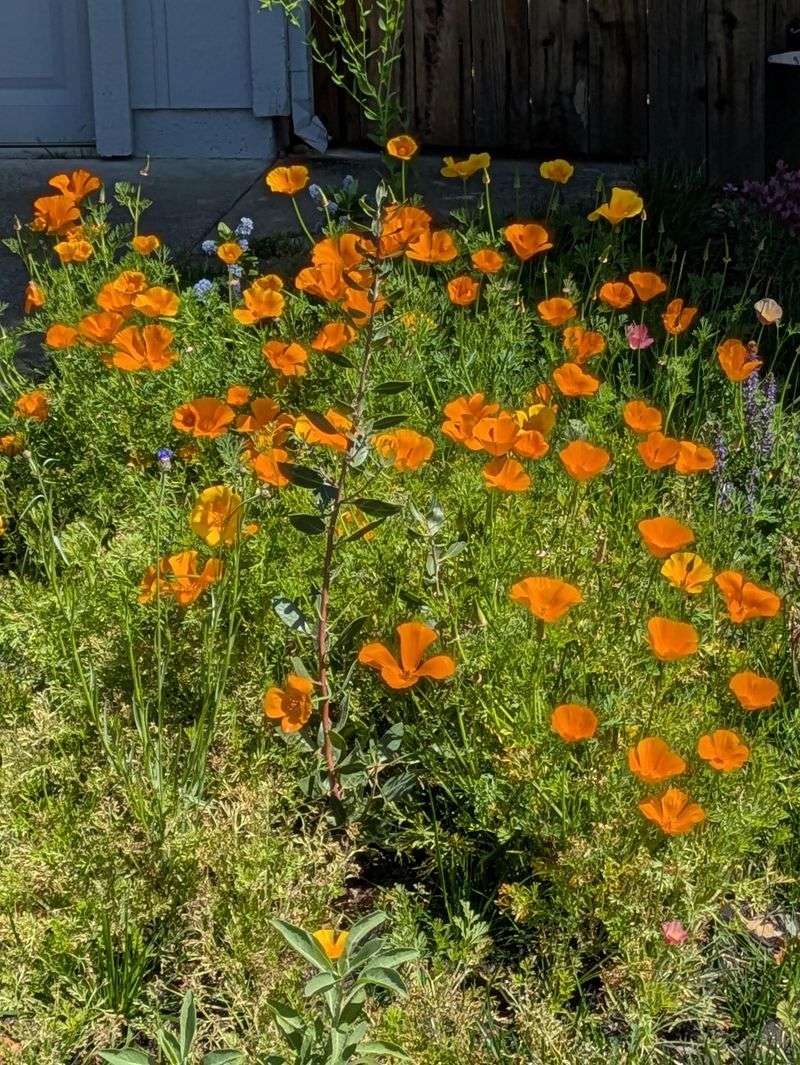
Keeping flowers that spread into your yard comes with responsibilities you should consider before making a final decision.
Some plants require regular maintenance to prevent them from becoming problematic.
Neglected flowers can spread further, drop seeds everywhere, or attract pests that affect your entire property.
Pennsylvania law holds property owners responsible for maintaining vegetation on their land.
If you keep the flowers and they become invasive, you can’t blame your neighbor for the mess.
The responsibility shifts to you once the plants establish roots in your soil and you decide to let them stay.
Consider whether you have time and energy to care for additional plants properly.
Some flowers need deadheading, dividing, or cutting back at specific times of year.
Others attract bees, butterflies, or other insects that might concern family members with allergies.
Think about future plans for your yard as well.
If you might want to install a pool, shed, or garden bed in that area, established perennials can complicate those projects.
Removing mature plants takes more effort than preventing them from spreading initially.
Weighing these practical concerns against the benefits helps you make a choice you won’t regret later when circumstances change or maintenance becomes burdensome.
Document Everything With Photos And Dates
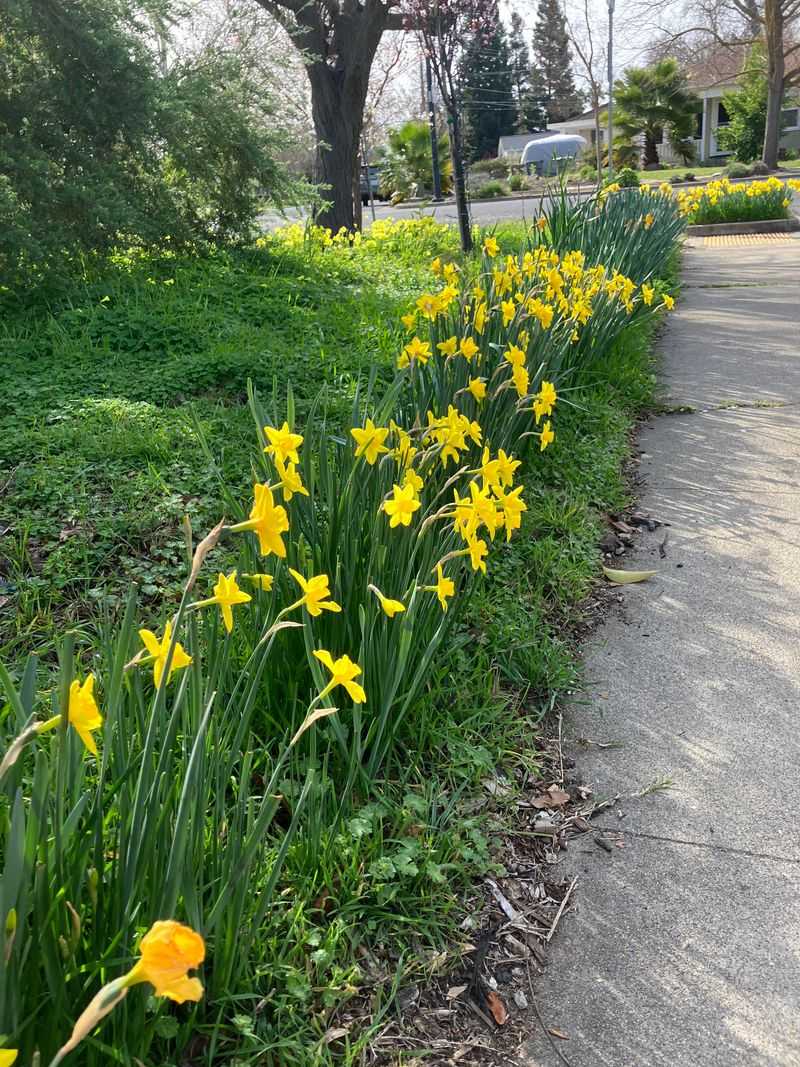
Smart homeowners protect themselves by creating a clear record of when and how plants crossed property boundaries.
Take photographs showing the flowers in your yard, the fence line, and your neighbor’s garden.
Include date stamps or write down when you first noticed the plants appearing on your property.
This documentation serves multiple purposes that can prove valuable later.
If a dispute arises, you have evidence showing the timeline and extent of the plant spread.
Photos also help you track growth patterns and decide if the flowers are becoming problematic or remaining manageable.
Save any written communications with your neighbor about the flowers, including texts, emails, or notes.
These records show you made good-faith efforts to communicate and resolve the situation cooperatively.
Courts and mediators appreciate when people try to work things out before involving legal processes.
Documentation also protects you if the situation involves potentially invasive species that local regulations require you to control.
You can demonstrate when the plants arrived and what steps you took to address them.
This proactive approach shows responsibility and care for your property.
Spending a few minutes taking pictures and keeping notes now can save you hours of headaches and potential expenses if questions arise about plant ownership or property maintenance obligations.
Know When to Seek Mediation Or Legal Advice
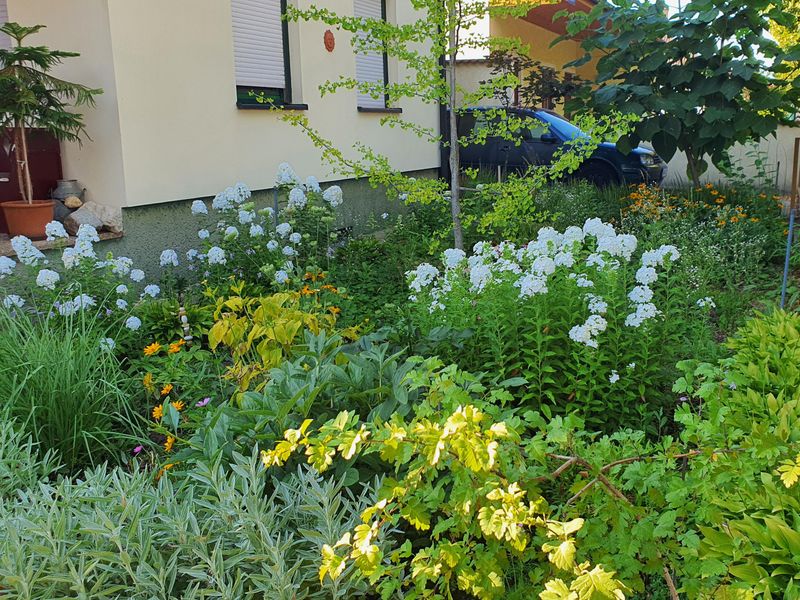
Most flower situations resolve through friendly conversation and mutual understanding between neighbors.
However, sometimes disagreements escalate or involve complicated circumstances that require professional guidance.
Recognizing when to seek help prevents small problems from becoming major conflicts.
If your neighbor demands you remove plants that are clearly on your side of the property line, you might need legal clarification.
Similarly, if they threaten legal action or become hostile about the situation, consulting an attorney protects your interests.
Pennsylvania property lawyers understand local regulations and can explain your rights clearly.
Mediation offers a less expensive and confrontational option than going to court.
A trained mediator helps both parties communicate effectively and find solutions that work for everyone.
Many communities offer mediation services specifically for neighbor disputes at low or no cost.
Consider professional help if the plants cause actual damage to your property or if they’re invasive species that threaten local ecosystems.
Environmental regulations sometimes require specific actions that override normal property rights.
An expert can guide you through these complex situations.
Remember that maintaining peace with neighbors usually matters more than winning arguments about flowers, but you shouldn’t accept unreasonable demands or threats either.