How To Make Cyclamen Last Longer In California Winter Conditions
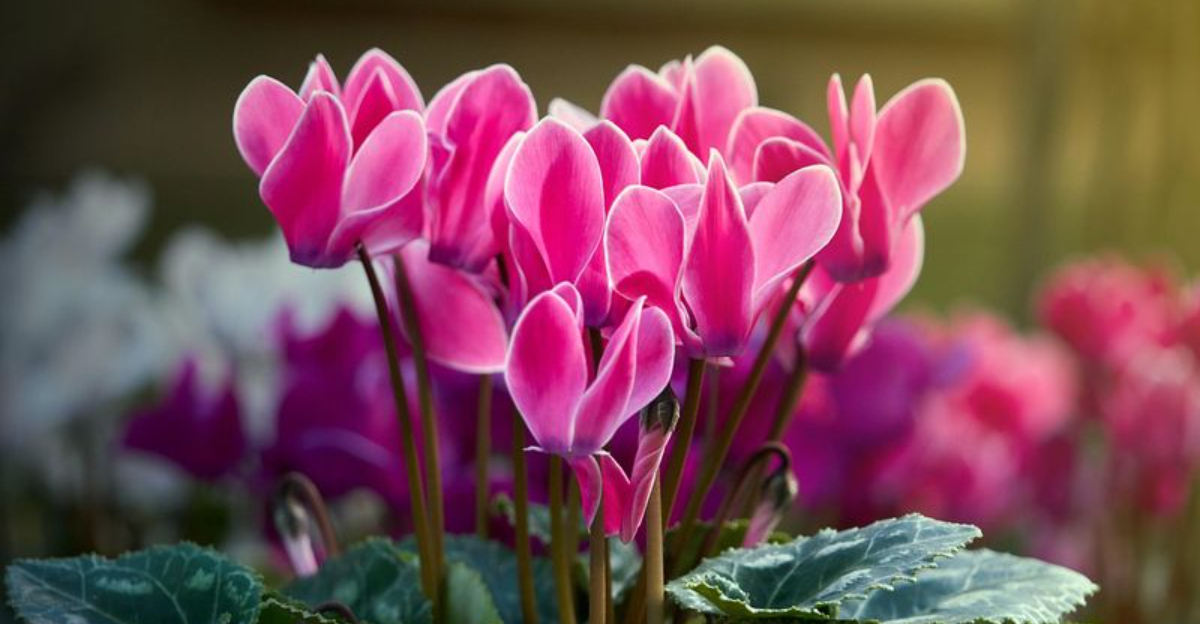
A California winter may feel mild compared to other states, yet cyclamen still face their own set of hurdles as the season shifts.
One cool breeze too many or a touch of harsh sun can leave those delicate blooms looking tired before their time.
Still, cyclamen have a spark of resilience tucked beneath their colorful display.
With the right approach, they can stay lively through the cold months and keep a home or garden glowing long after other plants fade.
Soft light, steady moisture, and a calm spot away from heat drafts can work wonders, giving each bloom a chance to shine at its fullest.
Little adjustments add up fast, turning a fading plant into a bright winter standout.
Bit by bit, the foliage perks up, the flowers hold strong, and the whole plant feels renewed.
With thoughtful care, cyclamen can stretch their beauty deep into the season, bringing a touch of charm to every corner.
1. Choose The Right Location With Proper Light Exposure
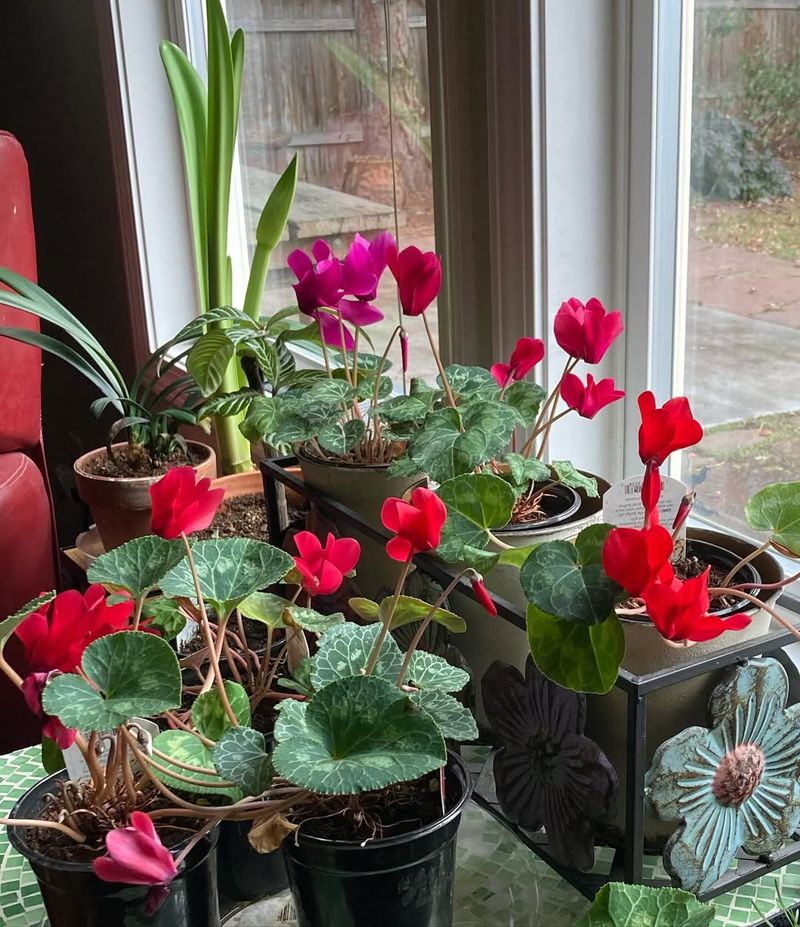
Finding the perfect spot for your cyclamen makes all the difference in how long they’ll stay vibrant and healthy.
California’s winter sun can be surprisingly intense, even during cooler months, and cyclamen plants prefer bright but indirect light rather than harsh direct rays.
Morning sun combined with afternoon shade creates an ideal balance that keeps these plants happy without stressing them out.
If you’re growing cyclamen outdoors in California, look for locations under trees or near structures that provide natural shade during the hottest part of the day.
East-facing spots work wonderfully because they receive gentle morning light and protection from the stronger afternoon sun.
North-facing areas also work well, especially in Southern California where winter temperatures stay relatively mild.
Indoor cyclamen need similar consideration when it comes to light placement.
A bright windowsill that doesn’t get direct afternoon sun is perfect for these plants.
South-facing windows might be too intense unless you use sheer curtains to filter the light.
Watch how your cyclamen responds to its location over the first few weeks.
If the leaves start turning yellow or the flowers fade quickly, the plant might be getting too much direct sun.
On the other hand, if new blooms are scarce and the plant looks leggy, it probably needs more light.
California gardeners should also consider microclimates around their property.
Areas near walls or fences might stay warmer and offer different light conditions than open garden spaces.
Experimenting with a few different spots can help you discover where your cyclamen performs best throughout the winter season.
2. Master The Art Of Bottom Watering Technique
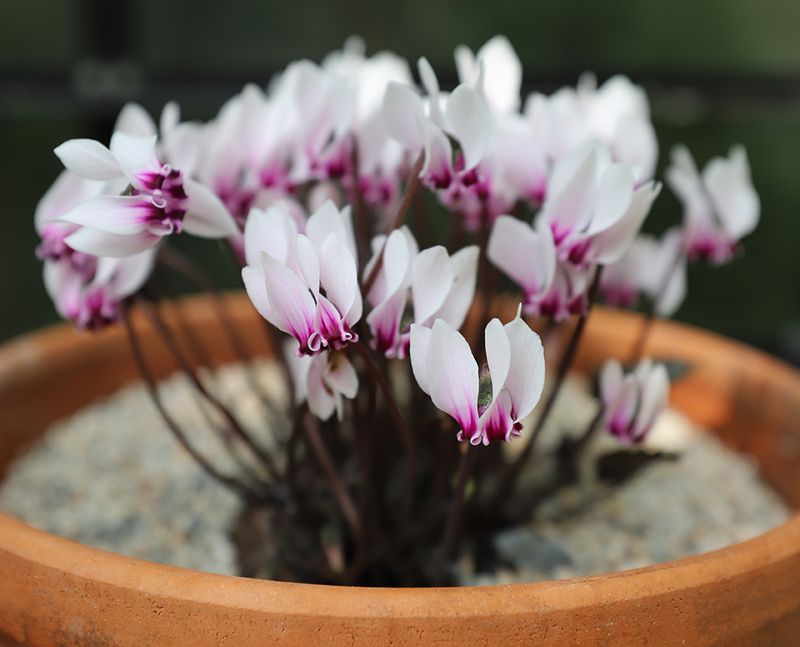
Watering cyclamen from the bottom rather than the top might seem unusual at first, but this technique can dramatically extend the life of your plants during California’s winter season.
The reason this method works so well is that cyclamen tubers are extremely sensitive to moisture and can develop rot when water sits on top of them.
Bottom watering keeps the crown dry while ensuring the roots get the moisture they need.
Your California Garden Changes Every Week. Your Plan Should Too.
Gardening in California changes quickly throughout the season. Every Friday you’ll receive a simple weekly plan showing exactly what to plant, prune, fertilize, harvest, and protect so you never miss the right timing.
To water from the bottom, simply place your potted cyclamen in a shallow tray or saucer filled with about an inch of water.
Let the plant sit for 15 to 20 minutes, allowing the soil to absorb moisture through the drainage holes.
You’ll know the soil has taken up enough water when the top surface feels slightly damp to the touch.
After the watering period, remove the pot from the tray and let any excess water drain away completely.
Never leave cyclamen sitting in standing water for extended periods, as this defeats the purpose of bottom watering and can still lead to root problems.
California’s winter climate means you’ll need to adjust your watering frequency based on indoor heating and outdoor temperature fluctuations.
Indoor plants near heaters dry out faster and might need watering twice a week, while outdoor cyclamen in cooler coastal areas might only need water once a week.
Check the soil regularly by sticking your finger about an inch deep into the potting mix.
If it feels dry at that depth, it’s time to water.
During California’s occasional winter rain showers, outdoor cyclamen might not need additional watering at all, so always assess soil moisture before adding more water.
3. Maintain Ideal Temperature Ranges For Extended Blooming
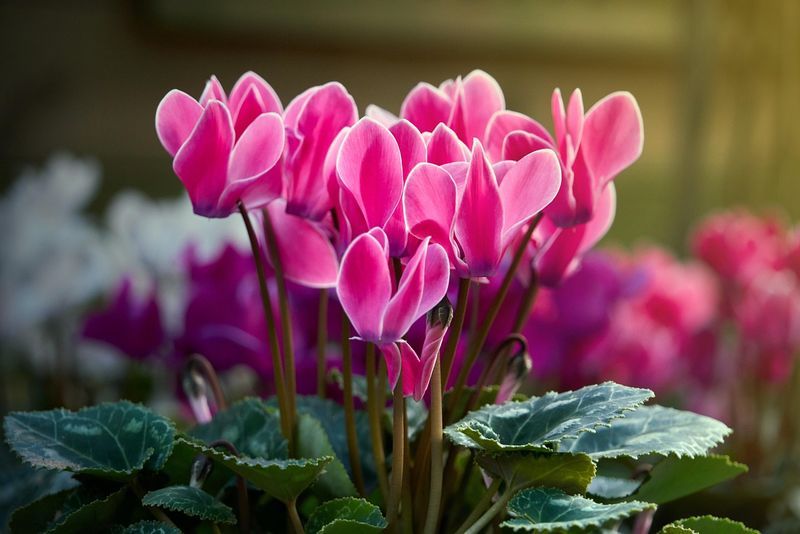
Temperature control plays a crucial role in keeping cyclamen blooming throughout California’s winter months.
These plants absolutely love cool conditions and actually perform best when nighttime temperatures drop between 40 and 50 degrees Fahrenheit.
Daytime temperatures between 60 and 68 degrees create the perfect environment for continuous flowering and healthy foliage growth.
California’s diverse climate zones offer different challenges for temperature management.
Coastal areas naturally provide the cool, mild conditions that cyclamen adore, making outdoor growing quite successful in places like San Francisco and Monterey.
Inland and Southern California regions experience warmer winter days, which means you might need to move potted cyclamen to cooler spots during unexpected warm spells.
Indoor cyclamen face temperature challenges from central heating systems.
Keeping plants away from heating vents, fireplaces, and radiators helps maintain the cooler environment they prefer.
Placing cyclamen in unheated rooms like enclosed porches, mudrooms, or guest bedrooms can actually extend their blooming period significantly compared to keeping them in warm living spaces.
When California experiences those occasional cold snaps that dip below freezing, bring outdoor potted cyclamen under cover or move them closer to the house for protection.
While cyclamen tolerate cool temperatures well, frost can damage the flowers and foliage quickly.
Monitor your local weather forecasts throughout the winter season and be prepared to relocate your plants when extreme temperature swings are predicted.
The effort pays off with plants that continue producing fresh blooms week after week.
Remember that consistent, cool temperatures work better than fluctuating conditions, so finding a stable spot with the right temperature range is worth the initial effort.
4. Remove Spent Flowers And Yellow Leaves Regularly
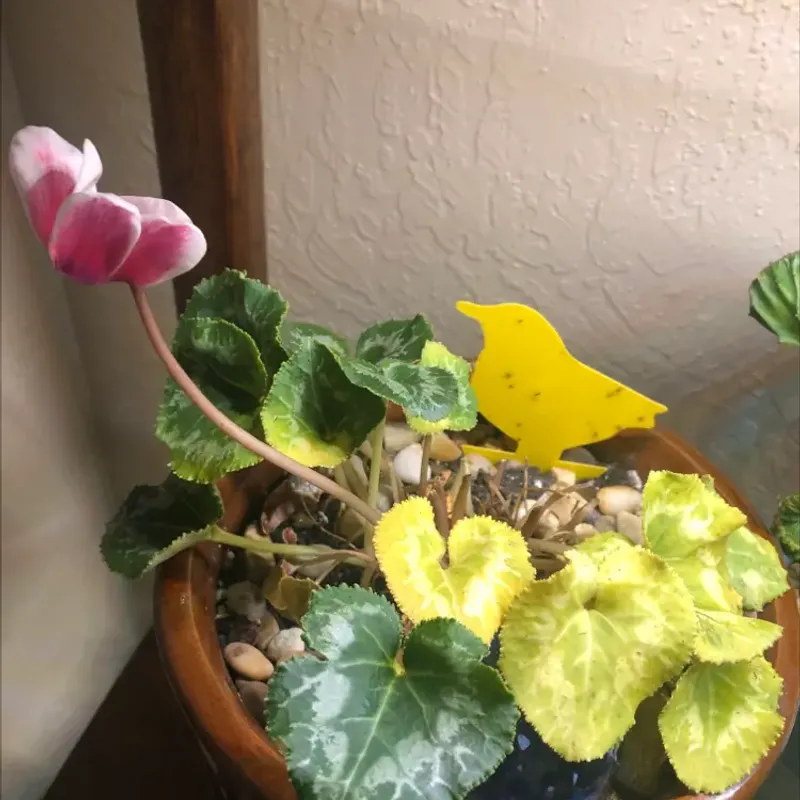
Regular grooming keeps your cyclamen looking fresh and encourages the plant to produce more flowers instead of putting energy into seed production.
When flowers fade and leaves turn yellow, they’re no longer helping the plant and actually drain resources that could go toward creating new blooms.
California gardeners who dedicate just a few minutes each week to this simple maintenance task see dramatically longer blooming periods.
The removal technique matters more than you might think.
Rather than cutting spent flowers with scissors or pruners, grasp the stem firmly near the base where it emerges from the tuber and give it a quick, gentle twist while pulling upward.
The entire stem should come away cleanly without leaving a stub that could rot.
This twisting method works for yellowing leaves too.
Leaving stem stubs behind creates entry points for fungal diseases and bacterial problems, which can spread quickly in California’s occasionally humid winter conditions, especially along the coast.
Clean removal promotes better plant health overall.
Check your cyclamen every few days for flowers that have finished blooming and leaves that are starting to yellow.
Early removal prevents the plant from wasting energy on declining parts.
You’ll notice that well-groomed plants produce a steady stream of new flower buds throughout the season.
As you remove old growth, take a moment to inspect the base of the plant for any signs of mushiness or unusual discoloration.
Catching potential problems early makes treatment much easier.
After grooming sessions, wash your hands before touching other plants to avoid spreading any issues.
California’s mild winter weather means cyclamen can bloom for months when properly maintained, and regular deadheading is one of the simplest ways to maximize that blooming window and keep your plants looking absolutely gorgeous all season long.
5. Use Well-Draining Soil And Appropriate Containers
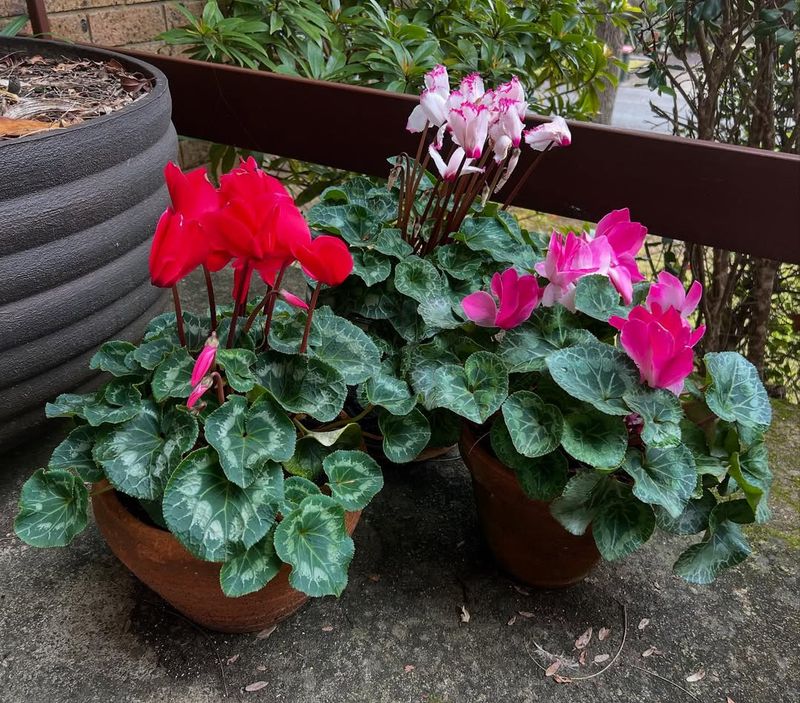
Soil quality and container selection might not seem exciting, but they’re absolutely essential for keeping cyclamen healthy through California’s winter season.
These plants develop tubers that store nutrients and water, and those tubers will quickly deteriorate in heavy, waterlogged soil.
Well-draining potting mix allows water to flow through while retaining just enough moisture for the roots to access.
Look for potting mixes labeled for African violets or cacti, as these formulations provide the drainage cyclamen need.
You can also create your own mix by combining regular potting soil with perlite, coarse sand, or fine bark chips in equal parts.
The goal is creating a fluffy, airy medium that doesn’t compact over time.
Container selection matters just as much as soil choice.
Terracotta and clay pots work exceptionally well for cyclamen because these materials are porous and allow excess moisture to evaporate through the pot walls.
This natural breathing quality helps prevent the waterlogged conditions that lead to tuber rot.
Make absolutely certain any container you use has drainage holes in the bottom.
Without proper drainage, even the best soil mix will eventually become saturated and cause problems.
California winters can bring unexpected rain showers, and outdoor containers need to drain freely to prevent water accumulation.
When planting cyclamen, position the tuber so its top sits slightly above the soil surface rather than buried deeply.
This elevation helps keep the crown dry and reduces the chance of rot developing.
The tuber’s upper surface should be visible, looking like a small brown disc at the plant’s base.
If your cyclamen came in a plastic nursery pot, consider transplanting it into a clay container with fresh, well-draining soil.
This simple change can make a significant difference in how well the plant performs throughout the California winter season.
6. Provide Adequate Humidity Without Overwatering
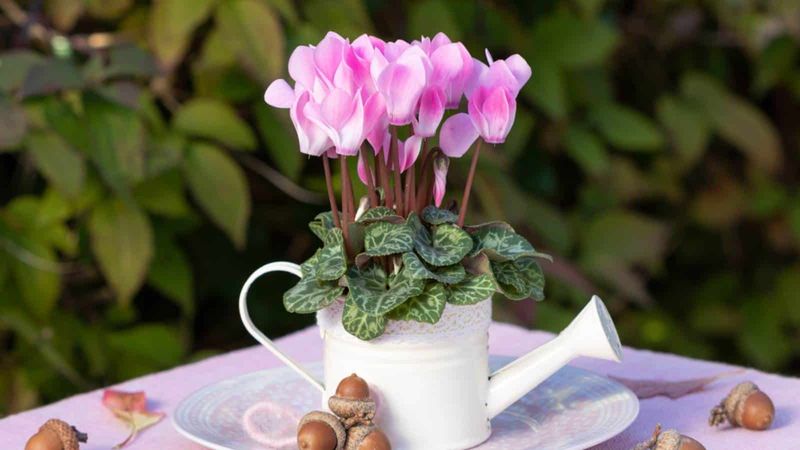
Balancing humidity needs with the risk of overwatering presents an interesting challenge for California cyclamen growers.
These Mediterranean plants appreciate moderate humidity levels but can’t tolerate wet conditions around their tubers and crowns.
California’s winter air tends to be quite dry, especially indoors where heating systems run regularly, and this dryness can cause flower buds to shrivel before opening fully.
Creating a humidity tray offers the perfect solution for increasing moisture in the air without wetting the plant directly.
Fill a shallow tray with pebbles or small stones, then add water until it reaches just below the top of the stones.
Place your potted cyclamen on top of the pebbles, making sure the pot bottom sits above the water level rather than in it.
As water evaporates from the tray, it creates a humid microclimate around the plant without the dangers of standing water.
This method works particularly well for indoor cyclamen in California homes where central heating dries out the air considerably during winter months.
Grouping several cyclamen plants together also increases humidity through a process called transpiration, where plants release moisture through their leaves.
The combined effect creates a more humid environment that benefits all the plants in the group.
This technique works both indoors and outdoors in California gardens.
Avoid misting cyclamen foliage directly, as water droplets sitting on the fuzzy leaves and flowers can lead to spotting and fungal problems.
If you absolutely must increase humidity quickly, mist the air around the plant rather than spraying the plant itself.
California’s coastal regions naturally have higher humidity levels, so cyclamen grown in these areas might not need additional humidity measures.
Inland and desert areas of California require more attention to humidity management, making pebble trays and plant groupings particularly valuable techniques for extending cyclamen bloom time in those drier climates.
7. Apply Diluted Fertilizer During Active Growth Periods
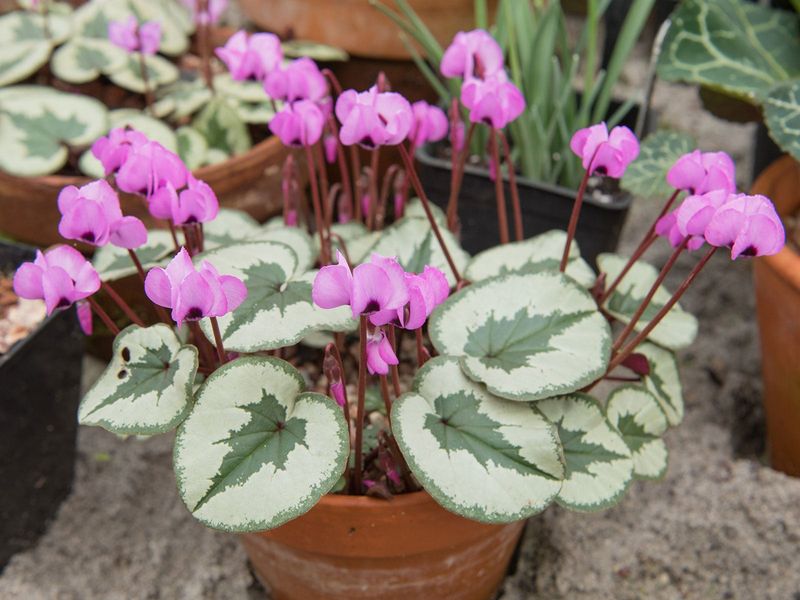
Feeding your cyclamen properly throughout California’s winter season provides the nutrients needed for continuous flower production and healthy foliage.
However, these plants don’t need heavy feeding and actually perform better with gentle, regular applications of diluted fertilizer rather than strong doses.
Think of it as providing consistent snacks rather than occasional feast meals.
Choose a balanced liquid fertilizer with equal proportions of nitrogen, phosphorus, and potassium, such as a 10-10-10 or 20-20-20 formula.
Dilute the fertilizer to half the strength recommended on the package label.
This weaker solution provides nutrients without overwhelming the plant or causing salt buildup in the soil, which can damage sensitive cyclamen roots.
Apply fertilizer every two to three weeks while your cyclamen is actively growing and blooming.
California’s mild winter temperatures allow cyclamen to continue growing throughout the season, unlike in colder climates where the plants go dormant.
This extended growing period means your plants benefit from regular feeding to support their ongoing flower and leaf production.
Always water your cyclamen thoroughly before applying fertilizer to prevent root burn.
Fertilizing dry soil can damage the root system and stress the plant unnecessarily.
Using the bottom watering method with diluted fertilizer works perfectly, allowing the plant to absorb nutrients along with moisture.
Watch for signs of over-fertilization, including brown leaf edges, reduced flowering, or excessive leaf growth with few blooms.
If you notice these symptoms, skip a few feeding sessions and flush the soil with plain water to remove accumulated salts.
As spring approaches and temperatures in California begin to warm, gradually reduce fertilizer applications.
Cyclamen naturally slow their growth as weather heats up, and they’ll need less nutritional support during this transition period.
Proper fertilization throughout the winter months ensures your cyclamen maintains vibrant color and produces abundant flowers week after week.