Why “No-Mulch” Fire Safety Ideas Are Gaining Attention In Some California Neighborhoods
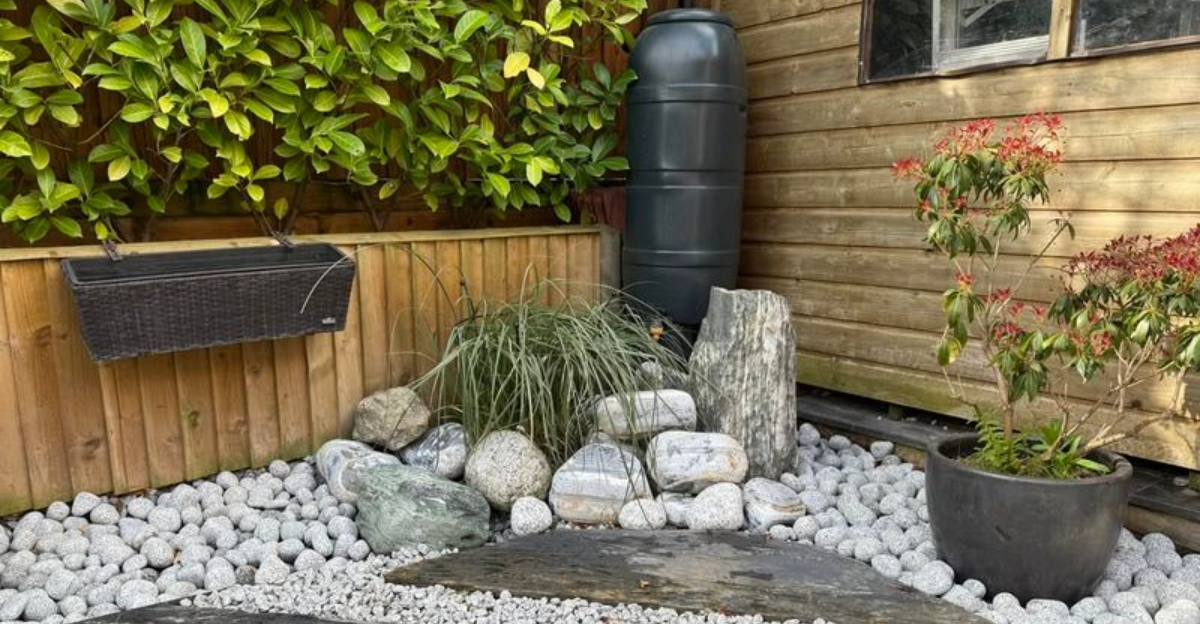
California homeowners have been talking more about no-mulch fire safety ideas as they look for small changes that make their yards feel more secure during dry seasons.
Many people are starting to notice how removing flammable materials near their homes can create a cleaner look while still fitting into everyday landscaping styles.
The growing attention shows that simple adjustments are becoming a popular way to add a sense of safety without giving up the charm of a well-kept yard.
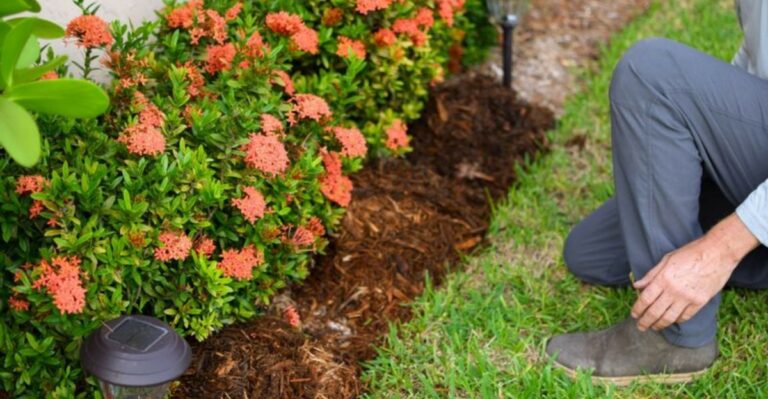
1. Mulch Can Fuel Fires Quickly
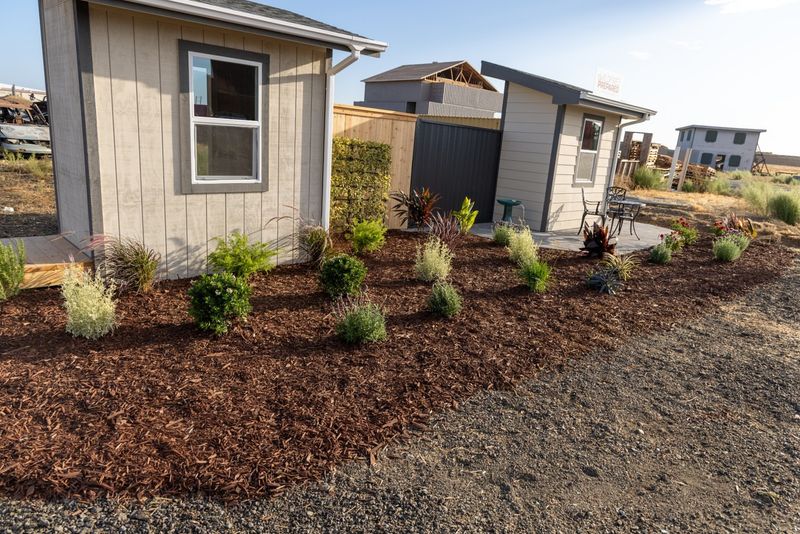
Wood chips and bark mulch might look nice around plants, but they turn into fire fuel when temperatures rise and moisture drops.
California experiences long, hot summers with little rain, which dries out organic mulch materials completely.
Once ignited by an ember or spark, mulch can smolder for hours before bursting into flames that spread to nearby plants or structures.
Firefighters across the state have noticed that homes surrounded by heavy mulch layers face higher risks during wildfire season.
Many residents in fire-prone areas are now removing mulch within five feet of their homes to create a safer buffer zone.
Gravel, rocks, and mineral-based materials are becoming popular replacements because they cannot burn or carry flames toward buildings.
Understanding how quickly mulch ignites helps explain why California neighborhoods are making this important landscaping change for better protection.
2. Creating Defensible Space Matters
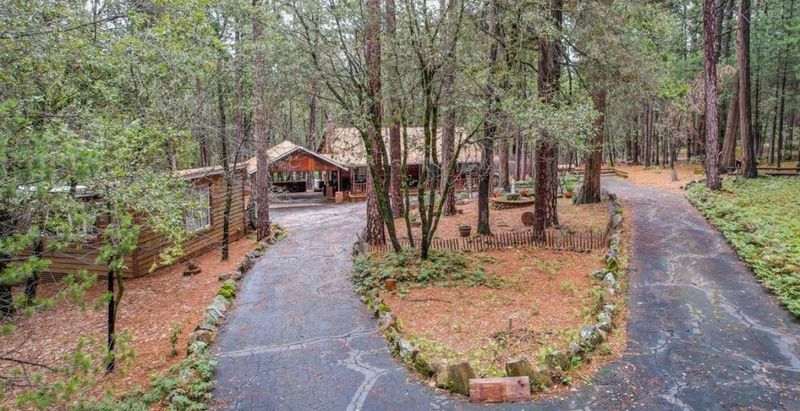
Fire safety experts recommend creating zones around your home where flames have less chance to spread from wild areas to your property.
The first zone, closest to your house, should be completely free of anything that burns easily, including mulch, dry leaves, and dense plants.
Replacing flammable ground covers with stones or pavers gives homeowners peace of mind during red flag warning days when fire danger peaks.
California building codes now encourage residents to maintain at least five feet of non-combustible materials directly touching their home foundations.
This simple change can make the difference between a home surviving a wildfire or suffering serious damage from approaching flames.
Neighborhoods working together to remove mulch and plant fire-resistant vegetation create communities that are much harder for wildfires to penetrate.
Defensible space planning has become essential knowledge for anyone living in California’s beautiful but fire-vulnerable regions throughout the state.
3. Embers Travel Long Distances
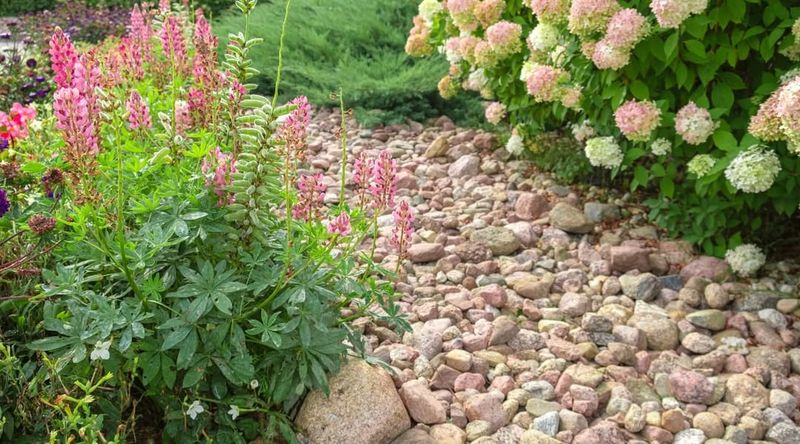
Wildfires do not always spread as a wall of flames; instead, burning embers can fly miles ahead of the main fire.
These tiny pieces of burning material ride on wind currents and land on roofs, in gutters, or in yards full of dry mulch.
When embers settle into wood chip mulch, they can start small fires that grow quickly, especially if no one notices right away.
California firefighters report that ember attacks cause more home losses than direct flame contact during many major wildfire events.
Removing mulch reduces the number of spots where embers can land and ignite, giving homeowners better chances of protecting their property.
Stone, gravel, and concrete surfaces simply do not catch fire when hot embers land on them, making them much safer choices.
Your California Garden Changes Every Week. Your Plan Should Too.
Gardening in California changes quickly throughout the season. Every Friday you’ll receive a simple weekly plan showing exactly what to plant, prune, fertilize, harvest, and protect so you never miss the right timing.
Awareness about ember threats has grown significantly, pushing more California residents to rethink their yard designs for maximum fire resistance.
4. Rock and Gravel Alternatives Work Well
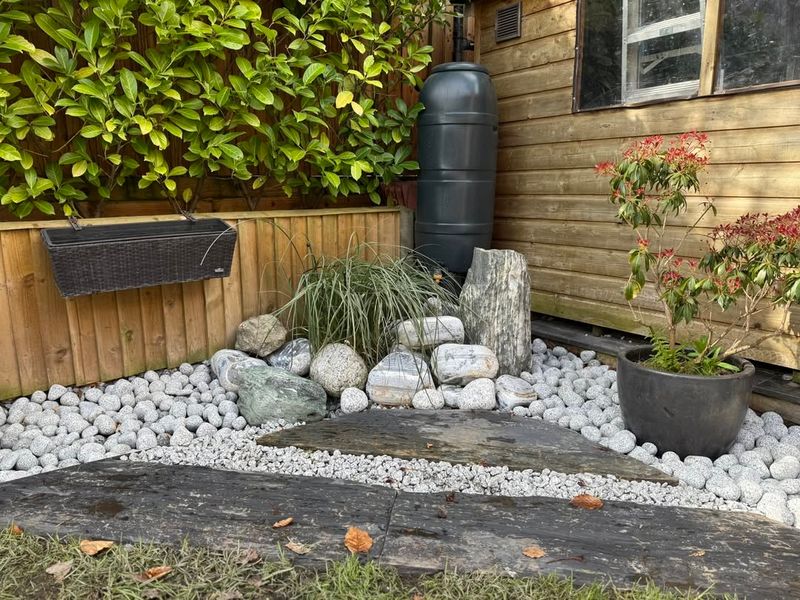
Switching from mulch to rock does not mean your yard has to look boring or unattractive to visitors or neighbors.
Many homeowners discover that decorative stones, river rocks, and colored gravel create stunning landscapes that need less maintenance than traditional mulch beds.
These materials come in various sizes and colors, allowing creative designs that complement any home style throughout California neighborhoods.
Unlike wood mulch that breaks down and needs replacing every year, rock ground covers last for decades without decomposing or washing away.
Fire safety becomes automatic with mineral materials since they cannot burn, smolder, or carry flames toward your home during wildfire season.
Gravel also helps with water drainage and does not attract termites or other insects that sometimes infest organic mulch piles near houses.
California residents are finding that rock landscaping offers beauty, durability, and fire protection all in one smart yard design choice.
5. Insurance Companies Are Paying Attention
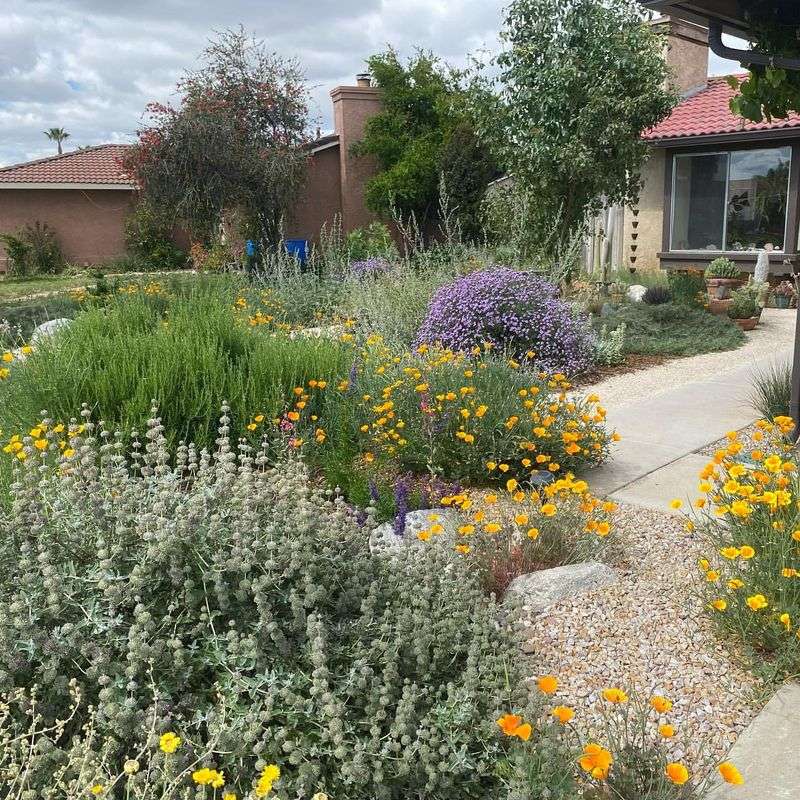
Home insurance providers in California have started offering discounts to homeowners who make fire-safe improvements to their properties.
Removing flammable mulch and replacing it with non-combustible materials can lower your insurance premiums because it reduces your home’s fire risk.
Some insurance companies now send inspectors to check yards and recommend changes like mulch removal before they will renew policies.
California residents living in high-risk fire zones sometimes face policy cancellations if they do not take steps to protect their homes properly.
Creating defensible space with rock landscaping shows insurance providers that you are serious about wildfire prevention and home protection efforts.
These financial incentives motivate many families to invest in safer yard designs even when they might not have considered it before.
Understanding how landscaping choices affect insurance costs helps California homeowners make smarter decisions that protect both their wallets and their properties.
6. Community Education Programs Are Growing
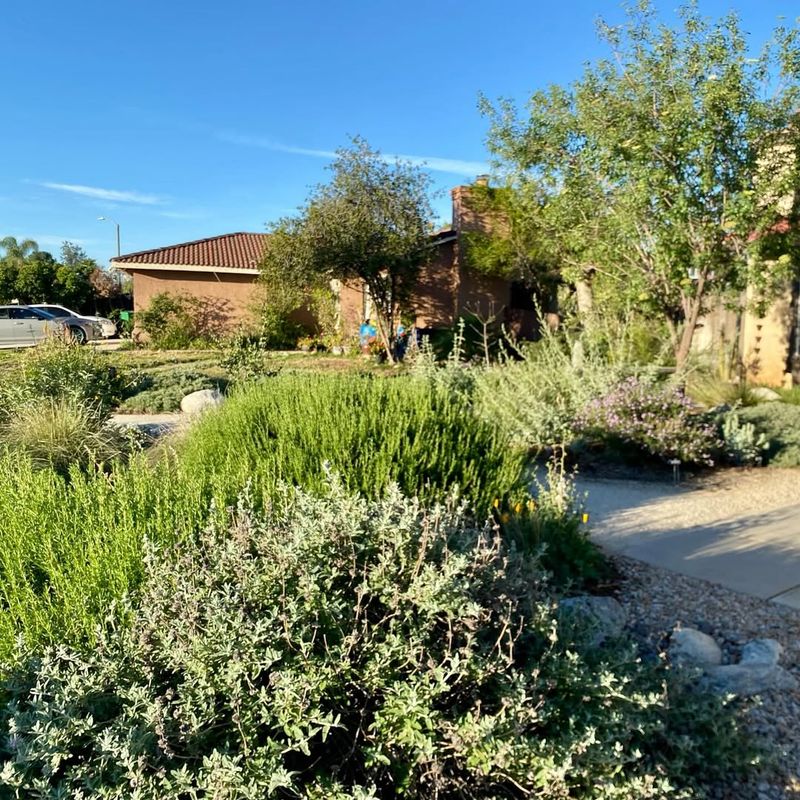
Fire departments across California now offer free workshops teaching residents how to create fire-resistant landscapes around their homes.
These educational programs explain why mulch removal matters and demonstrate how to design beautiful yards using safer materials like gravel and stone.
Neighbors learn together about defensible space zones, ember-resistant plants, and maintenance practices that reduce fire danger throughout the year.
California communities with active fire safety education programs see higher participation rates in mulch removal and landscaping improvement projects.
Local hardware stores often partner with fire departments to provide discounts on rock, gravel, and fire-resistant plants for workshop participants.
When entire neighborhoods work together on fire safety improvements, everyone benefits from reduced risk and increased property protection during wildfire season.
These growing education efforts help spread important knowledge that saves homes and keeps California families safer in fire-prone areas statewide.
7. Native Plants Need Less Water
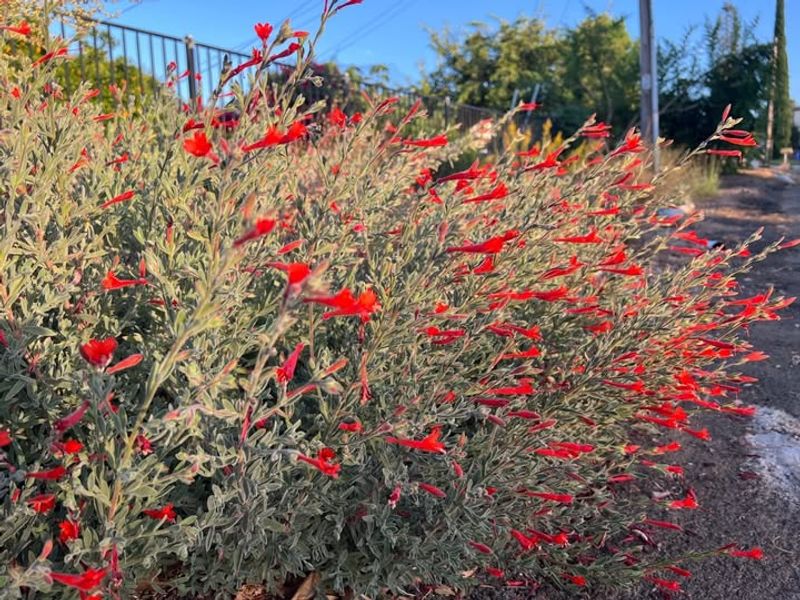
Choosing native California plants for your yard not only reduces fire risk but also helps conserve precious water during drought conditions.
Many native species have adapted to survive with minimal water and do not require mulch to protect their roots from heat.
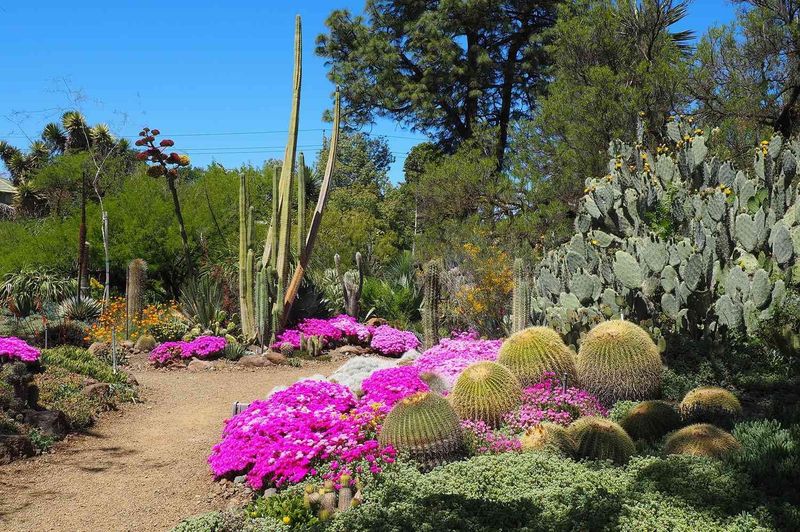
Succulents, native grasses, and certain shrubs actually thrive in rocky soil conditions that discourage fast-spreading fires around your home.
California water agencies encourage residents to replace thirsty lawns and mulch beds with drought-tolerant native plants that need less maintenance.
These plants often have higher moisture content in their leaves, making them less likely to ignite when embers land nearby.
Combining native vegetation with rock ground cover creates landscapes that are both environmentally friendly and highly resistant to wildfire threats.
Homeowners throughout California are discovering that native plant landscaping saves money on water bills while providing natural beauty and fire protection.
8. Regular Maintenance Reduces Risk
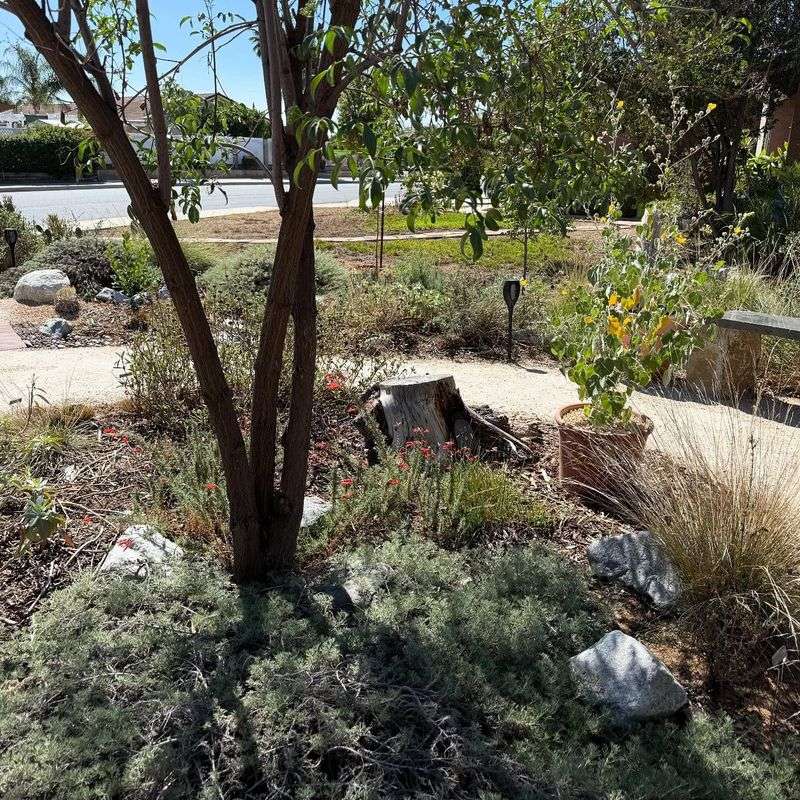
Even with rock landscaping, homeowners must regularly clear away leaves, pine needles, and other debris that can accumulate and create fire hazards.
Wind blows organic material into yards throughout the year, and these materials can burn just as easily as mulch if left to pile up.
California fire officials recommend inspecting your property at least once a month during fire season to remove anything that could catch fire.
Gutters, roof valleys, and spaces between rocks need special attention since embers often settle in these hidden spots during windstorms.
Trimming tree branches that hang over your roof and keeping grass short also prevents flames from reaching your home during wildfires.
Many neighborhoods organize community cleanup days where residents help each other maintain fire-safe properties throughout California’s high-risk areas.
Consistent maintenance habits make the difference between theoretical fire safety and actual protection when wildfire conditions threaten your community.
9. Local Ordinances Are Changing
Some California cities and counties have begun passing laws that restrict or ban the use of flammable mulch in certain neighborhoods.
These ordinances typically apply to areas designated as very high fire hazard severity zones where wildfire risk is extremely elevated.
Homeowners in these zones may receive notices requiring them to remove wood mulch and replace it with fire-resistant materials within specific timeframes.
California municipalities are also updating building codes to require non-combustible landscaping for all new construction in fire-prone areas.
While some residents initially resist these changes, most come to appreciate the added protection once they understand the serious fire risks involved.
Code enforcement officers may inspect properties and issue warnings or fines to homeowners who do not comply with new landscaping safety requirements.
These evolving regulations reflect California’s commitment to reducing wildfire damage and protecting communities through smarter land use and landscaping standards.
10. Long-Term Cost Savings Add Up

Although rock and gravel landscaping may cost more initially than buying bags of mulch, the long-term savings are quite impressive.
Mulch needs replacing every year as it decomposes, while rocks last indefinitely without breaking down or requiring frequent purchases.
California homeowners save money on water bills when they switch to rock landscaping with drought-resistant plants that need minimal irrigation.
Lower insurance premiums for fire-safe properties can offset landscaping costs within just a few years of making the improvements.
Reduced maintenance time means less money spent on yard work services or fewer hours spent doing the work yourself each month.
Properties with fire-resistant landscaping often have higher resale values because buyers in California increasingly prioritize wildfire safety features when house hunting.
Investing in no-mulch landscaping today protects your home while delivering financial benefits that continue growing year after year throughout California.