Why Some Kentucky Gardeners Are Worried About Soil Quality After A Recent Chemical Spill
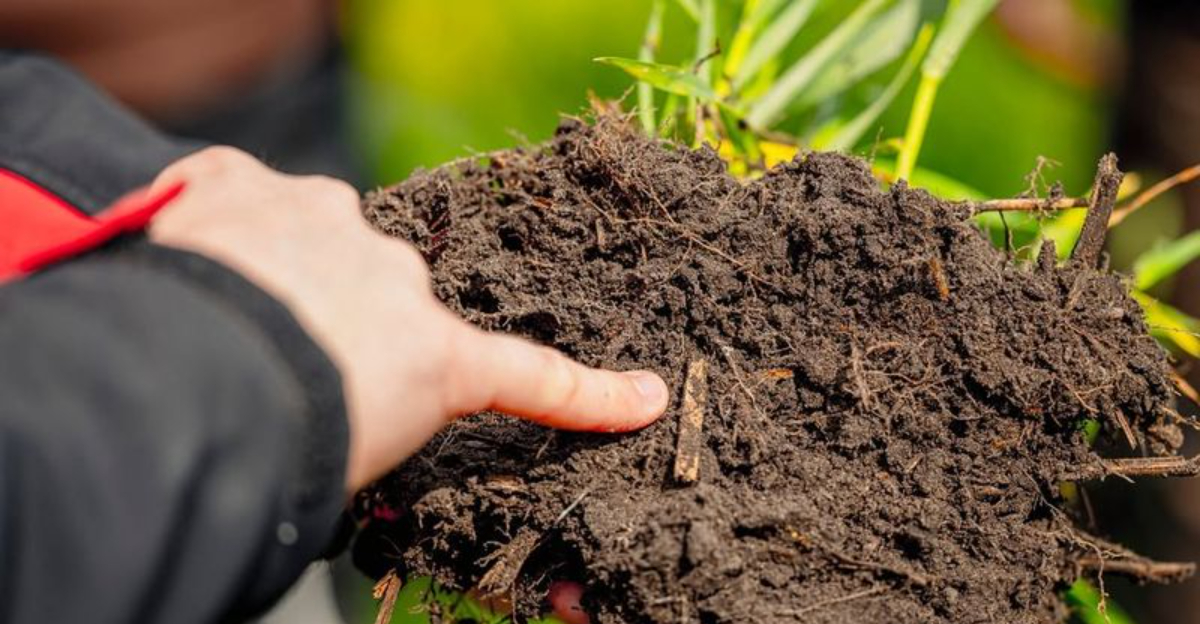
Many Kentucky gardeners are feeling a bit unsure right now after hearing about a recent chemical spill in their area.
Garden plans that once felt simple suddenly come with a little extra hesitation as people think about what their soil might be going through.
Some folks are talking about pressing pause on planting just to feel more comfortable while updates slowly roll in.
Raised beds, containers, and quick clean-soil setups keep popping up in conversations as gardeners look for temporary peace of mind.
The waiting game isn’t easy, and the whole situation has created this strange mix of curiosity and caution in local gardening circles.
Even with the uncertainty, people keep swapping tips and sharing support, turning a stressful moment into something that feels a little more manageable.
1. The Chemical Spill Happened Near Agricultural Areas
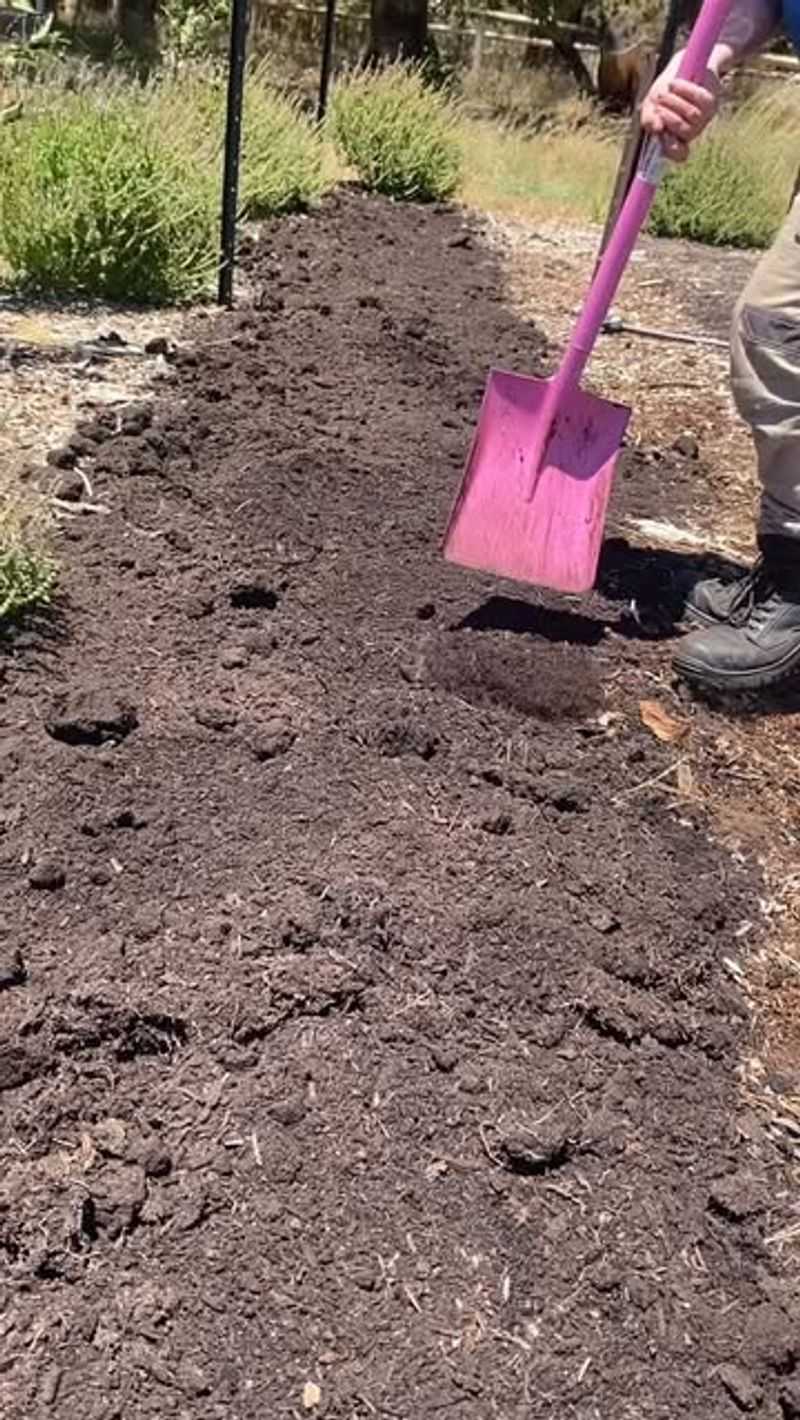
Some reports mentioned that the chemical spill was located close to areas where many Kentucky residents grow crops and maintain home gardens.
Because of that proximity, people began paying more attention to how nearby farmland and backyard plots might be affected.
Gardeners started asking questions about soil conditions simply because the spill was described as being near places where food is commonly grown.
Local conversations picked up quickly as residents tried to understand how close their own gardens might be to the reported location.
The situation encouraged many people to stay alert until officials provide clear information about any potential impacts on agricultural zones.
Some growers mentioned feeling uneasy simply because any incident near agricultural land naturally draws extra attention.
People who rely on these areas for seasonal produce began following updates more closely to stay informed.
Even without confirmed details, the idea of a spill near farmland created a moment of caution for many Kentucky gardeners.
2. Soil Testing Is Becoming A Priority For Concerned Gardeners
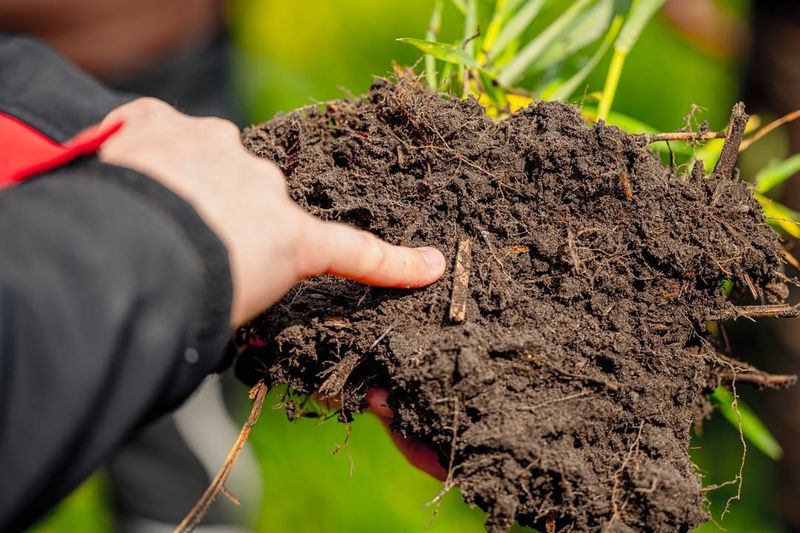
Many Kentucky gardeners are turning to soil testing to understand whether their soil may have been affected.
Professional tests can detect heavy metals, petroleum byproducts, and other chemicals that might be relevant depending on the nature of the incident.
Local extension offices and environmental groups in Kentucky often offer affordable or free soil testing services for residents with concerns.
Without testing, gardeners are left guessing, which is why demand for accurate results has increased.
Experts recommend collecting samples from multiple areas of the yard to get a complete picture.
Once results come in, specialists can explain what the numbers mean and whether any precautions are needed.
For many residents, soil testing provides peace of mind during a period of uncertainty.
Some gardeners are even forming small neighborhood groups to test their soil together so they can compare findings and support one another.
Others are keeping careful records of their test results to monitor any changes over time and guide future gardening decisions.
3. Some Vegetables Absorb Contaminants More Easily Than Others
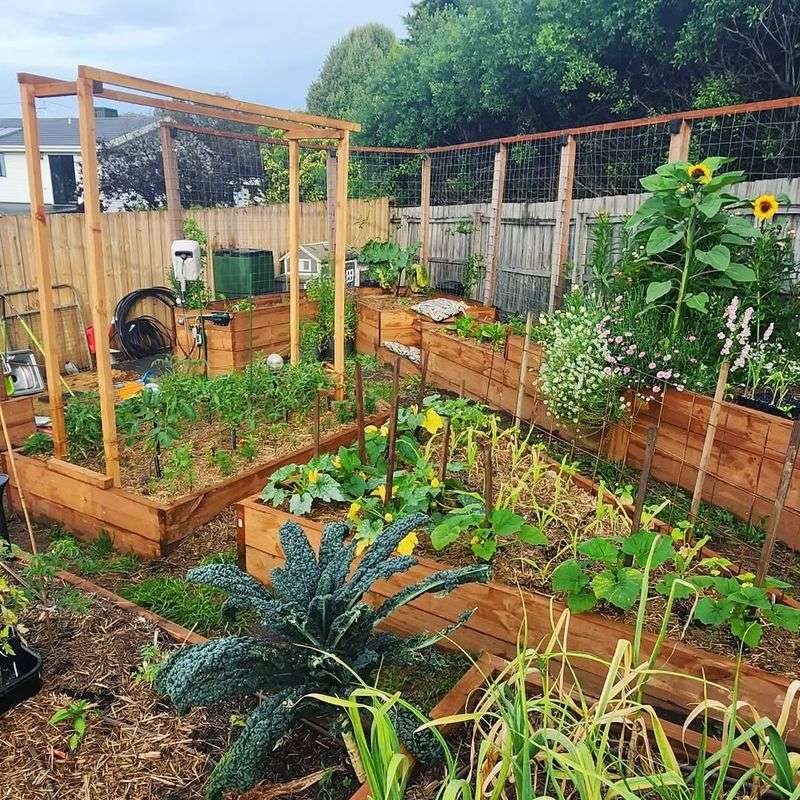
Not all plants behave the same when grown in soil that might contain contaminants.
Leafy greens like lettuce, spinach, and kale tend to absorb substances from soil more readily, which is why gardeners are being cautious until test results are available.
Your Kentucky Garden Changes Every Week. Your Plan Should Too.
Gardening in Kentucky changes quickly throughout the season. Every Friday you’ll receive a simple weekly plan showing exactly what to plant, prune, fertilize, harvest, and protect so you never miss the right timing.
Root vegetables such as carrots, beets, and potatoes grow in direct contact with soil, making them another category people are approaching carefully.
Fruiting plants like tomatoes and peppers are often considered lower-risk because the edible parts grow above ground, though gardeners are still staying informed.
While waiting for test results, many residents are adjusting their planting plans or temporarily avoiding high-risk crops.
Even mild contamination, if present, could influence which vegetables feel safer to grow.
Local agricultural experts are helping residents choose appropriate crops during this uncertain time.
Some gardeners are switching to container growing until they receive more clarity about their soil conditions.
Others are experimenting with small test plots to observe how different vegetables respond before committing to full-season planting.
4. Raised Beds Are Becoming A Popular Safety Measure
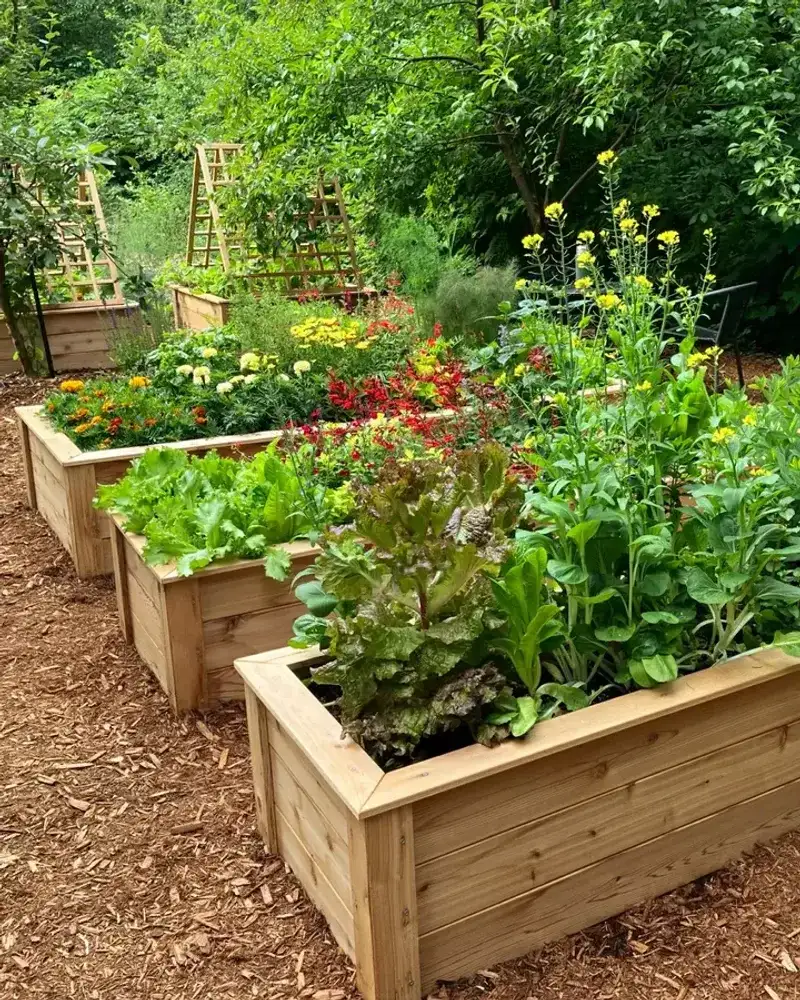
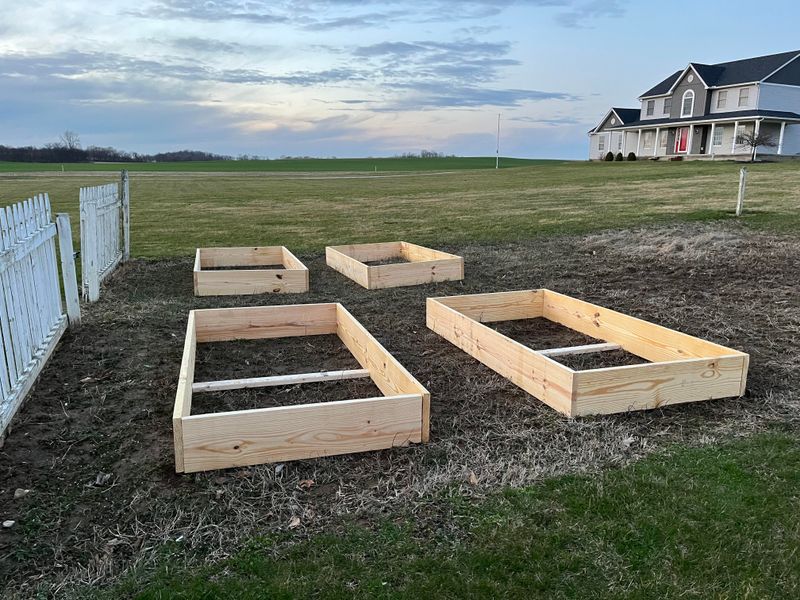
Raised beds filled with clean soil give gardeners more control when they’re unsure about what’s in the ground beneath them.
These beds create a physical barrier between plants and any potential contaminants that could exist in native soil.
Using certified soil or compost from trusted suppliers helps gardeners feel more confident about what they are growing.
Many Kentucky residents say raised beds offer both safety and convenience while they wait for more information.
Improved drainage and easier maintenance make raised beds an appealing long-term option for many households.
Lining the bottom of the beds can help reduce the risk of unwanted substances moving upward into the clean soil.
Although they require some investment, raised beds provide a sense of security for gardeners concerned about their soil.
Some gardeners are expanding their raised bed setups this season so they can continue growing a full variety of vegetables without worry.
Others are experimenting with different bed sizes and materials to see which designs work best for their space and comfort level.
5. Gardeners Are Also Thinking About Water Sources
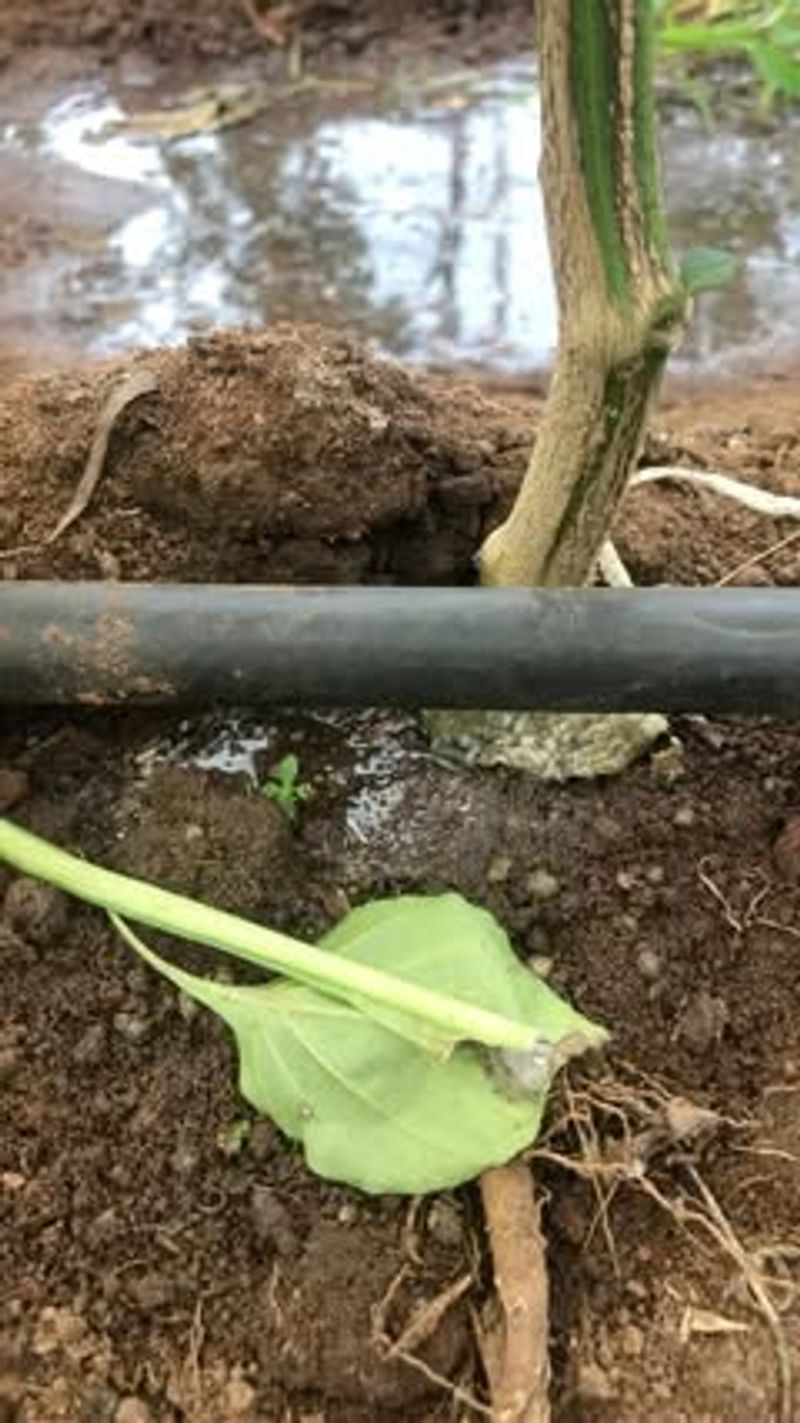
Questions about water quality have emerged because chemical spills can sometimes affect nearby wells or streams depending on conditions.
Gardeners who rely on well water are being encouraged to test it before using it on edible plants.
Municipal water is typically monitored and treated, but many residents are still paying close attention to local water updates.
If a home water source raises concerns, some gardeners are temporarily using alternatives like rainwater or bottled water for irrigation.
Officials are monitoring the situation, but individual water testing gives the clearest information for each household.
Protecting water sources helps gardeners feel more secure while waiting for more definitive results.
Some residents have mentioned that taking small precautions with their water use helps them feel more comfortable during uncertain moments.
Clear guidance from local agencies is expected to help gardeners decide how to move forward with their regular watering routines.
6. Families Are Staying Alert As A Precaution
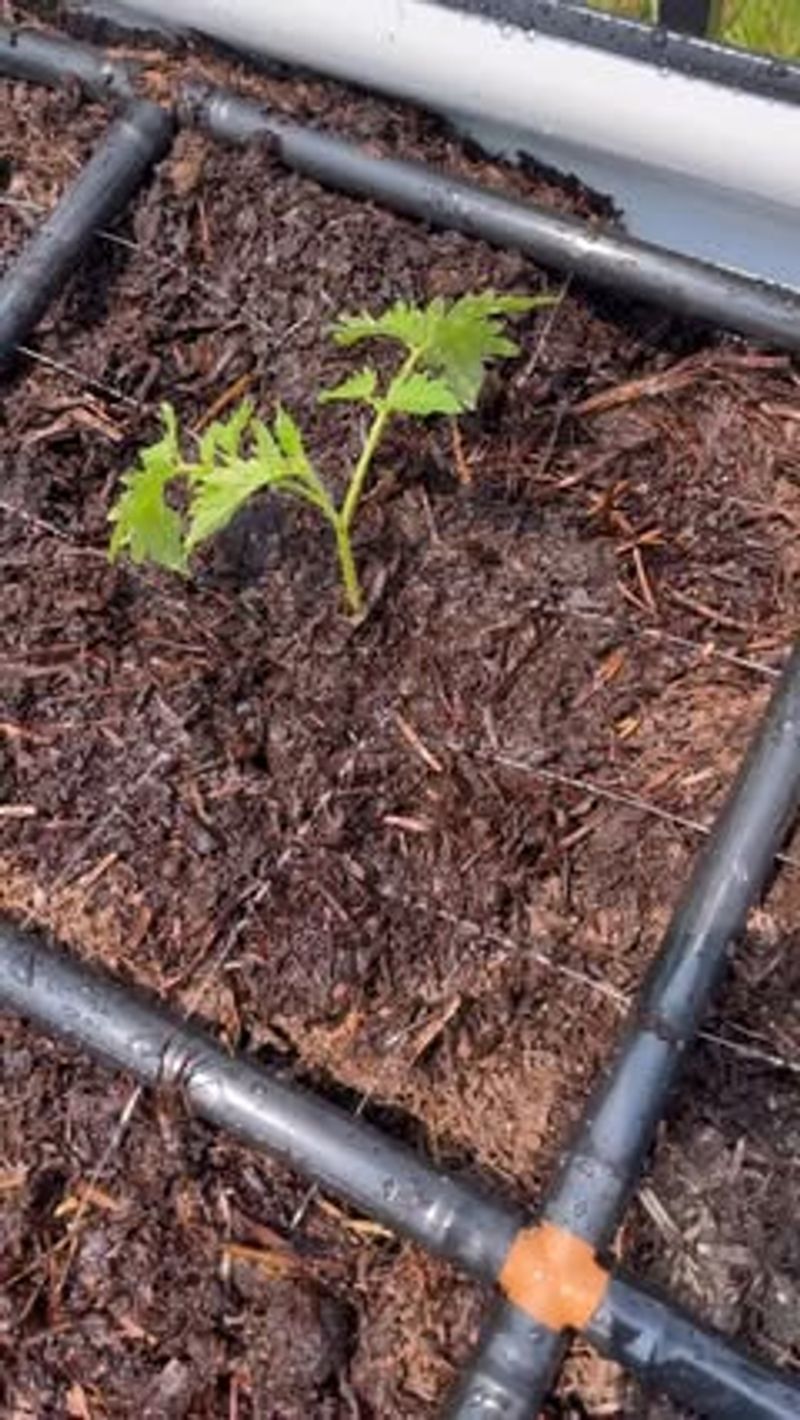
Some Kentucky families are paying closer attention to their health simply as a precaution while they wait for test results.
General symptoms like headaches, nausea, or skin irritation can have many possible causes, but residents want to stay aware.
Children and pets often spend more time outdoors, so some families are limiting direct contact with soil until they feel confident again.
If anyone develops unusual symptoms, residents are encouraged to consult medical professionals and mention any environmental concerns.
Keeping notes about timing, gardening activities, or food consumption can help doctors identify patterns if needed.
While precautionary, these small steps help families feel more in control during a period of uncertainty.
Some households are also reviewing their everyday routines to see whether simple changes might reduce potential exposure.
Others are choosing to temporarily focus on ornamental plants instead of edible crops until they have more clarity about their soil conditions.
7. Local Resources Are Helping Residents Navigate The Situation
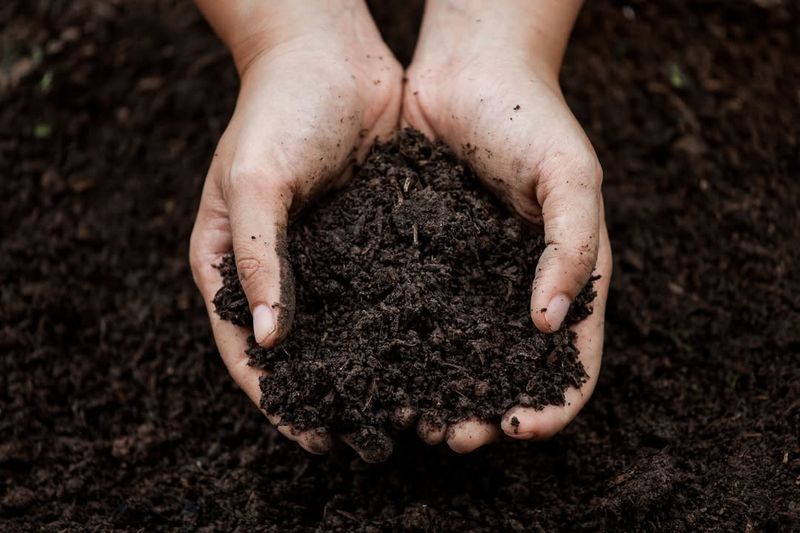
Kentucky has many organizations offering guidance for gardeners who have questions.
The University of Kentucky Cooperative Extension Service provides information on soil testing, gardening alternatives, and safety practices.
Local health departments also offer advice and can direct residents to appropriate testing facilities.
Community information sessions are helping residents understand what steps to take and what updates are available.
Online resources and hotlines give gardeners quick access to evolving information.
These organizations exist to support residents dealing with environmental uncertainty.
Using these resources helps gardeners feel informed and prepared.
8. Legal Rights And Compensation For Affected Gardeners
When environmental incidents are reported, some residents naturally wonder what their rights might be if their property were affected.
Environmental laws generally require responsible parties to address verified contamination, but each situation depends on confirmed evidence.
Gardeners are being encouraged to document receipts, testing results, and any changes in their gardens as a precaution.
Speaking with an environmental attorney can help residents understand what options might apply if contamination is ever confirmed.
Some gardeners prefer to gather documentation early in case questions arise later.
Keeping organized records provides clarity and preserves potential future options.
A few residents are also attending local meetings to stay informed about any developments that could influence their next steps.
Others are saving photos of their gardens throughout the season so they have a clear timeline of conditions if they ever need it.
9. Long-Term Soil Recovery May Require Patience
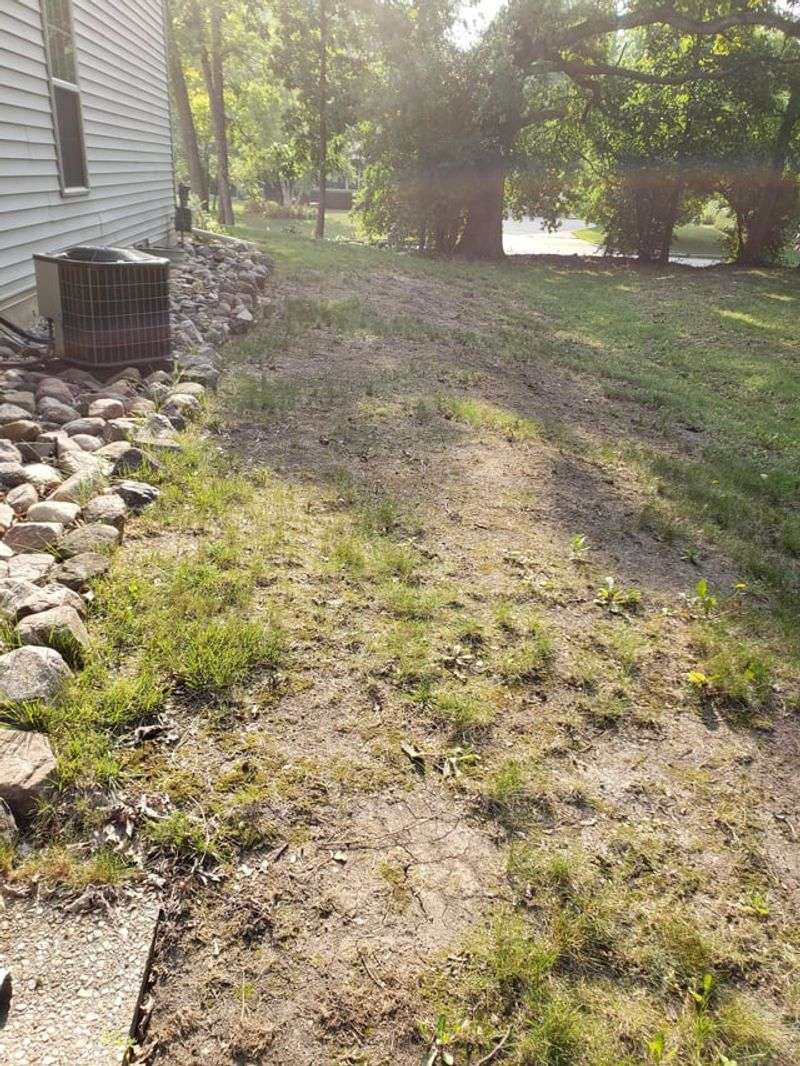
Cleaning up contaminated soil is possible, but the best approach depends on the type and level of contamination if any is found.
Phytoremediation uses certain plants to gradually reduce contamination levels over time.
Soil replacement removes the upper soil layer and replaces it with clean material, though this method can be labor-intensive.
Adding organic matter may help reduce how quickly plants absorb certain substances, depending on soil test results.
Professional remediation companies can offer tailored advice when contamination is verified.
Recovery timelines vary widely, so setting realistic expectations is important.
With the right approach, most gardens can eventually return to healthy, productive conditions.