Does A Neighbor’s Overgrown Ivy Make South Carolina Homeowners Responsible For Damage
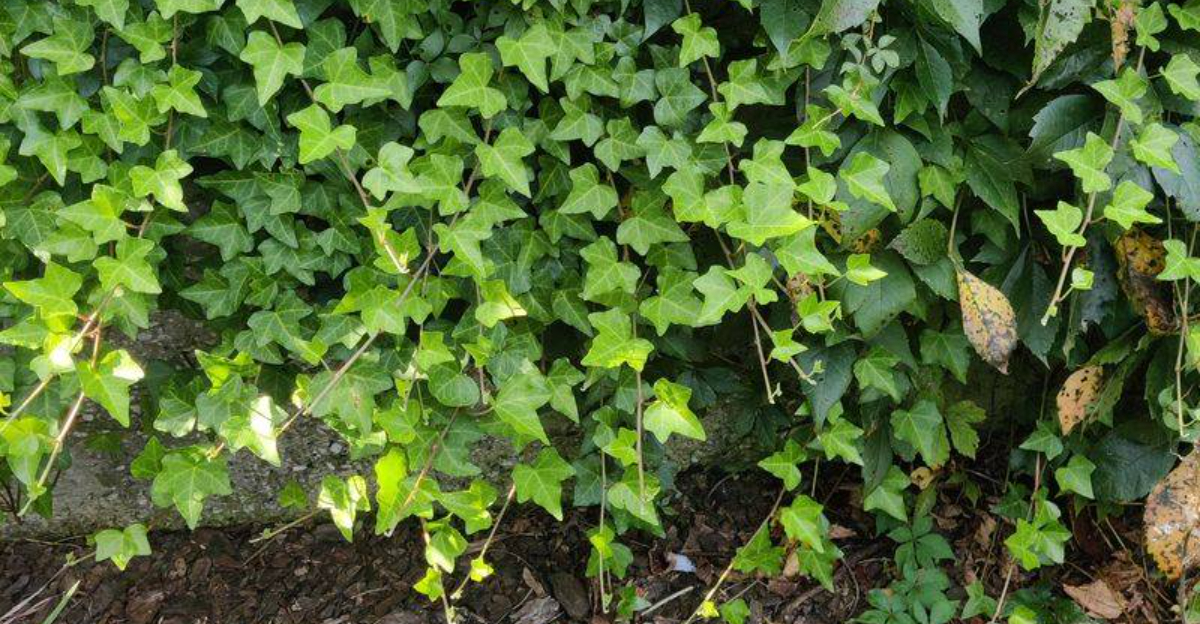
South Carolina homeowners keep swapping stories about ivy creeping over property lines, and the questions about responsibility are getting louder this season.
Each situation brings a mix of curiosity and concern as people notice how fast those vines can spread and how easily they can nudge into places they shouldn’t be.
The growing attention shows how important it feels to understand what happens when an overgrown plant starts causing trouble between neighbors.
1. Property Line Rules Matter Most
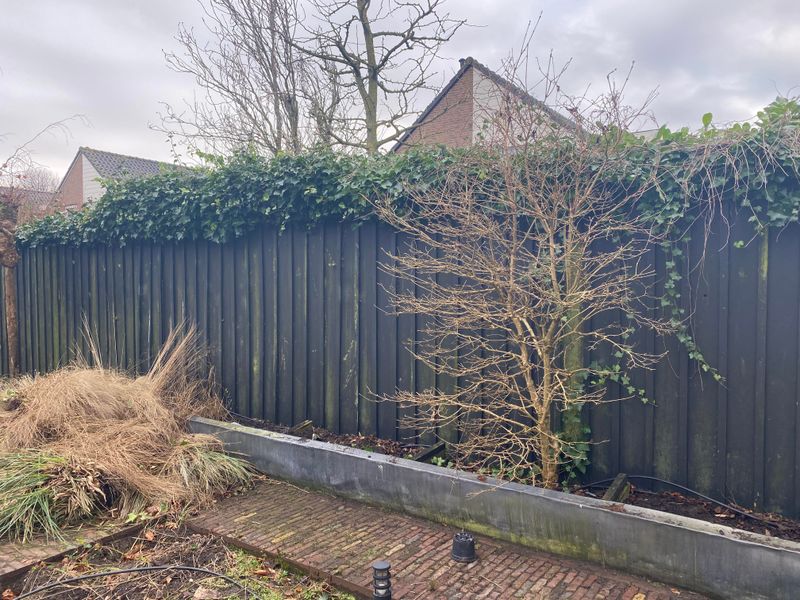
Property boundaries play a huge role in determining who handles ivy problems in South Carolina neighborhoods.
Generally, whatever grows on your side of the property line becomes your responsibility, even if the roots started in your neighbor’s yard.
South Carolina law typically follows the principle that landowners must maintain their own property and manage vegetation that crosses onto their land.
If ivy from next door creeps onto your fence, walls, or roof, you usually have the right to trim it back to the property line.
However, you cannot go onto your neighbor’s property without permission to cut the vines at their source.
Documenting where the property line sits can prevent disputes later, so consider getting a survey done if boundaries seem unclear.
Many South Carolina homeowners find that a friendly conversation about shared vegetation issues works better than legal action, but knowing your rights helps you stand firm when needed.
2. Damage From Ivy Can Be Expensive
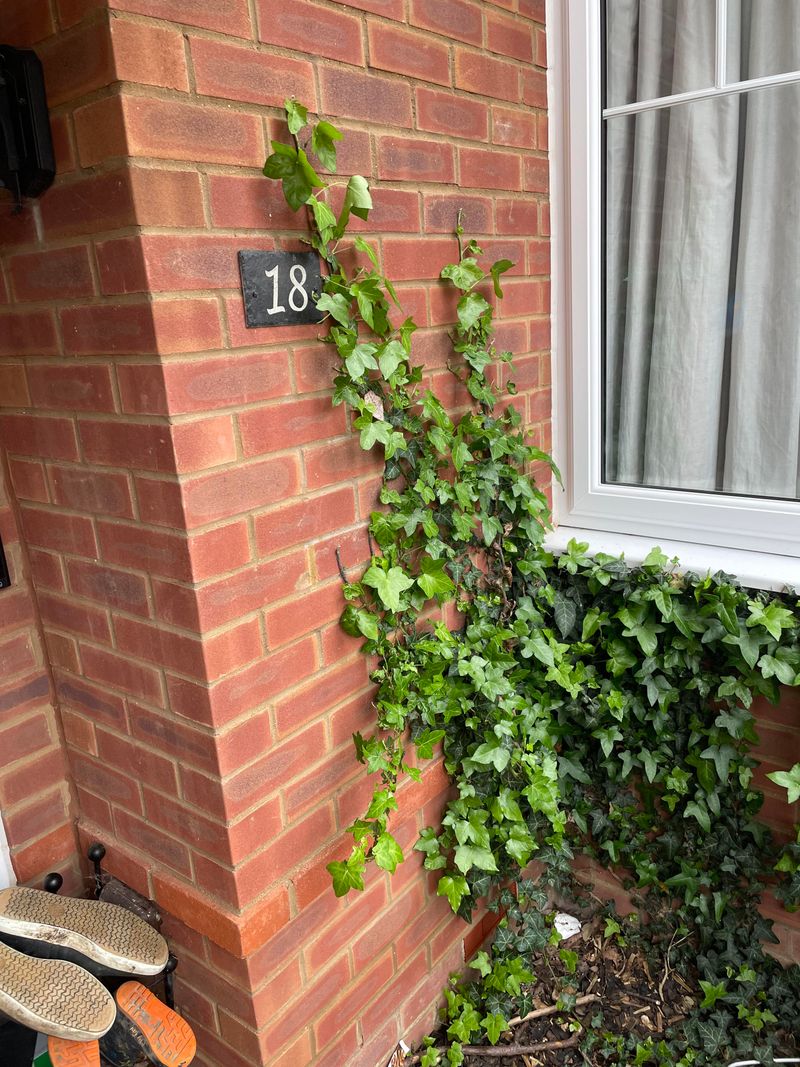
Ivy might seem harmless, but it can cause thousands of dollars in damage to your South Carolina home over time.
The tiny roots that help ivy climb can work their way into cracks in mortar, siding, and even roofing materials, widening gaps and letting moisture seep inside.
Once water gets behind your walls, mold growth and wood rot can follow, creating health hazards and expensive repair bills.
Ivy also blocks gutters and downspouts, leading to water overflow that damages foundations and landscaping around South Carolina properties.
Paint can peel away when you try to remove established ivy, and the adhesive residue left behind requires special cleaning or repainting.
Window frames and trim boards become targets too, as ivy searches for places to anchor and spread its growth.
Catching ivy problems early saves money, so regular inspections of your home’s exterior help you spot trouble before it gets out of hand.
3. Notification Should Come First
Before taking any drastic action, reach out to your neighbor about the ivy issue in a calm and respectful way.
Many South Carolina residents simply don’t realize their plants have become a problem for someone else, and a polite heads-up often solves the situation quickly.
You might send a friendly note or knock on their door to explain how the ivy is affecting your property and ask if they can trim it back.
Keeping written records of your conversations and any agreements made protects both parties if disagreements arise later on.
If your neighbor refuses to cooperate or ignores your requests, you can document this lack of response as evidence for potential legal steps.
Your South Carolina Garden Changes Every Week. Your Plan Should Too.
Gardening in South Carolina changes quickly throughout the season. Every Friday you’ll receive a simple weekly plan showing exactly what to plant, prune, fertilize, harvest, and protect so you never miss the right timing.
South Carolina courts generally look favorably on homeowners who made genuine efforts to resolve problems through communication before filing complaints.
Being a good neighbor yourself, even when frustrated, makes the entire process smoother and keeps your community relationships healthy and positive.
4. Nuisance Laws Apply in South Carolina
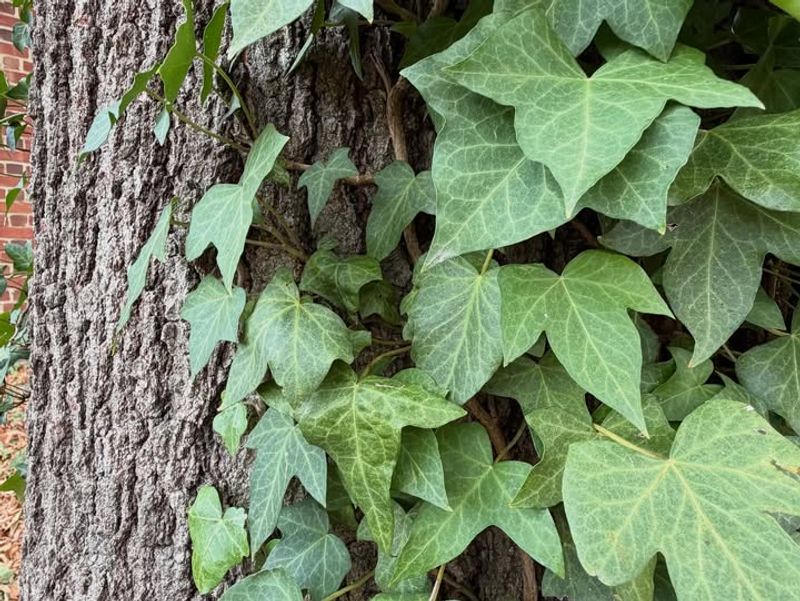
South Carolina recognizes the legal concept of nuisance, which can apply when a neighbor’s ivy causes unreasonable interference with your property enjoyment.
A private nuisance occurs when someone’s actions or negligence substantially interfere with another person’s use and enjoyment of their land.
Overgrown ivy that damages your home, blocks sunlight, or creates safety hazards might qualify as a nuisance under South Carolina law.
To prove nuisance, you typically need to show that the ivy problem is significant, ongoing, and unreasonable rather than just a minor annoyance.
Courts consider factors like the severity of damage, how long the problem has existed, and whether your neighbor knew about it but failed to act.
If you can establish a nuisance claim, you may be entitled to compensation for damages or a court order requiring your neighbor to remove the ivy.
Consulting with a South Carolina property attorney helps you understand whether your situation meets the legal threshold for pursuing a nuisance claim successfully.
5. You Can Trim Overhanging Vegetation
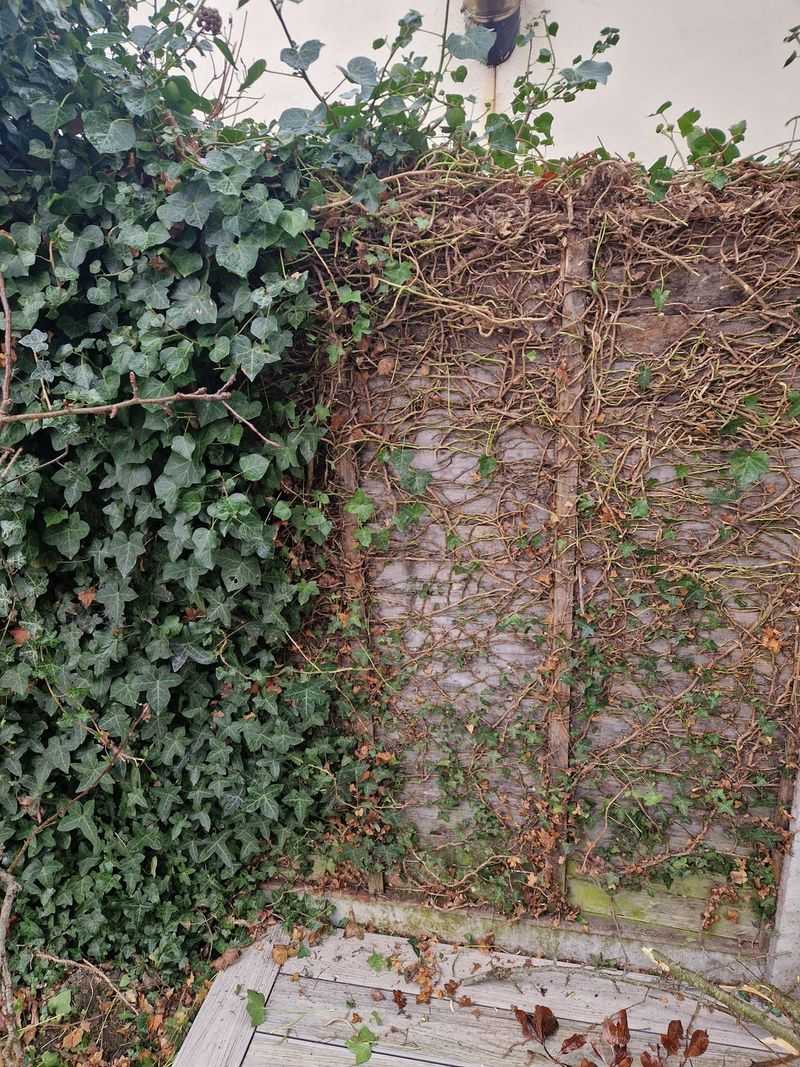
South Carolina law generally allows you to trim branches, vines, and other vegetation that cross over your property line without asking permission first.
This right of self-help means you can cut back the ivy to the boundary, but you must be careful not to damage the main plant or trespass on your neighbor’s land.
Any cutting should be done from your own property, and you cannot enter your neighbor’s yard to access the ivy’s roots without their consent.
When trimming, avoid using chemicals or methods that could harm the plant on your neighbor’s side, as this might create liability for you instead.
Dispose of the cut ivy properly, as leaving piles of vegetation along the property line can create new problems and look messy.
Taking photos before and after you trim provides documentation that you stayed within your rights and only addressed growth on your side.
Regular maintenance keeps ivy from returning, so South Carolina homeowners should plan to inspect and trim overgrowth several times during the growing season.
6. Insurance May Not Cover Neighbor’s Negligence
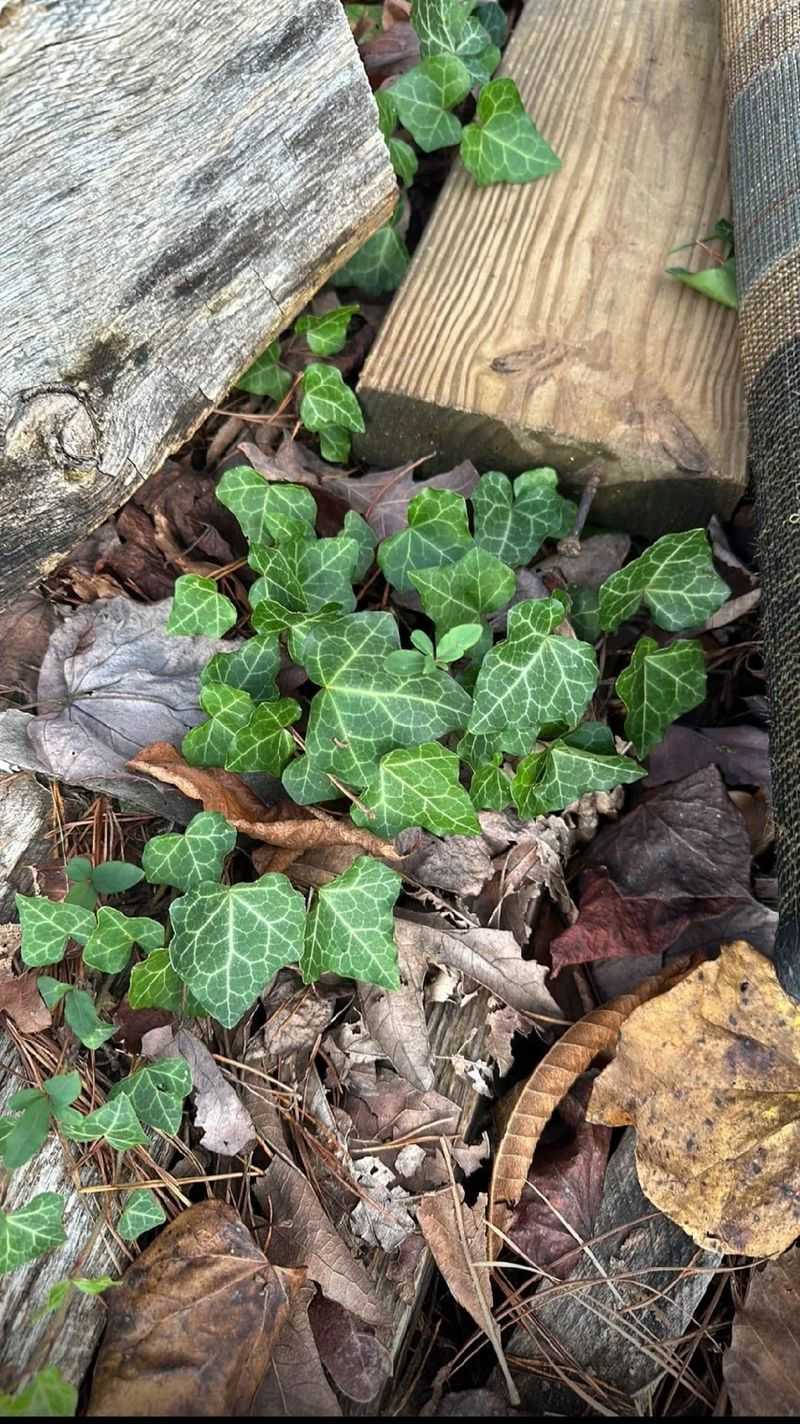
Your homeowner’s insurance policy might not cover damage caused by a neighbor’s overgrown ivy, depending on how your policy defines covered perils.
Most South Carolina insurance policies exclude damage from lack of maintenance, neglect, or gradual deterioration, which could include slow ivy damage.
If the ivy caused sudden and accidental damage, like pulling down a section of siding during a storm, your policy might provide coverage.
However, insurance companies often argue that homeowners should have prevented the problem by trimming the ivy regularly, denying claims as preventable.
You might need to file a claim against your neighbor’s homeowner’s insurance if their negligence directly caused significant damage to your South Carolina property.
Gathering evidence like photos, repair estimates, and records of your attempts to notify your neighbor strengthens your case with insurance adjusters.
Reading your policy carefully and discussing coverage questions with your insurance agent helps you understand what protection you actually have before problems escalate.
7. Mediation Can Resolve Disputes Peacefully
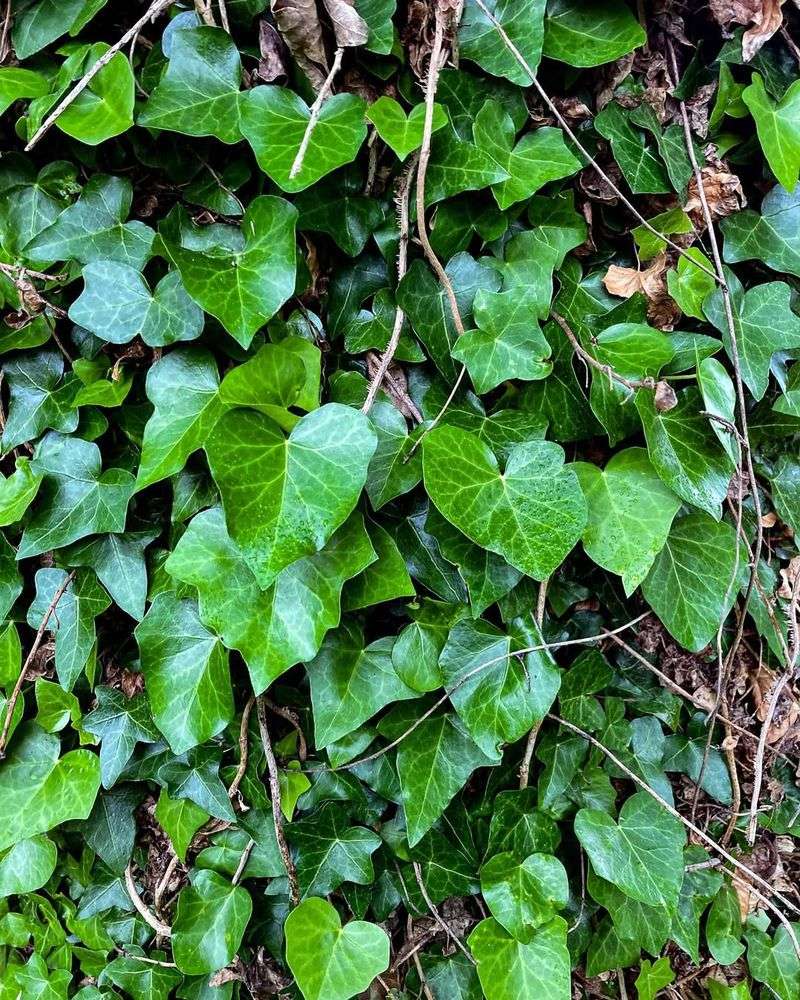
When direct conversations fail, mediation offers a less expensive and less stressful alternative to going to court over ivy disputes in South Carolina.
A neutral third-party mediator helps both neighbors communicate their concerns and work toward a mutually acceptable solution without a judge deciding the outcome.
Many South Carolina communities offer mediation services through local government offices, community centers, or private mediation organizations at reasonable costs.
Mediation sessions are confidential, so both parties can speak openly about their frustrations without worrying that their words will be used against them later.
Solutions reached through mediation often feel fairer to everyone involved because both neighbors have input rather than having a decision imposed on them.
Agreements made during mediation can be put in writing and signed, creating a binding contract that both parties must follow going forward.
South Carolina homeowners who choose mediation usually preserve their neighborhood relationships better than those who immediately resort to lawsuits and legal battles.
8. Document Everything for Legal Protection
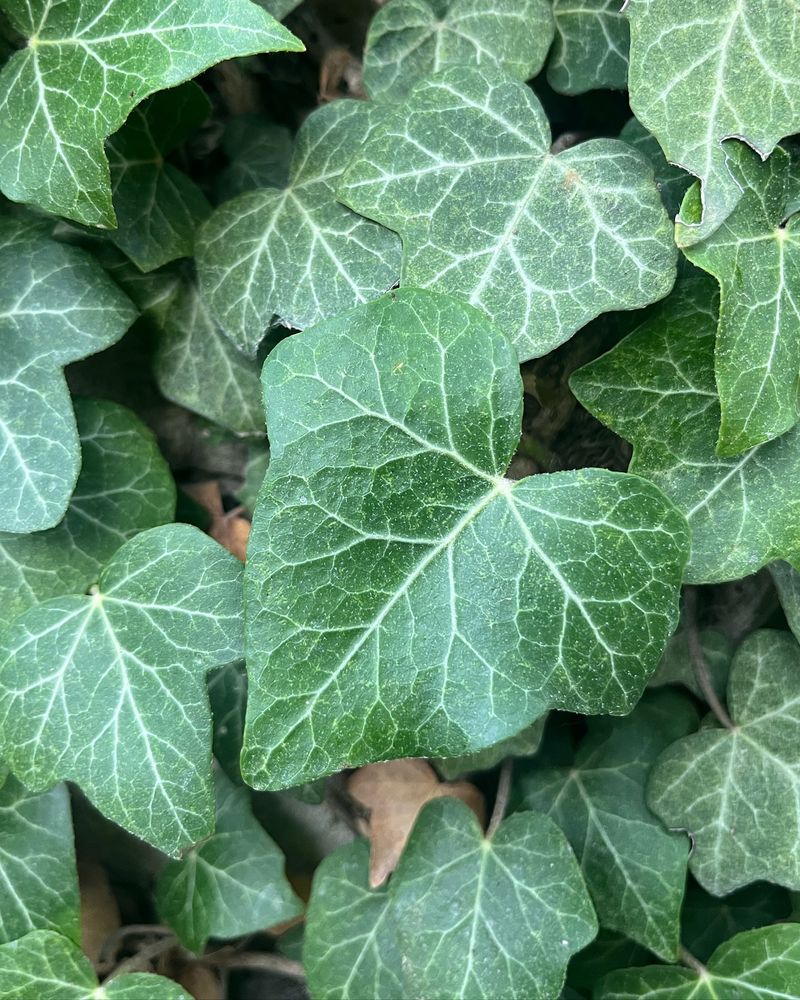
Creating a detailed record of the ivy problem and your efforts to address it protects you if the situation escalates to legal action in South Carolina.
Take clear, dated photographs showing where the ivy originates, how far it has spread onto your property, and any visible damage it has caused.
Keep copies of all letters, emails, or text messages you send to your neighbor about the ivy, along with notes about any in-person conversations you have.
If you hire professionals to assess or repair damage, save all invoices, estimates, and reports they provide as evidence of the costs you incurred.
Document the dates when you trimmed the ivy yourself, including photos of the vegetation before and after you cut it back to the property line.
Written records create a timeline that shows you acted reasonably and gave your neighbor chances to fix the problem before taking further steps.
South Carolina courts rely heavily on documentation when deciding property disputes, so thorough records can make the difference between winning and losing your case.
9. HOA Rules May Provide Additional Help

If you live in a neighborhood with a homeowners association, the HOA rules might address landscaping maintenance and overgrown vegetation issues in South Carolina.
Many HOA covenants require homeowners to keep their yards neat and prevent plants from encroaching on neighboring properties or common areas.
You can file a complaint with your HOA board about your neighbor’s ivy, and the association may send violation notices or impose fines.
HOA enforcement can be more effective than individual complaints because associations have the authority to take legal action or place liens on properties for violations.
Review your community’s governing documents to understand what landscaping standards exist and what remedies the HOA can pursue on your behalf.
Keep in mind that HOA processes can take time, and some associations are more responsive than others when handling neighbor disputes.
South Carolina homeowners should use HOA channels alongside personal communication rather than relying solely on the association to solve the ivy problem for them.
10. Legal Action Should Be Your Last Resort

Taking your neighbor to court over ivy damage should only happen after you have exhausted all other reasonable options available in South Carolina.
Lawsuits are expensive, time-consuming, and can permanently damage relationships with the people living next door to you for years to come.
You will need to hire an attorney, pay court fees, and possibly wait months or even years for a trial date and final judgment.
South Carolina courts expect plaintiffs to show they made good-faith efforts to resolve disputes before filing lawsuits, so document all your previous attempts.
If you do sue, you might recover damages for repairs, lost property value, and possibly attorney fees if your case is strong enough.
However, winning a judgment does not guarantee your neighbor will actually pay, and collecting on a court award can require additional legal steps.
Before filing suit, consult with a South Carolina property attorney to evaluate whether your case is likely to succeed and whether the potential recovery justifies the costs involved.