10 Ground Covers That Quickly Fill Bare Spots In California Gardens All Winter Long
California gardeners know winter isn’t a time for landscapes to go dormant—it’s a season of opportunity. With the state’s Mediterranean climate, cool-season rains encourage many ground covers to grow faster, greener, and fuller than they do in summer.
That makes winter the perfect time to patch bare soil, reduce erosion, suppress weeds, and create lush, low-maintenance garden spaces.
Whether you’re dealing with shady corners, sun-baked slopes, or spots where turf simply won’t survive, the right ground cover can transform empty patches into thriving, water-wise plantings.
From fast-spreading natives to resilient ornamentals that stay vibrant year-round, California offers an impressive palette of winter performers.
This guide highlights ten of the best ground covers that establish quickly during the cooler months, giving your garden a head start before spring.
If you’re ready for a landscape that fills in beautifully with minimal effort, these winter-friendly options are the perfect place to begin.
1. Creeping Thyme
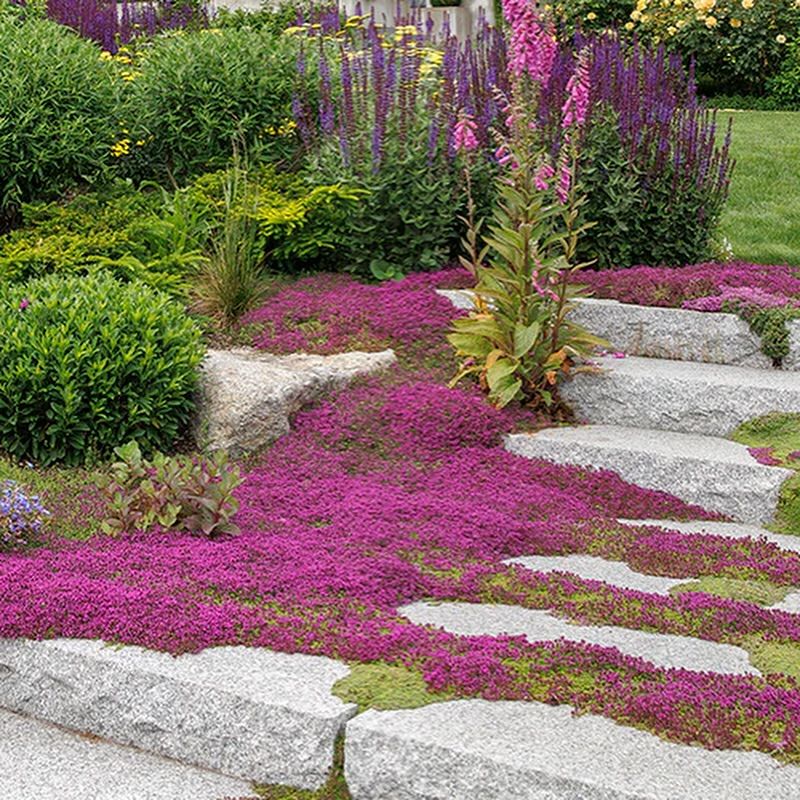
Imagine stepping into your garden and being greeted by a sweet, herbal fragrance wafting from beneath your feet.
Creeping thyme delivers exactly that experience while solving your bare-spot problems with impressive speed.
This low-growing herb stays semi-evergreen through California’s gentle winters, meaning it keeps its attractive foliage even when temperatures dip.
The plant sends out runners that root wherever they touch soil, creating a dense carpet that chokes out weeds naturally.
Drought tolerance makes it ideal for California’s unpredictable rainfall patterns, requiring minimal water once established.
You’ll love how it handles foot traffic better than many alternatives, releasing its signature scent when brushed or stepped on.
Varieties like Elfin thyme grow just two inches tall, while others reach four to six inches with seasonal blooms.
Plant divisions twelve inches apart in fall, and by spring you’ll have significant coverage.
The root system spreads horizontally rather than deeply, making it perfect for rocky or shallow soils common in California landscapes.
Bees and butterflies adore the tiny flowers that appear in late spring, adding ecological value to your space.
Between stepping stones, along pathways, or across slopes, creeping thyme adapts beautifully to various garden situations while staying attractive year-round.
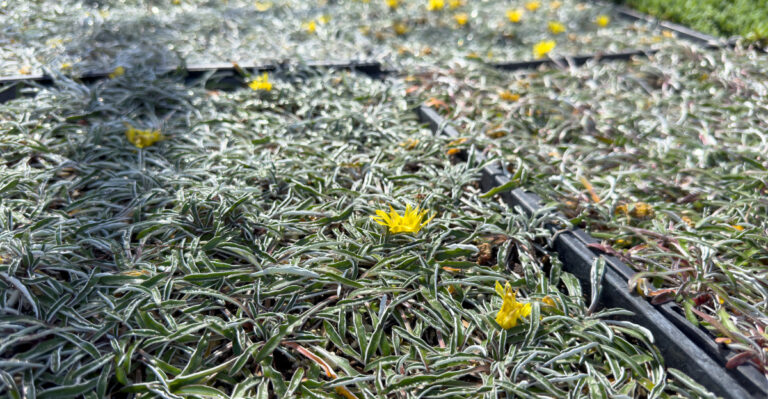
2. Dymondia (Silver Carpet)
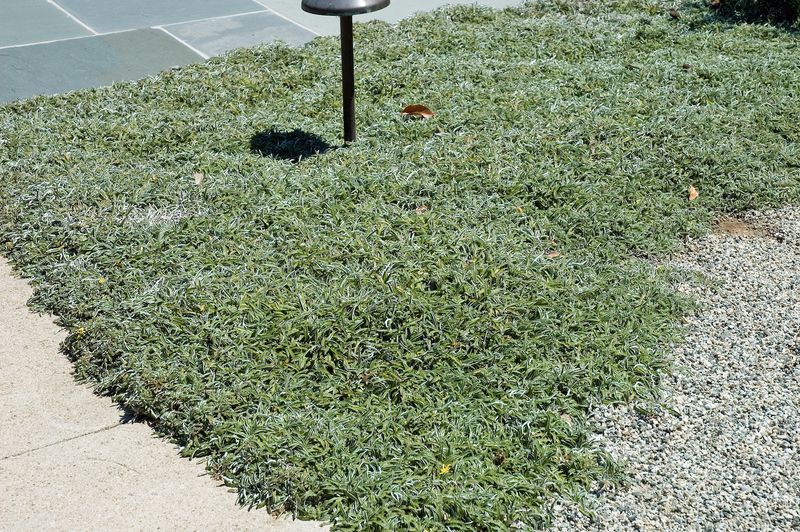
Picture a silvery-green carpet so dense that weeds simply give up trying to penetrate it.
Dymondia margaretae, commonly called silver carpet, creates exactly this effect with remarkable efficiency.
Native to South Africa, this plant has adapted beautifully to California’s Mediterranean climate, thriving in both coastal fog and inland heat.
The foliage features green tops with stunning silver undersides that shimmer when breezes flip the leaves.
During winter months, dymondia actually accelerates its growth thanks to California’s seasonal rains, spreading into bare areas faster than most alternatives.
Each plant forms a tight, low mat just one to two inches tall, perfect for areas where you want coverage without height.
The root system knits together so thoroughly that it creates a stable surface capable of handling moderate foot traffic.
Small yellow daisy-like flowers peek through the foliage in summer, adding cheerful pops of color.
Your California Garden Changes Every Week. Your Plan Should Too.
Gardening in California changes quickly throughout the season. Every Friday you’ll receive a simple weekly plan showing exactly what to plant, prune, fertilize, harvest, and protect so you never miss the right timing.
Once established, this ground cover needs almost no supplemental watering, making it exceptionally sustainable for California’s water-conscious gardeners.
Plant plugs about six to twelve inches apart, and watch them merge into a seamless carpet within months.
Slopes, parking strips, and areas between pavers become maintenance-free zones when dymondia takes hold.
This ground cover truly shines in winter when many plants look tired and sparse.
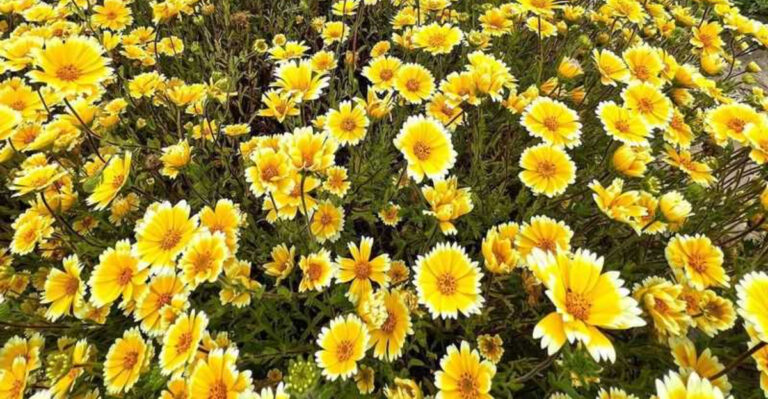
3. California Golden Poppy (Low-Growing Forms)
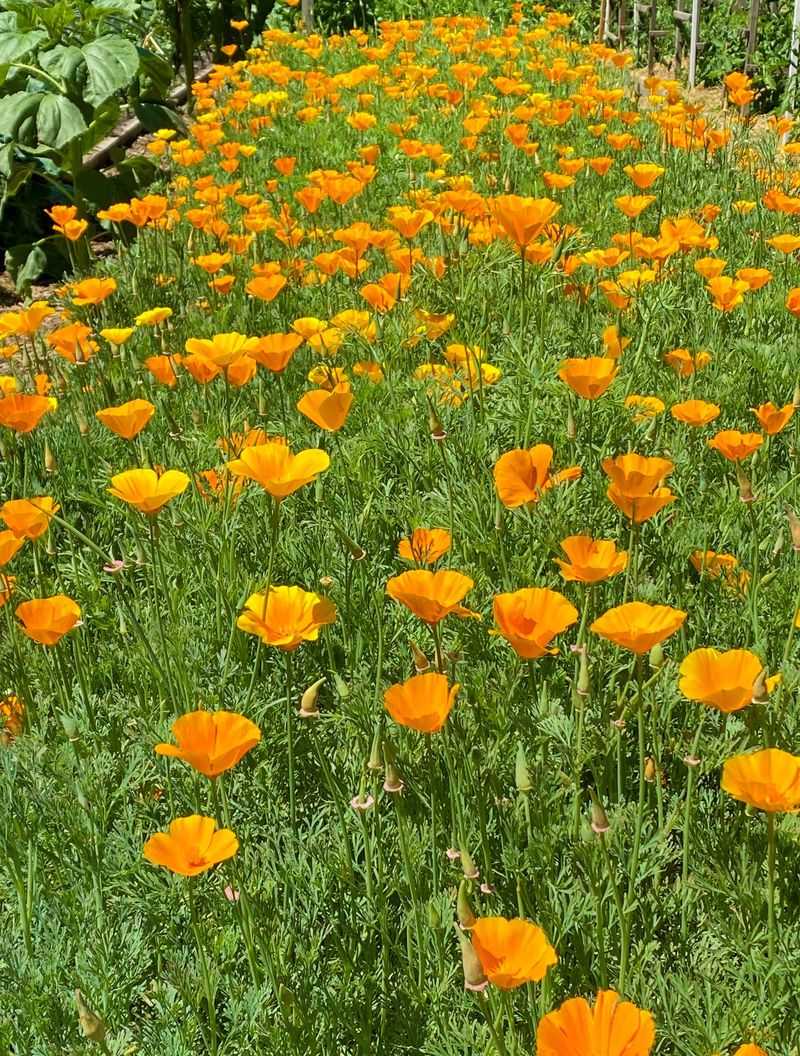
California’s state flower isn’t just a spring showstopper—it’s also a clever solution for winter bare spots.
When autumn rains arrive, low-growing poppy varieties spring to life with surprising speed.
Seeds that have been patiently waiting through summer’s heat suddenly germinate, sending feathery blue-green foliage across empty patches.
This native wildflower has evolved specifically for California’s climate patterns, making it perfectly adapted to fill gaps during cooler months.
The plants spread through reseeding rather than runners, but they do so prolifically when conditions are right.
By late winter, you’ll have a carpet of ferny leaves preparing to burst into brilliant orange blooms come spring.
Low-growing cultivars stay compact at four to eight inches tall, creating coverage without overwhelming nearby plants.
Their deep taproots access moisture other shallow-rooted plants miss, helping them establish quickly even in less-than-ideal soil.
Zero supplemental water is needed once these poppies get going, embodying true California-native resilience.
Birds appreciate the seeds, while bees swarm the eventual flowers, making your garden an ecological haven.
Scatter seeds over bare soil in October or November, rake lightly, and let nature handle the rest.
Within weeks, you’ll see green shoots emerging, and by February, those bare spots will be completely transformed into flowing waves of foliage.
4. Blue Star Creeper
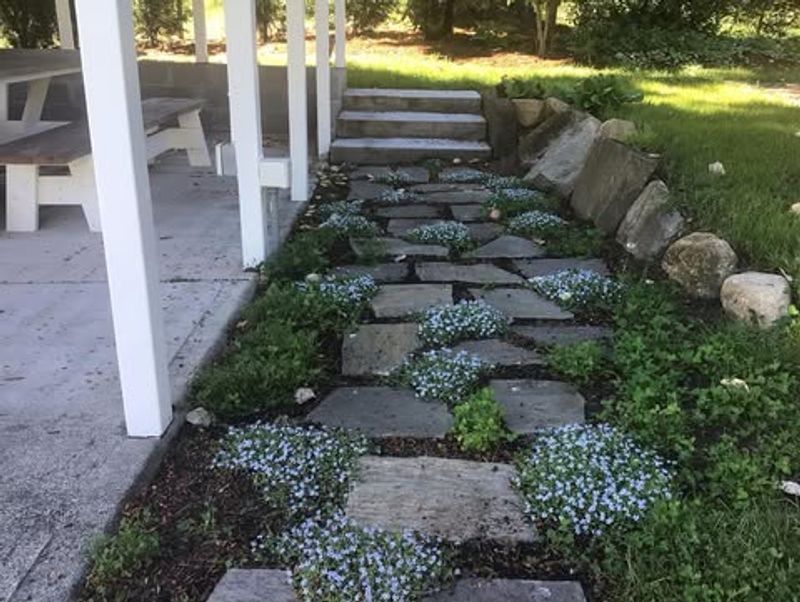
Have you ever wished for a ground cover that looks like a living tapestry of tiny stars?
Blue star creeper grants that wish while rapidly colonizing bare spots throughout California’s winter months.
This evergreen perennial actually prefers the cool soil temperatures that arrive with fall and winter, spreading faster during these seasons than in summer.
The plant forms a dense, emerald-green mat just two to three inches tall, studded with pale blue star-shaped flowers in spring.
Each tiny leaf cluster sends out new growth in multiple directions, filling gaps between pavers, along pathways, and in garden beds with impressive determination.
Unlike some aggressive spreaders, blue star creeper stays polite, easily controlled by simply pulling back excess growth.
It tolerates light foot traffic beautifully, making it ideal for areas where you occasionally walk but don’t want traditional lawn.
The plant appreciates regular moisture, which California’s winter rains naturally provide, reducing your watering duties significantly.
In shady spots where grass struggles, this creeper thrives, solving problems in those difficult north-facing areas.
Plant four-inch pots about six to twelve inches apart, and they’ll merge into a continuous carpet within a single growing season.
The fine texture creates visual interest without competing with showier plants nearby.
By early spring, your formerly bare patches will be completely covered in this charming, star-studded ground cover.
5. Clover (Microclover Or White Clover)
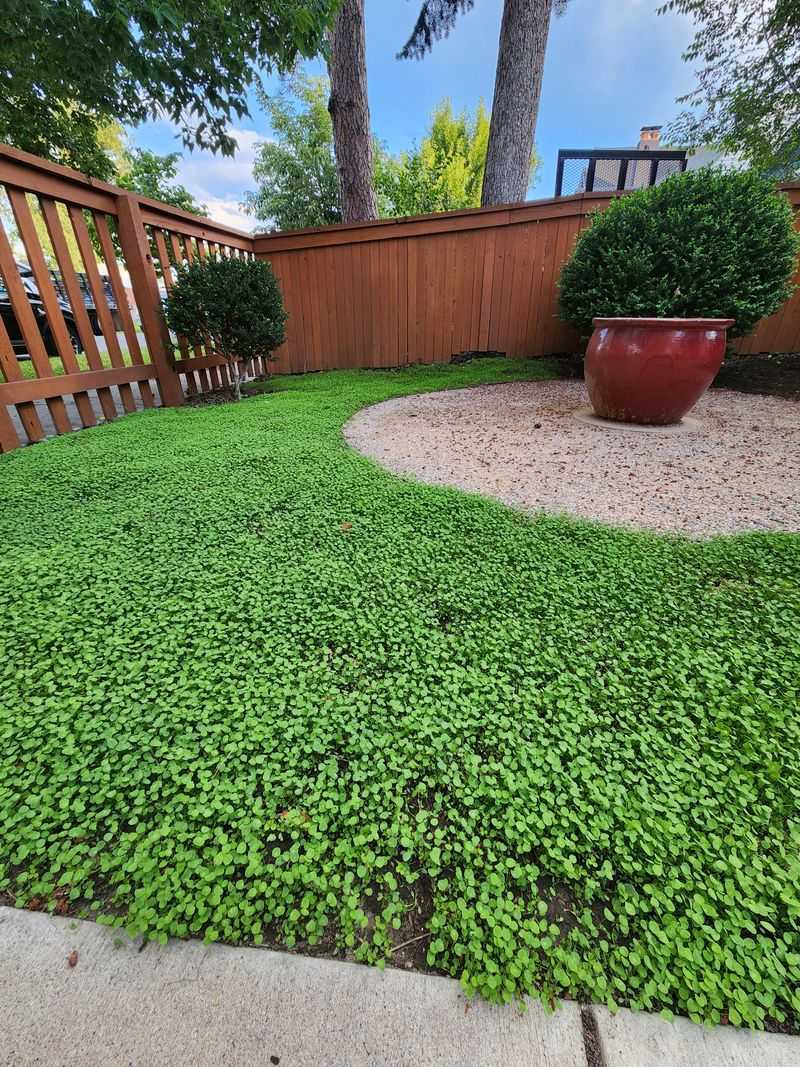
Forget everything you thought you knew about clover being just a lawn weed.
Modern microclover and white clover varieties are experiencing a renaissance as intentional ground covers that solve multiple garden problems simultaneously.
These legumes stay vibrantly green throughout California’s mild winters, spreading rapidly to fill bare spots while actually improving your soil.
The secret lies in their nitrogen-fixing ability—special root nodules convert atmospheric nitrogen into plant-available forms, enriching the earth beneath them.
This means surrounding plants benefit from the natural fertilizer clover produces, creating a healthier garden ecosystem overall.
Microclover varieties grow just four to six inches tall with smaller leaves than traditional types, creating a refined appearance that complements formal landscapes.
White clover spreads through both seeds and creeping stems that root at nodes, establishing coverage remarkably quickly.
Winter rains trigger vigorous growth, so bare patches planted in fall become fully covered by early spring.
The plants tolerate foot traffic well, staying green where grass might turn brown during drier winter periods.
Bees absolutely treasure clover flowers, making your garden a pollinator paradise when blooms appear.
Broadcast seeds over prepared soil in October, keep moist until germination, and watch the magic happen.
Within weeks, those unsightly bare areas transform into lush, green carpets that feed both your plants and beneficial insects.
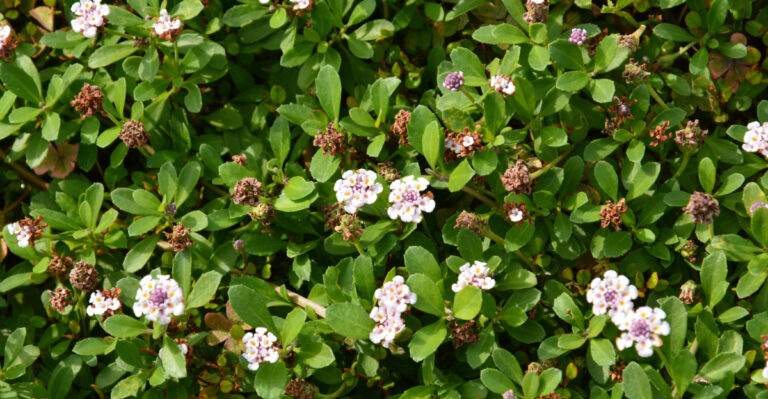
6. Lippia (Kurapia Or Phyla nodiflora)
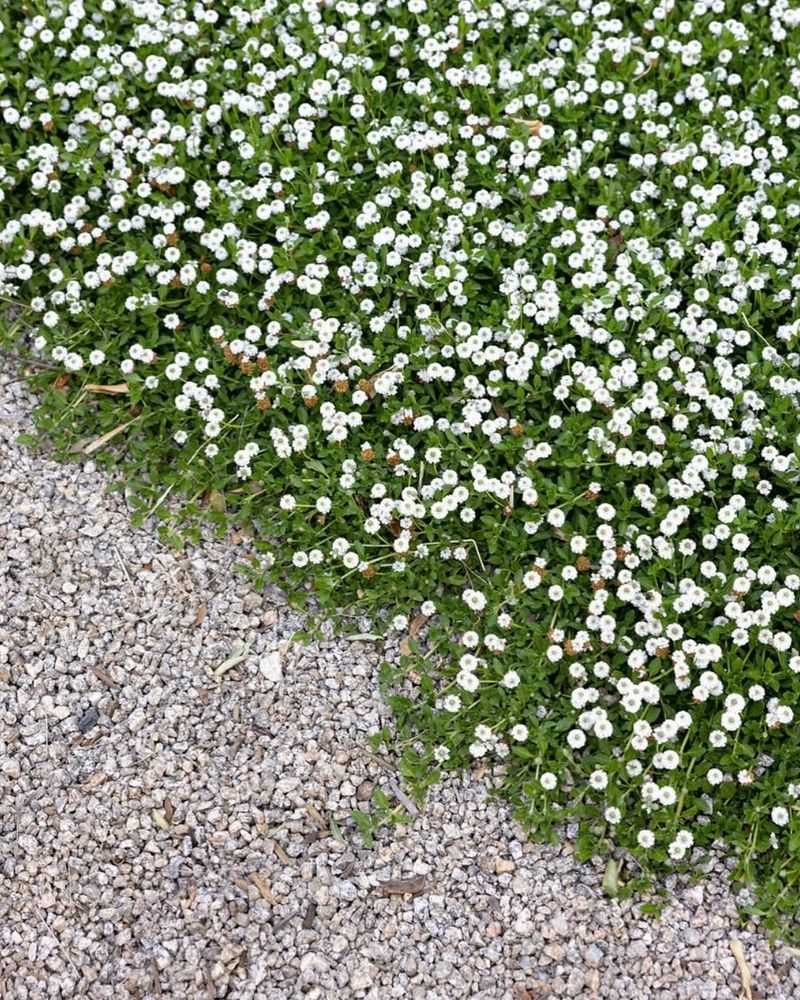
Meet the ground cover that’s revolutionizing California landscaping with its incredible spreading speed and toughness.
Lippia, particularly the Kurapia cultivar, establishes faster than almost any alternative while staying green through winter’s cooler temperatures.
This low-growing perennial was specifically bred for California conditions, combining drought tolerance with rapid coverage.
Winter moisture triggers aggressive horizontal growth, with stems rooting every few inches to create an interlocking mat.
The plant stays just two to three inches tall, forming such dense coverage that weeds simply cannot compete.
Once established, lippia needs up to sixty percent less water than traditional turf, making it exceptionally sustainable.
It handles foot traffic remarkably well, bouncing back quickly from compression that would damage other ground covers.
Tiny white to lavender flowers appear sporadically, attracting beneficial insects without creating pollen issues for allergy sufferers.
In frost-free coastal areas, lippia remains evergreen year-round, while inland gardens may see slight browning during coldest periods.
Plant four-inch plugs on twelve to eighteen-inch centers in fall, and by spring you’ll have near-complete coverage.
The root system stays relatively shallow, making it easy to contain if needed, though most gardeners appreciate its enthusiastic spreading.
Slopes, play areas, and lawn alternatives all benefit from this hardworking ground cover that truly shines during California’s winter growing season.
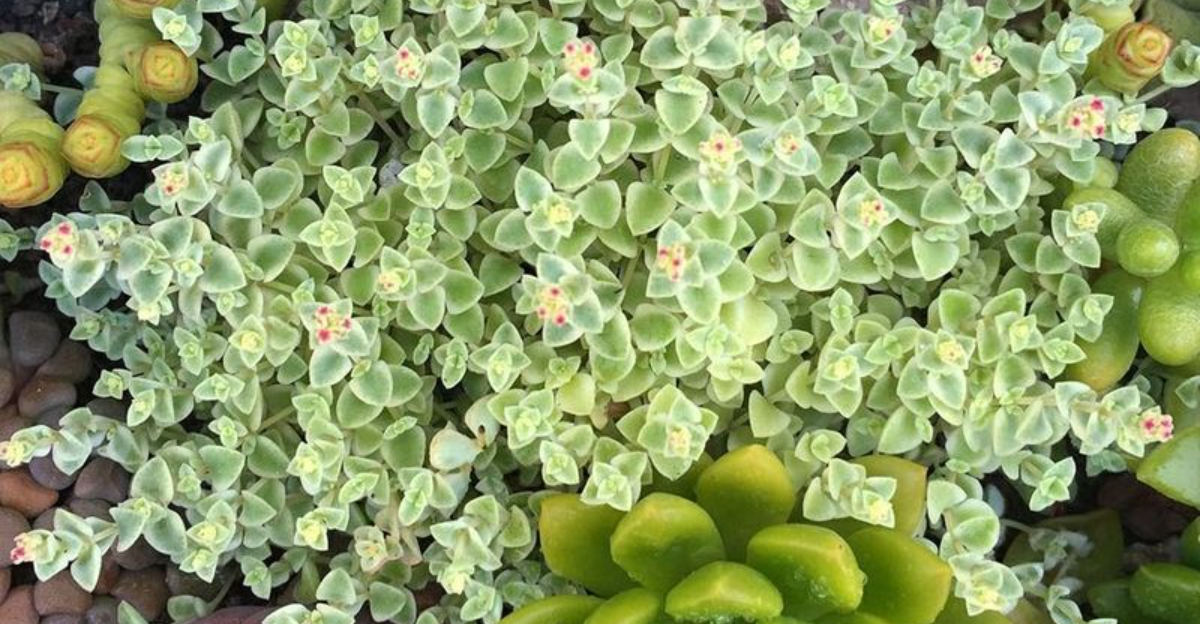
7. Succulent Sedum Varieties
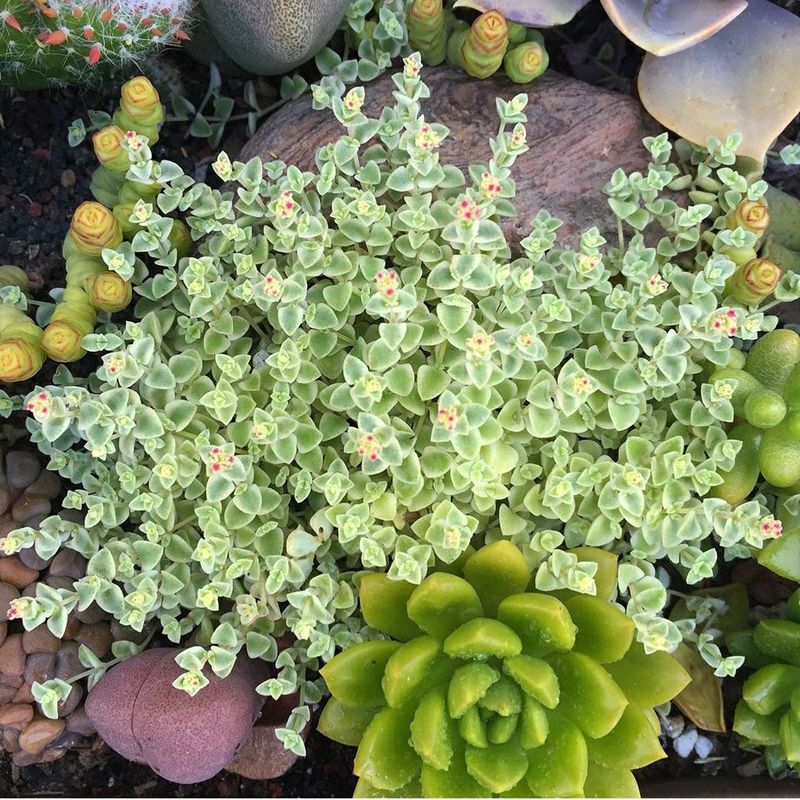
When you want ground coverage with zero fuss and maximum visual interest, sedums answer the call beautifully.
These succulent ground covers continue growing slowly through California’s winter months, steadily filling bare areas with their fleshy, colorful foliage.
Unlike many plants that go dormant when temperatures drop, sedums simply keep doing their thing, rooting wherever stems touch soil.
Varieties like Sedum acre (goldmoss stonecrop) and Sedum rupestre (angelina stonecrop) create carpets in shades from chartreuse to deep burgundy.
The plants store water in their thick leaves, making them incredibly drought-tolerant even during California’s occasional dry winters.
Each tiny leaf that falls can potentially root and start a new plant, leading to impressive spreading over time.
Winter rains encourage root development without causing the rot problems that plague sedums in humid climates.
They thrive in poor, rocky soils where other plants struggle, making them perfect for challenging spots in your landscape.
Heights range from just two inches to six inches depending on variety, all staying low and tidy without pruning.
Spring brings clusters of star-shaped flowers in yellow, white, or pink that pollinators adore.
Simply break off stems, lay them on bare soil, and they’ll root themselves—propagation doesn’t get easier than this.
Rock gardens, green roofs, and hellstrip areas all benefit from these tough little plants that deliver big impact with minimal care.
8. Ice Plant (Delosperma Or Carpobrotus varieties)
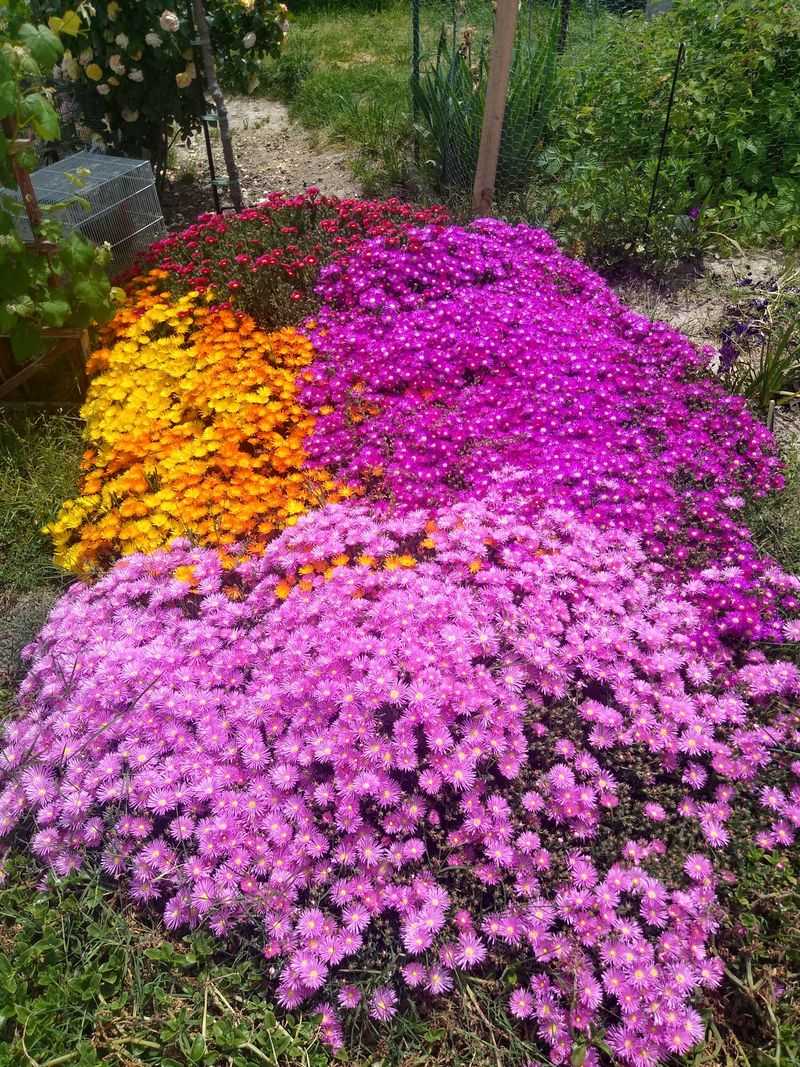
Bold, colorful, and nearly indestructible—ice plant brings drama to bare spots while solving erosion problems with style.
These succulent ground covers spread enthusiastically with winter moisture, sending trailing stems across soil, rocks, and slopes with determination.
Carpobrotus varieties (often called highway ice plant) create thick mats of triangular succulent leaves that can cover large areas remarkably quickly.
Delosperma types (hardy ice plant) offer more refined growth with smaller leaves and jewel-toned flowers in purple, orange, yellow, and pink.
Both types stay evergreen through California winters, maintaining their attractive appearance when many plants look bedraggled.
The thick, fleshy leaves store moisture, allowing ice plant to thrive with minimal supplemental watering once established.
Winter rains trigger new growth and root development, making fall planting ideal for fastest coverage.
Slopes that might otherwise erode become stabilized by ice plant’s extensive root systems and dense foliage.
Coastal gardens particularly benefit from these salt-tolerant plants that laugh at ocean spray and sandy soil.
Firewise landscaping projects often include ice plant because its high moisture content makes it relatively fire-resistant.
Plant divisions or four-inch pots about twelve to eighteen inches apart, and watch them merge into solid coverage within months.
By late winter, those bare spots will be completely transformed into colorful, textured carpets that require almost no maintenance going forward.
9. Creeping Jenny (Lysimachia nummularia)
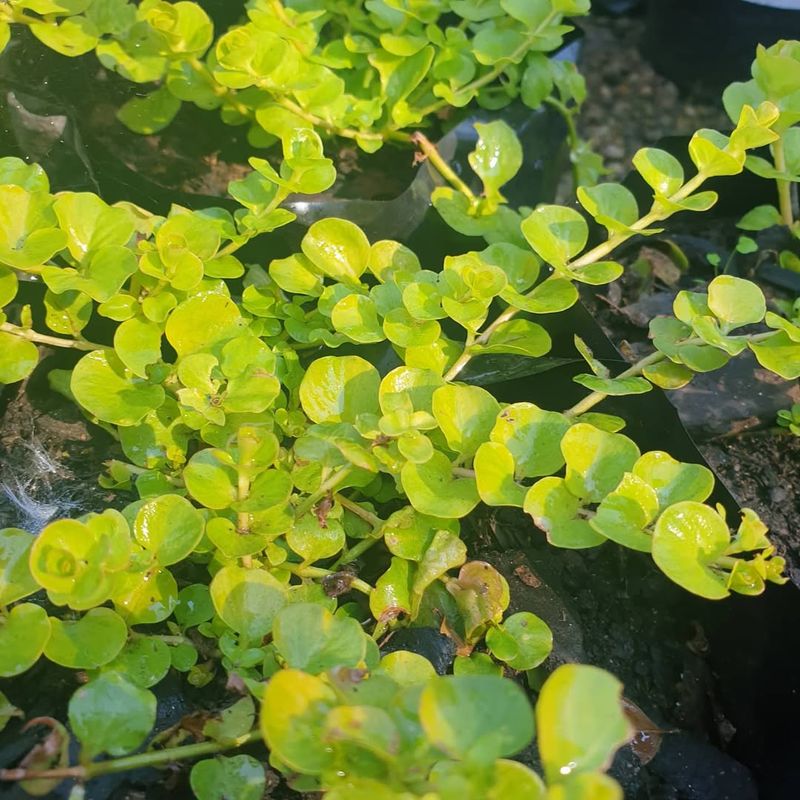
Bright chartreuse leaves that seem to glow in shady spots—creeping Jenny brings sunshine to difficult areas year-round.
This vigorous ground cover remains actively growing through California’s mild winters, rapidly trailing across soil and cascading over edges.
The round, coin-shaped leaves grow densely along stems that can extend several feet in a single season.
Unlike plants that slow down in cooler weather, creeping Jenny actually appreciates winter’s moderate temperatures and consistent moisture.
It roots at every leaf node that touches soil, creating an interlocking network that thoroughly covers bare patches.
The golden-leaved variety (Aurea) provides stunning color contrast against darker-leaved plants and mulch.
Shady areas where grass refuses to grow become lush carpets when creeping Jenny moves in.
Retaining walls and container edges transform into living waterfalls of golden foliage as stems cascade downward.
The plant tolerates both moist and moderately dry conditions, adapting to various garden microclimates with ease.
Small yellow cup-shaped flowers appear in summer, adding bonus interest beyond the already attractive foliage.
Plant rooted cuttings or divisions about twelve inches apart, and they’ll fill in completely within a few months.
Containment is easy—simply pull back growth that exceeds its boundaries, or use edging to define limits.
By spring, those formerly bare spots will be thoroughly covered in cheerful, glowing foliage that brightens even the shadiest corners.
10. Society Garlic (Dwarf Or Ground Cover Forms)
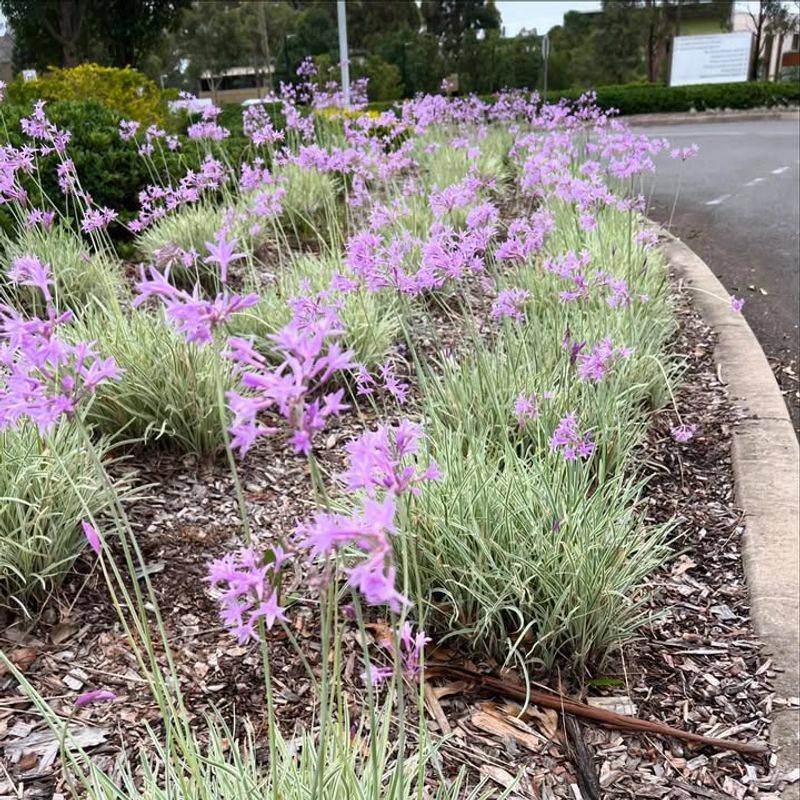
Who says ground covers can’t offer both beauty and function?
Dwarf cultivars of society garlic deliver evergreen coverage, deer resistance, and lovely flowers all in one hardworking package.
These compact forms stay just six to twelve inches tall, forming spreading clumps that multiply quickly during California’s cool-season weather.
The narrow, grass-like leaves remain green throughout winter, providing texture and structure when many perennials retreat.
Winter rains trigger active root division, causing established clumps to expand and fill adjacent bare areas naturally.
A mild garlic-onion scent deters deer, gophers, and other garden pests that might otherwise nibble your landscape plants.
Lavender-pink tubular flowers rise above the foliage sporadically throughout the year, with heaviest blooming in warmer months.
The plant tolerates various soil types and exposures, from full sun coastal gardens to partially shaded inland areas.
Drought tolerance develops quickly once roots establish, though occasional watering keeps foliage looking its best.
Dividing clumps every few years provides free plants to spread coverage even further or share with gardening friends.
Edging pathways, bordering beds, or filling parking strips all become easier when you deploy this versatile ground cover.
Plant divisions or gallon-sized containers about twelve to eighteen inches apart in fall, and watch them knit together by spring.
Those empty patches transform into tidy, evergreen carpets that require minimal attention while looking polished year-round.