10 Fragrant Plants Thriving In Maryland Gardens
Maryland gardens come alive when fragrant plants take center stage.
A single breeze can carry sweet notes across a yard, turning an ordinary day into something downright charming.
These scented favorites handle shifting Mid-Atlantic weather with ease, filling borders, walkways, and porches with blooms that smell as lovely as they look.
Some offer soft perfumes, others hit with bold aromas, yet all add a touch of magic that lingers long after the sun sets.
With the right mix, any garden can feel warm, inviting, and full of irresistible character.
1. Lavender
Walking past a lavender plant on a sunny afternoon is like stepping into a spa.
This Mediterranean beauty has adapted wonderfully to Maryland gardens, especially in areas with good drainage and plenty of sunlight.
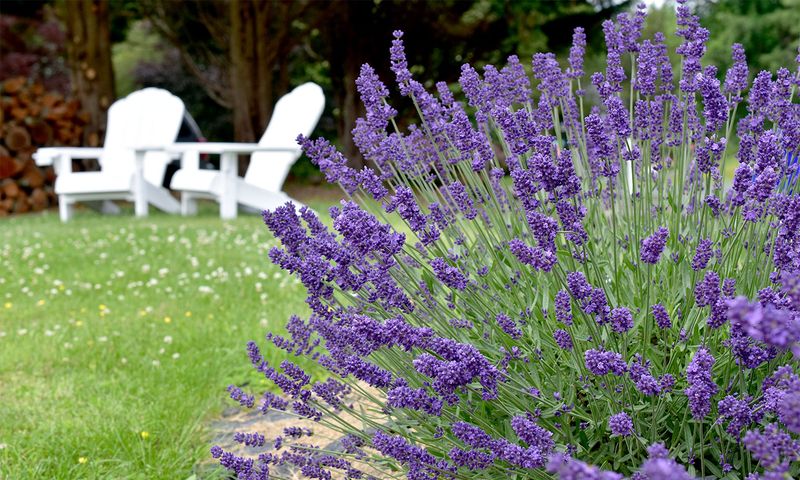
The silvery-green foliage looks attractive even when the plant isn’t blooming, but those purple flower spikes that appear in early summer are what gardeners really treasure.
Lavender releases its signature calming scent when you brush against it or when the sun warms its essential oils.
Maryland gardeners find that English lavender varieties perform best, handling the humidity better than some other types.
Plant it along walkways where people will naturally touch it as they pass, releasing that wonderful aroma.
This herb isn’t just pretty to look at and smell.
You can harvest the flowers for sachets, cooking, or homemade beauty products.
Bees absolutely adore lavender, making it an excellent choice for pollinator-friendly gardens across Maryland.
The plant prefers soil that drains well and doesn’t stay soggy, so adding some sand or gravel to your planting area helps.
Once established, lavender handles Maryland’s summer heat quite well and doesn’t need constant watering.
Trim it back after flowering to keep the plant compact and encourage bushier growth for next season’s blooms.
2. Gardenia
Few flowers can match the intoxicating perfume of a gardenia in full bloom.
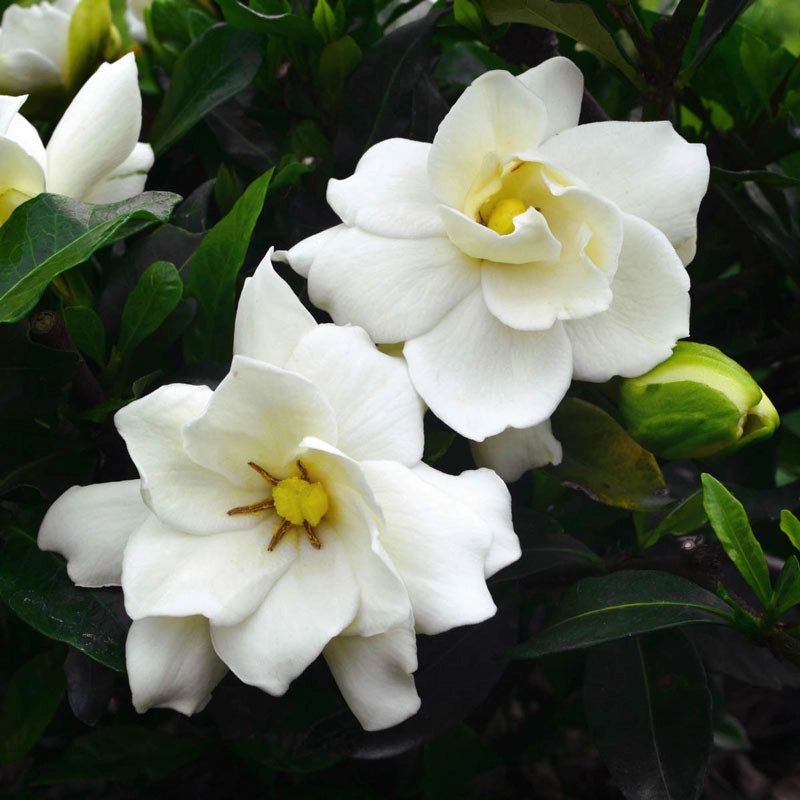
These creamy white blossoms have been treasured in Southern gardens for generations, and Maryland sits right at the northern edge of where these beauties can thrive outdoors.
The scent is rich, sweet, and powerful enough to perfume an entire patio on warm evenings.
Maryland gardeners should choose cold-hardy varieties and plant gardenias in protected spots near foundations or south-facing walls.
The glossy, deep green leaves provide year-round interest, but those spectacular flowers that appear in late spring and early summer are the real showstoppers.
Each bloom can be as large as your palm, with velvety petals arranged in perfect layers.
Gardenias prefer acidic soil, so Maryland gardeners often need to amend their planting beds with peat moss or sulfur.
They appreciate consistent moisture but hate wet feet, making proper drainage essential.
A thick layer of mulch helps keep roots cool and maintains the acidity they crave.
Container growing works wonderfully for Maryland residents who want to bring their gardenias indoors during harsh winters.
Place pots near doorways or outdoor seating areas where you’ll enjoy that incredible fragrance most.
The plants reward patient gardeners with blooms that smell like pure luxury.
Your Maryland Garden Changes Every Week. Your Plan Should Too.
Gardening in Maryland changes quickly throughout the season. Every Friday you’ll receive a simple weekly plan showing exactly what to plant, prune, fertilize, harvest, and protect so you never miss the right timing.
3. Honeysuckle
Remember catching the sweet nectar from honeysuckle flowers as a child?
This vigorous vine brings that nostalgic fragrance to Maryland gardens with enthusiasm.
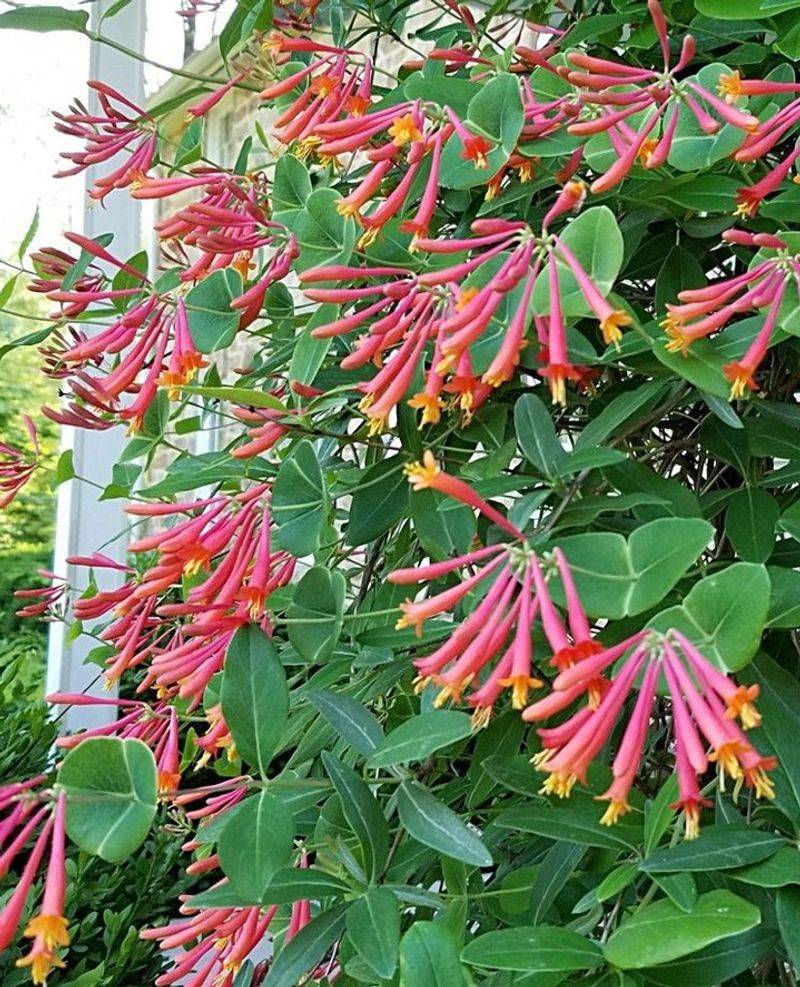
Native varieties like coral honeysuckle offer tubular flowers that hummingbirds find irresistible, while the scent attracts humans and pollinators alike from quite a distance.
Honeysuckle vines grow fast and cover fences, arbors, or trellises quickly in Maryland’s climate.
The flowers typically bloom from late spring through summer, with some varieties continuing into fall.
Evening is when the fragrance becomes most noticeable, making these vines perfect for planting near patios or bedroom windows.
Maryland gardeners should stick with native species rather than invasive Japanese honeysuckle, which can take over natural areas.
Coral honeysuckle provides the same wonderful scent without the aggressive spreading habit.
The red-orange tubular flowers look stunning against the blue-green foliage.
These vines handle Maryland’s summer heat and humidity without complaint.
They grow in full sun or partial shade, though flowering is most abundant with at least six hours of direct sunlight.
Pruning keeps the vines tidy and encourages more blooms.
Plant honeysuckle where air circulation is good to prevent powdery mildew, which can affect the leaves during humid Maryland summers.
The fragrance alone makes this vine worth the small amount of maintenance it requires.
4. Roses
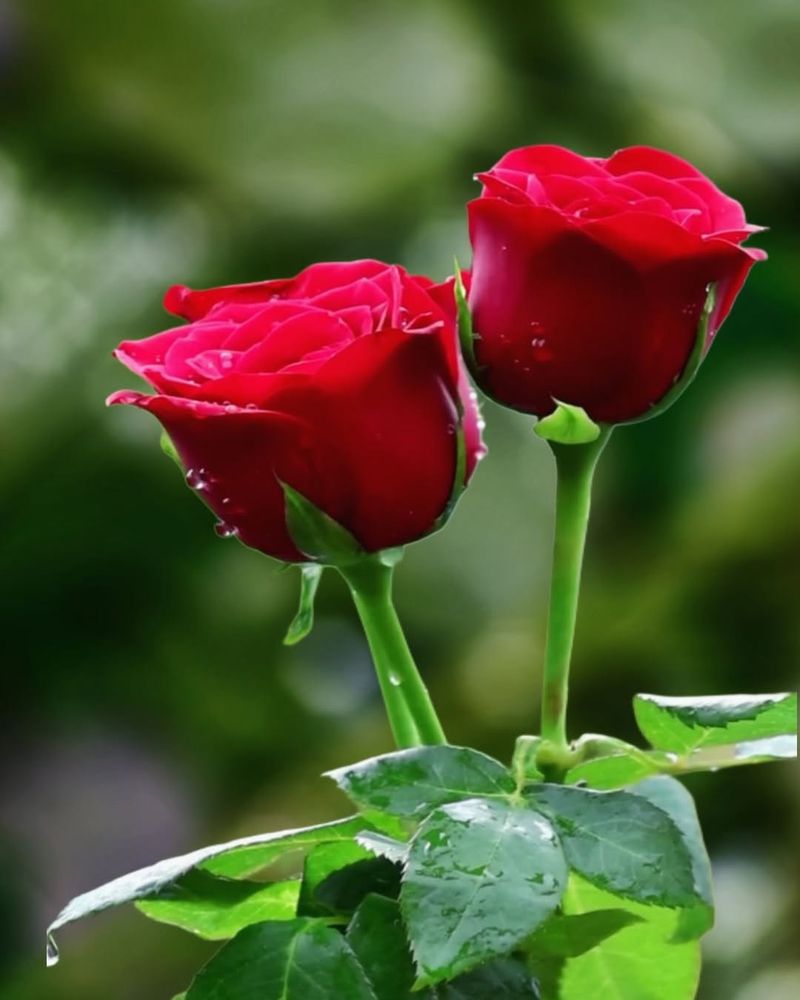
Roses have captivated gardeners for centuries with their classic beauty and unforgettable perfume.
Maryland’s climate suits many rose varieties perfectly, from old-fashioned heirlooms to modern hybrids bred specifically for fragrance.
The strongest scents typically come from roses with many petals in shades of pink, red, or purple.
Not all roses smell wonderful, so choosing varieties known for fragrance is important.
David Austin roses, also called English roses, combine old-fashioned scents with modern disease resistance that works well in Maryland gardens.
Varieties like ‘Gertrude Jekyll’ and ‘Graham Thomas’ offer powerful perfumes that fill the air on warm days.
Maryland gardeners should plant roses where they receive at least six hours of sunlight daily.
Good air circulation helps prevent the fungal diseases that can trouble roses in humid climates.
Spacing plants properly and avoiding overhead watering keeps foliage dry and healthy.
Roses appreciate rich soil amended with compost and regular feeding during the growing season.
Deadheading spent blooms encourages more flowers and keeps plants looking tidy.
Many fragrant varieties bloom repeatedly from June through fall in Maryland, providing months of enjoyment.
Plant fragrant roses near seating areas, walkways, or windows where you’ll appreciate their perfume most.
The combination of visual beauty and incredible scent makes roses timeless favorites in gardens throughout Maryland.
5. Sweet Alyssum
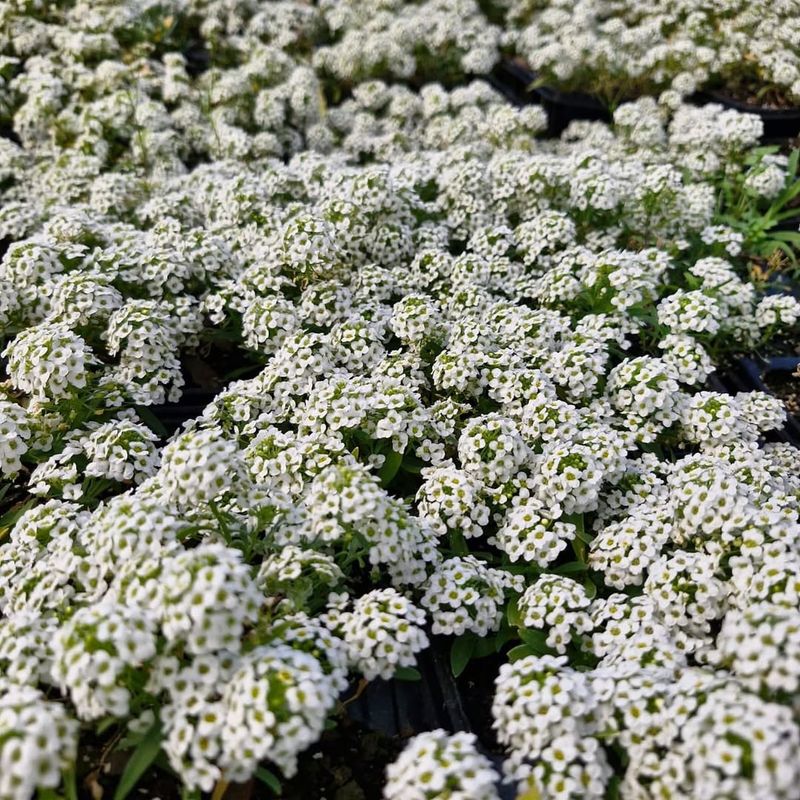
Sweet alyssum might have tiny flowers, but this low-growing annual packs a powerful honey-like fragrance that surprises first-time growers.
Maryland gardeners love using it as an edging plant, ground cover, or filler between larger plants because it blooms continuously and smells delightful up close.
The clusters of small white, pink, or purple flowers create a carpet-like effect that works beautifully along pathways or tumbling from containers.
Bend down to tie your shoe near sweet alyssum, and you’ll catch that sweet, slightly spicy scent that makes this plant so charming.
It’s especially fragrant during evening hours and after rain.
This annual thrives in Maryland’s spring and fall weather, sometimes slowing down during the hottest summer weeks.
Many gardeners plant it twice, once in early spring and again in late summer for fall blooms.
It self-seeds readily, often returning year after year in the same spots.
Sweet alyssum grows quickly from seed and tolerates light frost, making it one of the earliest fragrant flowers in Maryland gardens each spring.
It prefers full sun but appreciates some afternoon shade during July and August.
The plants stay low, rarely exceeding six inches tall.
Beneficial insects adore sweet alyssum, making it an excellent companion plant in vegetable gardens across Maryland.
The fragrance and nectar attract predatory wasps and hoverflies that help control garden pests naturally.
6. Lilac

Springtime in Maryland wouldn’t be complete without the intoxicating perfume of blooming lilacs.
These deciduous shrubs burst into flower in April or May, covering themselves with cone-shaped clusters of tiny blooms that smell like spring itself.
The fragrance is sweet, floral, and powerful enough to scent entire yards.
Common lilac varieties grow quite large, reaching ten to fifteen feet tall and wide, so Maryland gardeners need to provide adequate space.
Dwarf varieties work better for smaller yards while still delivering that classic lilac fragrance.
The heart-shaped leaves provide a nice backdrop for other plants after the flowers fade.
Lilacs need a period of winter cold to bloom well, which Maryland’s climate provides perfectly.
They prefer full sun and well-drained soil with neutral to slightly alkaline pH.
Many Maryland soils are naturally acidic, so adding lime occasionally helps lilacs perform their best.
These shrubs are quite tough once established, handling summer heat and winter cold without problems.
Prune them immediately after flowering finishes, as they set next year’s flower buds in summer.
Old, overgrown lilacs can be rejuvenated with hard pruning.
Plant lilacs where you’ll walk past them frequently during their bloom period.
Cutting branches for indoor bouquets is a Maryland spring tradition, filling homes with that nostalgic scent.
The flowers also attract butterflies and other pollinators to gardens throughout the state.
7. Peonies
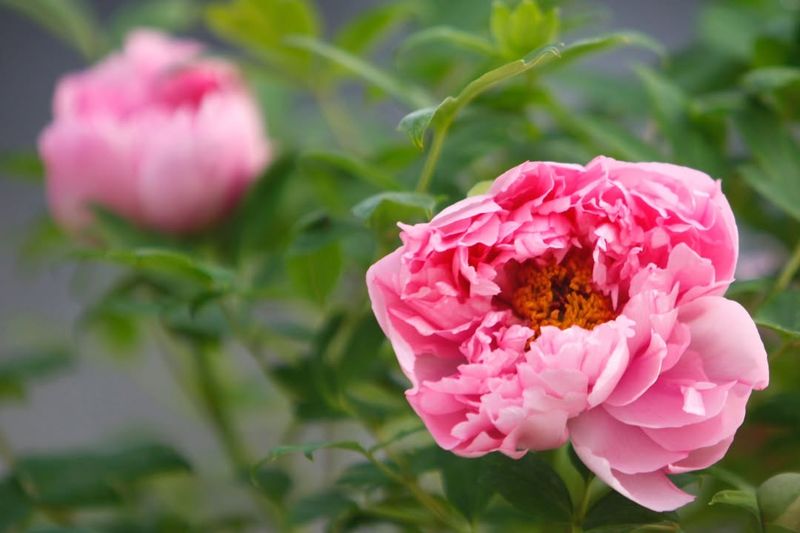
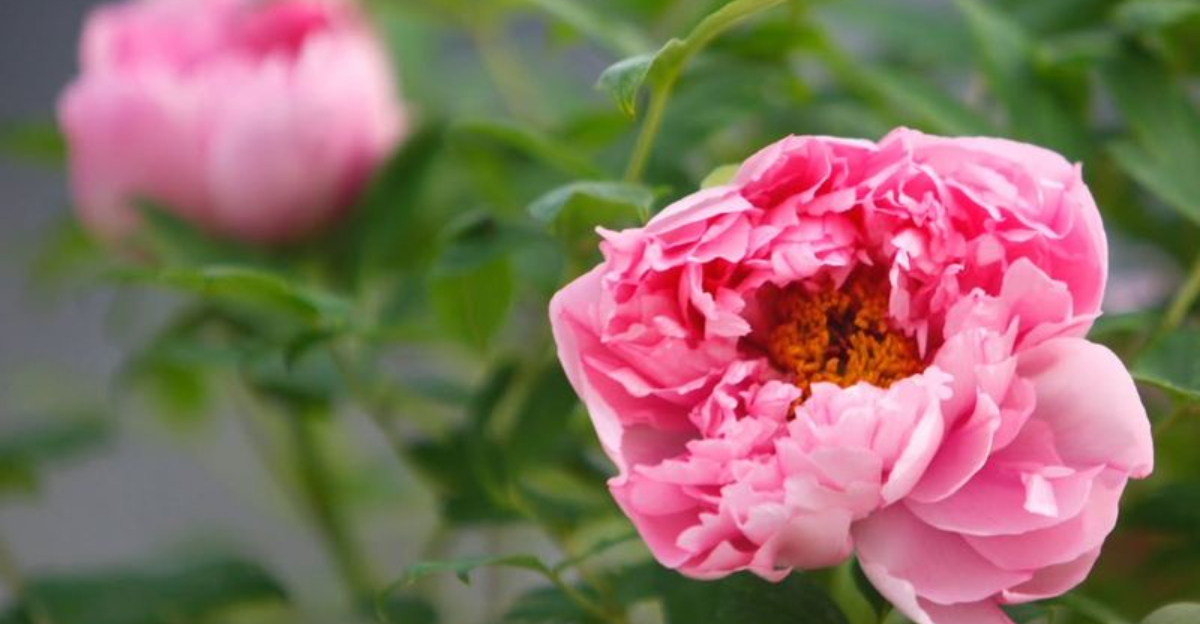
Peonies are the stars of late spring Maryland gardens, producing enormous blooms that smell like roses mixed with something sweeter and softer.
These perennials can live for decades, getting better and more floriferous with age.
A well-established peony plant might produce fifty or more of those spectacular flowers in a single season.
The most fragrant peonies are typically the double varieties with layers upon layers of ruffled petals.
Colors range from pure white through every shade of pink to deep burgundy red.
Each bloom can be as large as a dinner plate, and the fragrance is strongest on warm, sunny days.
Maryland’s climate suits peonies perfectly, providing the winter chill they need for spring blooming.
Plant them in fall with the eyes (growing points) just an inch or two below the soil surface.
Planting too deep is the most common reason peonies fail to bloom.
These plants prefer full sun and rich, well-drained soil.
Once established, they’re remarkably low-maintenance, requiring little more than an annual feeding and some support for those heavy flower heads.
The foliage remains attractive all summer, turning bronze-red in fall across Maryland gardens.
Cut peony flowers for indoor arrangements just as the buds begin opening.
They’ll continue developing indoors, filling your home with that wonderful fragrance.
Many Maryland gardeners plant peonies specifically for cutting, creating stunning bouquets for Memorial Day celebrations.
8. Mint
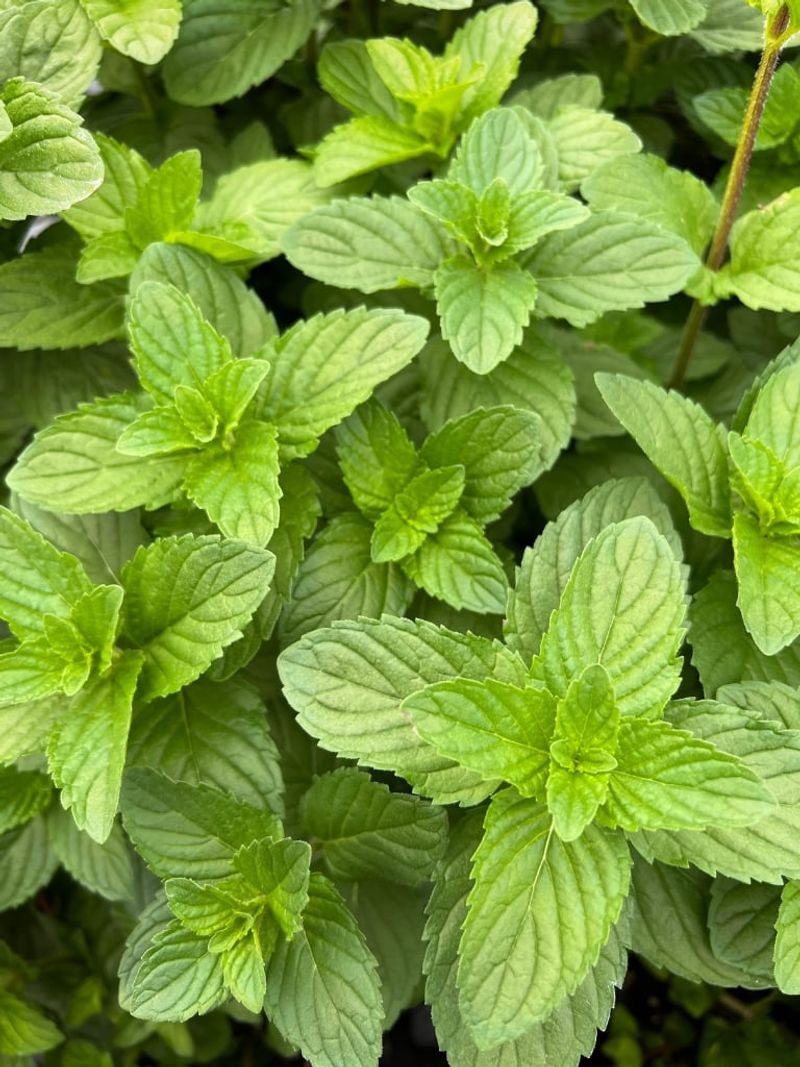
Mint grows with such enthusiasm in Maryland gardens that most gardeners plant it in containers to keep it from taking over.
The refreshing, cooling scent is released whenever you brush against the leaves or crush them between your fingers.
Several varieties offer different scent profiles, from classic spearmint to chocolate mint and pineapple mint.
This perennial herb thrives in Maryland’s climate, growing vigorously from spring through fall.
The plants spread through underground runners, which is why container growing is so popular.
A pot of mint near your back door provides fresh leaves for tea, cooking, and garnishes all season long.
Mint prefers partial shade and consistent moisture, making it perfect for those slightly damp spots where other herbs might struggle.
It tolerates full sun in Maryland if given enough water.
The plants produce small purple or white flower spikes in summer that bees appreciate.
Harvest mint leaves frequently to encourage bushy growth and prevent flowering, which can make the leaves taste bitter.
The fresh scent of mint is wonderful in the garden, and the leaves have countless culinary uses.
Maryland gardeners often make mint tea, add it to summer drinks, or use it in desserts.
Planting mint near outdoor seating areas provides natural mosquito deterrence, as the insects dislike the strong scent.
Crushing a few leaves and rubbing them on your skin offers some protection during Maryland’s buggy summer evenings.
9. Jasmine
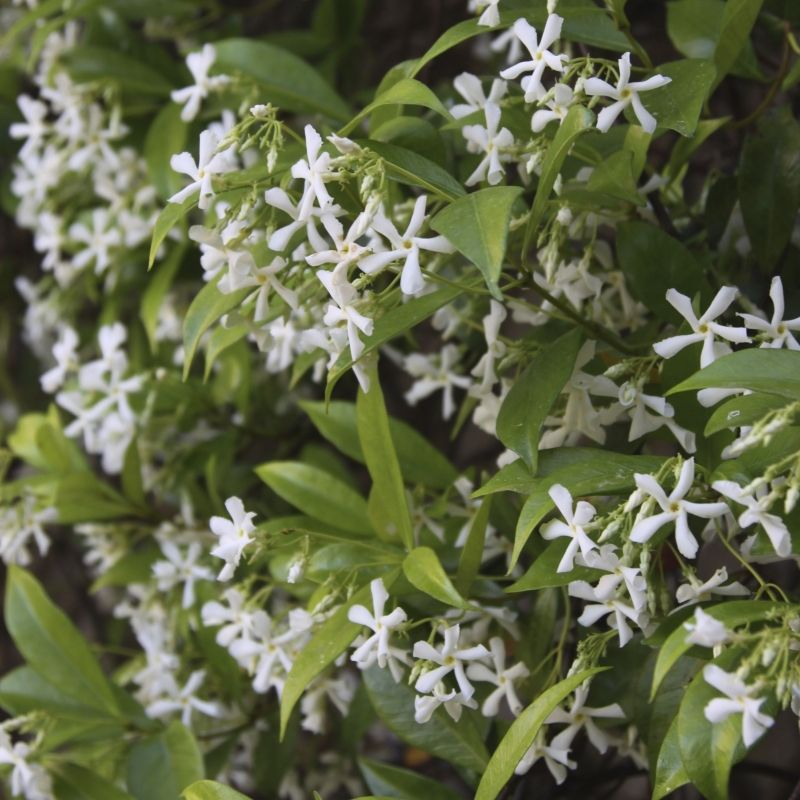
Jasmine’s exotic perfume transforms Maryland gardens into tropical-feeling retreats on warm summer evenings.
While true jasmine struggles with cold Maryland winters, confederate jasmine (which is actually a different plant called trachelospermum) handles the climate beautifully and offers a similar intoxicating fragrance.
The star-shaped white flowers appear in late spring and early summer, covering the vine with blooms that smell sweetest after sunset.
This makes jasmine perfect for planting near patios, decks, or bedroom windows where you’ll enjoy evening relaxation.
The scent is heady, sweet, and unmistakably exotic.
Confederate jasmine is an evergreen vine in southern Maryland, though it may lose leaves during harsh winters further north.
It climbs by twining and needs support like a trellis, fence, or arbor.
The glossy dark green leaves look attractive year-round, providing privacy screening along with seasonal fragrance.
This vine grows more slowly than some others, which Maryland gardeners appreciate since it won’t overwhelm structures or require constant pruning.
It handles both full sun and partial shade, though flowering is heaviest with good light exposure.
Once established, it tolerates Maryland’s summer heat and humidity quite well.
Container growing allows northern Maryland gardeners to enjoy jasmine by bringing plants indoors during winter.
Even a small potted vine can perfume an entire patio when flowering.
The combination of elegant flowers and incredible fragrance makes jasmine worth any extra effort.
10. Dianthus
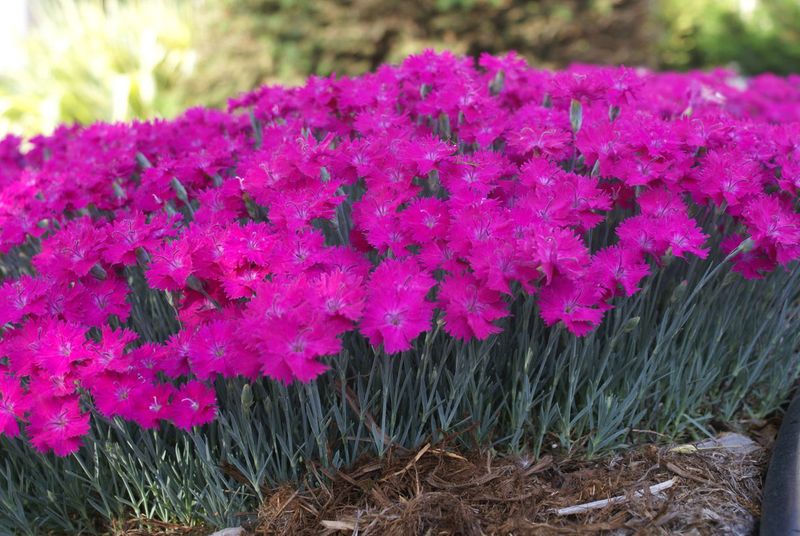
Dianthus earns its common name of pinks not from the color but from the fringed petal edges that look like they’ve been cut with pinking shears.
These charming flowers smell like cloves mixed with cinnamon, a spicy-sweet fragrance that’s completely different from other garden flowers.
Maryland gardeners treasure dianthus for both its scent and its toughness.
The flowers come in shades of pink, red, white, and bicolors, often with contrasting eyes or edges.
They bloom most heavily in spring and fall when Maryland temperatures are moderate, though some varieties flower sporadically all summer.
The blue-green grass-like foliage forms neat mounds that look good even without flowers.
Dianthus prefers full sun and well-drained soil, making it perfect for rock gardens, borders, or container plantings across Maryland.
The plants handle heat reasonably well but appreciate some afternoon shade during the hottest weeks.
Good drainage is essential, as soggy soil can cause problems.
Deadheading spent flowers encourages more blooms and prevents the plants from putting energy into seed production.
Many varieties are short-lived perennials, but they self-seed readily, maintaining their presence in Maryland gardens year after year.
The spicy fragrance is strongest on sunny days.
Cut dianthus flowers last well in arrangements, bringing that distinctive clove scent indoors.
Plant them along walkways or near entrances where people will pass close enough to catch the fragrance throughout the growing season in Maryland gardens.