9 Things You Can Do If A Skunk Shows Up In Your Michigan Yard (And 3 You Should Not Do)
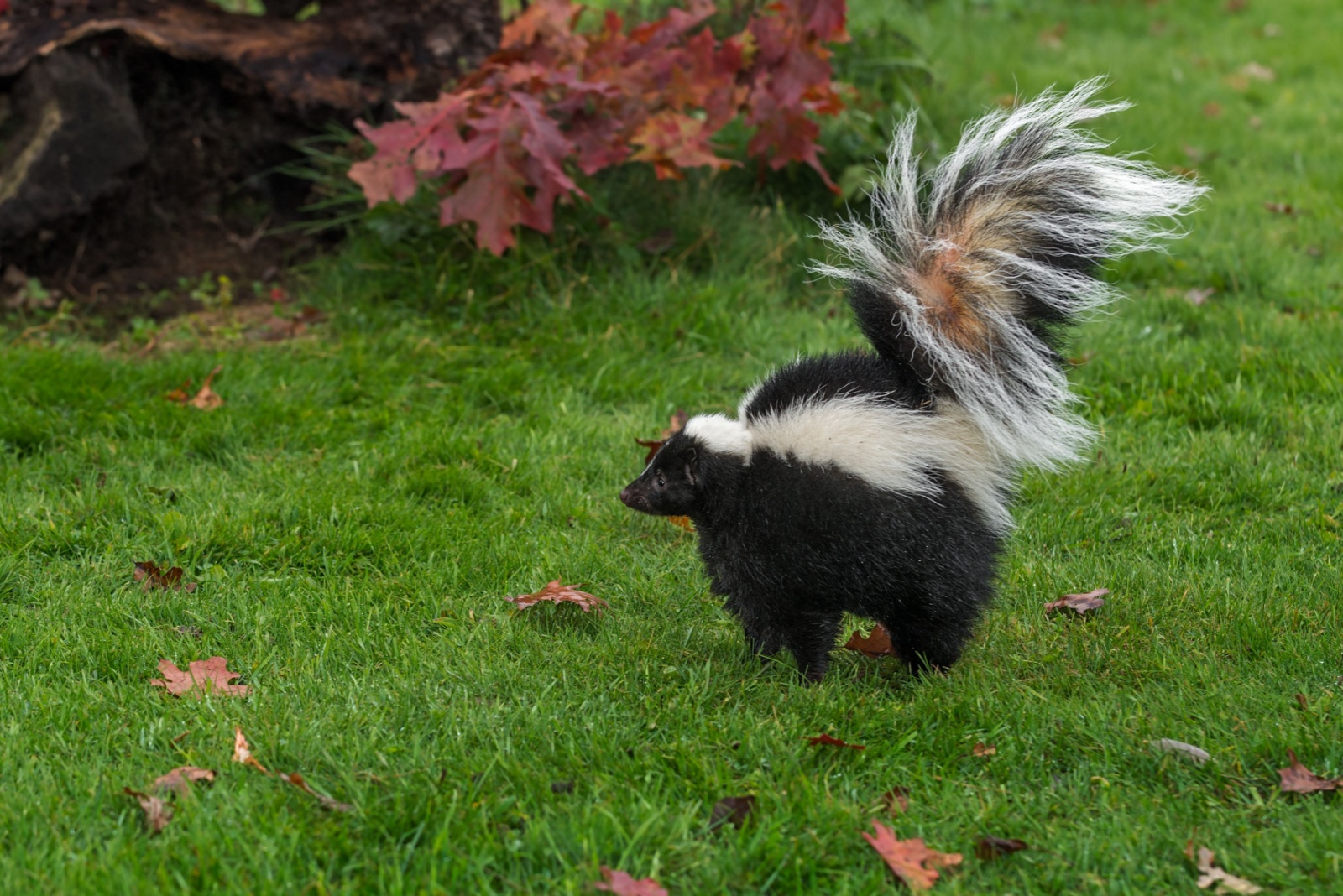
A skunk wandering into your Michigan yard can flip a peaceful day on its head faster than a lake-effect storm rolling off Superior.
Homeowners go from relaxed to alert in the blink of an eye, because a skunk doesn’t need to growl or chase to send a message—its presence alone speaks volumes.
Michigan’s mix of woods, fields, lakeshore neighborhoods, and cozy suburbs gives skunks plenty of comfortable hideouts.
They slip under decks, nose around gardens, and stroll across lawns like they’re checking in on old friends.
A surprise appearance may stir nerves, yet panic only muddies the waters.
Calm observation beats frantic guesses every time, especially when dealing with an animal that can turn a simple mistake into a week-long odor saga.
Some actions move you in the right direction and keep the encounter as uneventful as possible.
Other choices pour fuel on the fire and send the situation spinning out of control.
1. Give The Skunk Space And Time
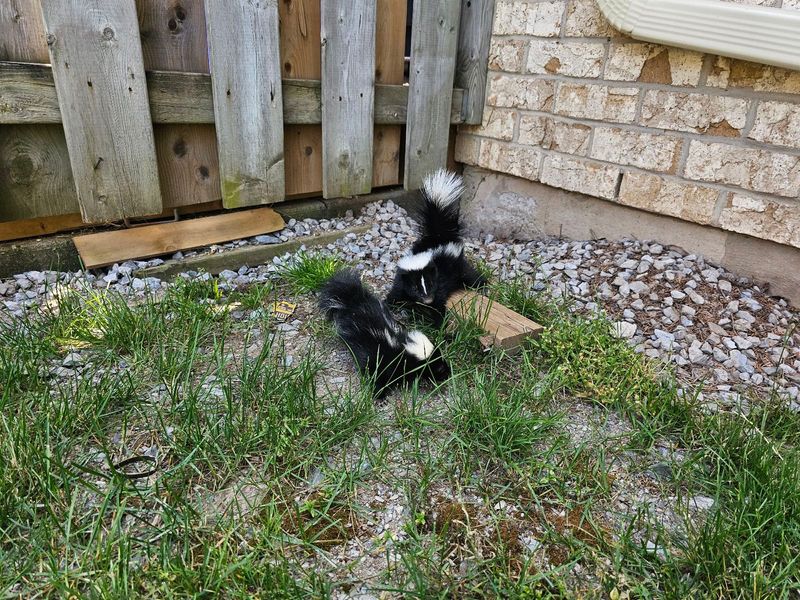
Patience works wonders when you spot a skunk in your yard.
Most skunks are just passing through on their way to find food or water.
They have no interest in confrontation and will leave on their own if you give them room.
Rushing toward the animal or trying to shoo it away creates unnecessary stress for both of you.
Skunks only spray when they feel threatened or cornered.
By keeping your distance and staying calm, you reduce the chance of a defensive reaction.
Watch from a window or safe spot at least 10 to 15 feet away.
Most skunks will wander off within 10 to 30 minutes once they realize there is nothing interesting in the area.
If you have pets outside, call them indoors quietly without making sudden movements.
Dogs especially can provoke skunks with their curiosity and loud barking.
Keep children inside as well until the coast is clear.
This simple step prevents most spray incidents and allows nature to take its course.
Remember that skunks are more active at dawn and dusk, so timing your outdoor activities around these hours helps avoid encounters altogether.
2. Turn Off Outdoor Lights
Bright lights can confuse and stress a skunk that has wandered into your yard.
While skunks have decent night vision, sudden bright lights may make them feel exposed and vulnerable.
This discomfort can cause them to stay longer or act unpredictably.
Turning off porch lights, motion sensors, and any other outdoor lighting creates a calmer environment.
Darkness actually helps skunks feel more secure as they move through your property.
These nocturnal animals prefer dim conditions and will often leave faster when they feel safe.
You might think that light would scare them away, but the opposite is true in many cases.
Once the lights go out, the skunk can continue its natural behavior without feeling threatened.
This approach works especially well in combination with staying quiet and still.
If you need to see what the skunk is doing, peek from an indoor window rather than flipping on floodlights.
Your Michigan Garden Changes Every Week. Your Plan Should Too.
Gardening in Michigan changes quickly throughout the season. Every Friday you’ll receive a simple weekly plan showing exactly what to plant, prune, fertilize, harvest, and protect so you never miss the right timing.
After the animal leaves, you can turn your lights back on and resume normal activities.
This gentle method respects the skunk’s natural instincts and encourages it to move along peacefully without any drama.
3. Remove Food Sources Immediately
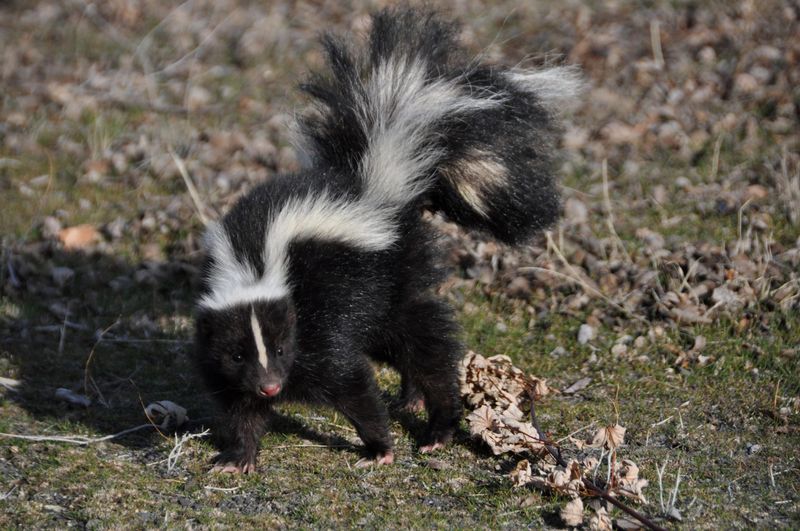
Skunks have incredible noses and can smell food from far away.
If your yard offers easy meals, the skunk will keep coming back night after night.
Pet food left outside is like a dinner invitation for hungry wildlife.
Garbage cans without secure lids also attract skunks looking for scraps.
Even fallen fruit from trees or birdseed scattered on the ground can draw them in.
The first step is to bring all pet food and water bowls inside before sunset.
Make sure your garbage cans have tight-fitting lids that skunks cannot pry open.
Consider using bungee cords or locks if needed.
Pick up any fruit that drops from trees and clean up birdseed regularly.
Compost piles should be properly covered or enclosed in bins.
Once you eliminate food sources, skunks lose their main reason for visiting your property.
This prevention strategy works better than any repellent or trap.
It may take a few days for skunks to realize the free buffet is closed, but they will eventually move on to easier pickings elsewhere.
4. Check For Den Sites Under Structures
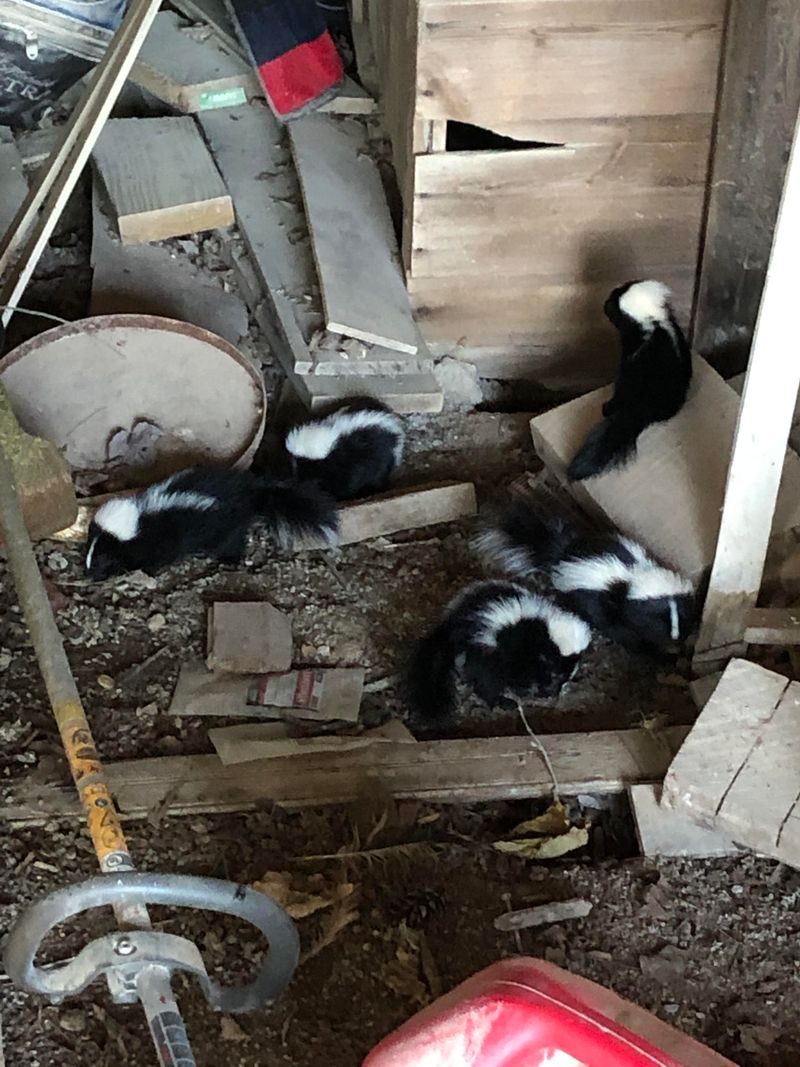
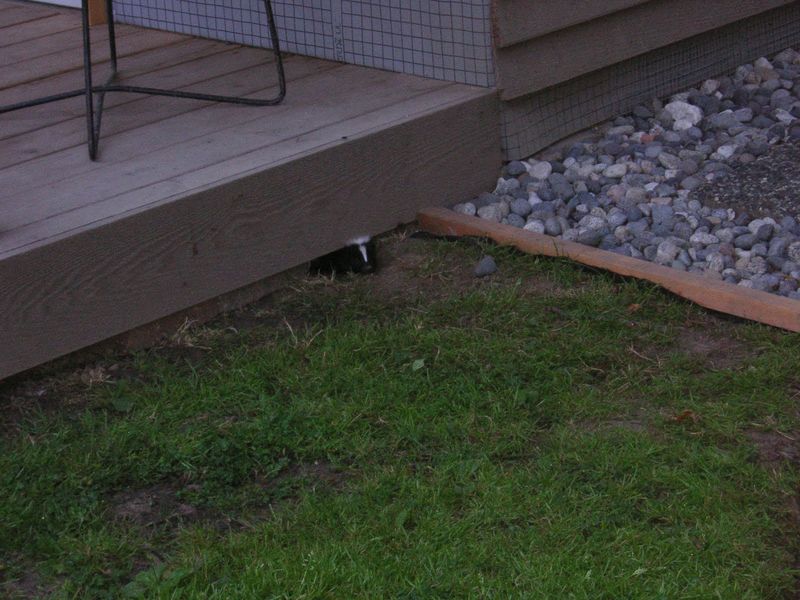
Skunks love to make dens in dark, protected spaces around your home.
Porches, decks, sheds, and crawl spaces provide perfect shelter from weather and predators.
If a skunk keeps returning to your yard, it might have set up a den underneath one of your structures.
Female skunks especially seek these spots in spring when they prepare to have babies.
Carefully inspect the perimeter of your home during daylight hours when skunks are usually asleep.
Look for small openings or burrows near foundations, under stairs, or beneath decks.
You might notice disturbed soil, tracks, or a faint musky odor near den entrances.
Do not block the opening immediately if you find a den.
You need to make sure the skunk is out first, or you could trap it inside.
Place flour or sand near the entrance at dusk and check for fresh tracks in the morning.
If tracks lead away from the hole, the skunk has left for the night.
Once you confirm the den is empty, seal the opening with hardware cloth, rocks, or wooden boards.
This prevents future skunks from moving in.
5. Use Mild Deterrents Like Ammonia-Soaked Rags
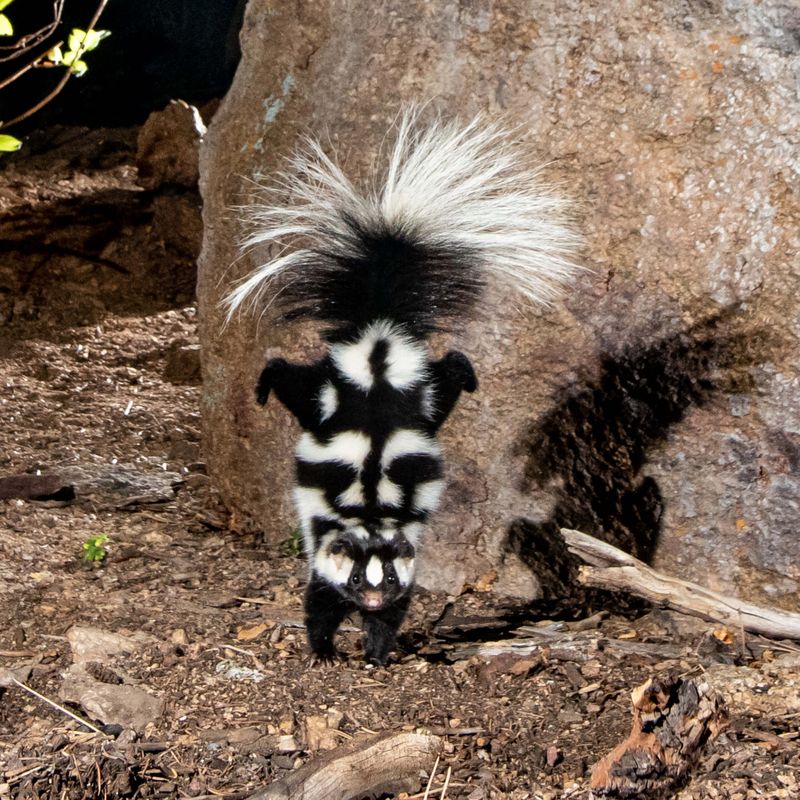
Skunks dislike strong smells that interfere with their sensitive noses.
Ammonia creates an odor that mimics predator urine, which naturally makes skunks uncomfortable.
This simple household item can encourage skunks to leave your yard without causing them harm.
Soak old rags or towels in household ammonia and place them in shallow containers.
Position these containers near areas where you have seen skunk activity, such as under porches or near garden beds.
The smell will spread throughout the area and signal to the skunk that the space might be unsafe.
Replace the rags every few days to keep the scent strong.
Rain can wash away the ammonia, so check after storms and refresh as needed.
This method works best for skunks that are just exploring your yard rather than those with established dens.
Never pour ammonia directly on the ground or near plants, as it can damage soil and vegetation.
Keep the containers out of reach of pets and children.
While ammonia is not a perfect solution, it provides a gentle nudge that often convinces skunks to find a more welcoming location elsewhere.
6. Install Motion-Activated Sprinklers
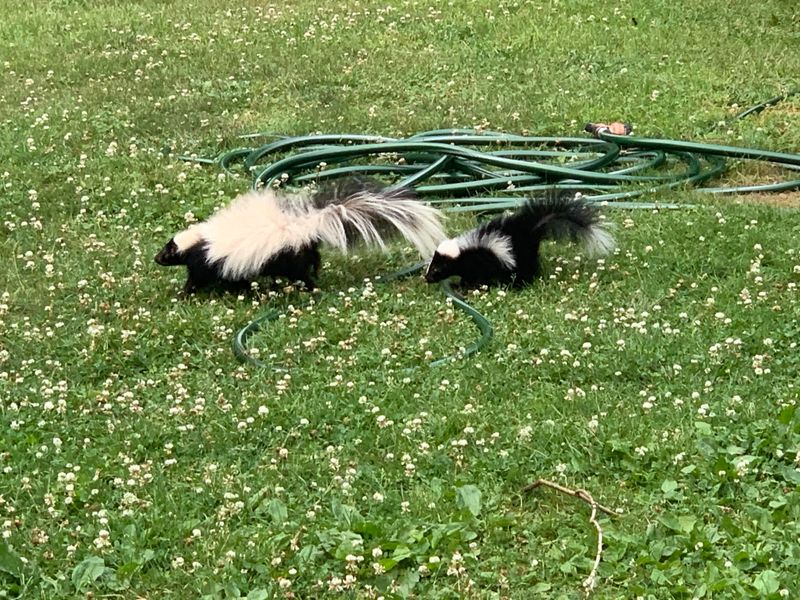
Technology offers a smart way to keep skunks away without direct confrontation.
Motion-activated sprinklers detect movement and release a sudden burst of water.
Skunks hate getting wet and will quickly retreat when the sprinkler surprises them.
These devices work day and night, providing constant protection for your yard.
You can find motion-activated sprinklers at most hardware stores or online retailers.
Set them up near garden beds, under decks, or along fence lines where skunks commonly travel.
The sensors detect heat and movement, so they only activate when an animal approaches.
This saves water and ensures you do not waste resources.
Most models have adjustable sensitivity settings so you can customize them for different-sized animals.
The sudden spray startles skunks without harming them physically.
After a few encounters, skunks learn to avoid your yard altogether.
This method also works for other unwanted visitors like raccoons and deer.
Remember to turn off the sprinklers when you or your family need to use the yard.
This humane solution provides long-term protection and peace of mind.
7. Contact A Wildlife Removal Professional
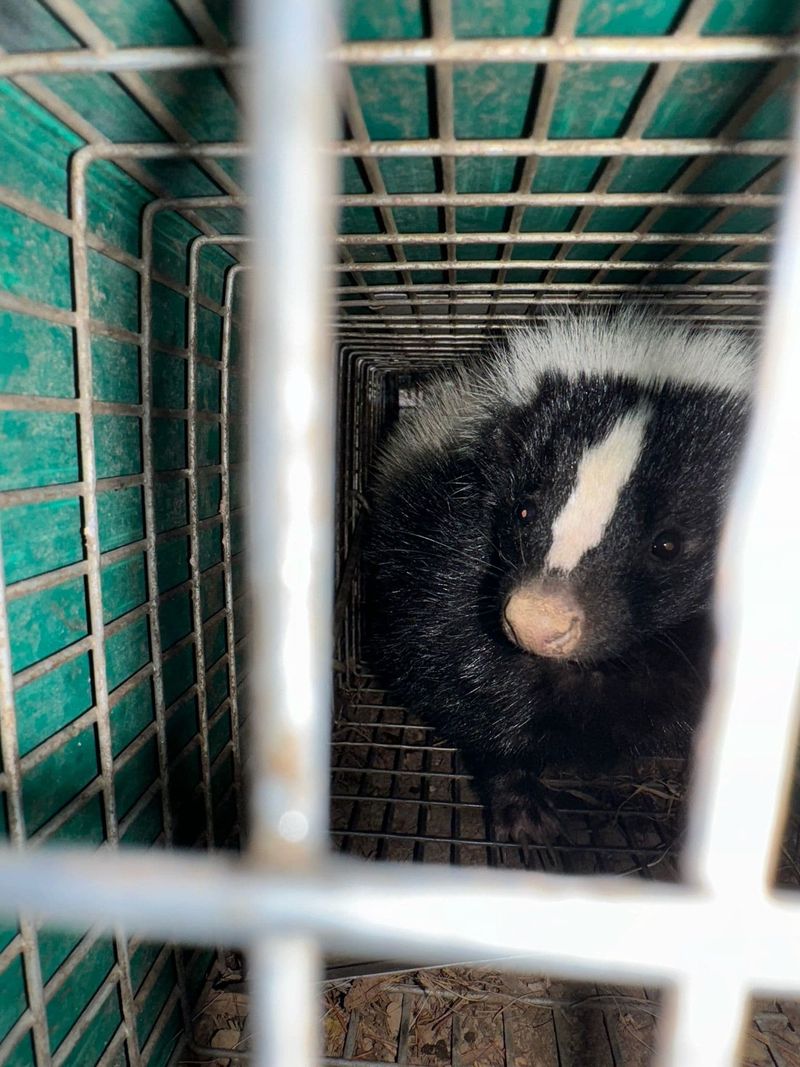
Sometimes skunk problems require expert help to resolve safely.
Wildlife removal professionals have training, experience, and proper equipment to handle skunks humanely.
They understand skunk behavior and can remove animals without causing stress or spray incidents.
If a skunk has made a den under your home or refuses to leave despite your efforts, calling a professional is the wisest choice.
These specialists can assess your property, identify entry points, and develop a customized removal plan.
They use humane traps and relocation methods that comply with Michigan wildlife regulations.
Professional removal also includes prevention advice to stop future skunk visits.
Many companies offer guarantees and follow-up services to ensure the problem does not return.
While this option costs money, it saves you time and protects you from potential spray or bite injuries.
Look for licensed and insured professionals with good reviews from other Michigan homeowners.
Ask about their methods to ensure they use humane practices.
A reputable company will explain their process clearly and answer all your questions.
This investment brings peace of mind and protects both your property and local wildlife.
8. Secure Your Garbage And Compost Areas
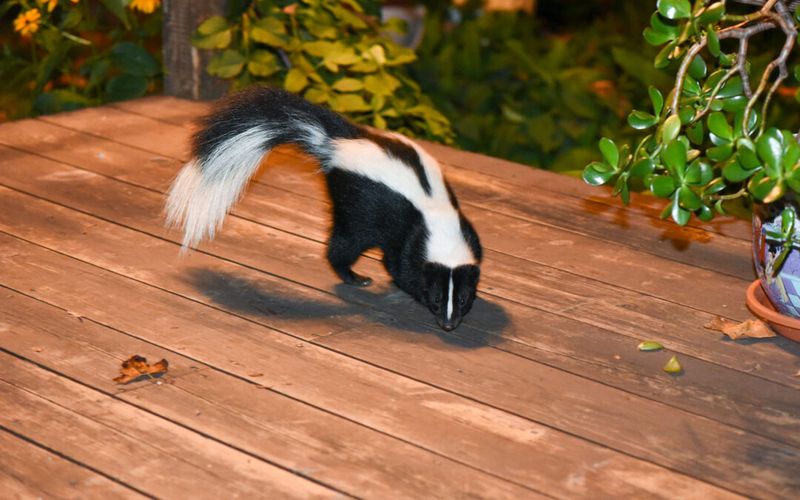
Garbage and compost areas are skunk magnets that can turn your yard into a regular stopping point.
Skunks have strong claws and surprising determination when they smell something tasty.
Standard plastic garbage cans with loose lids are easy targets for hungry wildlife.
Upgrade to metal bins with locking mechanisms or heavy-duty straps.
Store your garbage cans in a garage or shed until collection day if possible.
If you must keep them outside, place them on a concrete pad away from structures where skunks might den.
Compost piles need special attention because they produce strong odors that attract animals from far away.
Use enclosed compost bins with secure lids rather than open piles.
Avoid composting meat, dairy, or oily foods that create especially tempting smells.
Turn your compost regularly to speed decomposition and reduce odor.
Some people add lime to compost to neutralize smells, though this can affect the composting process.
Taking these steps removes major attractions from your property.
Skunks will move on to neighborhoods with easier food access.
This proactive approach prevents problems before they start.
9. Create Physical Barriers Around Your Property
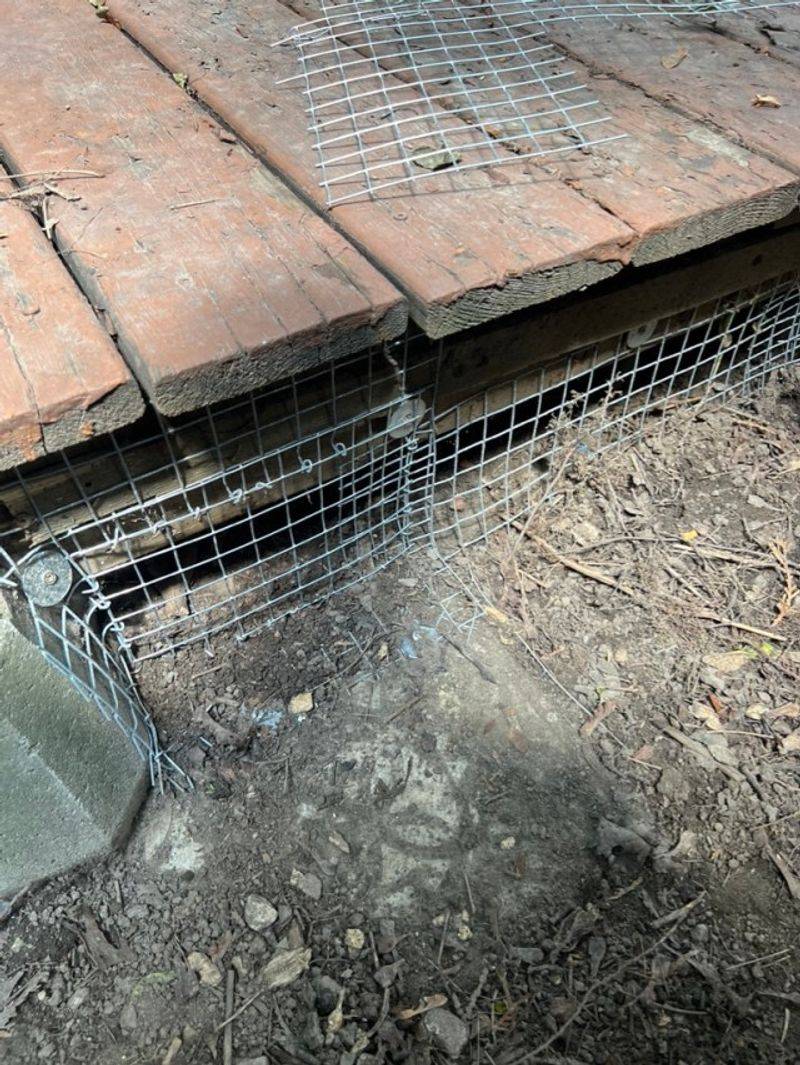
Physical barriers provide long-term protection against skunk intrusions.
Skunks are decent diggers but will give up if they encounter obstacles that require too much effort.
Installing barriers around vulnerable areas keeps skunks out without harming them.
Hardware cloth or welded wire mesh works better than chicken wire because skunks cannot tear through it.
Bury the mesh at least 12 inches deep and extend it 3 feet above ground.
Bend the bottom portion outward in an L-shape to prevent digging underneath.
Focus on areas under decks, porches, sheds, and crawl spaces where skunks like to den.
Seal any gaps larger than 4 inches around your home’s foundation.
Check for openings around pipes, vents, and utility lines that provide entry points.
Use metal flashing or concrete to close these gaps permanently.
Fence gates should fit tightly to the ground with no space for skunks to squeeze through.
While this method requires initial effort and investment, it delivers lasting results.
Once barriers are in place, skunks cannot access your property even if they want to.
This solution works for years with minimal maintenance.
10. Do Not Approach Or Corner The Skunk
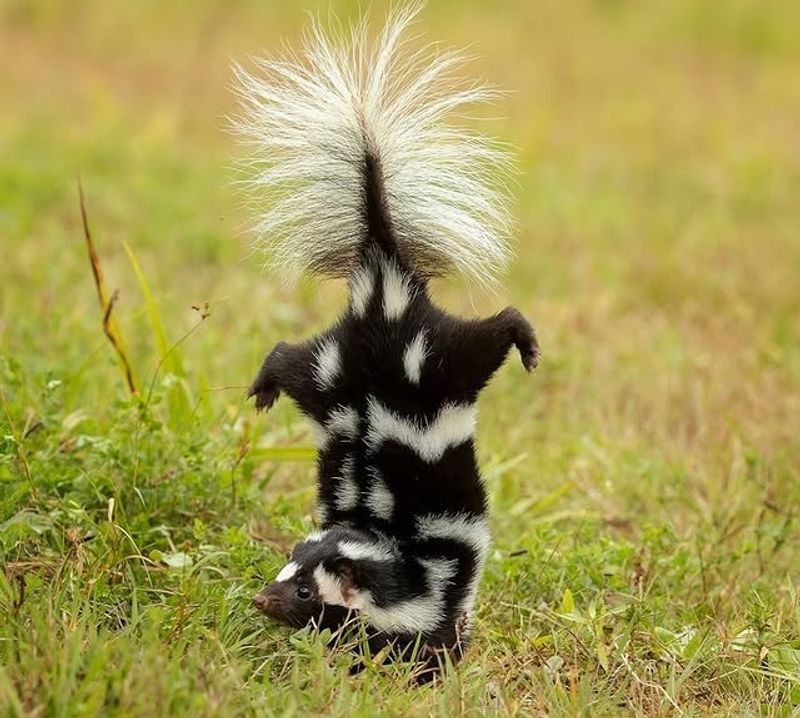
Curiosity can lead to disaster when dealing with skunks.
Many people make the mistake of walking toward a skunk to get a better look or try to scare it away.
This is one of the worst things you can do.
Skunks have poor eyesight and may not realize you mean no harm.
When you approach, they feel threatened and prepare to defend themselves.
Cornering a skunk against a fence, wall, or structure eliminates its escape route.
A trapped skunk will almost certainly spray because it has no other option.
Before spraying, skunks give warning signs like stomping their front feet, hissing, or raising their tail.
If you see these behaviors, back away slowly and quietly.
Never run or make sudden movements that could startle the animal further.
Give the skunk a clear path to leave your yard.
Move to the side rather than directly backward to open up escape routes.
Children and pets should be kept far away from any skunk encounter.
Even if the skunk looks calm, it can spray accurately up to 10 feet away.
Respect the animal’s space and it will respect yours.
11. Do Not Attempt To Trap The Skunk Yourself
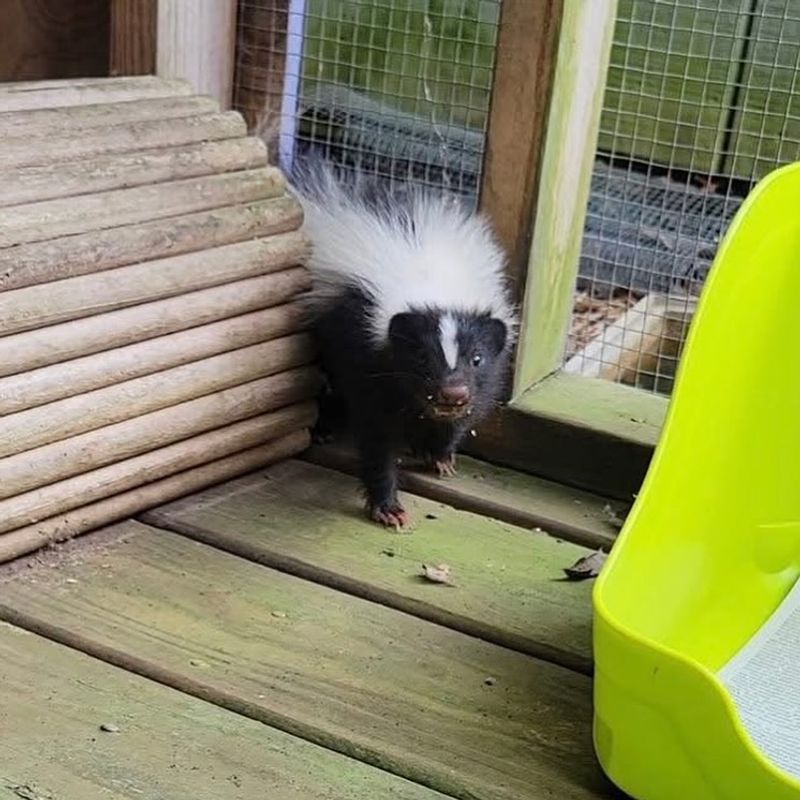
Trapping seems like a logical solution when a skunk refuses to leave.
However, amateur trapping creates more problems than it solves.
First, Michigan has specific laws about trapping and relocating wildlife.
You may need permits or licenses to legally trap skunks on your property.
Violating these regulations can result in fines and legal trouble.
Second, trapped skunks become extremely stressed and defensive.
A skunk in a cage will almost always spray, contaminating the trap and surrounding area.
You then face the challenge of transporting a frightened, smelly animal without getting sprayed yourself.
Improper handling can also lead to bites, which carry risks of rabies and other diseases.
Skunks are known rabies carriers in Michigan, making any direct contact dangerous.
Even if you successfully trap and relocate a skunk, you may just move the problem to someone else’s property.
Released skunks often struggle to survive in unfamiliar territory.
Professional trappers have the training and equipment to handle these situations safely and legally.
Save yourself the hassle, expense, and potential danger by leaving trapping to the experts.
12. Do Not Use Harmful Chemicals Or Poisons
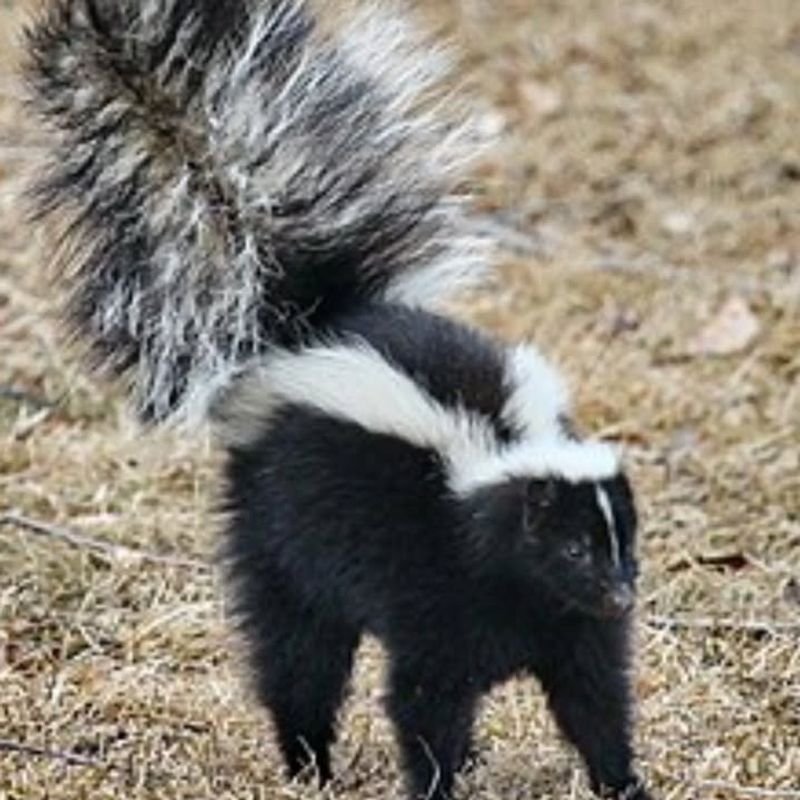
Frustration might tempt you to use harsh chemicals or poisons to solve your skunk problem.
This approach is not only cruel but also illegal and dangerous.
Michigan law protects wildlife from inhumane treatment, and poisoning animals violates these regulations.
Penalties can include hefty fines and criminal charges.
Beyond legal issues, poisons create serious risks for your family, pets, and other wildlife.
Dogs and cats might consume poisoned bait meant for skunks, leading to emergency vet bills or worse.
Birds, squirrels, and beneficial animals can also become unintended victims.
Poisons cause slow, painful suffering rather than quick resolution of the problem.
A poisoned skunk might crawl under your house or into a hard-to-reach space before it becomes ill.
This creates horrible odors and potential health hazards that require professional cleanup.
Chemical repellents marketed for skunks often contain harsh ingredients that damage plants and soil.
Many of these products do not work as advertised anyway.
Humane methods like the ones described earlier are more effective and safer for everyone involved.
Choose solutions that respect both your property and the natural world around you.