Why Tennessee Homeowners Rely On This Simple Routine For African Violets During Winter
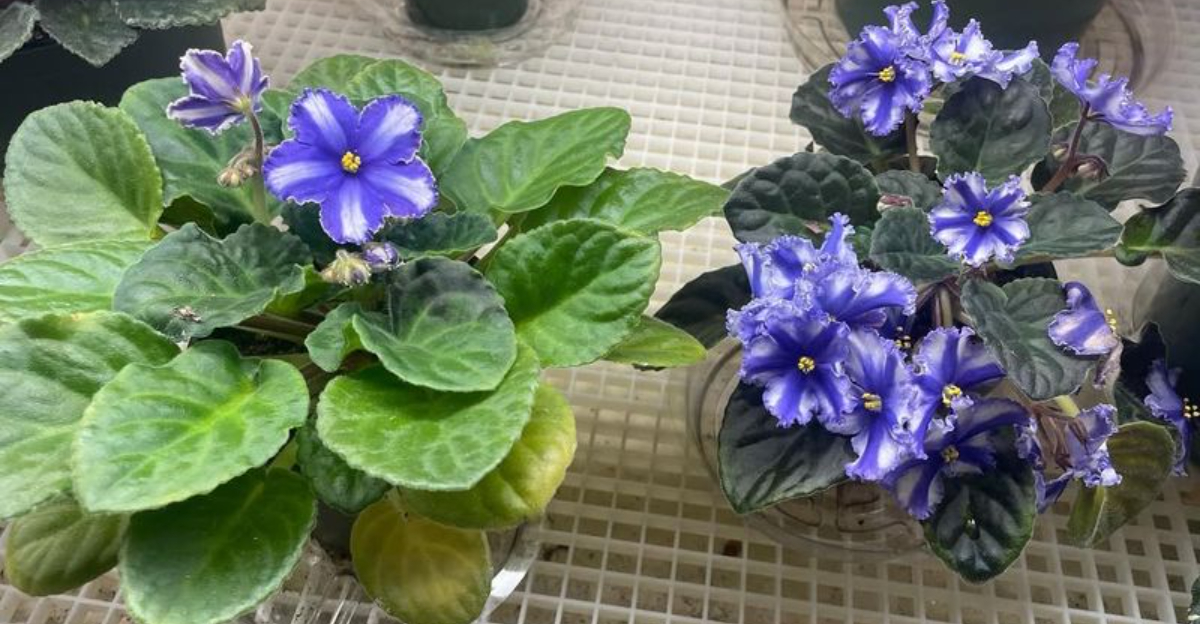
African violets bring cheerful blooms to homes across Tennessee, but winter can be tricky for these delicate plants.
When temperatures drop and indoor heating kicks in, these beautiful houseplants need a little extra attention to stay healthy and vibrant.
Many Tennessee gardeners have discovered a straightforward winter care routine that keeps their African violets thriving through the coldest months.
This simple approach addresses the unique challenges that winter weather creates, from dry indoor air to reduced natural light.
By following a few key steps, homeowners can enjoy continuous blooms and lush foliage all season long.
Understanding why this routine works so well helps you give your African violets exactly what they need during Tennessee winters.
Consistent Watering Prevents Root Problems
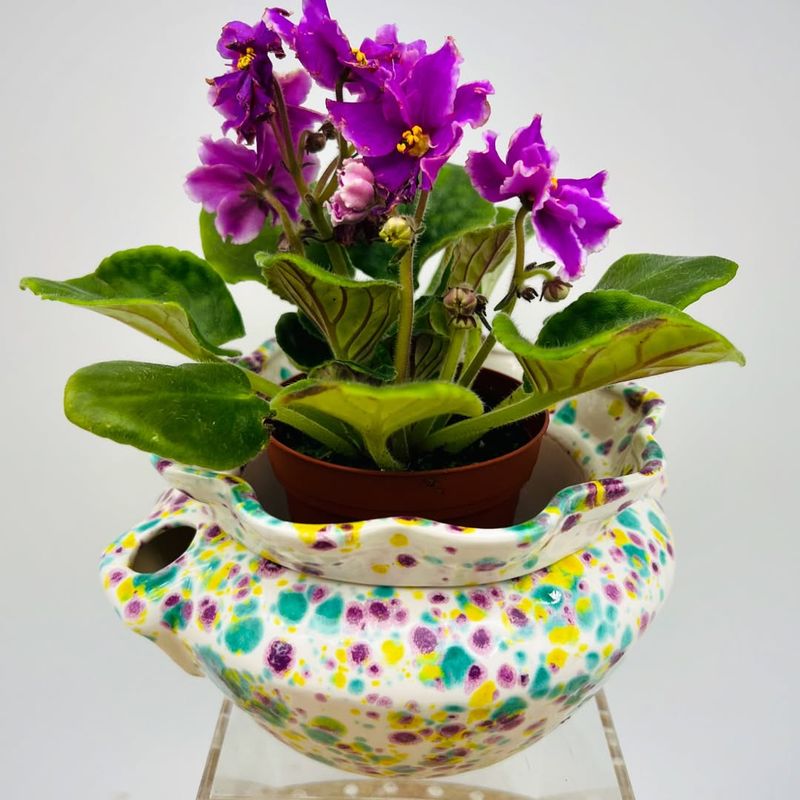
Winter heating systems can create unpredictable moisture levels in Tennessee homes, making it harder to judge when your African violets need water.
A regular watering schedule removes the guesswork and helps maintain the perfect balance these plants crave.
The key is checking the soil every few days and watering only when the top inch feels dry to the touch.
Room-temperature water works best because cold water can shock the sensitive roots and cause spotting on the leaves.
Many Tennessee gardeners prefer bottom watering, which means placing the pot in a shallow dish of water for about 30 minutes.
This method encourages strong root growth and prevents water from sitting on the leaves, which can lead to unsightly marks.
During winter months, African violets typically need less frequent watering than in summer because growth slows down slightly.
Overwatering becomes a bigger risk when plants are not actively growing, so patience is important.
Establishing this routine helps Tennessee homeowners avoid common mistakes that can stress their plants during the challenging winter season.
Proper Light Exposure Encourages Blooming
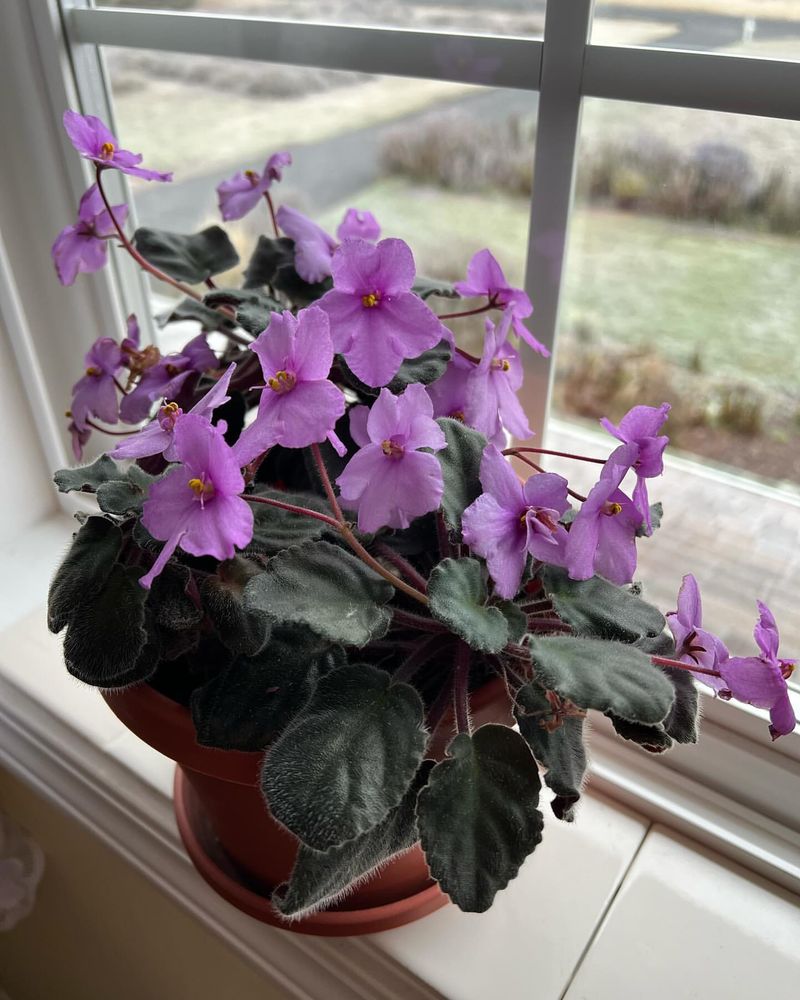
Shorter winter days mean less natural sunlight reaches your African violets, which can affect their ability to produce those gorgeous flowers.
Placing plants near east or west-facing windows in Tennessee homes provides the bright, indirect light they prefer.
Direct afternoon sun can be too intense and may scorch the delicate leaves, so a sheer curtain offers helpful protection.
Some homeowners notice their violets lean toward the light source, creating an uneven appearance over time.
Rotating the pot a quarter turn each week promotes balanced growth and keeps the plant looking full from all angles.
If natural light is limited in your Tennessee home, consider adding a grow light designed for indoor plants.
Position the light about 12 inches above the foliage and run it for 12 to 14 hours daily to mimic longer summer days.
This supplemental lighting can make a remarkable difference in both leaf health and flower production during winter.
With proper light management, your African violets will continue blooming beautifully even when the days outside are short and gray.
Humidity Control Protects Leaf Health
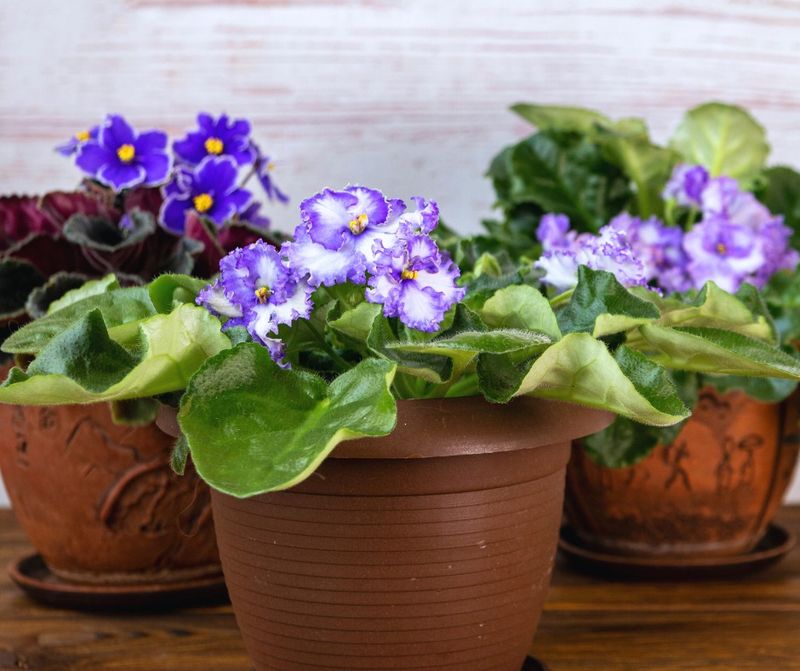
Central heating in Tennessee homes can drop humidity levels dramatically during winter, creating a desert-like environment for moisture-loving African violets.
These tropical plants naturally prefer humidity levels between 50 and 60 percent, which is much higher than most heated homes provide.
Your Tennessee Garden Changes Every Week. Your Plan Should Too.
Gardening in Tennessee changes quickly throughout the season. Every Friday you’ll receive a simple weekly plan showing exactly what to plant, prune, fertilize, harvest, and protect so you never miss the right timing.
Low humidity causes leaf edges to brown and makes plants more vulnerable to pests like spider mites.
Grouping several houseplants together creates a microclimate where moisture released through their leaves benefits all the plants nearby.
Another popular method involves placing pots on trays filled with pebbles and water, ensuring the pot bottom stays above the waterline.
As water evaporates from the tray, it increases humidity around the foliage without making the soil too wet.
Small room humidifiers work wonderfully for Tennessee homeowners with larger collections of African violets or other humidity-loving plants.
Running a humidifier in the room where you keep your violets can transform their appearance within just a few weeks.
Monitoring humidity with an inexpensive gauge helps you adjust your routine and keep conditions ideal throughout the winter months.
Temperature Stability Supports Healthy Growth
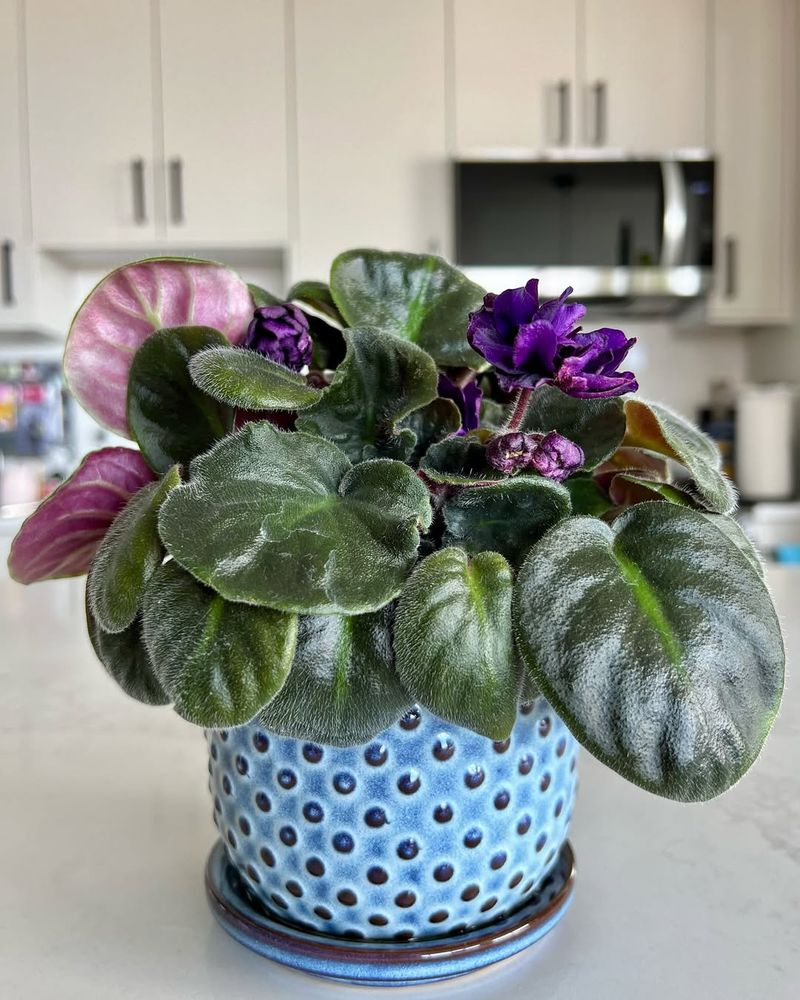
African violets thrive when temperatures stay consistently between 65 and 75 degrees Fahrenheit, which matches the comfort zone for most Tennessee households.
Sudden temperature swings can stress these sensitive plants and cause buds to drop before they open into flowers.
Placing violets away from drafty windows, exterior doors, and heating vents prevents exposure to extreme temperature changes.
Cold drafts from poorly insulated windows can chill the leaves and slow growth, even if the room feels warm overall.
Similarly, hot air blowing directly from a heating vent can dry out foliage and soil much faster than normal.
Many Tennessee homeowners find that interior rooms or shelves away from exterior walls provide the most stable conditions.
Nighttime temperatures can drop slightly without harming your plants, but avoid letting them experience anything below 60 degrees.
If you notice your violets looking stressed despite proper watering and light, temperature fluctuations might be the hidden culprit.
Taking a few moments to identify the best location in your Tennessee home pays off with healthier, more resilient plants all winter long.
Strategic Fertilizing Maintains Vigor
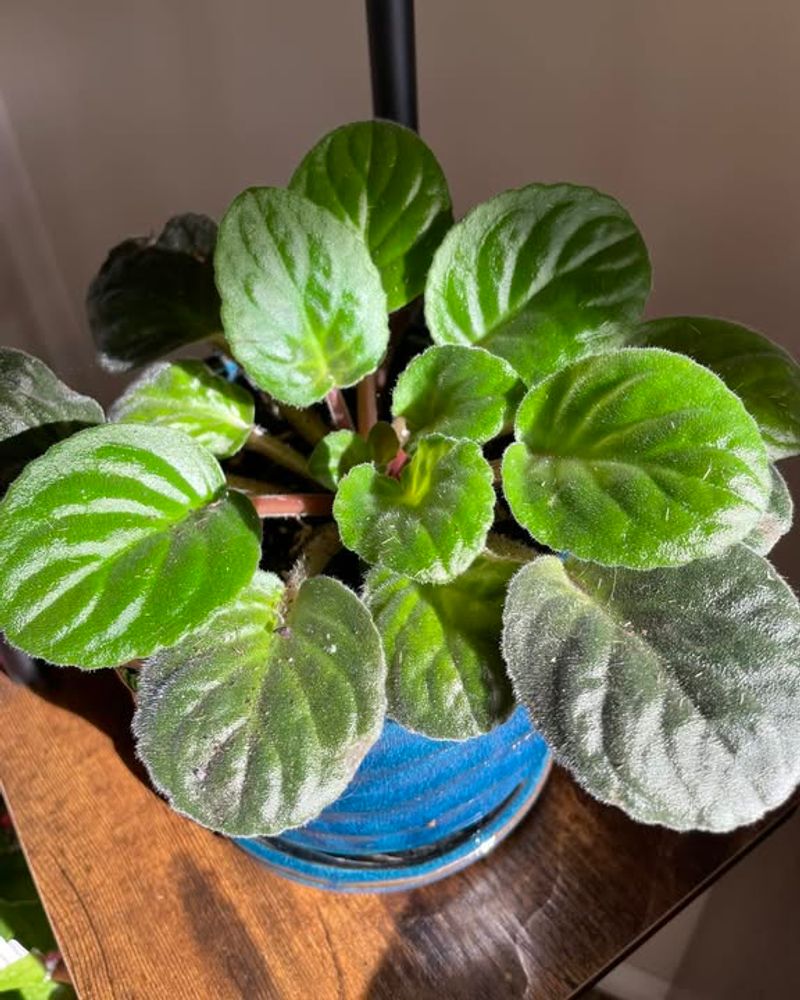
While African violets grow more slowly during winter, they still benefit from regular feeding to support ongoing blooming and leaf production.
Using a balanced fertilizer formulated specifically for African violets ensures they receive the right nutrients in the correct proportions.
Most Tennessee gardeners dilute the fertilizer to half or quarter strength and apply it every two to four weeks during winter.
This gentle approach prevents salt buildup in the soil, which can damage roots and cause leaf edges to turn brown.
Liquid fertilizers mix easily with water and distribute nutrients evenly throughout the root zone.
Some homeowners prefer fertilizing with every watering using a very diluted solution, mimicking how plants receive nutrients in nature.
Always apply fertilizer to moist soil rather than dry soil to avoid burning the sensitive root system.
If you notice white crusty deposits on the soil surface or pot rim, it indicates salt accumulation from fertilizer.
Flushing the soil with plain water occasionally helps remove these salts and keeps your African violets healthy throughout the Tennessee winter season.
Regular Grooming Encourages New Blooms
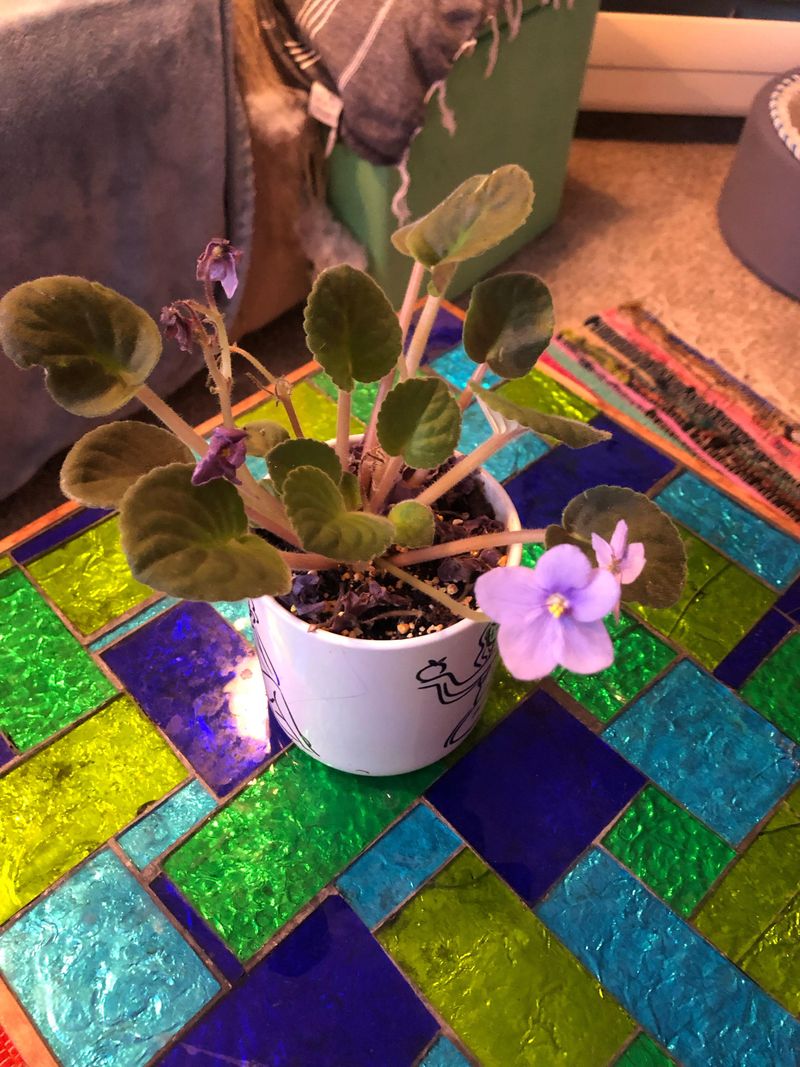
Removing faded flowers and yellowing leaves might seem like a small task, but it makes a significant difference in how your African violets perform during winter.
Spent blooms drain energy from the plant as it tries to produce seeds, energy that could go toward creating fresh flowers instead.
Pinching off old flowers at their base encourages the plant to redirect its resources into developing new buds.
Tennessee homeowners who groom their violets weekly often notice more abundant and longer-lasting blooming periods.
Yellowing or damaged leaves should also be removed promptly because they can harbor pests or diseases.
Use clean scissors or simply pinch stems off with your fingers, being careful not to damage the crown where new growth emerges.
This routine grooming session also gives you a chance to inspect your plants closely for any early signs of problems.
Catching issues like mealybugs or powdery mildew early makes treatment much easier and more effective.
A few minutes of attention each week keeps your African violets looking their absolute best throughout the challenging winter months in Tennessee.
Appropriate Pot Size Promotes Root Health
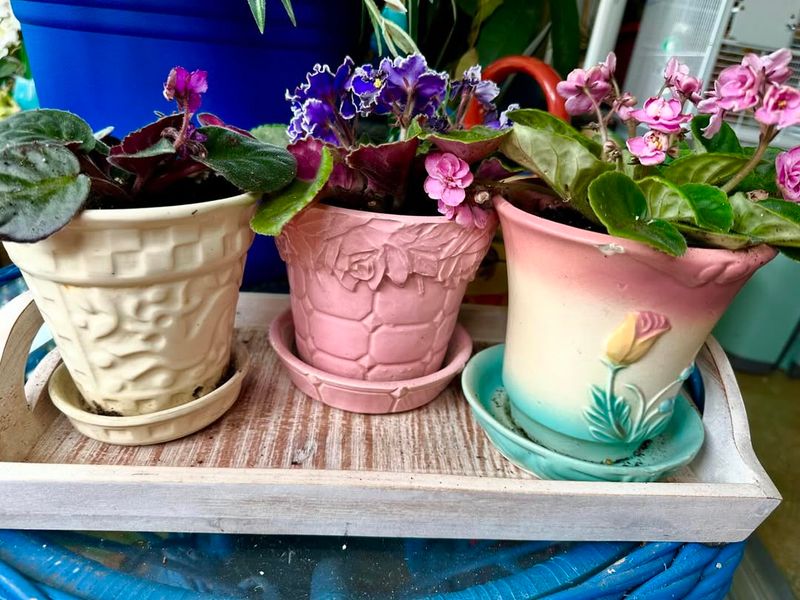
African violets bloom most abundantly when their roots are slightly crowded, which might seem counterintuitive to gardeners used to other houseplants.
Choosing a pot that is about one-third the diameter of the leaf spread creates the ideal growing environment.
Oversized containers hold too much soil and moisture, which can lead to root problems during the slower winter growing season.
Many Tennessee homeowners make the mistake of repotting into much larger containers, thinking they are helping their plants.
Instead, this often results in soggy soil conditions that African violets cannot tolerate.
Plastic pots retain moisture longer than clay pots, which can be helpful during dry Tennessee winters when indoor air is particularly arid.
Whatever material you choose, drainage holes are absolutely essential to prevent water from accumulating at the bottom.
If your violet has been in the same pot for more than a year, winter is actually a good time to refresh the soil without changing pot size.
Gently removing old soil and replacing it with fresh African violet mix provides renewed nutrients and improves drainage for the months ahead.
Quality Potting Mix Ensures Proper Drainage
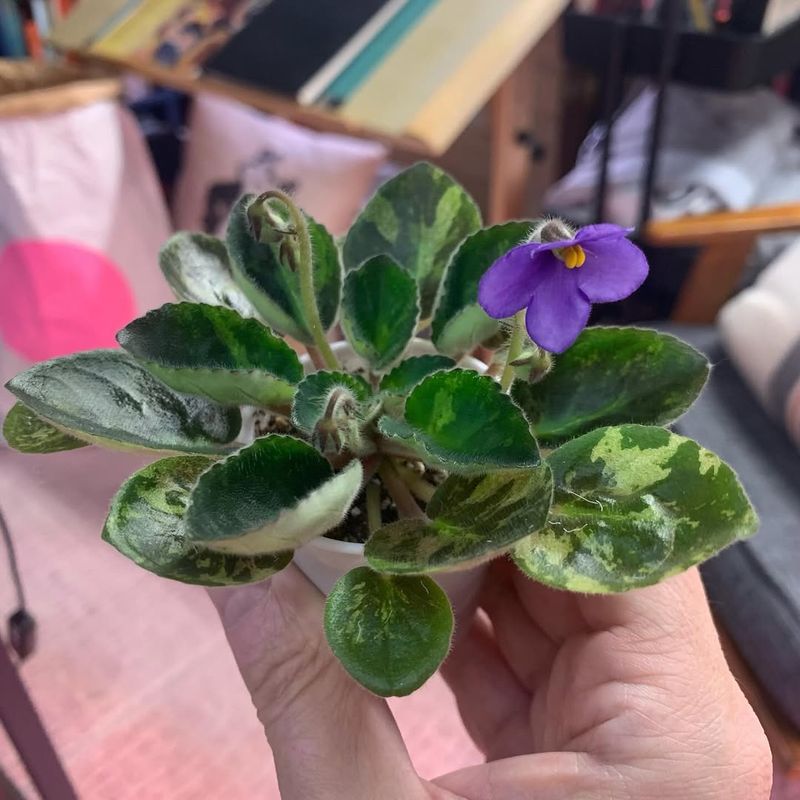
Standard potting soil is too dense for African violets, which need excellent air circulation around their delicate root systems.
Specialized African violet mixes contain ingredients like perlite, vermiculite, and peat moss that create the light, fluffy texture these plants require.
This improved drainage becomes especially important during Tennessee winters when plants use water more slowly.
Soil that stays wet for too long encourages root rot, which can quickly damage or destroy an otherwise healthy plant.
Many experienced Tennessee growers make their own mix by combining equal parts peat moss, vermiculite, and perlite.
Adding a small amount of horticultural charcoal helps keep the mix fresh and prevents odors from developing.
If you prefer ready-made options, look for products specifically labeled for African violets at your local garden center.
Fresh potting mix also reduces the risk of bringing pests or diseases into your collection.
Replacing soil annually gives your African violets a clean start and helps them maintain vigorous growth throughout the winter season and beyond.
Pest Prevention Protects Winter Plants
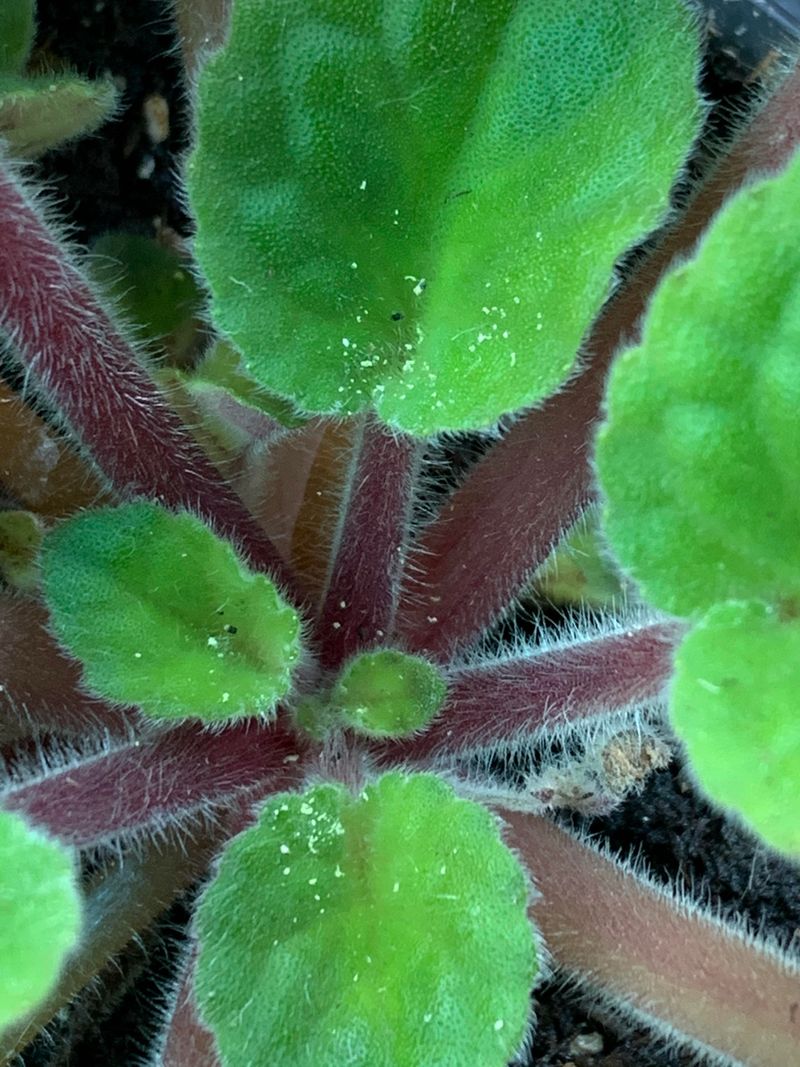
Winter conditions in Tennessee homes can create the perfect environment for certain pests that love African violets.
Dry indoor air encourages spider mites, while mealybugs and aphids may appear seemingly out of nowhere.
Inspecting your plants weekly during your grooming routine helps you catch these unwelcome visitors before they multiply.
Look carefully at leaf undersides, where many pests prefer to hide and feed.
If you spot any insects, isolate the affected plant immediately to prevent them from spreading to your other houseplants.
A gentle spray of room-temperature water can dislodge many pests, or you can use insecticidal soap formulated for houseplants.
Maintaining proper humidity levels also discourages spider mites, which thrive in dry conditions.
Some Tennessee homeowners place a few drops of mild dish soap in their spray bottle when misting plants to create a gentle deterrent.
Keeping your growing area clean and removing fallen leaves promptly eliminates hiding places where pests might establish themselves during the long winter months.
Minimal Handling Reduces Winter Stress
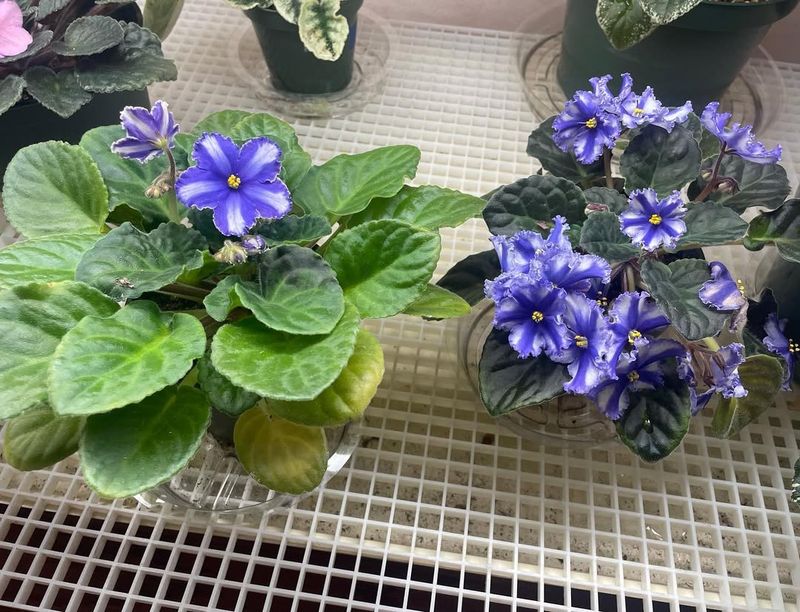
African violets prefer a settled routine during winter when their growth naturally slows down in response to shorter days and lower light levels.
Constantly moving plants around the house or repotting unnecessarily can stress them and interrupt blooming cycles.
Once you find a good location with appropriate light and temperature, leave your violets there throughout the season.
Tennessee homeowners who resist the urge to frequently relocate their plants often see more consistent flowering.
The only movement needed is the weekly quarter-turn rotation to promote even growth on all sides.
Avoid repotting during winter unless absolutely necessary, such as when root rot or severe pest problems require intervention.
Winter is a time for gentle maintenance rather than major changes or experiments with growing conditions.
This hands-off approach allows your African violets to focus their energy on blooming rather than recovering from disturbances.
By establishing a simple, consistent routine and sticking with it, Tennessee gardeners give their plants the stability they need to thrive beautifully all winter long.