The Colorado Homeowner’s Guide To Attracting Winter Songbirds
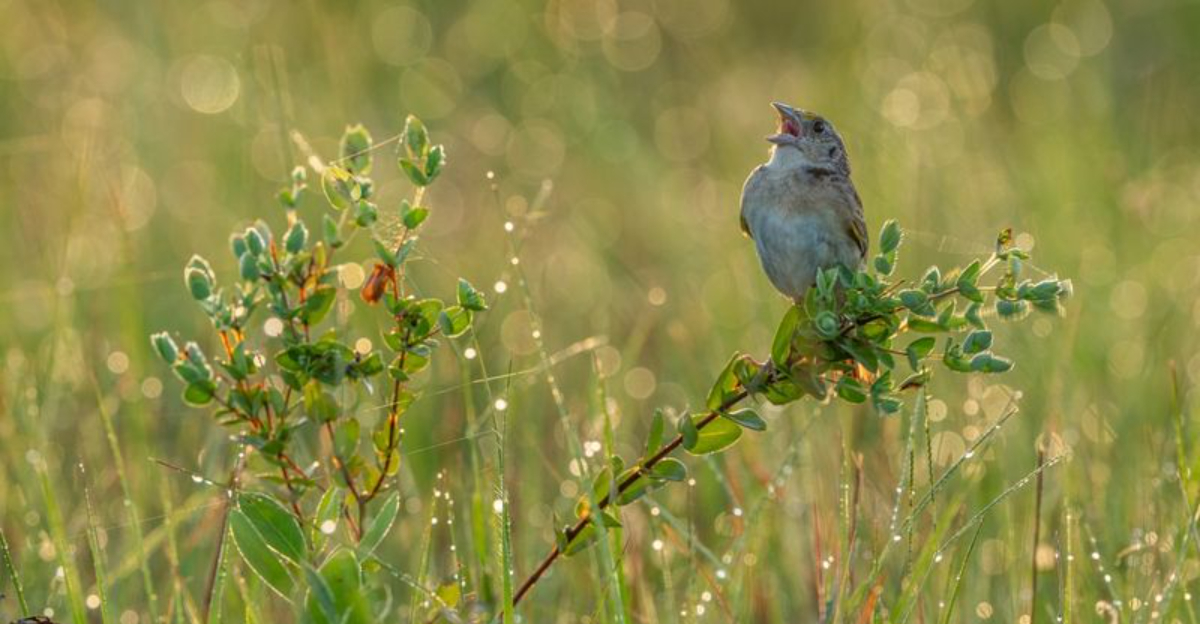
When Colorado’s landscapes turn frosty and quiet, a burst of life arrives from an unexpected source—winter songbirds.
Chickadees, nuthatches, jays, and finches stay active all season, bringing color and movement to even the snowiest yards. But attracting them takes a little winter strategy.
Short days and scarce food push birds to seek reliable backyard sanctuaries, and homeowners who offer the right mix of seed, shelter, and unfrozen water quickly discover their yards becoming lively outdoor retreats.
From heated birdbaths to native shrubs that offer natural protection, small changes can create big invitations for overwintering species.
Winter bird-watching is more than just a hobby in Colorado—it’s a way to support local wildlife during the harshest months while adding joy to your home landscape.
Here’s how to turn your backyard into a winter haven for the songbirds that brighten even the coldest days.
Create A Winter-Friendly Feeding Station
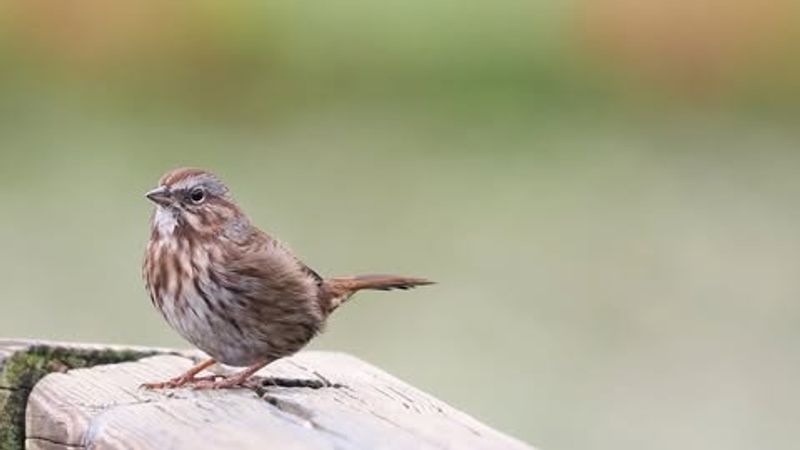
Setting up the right feeders makes all the difference when inviting songbirds to spend winter in your yard.
Tube feeders work wonderfully for small seeds like nyjer and sunflower, while hopper feeders protect larger quantities of seed from snow and ice.
Platform feeders give ground-feeding birds like juncos a comfortable spot to grab a meal without competing at smaller stations.
Black oil sunflower seeds attract the widest variety of Colorado species, including chickadees, nuthatches, and finches.
These seeds have thin shells that birds can crack easily, even when temperatures plunge.
Nyjer seed brings goldfinches and pine siskins to your yard, while safflower seed appeals to cardinals and grosbeaks while discouraging squirrels.
Place feeders at different heights to accommodate various feeding styles.
Chickadees prefer hanging feeders they can grab from quickly, while juncos and towhees enjoy seeds scattered on platform feeders closer to the ground.
Keep feeders at least five feet from windows to prevent collisions, and position them near trees or shrubs so birds have quick escape routes from predators.
Refill feeders regularly during cold snaps when natural food becomes scarce.
Consistency helps birds learn your yard is a reliable resource they can count on throughout the season.
Offer High-Energy Foods Birds Need To Survive The Cold
Cold Colorado nights force songbirds to burn enormous amounts of energy just staying warm.
Suet cakes packed with fat and protein become lifesaving fuel when temperatures drop below freezing.
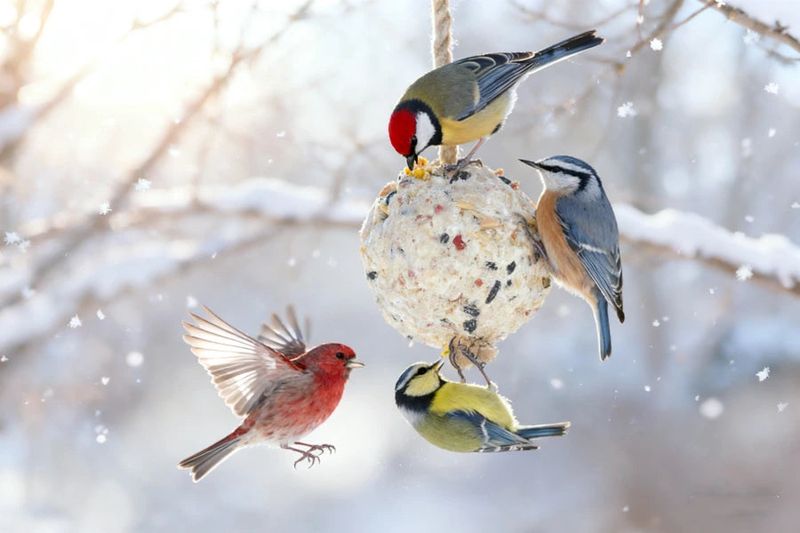
Woodpeckers, nuthatches, and chickadees flock to suet feeders, clinging to the wire cages while pecking at this calorie-dense treat.
Black oil sunflower seeds contain healthy oils that give birds the energy boost they need during harsh weather.
Their high fat content helps birds build the insulation necessary for surviving frigid nights.
Peanuts, whether shelled or in the shell, provide another excellent protein source that keeps birds coming back.
During extreme cold snaps, consider rotating your offerings to include peanut butter mixed with cornmeal or mealworms for insect-eating species.
These foods deliver concentrated nutrition when birds need it most.
Nyjer seed remains important for finches, who rely on its oil-rich composition throughout winter.
Your Colorado Garden Changes Every Week. Your Plan Should Too.
Gardening in Colorado changes quickly throughout the season. Every Friday you’ll receive a simple weekly plan showing exactly what to plant, prune, fertilize, harvest, and protect so you never miss the right timing.
Avoid bread, crackers, or processed human foods, which lack the nutrients birds require and can actually harm their health.
Stick with natural, high-energy options that mirror what birds would find in the wild.
Store seeds in airtight containers to keep them fresh and free from moisture that could cause mold.
Provide Unfrozen Water When Temperatures Drop
Water becomes surprisingly scarce during Colorado winters when everything freezes solid.
Birds need liquid water for drinking and maintaining their feathers, which provide crucial insulation against the cold.
A reliable water source can attract even more songbirds than food alone.
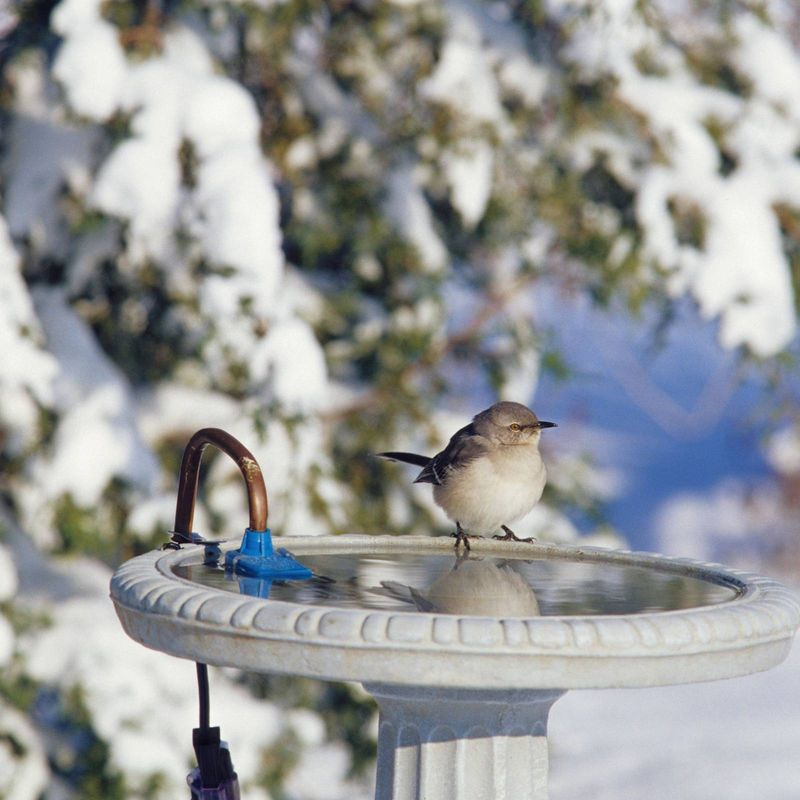
Heated birdbaths solve the freezing problem by keeping water liquid even on the coldest nights.
These thermostatically controlled units use minimal electricity while providing birds with constant access to fresh water.
Place your heated bath on a stable pedestal or ground-level platform where birds feel safe approaching.
If heated baths stretch your budget, try adding a birdbath heater to your existing basin.
These floating or submersible devices prevent ice formation without requiring a whole new setup.
Another option involves placing dark stones in a shallow dish, which absorb sunlight and help keep water liquid during sunny winter days.
Change water every few days to keep it clean and appealing.
Birds appreciate fresh water just as much as fresh food.
Position water sources near shrubs or trees so birds can shake off excess moisture in sheltered spots, preventing their feathers from freezing.
Clean your birdbath weekly using a stiff brush and fresh water to remove algae and droppings.
Use Natural Shelters To Protect Birds From Winter Storms
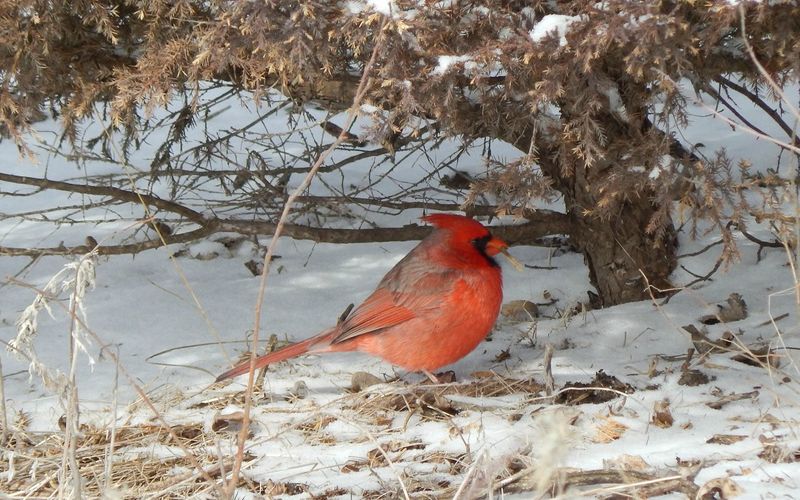
Fierce winds and sudden snowstorms sweep across Colorado with little warning, making natural shelter essential for winter songbirds.
Evergreen trees like spruce, pine, and juniper create windbreaks that block harsh gusts while offering safe roosting spots.
Their dense branches hold heat better than bare deciduous trees, giving birds cozy hideaways during brutal weather.
Dense shrubs planted in clusters form protective thickets where multiple birds can huddle together for warmth.
Native species like chokecherry, serviceberry, and wild plum provide both shelter and food through persistent berries.
Layer your plantings at different heights to create a natural fortress against wind and predators.
Brush piles built from pruned branches and fallen limbs offer surprisingly effective shelter.
Stack branches loosely in a corner of your yard, creating gaps and tunnels where birds can escape storms.
These piles also attract insects that become winter food sources for insect-eating songbirds.
Position shelters on the south or east side of your property where they receive maximum sun exposure during the day.
This orientation helps birds warm up quickly after cold nights.
Avoid trimming evergreens and shrubs during winter, as their full branches provide the best protection when birds need it most.
Add Nesting Boxes And Roosting Spaces
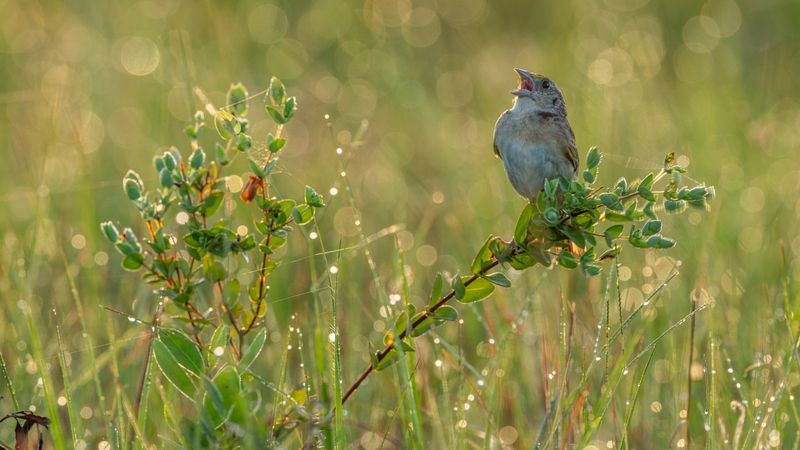
Roosting boxes provide critical overnight shelter that helps small birds survive Colorado’s freezing temperatures.
Unlike spring nesting boxes, winter roost boxes feature entrance holes near the bottom and interior perches at different levels.
This design traps warm air at the top where birds huddle together, sometimes packing a dozen or more chickadees into a single box.
Mount roost boxes on tree trunks or poles facing away from prevailing winds, typically toward the south or east.
Position them slightly lower than summer nest boxes, around five to eight feet high, making them easier for birds to find during storms.
Add a layer of wood shavings or dried grass inside to provide extra insulation.
Chickadees, nuthatches, and downy woodpeckers readily use roosting boxes throughout winter.
These cavity-nesting species naturally seek out tree holes and similar spaces, so providing clean, dry alternatives saves them energy they would spend searching.
Check boxes occasionally to remove any accumulated moisture or debris.
Leave old nest boxes in place year-round, as birds often repurpose them for winter roosting.
Clean out old nesting material in late fall to make room for roosting birds.
Multiple boxes spread around your yard accommodate more birds and reduce competition for prime spots.
Choose Native Plants That Feed And Shelter Birds
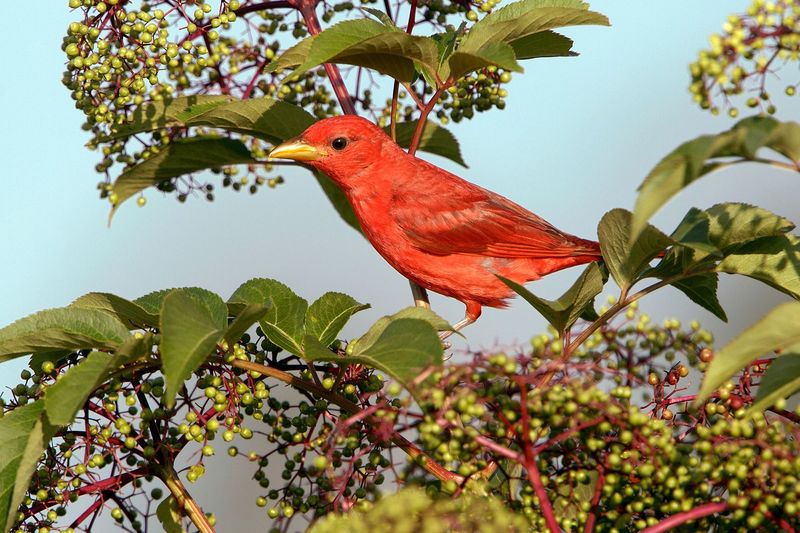
Native plants evolved alongside Colorado’s songbirds, creating perfect partnerships that benefit both.
These plants produce seeds, berries, and shelter precisely when local birds need them most.
Mountain ash berries persist through early winter, attracting robins and waxwings with their bright orange-red clusters.
Serviceberry shrubs offer nutritious berries that many birds cache for later consumption, while their branching structure provides excellent cover.
Chokecherry, another Colorado native, produces abundant fruit that feeds birds well into autumn and sometimes beyond.
Both shrubs grow well in various elevations and soil types across the state.
Leave seed heads on native grasses and wildflowers instead of cutting them back in fall.
Coneflowers, black-eyed Susans, and sunflowers provide natural feeding stations where finches and sparrows can forage throughout winter.
These standing plants also offer insects and larvae that chickadees and nuthatches eagerly consume.
Rabbitbrush and sagebrush create important shelter in lower-elevation yards, their dense foliage blocking wind while harboring insects.
Currants and gooseberries produce early berries that help birds transition from winter to spring.
Plant a variety of natives to ensure something produces food or shelter during every part of winter.
Design A Bird-Safe Yard Free From Winter Hazards
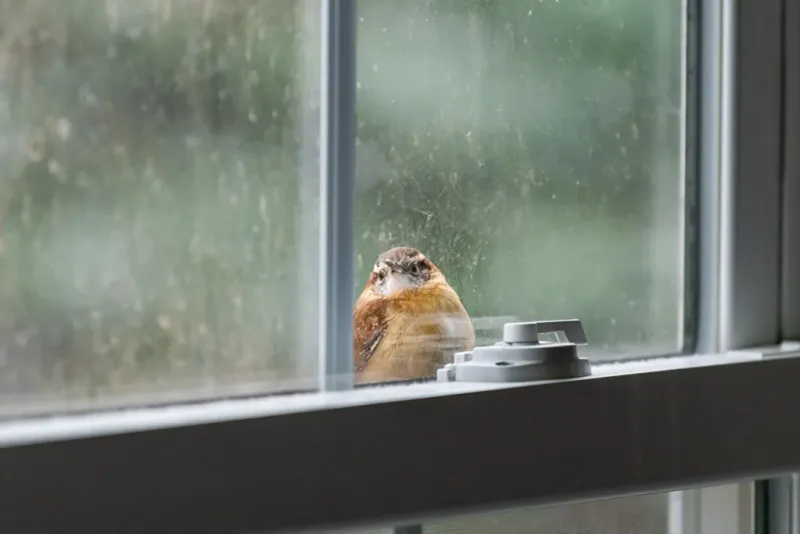
Window collisions increase during winter when birds frantically seek food and shelter, sometimes flying into reflective glass that mirrors the sky or nearby trees.
Apply decals, screens, or tape in patterns across large windows, spacing them no more than two inches apart.
These visual markers help birds recognize barriers they might otherwise miss.
Keep outdoor cats inside during winter months when birds are most vulnerable and distracted by harsh conditions.
Even well-fed cats instinctively hunt, and their presence near feeders creates constant stress that forces birds to burn precious energy staying alert.
If your cat enjoys watching birds, create a comfortable indoor perch near a window.
Position feeders either very close to windows (within three feet) or much farther away (beyond thirty feet).
Close placement prevents birds from building enough speed to injure themselves if they do hit glass, while distant feeders give them clear flight paths.
Avoid placing feeders where they reflect in windows or sliding glass doors.
Remove or cover reflective garden ornaments that might confuse birds during storms or low-light conditions.
String lights and decorations should be bird-friendly, without loops or gaps where birds could become entangled.
Check your yard regularly for hazards like exposed netting or wire that winter winds might uncover.
Keep Feeders Clean To Prevent Winter Disease Spread
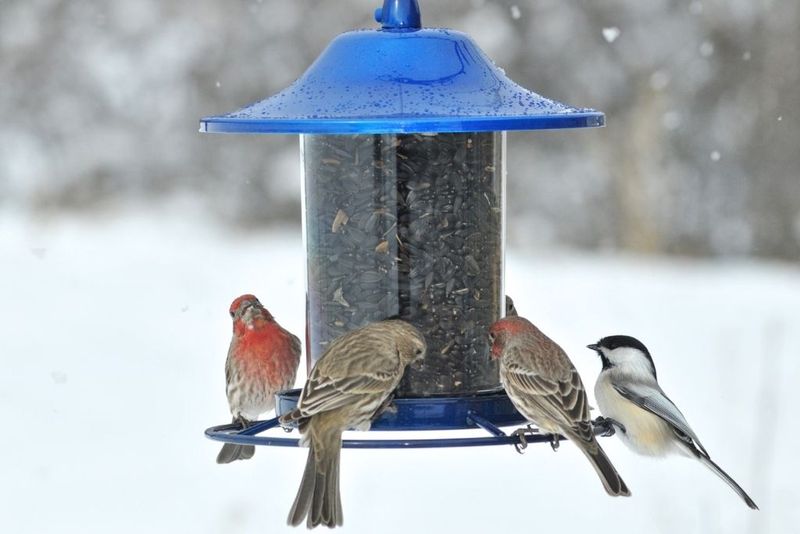
Crowded feeding stations during harsh weather create perfect conditions for spreading diseases among songbirds.
Droppings accumulate quickly when multiple birds visit the same feeder repeatedly, and moisture from snow can promote bacterial growth.
Regular cleaning prevents these problems while keeping your feathered visitors healthy.
Scrub feeders with hot, soapy water every two weeks, or weekly during heavy use periods.
A solution of one part bleach to nine parts water disinfects effectively, but rinse thoroughly and let feeders dry completely before refilling.
Pay special attention to corners and feeding ports where old seed and waste collect.
Rake up discarded seed hulls and droppings beneath feeders, as these materials harbor bacteria and mold.
Move feeders to fresh locations every few months to prevent contamination from building up in one spot.
This rotation also gives the ground time to recover and reduces pest problems.
Watch for sick birds showing fluffed feathers, lethargy, or difficulty flying, and temporarily remove feeders if you notice these signs.
Clean all feeders thoroughly before putting them back up.
Provide multiple feeding stations spaced apart to reduce crowding and competition that can spread illness through aggressive interactions.
Track And Identify Colorado’s Winter Songbirds

Learning which species visit your yard transforms casual bird feeding into an engaging winter hobby.
Free apps like Merlin Bird ID help identify visitors by their appearance, songs, and behaviors.
Simply snap a photo or record a call, and the app suggests likely matches from Colorado’s winter bird population.
Keep a simple journal noting which species appear on different days and what foods they prefer.
You might discover that goldfinches empty your nyjer feeder fastest, while juncos prefer seeds scattered on the ground.
These observations help you adjust your feeding strategy to attract more diversity.
Binoculars bring distant birds into clear view, revealing field marks like wing bars, eye rings, and beak shapes that confirm identifications.
Even inexpensive models work well for backyard birding.
Watch how different species behave at feeders—chickadees grab seeds and fly away, while nuthatches often feed upside down.
Join online communities or local birding groups to share sightings and learn from experienced birders.
Many Colorado neighborhoods participate in citizen science projects like Project FeederWatch, where your observations contribute to important research.
Tracking arrival and departure dates of winter visitors helps you anticipate when to stock specific foods for incoming migrants.