What Pennsylvania Gardeners Should Do Now To Protect Their Spring Bulbs From Winter Damage
Pennsylvania winters can be harsh on your garden, especially when it comes to those beautiful spring bulbs you planted in the fall.
Tulips, daffodils, crocuses, and hyacinths all need a little extra care to make it through the cold months ahead.
Without proper protection, freezing temperatures, snow, and ice can damage or weaken your bulbs before they ever get a chance to bloom.
The good news is that protecting your spring bulbs doesn’t require a lot of time or fancy equipment.
A few simple steps now can make all the difference between a colorful spring display and a disappointing garden.
Whether you’re a seasoned gardener or just getting started, these tips will help you keep your bulbs safe and healthy through winter.
Taking action before the ground freezes hard will give your bulbs the best chance to thrive when warmer weather returns.
Apply A Thick Layer Of Mulch Over Bulb Beds
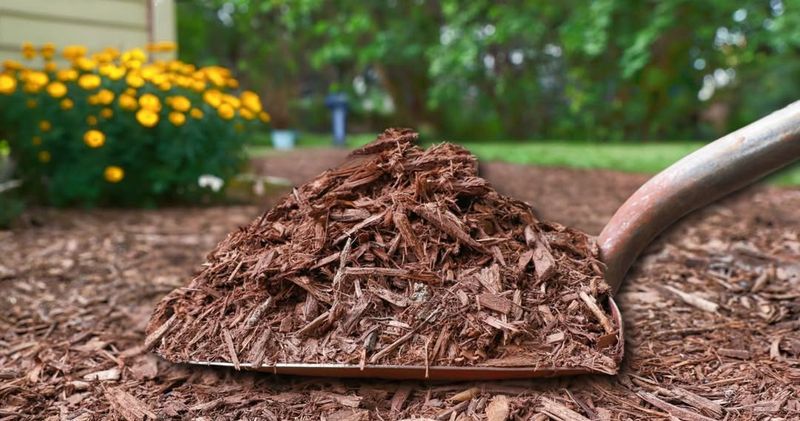
Mulch acts like a warm blanket for your bulbs during Pennsylvania’s coldest months.
Spread about three to four inches of organic material like shredded leaves, straw, or wood chips over the areas where you planted your bulbs.
This layer helps keep soil temperatures more stable, preventing the freeze-thaw cycles that can push bulbs out of the ground or damage their roots.
Mulch also helps retain moisture in the soil, which bulbs need even during winter dormancy.
Choose materials that won’t compact too much or create a waterlogged barrier.
Shredded leaves work especially well because they break down slowly and add nutrients to the soil.
Apply your mulch after the ground has cooled but before it freezes solid, usually in late November or early December in Pennsylvania.
Don’t pile mulch directly against tree trunks or plant stems, as this can cause rot.
Keep the layer even across the entire bed for consistent protection.
When spring arrives, you can leave the mulch in place or gently rake it aside to let the bulbs emerge.
Proper mulching is one of the easiest and most effective ways to protect your investment in spring color.
Water Bulbs Thoroughly Before The Ground Freezes
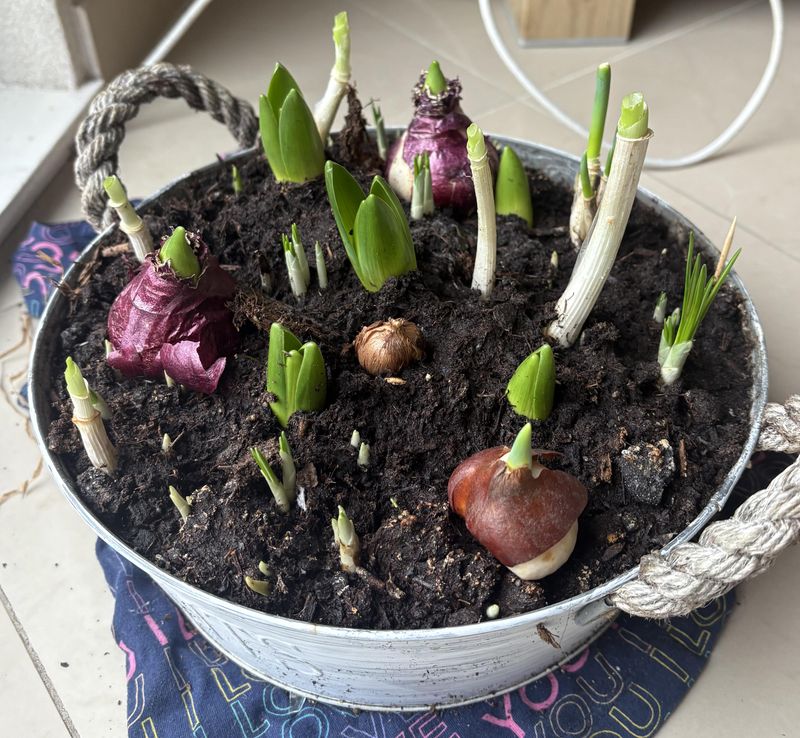
Many Pennsylvania gardeners forget that bulbs need moisture even as winter approaches.
Before the ground freezes hard, give your bulb beds a deep watering to help them establish strong root systems.
Well-hydrated bulbs are better equipped to survive freezing temperatures and come back stronger in spring.
Dry soil can stress bulbs and make them more vulnerable to winter damage.
Water thoroughly so moisture reaches down to where the bulbs are planted, usually six to eight inches deep.
This is especially important if your fall season has been dry, which happens frequently in Pennsylvania.
Plan to do this watering in late October or early November, depending on your specific location in the state.
Don’t water if the ground is already frozen or if rain has recently soaked the area.
The goal is to ensure bulbs have adequate moisture stored in the soil to draw from during their winter dormancy.
Your Pennsylvania Garden Changes Every Week. Your Plan Should Too.
Gardening in Pennsylvania changes quickly throughout the season. Every Friday you’ll receive a simple weekly plan showing exactly what to plant, prune, fertilize, harvest, and protect so you never miss the right timing.
Avoid overwatering, which can lead to rot or fungal problems.
Check the soil moisture by digging down a few inches with your finger or a trowel.
Proper pre-winter watering sets your bulbs up for healthy growth when temperatures rise again.
Install Physical Barriers To Deter Hungry Wildlife
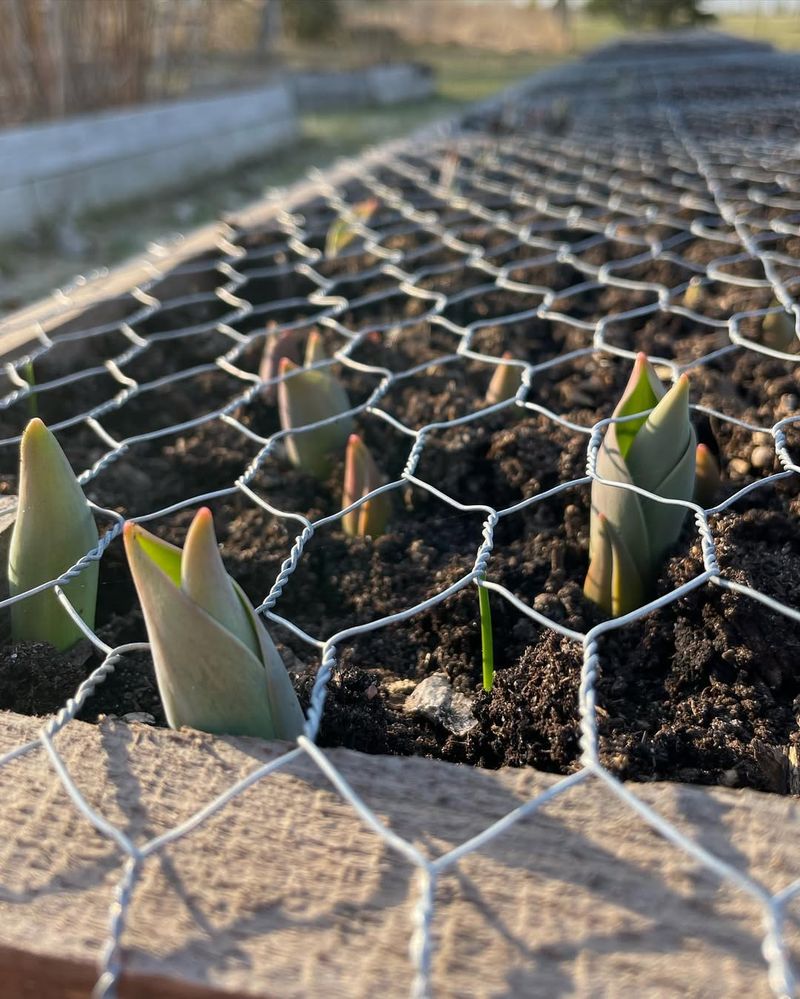
Pennsylvania is home to plenty of critters that view your bulbs as a winter snack buffet.
Squirrels, voles, chipmunks, and even deer can dig up or munch on bulbs when other food sources become scarce.
Installing physical barriers is the most reliable way to keep these animals away from your plantings.
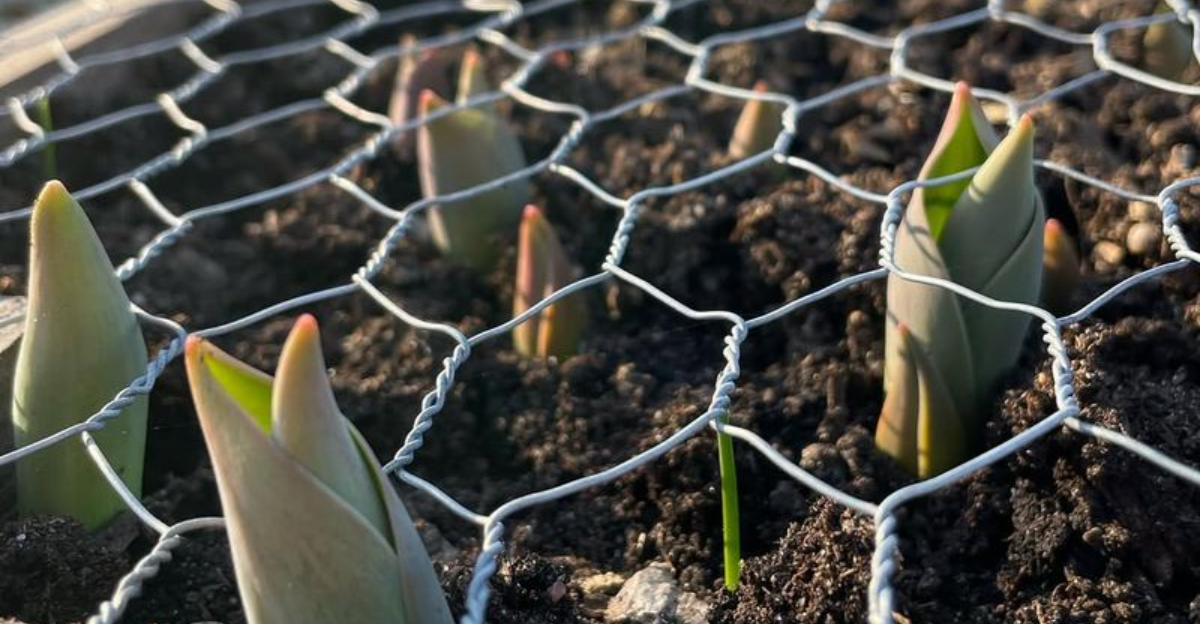
Hardware cloth with half-inch mesh works perfectly for covering bulb beds.
Lay the mesh flat over the planted area and secure the edges with landscape staples or rocks.
The bulbs will grow right through the openings in spring, but animals won’t be able to reach them.
For individual bulbs or small groups, you can create wire cages using chicken wire formed into baskets.
Plant the bulbs inside these cages and bury them at the proper depth.
Another option is to sprinkle cayenne pepper or use commercial repellents around the bed, though these need reapplication after rain or snow.
Motion-activated sprinklers can also discourage larger animals like deer from browsing in your garden.
Physical barriers require a bit more effort upfront but provide season-long protection.
Protecting your bulbs from wildlife now means more flowers for you to enjoy later.
Plant Bulbs At The Proper Depth For Your Zone
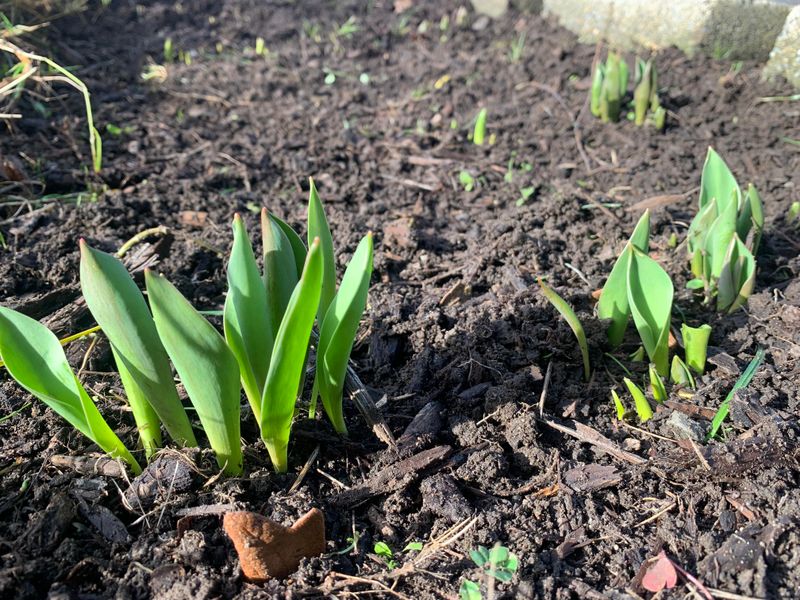
Planting depth makes a huge difference in how well bulbs survive Pennsylvania winters.
Bulbs planted too shallow are exposed to temperature fluctuations and can be heaved out of the ground by frost.
Those planted too deep may struggle to emerge in spring or use up all their energy trying to reach the surface.
As a general rule, plant bulbs at a depth that’s three times their height.
For example, a two-inch tulip bulb should be planted six inches deep.
Larger bulbs like daffodils often need to go eight inches down, while smaller crocuses only need three to four inches.
Pennsylvania falls into USDA hardiness zones 5 through 7, depending on your location, and proper depth becomes even more critical in colder areas.
Deeper planting provides better insulation against freezing temperatures.
Use a bulb planter or trowel marked with depth measurements to ensure accuracy.
The pointed end of the bulb should always face upward.
If you’ve already planted and suspect they’re too shallow, carefully add a layer of soil and mulch over the bed.
Taking time to plant at the right depth now prevents problems throughout the winter and ensures strong spring blooms across Pennsylvania gardens.
Remove Weeds And Debris From Bulb Planting Areas
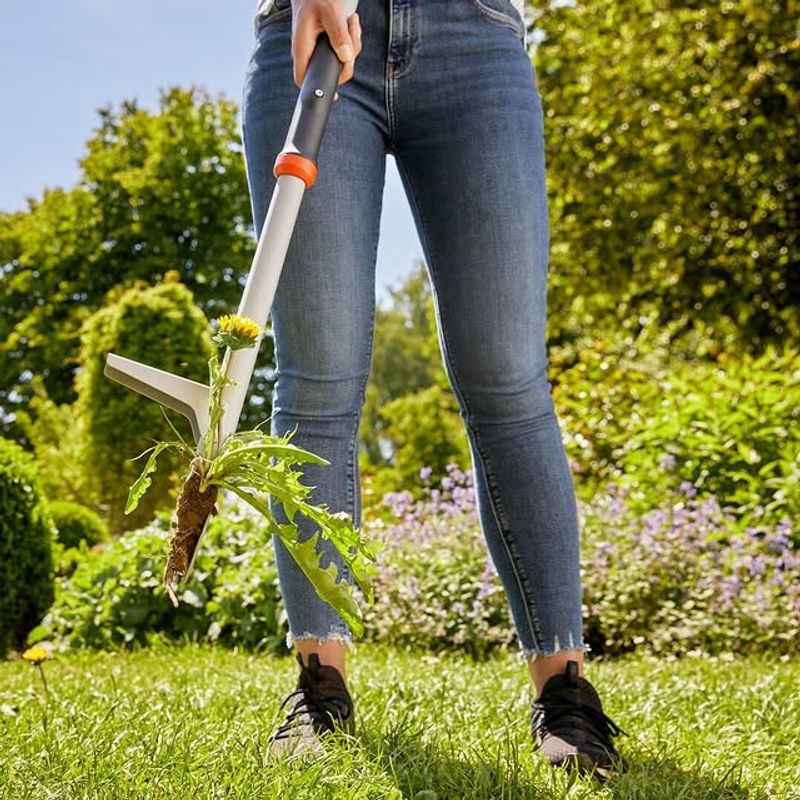
A clean garden bed does more than just look tidy before winter arrives.
Weeds compete with bulbs for nutrients and moisture, even during the cold months when everything seems dormant.
Removing weeds now prevents them from establishing deeper root systems that will be harder to pull in spring.
Fallen leaves, old plant material, and other debris can create hiding places for pests and diseases.
Slugs, snails, and various insects often overwinter in leaf litter and can damage emerging bulbs when temperatures warm up.
Fungal diseases also thrive in damp, decomposing plant matter.
Take time to carefully remove weeds by hand or with a hoe, being careful not to disturb the bulbs you’ve planted.
Rake up excess leaves and debris, but remember that a thin layer can actually be beneficial as natural mulch.
The key is moderation and cleanliness.
Compost the plant material you remove, or dispose of it if you suspect disease.
Pennsylvania’s wet fall weather can make debris problems worse, so check your beds regularly.
A clean bed also makes it easier to apply mulch evenly and spot any problems that develop.
Starting winter with clean bulb beds gives your spring flowers the healthiest possible environment.
Test And Amend Soil For Optimal Bulb Health
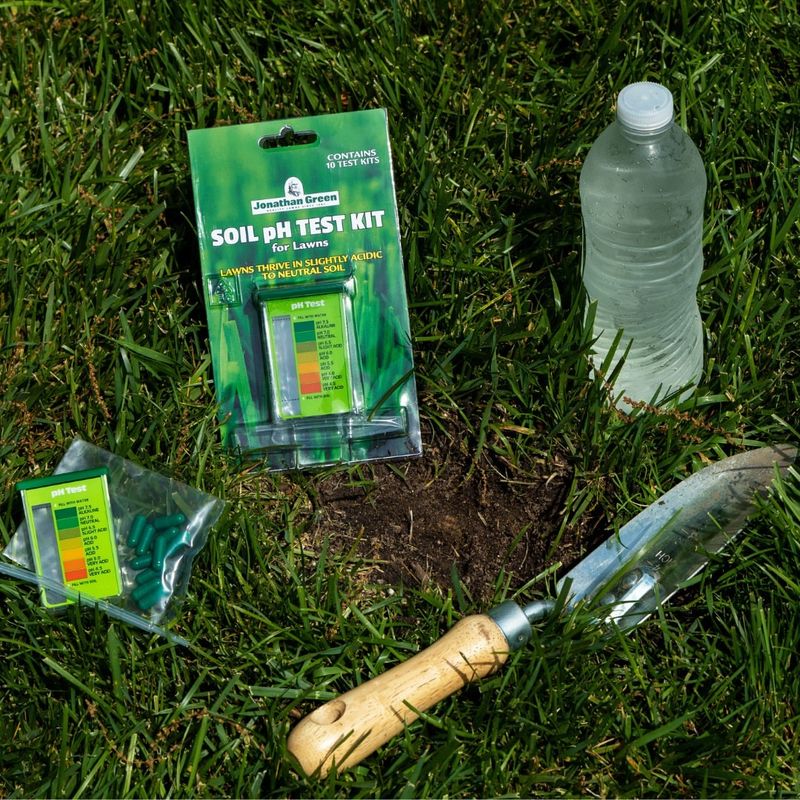
Healthy soil is the foundation for strong, resilient bulbs that can handle Pennsylvania winters.
Testing your soil now gives you valuable information about pH levels and nutrient content.
Most spring bulbs prefer slightly acidic to neutral soil with a pH between 6.0 and 7.0.
Pennsylvania soils vary widely depending on location, so testing is essential rather than guessing.
You can purchase inexpensive home test kits or send samples to your local Penn State Extension office for detailed analysis.
Once you know your soil’s condition, you can make targeted amendments before winter sets in.
If your soil is too acidic, add lime to raise the pH.
If it’s too alkaline, sulfur can help lower it.
Bulbs also benefit from phosphorus, which encourages strong root development.
Bone meal is an excellent organic source of phosphorus that releases slowly throughout winter.
Work amendments into the top few inches of soil around your bulb plantings, being careful not to disturb the bulbs themselves.
Well-balanced soil helps bulbs absorb nutrients more efficiently and builds their resistance to stress.
Fall is the perfect time for soil amendments because they have months to integrate before spring growth begins.
Healthy soil means healthier bulbs and more spectacular blooms throughout Pennsylvania.
Mark Bulb Locations To Avoid Accidental Damage
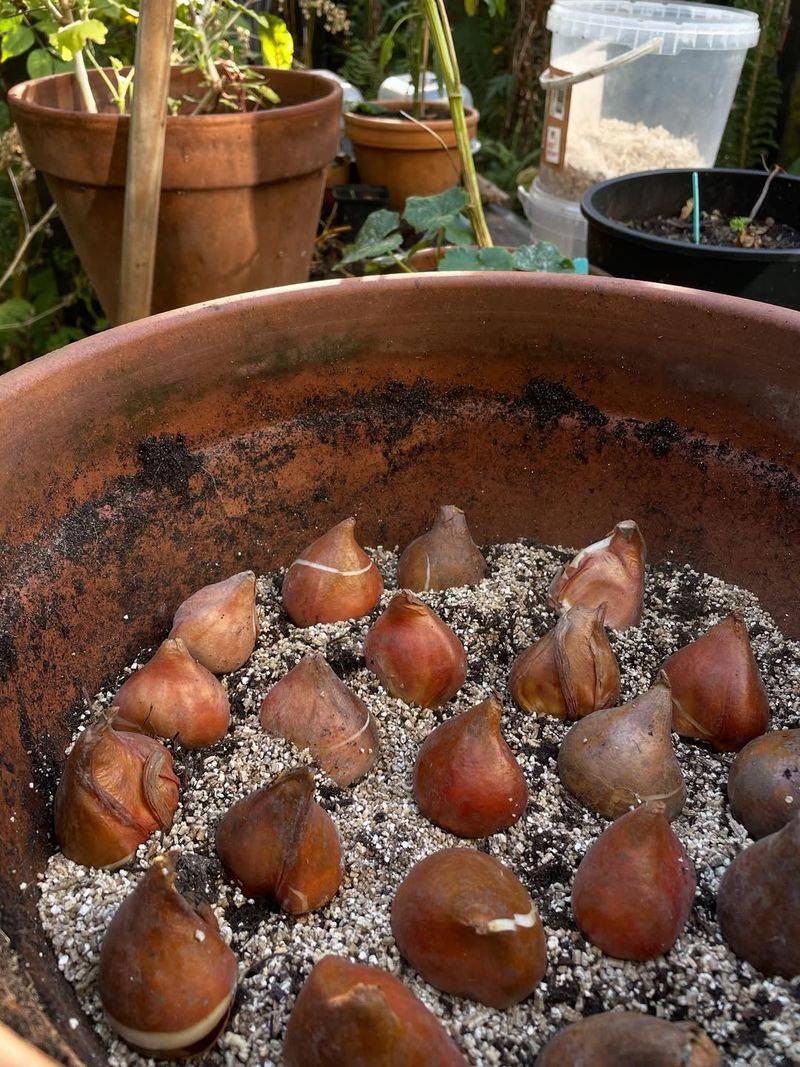
Once snow covers your Pennsylvania garden, it’s easy to forget exactly where you planted your bulbs.
Accidentally digging into bulb beds while doing winter or early spring garden work can damage or destroy them.
Marking bulb locations now saves you from costly mistakes later.
Use plant markers, stakes, or even decorative garden ornaments to identify where bulbs are planted.
Write the bulb type and color on waterproof labels so you’ll remember what to expect in spring.
This is especially helpful if you planted multiple varieties in different areas.
Marking also prevents you from planting something else in the same spot before the bulbs emerge.
Some gardeners create simple maps or take photos of their bulb layouts for reference.
If you have raised beds or containers, consider labeling those as well since they’re easy to overlook.
Markers also help you monitor progress in early spring when shoots first appear.
You’ll know if something isn’t emerging where it should, allowing you to investigate potential problems.
Pennsylvania’s freeze-thaw cycles can sometimes shift markers, so check them periodically and replace any that move.
Clear marking is a simple step that protects your investment and helps you plan future plantings.
A well-marked garden makes spring maintenance much easier and more enjoyable.
Ensure Proper Drainage To Prevent Bulb Rot
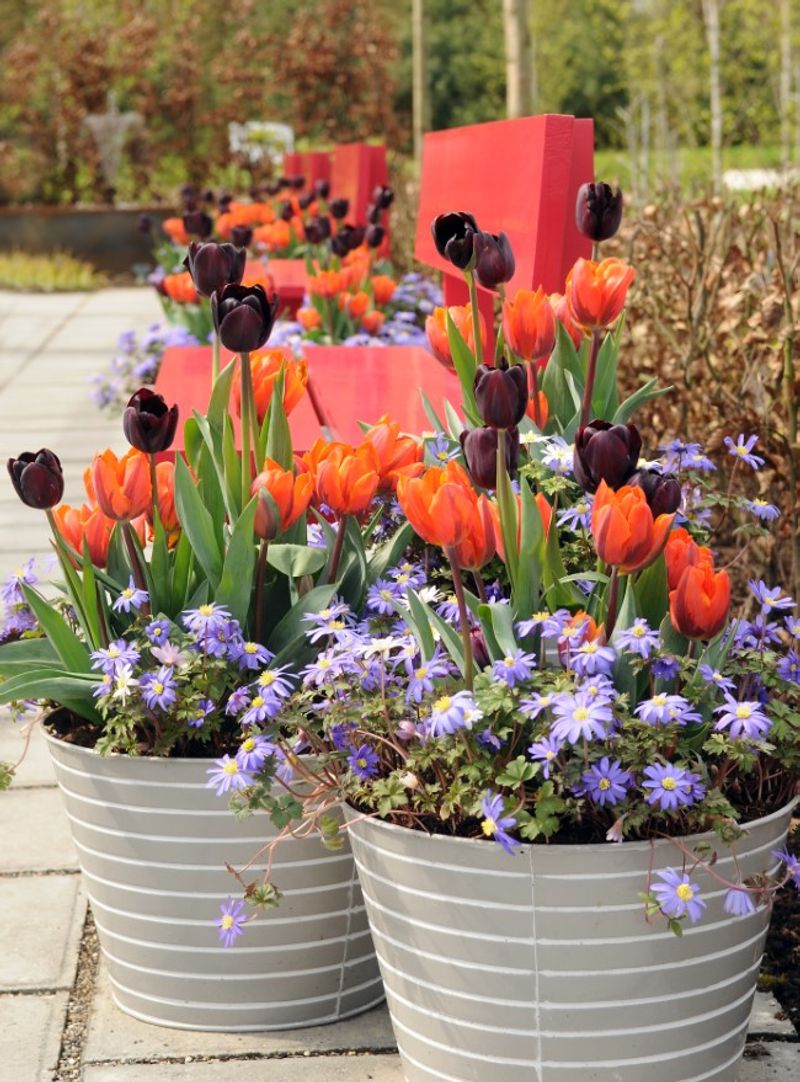
Standing water is one of the biggest threats to bulbs during Pennsylvania winters.
Bulbs sitting in waterlogged soil are highly susceptible to rot and fungal diseases.
Pennsylvania’s winter often brings cycles of snow, rain, and melting that can create drainage problems.
Check your bulb beds after heavy rain to see if water pools or drains slowly.
If you notice standing water, you need to improve drainage before winter truly sets in.
One solution is to create raised beds or mounds that lift bulbs above problem areas.
Adding compost or coarse sand to heavy clay soil improves its drainage characteristics.
Some gardeners install French drains or underground drainage pipes in particularly wet areas.
Make sure downspouts and gutters direct water away from bulb planting areas.
Grading your garden beds so they slope slightly away from buildings also helps.
If your entire yard has drainage issues, consider planting bulbs in containers with drainage holes instead.
Good drainage doesn’t mean dry soil; bulbs still need moisture, just not constant wetness.
Test drainage by digging a hole about a foot deep, filling it with water, and seeing how long it takes to drain.
If water remains after 24 hours, you definitely need to improve drainage.
Proper drainage protects bulbs throughout Pennsylvania’s unpredictable winter weather.
Choose Cold-Hardy Bulb Varieties For Pennsylvania
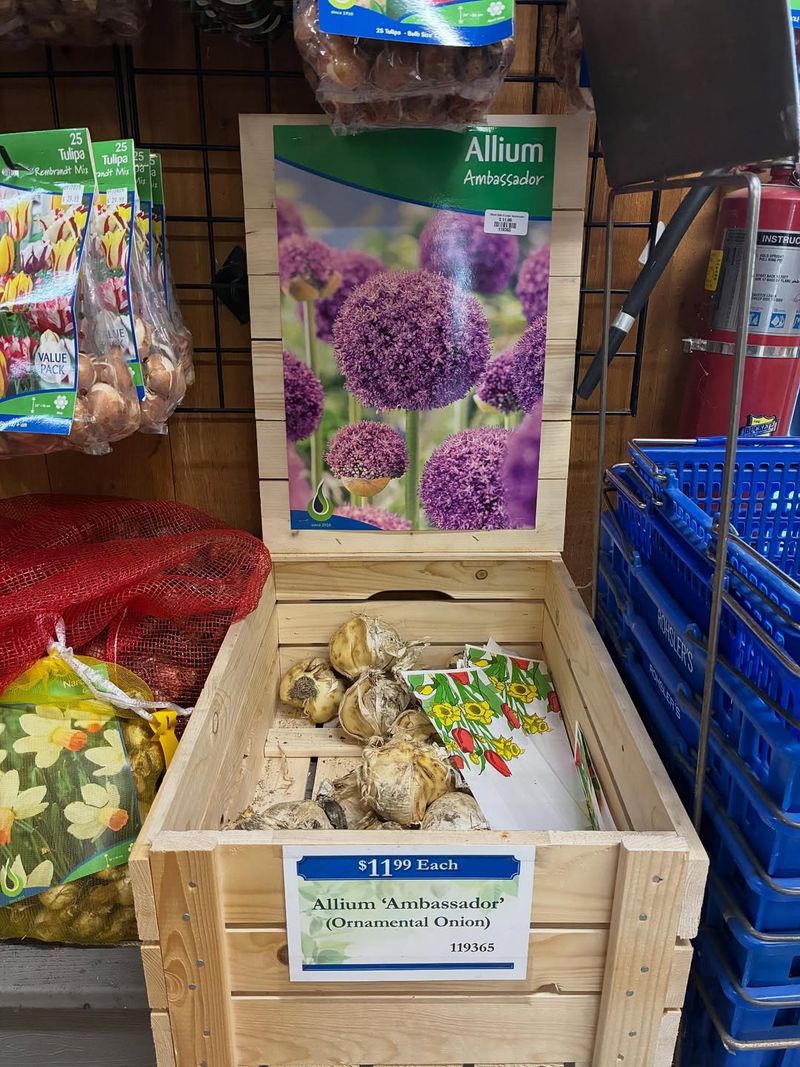
Not all spring bulbs are created equal when it comes to surviving Pennsylvania winters.
Selecting varieties specifically rated for your hardiness zone dramatically increases your success rate.
Daffodils are among the most reliable choices for Pennsylvania because they’re extremely cold-tolerant and deer-resistant.
Crocuses, snowdrops, and grape hyacinths also handle harsh winters beautifully and naturalize well over time.
Tulips can be trickier since some varieties are less cold-hardy than others.
Darwin hybrid tulips and species tulips tend to perform better in Pennsylvania than some of the fancier cultivars.
When shopping for bulbs, look for packages that specifically mention zones 5, 6, or 7.
Local garden centers in Pennsylvania typically stock varieties that work well in the area.
Avoid tender bulbs like gladiolus or dahlias unless you plan to dig them up before winter.
Buying quality bulbs from reputable suppliers also makes a difference.
Larger, firmer bulbs have more stored energy to survive winter and produce better blooms.
Avoid bulbs that feel soft, show mold, or have damaged outer layers.
Investing in cold-hardy varieties suited to Pennsylvania’s climate means less worry and more consistent results.
Native and naturalized bulbs often require the least maintenance and return year after year with minimal care.
Smart variety selection is the first step toward winter bulb success.
Monitor Weather And Add Extra Protection During Extreme Cold
Pennsylvania winters can be unpredictable, with occasional extreme cold snaps that threaten even well-prepared bulbs.
Staying aware of weather forecasts allows you to add extra protection when needed.
When temperatures are predicted to drop well below normal, consider adding another layer of mulch or straw over your bulb beds.
Even a few inches of extra insulation can make a significant difference during severe cold.
Burlap or frost blankets can be laid over beds temporarily during the worst weather.
Remove these temporary covers once temperatures moderate to prevent overheating or moisture buildup.
Pay special attention to bulbs planted in containers, which are more vulnerable to freezing than those in the ground.
Move containers against a building, into an unheated garage, or wrap them with insulation during extreme weather.
Early spring can be particularly tricky when bulbs start emerging but late freezes still occur.
If shoots have already appeared and a hard freeze is forecast, cover them with overturned pots or buckets overnight.
Pennsylvania’s location means weather can change quickly, so checking forecasts regularly is important.
Don’t assume your initial preparations will be enough for the entire winter season.
Being proactive during extreme weather events protects your bulbs from unexpected damage.
A little extra attention during the coldest periods ensures beautiful spring blooms across Pennsylvania gardens.