Why Tennessee Gardeners Add Crushed Eggshells To Winter Beds In December
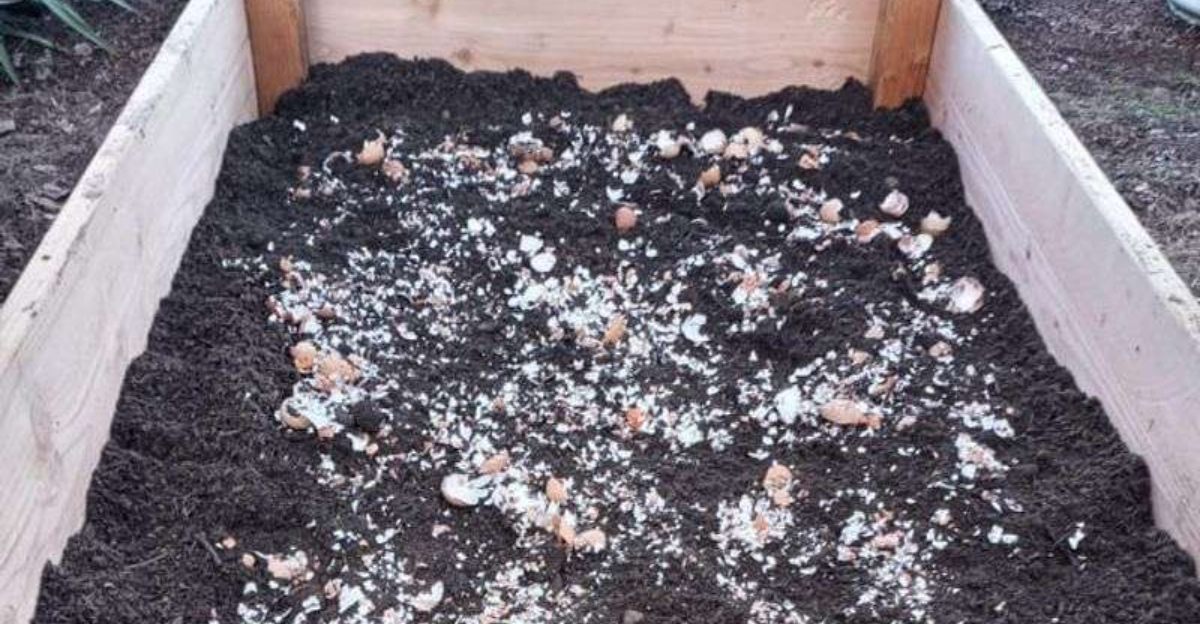
December is far from a dormant month for Tennessee gardeners—it’s a strategic time to build soil that will support next year’s crops and blooms.
One old-fashioned habit that’s making a comeback is the use of crushed eggshells in winter garden beds.
These calcium-rich shells slowly break down over the cold months, enriching the soil just in time for spring growth.
They also help balance acidity, improve drainage in clay-heavy areas, and provide subtle pest deterrence during Tennessee’s occasional warm winter spells.
As more gardeners shift toward sustainable, low-waste practices, eggshells have become a practical way to recycle kitchen scraps into meaningful soil improvements.
Whether you’re prepping vegetable beds, perennial zones, or potted plants, December applications give eggshells months to work their magic.
Here’s why Tennessee gardeners trust this simple amendment to strengthen their gardens long before the first signs of spring.
Eggshells Slowly Release Calcium Into The Soil All Winter
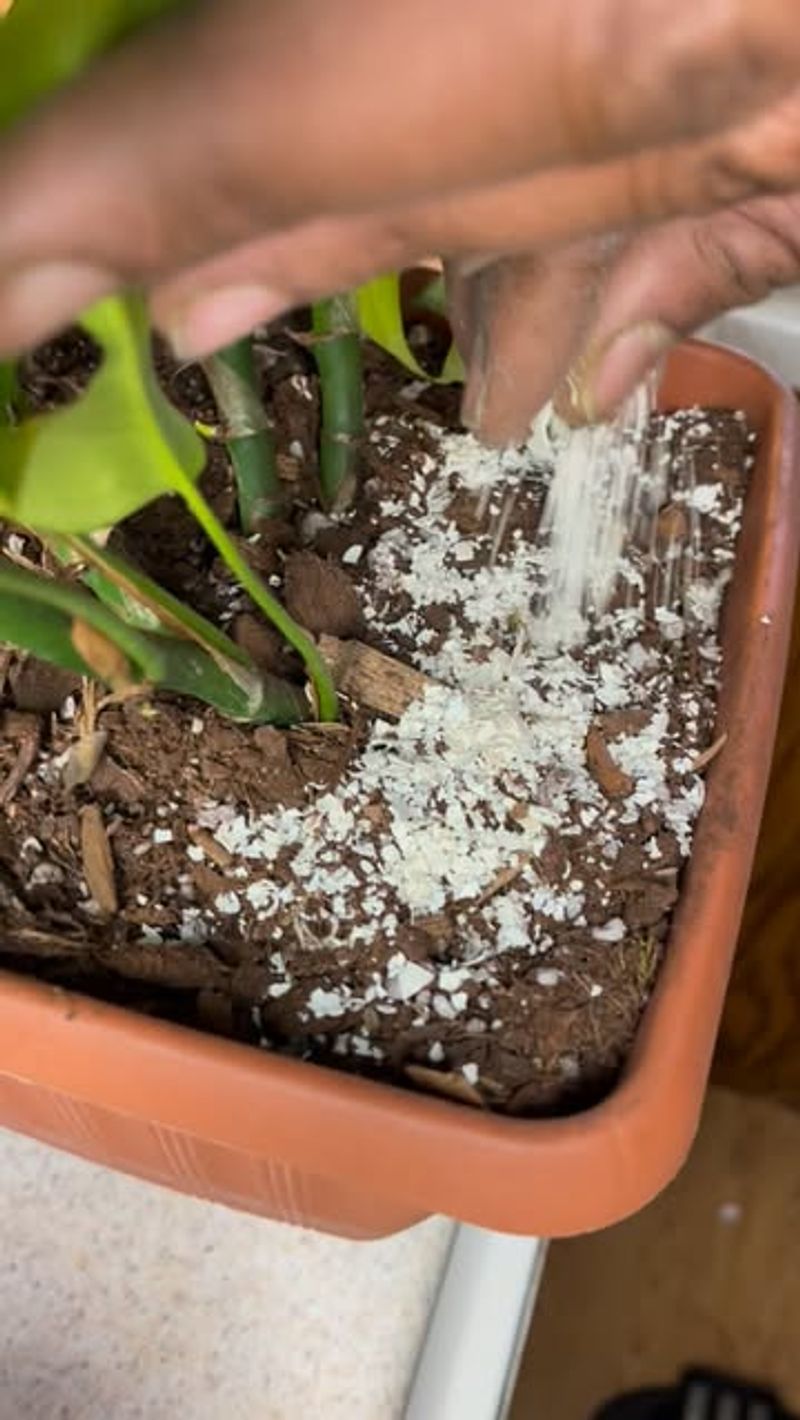
Calcium is essential for building strong cell walls in plants, and eggshells are packed with it.
When you crush them and mix them into your winter beds, Tennessee’s frequent rain and freeze-thaw cycles work together to break down the shells bit by bit.
This gradual decomposition means your soil receives a steady trickle of calcium throughout December, January, and February.
By the time spring arrives, your tomatoes, peppers, and leafy greens will have access to the calcium they need to develop sturdy stems and resist common disorders like blossom-end rot.
Unlike synthetic fertilizers that can wash away quickly, eggshells release their nutrients slowly, reducing waste and keeping your soil nourished for months.
Tennessee’s mild winters provide just enough moisture to soften the shells without flooding them out, making December the ideal month to apply this amendment.
You can collect eggshells from your kitchen all fall, rinse them, let them dry, and then crush them with a rolling pin or food processor.
Spread a generous layer over your beds, work them into the top few inches of soil, and let nature do the rest.
This simple step sets the stage for healthier, more productive plants when warm weather returns.
They Help Neutralize Soil Acidic Pockets Common In Southern Beds

Southern soils, especially in Tennessee, often lean acidic due to heavy rainfall and the presence of clay.
Over time, these conditions can create pockets where pH drops too low for many vegetables and flowers to thrive.
Crushed eggshells contain calcium carbonate, the same compound found in agricultural lime, which gently raises pH and neutralizes acidity.
Adding them in December gives the shells months to interact with soil particles, buffering those troublesome acidic spots before planting season.
This is especially helpful if you grow crops like beans, lettuce, or brassicas that prefer a more neutral pH range.
Unlike fast-acting lime products, eggshells work slowly and won’t shock your soil with a sudden pH swing.
You can test your soil in late fall to identify areas that need attention, then target those spots with extra eggshells.
Your Tennessee Garden Changes Every Week. Your Plan Should Too.
Gardening in Tennessee changes quickly throughout the season. Every Friday you’ll receive a simple weekly plan showing exactly what to plant, prune, fertilize, harvest, and protect so you never miss the right timing.
Mix them well into the top layer of soil, and by March your beds will be more balanced and hospitable to a wider variety of plants.
This natural approach is perfect for organic gardeners who want to avoid synthetic amendments.
It also helps reduce the need for repeated lime applications, saving you time and money over the long run.
Winter Adds Time For Eggshells To Break Down Before Spring Planting

Eggshells are tough, and they don’t dissolve overnight like liquid fertilizers.
Applying them in December gives you a full three to four months of natural decomposition before you plant your first seedlings.
During this time, rain, snow, and soil microbes work together to break down the calcium carbonate into forms that plant roots can absorb.
If you wait until spring to add eggshells, they may still be sitting in large chunks when your plants need nutrients most.
By starting in winter, you ensure that the shells have softened and integrated into the soil structure by the time warm weather arrives.
This head start is especially valuable for fast-growing spring crops like radishes, lettuce, and peas that need immediate access to nutrients.
You can speed up the process by crushing eggshells into fine pieces before applying them, but even coarser fragments will break down nicely over a Tennessee winter.
Some gardeners like to bake their eggshells briefly to make them more brittle and easier to crush, which also helps them decompose faster.
Whatever method you choose, the key is to get them into the soil early so they’re ready when your plants are.
They Improve Soil Structure In Heavy Tennessee Clay
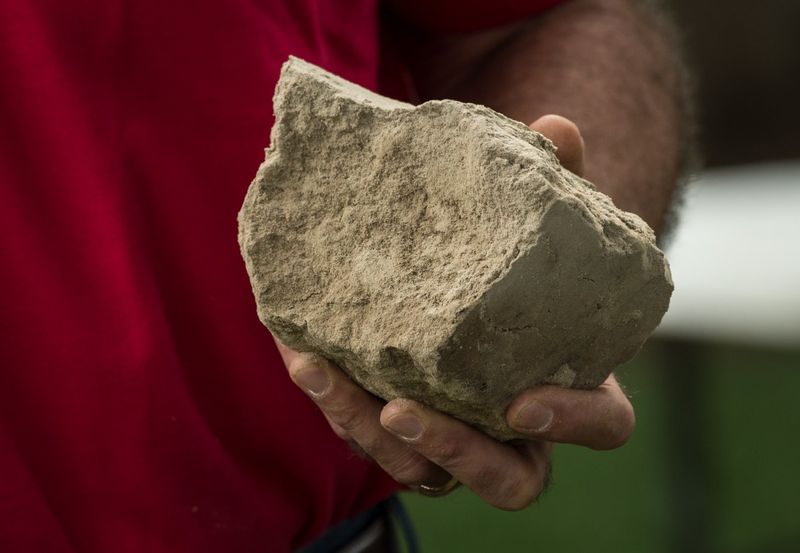
Tennessee clay soil can be dense, sticky, and difficult for plant roots to penetrate.
It holds moisture well but often drains poorly, leading to waterlogged beds and stunted growth.
Crushed eggshells add small, irregular particles to the soil that help create tiny air pockets and improve overall structure.
As the shells break down, they work like tiny wedges, loosening compacted clay and allowing water and oxygen to move more freely.
This improved drainage is crucial for preventing root rot and encouraging deep, healthy root systems.
When you apply eggshells in December, they have all winter to settle into the soil and start creating these beneficial changes.
By spring, your beds will be easier to work with a shovel or trowel, and your plants will establish faster.
You can combine eggshells with other organic matter like compost or shredded leaves for even better results.
The shells add mineral content while the organic matter boosts microbial activity and further loosens clay.
This one-two punch transforms heavy, unforgiving soil into a crumbly, fertile growing medium that plants love.
It’s a simple, cost-free way to tackle one of the biggest challenges Tennessee gardeners face.
Eggshells Support Beneficial Soil Microbes During Dormant Months
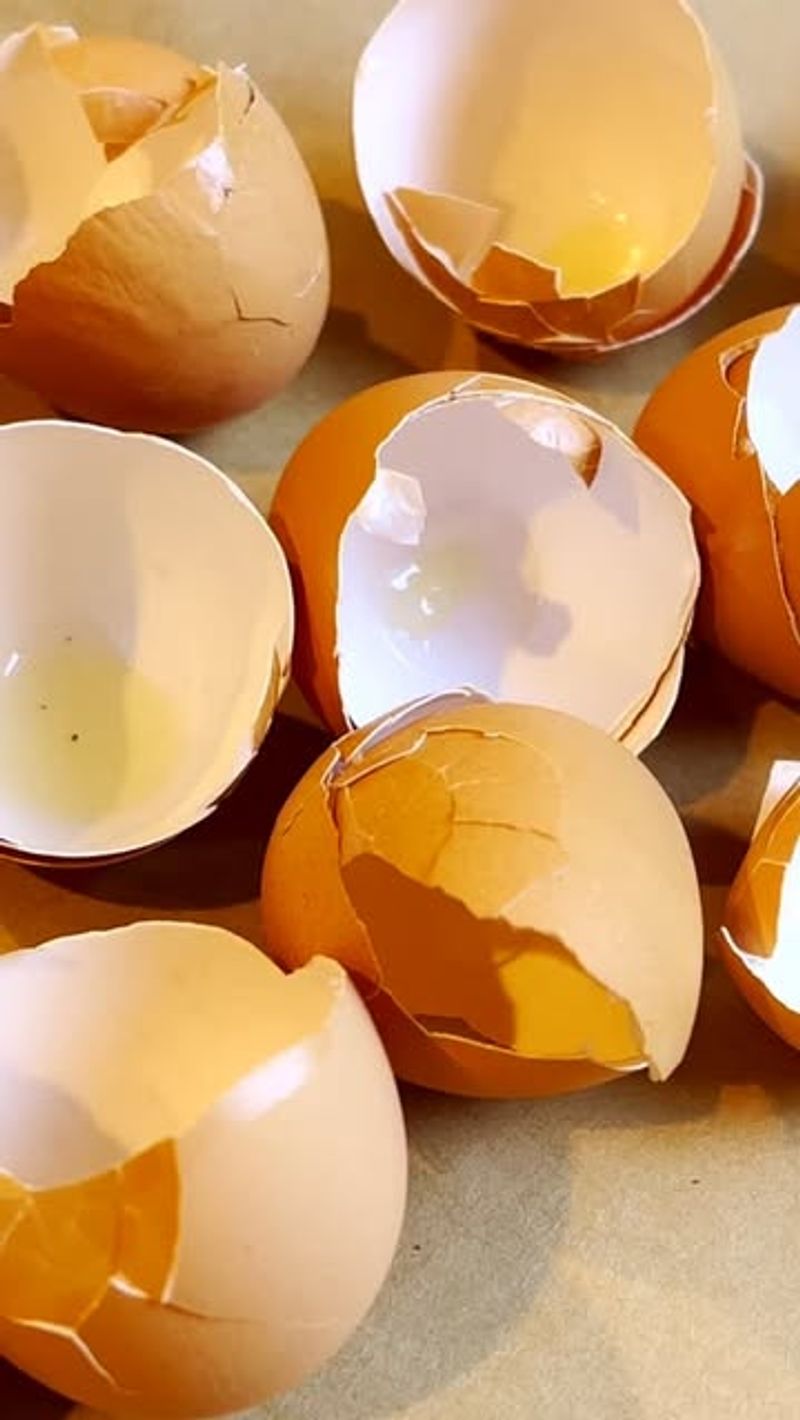
Soil is alive with bacteria, fungi, and other microorganisms that break down organic matter and make nutrients available to plants.
Even during winter, these beneficial microbes remain active, especially in Tennessee where temperatures often stay above freezing.
Crushed eggshells provide a food source for certain types of bacteria that specialize in breaking down calcium carbonate.
As these microbes work on the shells, they multiply and contribute to a healthier, more diverse soil ecosystem.
This microbial activity continues through the dormant months, priming your beds for explosive growth when spring arrives.
A thriving microbial community also helps suppress harmful pathogens and improves nutrient cycling, so your plants get more from every amendment you add.
By feeding your soil microbes in winter, you’re investing in long-term soil health that pays dividends season after season.
Eggshells are especially valuable because they break down slowly, providing a sustained food source rather than a quick burst of nutrients.
You can enhance this effect by adding compost or aged manure along with the eggshells, giving microbes a balanced diet of carbon, nitrogen, and minerals.
This holistic approach builds soil that’s resilient, fertile, and full of life.
They Help Deter Certain Winter Pests In Mild Tennessee Winters
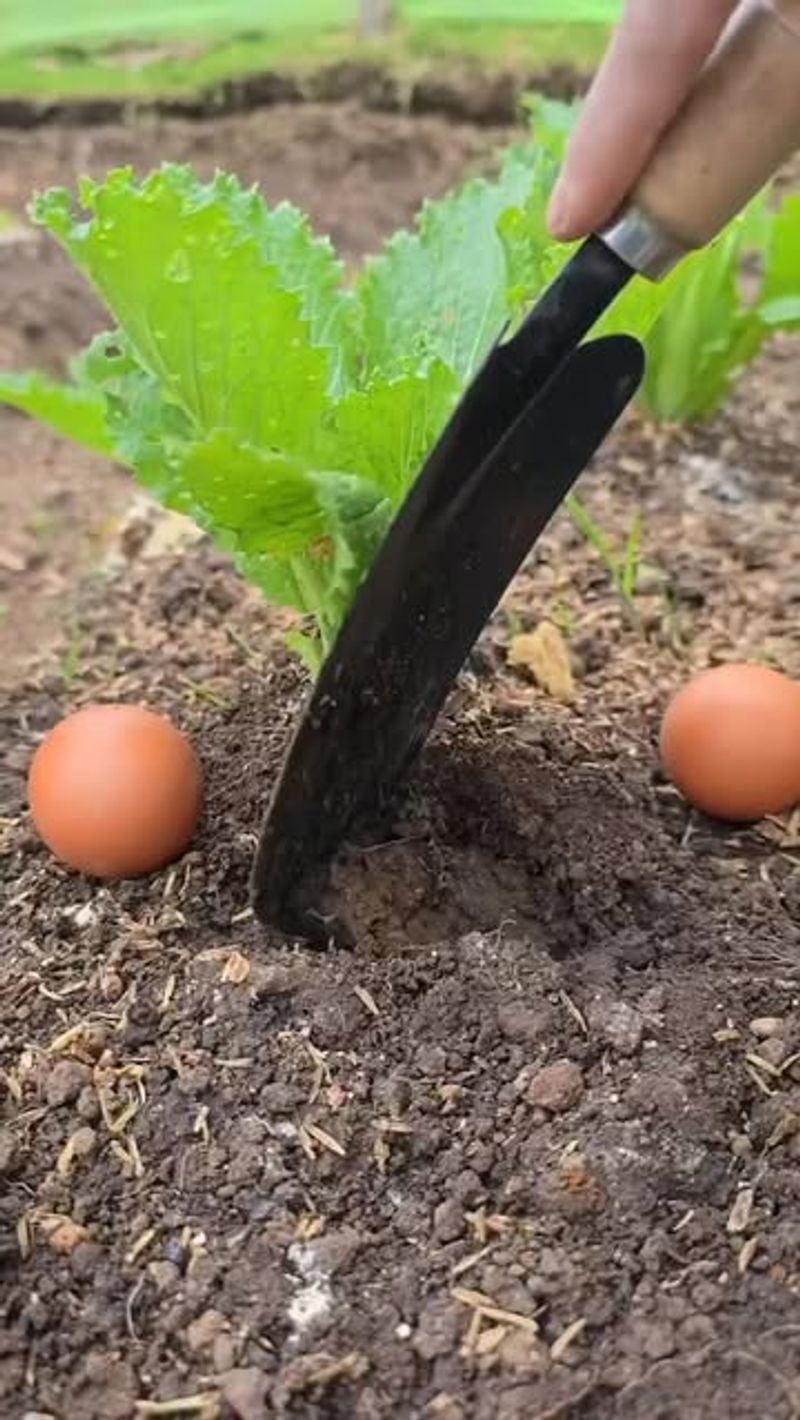
Tennessee winters are often mild, with temperatures that fluctuate above and below freezing.
During warm spells, slugs, snails, and other soft-bodied pests can remain active and munch on overwintering greens or early spring transplants.
Coarsely crushed eggshells create a rough, abrasive barrier that these pests prefer to avoid.
While eggshells won’t eliminate pests entirely, they can reduce damage and protect tender seedlings during vulnerable stages.
The sharp edges of the shells are uncomfortable for slugs to crawl over, encouraging them to seek easier targets elsewhere.
This natural deterrent is safe for pets, children, and beneficial insects like bees and ladybugs, making it a gardener-friendly pest management tool.
You can scatter eggshells around the base of plants or create a ring of crushed shells to form a protective zone.
For best results, reapply after heavy rains, as shells can wash away or become embedded in the soil.
Combining eggshells with other organic pest control methods, like hand-picking slugs or using beer traps, gives you a well-rounded defense strategy.
It’s a simple, no-cost way to give your winter garden an extra layer of protection without resorting to harsh chemicals.
A Free, Sustainable Soil Amendment For Off-Season Prep
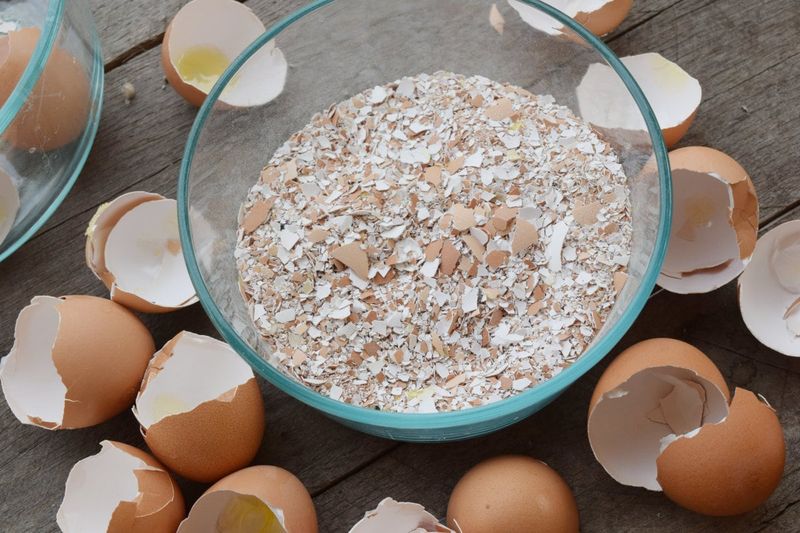
Every time you crack an egg for breakfast, you’re creating a valuable garden resource.
Instead of tossing those shells in the trash, you can rinse them, dry them, and save them for your winter beds.
This simple habit turns kitchen waste into a free, sustainable soil amendment that improves your garden without spending a dime.
Over the course of a few months, even a small household can collect enough eggshells to treat several garden beds.
Crushing them is easy—just place dried shells in a zip-top bag and roll over them with a rolling pin, or pulse them in a blender or food processor.
Storing crushed eggshells in a dry container keeps them ready to use whenever you have time to work on your beds.
This approach reduces household waste, lowers your carbon footprint, and keeps valuable calcium out of the landfill.
It’s also a great way to teach kids about composting, recycling, and the cycle of nutrients in nature.
Many Tennessee gardeners enjoy the satisfaction of growing food with homemade amendments, knowing they’re supporting both their garden and the environment.
Eggshells are proof that sustainable gardening doesn’t have to be complicated or expensive—sometimes the best solutions are right in your kitchen.
Perfect For Amending Beds Without Over-Fertilizing In Winter
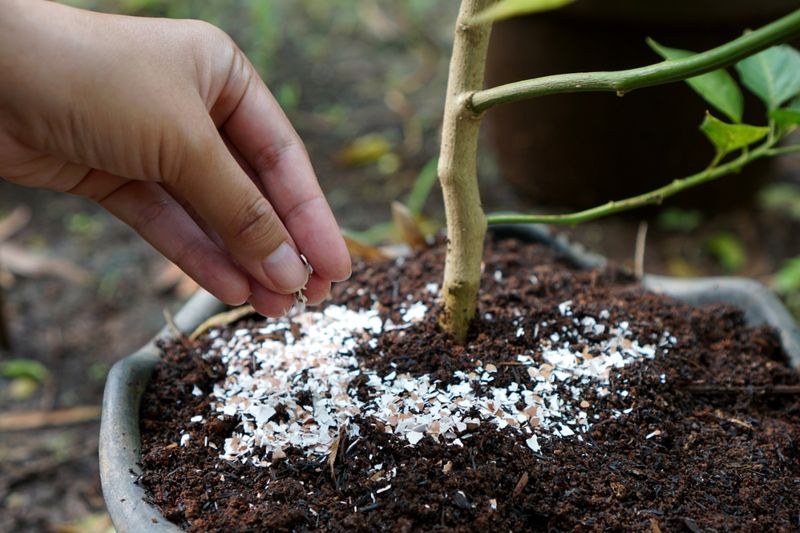
Winter is a tricky time to fertilize, because most plants are dormant and can’t absorb nutrients efficiently.
Applying nitrogen-rich fertilizers in December often leads to runoff and leaching, wasting your money and potentially polluting waterways.
Eggshells offer a safer alternative because they release nutrients slowly and don’t contain high levels of nitrogen that can burn plants or wash away.
Their primary nutrient, calcium, binds to soil particles and stays put, ready for plants to use when they wake up in spring.
This makes eggshells ideal for winter bed prep, especially if you’re amending areas where you plan to grow calcium-loving crops like tomatoes, peppers, or squash.
You can apply eggshells generously without worrying about over-fertilizing or harming soil biology.
They won’t spike nutrient levels or create imbalances that could stress your plants later.
For Tennessee gardeners who want to improve their soil over the winter without taking risks, eggshells are a foolproof choice.
Combine them with compost or leaf mold for a complete, balanced amendment that nourishes soil life and builds fertility naturally.
By taking this gentle, thoughtful approach to winter bed prep, you’ll set yourself up for a bountiful, healthy growing season.