How To Prepare Georgia Fruit Trees For Better Spring Growth In Winter
Georgia fruit trees need special care during the cold months to produce amazing harvests when spring arrives.
Winter might seem like a time when trees just rest, but smart gardeners know this season offers the perfect opportunity to set up their orchards for success.
The work you do now can make a huge difference in how much fruit your trees produce later.
Fruit trees in Georgia face unique challenges because of the state’s climate and weather patterns.
Peach trees, apple trees, pear trees, and other popular varieties all need different types of winter preparation.
The good news is that most of these tasks are simple and don’t require fancy tools or expensive products.
You just need to know what to do and when to do it.
Taking care of your fruit trees during winter helps them stay healthy and strong.
Cold weather can stress trees and make them vulnerable to problems.
Proper winter care protects your trees from damage and helps them wake up ready to grow when warm weather returns.
Your trees will reward your efforts with beautiful blooms and delicious fruit.
Prune Your Trees At The Right Time
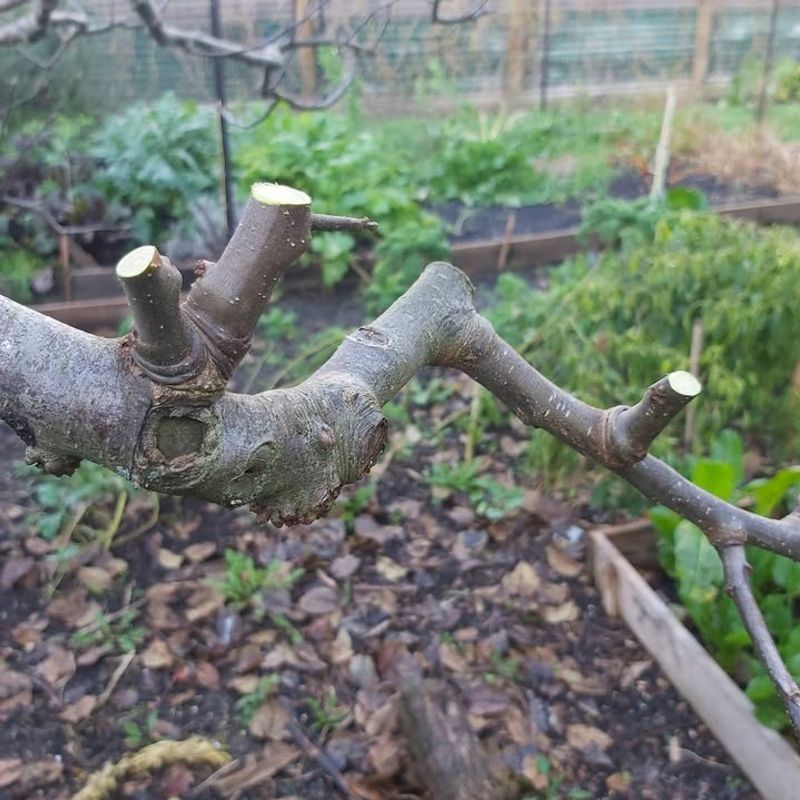
Late winter stands as the ideal moment to grab your pruning shears and shape your fruit trees.
Most Georgia fruit growers wait until January or February when trees are fully dormant but before new buds start to swell.
This timing gives you a clear view of the tree’s structure without leaves blocking your sight.
Focus on removing branches that cross over each other or grow toward the center of the tree.
These problem branches can rub against each other and create wounds that invite pests and disease.
Opening up the center allows sunlight and air to reach all parts of the tree, which keeps fruit healthy and helps prevent moisture buildup.
Cut away any branches that look damaged, broken, or diseased first.
Make clean cuts at a slight angle just above a bud or branch junction.
Rough or jagged cuts take longer to heal and can become entry points for problems.
Young trees need lighter pruning than mature ones because you’re still training their shape.
Older trees benefit from more aggressive pruning to remove unproductive wood and encourage new growth.
Always step back occasionally to check your progress and maintain a balanced shape.
Sharp, clean tools make the job easier and create healthier cuts that heal faster.
Apply Dormant Oil Spray For Pest Control
Dormant oil spray works like a protective shield for your fruit trees during winter months.
This special mixture smothers insect eggs, larvae, and overwintering pests that hide in bark crevices and branch joints.
Many Georgia fruit growers consider this step essential because it stops pest problems before they can start in spring.
Choose a calm, dry day when temperatures stay above 40 degrees Fahrenheit for application.
The oil needs time to dry on the bark without freezing or getting washed away by rain.
Spray thoroughly, covering every inch of trunk, branches, and twigs until the bark looks wet and shiny.
Your Georgia Garden Changes Every Week. Your Plan Should Too.
Gardening in Georgia changes quickly throughout the season. Every Friday you’ll receive a simple weekly plan showing exactly what to plant, prune, fertilize, harvest, and protect so you never miss the right timing.
Timing matters significantly with dormant oil applications in Georgia’s climate.
Apply the spray after you finish pruning but before buds begin to break open in late winter.
This narrow window gives you maximum pest control without harming developing flowers or leaves.
Horticultural oil products are available at most garden centers and come with detailed mixing instructions.
Always follow the label directions carefully to avoid damaging your trees with too strong a mixture.
One thorough application usually provides enough protection, though some growers apply a second coat for extra insurance.
This simple treatment can dramatically reduce pest populations and the need for chemical sprays later in the season.
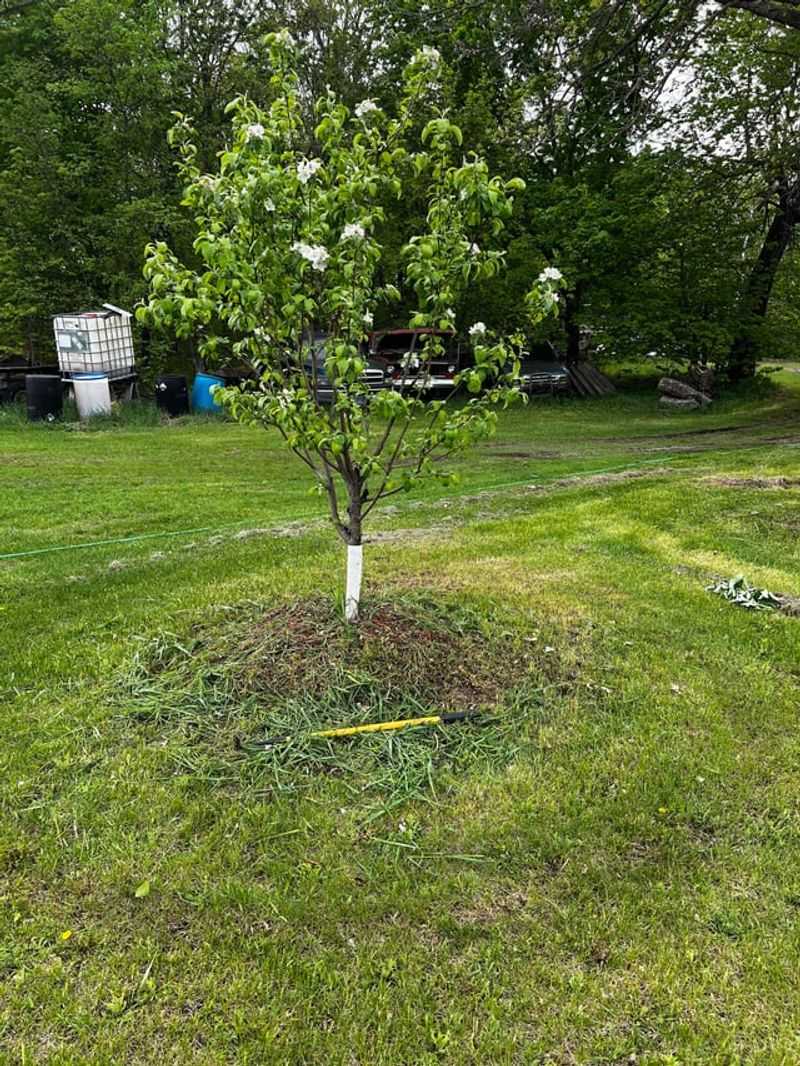
Protect Tree Trunks With White Paint Or Wrap
Sunscald causes serious damage to fruit tree bark during Georgia winters when sunny days follow cold nights.
The south and southwest sides of trunks absorb heat during the day, then freeze rapidly after sunset.
This dramatic temperature swing makes bark crack and split, creating wounds that take years to heal properly.
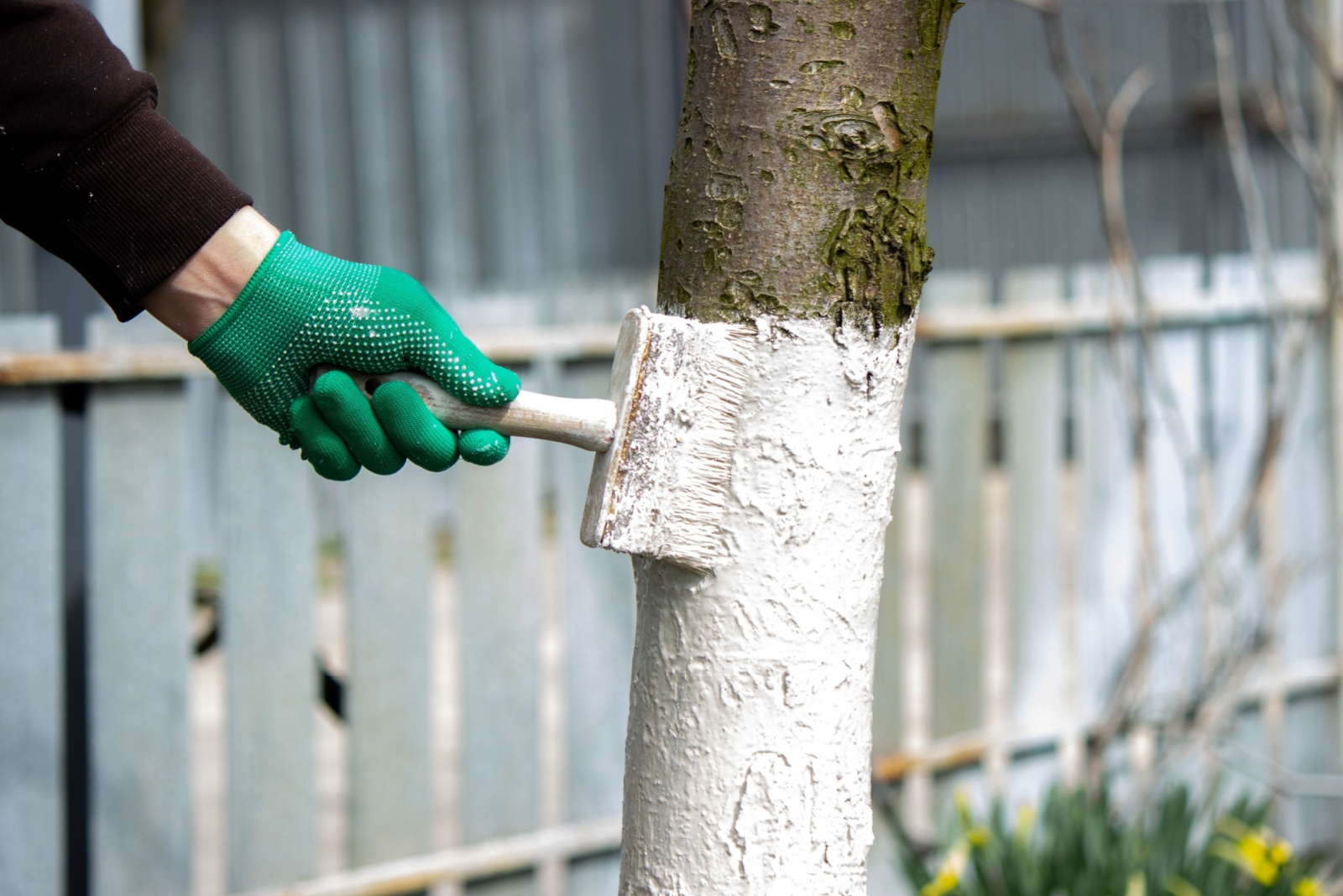
White latex paint diluted with water creates an effective sunscreen for tree trunks.
Mix one part paint with one part water and brush it onto the lower trunk and main scaffold branches.
The white color reflects sunlight and keeps bark temperatures more stable throughout the day.
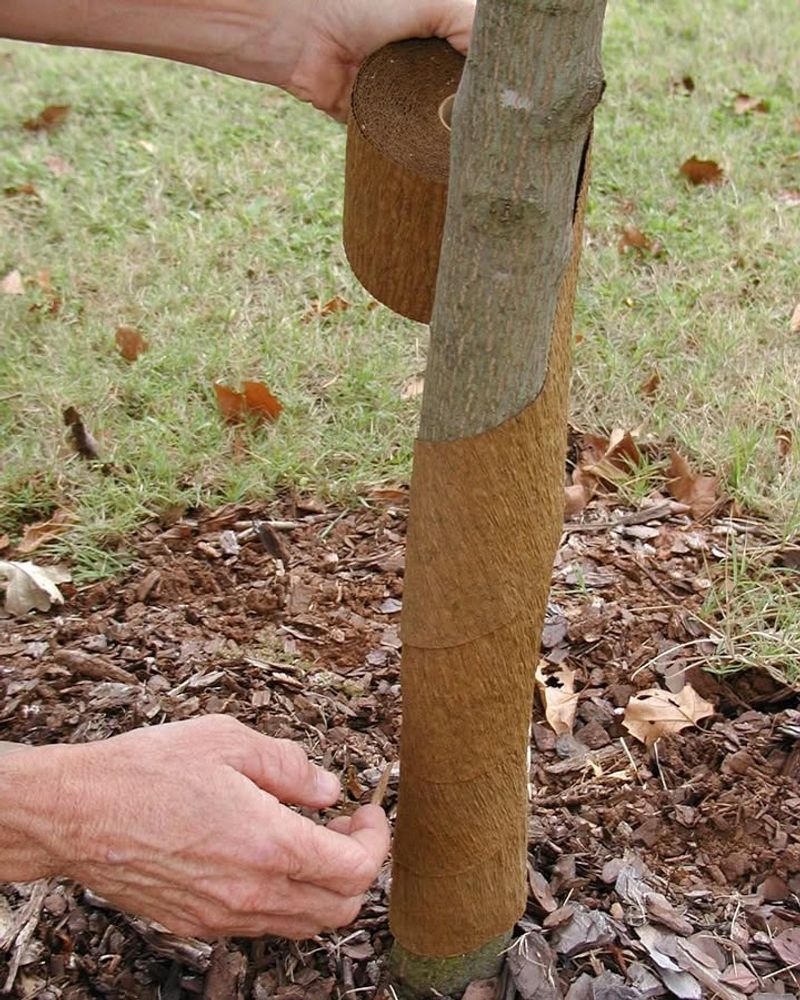
Tree wrap offers another protection option, especially for younger trees with thin, sensitive bark.
Wrap the material in spiral fashion from the ground up to the first branches, overlapping slightly with each turn.
Remove the wrap in early spring to prevent moisture buildup and insect hiding spots during warmer weather.
Young trees under five years old benefit most from trunk protection because their bark hasn’t developed thick, protective layers yet.
Older trees with established bark can usually handle temperature fluctuations better, though extremely cold winters might still cause damage.
This quick protective measure takes only minutes per tree but prevents damage that could weaken your trees for years to come.
Mulch Around The Base Properly
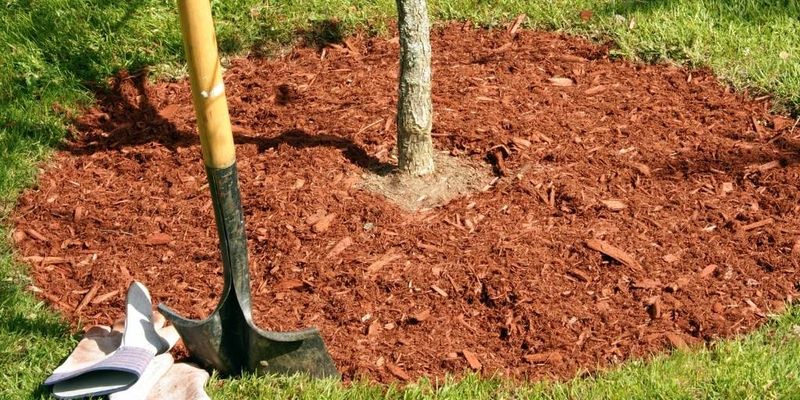
A thick layer of organic mulch acts like a warm blanket for fruit tree roots during cold Georgia winters.
Wood chips, shredded bark, or pine straw all work wonderfully to insulate soil and maintain steady temperatures around the root zone.
This protection helps roots stay active longer and prevents the freeze-thaw cycles that can heave trees out of the ground.
Spread mulch in a circle that extends at least three feet from the trunk in all directions.
Aim for a depth of three to four inches, which provides good insulation without becoming too heavy or compacted.
Keep the mulch pulled back about six inches from the actual trunk to prevent moisture buildup and rot.
Fresh mulch applied in late fall or early winter breaks down slowly and feeds beneficial soil organisms.
These tiny helpers improve soil structure and make nutrients more available to tree roots when spring arrives.
Mulch also suppresses weed growth and helps soil retain moisture during dry winter periods.
Check your mulch layer periodically throughout winter and add more if it settles or decomposes significantly.
Heavy rains can wash mulch away from sloped areas, so you might need to redistribute it occasionally.
Avoid piling mulch against the trunk like a volcano, which many people do incorrectly.
Proper mulch application supports healthy root development and gives your trees a strong foundation for spring growth.
Test And Amend Your Soil
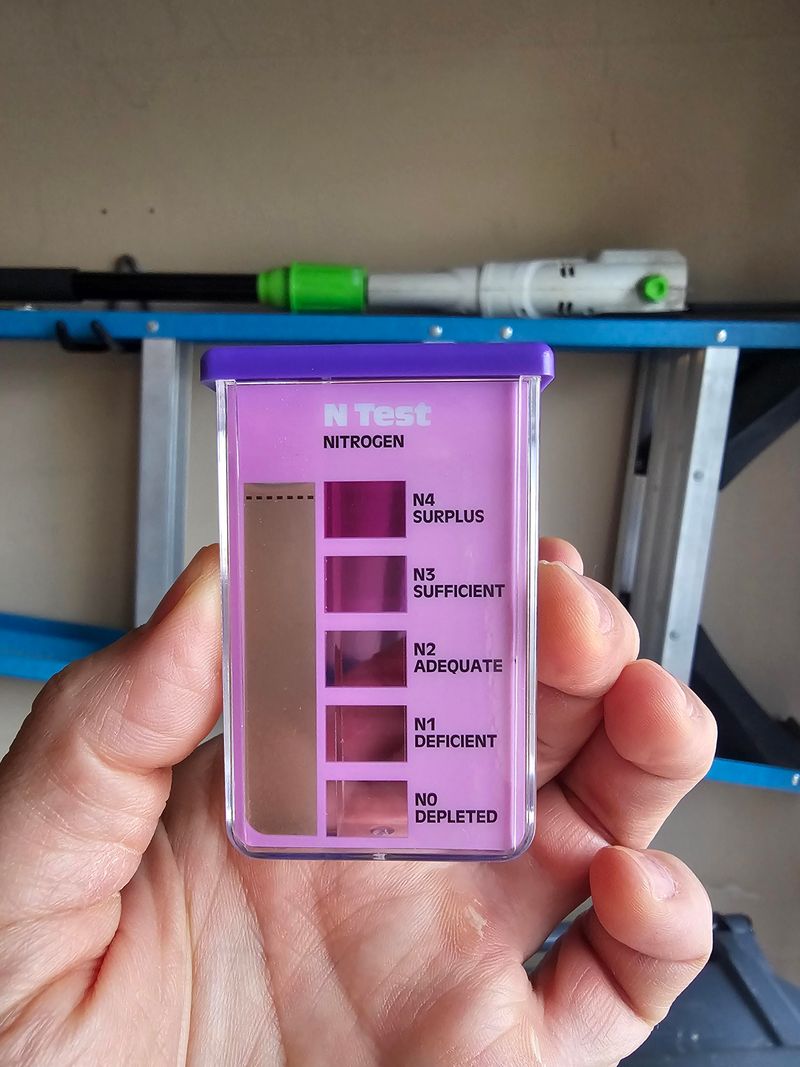
Winter provides the perfect opportunity to check your soil’s health and make necessary improvements before spring arrives.
Georgia soils vary widely across the state, from red clay in the Piedmont to sandy loam in the Coastal Plain.
Each soil type has different strengths and weaknesses that affect how well fruit trees grow and produce.
Soil testing kits are available through your local county extension office for a small fee.
Collect samples from several spots around your orchard, mixing them together for an accurate average reading.
The test results will tell you about pH levels, nutrient content, and what amendments your soil needs most.
Most fruit trees prefer slightly acidic soil with a pH between 6.0 and 6.5.
If your soil tests too acidic, add lime to raise the pH gradually over time.
Soil that’s too alkaline needs sulfur or other acidifying amendments to bring the pH down into the optimal range.
Add organic matter like compost or aged manure to improve soil structure regardless of your soil type.
These materials help clay soils drain better and help sandy soils hold moisture and nutrients more effectively.
Spread amendments over the root zone and let winter rains work them into the soil naturally.
Spring will arrive with your soil perfectly prepared to support vigorous tree growth and abundant fruit production.
Water During Dry Winter Periods
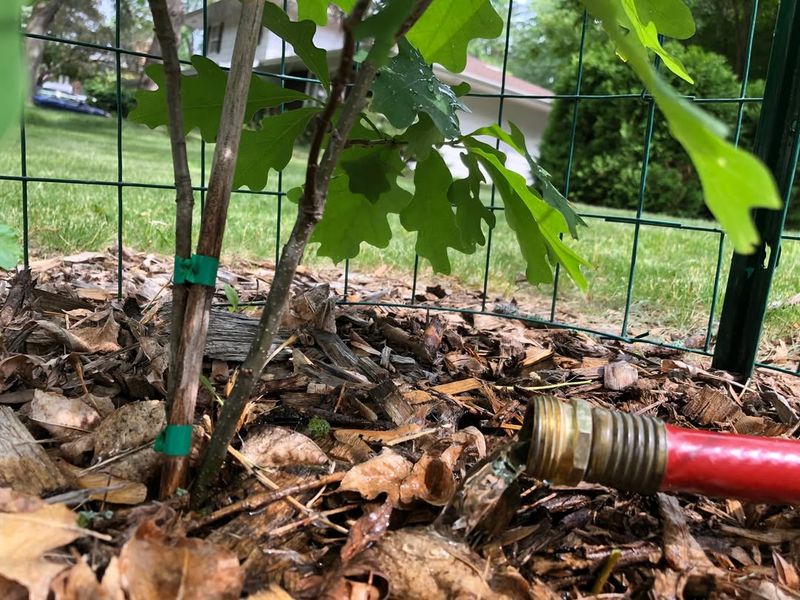
Many Georgia gardeners forget that fruit trees still need water during winter months, especially during dry spells.
Roots continue to function even when trees are dormant, and they need moisture to stay healthy and prepare for spring growth.
Drought stress during winter weakens trees and makes them more vulnerable to cold damage and disease problems.
Check soil moisture every two to three weeks by digging down a few inches near the tree.
If the soil feels dry and crumbly rather than slightly moist, your tree needs water.
Young trees with shallow root systems need more frequent watering than established trees with deep roots.
Water slowly and deeply when you do irrigate, giving the moisture time to soak into the root zone.
A slow trickle from a hose for an hour works better than a quick spray that mostly runs off.
Early morning watering is best because it gives excess moisture time to evaporate before nightfall.
Avoid watering when temperatures are below freezing or when a hard freeze is predicted within 24 hours.
Ice around roots can cause more damage than the lack of water would.
Mulched trees retain soil moisture better and need less frequent watering than trees growing in bare soil.
Proper winter hydration helps trees wake up strong and ready to bloom when warm weather finally returns to Georgia.
Inspect For Disease And Damage Regularly
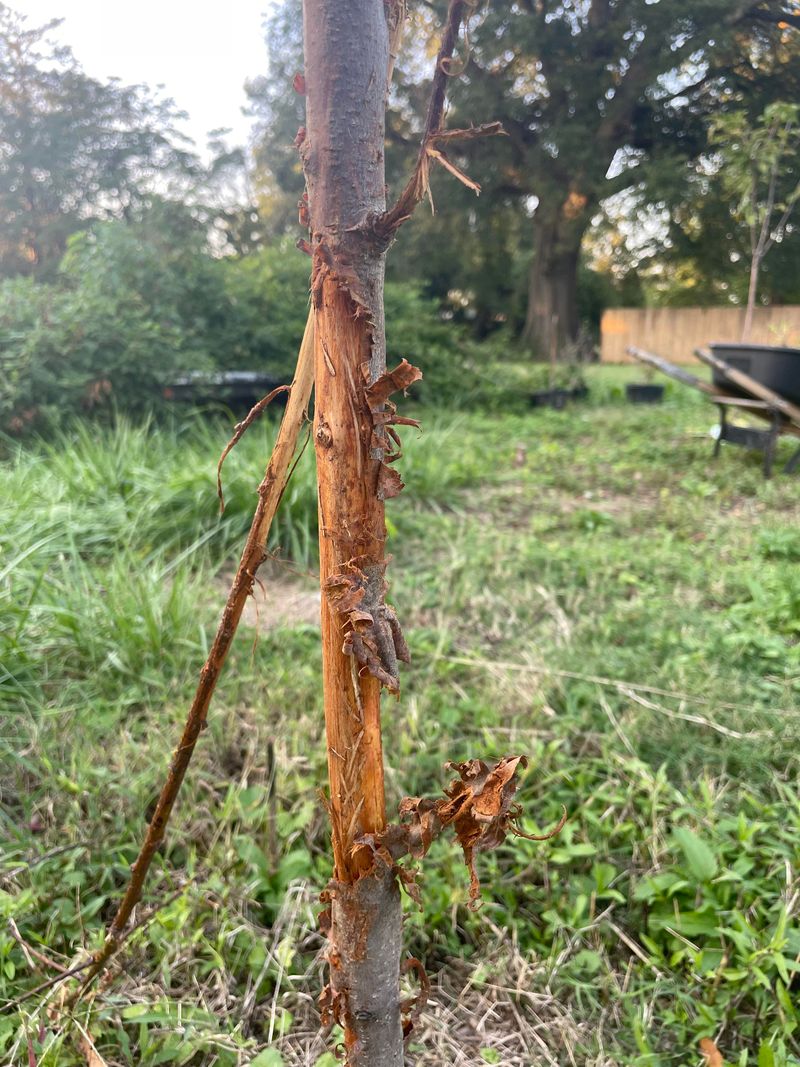
Regular tree inspections during winter help you catch problems early when they’re easiest to fix.
Walk through your orchard every few weeks and look carefully at trunks, branches, and the ground beneath each tree.
Small issues that go unnoticed now can turn into major problems that reduce fruit production or even threaten tree survival.
Check for cracks in bark, oozing sap, or discolored areas that might indicate disease or injury.
Look for signs of rodent damage near the base where mice and voles like to chew bark during winter.
These small creatures can girdle a tree by eating bark all the way around the trunk, which prevents water and nutrients from flowing properly.
Examine branch crotches and pruning cuts for cankers, which appear as sunken, discolored areas on the bark.
Remove any diseased wood you find by cutting back to healthy tissue at least six inches beyond the affected area.
Disinfect your pruning tools with rubbing alcohol between cuts to avoid spreading disease from tree to tree.
Watch for broken branches after ice storms or heavy snow, which are common winter hazards in Georgia.
Remove damaged limbs promptly to prevent them from tearing and causing larger wounds when they eventually fall.
Document what you find during inspections so you can track recurring problems and adjust your care routine accordingly for better results next year.