How To Grow Fresh Herbs Inside Your Home All Winter In Illinois
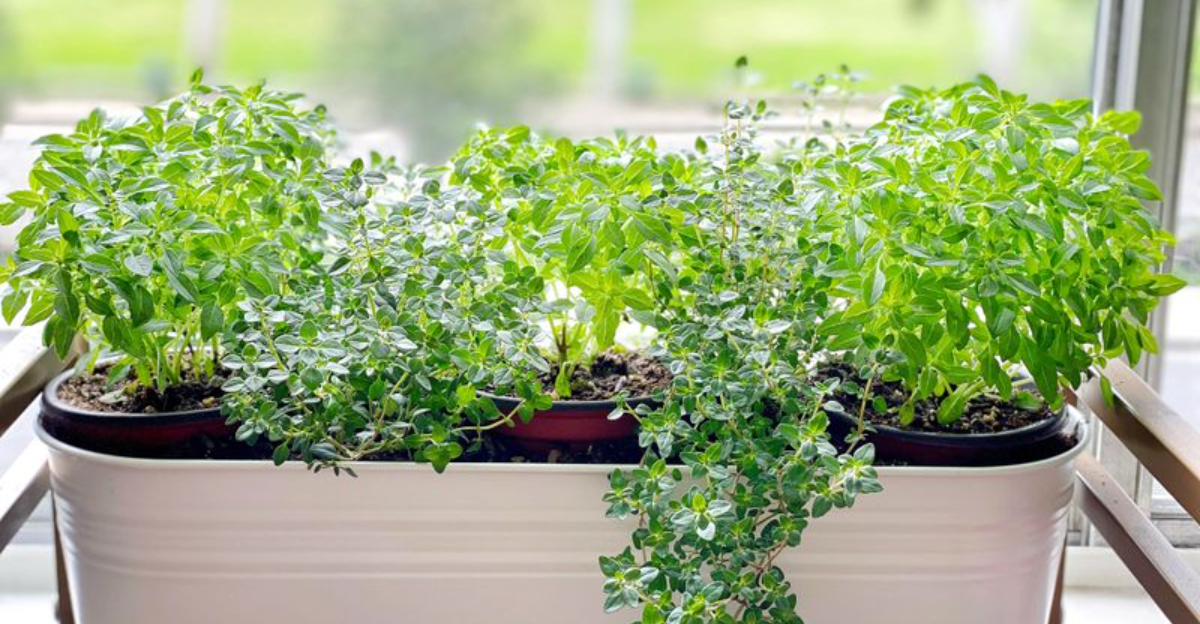
Winter in Illinois can feel long and cold, but your kitchen doesn’t have to be without fresh flavor.
Growing herbs indoors during the chilly months means you can snip fresh basil for pasta, mint for tea, or rosemary for roasted chicken anytime you need it.
Fresh herbs taste better than dried ones and can make your home smell wonderful too.
Plus, tending to a small indoor garden gives you something green and alive to care for when everything outside looks brown and frozen.
You don’t need a big yard or fancy equipment to grow herbs inside.
A sunny window, some pots, and a bit of know-how will get you started.
Illinois winters can be tough on plants because of low light and dry indoor air from heating systems.
But with the right tips, you can keep your herbs thriving all season long.
Imagine stepping into your kitchen on a snowy January morning and picking fresh parsley or thyme for breakfast.
That’s the magic of indoor herb gardening.
Soon, you’ll have a mini herb garden that keeps your meals tasty and your spirits high through the coldest months of the year.
Choose The Right Herbs For Indoor Conditions
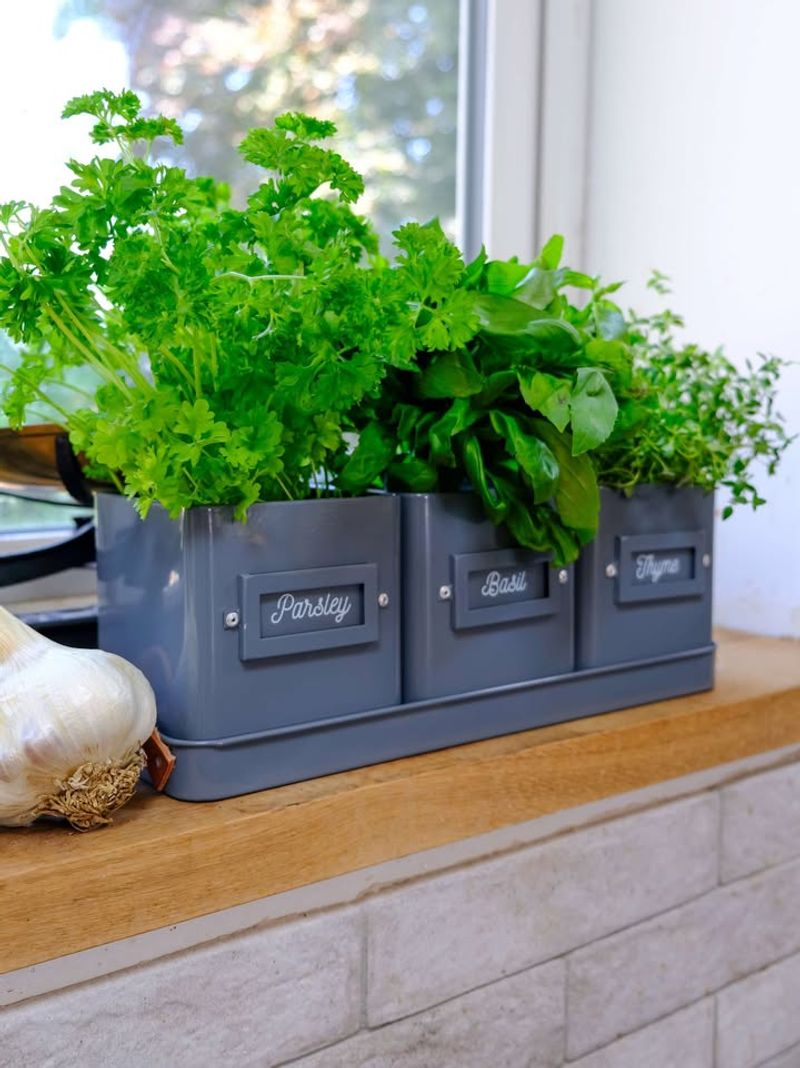
Some herbs adapt to indoor life much better than others, especially during Illinois winters.
Basil, parsley, chives, thyme, oregano, and mint are all excellent choices because they tolerate lower light levels and don’t mind being in pots.
Rosemary can work too, but it needs more attention and cooler temperatures at night.
Avoid herbs that need tons of direct sun or space, like dill or cilantro, unless you have grow lights.
Start with small plants from a nursery instead of seeds if you want faster results.
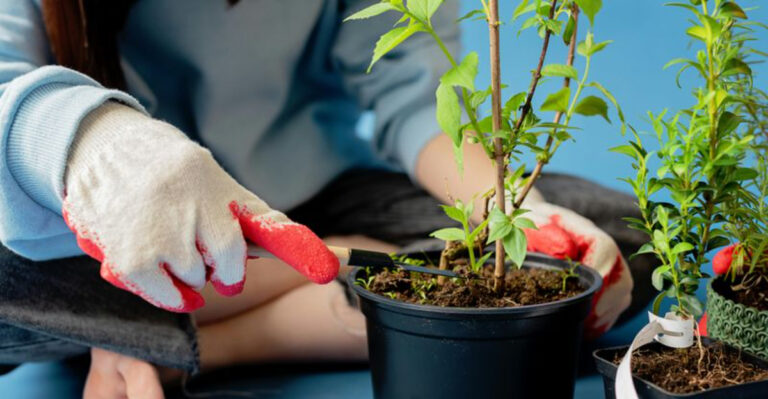
Transplanting a young herb into a pot gives you a head start and means you can start snipping leaves sooner.
Make sure each herb has enough room in its pot.
Cramped roots lead to weak plants that won’t produce many leaves.
A pot that’s at least six inches deep works well for most herbs.
Consider your cooking habits when choosing which herbs to grow.
If you love Italian food, basil and oregano are must-haves.
For tea lovers, mint and lemon balm are perfect.
Starting with the right herbs makes everything easier and more rewarding.
You’ll enjoy fresh flavors and feel proud watching your plants thrive indoors all winter long.
Find The Sunniest Spot In Your Home
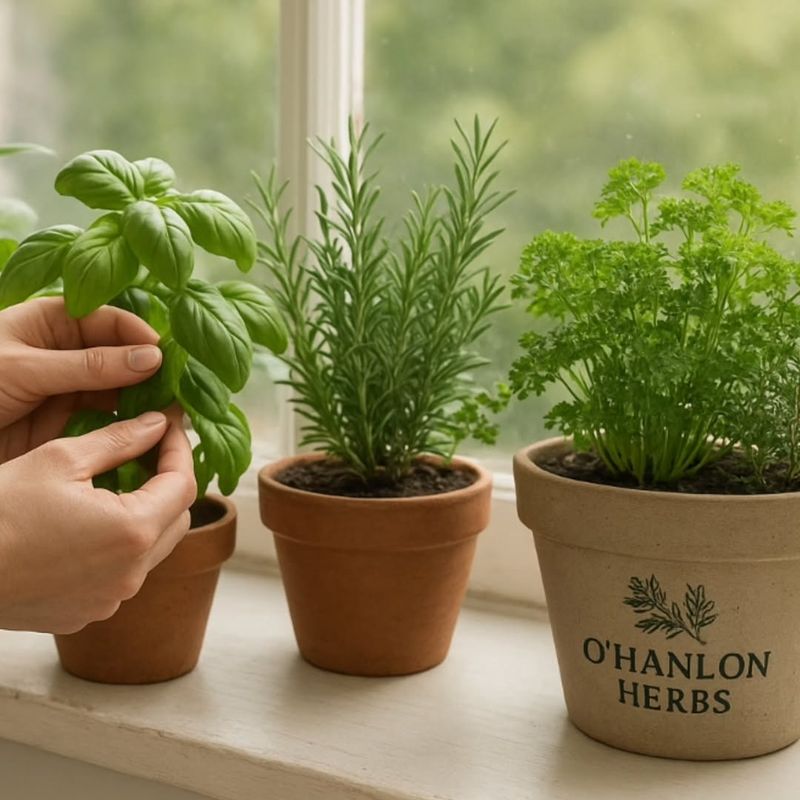
Light is the most important thing herbs need to grow strong and flavorful.
During Illinois winters, daylight hours are short and the sun sits low in the sky, so you need to make the most of every ray.
Place your herbs in a south-facing window if possible, as this gets the most sunlight throughout the day.
East or west-facing windows can work too, but your herbs might grow slower or become leggy.
Leggy means the stems stretch out thin and weak as they search for more light.
If you notice this happening, move your pots closer to the window or add a grow light.
Your Illinois Garden Changes Every Week. Your Plan Should Too.
Gardening in Illinois changes quickly throughout the season. Every Friday you’ll receive a simple weekly plan showing exactly what to plant, prune, fertilize, harvest, and protect so you never miss the right timing.
Keep your herbs as close to the glass as you can without touching it.
Cold windowpanes can chill the leaves, so watch for frost on very cold nights.
You might need to move pots back a few inches if temperatures drop below freezing outside.
Rotate your pots every few days so all sides of the plant get equal light.
This keeps them from leaning too much in one direction.
Clean your windows regularly because dirt and grime block precious sunlight.
If your home doesn’t have bright windows, don’t give up.
Affordable LED grow lights can solve the problem and help your herbs flourish even in darker rooms.
Use Quality Potting Soil With Good Drainage
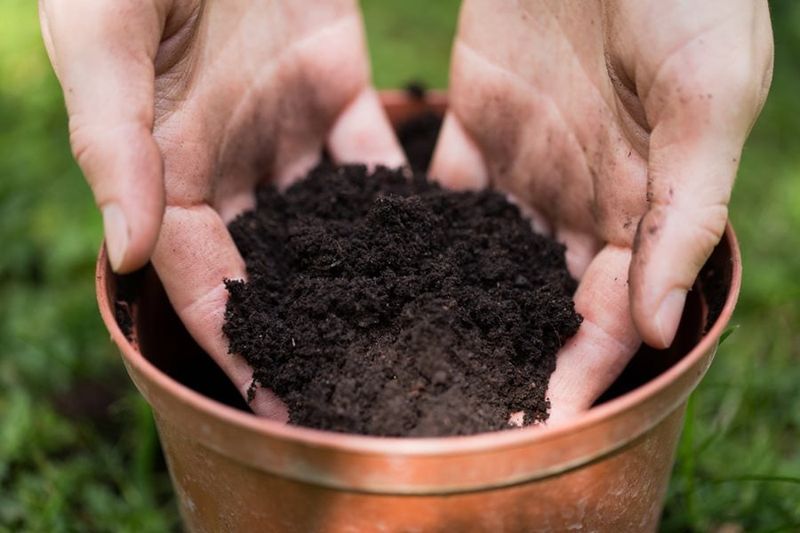
Garden soil from outside is too heavy for indoor pots and can contain pests or diseases.
Instead, buy a bag of quality potting mix made specifically for containers.
This type of soil is lighter and fluffier, which helps roots breathe and prevents water from pooling at the bottom.
Good drainage is critical for herbs because soggy roots can rot quickly.
Make sure every pot has drainage holes at the bottom so excess water can escape.
Place a saucer underneath to catch drips and protect your windowsill or table.
You can improve drainage even more by mixing perlite or coarse sand into your potting soil.
These materials create air pockets and keep the soil from compacting over time.
Herbs like their roots to stay slightly moist but never waterlogged.
Avoid using decorative pots without drainage unless you’re willing to drill holes yourself.
Some people use a layer of gravel at the bottom, but this doesn’t work as well as actual drainage holes.
Water still sits in the pot and can cause problems.
Refresh your potting soil every spring or when you notice it breaking down.
Old soil loses nutrients and structure, making it harder for herbs to thrive.
Starting with good soil sets your plants up for success all winter long.
Water Carefully And Consistently
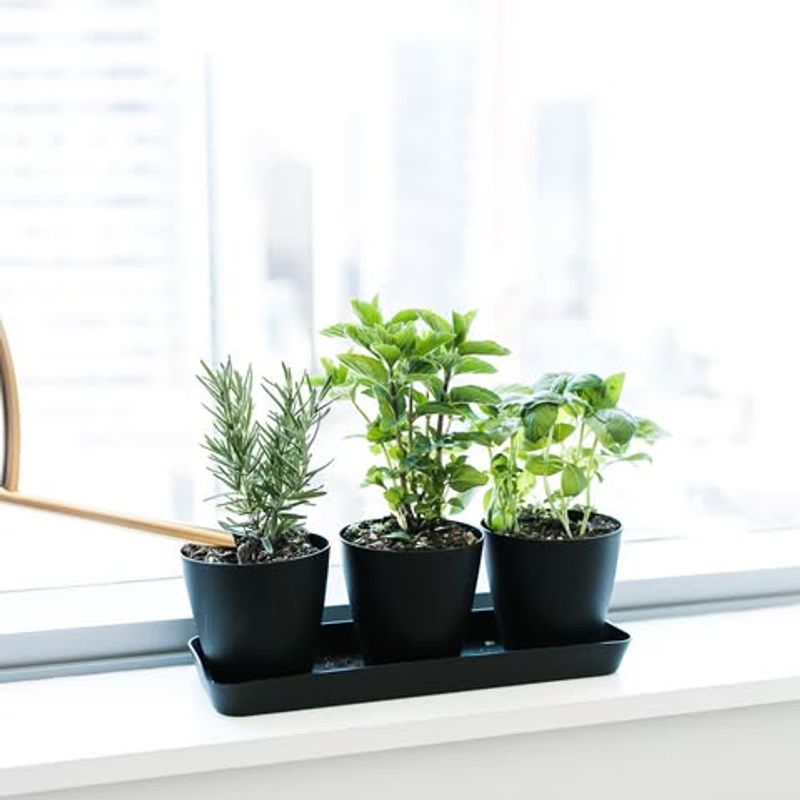
Watering seems simple, but it’s where many indoor gardeners make mistakes.
Herbs need consistent moisture without being soaked.
Stick your finger about an inch into the soil, and if it feels dry at that depth, it’s time to water.
During Illinois winters, heated homes can dry out soil faster than you might expect.
Check your herbs every few days, especially if they’re near a radiator or heating vent.
Different herbs have different needs too—basil likes more water, while rosemary prefers drier conditions.
When you water, pour slowly until you see liquid draining from the bottom holes.
This ensures the entire root system gets moisture.
Then empty the saucer underneath so roots don’t sit in standing water.
Room temperature water works best because cold water can shock the roots.
Let tap water sit out overnight if your area has chlorine or other chemicals.
This allows some of those substances to evaporate.
Yellow leaves often mean you’re overwatering, while brown crispy edges suggest underwatering.
Pay attention to what your plants tell you and adjust accordingly.
Consistency matters more than perfection, so develop a routine that works for your schedule and stick with it throughout the cold months.
Boost Humidity Around Your Herbs
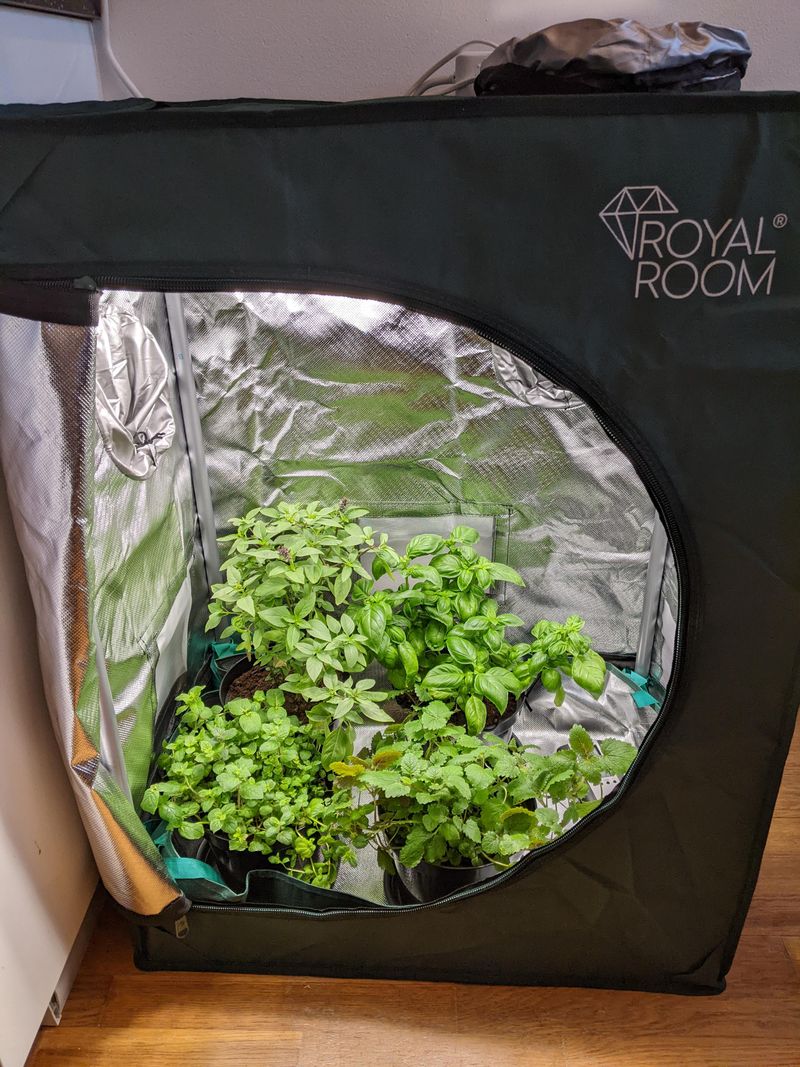
Forced-air heating in Illinois homes during winter creates very dry indoor air.
Most herbs prefer humidity levels between 40 and 60 percent, but winter homes often drop below 30 percent.
Dry air causes leaf tips to turn brown and makes plants more vulnerable to pests like spider mites.
One easy solution is grouping your herb pots together.
Plants release moisture through their leaves in a process called transpiration, and when they’re close, they create a slightly more humid microclimate.
You can also place pots on trays filled with pebbles and water.
The water level should sit just below the bottom of the pots so roots don’t touch it.
As water evaporates, it raises humidity around the leaves.
Refill the trays when the water gets low.
Misting herbs with a spray bottle sounds helpful but doesn’t actually raise humidity much.
The moisture evaporates too quickly to make a real difference.
A small humidifier near your herb garden works much better if you’re serious about improving conditions.
Avoid placing herbs directly above heating vents or radiators.
The constant blast of hot, dry air stresses plants and makes it nearly impossible to maintain proper moisture levels.
A slightly cooler, more humid spot will keep your herbs healthier and more productive all winter.
Fertilize Lightly During Winter Months
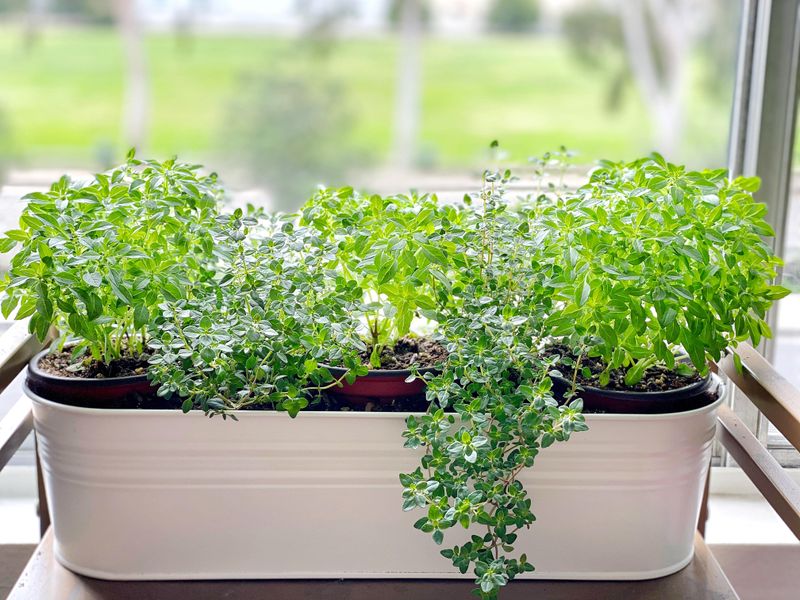
Indoor herbs grow more slowly in winter because of reduced light and shorter days.
They don’t need as much fertilizer as they would during spring and summer.
Too much fertilizer can actually harm plants by causing salt buildup in the soil or forcing weak, rapid growth.
Use a balanced liquid fertilizer diluted to half the strength recommended on the bottle.
Apply it once every four to six weeks instead of weekly.
Water-soluble fertilizers work well because you can mix them right into your watering routine.
Organic options like fish emulsion or seaweed extract are gentle and provide trace minerals herbs love.
Just be warned that fish emulsion has a strong smell that fades after a few hours.
Use it in a well-ventilated area or right before you leave the house.
Watch for signs that your herbs need feeding.
Pale or yellowing leaves, especially on new growth, often indicate nutrient deficiency.
Slow growth is normal in winter, though, so don’t panic if your herbs aren’t sprouting like crazy.
Flush the soil every couple of months by watering thoroughly until water runs clear from the bottom.
This washes away any accumulated salts from fertilizer and tap water.
Light, consistent feeding keeps herbs healthy without overwhelming them during their slower season.
Prune Regularly To Encourage Bushy Growth
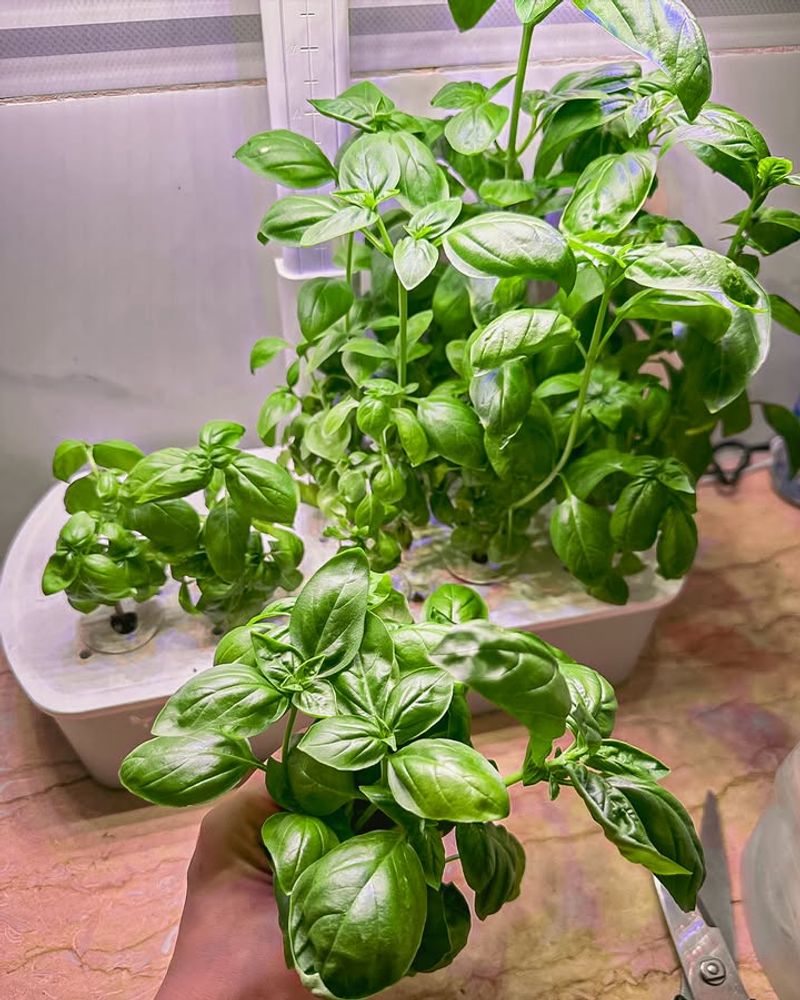
Regular pruning might seem scary, but it actually helps herbs grow fuller and more productive.
When you snip off the top growing tips, the plant responds by sending out side shoots.
This creates a bushier shape instead of one tall, spindly stem.
Start pruning when your herb plant has at least six sets of leaves.
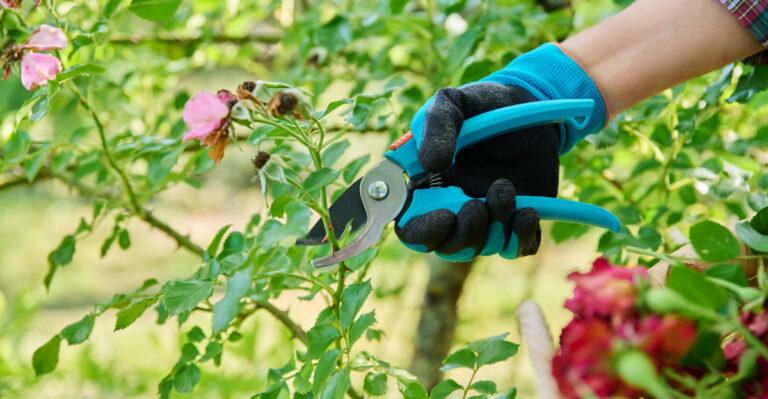
Use clean scissors or pruning shears to cut just above a leaf node, which is where leaves attach to the stem.
New growth will emerge from that point within days.
Don’t be afraid to harvest regularly for cooking.
Taking leaves and stems is a form of pruning that keeps plants compact and healthy.
Just avoid removing more than one-third of the plant at once, as this can stress it.
Pinch off any flowers that appear on basil, as flowering makes the leaves taste bitter.
For other herbs like thyme and oregano, flowers are fine and even edible.
Remove any yellow, brown, or damaged leaves promptly to keep plants looking neat.
Pruning also improves air circulation around the leaves, which helps prevent fungal problems in humid indoor conditions.
Think of it as giving your herbs a haircut that makes them stronger and more attractive.
Your plants will reward you with fresh growth you can use in your favorite winter recipes.
Watch For Pests And Address Problems Quickly
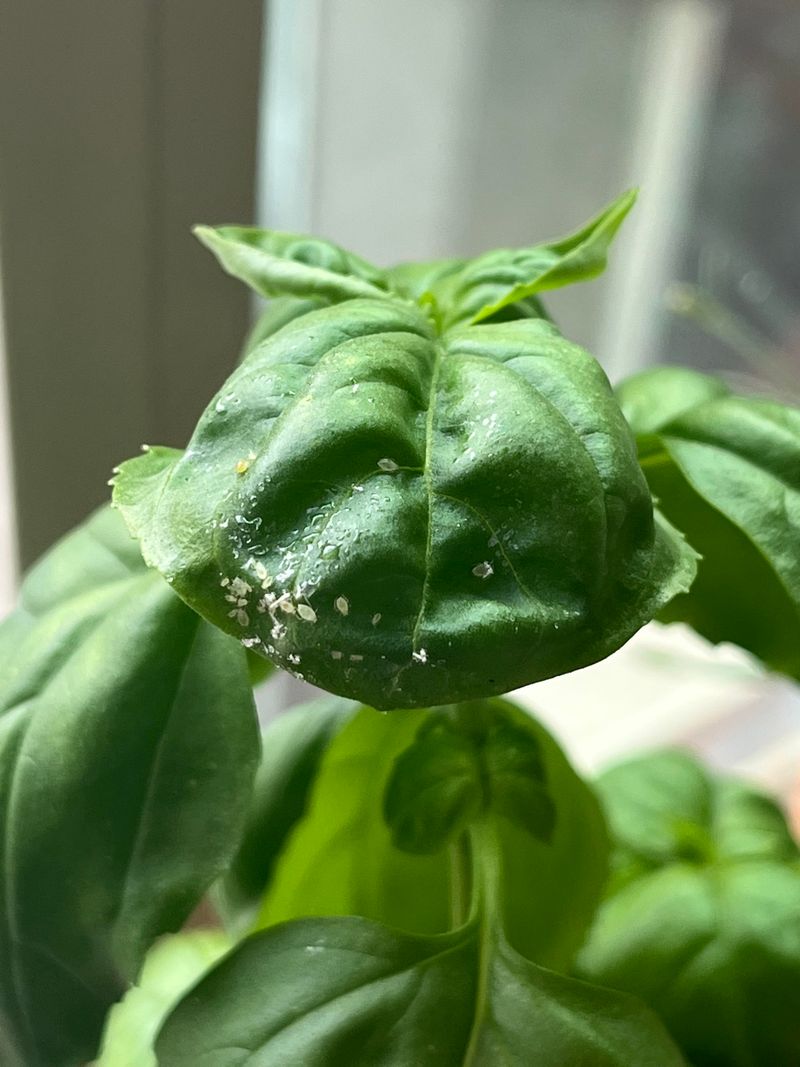
Indoor herbs can attract pests even in winter, especially if conditions are too dry or plants are stressed.
Common culprits include aphids, spider mites, fungus gnats, and whiteflies.
Catching problems early makes them much easier to manage.
Check the undersides of leaves weekly for tiny insects, sticky residue, or fine webbing.
Spider mites love dry conditions and create delicate webs between stems.
Aphids cluster on new growth and leave behind honeydew that feels sticky.
If you spot pests, isolate the affected plant immediately to prevent spreading.
Spray leaves thoroughly with a mixture of water and a few drops of dish soap.
The soap suffocates soft-bodied insects without harming the plant or making herbs unsafe to eat.
Fungus gnats appear as tiny flies hovering around soil.
They thrive in overly moist conditions, so let the soil dry out more between waterings.
Yellow sticky traps catch adult gnats and help you monitor the problem.
Neem oil is another organic option that works against many pests.
Mix it according to package directions and spray in the evening to avoid leaf burn.
Maintaining proper watering, humidity, and light levels keeps herbs strong enough to resist pests naturally.
Healthy plants are your best defense against winter indoor garden problems.