How To Repair Salt-Damaged Soil In Massachusetts Yards This Winter
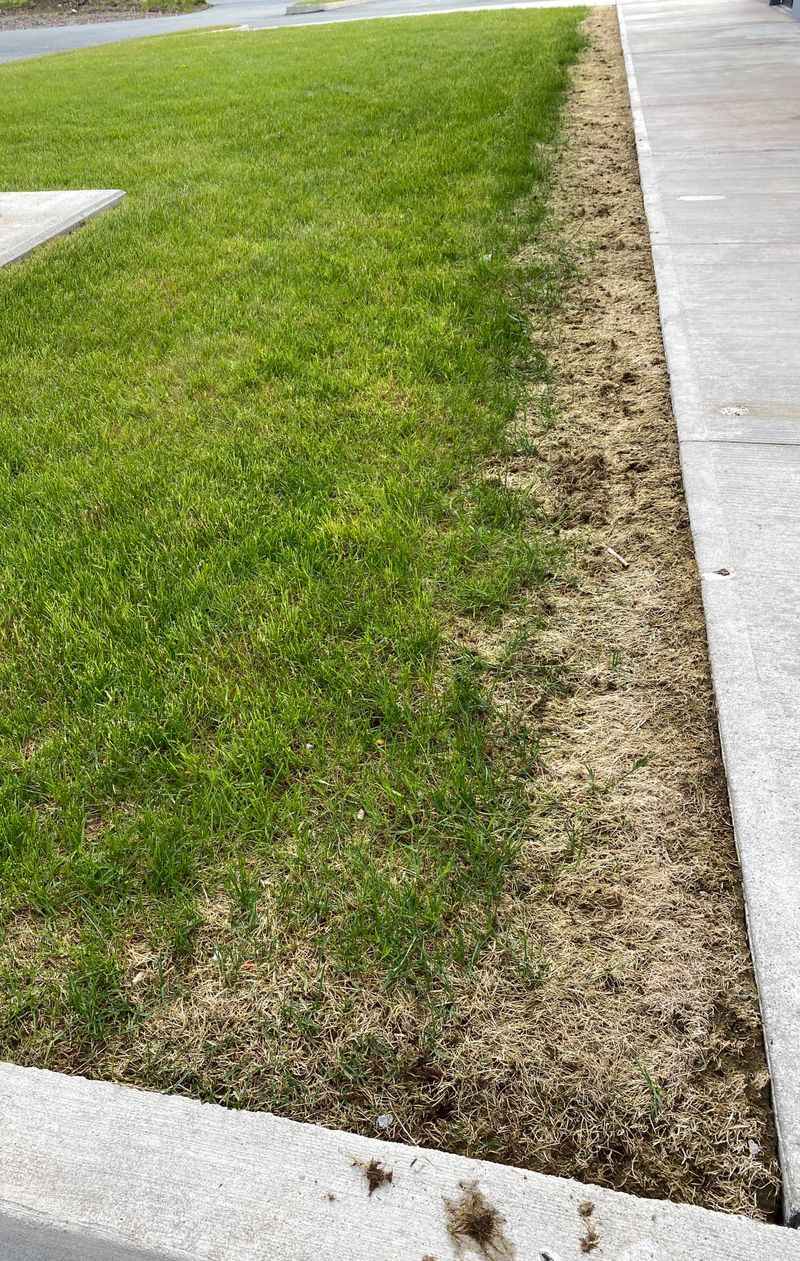
Winter in Massachusetts brings snow, ice, and unfortunately, road salt that can wreak havoc on your yard.
When salt mixes with soil, it creates problems for grass, plants, and the overall health of your landscape.
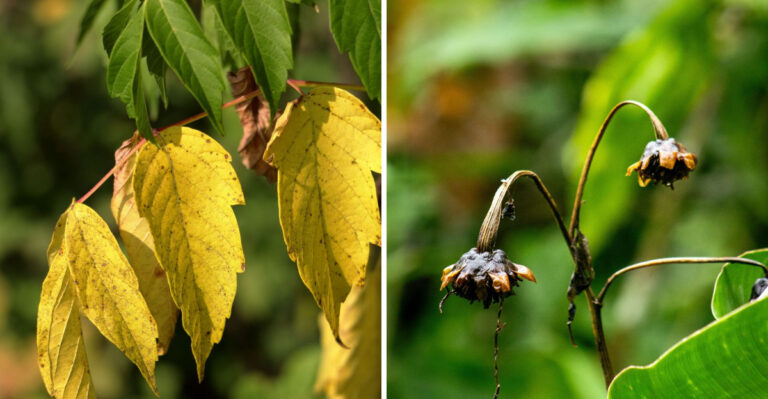
Salt buildup prevents roots from absorbing water and nutrients, leaving brown patches and struggling vegetation come spring.
The good news is that repairing salt-damaged soil is totally doable with the right approach and a little patience.
Taking action during winter and early spring can restore your yard to its former glory.
Whether you notice crusty white residue on the soil surface or wilting plants near driveways and sidewalks, these proven strategies will help you fix the damage.
Massachusetts homeowners face this challenge every year, but with these practical tips, you can protect your investment and enjoy a lush, healthy lawn when warmer weather arrives.
Flush The Soil With Fresh Water
Water acts as a natural cleanser that pushes harmful salt deeper into the ground where it cannot harm plant roots.
During mild winter days when temperatures rise above freezing, grab your garden hose and give affected areas a thorough soaking.
The goal is to dilute the salt concentration and move it down past the root zone.
Massachusetts winters occasionally offer those perfect days when the ground thaws just enough to absorb water effectively.
Apply water slowly so it penetrates deeply rather than running off the surface.
Focus on areas closest to sidewalks, driveways, and roads where salt accumulation is heaviest.
You might need to repeat this process several times throughout winter and early spring.
Each watering session helps reduce salt levels bit by bit.
Patience is key because rushing the process with too much water at once can create drainage problems.
Monitor the soil moisture and wait for another mild day to repeat the treatment.
This simple technique is one of the most effective ways to start healing your Massachusetts yard from salt damage.
Test Your Soil Before Making Changes
Understanding what is happening beneath the surface gives you a roadmap for recovery.
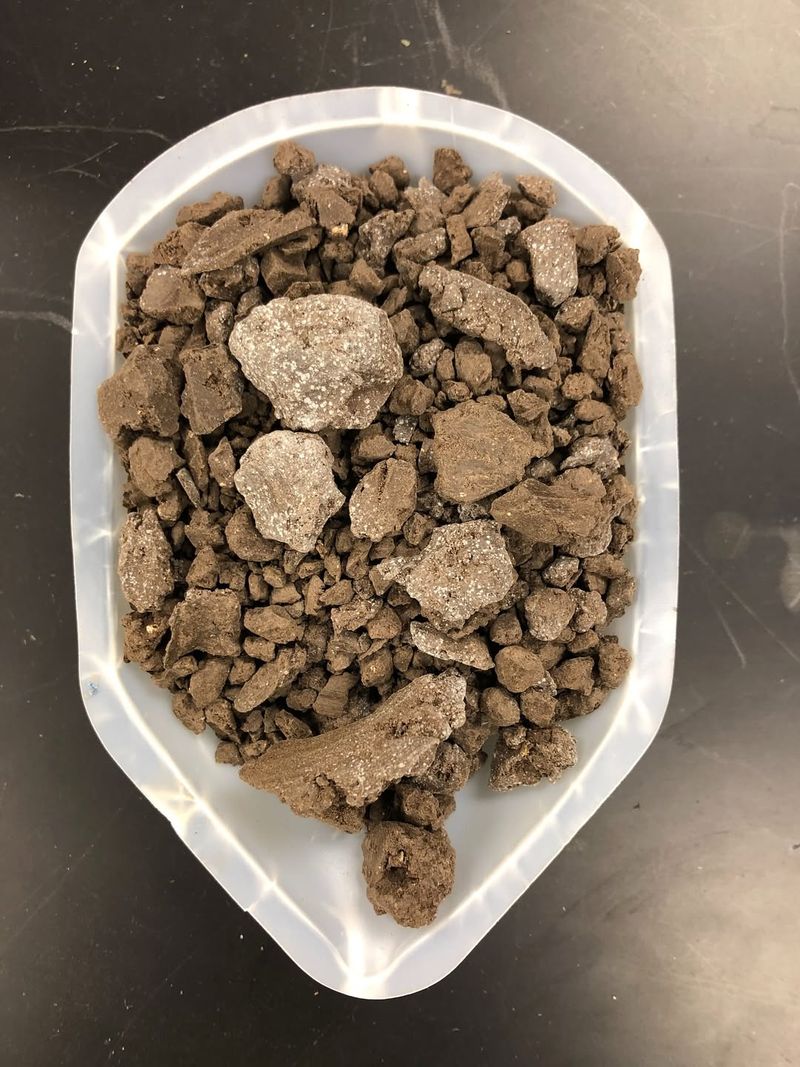
Soil testing kits are available at garden centers throughout Massachusetts and provide valuable information about pH levels and nutrient deficiencies.
Salt damage often raises soil pH and depletes essential minerals like calcium and magnesium.
Without testing, you are essentially guessing which amendments your soil needs.
Many local extension offices offer affordable testing services that deliver detailed reports.
These reports tell you exactly what your soil lacks and what it has too much of.
Armed with this knowledge, you can make informed decisions about which products to buy and apply.
Testing also helps you track progress over time by comparing results from different seasons.
Massachusetts soil varies widely across regions, so what works for your neighbor might not work for you.
Some areas naturally have heavier clay content while others feature sandy loam.
Getting a baseline measurement before treatment ensures you are not wasting money on unnecessary amendments.
Add Gypsum To Improve Soil Structure

Gypsum works like magic for salt-damaged soil because it helps displace sodium ions without changing pH levels.
Your Massachusetts Garden Changes Every Week. Your Plan Should Too.
Gardening in Massachusetts changes quickly throughout the season. Every Friday you’ll receive a simple weekly plan showing exactly what to plant, prune, fertilize, harvest, and protect so you never miss the right timing.
This natural mineral contains calcium sulfate, which binds with salt and makes it easier for water to flush away.
Massachusetts homeowners have used gypsum for decades to combat winter salt damage with excellent results.
Spread it evenly over affected areas using a broadcast spreader for consistent coverage.
The calcium in gypsum also improves soil structure by breaking up compacted clay, which is common in many Massachusetts yards.
Better structure means improved drainage and stronger root development when spring arrives.
Apply gypsum during late winter or early spring when the ground begins to thaw.
Follow package directions carefully because using too much can cause other imbalances.
Most products recommend about ten pounds per hundred square feet for moderate salt damage.
You should notice improvements within a few weeks as the gypsum starts working its way through the soil.
This amendment is safe for pets and children, making it a family-friendly solution.
Choose Salt-Tolerant Plants For Vulnerable Areas

Prevention is just as important as repair when dealing with recurring salt exposure.
Certain plants naturally tolerate higher salt levels and thrive even near roads and sidewalks.
Consider varieties like rugosa roses, junipers, and ornamental grasses that handle Massachusetts winters beautifully.
These hardy plants create attractive borders while reducing the impact of salt on more sensitive species behind them.
Local nurseries in Massachusetts stock plants specifically suited to roadside conditions.
Staff members can recommend varieties that match your aesthetic preferences and growing conditions.
Native plants often perform better because they have adapted to local challenges over centuries.
Planting salt-tolerant species near driveways and walkways creates a buffer zone that protects the rest of your landscape.
This strategy saves you time and money on repeated repairs each year.
Many salt-tolerant options also require less maintenance and water once established.
Creating this protective barrier is a smart long-term investment in your yard’s health and appearance.
Apply Compost To Boost Soil Health
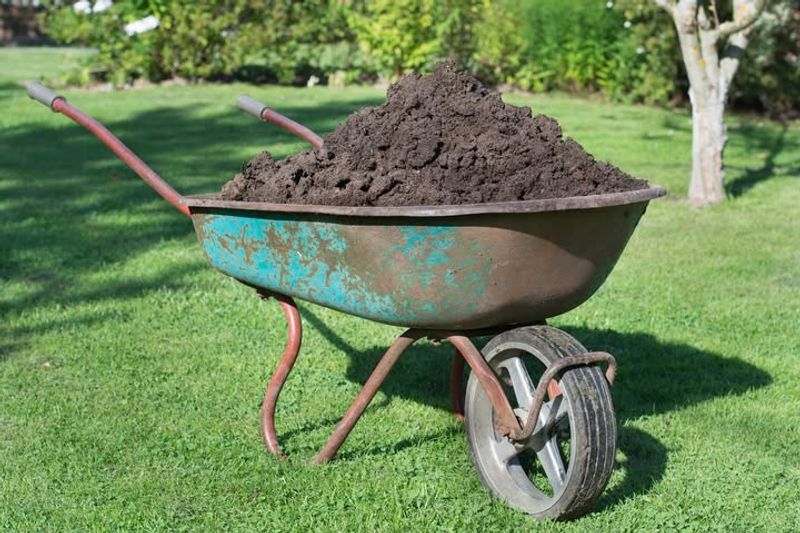
Rich organic matter transforms damaged soil by introducing beneficial microorganisms and improving nutrient availability.
Compost acts like a healing balm that helps soil recover from salt stress.
Spread a two to three-inch layer over affected areas and gently work it into the top few inches of soil.
Massachusetts residents can make their own compost or purchase it from local suppliers.
The organic material helps retain moisture while improving drainage, which sounds contradictory but actually works together.
Healthy soil holds water when plants need it but drains excess moisture to prevent root rot.
Compost also feeds earthworms and other beneficial creatures that naturally aerate the ground.
These tiny helpers create channels that allow air and water to reach roots more easily.
Apply compost in late winter or early spring when you can work the soil without causing compaction.
Avoid walking on wet soil because that packs it down and undoes your improvement efforts.
Regular compost applications build soil resilience over time, making your Massachusetts yard stronger against future salt exposure.
Reduce Salt Use On Your Property

Sometimes the best repair strategy involves preventing additional damage from happening.
Traditional rock salt is cheap and effective for melting ice, but it causes significant harm to your landscape.
Massachusetts winters demand safe walkways, but you can achieve that goal with less damaging alternatives.
Calcium chloride and magnesium chloride products melt ice at lower temperatures while causing less soil damage.
Sand provides traction without the chemical concerns, though it does not melt ice.
Combining sand with a small amount of alternative deicer gives you safety and reduced environmental impact.
Apply any product sparingly because even better alternatives can harm plants in excessive amounts.
Shovel snow promptly to reduce the need for deicing products altogether.
Creating physical barriers like burlap screens between walkways and valuable plants also helps.
These screens catch salt spray from passing cars and prevent it from reaching your garden beds.
Every small reduction in salt use makes your spring recovery easier and protects your Massachusetts landscape investment for years to come.
Aerate Compacted Soil In Early Spring
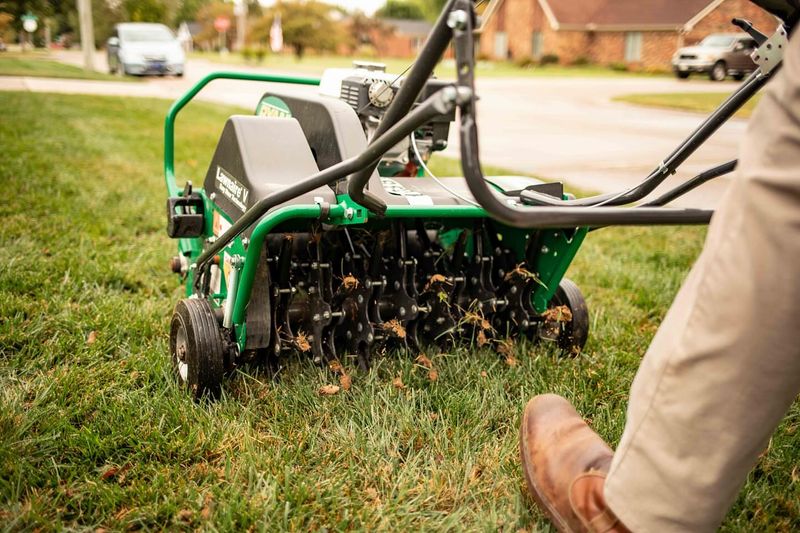
Compacted soil prevents water, air, and nutrients from reaching plant roots where they are needed most.
Salt damage often worsens compaction problems because sodium causes soil particles to bind tightly together.
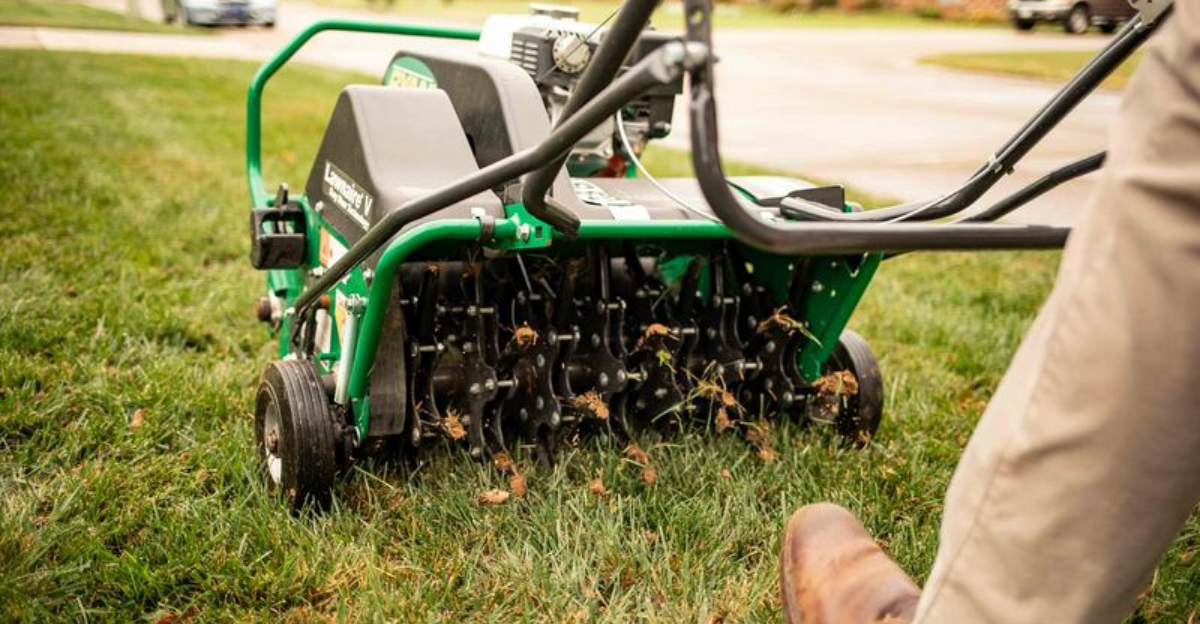
Aeration creates thousands of tiny holes that break up this dense layer and restore healthy soil structure.
Massachusetts homeowners should wait until early spring when the ground thaws completely before aerating.
Trying to aerate frozen or extremely wet soil causes more harm than good.
Rent a core aerator from a local equipment supplier or hire a lawn care service to do the job.
These machines pull small plugs of soil from the ground, leaving holes about three inches deep.
The process looks messy at first, but those soil plugs break down naturally within a few weeks.
Aeration works especially well when combined with other treatments like compost or gypsum application.
The holes allow amendments to penetrate deeper into the root zone.
Plan to aerate salt-damaged areas at least once per year until you see significant improvement in grass health and soil texture.
Overseed Bare Patches With Quality Grass Seed

Bare spots in your Massachusetts lawn will not repair themselves without intervention.
Once you have addressed the underlying salt problem, overseeding fills in damaged areas with fresh, healthy grass.
Choose seed varieties specifically bred for Massachusetts climate conditions and salt tolerance.
Perennial ryegrass and tall fescue blends perform well in areas that receive occasional salt exposure.
Prepare bare spots by loosening the top inch of soil with a rake to create good seed contact.
Spread seed according to package directions, typically about five to ten pounds per thousand square feet for overseeding.
Cover the seed lightly with compost or topsoil to protect it from birds and improve germination rates.
Keep the seeded areas consistently moist but not waterlogged until grass reaches about three inches tall.
This usually takes two to three weeks depending on temperature and conditions.
Early spring or early fall are the best times for overseeding in Massachusetts.
Avoid seeding during hot summer months when new grass struggles to establish roots.
Patience pays off as your lawn gradually fills in and returns to its lush appearance.
Install Physical Barriers Near Salt Sources

Creating physical barriers between salt sources and your plants provides immediate protection.
Burlap screens, snow fencing, or even strategically placed shrubs can block salt spray from roads and sidewalks.
Massachusetts roads get heavily salted during winter storms, sending salty slush flying toward adjacent properties.
A simple burlap barrier staked along your property line catches this spray before it reaches valuable plants.
The fabric allows air circulation while blocking the majority of salt particles.
Remove barriers in spring to avoid blocking sunlight as plants begin active growth.
Permanent landscape features like berms or raised beds also provide protection by elevating sensitive plants above salt runoff.
Building a small raised bed along your driveway keeps perennials and shrubs out of direct contact with contaminated soil.
These barriers work especially well for protecting foundation plantings near sidewalks where salt accumulates heavily.
Combining physical barriers with other repair strategies creates a comprehensive defense system.
Your Massachusetts landscape will thank you with healthier plants and fewer brown patches come spring.
Monitor And Adjust Throughout The Season
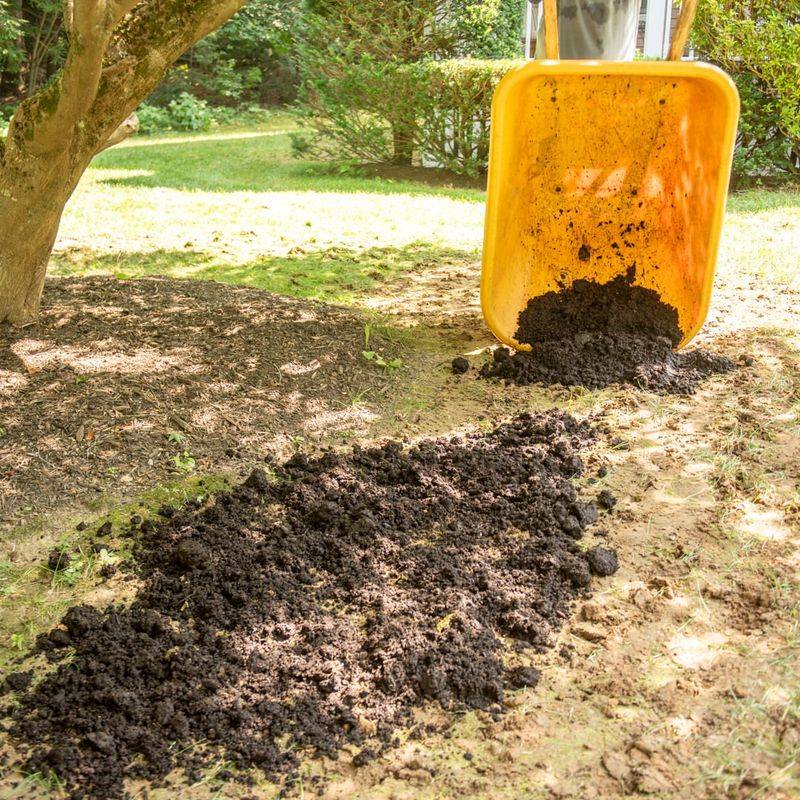
Successful soil repair requires ongoing attention rather than a single treatment.
Check your yard regularly throughout winter and spring to assess progress and identify new problem areas.
Massachusetts weather can be unpredictable, with some winters bringing more salt use than others.
Keep notes about which areas show improvement and which continue struggling.
This information helps you refine your approach and focus resources where they are needed most.
Look for signs of recovery like new grass growth, improved soil texture, and healthier plant color.
Also watch for warning signs like white crusty deposits reappearing or plants showing continued stress.
Adjust your treatment plan based on what you observe rather than following a rigid schedule.
Some areas might need extra watering while others benefit more from additional compost applications.
Taking photos throughout the season helps you track changes that happen gradually.
Share your observations with neighbors who face similar challenges in Massachusetts.
Soil repair is a journey rather than a quick fix, but consistent attention brings lasting results and a beautiful yard.