How To Create A Fragrant Garden Path In Virginia
Virginia gardens can become magical spaces when you add plants that smell wonderful along your pathways.
The state has perfect weather for many fragrant plants that will make every walk through your garden a special experience.
Cool springs, warm summers, and mild winters create ideal conditions for scented flowers, herbs, and shrubs to thrive.
A fragrant garden path transforms an ordinary walkway into a sensory adventure.
Each step releases different aromas that can relax your mind, lift your spirits, and connect you with nature.
The right combination of plants can provide sweet scents from early spring through late fall.
Virginia sits in USDA hardiness zones 5 through 8, which means gardeners have many options for fragrant plants.
From the mountains to the coast, you can design a path that smells amazing year-round.
The key is choosing plants that match your specific location and soil type.
Building a scented pathway takes some planning, but the results are worth the effort.
You need to think about sun exposure, plant spacing, and bloom times.
With smart choices, your garden path will become a favorite spot for family and friends to enjoy.
The wonderful smells will greet you every time you step outside, making your outdoor space truly special.
1. Choose Native Fragrant Plants For Easy Care
Native plants already know how to survive in Virginia’s climate and soil.
They need less water, fewer nutrients, and almost no special attention once established.
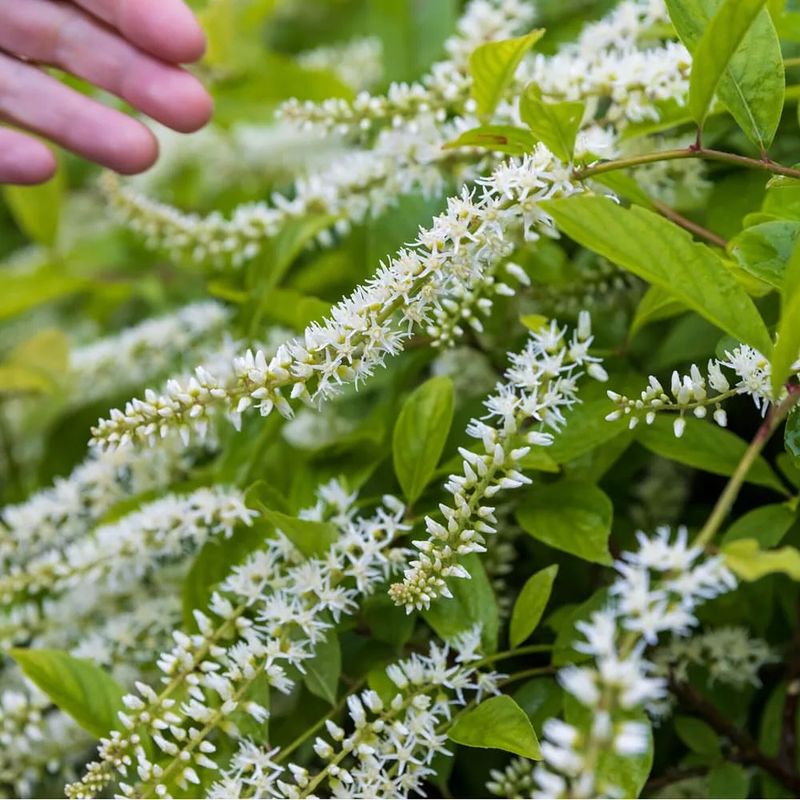
Virginia sweetbay magnolia produces creamy white flowers with a lemony scent that fills the air in late spring.
Wild roses like the Virginia rose bloom with simple pink flowers that smell sweet and old-fashioned.
American wisteria climbs fences and arbors while releasing grape-scented purple blooms.
These plants have adapted to local conditions over thousands of years, making them tough and reliable
Native plants also support local bees, butterflies, and other beneficial insects better than exotic species.
They resist local pests and diseases naturally, so you won’t need chemical sprays.
Your fragrant path will become a haven for wildlife while requiring minimal maintenance.
Visit local nurseries that specialize in native plants to find the best options for your area.
Staff can help you select species that match your sun exposure and soil type.
Native plants might cost a bit more initially, but they save money and time in the long run.
They also preserve Virginia’s natural heritage while making your garden smell wonderful throughout the seasons.
2. Plant Lavender Along Sunny Sections
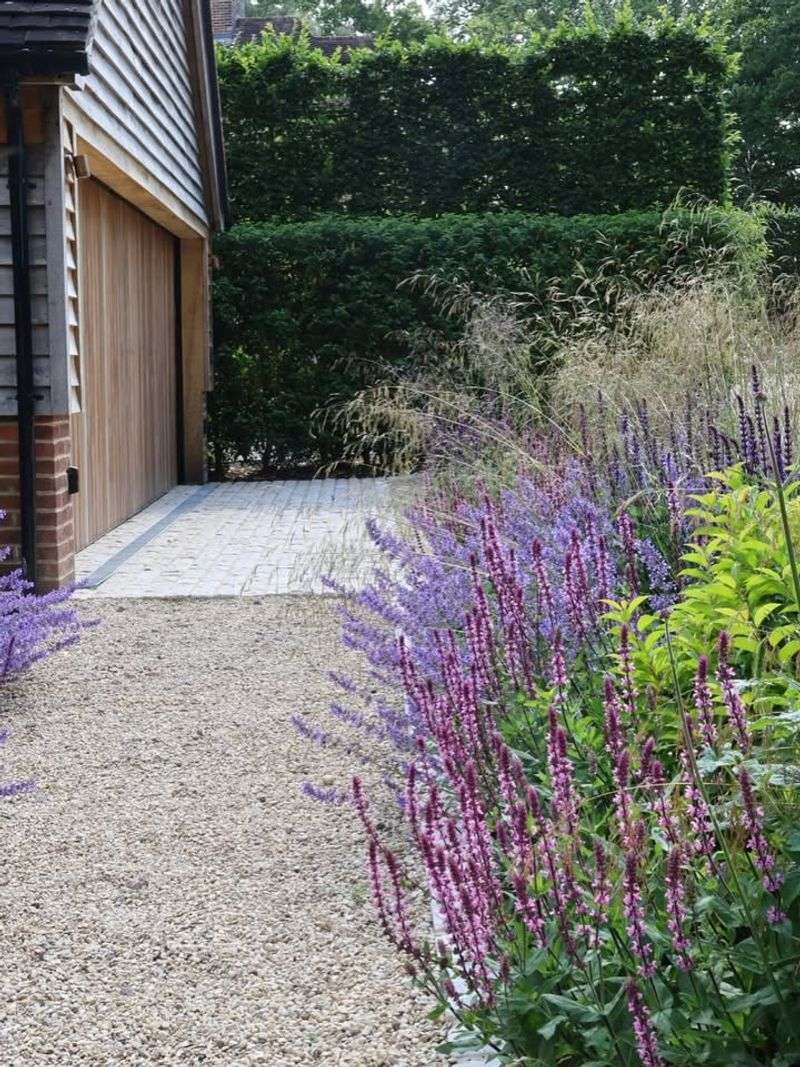
Lavender thrives in Virginia’s warm summers and well-drained soil, especially in zones 6 through 8.
The purple spikes release their famous calming scent when you brush against them or when the sun warms the leaves.
English lavender varieties like ‘Munstead’ and ‘Hidcote’ work best in most Virginia locations.
Plant lavender about 18 inches apart along the sunniest parts of your path.
They need at least six hours of direct sunlight daily to produce the strongest fragrance.
The silvery-green foliage looks attractive even when not blooming, providing year-round visual interest.
Lavender flowers appear in early summer and can last for weeks with proper care.
Your Virginia Garden Changes Every Week. Your Plan Should Too.
Gardening in Virginia changes quickly throughout the season. Every Friday you’ll receive a simple weekly plan showing exactly what to plant, prune, fertilize, harvest, and protect so you never miss the right timing.
Cut the stems back after blooming to encourage a second flush of flowers in late summer.
The plants prefer slightly alkaline soil, so add lime if your soil test shows acidity.
These Mediterranean herbs handle drought well once established, making them perfect for low-maintenance paths.
Bees and butterflies adore lavender blooms, adding movement and life to your walkway.
You can also harvest the flowers to make sachets, soaps, or dried arrangements.
The scent will linger on your clothes after you walk past, creating a pleasant reminder of your garden throughout the day.
3. Add Creeping Thyme Between Stepping Stones
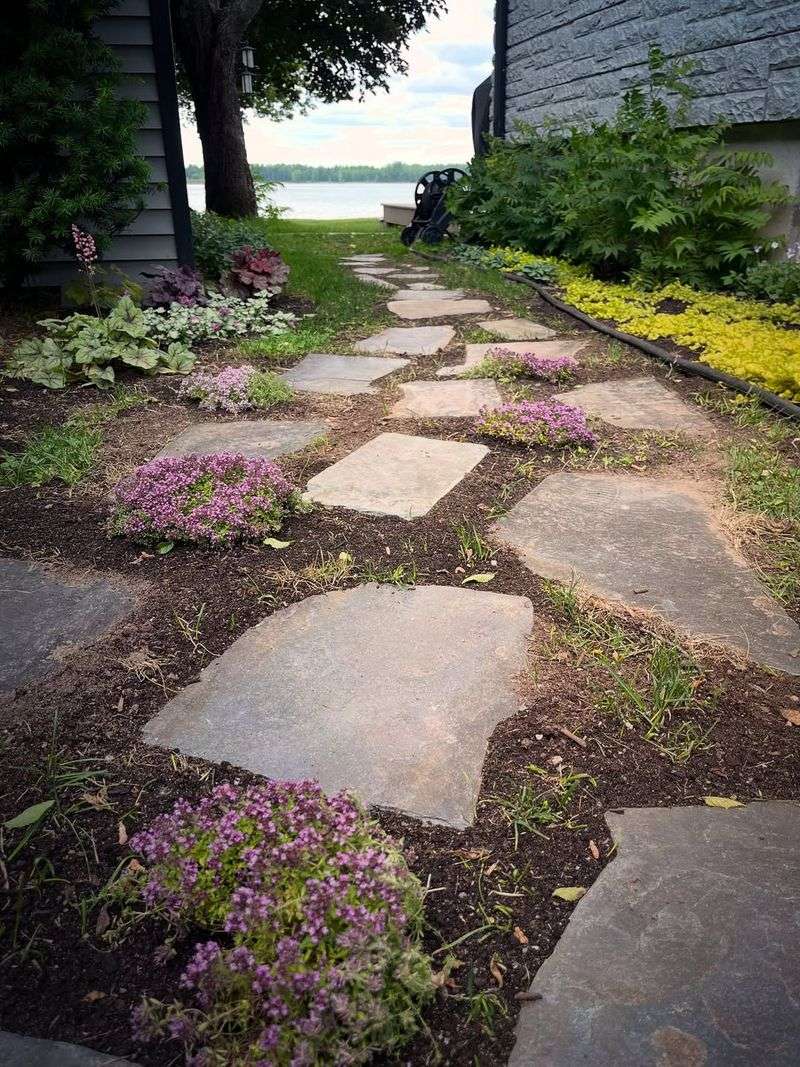
Creeping thyme forms a low carpet that releases a wonderful herbal scent when stepped on.
This tough groundcover survives foot traffic much better than regular grass.
Varieties like ‘Elfin’ and ‘Pink Chintz’ stay under three inches tall and spread slowly to fill gaps.
Plant small plugs about six inches apart in the spaces between your stepping stones or pavers.
They prefer full sun but tolerate light shade in the afternoon.
The tiny leaves release oils with every footstep, creating bursts of fragrance as you walk.
In late spring, creeping thyme covers itself with tiny pink, purple, or white flowers.
Bees visit these blooms constantly, creating a gentle buzzing soundtrack.
The plants need excellent drainage, so add sand to heavy clay soil before planting.
Once established, creeping thyme needs almost no care besides occasional weeding.
It stays green through mild Virginia winters in zones 7 and 8.
The herb scent mixes beautifully with other fragrant plants along your path.
You can harvest sprigs for cooking without harming the plants.
This dual-purpose groundcover saves time on mowing while adding wonderful aroma.
Children especially enjoy the way the scent puffs up with each step, making garden walks more interactive and fun for the whole family.
4. Install Night-Blooming Flowers For Evening Fragrance
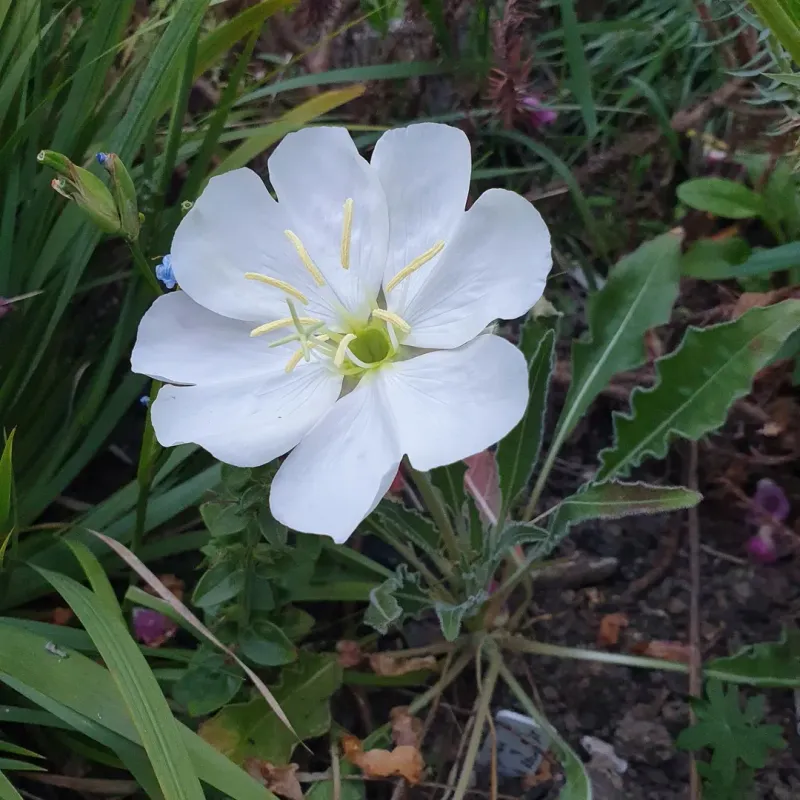
Many fragrant flowers save their best scents for evening hours when moths pollinate them.
Moonflowers open their huge white blooms at sunset, releasing a sweet, intoxicating perfume.
Evening primrose produces yellow flowers that glow in twilight while spreading a light, pleasant aroma.
Night-scented stock sends out waves of spicy-sweet fragrance after dark.
These plants transform your garden path into an evening destination.
Plant them near seating areas or where you often walk after dinner.
Moonflowers grow as annual vines in most of Virginia, climbing trellises or fences along pathways.
Start seeds indoors in April or buy transplants in May.
The flowers open so quickly at dusk that you can actually watch them unfurl.
Four o’clocks earned their name because blooms pop open in late afternoon.
They come in pink, yellow, white, and magenta, often with multiple colors on one plant.
The sweet scent intensifies as temperatures cool.
Evening-blooming plants work perfectly for people who spend days at work and enjoy gardens after returning home.
The white and pale flowers also reflect moonlight, creating a magical nighttime landscape.
Combine day-blooming and night-blooming plants for 24-hour fragrance along your path.
Moths and other nighttime pollinators will visit regularly, adding to the enchantment of your evening garden strolls.
5. Position Fragrant Shrubs At Path Curves
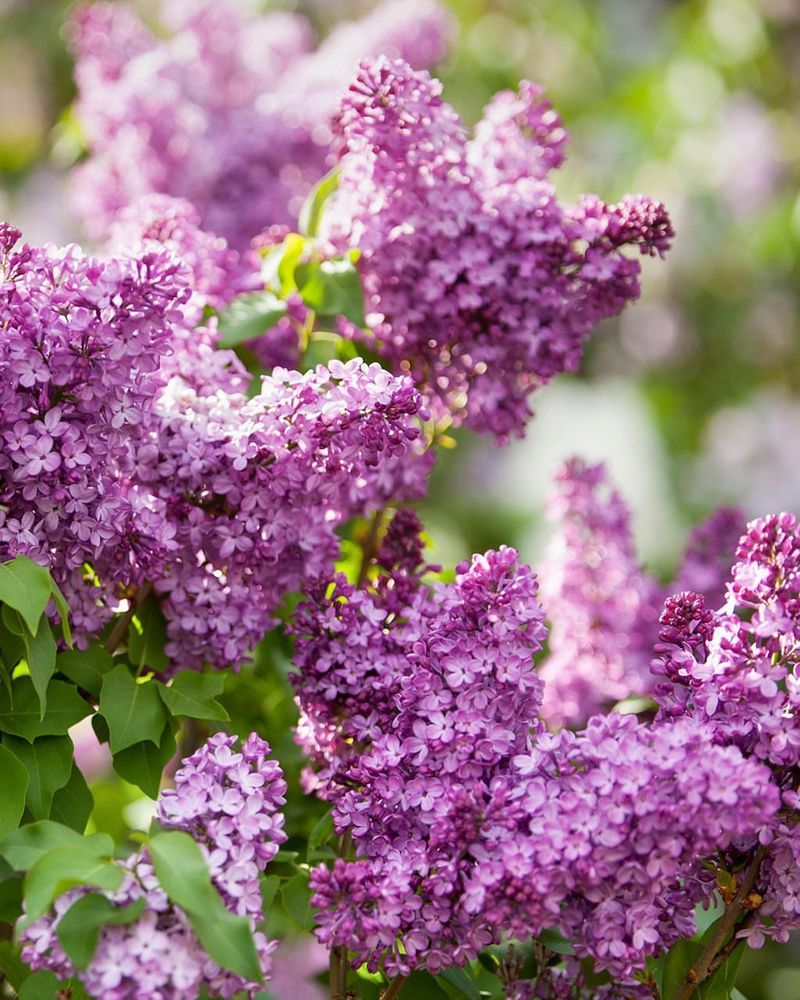
Curves in garden paths create natural stopping points where people slow down and notice their surroundings.
Fragrant shrubs planted at these curves become focal points that reward visitors with wonderful scents.
Lilacs bloom in mid-spring with purple, white, or pink flower clusters that smell heavenly.
Korean spice viburnum produces pink buds that open to white flowers with an intense sweet fragrance.
Mock orange shrubs create clouds of white blooms in late spring with a scent similar to orange blossoms.
These larger plants anchor your path design while providing structure and seasonal interest.
Plant shrubs on the outside of curves where they won’t block views down the path.
Space them according to their mature size, usually three to five feet apart.
Most fragrant shrubs prefer full sun to light shade and need good air circulation.
Prune after blooming to maintain shape and encourage next year’s flowers.
Mulch around the base to conserve moisture and suppress weeds.
The woody structure provides year-round interest even when not in bloom.
Shrubs also offer habitat for birds and beneficial insects.
Their height creates layers in your garden, making the space feel more mature and established.
The combination of visual beauty and powerful fragrance makes curved sections of your path memorable destinations that draw people through the garden landscape.
6. Select Roses for Classic Garden Perfume
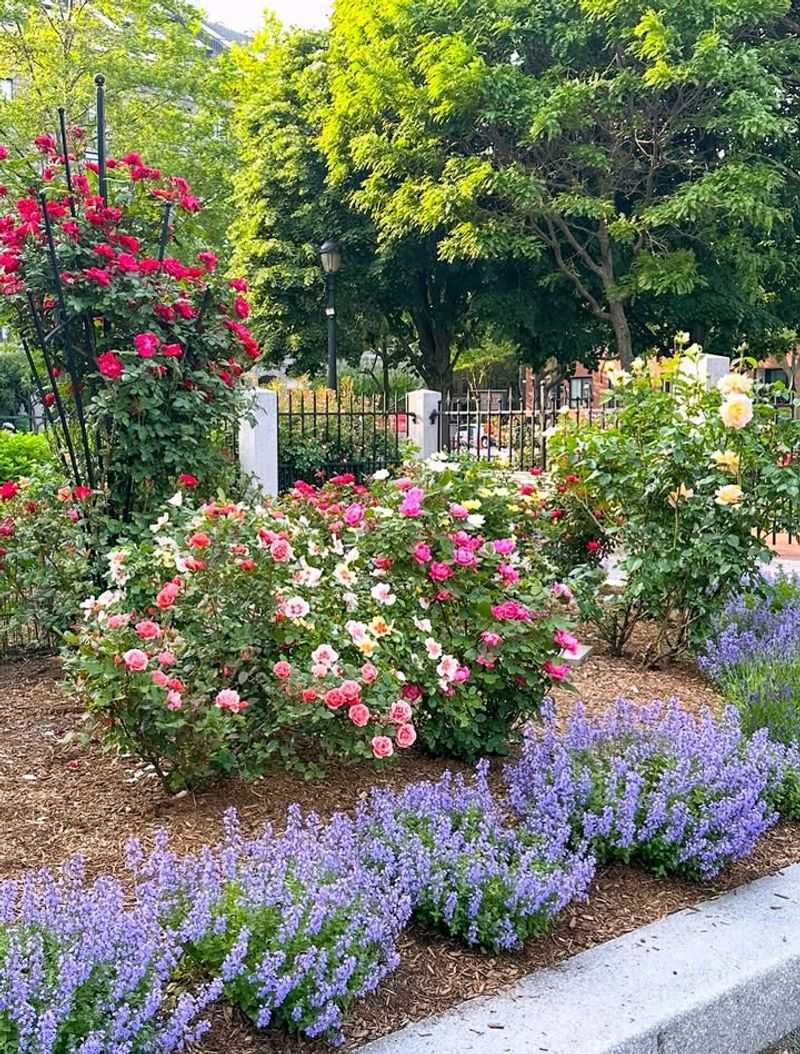
Roses have symbolized garden elegance and fragrance for centuries.
Old garden roses like ‘Madame Hardy’ and ‘Gertrude Jekyll’ produce the strongest perfumes.
Modern disease-resistant varieties like the Knock Out series bloom repeatedly but often lack strong scent.
For maximum fragrance, choose David Austin English roses bred specifically for scent and beauty.
‘Graham Thomas’ produces yellow blooms with a tea rose fragrance throughout summer.
‘The Generous Gardener’ climbs with soft pink flowers that smell of old rose and musk.
Plant roses along the sunny side of your path where morning sun dries dew quickly.
This prevents fungal diseases that plague roses in humid Virginia summers.
Space bushes three feet apart and climbing varieties six feet apart along fences or arbors.
Roses need regular feeding and consistent watering during dry spells.
Mulch heavily to maintain soil moisture and prevent black spot disease.
Deadhead spent blooms to encourage continuous flowering through fall.
The classic rose scent varies from light and fruity to deep and spicy depending on variety.
Visit local rose gardens in May and June to smell different varieties before purchasing.
Fragrant roses require more effort than some other plants, but their legendary perfume and beautiful blooms make them worthwhile additions to any scented garden path in Virginia.
7. Incorporate Herbs For Touchable Fragrance
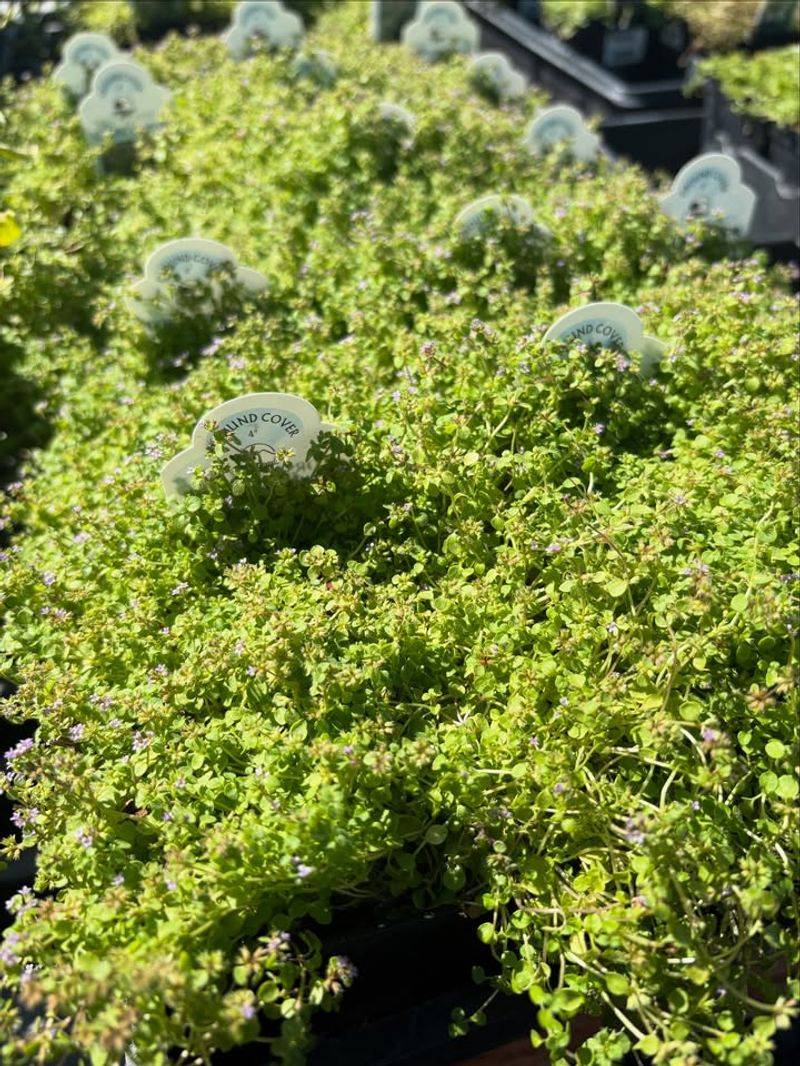
Herbs release their essential oils when leaves are brushed or crushed, creating interactive fragrance experiences.
Rosemary grows as a woody shrub in Virginia zones 7 and 8, producing needle-like leaves with a pine-forest scent.
Sage varieties offer silvery foliage and earthy aromas that intensify in hot weather.
Mint spreads aggressively, so plant it in containers sunk into the ground along your path.
Chocolate mint, pineapple mint, and spearmint each provide unique scents.
Oregano and thyme form low mounds that smell wonderful when touched.
Plant herbs within easy reach of the path so people can rub leaves as they walk.
Most herbs need full sun and well-drained soil to develop strong flavors and fragrances.
Poor soil actually intensifies herb aromas, so skip the fertilizer.
Harvest regularly to keep plants bushy and productive.
Fresh cuttings can go straight to your kitchen for cooking.
Herbs also attract beneficial insects that help control garden pests naturally.
The combination of culinary usefulness and fragrance makes herbs practical path plants.
Children enjoy learning to identify herbs by scent and taste.
Evergreen herbs like rosemary provide winter interest when other plants go dormant.
The touchable nature of herb fragrance creates memorable sensory experiences that connect people more deeply with your garden space throughout the seasons.
8. Plan For Succession Of Blooms
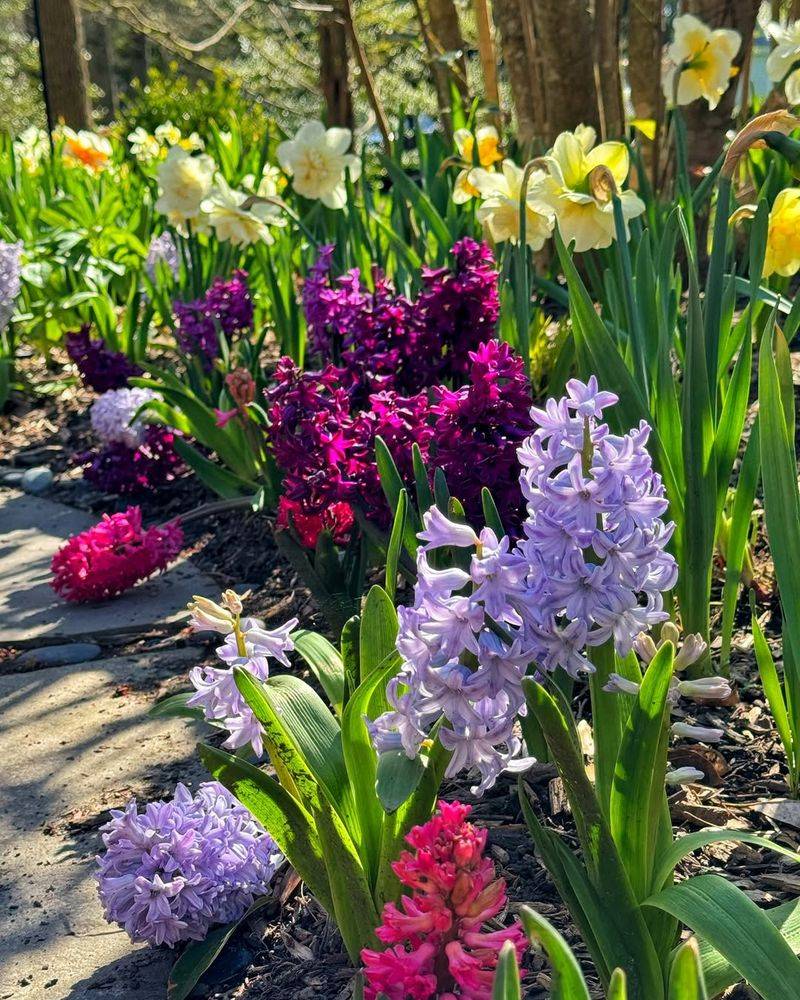
A well-planned fragrant path offers different scents throughout the growing season.
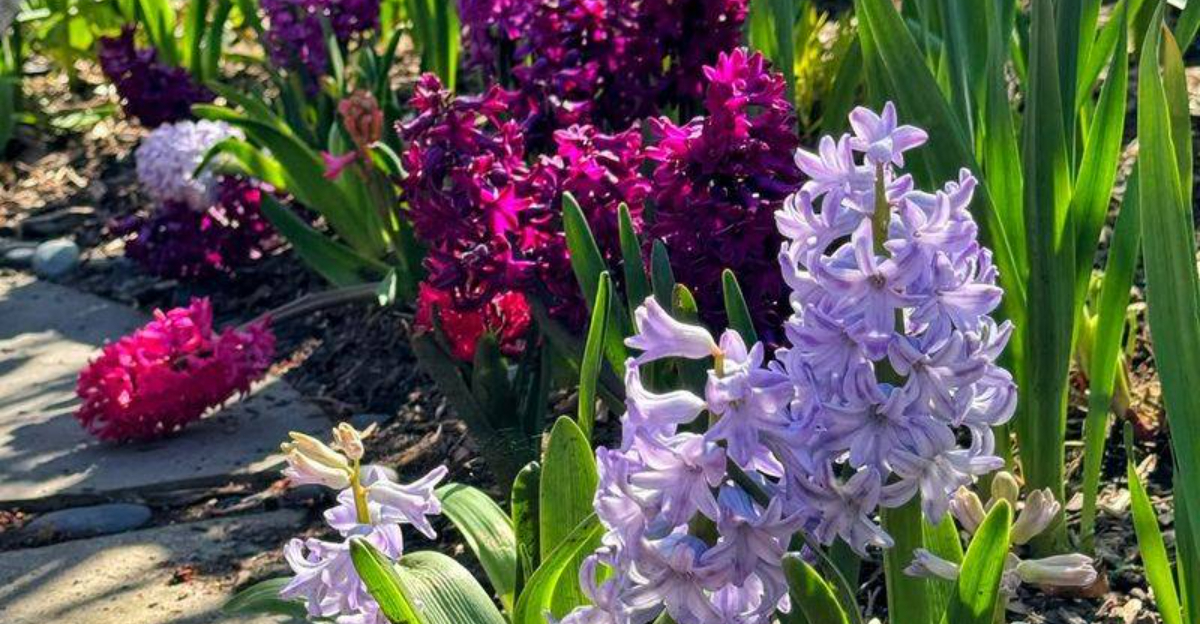
Start with early spring bulbs like hyacinths and narcissus that bloom when temperatures first warm.
Their intense perfumes signal winter’s end and attract the first pollinators.
Follow with mid-spring bloomers like lilacs, viburnums, and peonies that peak in April and May.
Summer brings roses, lavender, honeysuckle, and jasmine into full fragrance.
Late summer offers phlox, cleome, and heliotrope with sweet evening scents.
Fall-blooming plants extend fragrance into cooler months.
Sweet autumn clematis covers fences with white flowers and vanilla scent in September.
Osmanthus shrubs produce tiny white blooms with apricot fragrance in October.
Create a planting calendar that maps out bloom times for your climate zone.
Space plants so something fragrant blooms every month from March through October.
This requires mixing bulbs, perennials, shrubs, and annuals strategically along your path.
Record which plants bloom when in your specific garden conditions.
Microclimates can shift bloom times by several weeks.
Adjust your planting plan each year based on actual performance.
Succession planting prevents monotony and keeps your path interesting across seasons.
Visitors discover new fragrances with each visit, making your garden a place people want to return to repeatedly throughout the year for fresh sensory experiences.
9. Maintain Proper Plant Spacing For Air Circulation
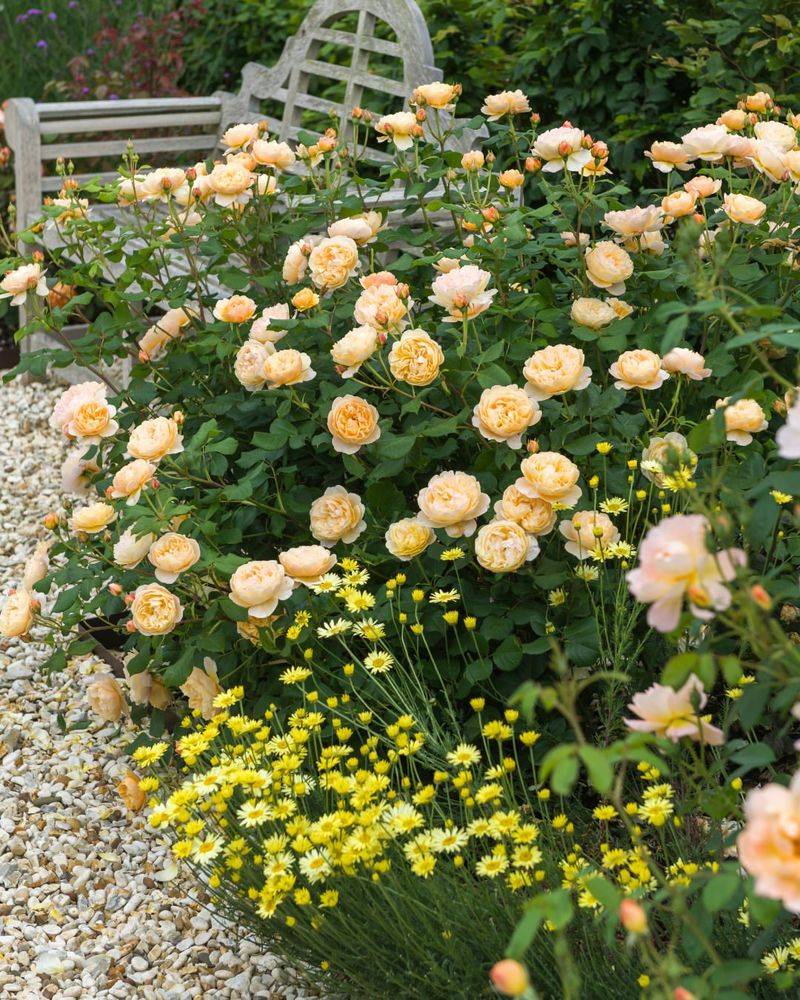
Crowded plants trap humidity and prevent fragrance from dispersing properly.
Good air circulation helps scents travel while reducing fungal diseases common in Virginia’s humid climate.
Space plants according to their mature size, not their size at planting time.
Read plant tags carefully to learn expected height and width.
Allow at least six inches between mature plants for air movement.
Prune regularly to prevent overgrowth that blocks airflow along the path.
Proper spacing also allows each plant’s fragrance to stand out instead of blending into a confusing mix.
You can appreciate individual scents as you move down the path.
Sunlight reaches all parts of the plant, promoting healthier growth and more abundant blooms.
Resist the temptation to pack plants tightly for immediate fullness.
Gardens look sparse at first but fill in within two growing seasons.
Use annuals to fill gaps while perennials establish themselves.
Good spacing reduces pest problems because insects have harder times spreading between plants.
Water reaches roots more effectively without competition from crowded neighbors.
Weeding becomes easier when you can reach between plants comfortably.
Measure your path and create a scale drawing before purchasing plants.
Mark mature sizes with circles to visualize proper spacing.
This planning prevents expensive mistakes and ensures your fragrant path remains healthy, beautiful, and wonderfully aromatic for many years to come.