How To Mulch Pennsylvania Garden Beds Properly For Winter Protection
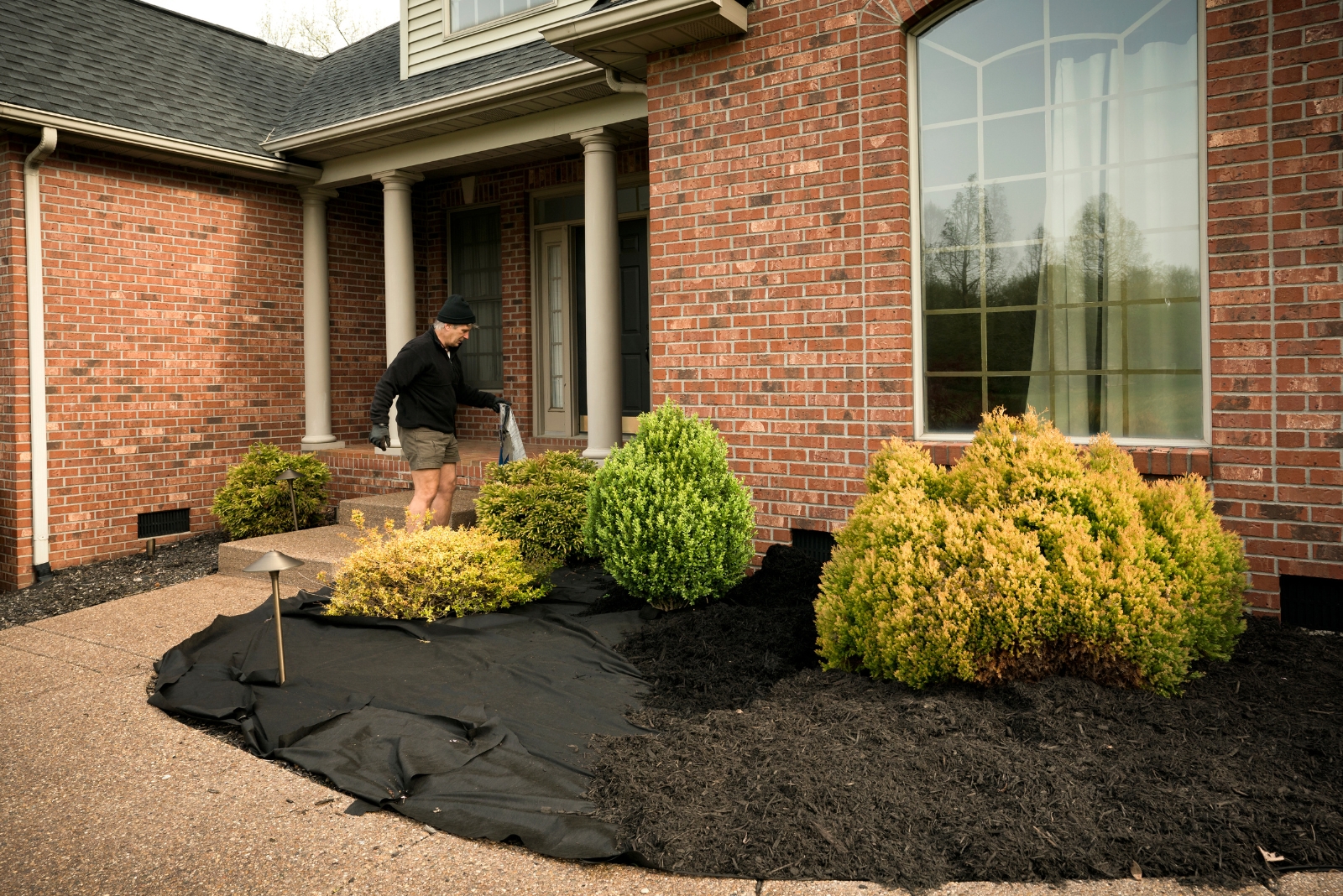
Winter in Pennsylvania brings freezing temperatures, heavy snow, and unpredictable weather that can stress your garden plants.
Mulching your garden beds before the cold sets in is one of the smartest ways to protect your perennials, shrubs, and soil from harsh conditions.
A proper layer of mulch acts like a cozy blanket, keeping roots insulated and preventing damage from frost heaving and temperature swings.
If you’re a seasoned gardener or just starting out, learning the right mulching techniques can make all the difference in how your garden survives the winter and thrives come spring.
Wait Until After The First Hard Freeze To Apply Mulch
Timing matters more than most gardeners realize when it comes to winter mulching in Pennsylvania.
Applying mulch too early can actually trap warmth in the soil, confusing plants about when to go dormant for the season.
Plants need to experience a few hard frosts to properly harden off and prepare for winter’s arrival.
Pennsylvania typically sees its first hard freeze in late October through mid-November, depending on your specific region.
Once temperatures consistently dip below 25 degrees Fahrenheit at night, your plants have received the signal to enter dormancy.
At this point, you can safely add your protective mulch layer without interfering with the natural seasonal transition.
Early mulching can also create a cozy habitat for rodents and pests looking for warm shelter.
These critters might nibble on plant crowns and roots throughout the winter months.
Waiting until after the ground begins to freeze discourages pests from setting up camp in your garden beds.
Check your local Pennsylvania weather forecasts and observe your plants carefully before breaking out the mulch.
Choose The Right Mulch Material For Pennsylvania Winters
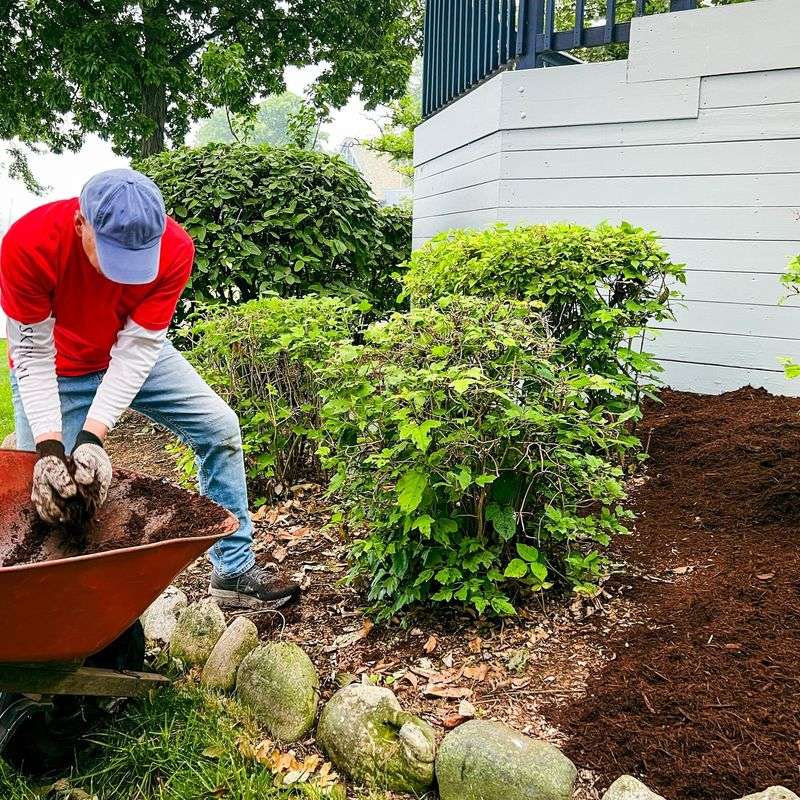
Not all mulch materials perform equally well during Pennsylvania’s cold, wet winters.
Shredded leaves are an excellent free option that many Pennsylvania gardeners have in abundance each fall.
They break down relatively quickly, adding valuable organic matter to your soil while providing good insulation.
Straw is another fantastic choice because it’s lightweight, affordable, and allows air circulation around plant crowns.
Just make sure you’re using straw and not hay, which contains seeds that will sprout everywhere come spring.
Wood chips and shredded bark work well for larger garden beds and around shrubs, offering long-lasting protection.
Pine needles are perfect for acid-loving plants like azaleas and blueberries common in Pennsylvania landscapes.
Avoid using materials like fresh grass clippings or whole leaves, which can mat down and suffocate plants.
Matted mulch also prevents water and air from reaching the soil properly.
Consider your specific plants’ needs and what materials are readily available in your Pennsylvania area when making your selection.
Apply Mulch At The Proper Depth For Maximum Protection
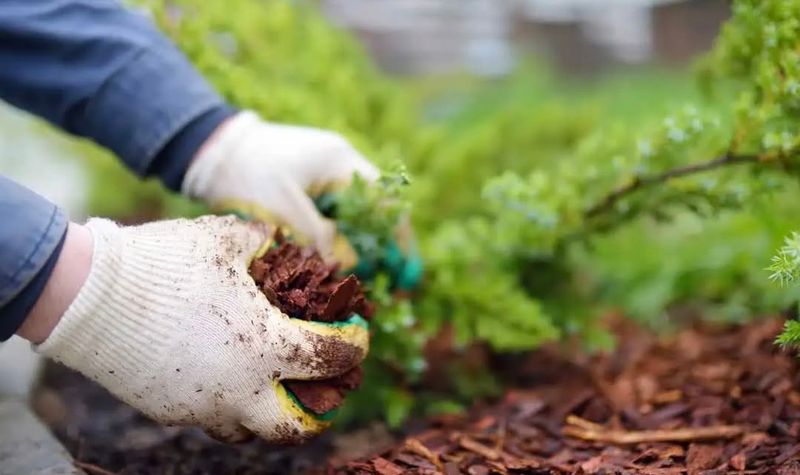
Getting the depth right is crucial for effective winter protection without causing harm to your plants.
Most perennials and garden beds in Pennsylvania benefit from a mulch layer about three to four inches deep.
This thickness provides adequate insulation against temperature fluctuations while still allowing air and moisture to penetrate.
Your Pennsylvania Garden Changes Every Week. Your Plan Should Too.
Gardening in Pennsylvania changes quickly throughout the season. Every Friday you’ll receive a simple weekly plan showing exactly what to plant, prune, fertilize, harvest, and protect so you never miss the right timing.
Too little mulch won’t offer sufficient protection from Pennsylvania’s harsh winter conditions.
Your plants’ roots could still be vulnerable to frost heaving and freeze-thaw cycles that damage root systems.
On the flip side, piling mulch too thick can create problems like crown rot and fungal diseases.
Excessive mulch also provides too much shelter for rodents and other pests seeking winter homes.
For trees and shrubs, keep mulch about two to three inches deep and never let it touch the trunk or stems.
Creating a volcano of mulch around tree trunks is a common mistake that can lead to rot and pest problems.
Use a ruler or your hand to measure as you spread mulch evenly across your Pennsylvania garden beds.
Keep Mulch Away From Plant Crowns And Stems
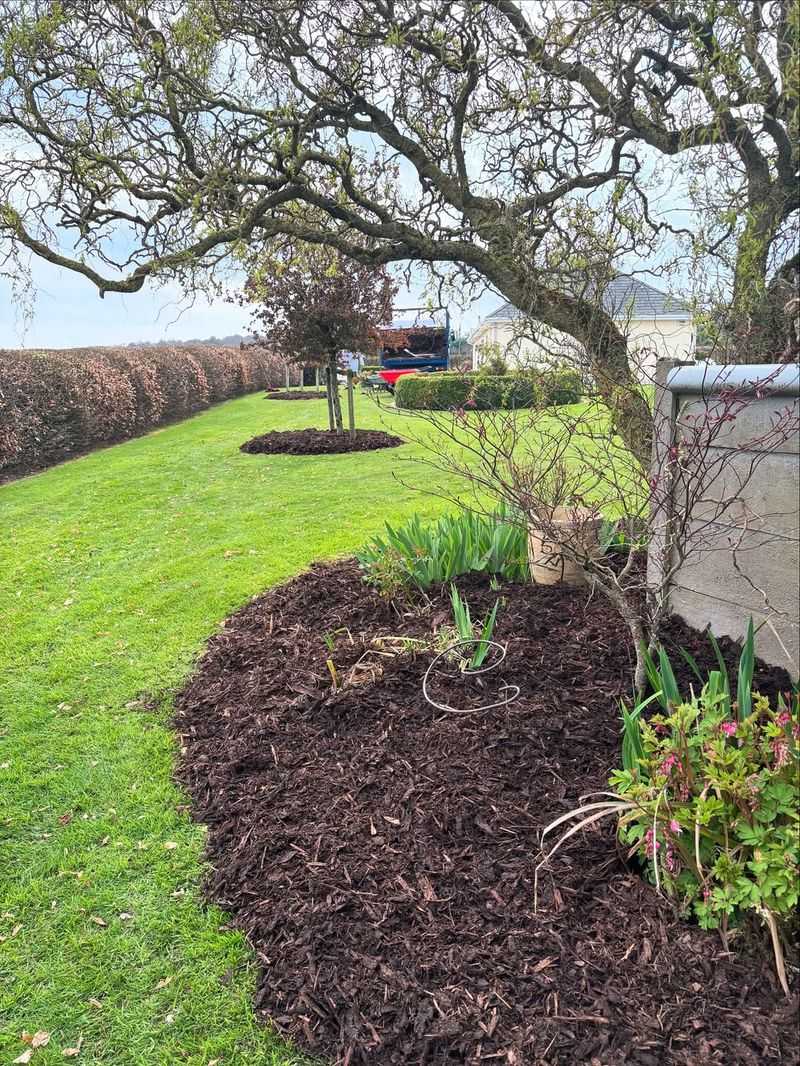
One of the biggest mulching mistakes happens right at the base of your plants.
Many well-intentioned gardeners pile mulch directly against stems, crowns, and trunks, thinking more contact means more protection.
Actually, this practice invites moisture buildup, rot, and disease problems that can damage or destroy your plants.
Plant crowns need air circulation to stay healthy throughout Pennsylvania’s damp winter months.
When mulch sits directly against plant tissue, it holds moisture against sensitive areas that should stay relatively dry.
This creates perfect conditions for fungal infections and bacterial diseases to take hold.
Instead, pull mulch back about two to three inches from the base of perennials and the crowns of plants.
For trees and shrubs, create a donut shape with the mulch, leaving a clear circle around the trunk.
This technique protects the root zone while keeping vulnerable plant parts safe from rot.
Pennsylvania’s winter often brings wet snow and rain, making proper spacing even more important for preventing moisture-related problems in your garden beds.
Prepare Your Garden Beds Before Adding Winter Mulch
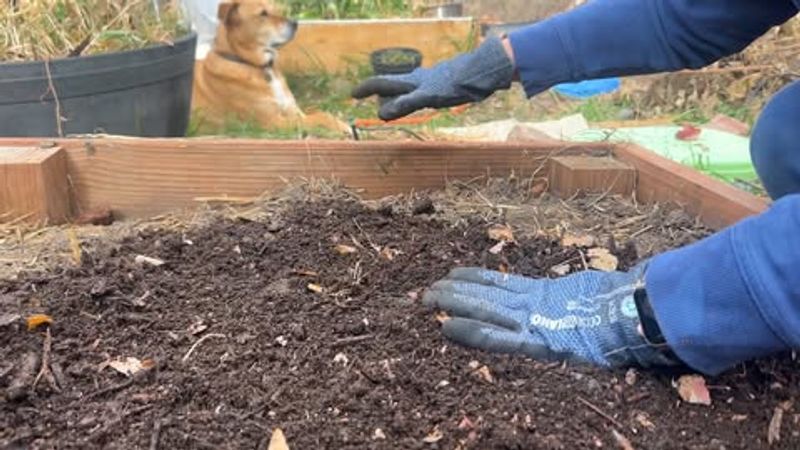
Success with winter mulching starts before you spread a single handful of material.
Take time to properly prepare your Pennsylvania garden beds for their protective winter covering.
Start by removing any diseased plant material, fallen fruit, or pest-infested debris from the garden area.
These items can harbor problems that will overwinter and cause issues next growing season.
Pull out any remaining weeds before they have a chance to set seed or establish deeper roots.
Weeds that survive under mulch will be even harder to remove in spring when they’re well-established.
Cut back perennials according to their specific needs, as some prefer to keep their foliage for winter interest and protection.
Water your Pennsylvania garden beds thoroughly before applying mulch if the soil is dry.
Moist soil holds heat better than dry soil, providing extra insulation for plant roots.
A final layer of compost before mulching adds nutrients that will slowly work into the soil over winter months.
Clean beds mean your mulch can do its job without competing with weeds or covering up potential problems.
Mulch Newly Planted Perennials And Shrubs Extra Carefully
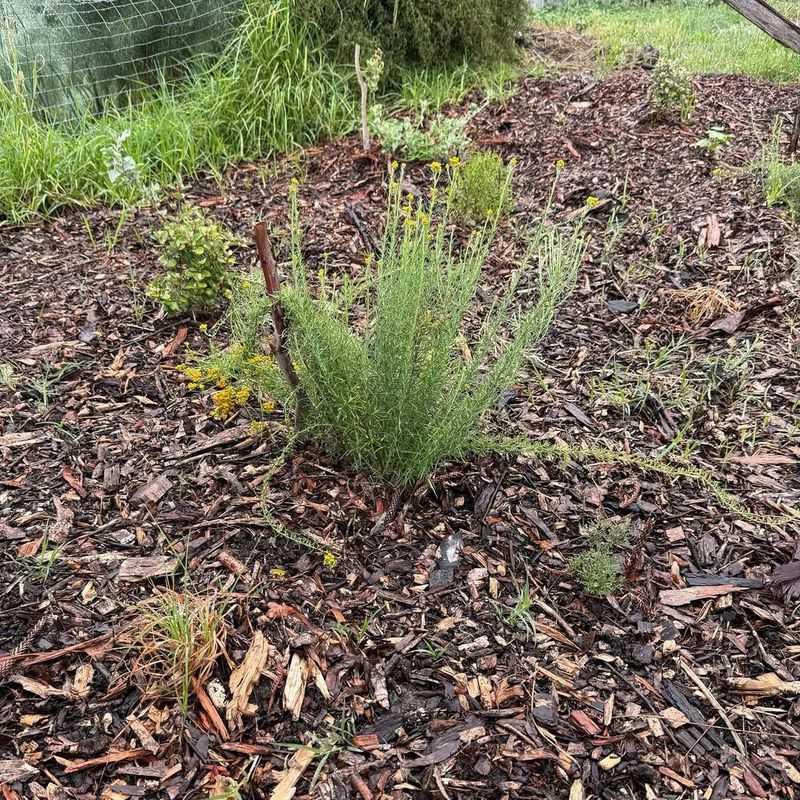
Plants that went into the ground during the current growing season need special attention for their first Pennsylvania winter.
Their root systems haven’t had time to establish fully, making them more vulnerable to cold damage and frost heaving.
Frost heaving occurs when soil freezes and thaws repeatedly, pushing plant roots up and out of the ground.
This exposure can severely damage or even destroy young plants that haven’t anchored themselves firmly yet.
For new plantings, consider adding an extra inch of mulch beyond the standard three to four inches.
This additional protection helps maintain more consistent soil temperatures around developing root systems.
Pay special attention to the entire root zone, extending mulch out to the drip line of shrubs and small trees.
Young evergreens in Pennsylvania also benefit from windbreaks or burlap screens in addition to proper mulching.
Winter winds can dry out foliage faster than roots can replace moisture from frozen soil.
Check on newly planted areas periodically throughout winter, adding more mulch if it settles or blows away during Pennsylvania’s winter storms.
Use Mulch To Prevent Soil Erosion On Slopes
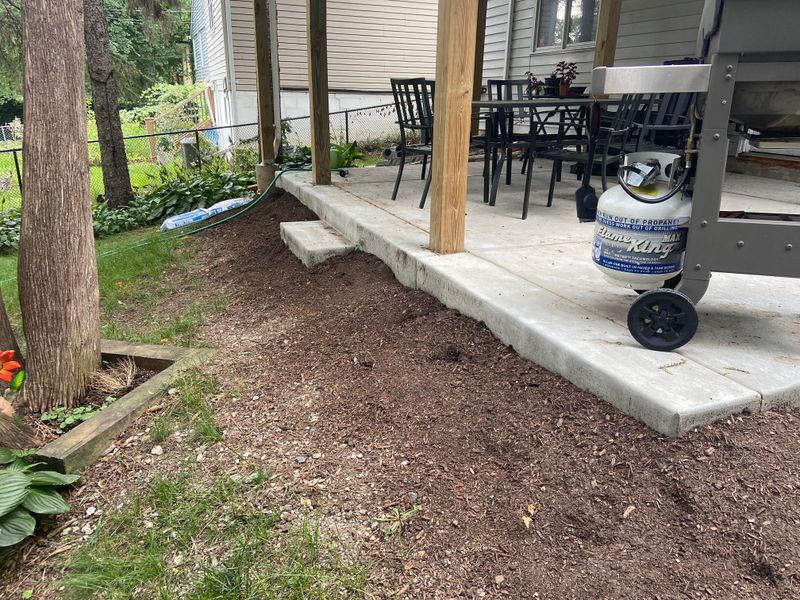
Pennsylvania landscapes often feature sloped areas that present unique challenges during winter months.
Heavy rain, snowmelt, and freeze-thaw cycles can wash away valuable topsoil from sloped garden beds.
Proper mulching helps hold soil in place while protecting plant roots from exposure and temperature extremes.
Heavier mulch materials like wood chips or shredded bark work better on slopes than lightweight options.
Straw and dry leaves tend to blow or wash away more easily on angled surfaces.
Apply mulch slightly thicker on slopes, around four to five inches, to account for some settling and movement.
Consider creating small terraces or installing edging to help keep mulch from sliding downhill during Pennsylvania’s wet winter weather.
Erosion control fabric or burlap underneath the mulch layer provides extra stability on steep slopes.
This combination protects both your soil and your plants throughout the challenging winter season.
Spring cleanup is easier when your soil hasn’t washed into lower areas or exposed plant roots on hillsides.
Sloped beds that retain their mulch also warm up more evenly in spring for better early-season growth.
Protect Bulbs And Spring Bloomers With Strategic Mulching
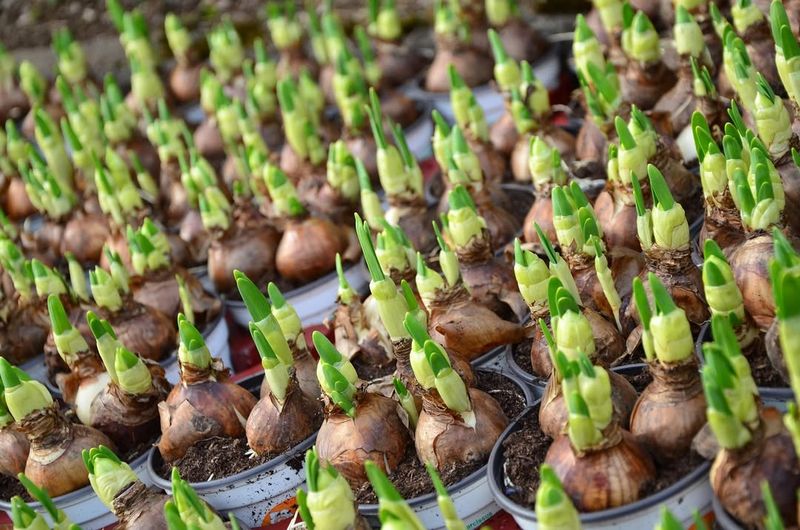
Spring-flowering bulbs like tulips, daffodils, and crocuses are Pennsylvania garden favorites that need thoughtful winter care.
These bulbs are actually quite hardy, but proper mulching helps them perform their best when spring arrives.
Apply mulch over bulb beds after the ground begins to freeze, using the same timing as for other garden areas.
A three to four inch layer protects bulbs from extreme temperature swings that can damage flower buds forming inside.
Mark your bulb locations before mulching so you remember where they’re planted come spring.
Small plant stakes or markers prevent accidental digging in areas where bulbs are sleeping underground.
Pennsylvania’s unpredictable late winter weather can bring warm spells followed by hard freezes.
Mulch helps prevent bulbs from sprouting too early during false springs, only to get damaged by returning cold.
Early-blooming perennials like hellebores and primroses benefit from similar protection in Pennsylvania gardens.
When spring arrives, you can carefully pull back some mulch to allow shoots to emerge more easily.
Leave mulch in place around the plants to continue suppressing weeds and retaining moisture during the growing season.
Monitor And Maintain Your Mulch Throughout Winter

Applying mulch isn’t a set-it-and-forget-it task, even during Pennsylvania’s cold winter months.
Periodic checks ensure your protective layer stays effective throughout the season’s challenges.
Strong winter winds common in Pennsylvania can blow lightweight mulch materials around or pile them unevenly.
After major storms, walk through your garden to assess whether mulch needs redistributing.
Heavy, wet snow can compress mulch significantly, reducing its insulating properties.
You might need to fluff up compacted areas or add fresh material to maintain proper depth.
Watch for signs of animal activity like tunnels or disturbed mulch that indicate rodents have moved in.
Pests burrowing under mulch can damage plant roots and crowns while searching for food.
During winter thaws, check that mulch isn’t holding excessive water against plant crowns or creating soggy conditions.
Pull back overly wet mulch temporarily to allow air circulation and prevent rot problems.
These quick maintenance checks take just a few minutes but can prevent problems that would otherwise damage your Pennsylvania garden plants over winter.
Remove Or Reduce Mulch At The Right Time In Spring
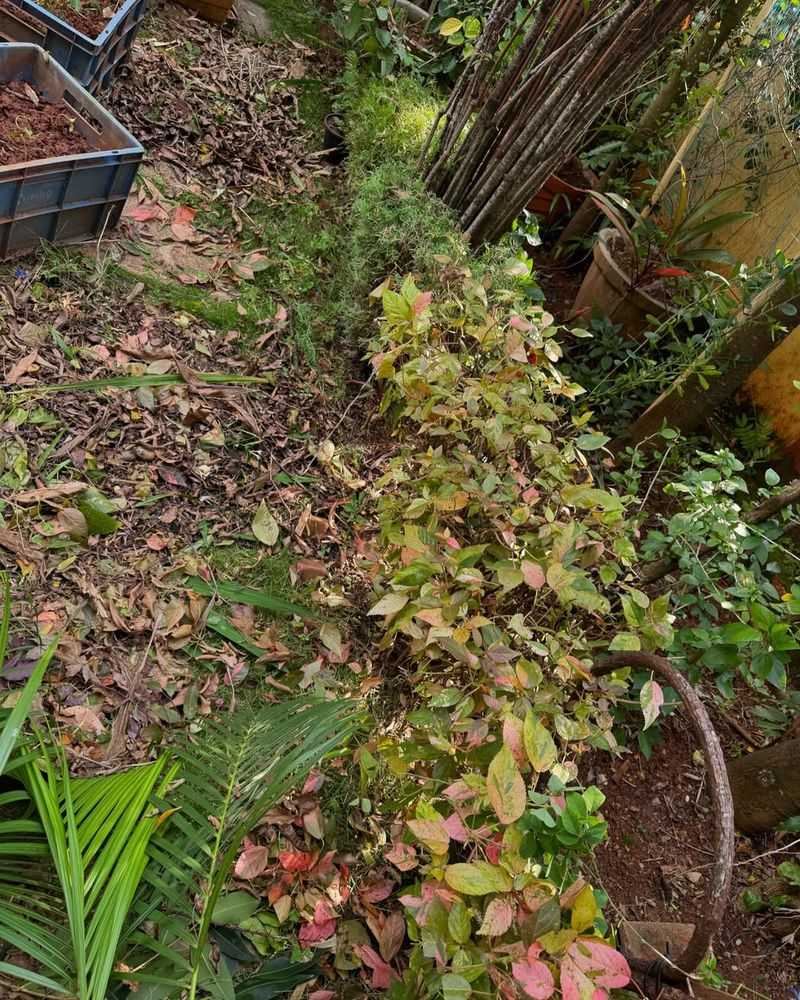
Knowing when to remove or reduce winter mulch is just as important as applying it properly in fall.
Pennsylvania’s spring arrives gradually, with temperatures warming inconsistently and late frosts still possible into May.
Start checking your garden beds in early spring as temperatures begin climbing above freezing regularly.
Watch for signs of new growth pushing through the mulch layer from bulbs and perennials.
Begin pulling back mulch carefully from around emerging shoots to give them room to grow.
You don’t need to remove all the mulch at once from your Pennsylvania garden beds.
Reduce the depth to about two inches, leaving enough to continue suppressing weeds and retaining soil moisture.
This gradual approach protects plants if late cold snaps occur, which happen frequently in Pennsylvania.
You can always pull mulch back temporarily over tender new growth if frost threatens.
Remove mulch from around early bloomers first, then work on later-emerging plants as they show signs of life.
Compost or save removed mulch for use in other garden areas or add it to your compost pile where it will continue breaking down.