How To Help Orchids Thrive Indoors During Ohio Winters

Ohio winters can test even the hardiest indoor orchids, turning warm rooms into dry zones and shortening the daylight that orchids crave.
These elegant plants may look delicate, yet they have more grit than they show, and with the right care they can flourish while snow piles up outside.
A few smart habits can turn a chilly season into a steady stretch of healthy growth.
Gentle light, steady moisture, and a touch of humidity can make an orchid feel right at home, even on the cloudiest days.
Each small adjustment helps keep blooms vibrant and leaves glossy, as if the plant were soaking up tropical sunshine instead of Ohio’s winter chill.
With patience and a keen eye, your orchids can sail through the season, rising above drafts and dry air that would normally slow them down.
A little attention now sets the stage for strong roots, bright blooms, and a plant that rewards you long after winter fades.
1. Adjust Lighting To Match Shorter Days
Winter in Ohio means shorter days and weaker sunlight, which can leave your orchids struggling to get the energy they need.
Natural light becomes scarce, especially during those dreary December and January weeks when clouds seem permanent.
Your orchids still need their daily dose of brightness to produce those gorgeous blooms.
Most orchids prefer bright, indirect light for about 12 to 14 hours each day.
During Ohio winters, south-facing windows become your best friend since they capture the most available sunlight.
East-facing windows work well too, offering gentle morning rays without the harsh afternoon intensity.
If your windows just aren’t cutting it, don’t worry.
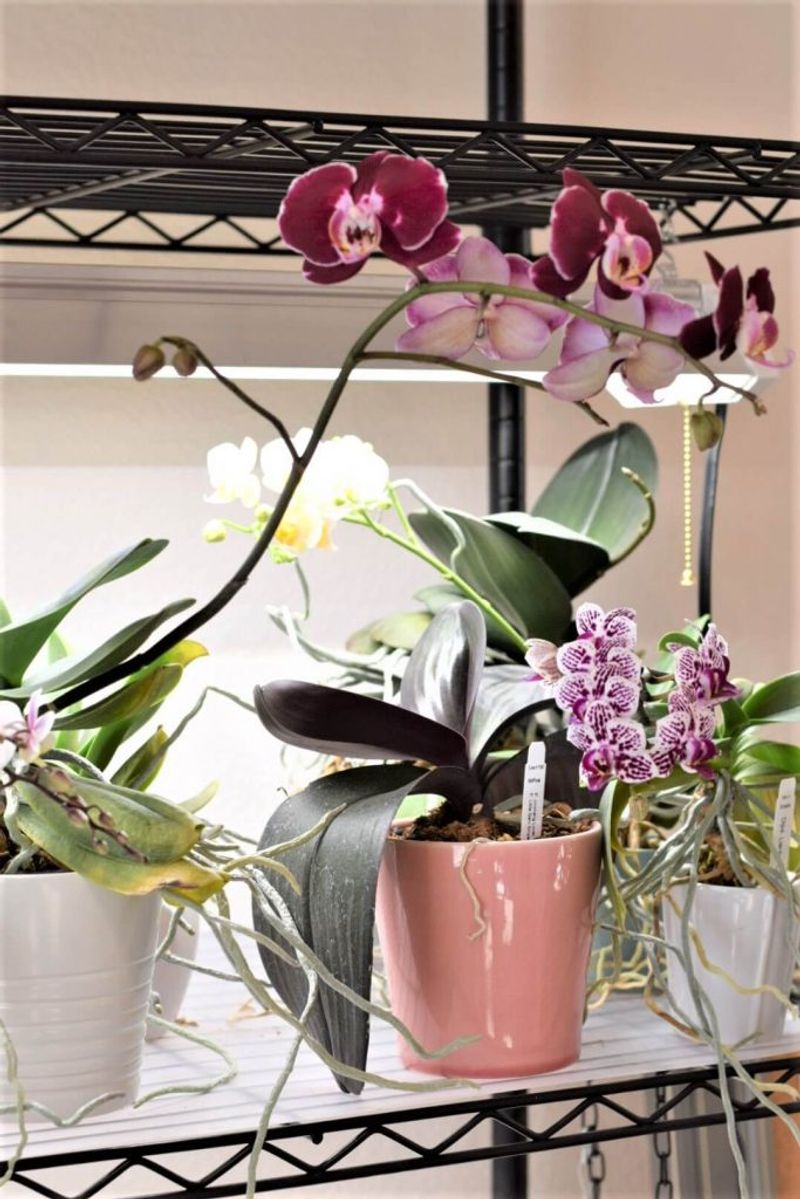
Supplemental grow lights can work wonders for orchids during the dark months.
LED grow lights are energy-efficient and produce minimal heat, making them perfect for delicate orchid leaves.
Position them about 6 to 12 inches above your plants and keep them on for 12 to 14 hours daily.
Watch your orchid’s leaves for clues about lighting conditions.
Dark green leaves might mean your plant needs more light, while reddish or yellowish leaves could indicate too much direct sun.
Healthy orchid leaves should be a medium green color with a slight shine.
Rotating your orchids every few days ensures all sides receive equal light exposure.
This simple habit prevents lopsided growth and encourages even blooming.
Remember that even on the cloudiest Ohio winter day, some natural light reaches your plants, so don’t give up on those windows completely.
2. Maintain Proper Humidity Levels

Furnaces running constantly throughout Ohio winters create desert-like conditions inside our homes.
Central heating systems strip moisture from the air, dropping humidity levels way below what orchids need to stay healthy.
These tropical plants naturally grow in environments with 50 to 70 percent humidity, but Ohio homes in winter often dip below 30 percent.
Dry air causes orchid leaves to wrinkle and buds to drop before opening.
You might notice leaf tips turning brown or flowers wilting prematurely.
Creating a more humid microclimate around your orchids doesn’t require fancy equipment or huge expense.
Your Ohio Garden Changes Every Week. Your Plan Should Too.
Gardening in Ohio changes quickly throughout the season. Every Friday you’ll receive a simple weekly plan showing exactly what to plant, prune, fertilize, harvest, and protect so you never miss the right timing.
Humidity trays offer the easiest solution for most orchid owners.
Fill a shallow tray with pebbles or decorative stones, add water until it reaches just below the top of the stones, then place your orchid pot on top.
As water evaporates, it creates a humid zone around your plant without soaking the roots.
Grouping several orchids together also helps increase humidity through transpiration.
Plants naturally release moisture through their leaves, and when clustered, they create their own little humid ecosystem.
Just make sure air can still circulate between pots to prevent fungal problems.
Small humidifiers work wonderfully in rooms where you keep multiple orchids.
Cool-mist humidifiers are safer than warm-mist versions and won’t accidentally cook your plants.
Place the humidifier a few feet away from your orchids, not right next to them.
In Columbus, Cleveland, or Cincinnati, running a humidifier during winter months benefits both your orchids and your own skin.
3. Control Temperature Fluctuations Carefully
Temperature swings can stress orchids more than consistent cold ever could.
Ohio homes experience dramatic temperature changes during winter, especially near windows, doors, and heating vents.
One minute your orchid sits in a comfortable 70-degree room, the next it’s getting blasted by 90-degree air from a floor register.
Most popular orchid varieties like Phalaenopsis prefer daytime temperatures between 65 and 75 degrees Fahrenheit.
Nighttime temperatures can drop 10 to 15 degrees lower, which actually encourages blooming in many species.
This natural temperature variation mimics what orchids experience in their native habitats.
Keep your orchids away from heating vents, radiators, and forced-air returns.
Direct heat dries out leaves rapidly and can damage tender roots.
Similarly, avoid placing orchids right against cold windowpanes where temperatures might plummet overnight, especially during those bitter Ohio cold snaps in January and February.
Drafty spots near exterior doors create problems too.
Every time someone enters or exits, your orchid gets hit with a blast of freezing air.
Move plants at least three feet away from frequently used doorways to protect them from these sudden temperature shocks.
Using a simple room thermometer helps you monitor conditions where your orchids live.
Check temperatures at different times throughout the day to identify problem areas.
If you notice your orchid’s leaves becoming limp or buds dropping, temperature stress might be the culprit.
Adjusting placement by even a few feet can make a huge difference in how well your orchids handle Ohio’s harsh winter climate.
4. Water Wisely During Dormant Periods

Overwatering remains the number one reason orchids struggle during winter months.
Many orchid owners make the mistake of keeping the same watering schedule year-round, but these plants actually need less water when growth slows during Ohio’s coldest season.
Reduced light and cooler temperatures mean orchids aren’t actively growing or using as much moisture.
Check your orchid’s roots before reaching for the watering can.
Healthy orchid roots should appear silvery-gray when dry and turn bright green when wet.
Clear plastic pots make this inspection easy since you can see exactly what’s happening below the surface.
If roots still look green or the potting medium feels damp, wait another day or two.
Most orchids need watering about once every 7 to 10 days during winter, compared to every 5 to 7 days during summer.
The exact timing depends on your home’s humidity, temperature, and air circulation.
Smaller pots dry faster than larger ones, and bark-based media dries quicker than moss-based mixes.
Water your orchids in the morning so excess moisture evaporates throughout the day.
Use room-temperature water rather than cold tap water straight from the faucet, which can shock sensitive roots.
Run water through the pot for about 30 seconds, allowing it to drain completely before returning the orchid to its decorative container.
Never let orchids sit in standing water, which leads to root rot faster than anything else.
Empty saucers and cache pots after watering to prevent this common problem.
Throughout Cincinnati, Dayton, and Toledo, adjusting your winter watering routine makes the difference between thriving orchids and struggling ones.
5. Boost Air Circulation Without Creating Drafts
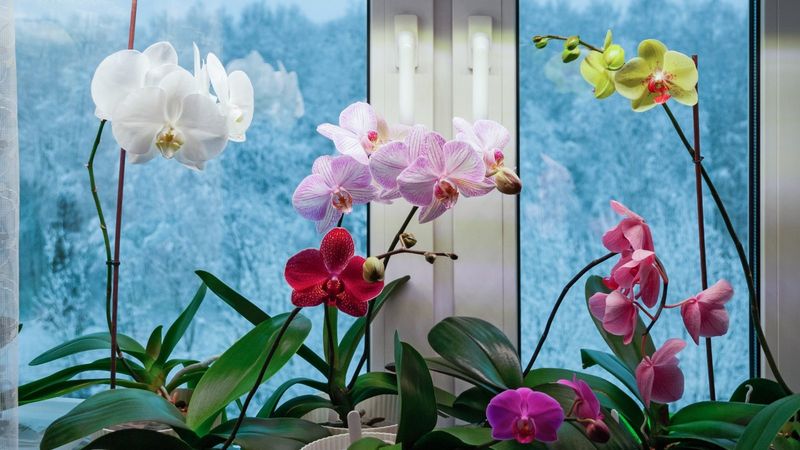
Stagnant air invites trouble for orchids during Ohio winters when we keep windows sealed tight against the cold.
Without proper airflow, moisture lingers on leaves and flowers, creating perfect conditions for fungal and bacterial problems.
Good air circulation strengthens orchid stems, prevents disease, and helps regulate temperature and humidity around your plants.
Ceiling fans set on low speed work perfectly for orchids, even during winter.
Run them in reverse mode to push warm air down from the ceiling without creating strong drafts directly on your plants.
This gentle circulation distributes heat more evenly throughout the room while keeping air moving around your orchids.
Small oscillating fans placed several feet away from your orchids provide targeted airflow without the harsh direct wind that damages delicate blooms.
The key word here is gentle, you want leaves to barely move, not whip around wildly.
Think of a soft tropical breeze rather than a windstorm.
Avoid placing orchids in completely enclosed spaces like closed cabinets or terrariums without ventilation.
Even beautiful glass display cases can trap stale air and excess moisture.
If you love the look of orchids under glass, leave the top slightly open or add small ventilation holes.
Opening interior doors between rooms helps air circulate throughout your Ohio home, benefiting orchids in multiple locations.
Just be cautious about opening exterior doors and windows during winter, which introduces those dangerous cold drafts we mentioned earlier.
Strategic fan placement combined with good room layout creates ideal airflow conditions that keep your orchids healthy all season long without exposing them to frigid outdoor temperatures.
6. Fertilize Less Frequently But Consistently
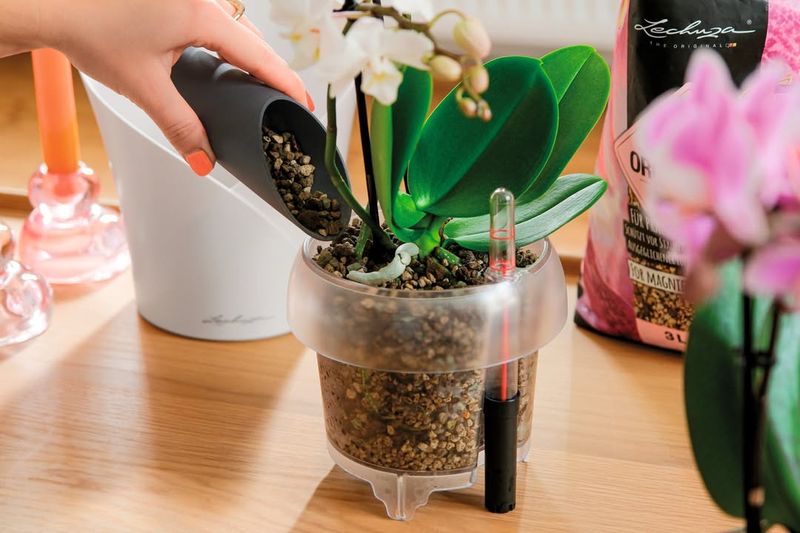
Orchids take a break from active growth during winter, which means they need less food than during spring and summer growing seasons.
Many beginners continue their regular fertilizing schedule year-round, leading to salt buildup in the potting medium and burned roots.
Understanding your orchid’s seasonal needs helps you provide just the right amount of nutrition without overdoing it.
During Ohio’s winter months, cut your fertilizing frequency in half.
If you normally feed your orchids weekly, switch to every two weeks.
If you fertilize monthly, extend it to every six to eight weeks.
This reduced schedule matches your orchid’s slower metabolism during the darker, cooler months.
Use a balanced orchid fertilizer diluted to half or quarter strength rather than full concentration.
The formula 20-20-20 works well for most orchids, though some growers prefer bloom-boosting formulas higher in phosphorus during flowering periods.
Always apply fertilizer to damp roots, never to completely dry plants, which can cause root burn.
Flushing your orchid pots with plain water once a month removes accumulated fertilizer salts.
Run clear water through the pot for a minute or two, allowing it to drain completely.
This simple practice prevents the white crusty buildup you sometimes see on pot rims and bark pieces, which indicates salt accumulation.
Remember that less is more when feeding orchids during winter.
These plants evolved to survive periods of reduced resources, so they handle slight underfeeding much better than overfeeding.
Across Ohio, from Akron to Youngstown, orchid enthusiasts who adjust their winter fertilizing routines see healthier plants with stronger blooms when spring arrives.
7. Repot Only When Absolutely Necessary

Winter represents the worst possible time to repot orchids unless you face an absolute emergency.
These plants experience enough stress from reduced light and dry indoor air without adding the trauma of root disturbance.
Repotting during dormancy can set back blooming cycles or weaken plants when they have the least energy to recover.
Hold off on repotting until spring when daylight increases and orchids enter their natural growth phase.
New root tips emerging from the base signal the perfect repotting window, usually occurring in March or April across Ohio.
At that point, your orchid can quickly establish itself in fresh medium and recover from any root damage.
However, some situations demand immediate action regardless of season.
If you notice a foul smell coming from the pot, mushy black roots, or potting medium that’s completely broken down into soil-like consistency, you need to act.
These conditions indicate root rot or severe medium decomposition that will only worsen if ignored.
When emergency winter repotting becomes necessary, work carefully and minimize root disturbance.
Remove obviously rotted roots with sterilized scissors, but leave healthy roots alone as much as possible.
Use fresh orchid bark or your plant’s preferred medium, and choose a pot only slightly larger than the root mass.
After winter repotting, give your orchid extra attention to help it recover.
Maintain consistent temperatures, avoid fertilizing for at least a month, and water carefully until you see signs of new growth.
Most orchids bounce back surprisingly well even from off-season repotting if you provide stable conditions afterward.
Throughout Ohio’s long winter, patience with repotting schedules pays off in healthier, happier orchids.