How To Propagate Your Favorite Houseplants Indoors During Maryland Winters
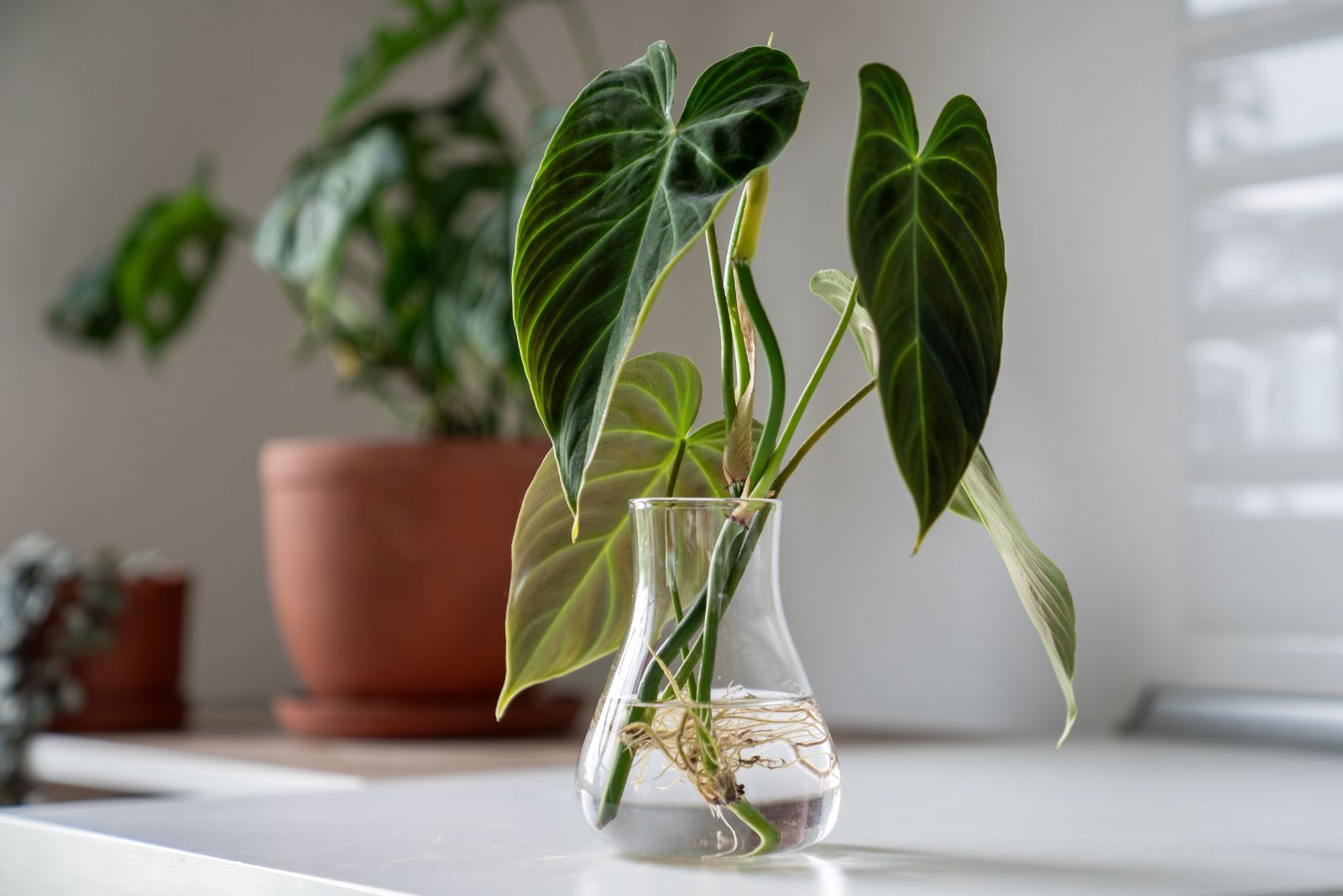
Maryland winters may bring gray skies and cold winds, but indoor houseplants can still steal the show with fresh new growth.
Propagation turns a quiet season into a chance to expand your collection, giving cuttings a cozy spot to sprout roots while the world outside takes a break.
A warm windowsill, a clean jar of water, or a small pot of soil can set the stage for new life to begin.
Many houseplants grow eager to stretch their roots, even as winter settles in, and a little encouragement goes a long way.
Soft light, gentle warmth, and steady moisture help cuttings settle down and push out new shoots, turning slow winter days into moments of quiet magic.
Before long, those tiny starts grow stronger, filling your space with bright leaves and fresh energy.
With the right touch, winter becomes less of a pause and more of an opportunity to grow something new indoors.
1. Water Propagation For Easy Root Development
Nothing beats the simplicity of watching roots grow right before your eyes.
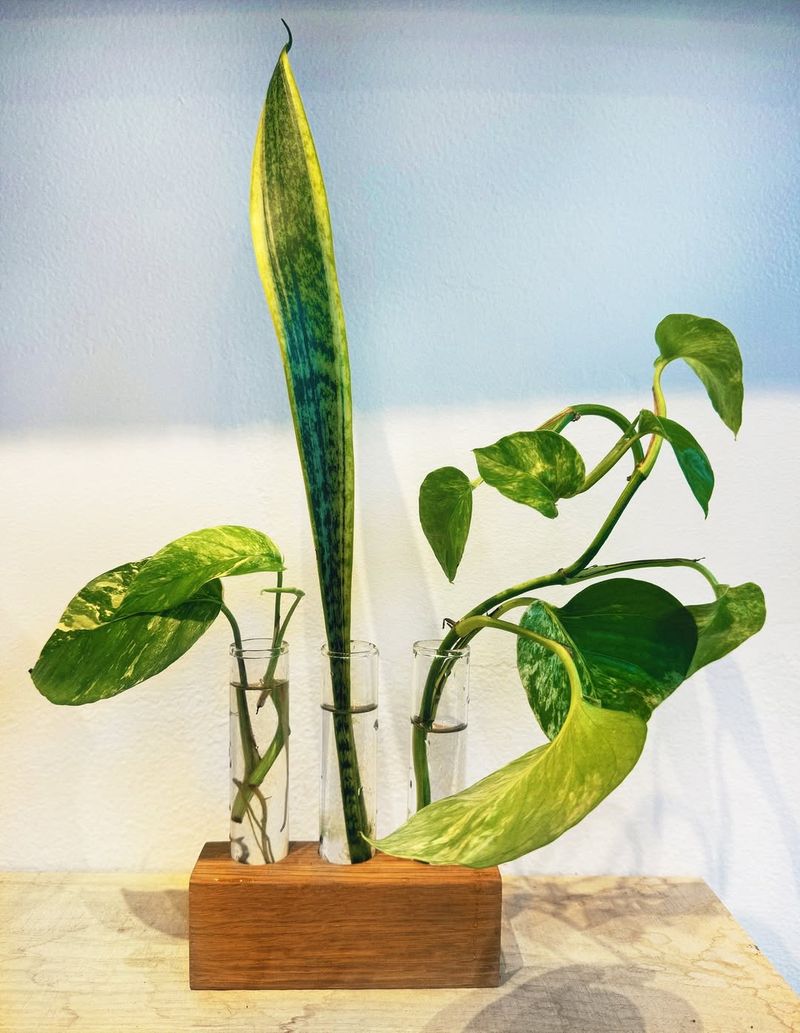
Water propagation is one of the most popular methods for multiplying houseplants because it requires minimal supplies and lets you monitor progress daily.
All you need is a clean glass jar, fresh water, and healthy stem cuttings from your favorite plants.
Popular candidates include pothos, philodendrons, spider plants, and English ivy, which all root quickly in water during Maryland’s winter months.
Start by snipping a four to six-inch section from a healthy stem, making sure your cutting includes at least two or three leaf nodes.
Remove any leaves from the bottom portion that would sit underwater, as submerged foliage can rot and cloud the water.
Place your cutting in a jar filled with room-temperature water and set it near a bright window that doesn’t receive harsh direct sunlight.
Change the water every few days to keep it fresh and oxygenated, which encourages faster root development.
Maryland winters mean less natural light, so consider placing your propagation station near south or west-facing windows for maximum brightness.
Within one to three weeks, you should see tiny white roots emerging from the nodes.
Once roots reach about two inches long, you can transplant your new plant into soil or continue growing it in water indefinitely.
Many plant lovers keep their propagated cuttings in decorative glass containers as living décor.
Water propagation works wonderfully indoors because it eliminates concerns about soil moisture levels and fungal issues.
The clear container lets you spot any problems immediately, and the whole process feels almost magical.
For Maryland residents stuck indoors during chilly February days, this method provides an engaging, low-maintenance way to expand your plant collection while brightening up your living space with fresh greenery.
2. Soil Propagation With Rooting Hormone Boost
Sometimes skipping the water stage and going straight to soil yields stronger, more adaptable plants.
Soil propagation mimics natural growing conditions and helps cuttings develop robust root systems right from the start.
This method works particularly well for succulents, begonias, rubber plants, and African violets that prefer not sitting in water for extended periods.
Your Maryland Garden Changes Every Week. Your Plan Should Too.
Gardening in Maryland changes quickly throughout the season. Every Friday you’ll receive a simple weekly plan showing exactly what to plant, prune, fertilize, harvest, and protect so you never miss the right timing.
Maryland’s heated indoor environments during winter can dry out soil quickly, so choosing the right potting mix and monitoring moisture becomes essential.
Begin by preparing small containers with drainage holes and filling them with a light, well-draining potting mix.
A combination of regular potting soil mixed with perlite or vermiculite creates the perfect texture for new roots to establish.
Take your cutting and dip the cut end into rooting hormone powder, which contains growth-stimulating compounds that significantly increase success rates.
Rooting hormone isn’t absolutely necessary, but it speeds up the process and improves your chances, especially with finicky plant varieties.
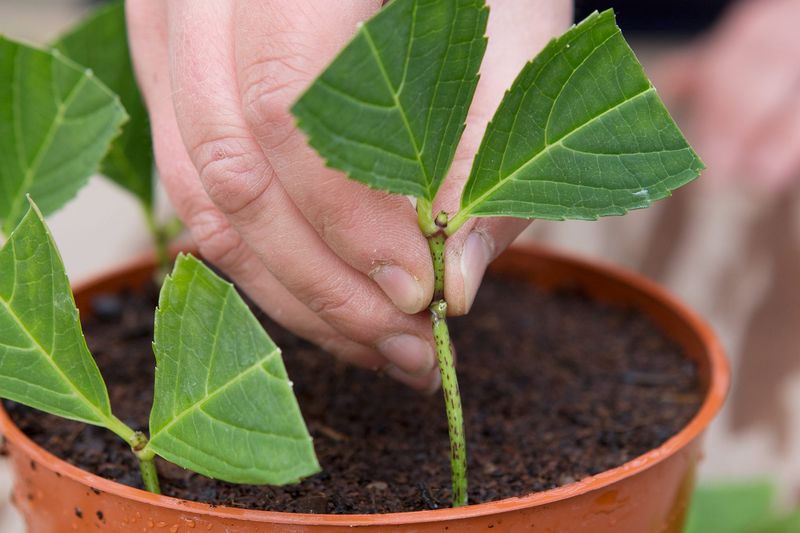
Make a small hole in the soil with your finger or a pencil, insert the cutting about an inch deep, and gently firm the soil around it.
Water lightly to settle everything in place, then cover the pot with a clear plastic bag or dome to create a humid microclimate.
This humidity is crucial during Maryland winters when indoor heating systems strip moisture from the air.
Place your setup in bright, indirect light and check the soil every few days, keeping it consistently moist but never waterlogged.
After two to four weeks, gently tug on the cutting to test for resistance, which indicates root development.
Once established, gradually remove the humidity cover over several days to help your new plant acclimate to normal indoor conditions.
Soil propagation requires a bit more patience than water methods, but the payoff is a plant that transitions seamlessly into its permanent home without transplant shock.
3. Division Method For Overcrowded Root Systems
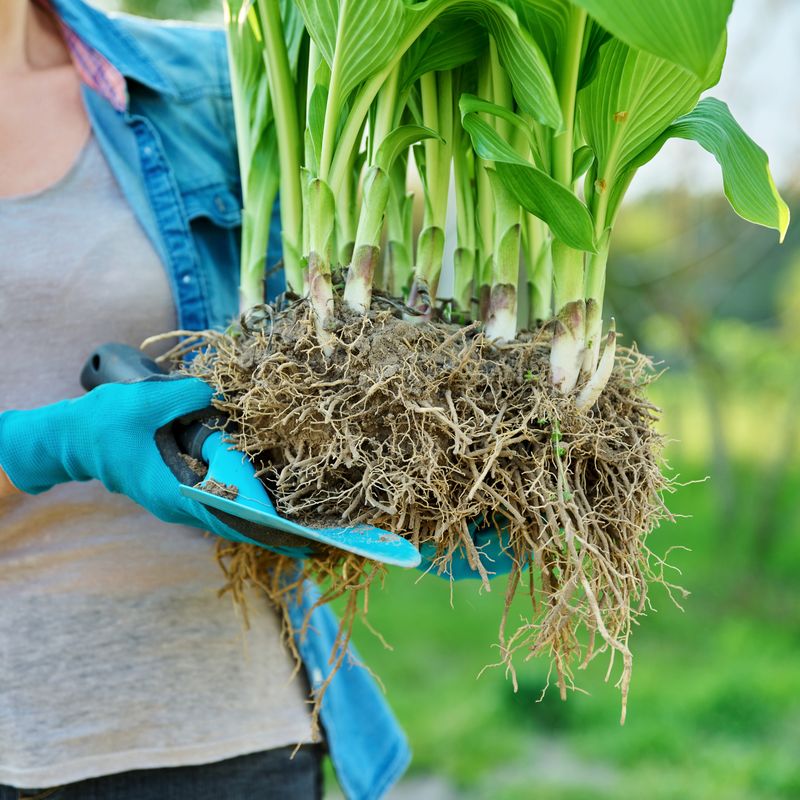
Have you ever noticed your snake plant or peace lily bursting out of its container with multiple stems?
Division offers the perfect solution for plants that naturally produce multiple growth points or crowns.
Rather than starting from scratch with cuttings, this technique separates an established plant into two or more sections, each with its own root system and foliage.
Maryland gardeners find this method especially useful during winter months when repotting indoor plants that have outgrown their containers.
Start by removing your plant from its pot and gently shaking off excess soil to reveal the root structure.
Look for natural separation points where the plant has formed distinct clumps or crowns.
Using clean, sharp scissors or a knife, carefully cut through the root ball to separate these sections, making sure each division has both roots and at least a few healthy leaves or stems.
Some plants pull apart easily by hand, while others require more deliberate cutting.
Prepare individual pots with fresh potting soil for each new division, choosing containers that comfortably fit the root systems without being excessively large.
Plant each section at the same depth it was growing previously, water thoroughly, and place in a location with appropriate light for that species.
The adjustment period after division can stress plants temporarily, so don’t worry if you notice a few drooping leaves initially.
Keep the soil evenly moist and avoid fertilizing for at least a month while new roots establish.
This propagation method works beautifully for spider plants, ferns, hostas grown indoors, and many tropical varieties that form clumps.
Since Maryland winters limit outdoor gardening activities, division projects give you something productive to do with your houseplants while creating instant new specimens.
Unlike other propagation techniques that require weeks of waiting, division provides immediately mature plants ready to grow and thrive in their new homes.
4. Leaf Cuttings For Succulents And Special Varieties
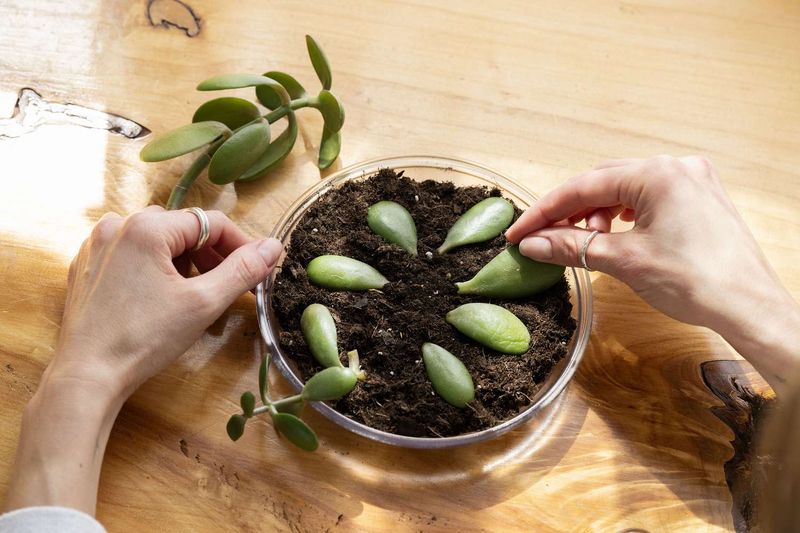
Imagine growing an entire plant from just a single leaf.
Certain houseplants possess the remarkable ability to regenerate from leaf cuttings, making this one of the most fascinating propagation methods available.
Succulents like jade plants, echeveria, and sedum excel at leaf propagation, as do African violets, begonias, and some peperomia varieties.
Maryland’s dry indoor winter air actually benefits succulent propagation since these plants prefer lower humidity levels than tropical species.
For succulents, gently twist a healthy leaf from the stem, ensuring you get a clean break with the entire leaf base intact.
Let the leaf sit on a paper towel for one to three days until the cut end calluses over, which prevents rot when you eventually place it on soil.
Prepare a shallow tray with cactus or succulent potting mix, then lay your leaves on top of the soil without burying them.
Mist lightly every few days and place the tray in bright, indirect light near a Maryland window.
Within a few weeks, tiny roots will emerge from the leaf base, followed by miniature plantlets.
The original leaf gradually shrivels as it transfers nutrients to the new growth, which is completely normal.
Once the baby plant develops several leaves and a small root system, you can pot it individually.
African violets require a slightly different approach where you cut a leaf with its stem attached and insert the stem into moist soil or water until roots form.
Leaf propagation feels almost like magic because you’re creating life from such a small piece of the parent plant.
During long Maryland winters when outdoor gardening isn’t possible, this method keeps your plant hobby exciting and productive.
Success rates vary by species, so don’t get discouraged if not every leaf produces a new plant.
With patience and the right conditions, you’ll soon have dozens of baby plants to share or add to your collection.
5. Stem Layering While Still Attached To Parent Plant
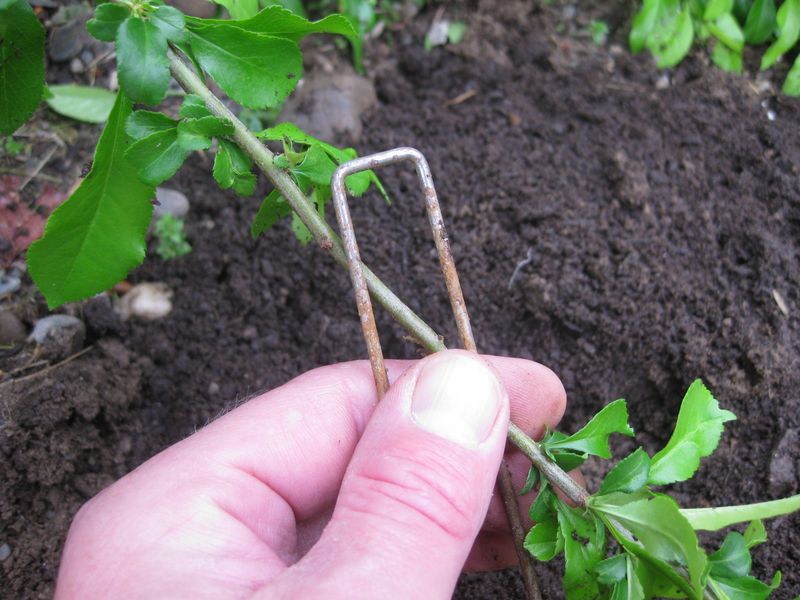
Why separate a cutting from its mother plant before it develops roots?
Stem layering lets you encourage root formation while the cutting continues receiving nutrients and water from the parent plant, virtually guaranteeing success.
This technique works exceptionally well for vining plants like pothos, philodendrons, and ivy that naturally produce aerial roots along their stems.
Maryland plant enthusiasts appreciate this low-risk method during winter when plant stress should be minimized.
Select a long, healthy stem on your plant and identify a section with visible nodes, which appear as small bumps where leaves emerge.
Place a small pot filled with moist potting soil next to the parent plant, then gently bend the stem so a node touches the soil surface in the new pot.
Use a bent paperclip, hairpin, or small rock to hold the stem in contact with the soil while leaving the growing tip exposed and upright.
The node buried in soil will develop roots while the stem remains connected to the mother plant.
Keep both pots watered regularly and maintain them in their usual light conditions.
After three to six weeks, gently tug on the layered stem to check for root resistance.
Once you feel solid anchorage, use clean scissors to cut the stem between the parent plant and the new pot, officially separating your propagated plant.
This method eliminates the shock cuttings sometimes experience when removed from the mother plant before rooting.
Layering works particularly well in Maryland homes during winter because the cutting never experiences the vulnerability of being separated from its nutrient source.
You can layer multiple stems from one parent plant simultaneously, creating several new plants without any risk to the original.
This technique requires patience but offers nearly foolproof results, making it perfect for beginners or anyone propagating valuable or sentimental plants they don’t want to accidentally harm through more aggressive cutting methods.
6. Offsets And Pups From Mature Plants
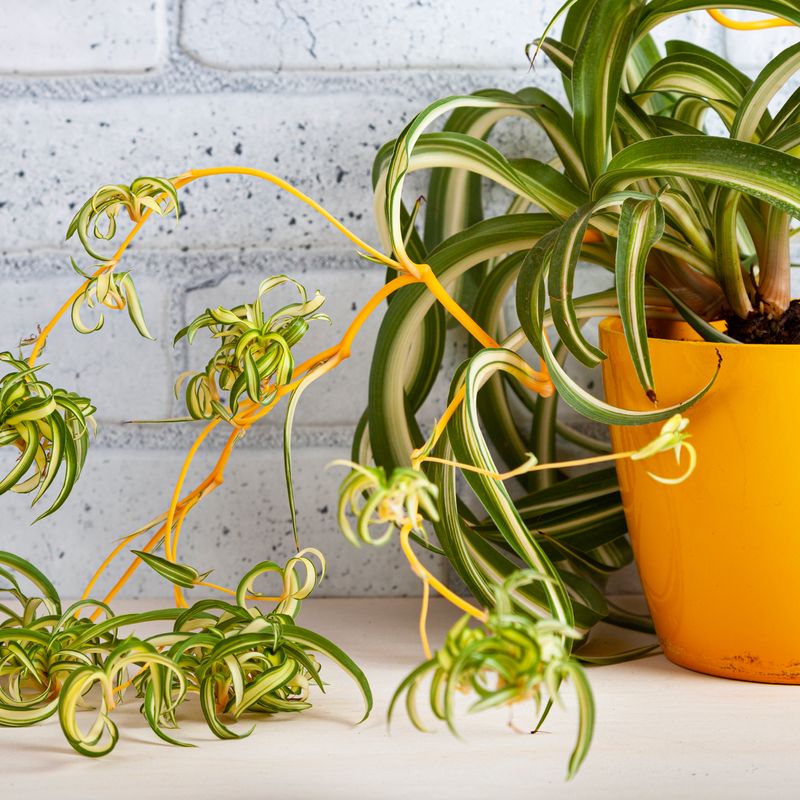
Some houseplants do most of the propagation work for you by producing ready-made baby plants.
Offsets, also called pups, are miniature versions that grow from the base of mature plants or along specialized runners.
Spider plants famously dangle their babies on long stems, while aloe vera, bromeliads, and many succulents produce pups around their base.
Maryland winters provide the perfect opportunity to separate these offsets and establish them as independent plants since you’re spending more time indoors anyway.
Spider plant babies can be removed once they’ve developed small root nubs, which you’ll see as tiny white bumps on the underside of the plantlet.
Simply snip the runner with scissors and either root the baby in water for a week or plant it directly in moist potting soil.
For aloe pups and similar succulents, wait until the offset reaches about one-fifth the size of the mother plant and has developed its own root system.
Carefully remove the parent plant from its pot and gently separate the pup, keeping as many roots intact as possible.
Plant offsets in appropriately sized containers with well-draining soil, water lightly, and place in bright, indirect light.
Since these babies have already started developing their own root systems while attached to the parent, they establish quickly with minimal stress.
Avoid overwatering during the first few weeks, as newly separated offsets are vulnerable to rot while their roots adjust to independent life.
This propagation method requires zero skill or special techniques since the plants naturally create these offspring.
Maryland plant lovers appreciate how easy offsets make expanding their collections during the cold months when purchasing new plants means braving winter weather.
Many houseplants produce multiple pups annually, giving you plenty of extras to share with friends, family, or coworkers who admire your indoor garden.
Before you know it, your single spider plant or aloe will have populated your entire home with its descendants.
7. Propagation Boxes With Controlled Humidity Levels
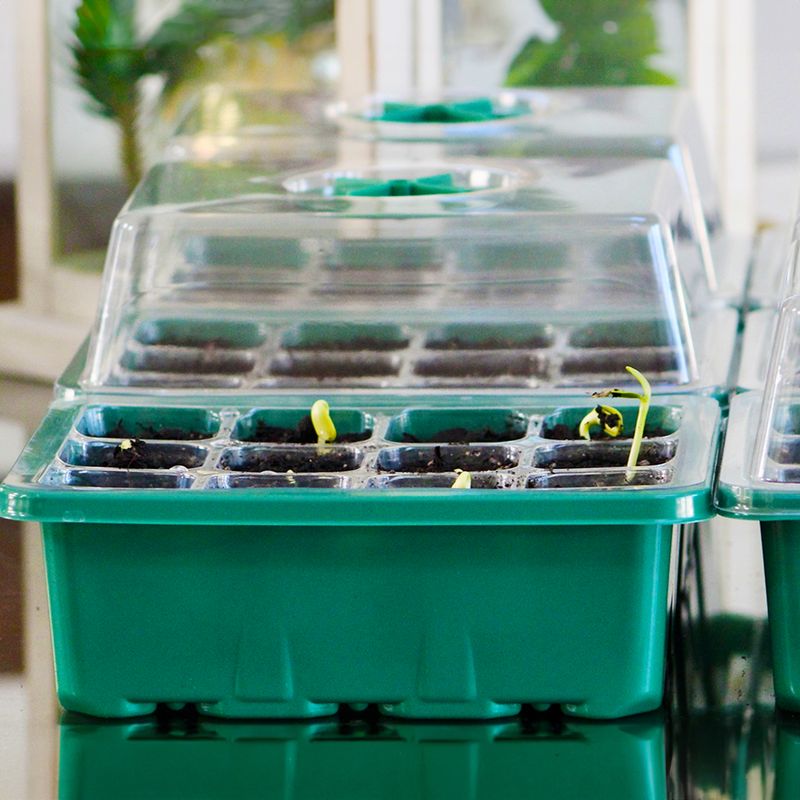
Creating a miniature greenhouse indoors transforms challenging propagation projects into achievable successes.
Propagation boxes or humidity domes maintain consistent moisture and warmth around cuttings, which is especially valuable during Maryland winters when indoor heating creates desert-like conditions.
You can purchase specialized propagation boxes from garden centers or repurpose clear plastic containers, takeout boxes, or even large ziplock bags to achieve similar results.
Fill your container with a light propagation medium such as perlite, vermiculite, or a seed-starting mix that retains moisture without becoming soggy.
Prepare your cuttings as you would for standard soil propagation, optionally treating them with rooting hormone for extra encouragement.
Insert the cuttings into the medium, water gently until evenly moist, then cover with the lid or plastic cover.
The enclosed environment traps humidity and creates ideal conditions for root development.
Place your propagation box in a warm location with bright, indirect light, such as near a Maryland window that doesn’t receive harsh afternoon sun.
Check daily for excessive condensation, which indicates too much moisture and could lead to fungal issues.
If you notice heavy water droplets on the cover, remove the lid for an hour to allow air circulation, then replace it.
Most cuttings root within two to four weeks in these controlled conditions.
Propagation boxes excel with finicky plants that struggle in typical indoor environments, including tropical varieties, ferns, and certain flowering houseplants.
The consistent humidity mimics their natural growing conditions far better than dry Maryland winter air can provide.
Once cuttings develop substantial roots, gradually acclimate them to normal indoor humidity by opening the cover for increasingly longer periods over several days.
This technique might require slightly more setup than simply sticking a cutting in water, but the dramatically improved success rates make it worthwhile for expanding your houseplant collection during the coldest months of the year.