9 Ways To Tell A Wild Turkey Has Been In Your Kentucky Yard
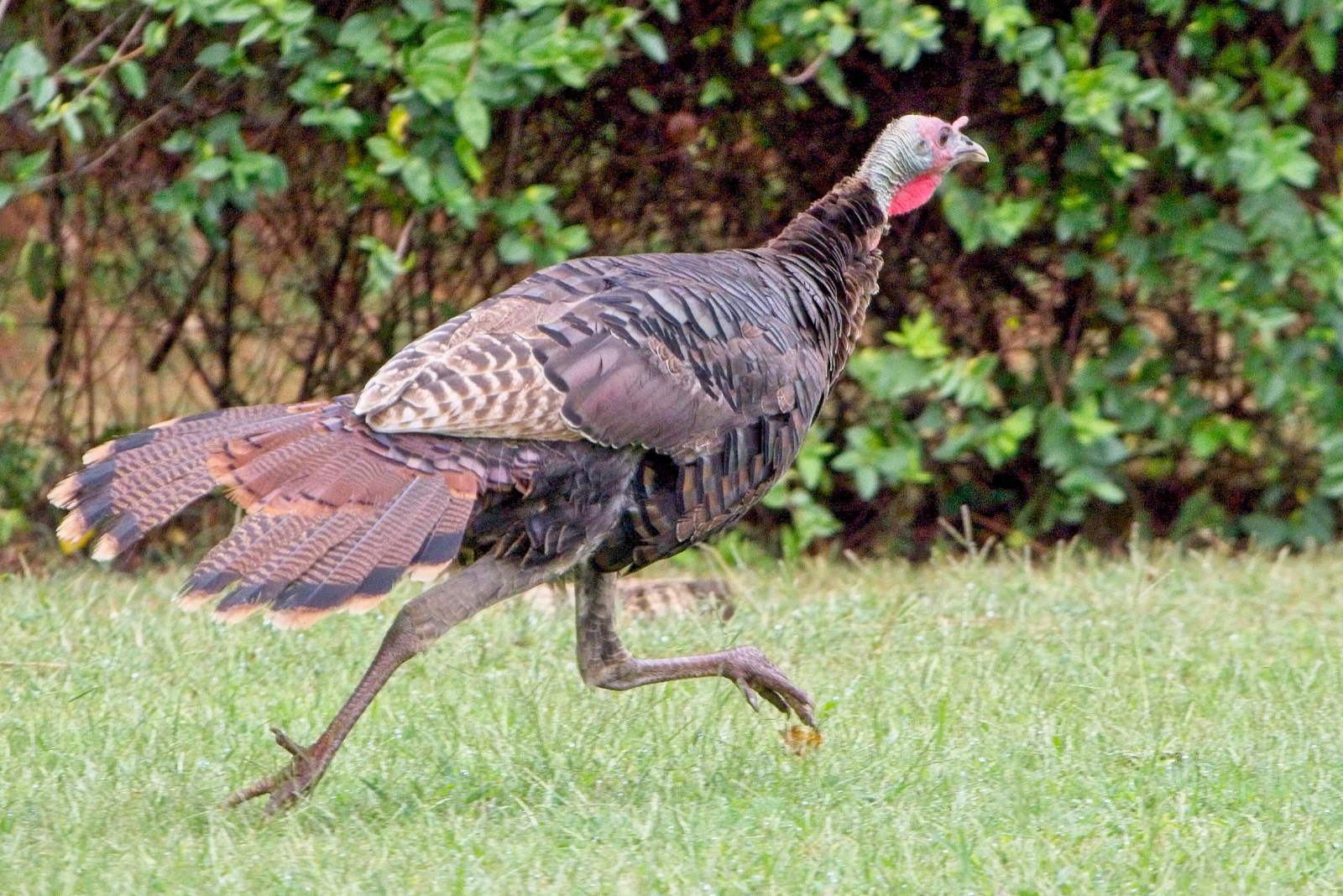
Wild turkeys are becoming more common visitors to backyards across Kentucky, especially in areas near wooded spaces or farmland.
These large birds can leave behind plenty of clues when they wander through your property looking for food or shelter.
Learning to recognize the signs of turkey activity helps you understand the wildlife sharing your space and can even help you protect your garden or lawn.
Whether you spot tracks in the mud or notice unusual scratches in your flowerbeds, knowing what to look for makes identifying these feathered visitors much easier.
Kentucky homeowners often find evidence of turkey visits without ever seeing the birds themselves, since turkeys tend to move through yards early in the morning or late in the evening.
Recognizing these telltale signs connects you more closely to the natural world right outside your door.
From distinctive footprints to scattered feathers, wild turkeys leave behind a trail of evidence that tells the story of their visit.
1. Large Three-Toed Footprints In Soft Ground
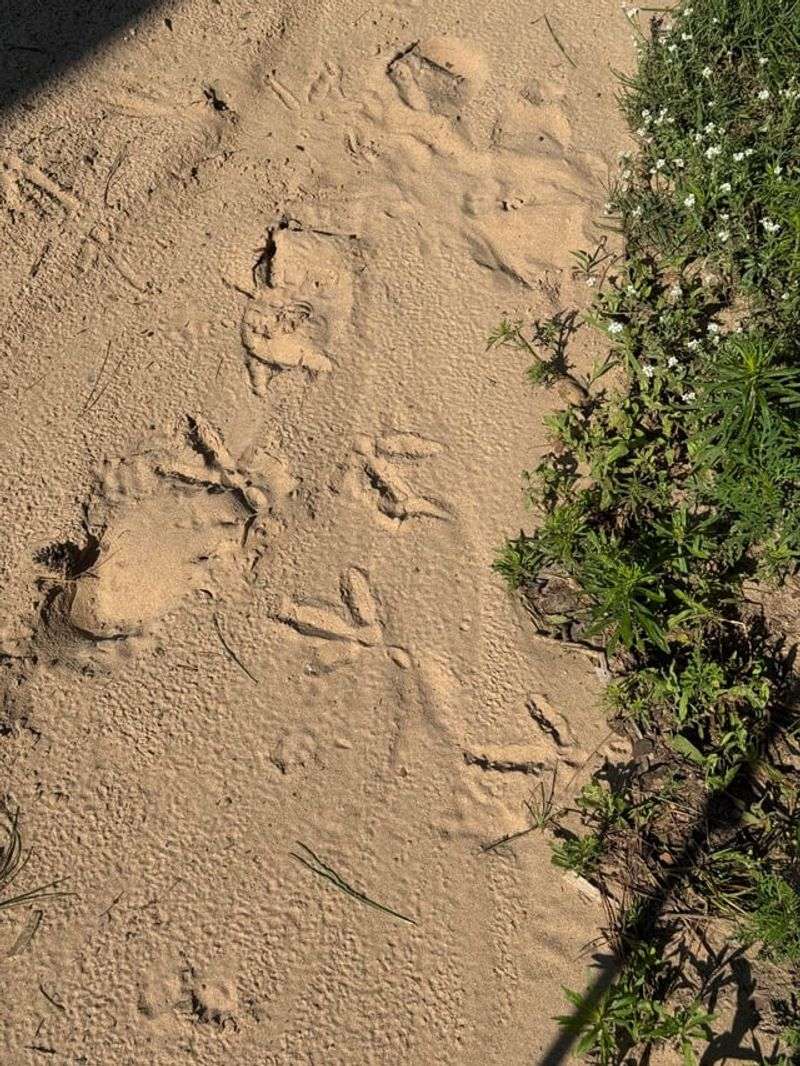
Turkey tracks stand out because of their distinctive shape and impressive size.
Each footprint shows three long toes pointing forward, often measuring four to five inches from the back of the foot to the tip of the middle toe.
The tracks look almost like arrows pointing in the direction the bird traveled, making them easy to identify once you know what to search for.
You might find these prints in garden beds, around birdbaths, or anywhere the soil stays damp and soft.
Kentucky yards with muddy patches after rain provide perfect conditions for preserving turkey tracks.
The depth of the prints can tell you something about the size of the bird, with deeper impressions indicating heavier turkeys.
Males typically leave larger tracks than females, though both sexes create the same basic three-toed pattern.
Look carefully at spacing between prints to understand whether the turkey was walking slowly while foraging or moving quickly across your property.
Fresh tracks appear crisp and well-defined, while older ones may show weathering or blurred edges from wind and additional moisture.
Finding a trail of these prints offers solid proof that a turkey recently explored your Kentucky yard.
2. Scratched-Up Mulch And Leaf Litter
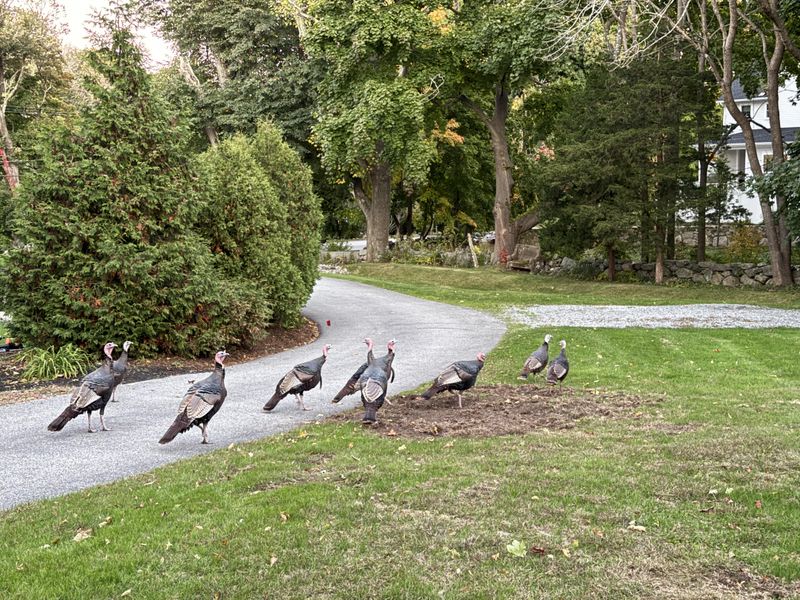
Turkeys use their powerful feet to scratch and dig through ground cover while hunting for tasty insects, seeds, and other food.
This scratching behavior creates obvious disturbances in mulched garden beds, leaf piles, and grassy areas.
The scratched areas often look like small excavation sites, with mulch or leaves pushed aside in rough circular or linear patterns.
Unlike the neat digging of squirrels or the shallow pecking of smaller birds, turkey scratching covers larger areas and moves material several inches away from the original spot.
Kentucky homeowners frequently discover these disturbed patches near trees, around shrubs, or along fence lines where turkeys feel somewhat protected while feeding.
The scratches can extend six to twelve inches across and may appear in clusters where a bird spent several minutes searching for food.
Fresh scratching shows recently moved material with damp soil or darker mulch exposed underneath.
Your Kentucky Garden Changes Every Week. Your Plan Should Too.
Gardening in Kentucky changes quickly throughout the season. Every Friday you’ll receive a simple weekly plan showing exactly what to plant, prune, fertilize, harvest, and protect so you never miss the right timing.
You might notice these disturbances concentrated in specific zones where food sources are abundant, such as beneath oak trees dropping acorns or near berry bushes.
Garden beds that looked perfectly smooth yesterday but appear torn up this morning likely hosted a hungry turkey overnight.
This feeding sign is one of the most common indicators of turkey presence in residential areas.
3. Scattered Feathers Around The Property
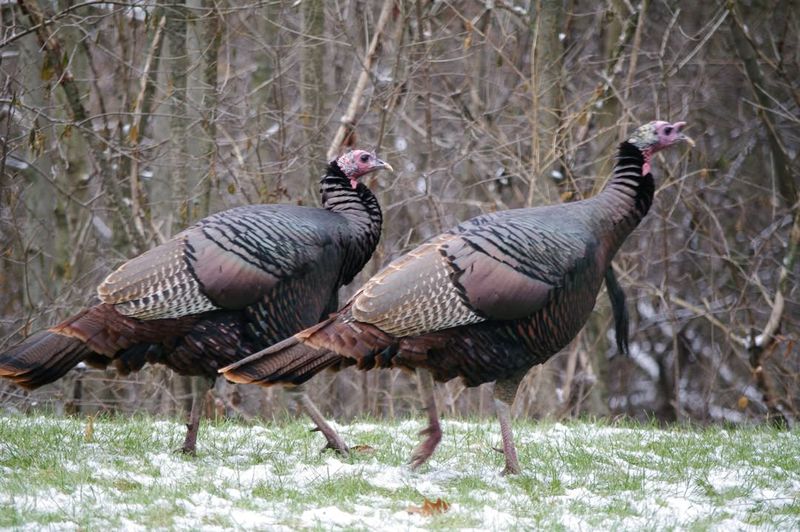
Finding feathers scattered across your lawn or tucked near bushes provides direct physical evidence of turkey visitors.
Turkey feathers display distinctive patterns with brown, tan, black, and sometimes iridescent bronze coloring depending on which part of the body they came from.
Body feathers often show horizontal barring, while wing and tail feathers can be quite large and dramatic.
Turkeys naturally shed feathers throughout the year, with more significant molting happening during late summer.
Kentucky yards may collect these feathers near areas where turkeys rest, preen, or dust bathe.
A single feather might blow in from elsewhere, but finding multiple feathers in one location strongly suggests turkeys spent time there.
Male turkeys lose their impressive tail feathers and beard bristles occasionally, and discovering these larger feathers can be particularly exciting.
The feathers feel stiff and structured compared to the softer down of smaller birds.
Look for them caught in shrubs, lying on pathways, or gathered in corners where wind tends to push lightweight debris.
Examining the feather closely reveals the intricate patterns that help turkeys blend into Kentucky woodlands.
Collecting a few feathers can help you confirm turkey activity and even serves as an interesting nature keepsake from your wild visitors.
4. Distinctive Droppings On Walkways Or Patios
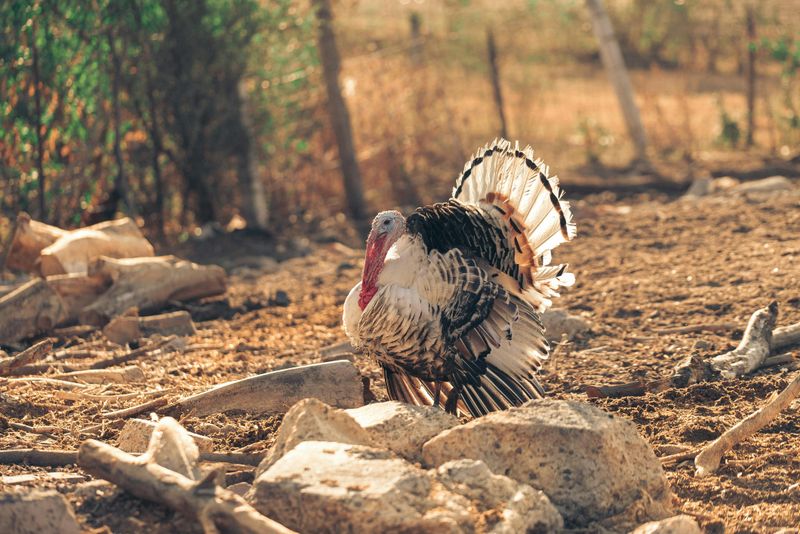
Turkey droppings provide unmistakable evidence, though they might not be the most pleasant discovery on your patio furniture or driveway.
Male turkey droppings typically appear as elongated, J-shaped deposits, while female droppings look more spiral or coiled.
Both types usually measure one to two inches long and often display a white cap on one end from uric acid.
The droppings may appear dark brown or greenish-brown depending on what the turkey has been eating recently.
Kentucky turkeys dining on berries might leave purplish-tinted droppings, while those eating mostly seeds and grains produce lighter-colored waste.
You might find these droppings scattered along the routes turkeys traveled through your yard or concentrated in areas where they lingered.
Fresh droppings appear moist and darker, while older ones dry out and turn grayish or chalky white.
Turkeys often leave droppings on elevated surfaces where they roosted overnight, including porch railings, deck furniture, or even car roofs in some cases.
The size and quantity of droppings can indicate how many turkeys visited and how long they stayed.
While not the most glamorous sign, droppings offer reliable confirmation that turkeys have been exploring your Kentucky property.
5. Pecked-At Grass And Clover Patches
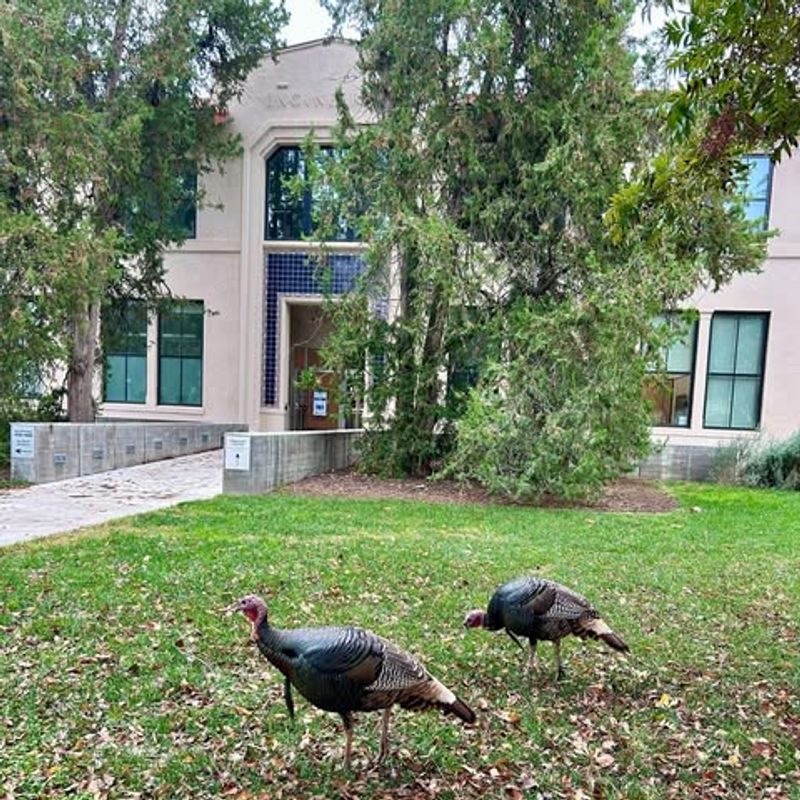
Turkeys absolutely love tender grass shoots, clover, and other low-growing plants, and their feeding leaves noticeable damage behind.
Areas where turkeys have been grazing often show unevenly trimmed grass with blades yanked out rather than cleanly cut.
Clover patches may appear particularly ragged, with leaves and flowers plucked away and stems left behind.
This feeding pattern differs from lawn mower damage or deer browsing, creating a more random, patchy appearance.
Kentucky lawns with lush spring growth attract hungry turkeys who spend considerable time methodically working through the tastiest sections.
You might notice concentrated feeding damage in sunnier spots where tender new growth appears first.
The pecked areas sometimes show a combination of pulled vegetation and scratched soil where turkeys used their feet while feeding.
Multiple turkeys working together can damage substantial sections of lawn in a single morning visit.
Fresh damage shows bright green stems and recently disturbed soil, while older feeding sites may have started regrowing.
Homeowners who take pride in pristine lawns might find this activity frustrating, but it demonstrates the natural foraging behavior of these wild birds.
Observing which areas turkeys prefer can help you understand their movement patterns across your Kentucky property.
6. Disturbed Garden Beds With Uprooted Plants
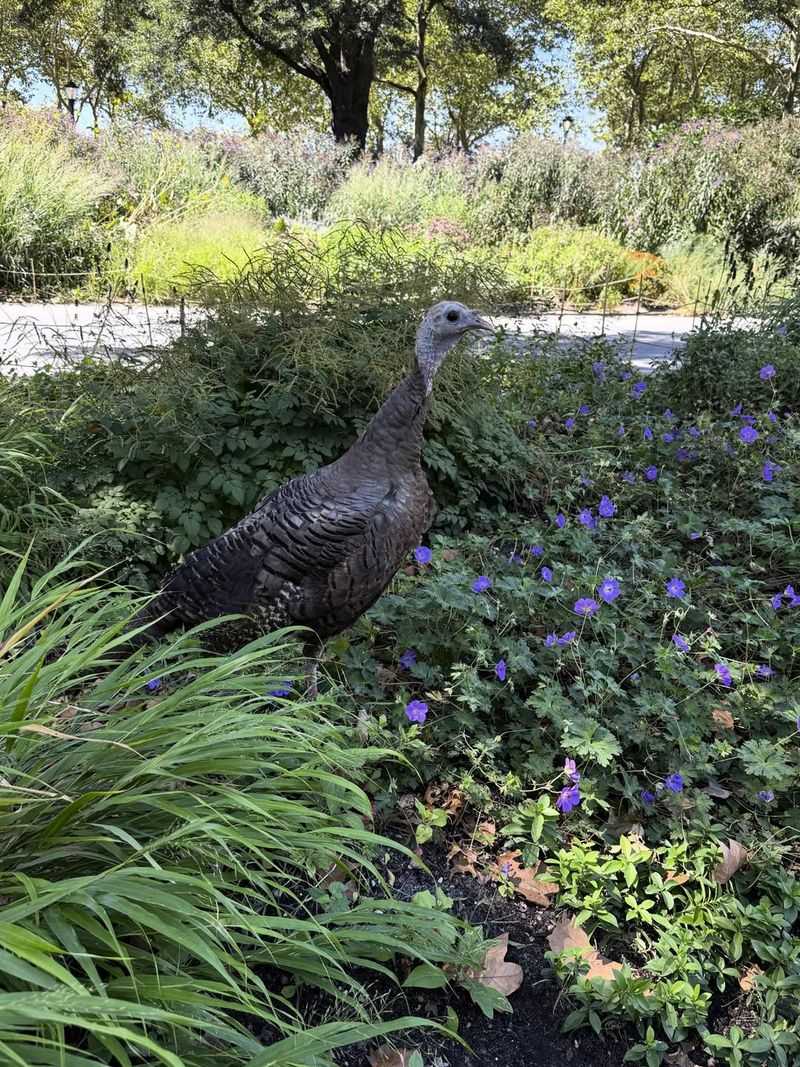
Garden enthusiasts sometimes discover their carefully planted beds have been thoroughly ransacked by foraging turkeys.
These birds can accidentally uproot young seedlings and small plants while scratching for insects and grubs in loose garden soil.
The damage often looks more chaotic than intentional, with plants pushed aside or partially uprooted rather than eaten.
Turkeys are actually searching for protein-rich insects living in the soil rather than targeting your vegetables specifically.
Kentucky gardeners planting spring crops may find turkey damage particularly frustrating since the birds seem attracted to freshly worked soil.
Newly planted areas with soft, loose earth make ideal scratching grounds for hungry turkeys seeking buried treats.
You might notice small holes dug around plant roots or entire rows of seedlings disturbed in the morning after an overnight turkey visit.
Tomato plants, pepper seedlings, and delicate herbs can suffer damage even though turkeys were not interested in eating them.
The scratching behavior that serves turkeys well in woodland settings causes problems in organized garden spaces.
Protective measures like temporary fencing or bird netting can help shield vulnerable plants during peak turkey activity seasons.
Understanding that turkeys are following natural instincts rather than deliberately destroying gardens helps frustrated Kentucky homeowners cope with the damage.
7. Dust Bowl Depressions In Dry Soil
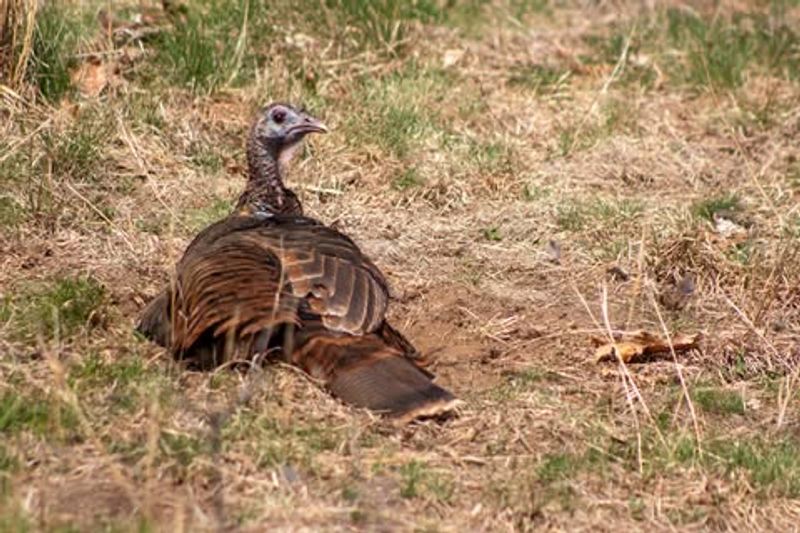
Turkeys regularly take dust baths to control parasites and maintain healthy feathers, creating distinctive shallow depressions in dry soil.
These dust bowls typically measure eight to twelve inches across and appear as smooth, bowl-shaped indentations in bare ground.
The soil inside looks disturbed and powdery, often lighter in color than surrounding areas because turkeys have loosened and aerated it.
You might find these bathing spots in flower beds, under trees, or anywhere dry, loose soil is available.
Kentucky yards with sandy or dusty patches become favorite bathing locations that turkeys return to repeatedly.
Multiple depressions near each other suggest either several turkeys bathing together or one bird returning to a preferred spot.
The edges of dust bowls often show scrape marks from turkey wings and bodies as they rolled and fluffed the soil through their feathers.
Fresh bathing sites may still show detailed impressions of feathers or body contours in the fine dust.
Turkeys seem to enjoy this activity, spending several minutes thoroughly coating themselves before shaking off the excess dirt.
Finding these depressions provides evidence of regular turkey visits since birds typically return to comfortable, familiar bathing spots.
The presence of dust bowls indicates turkeys feel safe enough on your Kentucky property to engage in this vulnerable grooming behavior.
8. Stripped Berry Bushes And Low-Hanging Fruit
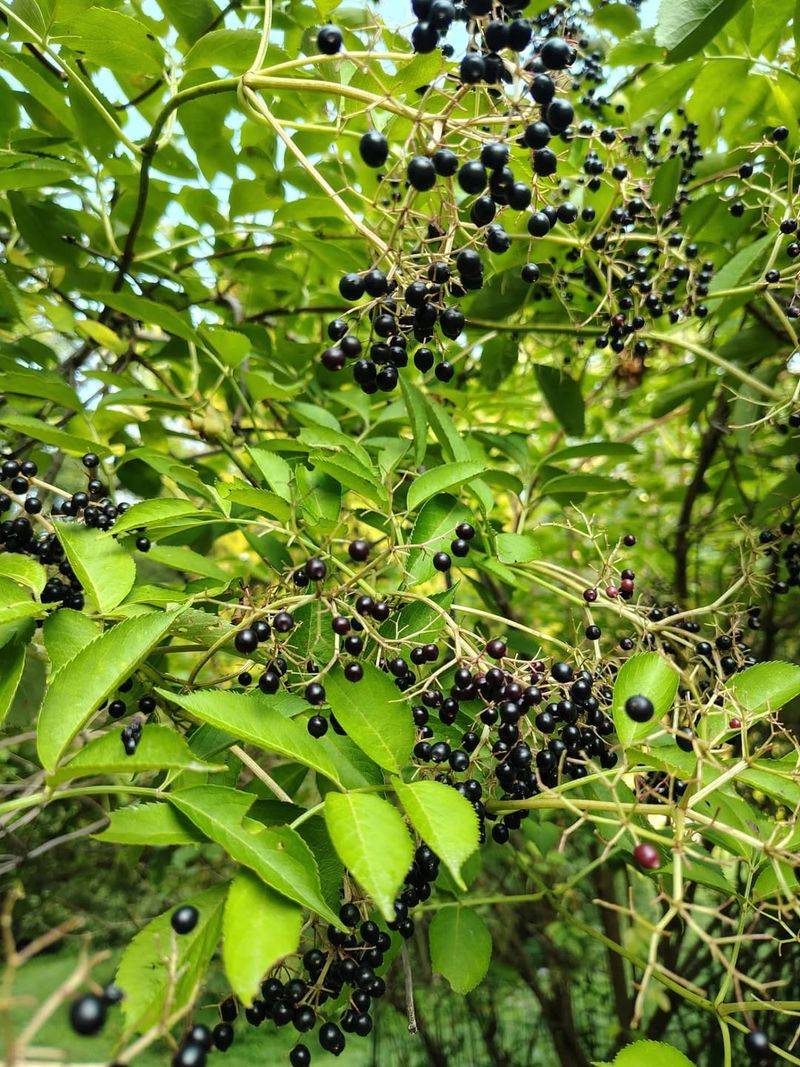
Berry bushes and fruit-bearing plants attract turkeys like magnets, and their feeding leaves obvious signs behind.
Bushes that were loaded with berries yesterday might appear stripped clean after a turkey flock works through them.
Turkeys can reach berries and fruits growing up to three or four feet off the ground by stretching their necks or making small hops.
The picked-over branches often show a thorough pattern of removal rather than the selective nibbling of smaller birds.
Kentucky yards with blackberry brambles, elderberry bushes, or grape vines become turkey magnets during fruiting season.
You might notice branches bent or broken from the weight of heavy turkeys stretching to reach the tastiest morsels.
Fallen fruits that were ignored by turkeys often show peck marks where birds tested them before deciding they were not quite ripe enough.
The ground beneath berry bushes may be trampled and scratched from turkey activity during feeding sessions.
Turkeys often feed in groups, so a productive berry bush can attract multiple birds that strip it remarkably quickly.
Finding your berry harvest reduced or eliminated overnight strongly suggests turkey visitors enjoyed it first.
Observing which fruiting plants turkeys prefer helps Kentucky homeowners predict when and where these birds will appear throughout the seasons.
9. Early Morning Gobbling Or Calling Sounds
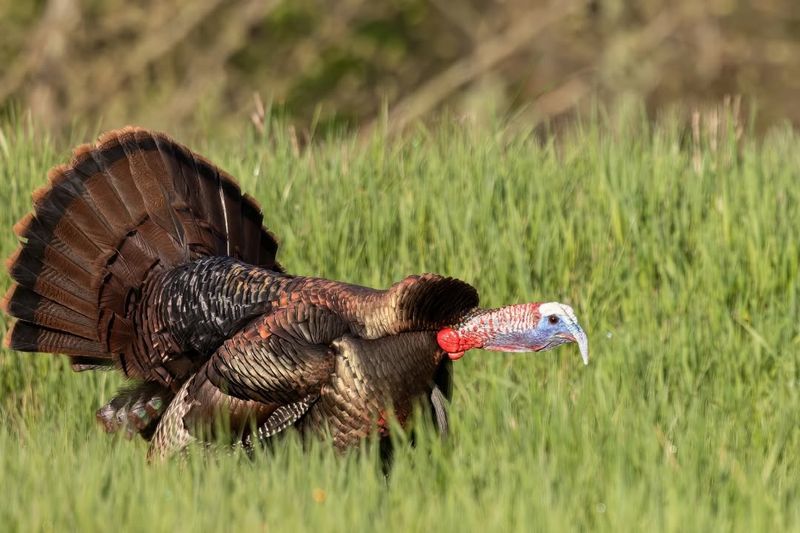
Sometimes the most obvious sign of turkey presence is not visual at all but rather the distinctive sounds these vocal birds make.
Male turkeys produce the famous gobbling call, especially during spring mating season, which can carry for over a mile in quiet conditions.
Hearing gobbling from your Kentucky yard early in the morning almost certainly means turkeys are nearby or passing through.
Both male and female turkeys make various other sounds including yelps, clucks, purrs, and alarm putts that serve different communication purposes.
A series of sharp, staccato putts indicates a turkey has spotted something concerning and is alerting other birds.
Soft clucking and purring sounds suggest contented turkeys feeding peacefully without sensing danger.
Kentucky homeowners who learn to recognize these different vocalizations can identify turkey activity even without seeing the birds themselves.
Turkeys often call back and forth to each other while moving through an area, helping the flock stay together.
Dawn and dusk represent the most vocal periods when turkeys are moving between roosting and feeding areas.
Recording these sounds on your phone can help you confirm turkey species and even share your wildlife encounters with others.
Consistent calling from the same area over multiple days suggests turkeys have established your property as part of their regular territory.