How Vermont Gardeners Can Protect Young Maples From Winter Damage
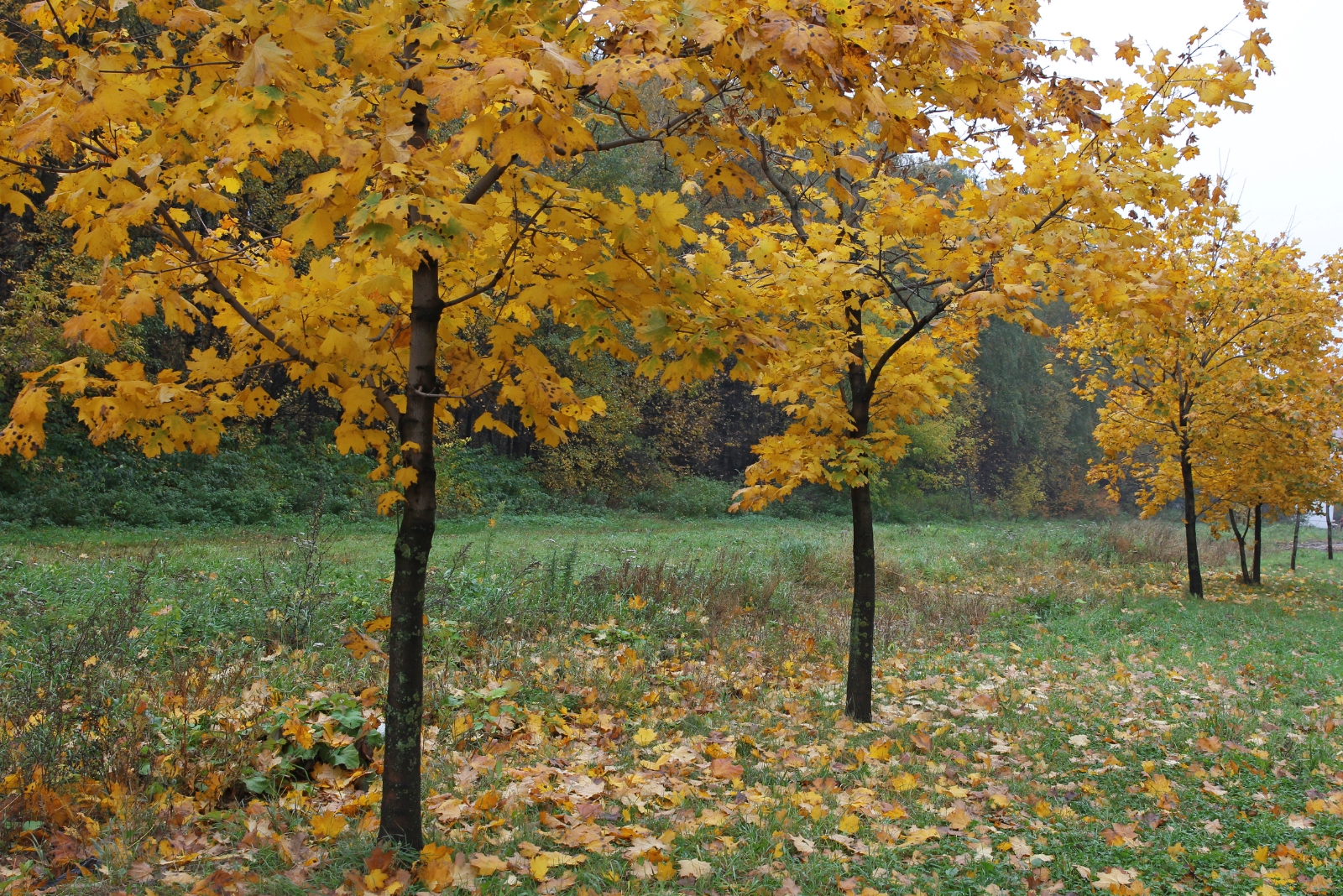
Vermont winters can be brutal on young maple trees, with freezing temperatures, heavy snow, and harsh winds threatening their survival.
These beloved trees need extra care during their first few years to develop strong roots and healthy branches.
Without proper protection, tender bark can crack, branches can break, and roots can suffer serious damage from the cold.
The good news is that with some simple planning and effort, you can help your young maples thrive through even the toughest winter months.
Wrap The Trunk With Tree Guards
Sunscald is one of the sneakiest threats to young maples during Vermont winters.
When bright winter sun heats up the bark during the day, then temperatures plummet at night, the rapid change causes the bark to crack and split.
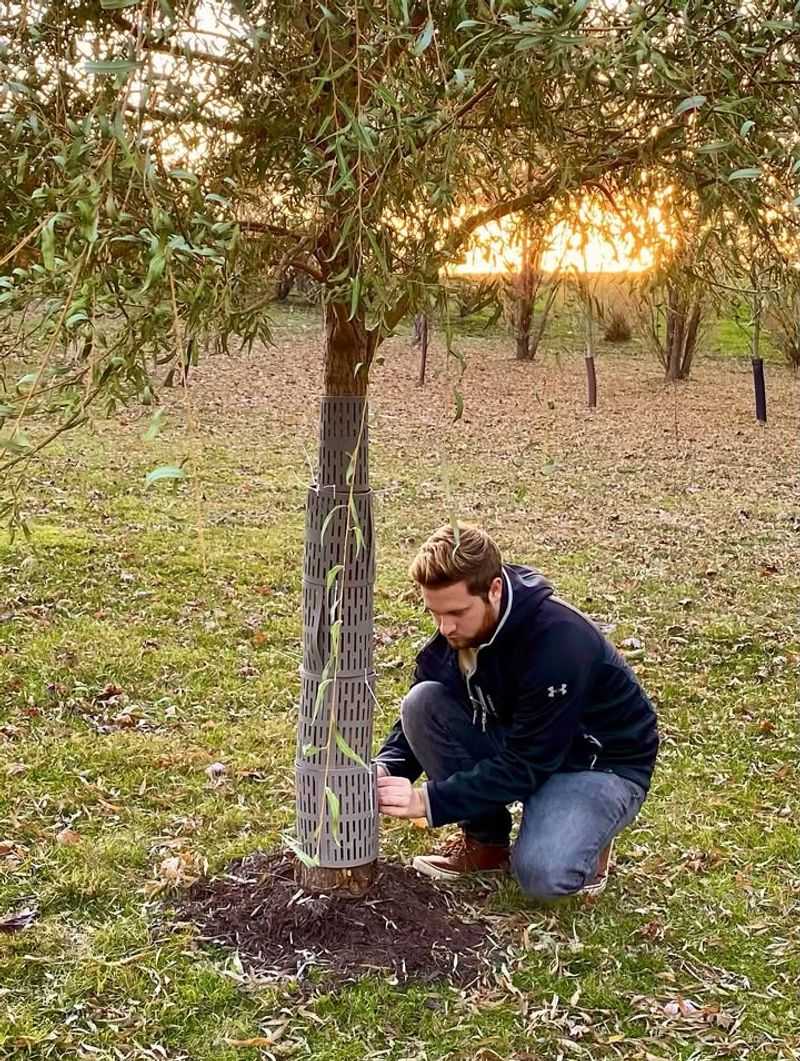
Tree guards or trunk wraps made from light-colored materials reflect sunlight and keep bark temperatures more stable.
Start wrapping from the base of the tree and work your way up to the lowest branches, overlapping each layer slightly.
Make sure the wrap is snug but not too tight, as you don’t want to restrict growth or trap moisture against the bark.
Apply the wraps in late fall before the first hard freeze, and remove them in early spring when temperatures stay consistently above freezing.
Vermont gardeners should check the wraps periodically throughout winter to ensure they haven’t loosened or become damaged by wind or animals.
This simple step can prevent costly bark damage that weakens your maple and invites disease.
Apply A Thick Layer Of Mulch Around The Base
Root systems need insulation just as much as the parts of the tree you can see above ground.
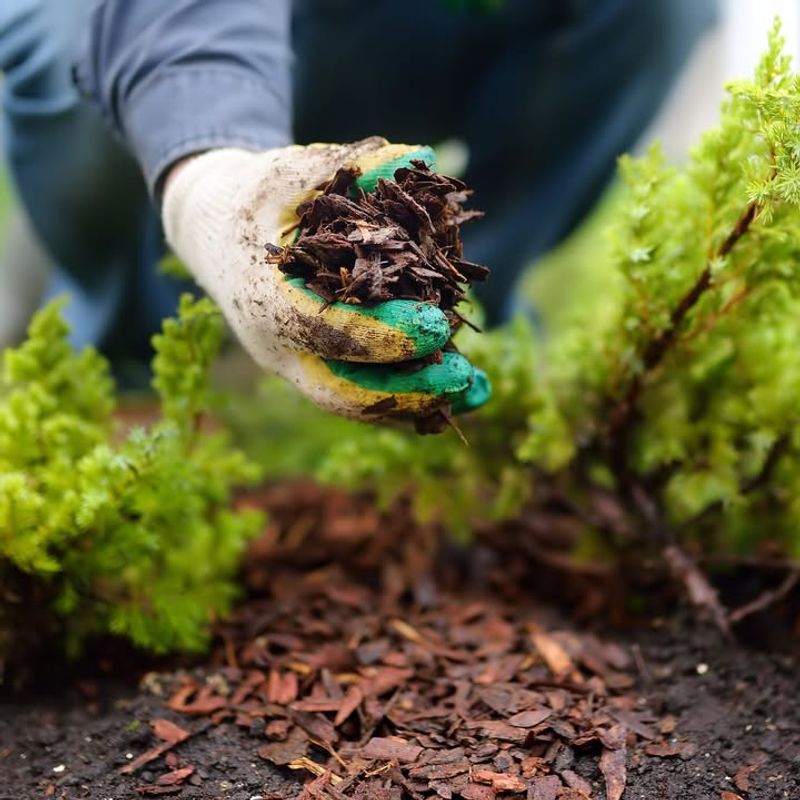
A generous layer of organic mulch acts like a cozy blanket, protecting roots from temperature swings and preventing the soil from freezing too deeply.
Spread wood chips, shredded bark, or leaf mulch in a circle around your maple, extending out to the drip line where the outermost branches reach.
Aim for a depth of about three to four inches, but keep the mulch a few inches away from the trunk itself to prevent rot and discourage rodents from nesting.
Mulch also helps retain moisture in the soil, which is important because roots continue to need water even during Vermont’s cold months.
As the mulch breaks down over time, it adds valuable nutrients to the soil, giving your maple a healthy boost come spring.
Refresh the mulch layer each fall to maintain adequate protection throughout the winter season.
This easy technique makes a huge difference in helping young maples establish strong, healthy root systems.
Water Deeply Before The Ground Freezes
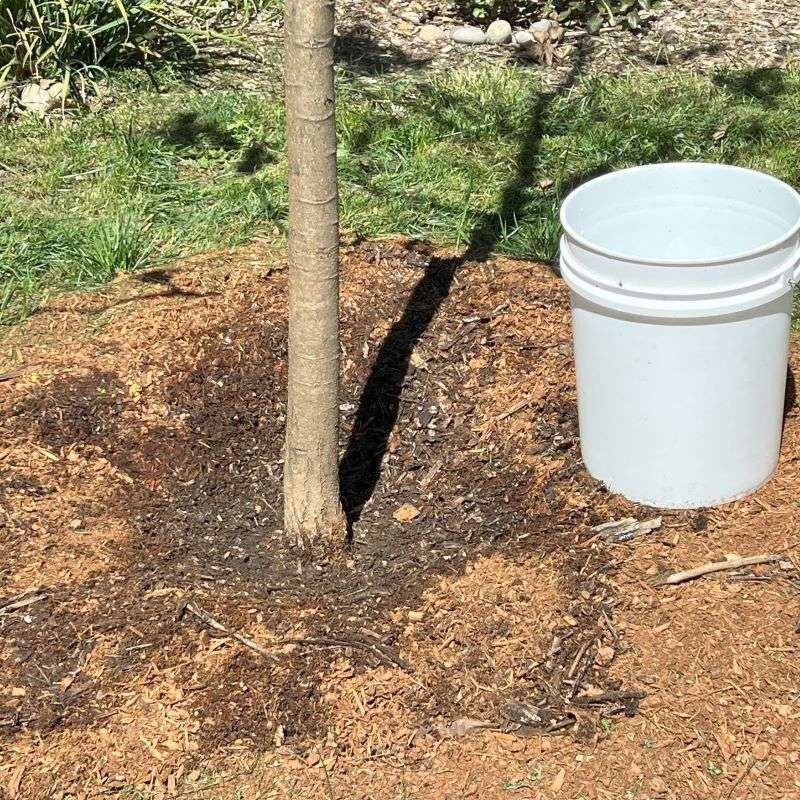
Many Vermont gardeners forget that trees still need water during winter, especially before the ground turns rock-hard from freezing.
Young maples with developing root systems are particularly vulnerable to winter drought, which can stress the tree and make it more susceptible to damage.
Give your maple a thorough, deep watering in late fall, ideally after the leaves have dropped but before the first hard freeze.
Water slowly and deeply, allowing moisture to penetrate at least twelve inches into the soil where the roots can access it.
A soaker hose or slow trickle from a regular hose works best, as it prevents runoff and ensures the water soaks in rather than pooling on the surface.
Well-hydrated trees enter winter dormancy in better condition and are more resilient against cold stress and wind damage.
Check the soil moisture periodically during mild winter spells, and if Vermont experiences an unusually dry winter, consider watering again on a warmer day when the ground thaws slightly.
This preventive measure costs nothing but time and can save your maple from serious stress.
Prune Damaged Branches Before Snowfall
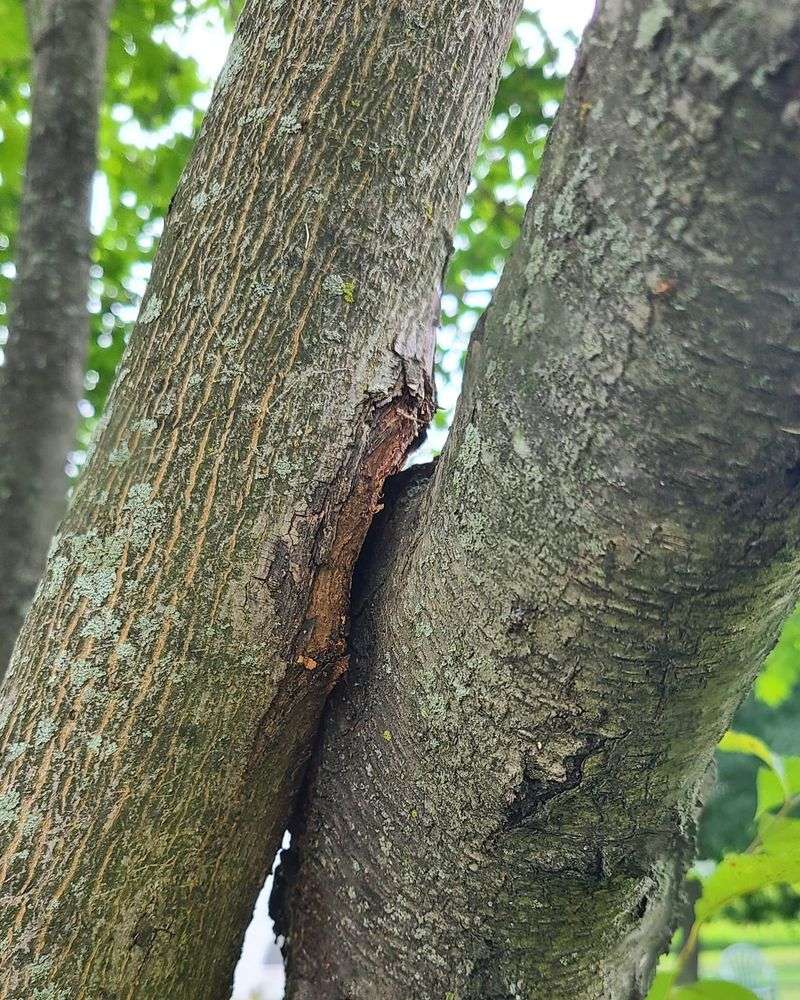
Broken, cracked, or weak branches become serious hazards once heavy snow and ice start accumulating on them.
Before winter arrives in Vermont, inspect your young maple carefully for any branches that show signs of damage, disease, or poor attachment angles.
Remove these problem branches with clean, sharp pruning tools, making cuts just outside the branch collar where the branch meets the trunk.
Proper pruning technique helps the tree heal quickly and reduces the risk of infection or decay.
Focus on removing branches that cross or rub against each other, as these create wounds that invite pests and disease.
Also take out any deceased wood that could break off during storms and damage healthy parts of the tree.
Light pruning in late fall is generally safe for maples, but avoid heavy pruning which should wait until late winter or early spring.
By cleaning up your maple before winter weather hits, you reduce the weight load on the tree and eliminate weak points that could snap under snow.
A well-pruned young maple is better equipped to handle whatever Vermont winter throws at it.
Install A Windbreak For Extra Protection
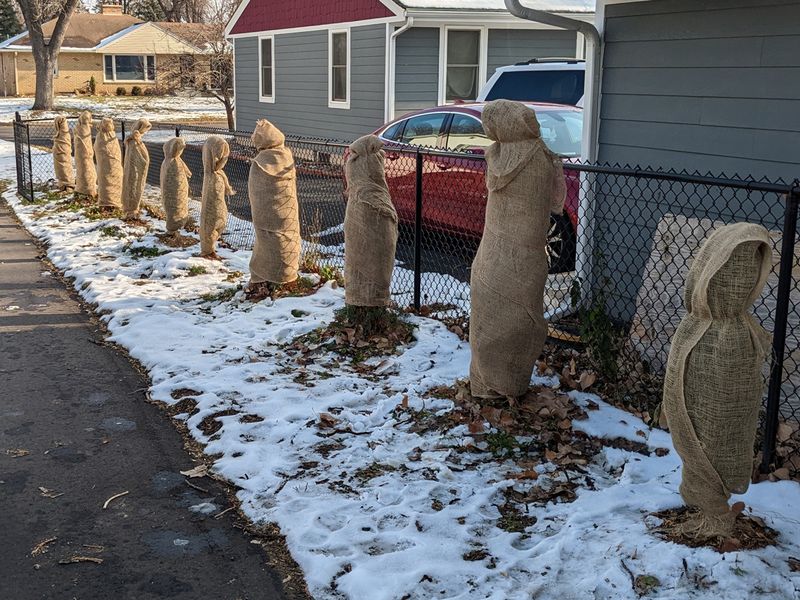
Harsh winds can be incredibly damaging to young maples, drying out branches and breaking tender growth.
Vermont’s exposed locations are especially prone to fierce winter gusts that can whip across open yards and fields.
Creating a windbreak on the side of your maple that faces prevailing winds helps shield the tree from the worst of the blasts.
You can use burlap screens attached to stakes, snow fencing, or even strategically placed evergreen boughs to create a barrier.
The windbreak doesn’t need to be solid; in fact, a semi-permeable barrier that slows wind is often more effective than a solid wall that creates turbulence.
Position the barrier a few feet away from the tree, tall enough to protect the entire canopy but leaving some air circulation around the base.
This protection is particularly important for maples planted in the last year or two, as their root systems haven’t yet anchored them firmly enough to withstand strong winds.
Vermont gardeners in particularly windy areas might consider planting additional evergreen shrubs nearby as a living windbreak for long-term protection.
Protect Against Deer And Rodent Damage
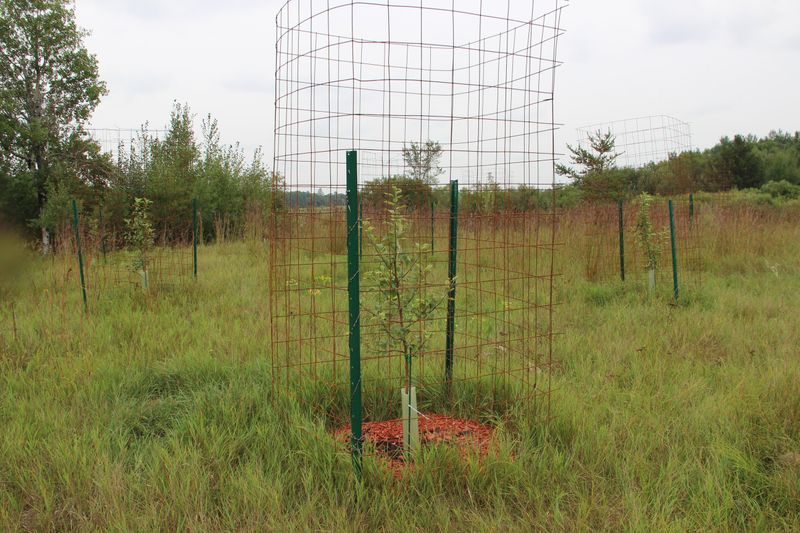
Hungry animals pose a serious threat to young maples during Vermont winters when food becomes scarce.
Deer love to rub their antlers on young tree trunks, stripping away bark and sometimes girdling the tree completely.
Mice and voles tunnel under snow and mulch, gnawing on tender bark at the base of the tree where damage often goes unnoticed until spring.
Install wire mesh or plastic tree guards around the trunk, extending from ground level up to at least four feet high to deter deer.
Make sure the protective barrier is wide enough that deer can’t reach through to damage the bark.
For rodent protection, keep mulch pulled back a few inches from the trunk and consider wrapping the lowest portion with hardware cloth buried slightly into the soil.
Some Vermont gardeners also use repellent sprays, though these need reapplication after snow or rain.
Check your protection regularly throughout winter, as determined animals can sometimes work their way around barriers.
Preventing animal damage is crucial because bark injuries provide entry points for disease and can severely weaken or even girdle young maples.
Avoid Using Salt Near Your Maple Trees
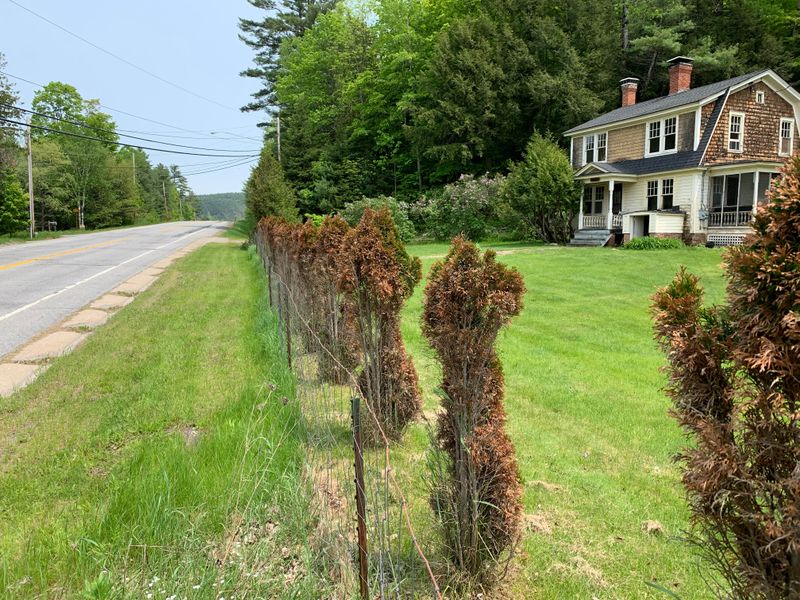
Road salt and de-icing chemicals are everywhere during Vermont winters, but they can seriously harm young maples.
Salt spray from passing cars and runoff from driveways and sidewalks accumulates in the soil, damaging roots and making it difficult for trees to absorb water.
Even small amounts of salt can cause leaf burn, branch dieback, and stunted growth that shows up the following spring.
If your maple is planted near a driveway or road, consider switching to sand, sawdust, or pet-safe ice melts that won’t harm plants.
Create a physical barrier like a burlap screen or snow fence between the road and your tree to intercept salt spray from passing vehicles.
After winter ends, flush the soil around your maple with plenty of fresh water to help leach out any accumulated salts.
Vermont gardeners with maples near treated areas should monitor their trees extra carefully in spring for signs of salt damage like brown leaf edges or delayed bud break.
Choosing tree-friendly de-icing methods protects not just your maples but all the plants in your landscape from this common but preventable source of winter damage.
Support Young Branches With Gentle Staking
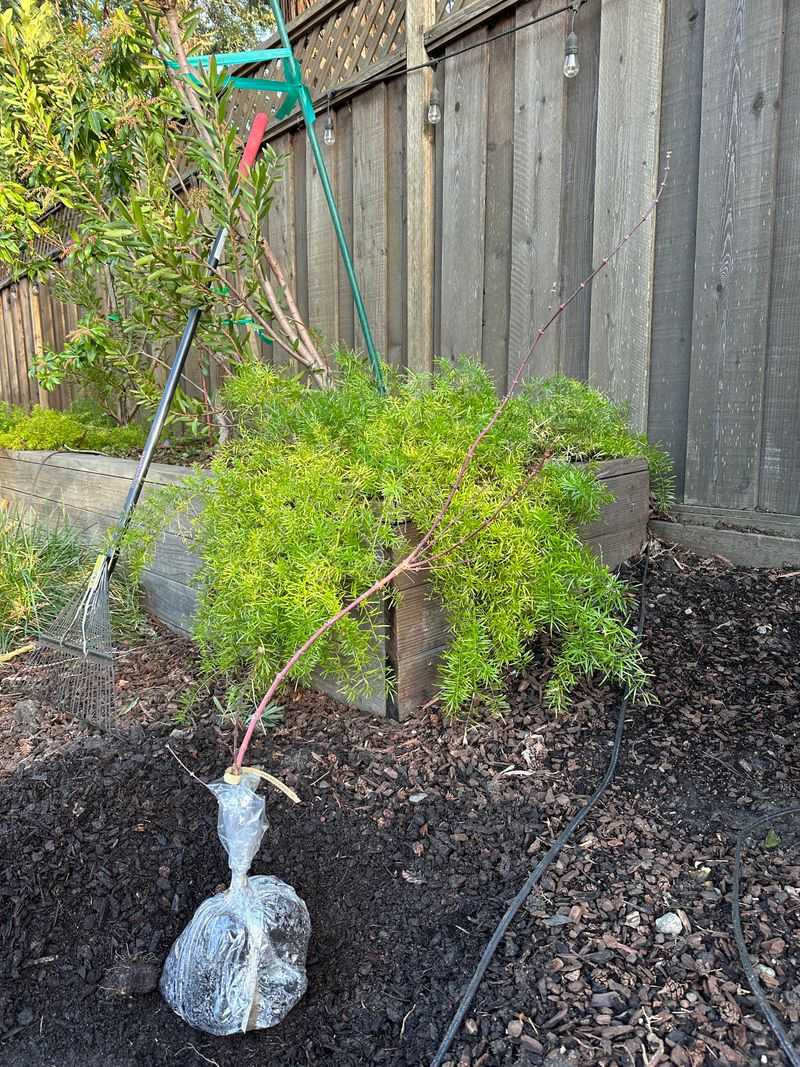
Newly planted maples often need temporary support to keep them upright through their first few Vermont winters.
Strong winds, heavy snow loads, and ice storms can push young trees over or cause them to lean, damaging roots and trunks.
Install one or two sturdy stakes on opposite sides of the tree, positioned outside the root ball area to avoid damaging roots.
Use soft, flexible ties like tree straps or even old pantyhose to attach the trunk to the stakes, creating a figure-eight pattern that allows some movement.
Movement is actually good for young trees because it encourages stronger trunk development and root growth.
The ties should be snug enough to provide support but loose enough that the tree can sway slightly in the wind.
Check the ties several times during winter to make sure they haven’t become too tight as the tree grows or loosened from freeze-thaw cycles.
Most young maples only need staking for one or two years until their roots establish firmly.
Remove stakes and ties in spring once the ground thaws and the tree can stand independently without leaning.
Monitor For Ice Accumulation On Branches
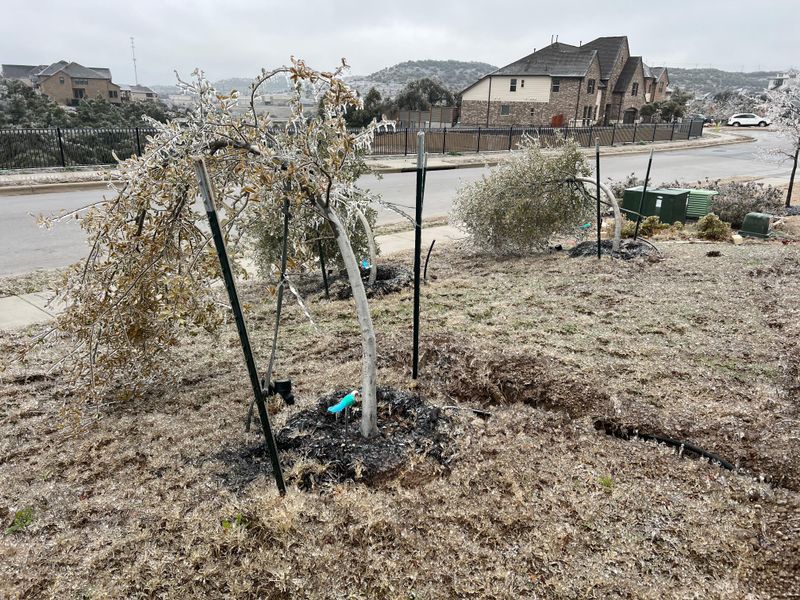
Ice storms are a fact of life in Vermont, and they can cause devastating damage to young maples in just a few hours.
When freezing rain coats branches with heavy ice, the weight can snap limbs or even split the entire trunk.
During and after ice storms, keep a close eye on your young maple and gently remove ice accumulation if it’s safe to do so.
Use a broom or soft brush to carefully sweep upward on branches, allowing ice to slide off without breaking the wood.
Never shake branches or hit them to remove ice, as this can cause more damage than the ice itself.
If ice accumulation is severe or branches are already bending dangerously, it’s best to wait for natural melting rather than risk causing breaks.
For maples planted in areas prone to ice storms, consider preventive pruning to create a stronger branch structure with wider angles that better resist ice loads.
Vermont gardeners should also avoid planting young maples directly under power lines or near structures where falling ice-laden branches could cause property damage.
Patient monitoring during ice events helps you respond quickly if intervention becomes necessary.
Plan For Spring Recovery Before Winter Ends
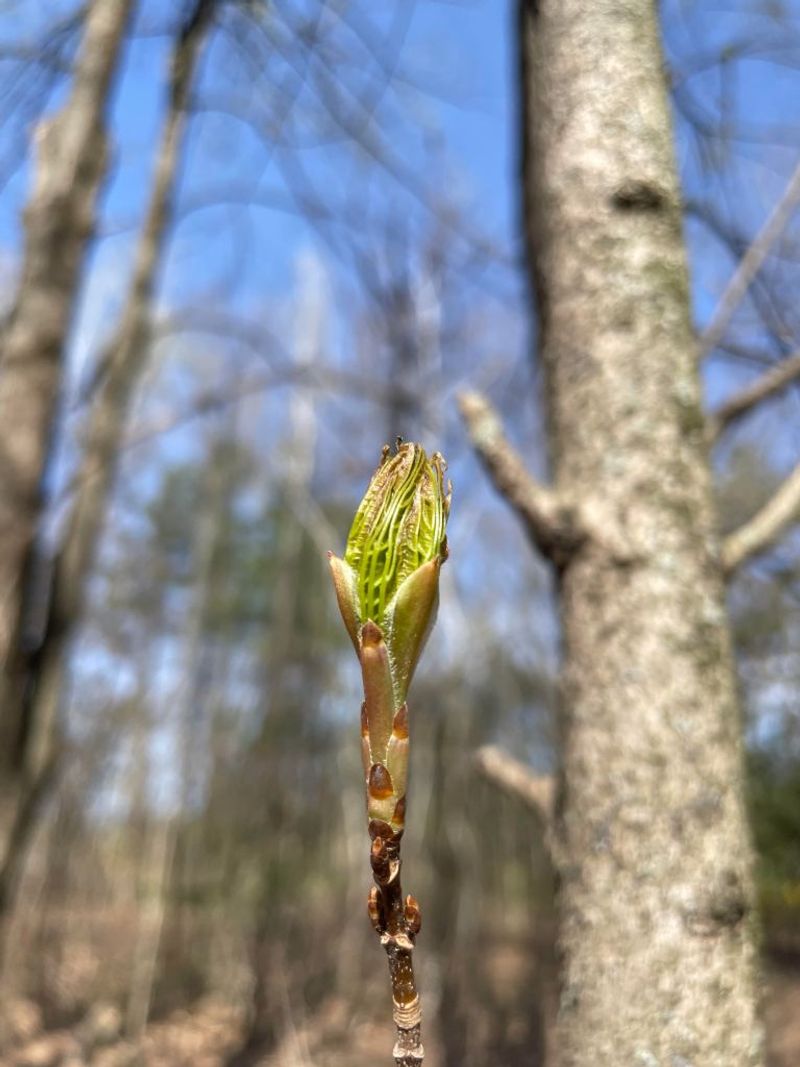
Smart Vermont gardeners know that winter protection is only part of the equation for healthy young maples.
Planning ahead for spring recovery while winter is still happening sets your tree up for vigorous growth when warm weather returns.
Make notes throughout winter about any damage you observe, such as broken branches, animal damage, or areas where bark has cracked.
Stock up on supplies you’ll need for spring care, including pruning tools, organic fertilizer, and fresh mulch.
Research any problems you notice so you’ll know exactly how to address them once the ground thaws and active growth begins.
Consider scheduling a consultation with a certified arborist if your maple has suffered significant damage that you’re unsure how to handle.
As winter winds down, prepare to remove protective wraps and barriers at the right time, usually when nighttime temperatures stay consistently above freezing.
Early spring is the perfect time for corrective pruning, fertilizing, and assessing overall tree health after the stress of winter.
Vermont’s young maples that receive attentive spring care following good winter protection develop into strong, beautiful trees that grace landscapes for generations.