Why South Carolina Residents Choose To Build Pallet Planters
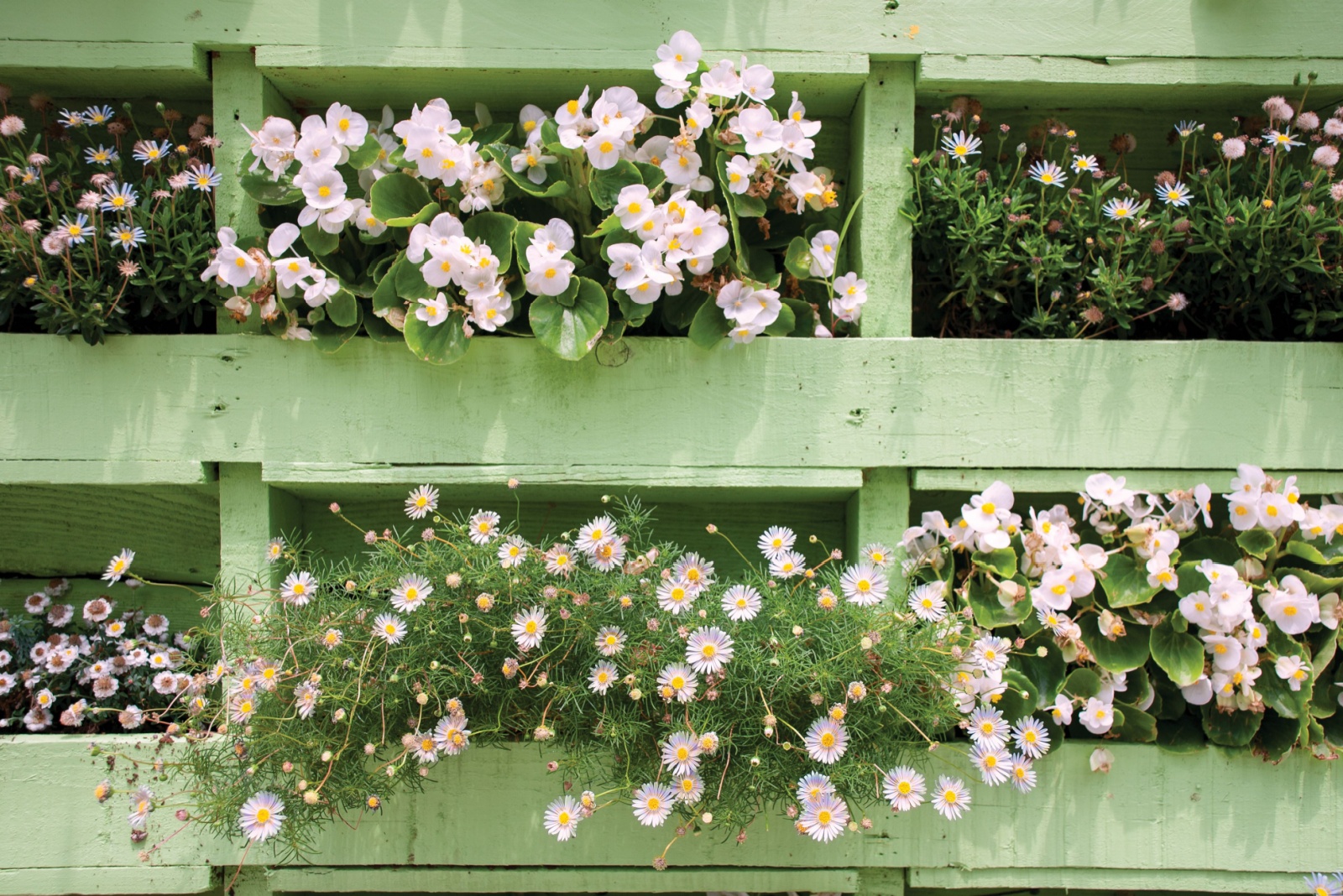
South Carolina yards often call for charm with grit, and pallet planters answer that call with style.
Residents across the Palmetto State spot a weathered pallet and see gold.
A simple frame suddenly promises blooms that burst like fireworks after a summer storm.
Neighbors take one look and realize a humble board stack can outshine fancy store-bought boxes.
The appeal runs deeper than thrift; a pallet planter speaks to a spirit that rolls up sleeves, works smart, and turns scraps into statements.
A porch gains a fresh face, a fence line gains color, and a balcony gains purpose.
Pallet planters give roots a sturdy home while pockets stay full.
Folks in South Carolina know value when it knocks, and this wood-framed marvel never disappoints.
A pallet planter carries pride, personality, and a dash of frontier flair, a trio that hits the nail on the head for gardeners across the state.
Budget-Friendly Gardening Solution

Money matters when you start a new hobby, and pallet planters cost almost nothing to create.
Most garden centers charge hefty prices for raised beds and decorative planters, but pallets come free from many local businesses.
Construction sites, warehouses, and retail stores often give away pallets they no longer need.
South Carolina residents appreciate this thrifty approach because it allows them to expand their gardens without draining their wallets.
A single pallet can hold dozens of plants, and you only need to purchase soil and seeds.
The savings add up quickly when compared to buying individual pots or expensive garden structures.
Families on tight budgets can still enjoy fresh herbs and vegetables without the financial stress.
Many crafty gardeners paint their pallet planters with leftover house paint, adding personal touches at no extra cost.
The entire project typically costs under twenty dollars when you factor in screws, landscaping fabric, and basic supplies.
This affordability makes pallet planters accessible to everyone, from college students in apartments to retirees on fixed incomes.
Smart spending combined with creative reuse helps South Carolina gardeners stretch their dollars while still cultivating beautiful outdoor spaces that rival expensive landscaping projects.
Perfect For Small Spaces
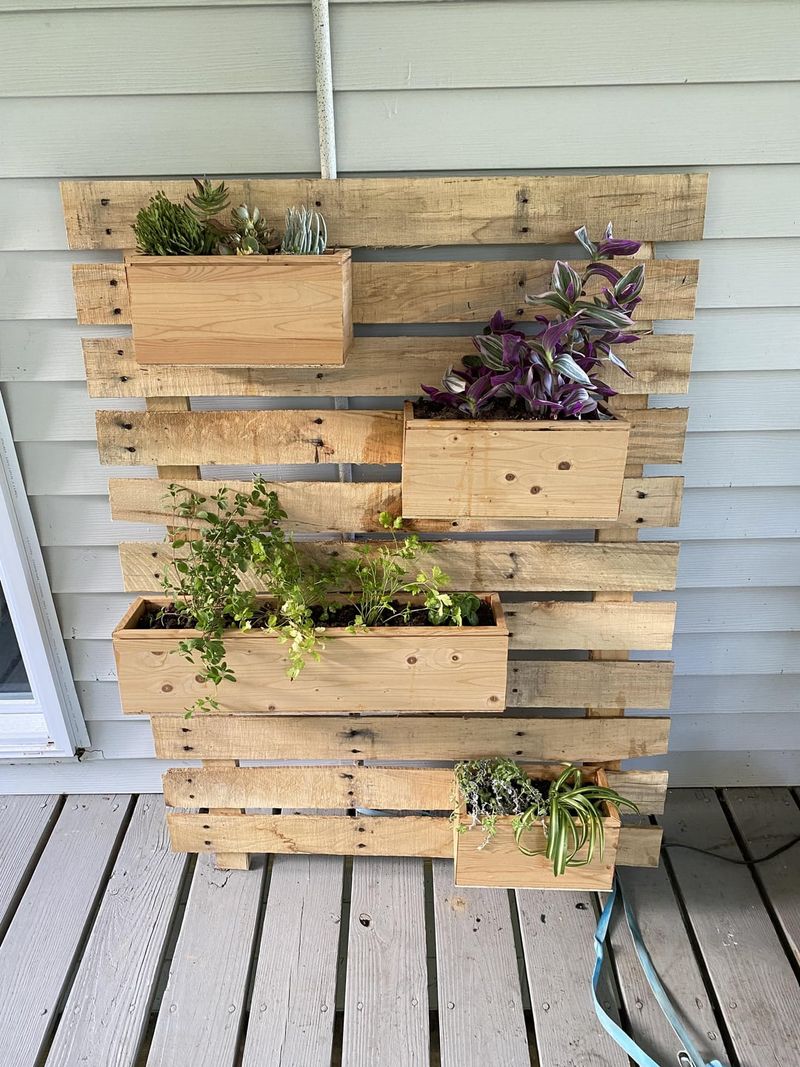
Urban dwellers and apartment residents face constant space limitations that make traditional gardening difficult.
Vertical pallet planters solve this problem by growing upward instead of outward.
A five-foot-tall pallet takes up barely two square feet of floor space but provides room for twenty or more plants.
Charleston and Columbia residents with tiny balconies have transformed their cramped outdoor areas into lush green retreats.
The vertical design works brilliantly for patios, porches, and even narrow side yards where regular garden beds would never fit.
Renters particularly love this option because pallet planters can lean against walls without permanent installation.
You can move them around easily to catch the best sunlight or rearrange your outdoor furniture.
Small backyards common in newer subdivisions benefit tremendously from this space-saving approach.
Families can grow strawberries, lettuce, and flowers without sacrificing precious yard space their children need for play.
The compact footprint also makes maintenance simpler since everything stays within easy reach.
Your South Carolina Garden Changes Every Week. Your Plan Should Too.
Gardening in South Carolina changes quickly throughout the season. Every Friday you’ll receive a simple weekly plan showing exactly what to plant, prune, fertilize, harvest, and protect so you never miss the right timing.
No more bending over large garden beds or walking between rows.
South Carolina gardeners have proven that limited square footage should never limit your green thumb ambitions.
Excellent Drainage In Humid Climate
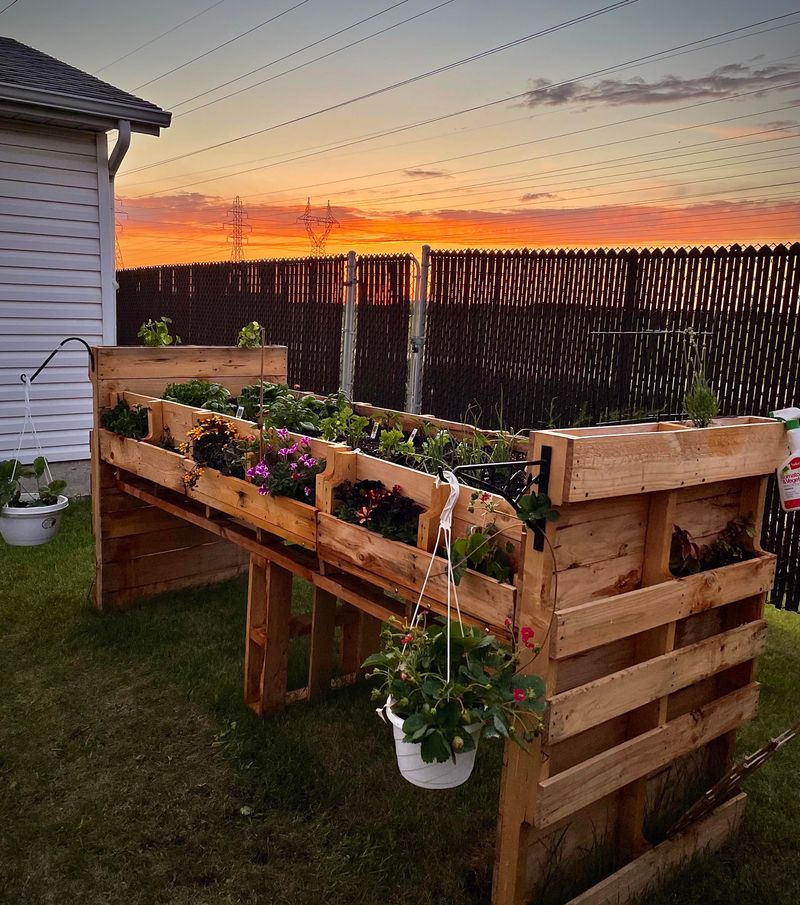
Did you know that South Carolina averages over forty-eight inches of rainfall annually?
This abundant moisture creates challenges for container gardeners whose plants can suffer from waterlogged soil.
Pallet planters naturally solve drainage problems through their slatted construction that allows excess water to escape freely.
The gaps between wooden boards prevent water from pooling around roots, which can cause rot and fungal diseases.
Traditional solid containers often trap moisture, especially during the state’s humid summer months when thunderstorms roll through regularly.
Plants in pallet planters dry out at a healthier pace, maintaining the perfect balance between moisture retention and drainage.
Tomatoes, peppers, and herbs thrive in this environment because their roots get adequate oxygen circulation.
The elevated design also keeps soil off the ground, reducing contact with puddles that form after heavy rains.
Coastal residents near Myrtle Beach and Hilton Head particularly appreciate this feature since salt air and humidity combine to create tricky growing conditions.
The natural wood absorbs some moisture while releasing it slowly, creating a self-regulating system.
Gardeners no longer worry about overwatering or dealing with soggy soil that attracts pests and promotes disease.
This built-in drainage system makes pallet planters ideal for South Carolina’s challenging climate.
Sustainable Recycling Project
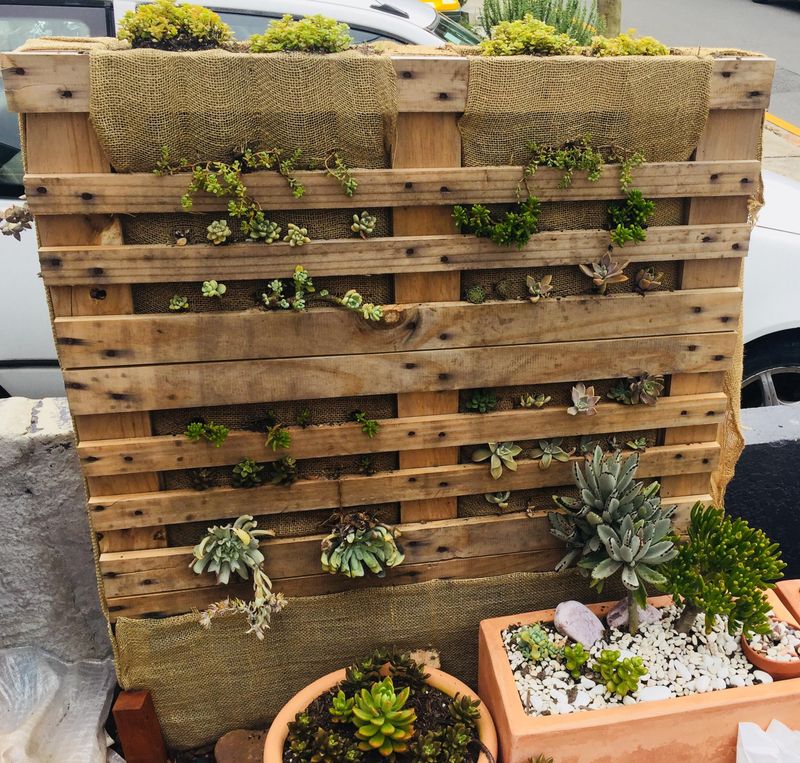
Environmental consciousness has grown tremendously across South Carolina communities in recent years.
Pallet planters represent practical recycling that keeps usable wood out of landfills while creating something beautiful and functional.
Americans discard approximately 500 million pallets annually, and many end up wasted despite being perfectly suitable for reuse.
Transforming these pallets into planters gives them a second life that benefits both gardens and the environment.
South Carolina residents take pride in reducing waste while beautifying their homes through creative upcycling.
The process teaches children valuable lessons about sustainability and resourcefulness that extend beyond gardening.
Many schools and community gardens have adopted pallet planter projects as educational tools for environmental stewardship.
Using reclaimed materials reduces demand for new plastic pots and manufactured garden products that require energy-intensive production.
Wood naturally decomposes over time, unlike plastic containers that persist in landfills for centuries.
Environmentally minded gardeners appreciate this biodegradable aspect that aligns with their values.
Local sustainability groups throughout the state promote pallet planter workshops that combine gardening skills with ecological awareness.
This simple act of repurposing demonstrates how individual choices contribute to larger environmental goals while creating productive, attractive gardens that serve families for years.
Customizable Design Options

Every gardener has unique tastes, and pallet planters offer endless possibilities for personal expression.
Raw wood provides a blank canvas that accepts paint, stain, or natural weathering depending on your preferred aesthetic.
Coastal homeowners often choose whitewash finishes that complement beach house architecture, while country dwellers prefer rustic barn-red or natural wood tones.
You can adjust pocket sizes to accommodate different plant types, from shallow spaces for succulents to deeper sections for root vegetables.
Some creative South Carolinians add hooks for hanging baskets or attach small shelves for decorative garden art.
The rectangular shape fits easily against fences, walls, or railings, but you can also stand pallets freely as garden dividers.
Stenciling house numbers, family names, or inspirational quotes adds personal touches that make each planter one-of-a-kind.
Handy builders modify pallets by adding wheels for mobility or attaching legs to create freestanding units.
Seasonal decorations transform the same planter throughout the year, from spring flowers to autumn mums.
This flexibility means your planter grows and changes with your gardening interests and skill level.
Unlike store-bought containers with fixed designs, pallet planters adapt to your evolving vision and remain fresh through simple modifications that keep your garden interesting year after year.
Pest Protection And Better Air Flow

Ground-level gardens face constant battles with slugs, snails, and various crawling insects that munch on tender plants.
Elevated pallet planters create a physical barrier that discourages many common garden pests from reaching your vegetables and flowers.
The vertical orientation and raised position make it harder for ground-dwelling creatures to access your plants.
South Carolina’s warm, moist environment attracts plenty of unwanted garden visitors, so this natural deterrent provides significant advantages.
Better air circulation around plants reduces fungal problems like powdery mildew and leaf spot that thrive in stagnant, humid conditions.
The open structure allows breezes to flow through foliage, drying leaves quickly after rain or morning dew.
This airflow also helps regulate temperature around plants during scorching summer afternoons when heat stress threatens delicate specimens.
Beneficial insects like ladybugs and lacewings can easily navigate the open design to hunt aphids and other harmful bugs.
The raised height puts plants at eye level, making it simpler to spot pest problems early before they become serious infestations.
Regular inspection becomes part of your daily routine when plants sit at comfortable viewing height rather than down on the ground.
These combined factors create healthier growing conditions that result in stronger plants with better resistance to disease and pest damage.
Easy Back-Friendly Gardening

Bending, kneeling, and stooping make traditional gardening painful for people with back problems, arthritis, or mobility limitations.
Pallet planters positioned at waist or chest height eliminate the need for uncomfortable positions that strain joints and muscles.
South Carolina’s large retirement communities have embraced this ergonomic solution that keeps seniors active in their beloved hobby.
Standing upright while planting, weeding, and harvesting protects your spine from repetitive stress injuries that plague dedicated gardeners.
Physical therapists often recommend raised gardening as therapeutic exercise that provides gentle movement without excessive strain.
The comfortable working height means longer, more enjoyable gardening sessions without next-day soreness.
Wheelchair users can access appropriately positioned pallet planters more easily than ground-level beds.
Parents with young children appreciate standing while they garden and supervise kids simultaneously.
Recovery from surgery or injury becomes easier when you can maintain your garden without compromising your healing process.
Even young, healthy gardeners benefit from reduced physical stress during marathon planting or harvesting sessions.
The vertical design concentrates your plants in one accessible location rather than spreading them across large areas that require constant movement.
This accessibility factor has opened gardening to many South Carolinians who thought their gardening days had ended due to physical limitations or advancing age.
Quick Weekend DIY Project
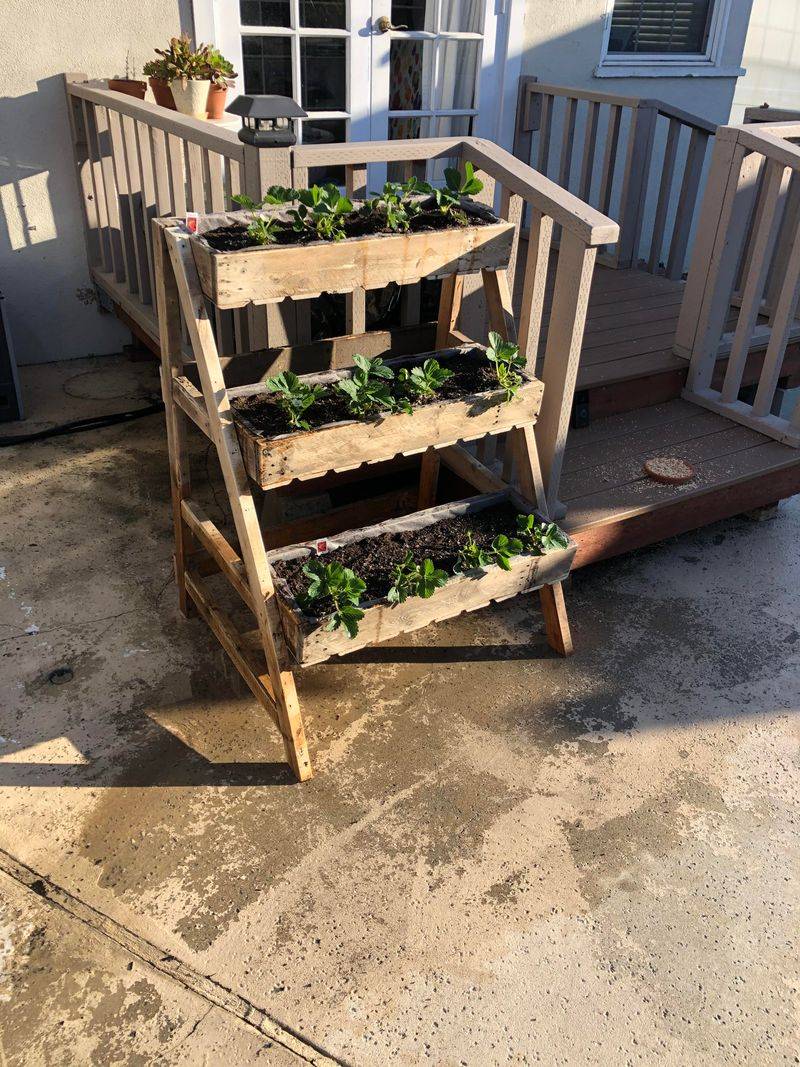
Busy families appreciate projects that deliver impressive results without consuming entire weekends or requiring advanced carpentry skills.
Building a basic pallet planter takes just two to four hours from start to finish, including preparation and planting.
You need only simple tools that most homeowners already own: a hammer, sandpaper, staple gun, and maybe a saw for minor adjustments.
No complicated measurements, precise cuts, or expensive power tools stand between you and a finished planter.
Teenagers can successfully complete this project with minimal adult supervision, making it an excellent family activity.
The straightforward construction builds confidence in people who consider themselves “not handy” but want to try DIY projects.
Online tutorials and videos provide step-by-step guidance that removes guesswork and frustration from the building process.
Saturday morning trips to collect pallets and purchase supplies lead to planted, watered gardens by Sunday afternoon.
This quick turnaround satisfies the desire for instant gratification that motivates many home improvement enthusiasts.
South Carolina hardware stores stock all necessary materials, and helpful staff can offer advice for first-time builders.
The sense of accomplishment from creating something useful with your own hands provides satisfaction beyond the finished planter itself.
Success with this beginner-friendly project often inspires people to tackle more ambitious gardening and woodworking ventures throughout their homes and yards.