How To Prepare Raised Garden Beds For Winter In Oregon
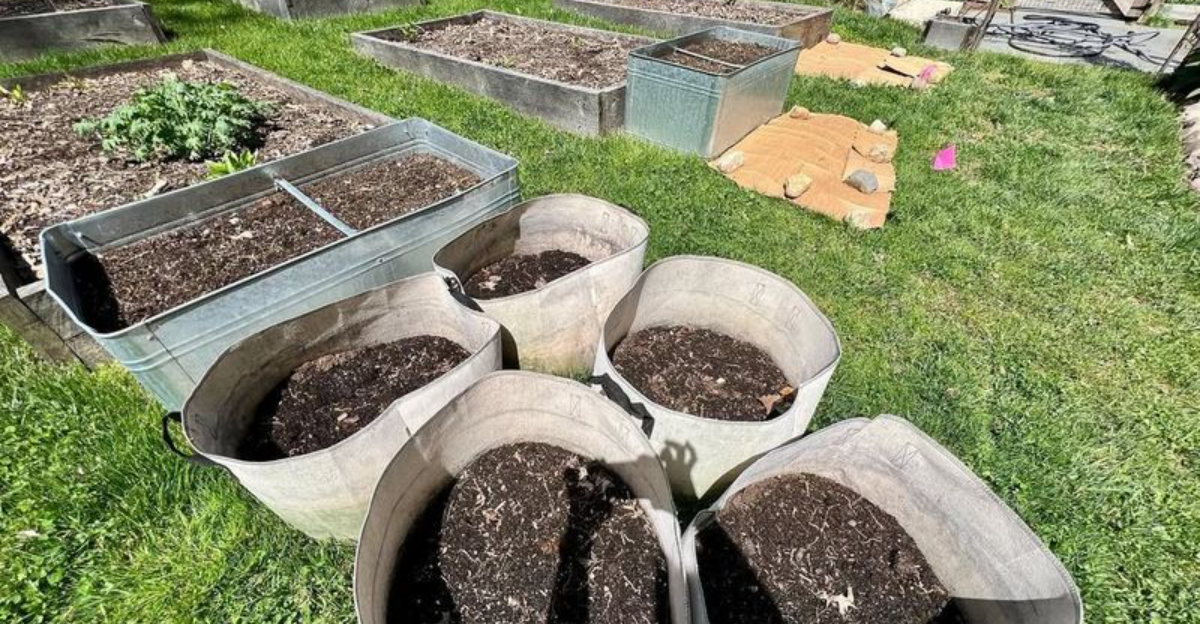
Winter in Oregon brings cooler temperatures, frequent rainfall, and shorter days that signal the end of the growing season for many gardeners.
Your raised garden beds need special attention during these months to stay healthy and ready for spring planting.
Proper winterization protects the soil structure, prevents nutrient loss, and keeps weeds and pests from taking over while your garden rests.
Taking time now to prepare your beds means you’ll have rich, fertile soil waiting when warmer weather returns.
Remove All Spent Plants And Debris
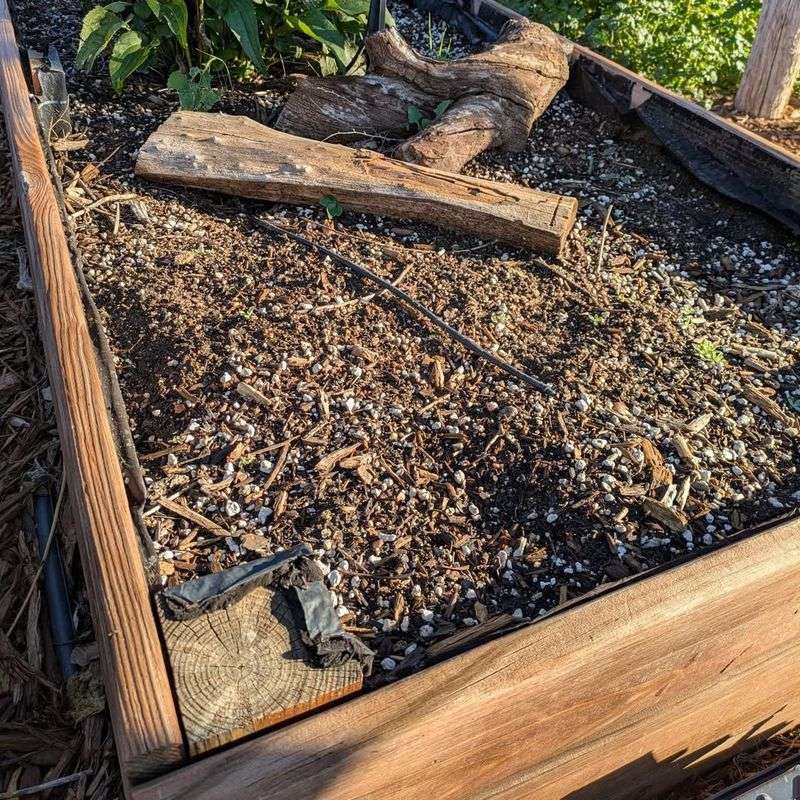
Clearing out finished crops and plant material sets the stage for a clean winter garden bed in Oregon.
Old tomato vines, bean stalks, and withered flowers can harbor diseases and pests that might survive the mild Oregon winter and cause problems next season.
Pull up everything that has stopped producing, including roots when possible, to eliminate hiding spots for unwanted insects and fungi.
Healthy plant debris can go into your compost pile, but anything showing signs of disease or infestation should be bagged and thrown away to prevent spreading problems.
Check carefully for mold, spots, or unusual discoloration before composting.
Once your bed is cleared, you’ll have a blank canvas to work with for the rest of your winterization steps.
This simple task makes a huge difference in preventing carryover issues.
Oregon’s wet winters mean that decaying plant matter can quickly become soggy and moldy if left in place.
A thorough cleanup now saves headaches later and helps your soil breathe properly through the rainy months ahead.
Test And Amend Your Soil
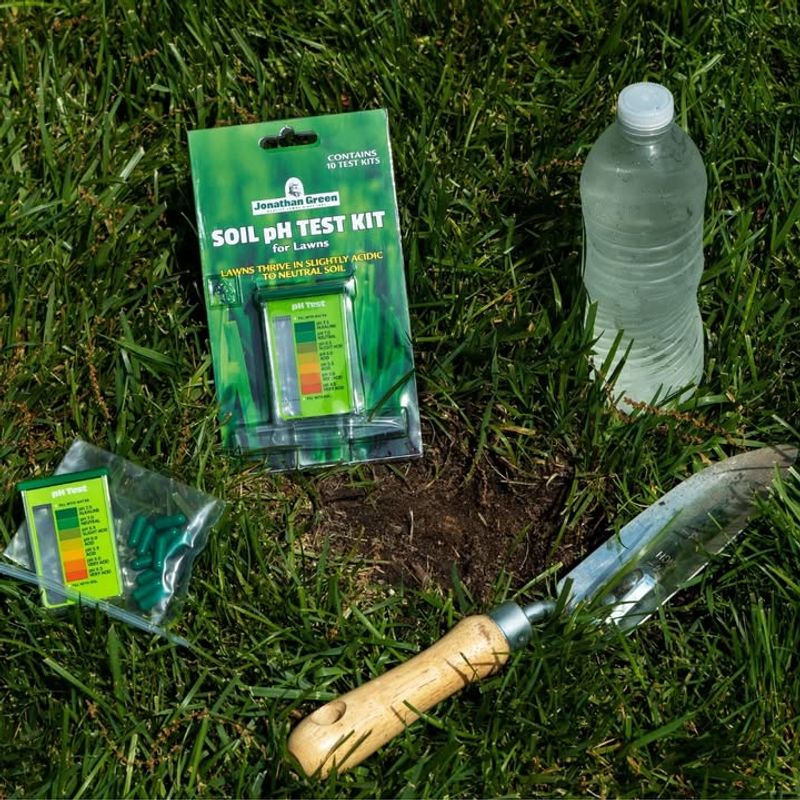
Understanding what your soil needs before winter arrives helps you build fertility during the dormant season.
A simple soil test reveals pH levels and nutrient deficiencies that you can address with targeted amendments.
Many Oregon gardeners find their soil becomes more acidic over time due to heavy rainfall, which leaches away important minerals like calcium and magnesium.
Home test kits are affordable and easy to use, or you can send samples to your local extension office for detailed analysis.
Based on results, add lime to raise pH or sulfur to lower it, along with organic matter to improve overall structure.
Fall is the perfect time for amendments because they have months to break down and integrate before spring planting begins.
Bone meal adds phosphorus, greensand provides potassium, and compost delivers a balanced nutrient boost.
Working amendments into the top few inches of soil ensures they’ll be available to plant roots when the growing season returns.
Oregon’s winter rains help dissolve and distribute these nutrients naturally throughout your bed.
Add A Thick Layer Of Compost
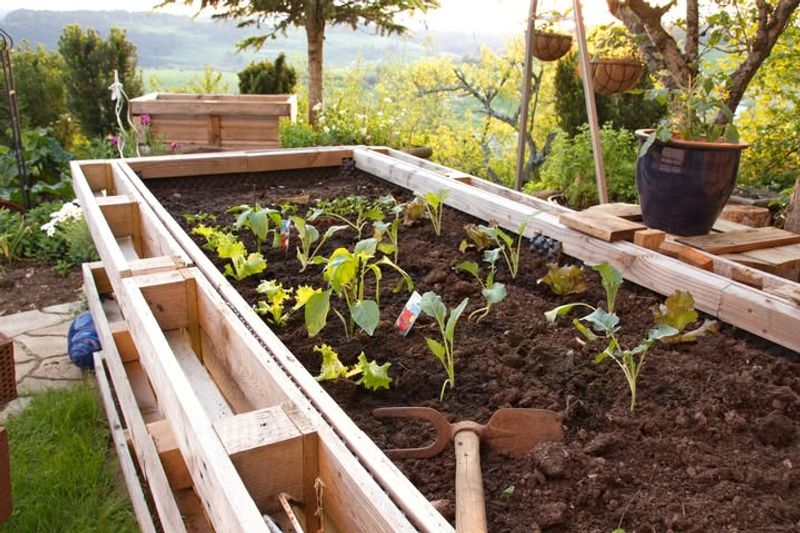
Compost acts like a nutritious blanket that feeds your soil while protecting it from winter weather extremes.
Spread two to four inches of finished compost evenly across your raised bed, creating a protective layer that prevents erosion from Oregon’s heavy winter rains.
This organic material slowly breaks down over the cold months, releasing nutrients that will be ready for hungry plants come spring.
Your Oregon Garden Changes Every Week. Your Plan Should Too.
Gardening in Oregon changes quickly throughout the season. Every Friday you’ll receive a simple weekly plan showing exactly what to plant, prune, fertilize, harvest, and protect so you never miss the right timing.
Quality compost improves soil structure by increasing its ability to hold both moisture and air, which helps beneficial microorganisms survive the winter.
These tiny helpers continue working even in cooler temperatures, building a healthier ecosystem beneath the surface.
Homemade compost works wonderfully, but store-bought varieties are also excellent if you don’t have enough of your own supply.
Look for compost made from plant materials rather than manure-heavy mixes, which can be too strong for some beds.
The compost layer also suppresses weed seeds that might try to sprout during Oregon’s mild winter spells.
By spring, much of this material will have integrated into your existing soil, leaving it darker, fluffier, and more fertile than before.
Plant A Cover Crop For Protection

Cover crops work overtime during winter, protecting soil from erosion while adding valuable nutrients and organic matter.
Popular choices for Oregon include crimson clover, winter rye, and Austrian field peas, which all tolerate the region’s cool, wet conditions beautifully.
These plants establish quickly in fall, sending roots deep into the soil to prevent compaction and nutrient leaching during heavy rains.
Legumes like clover and peas have the special ability to capture nitrogen from the air and store it in their roots, essentially creating free fertilizer for your future crops.
When you turn these plants into the soil in spring, they decompose quickly and release those nutrients right where your vegetables need them.
Sow cover crop seeds in early to mid-fall while soil temperatures are still warm enough for germination.
Broadcast them evenly across your bed and rake lightly to ensure good seed-to-soil contact.
Cover crops also crowd out weeds and provide habitat for beneficial insects during Oregon’s quieter garden months.
The green growth looks attractive too, turning your raised beds into living landscapes rather than bare dirt patches throughout winter.
Apply Mulch To Insulate And Protect
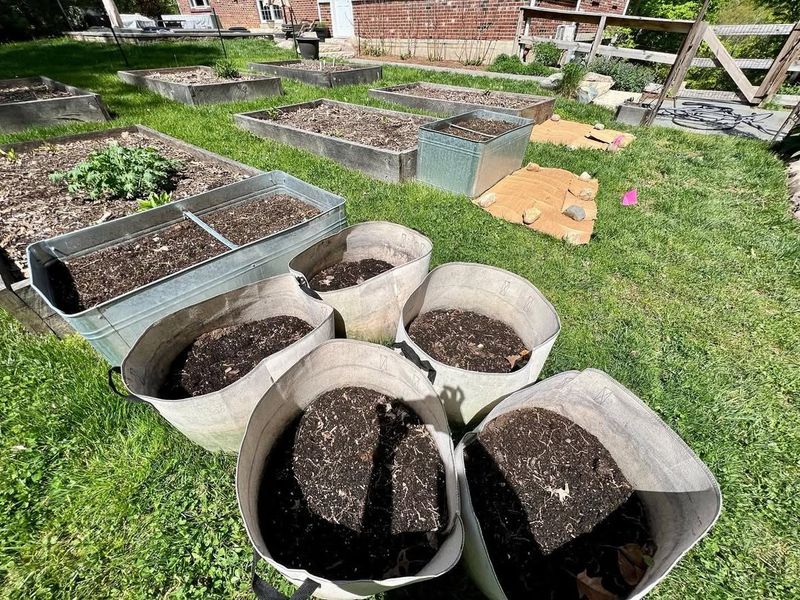
Mulch serves as insulation that moderates soil temperature swings and keeps moisture levels more consistent through Oregon’s wet and dry spells.
Straw, shredded leaves, or wood chips make excellent mulch choices, each offering slightly different benefits for winter protection.
Straw is lightweight and easy to spread, while leaves are free and abundant in fall, and wood chips break down slowly to provide long-lasting coverage.
Apply a layer three to four inches deep after you’ve added compost or planted cover crops, creating a protective barrier that prevents rain from compacting your soil surface.
This covering also discourages weed seeds from sprouting by blocking sunlight they need for germination.
Mulch helps beneficial organisms like earthworms stay active by keeping soil temperatures slightly warmer than exposed ground would be.
These creatures continue aerating and enriching your beds even during cooler months.
Avoid piling mulch directly against any perennial plants or the sides of your raised bed frame, as this can trap moisture and encourage rot.
Leave a small gap for air circulation while still covering the majority of soil surface for maximum protection throughout Oregon’s rainy winter season.
Check And Repair Bed Structures
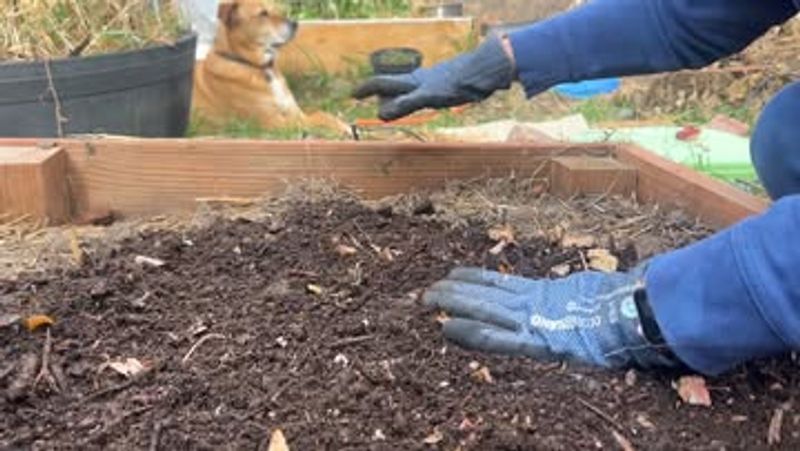
Winter offers an ideal opportunity to inspect your raised bed frames and make necessary repairs before spring planting begins.
Oregon’s wet climate can be tough on wood, causing boards to rot, warp, or separate at the corners over time.
Walk around each bed and look for loose screws, splitting wood, or areas where the frame has pulled away from corner posts.
Tighten any loose hardware and replace damaged boards now rather than waiting until you’re ready to plant.
Cedar and redwood naturally resist rot better than other woods, making them smart choices for replacement lumber in Oregon’s damp environment.
Check that your beds are still level, as settling can cause water to pool in low spots instead of draining evenly.
Add soil to low areas or adjust the frame if needed to maintain proper drainage.
Consider adding a protective finish to untreated wood surfaces to extend their lifespan through more rainy seasons.
Linseed oil or other natural wood preservers work well without introducing harmful chemicals near your food plants.
Well-maintained structures last many more years and make gardening easier by keeping soil contained and organized.
Taking care of these details during the off-season means everything will be ready when planting time arrives.
Manage Drainage To Prevent Waterlogging
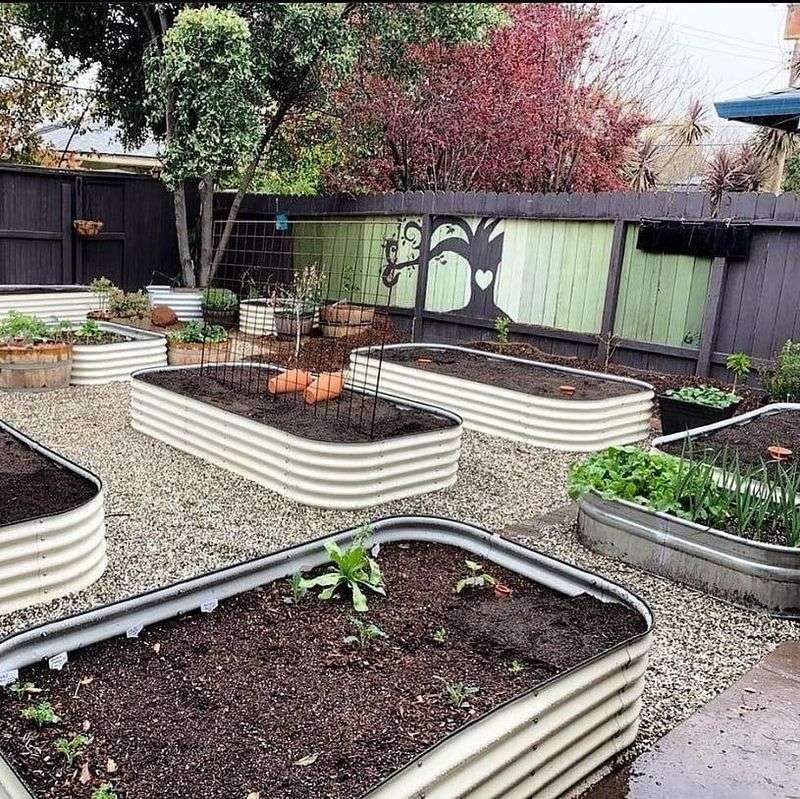
Proper drainage becomes critically important during Oregon’s notoriously rainy winter months when beds can become waterlogged and oxygen-starved.
Check that water flows freely through your bed rather than pooling on the surface or creating soggy spots that stay wet for days.
If you notice standing water, you may need to improve drainage by adding organic matter or creating channels for excess moisture to escape.
Raised beds naturally drain better than ground-level gardens, but heavy clay soil or compacted areas can still cause problems.
Mixing in compost, perlite, or coarse sand helps create air pockets that allow water to move through more easily while still retaining enough moisture for plant roots.
Make sure the bottom of your raised bed isn’t sitting directly on hard surfaces like concrete or compacted clay that prevent drainage.
A layer of gravel underneath or along the base can help excess water escape during particularly wet periods.
Good drainage protects beneficial soil organisms from drowning and prevents roots of any overwintering plants from rotting in saturated conditions.
Oregon gardeners who manage moisture well end up with healthier, more productive beds year after year because their soil structure stays intact through the wettest months.
Protect Perennial Crops And Herbs

Many herbs and perennial vegetables can survive Oregon winters with just a bit of extra care and protection from harsh conditions.
Plants like kale, chard, parsley, thyme, and oregano often continue growing slowly through mild winter months, providing fresh harvests when other gardens sit empty.
Give these tough survivors a thick mulch collar around their base to insulate roots from occasional hard freezes.
Rosemary appreciates protection from Oregon’s wettest weather, as too much moisture can cause root rot in this Mediterranean native.
Consider moving potted rosemary under an eave or covering it with a temporary shelter during the rainiest weeks.
Garlic planted in fall will establish roots over winter and be ready for rapid spring growth when temperatures warm.
Plant individual cloves pointed end up, about four inches apart and two inches deep, then mulch heavily to protect them.
Strawberry plants benefit from a light covering of straw once they’ve gone dormant, which prevents frost heaving that can push crowns out of the soil.
Remove this covering gradually in early spring as new growth appears.
These perennial crops reward your winter care with early harvests and continued production, making your Oregon raised beds productive even during the quieter months when annual vegetables have finished their season.
Control Weeds Before They Establish
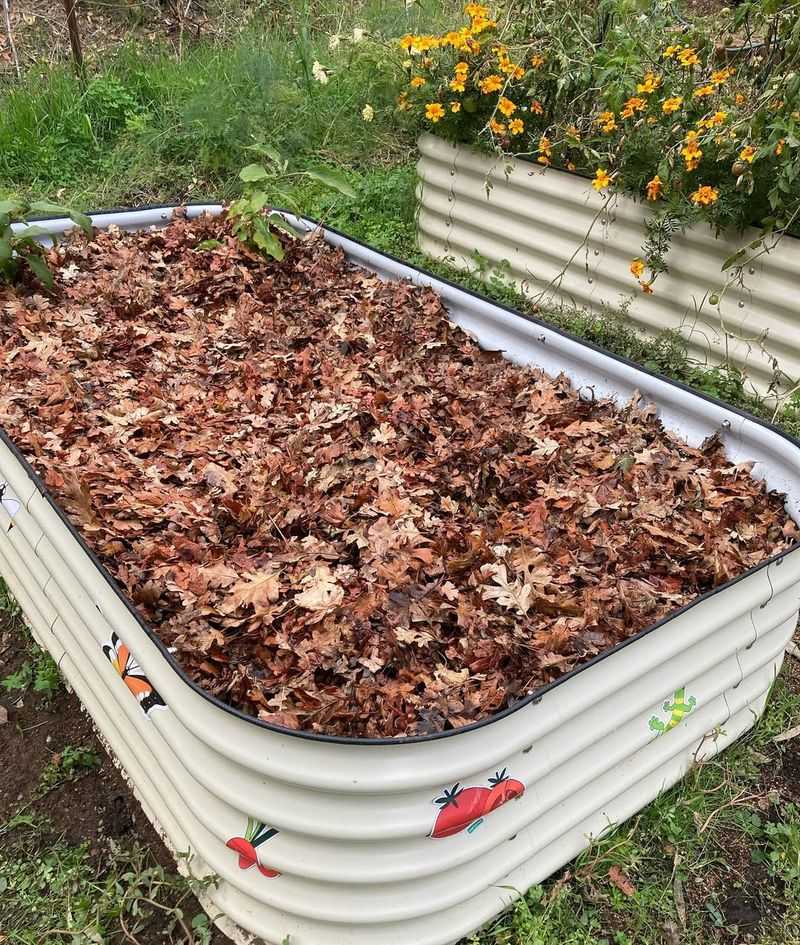
Oregon’s mild winters allow many weed species to germinate and grow when most gardeners aren’t paying close attention to their beds.
Chickweed, henbit, and shotweed thrive in cool, moist conditions and can quickly carpet an unprotected raised bed if left unchecked.
These winter weeds steal nutrients, create dense mats that smother soil, and set thousands of seeds before spring arrives.
Pull any weeds you spot during winter maintenance visits, especially before they flower and produce seeds.
The soil is usually moist from rain, making weeds easy to remove with their entire root system intact.
Mulch and cover crops provide excellent weed suppression by blocking light and occupying space that weeds would otherwise colonize.
A well-mulched bed requires much less weeding effort throughout the dormant season.
Don’t let winter weeds fool you into thinking they’re harmless because they’re small or slow-growing.
Each plant left to mature can produce hundreds or thousands of seeds that will plague your garden for years.
Regular quick checks every few weeks during Oregon’s winter months keep weed populations under control with minimal effort.
This preventive approach means you’ll start spring with clean beds ready for planting rather than spending your first warm days battling established weed patches.
Plan And Document For Next Season

Winter provides perfect timing to reflect on the past growing season and make detailed plans for improving your raised bed gardens next year.
Take notes about what grew well, what struggled, and where you noticed pest or disease problems so you can rotate crops appropriately in spring.
Crop rotation prevents soil depletion and reduces pest buildup by moving plant families to different beds each season.
Sketch a simple map showing where everything was planted this year, including dates and varieties, which helps you avoid repeating the same layout.
This documentation becomes increasingly valuable as years pass and your memory of specific details fades.
Research new varieties suited to Oregon’s climate that you’d like to try, and order seeds early while selection is best.
Winter catalogs offer inspiration and help you discover disease-resistant or particularly productive cultivars perfect for your region.
Consider what worked about your bed arrangement and what you’d change, such as adding more beds, adjusting spacing, or trying different soil amendments.
These quiet months let you think creatively without the pressure of immediate planting deadlines.
Good planning transforms lessons from this season into improvements for the next, making each year more successful than the last in your Oregon raised bed garden adventure.