How To Use Leaf Mold To Improve Garden Soil In Wisconsin
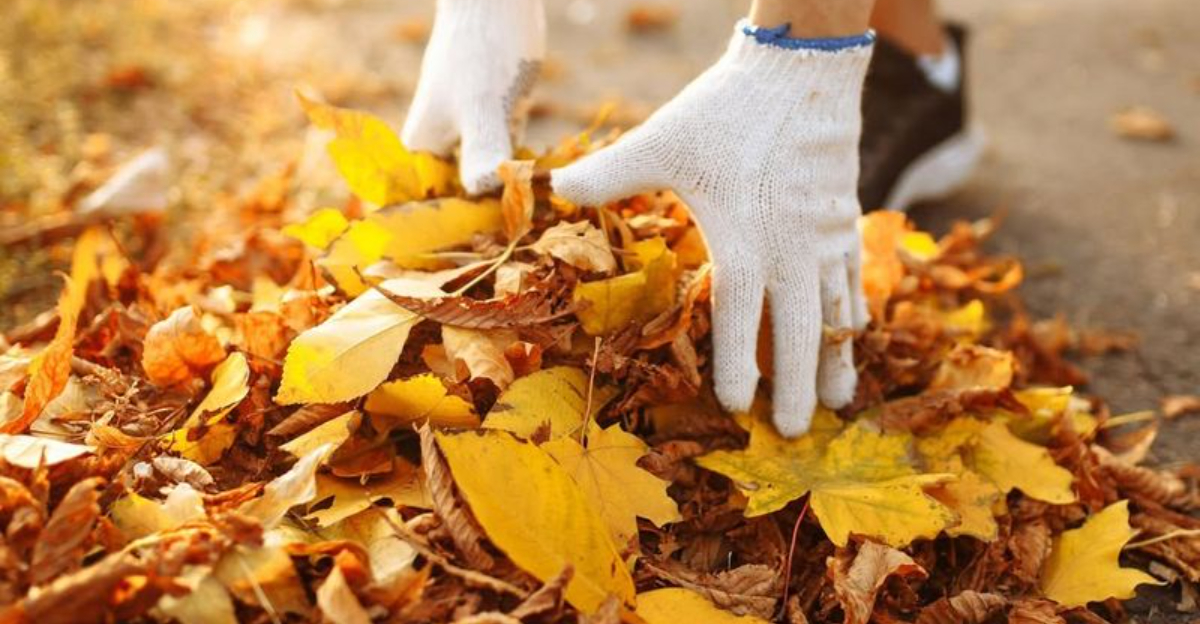
Leaf mold is one of nature’s best-kept secrets for creating healthier garden soil, and Wisconsin gardeners are discovering its incredible benefits.
This dark, crumbly material forms when fallen leaves break down over time, creating a nutrient-rich amendment that transforms hard clay or sandy soil into a thriving growing medium.
Unlike commercial fertilizers, leaf mold is completely free if you collect your own leaves, making it an economical choice for budget-conscious gardeners across Wisconsin.
Whether you’re growing vegetables in Madison, flowers in Milwaukee, or shrubs in Green Bay, learning how to use leaf mold properly can dramatically improve your garden’s success and reduce your need for store-bought soil amendments.
Collect Fallen Leaves Throughout Autumn Months
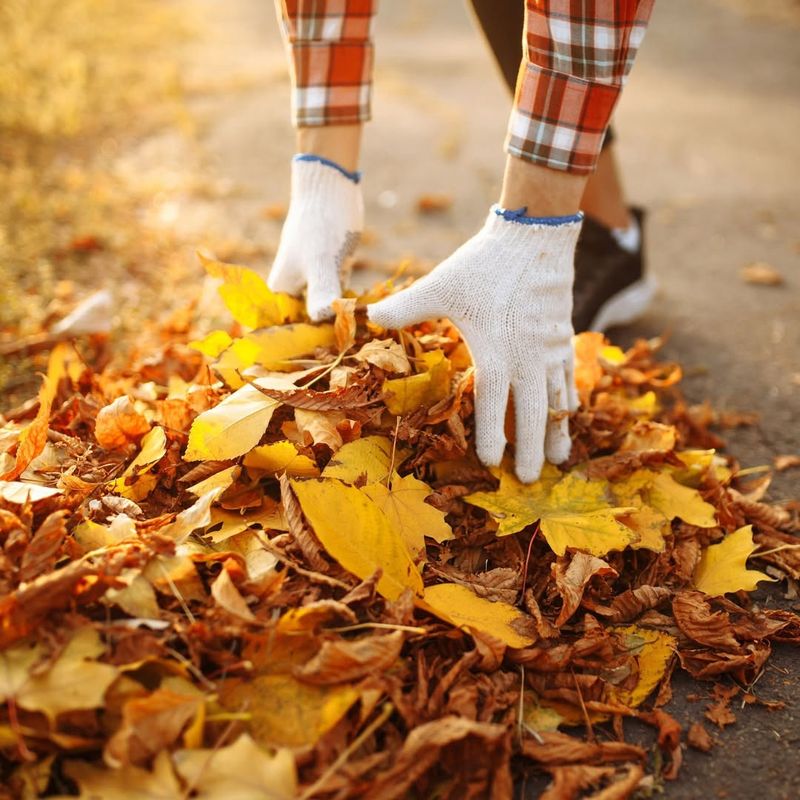
Autumn in Wisconsin brings a spectacular display of falling leaves, and this is your golden opportunity to gather free garden gold.
Rake up leaves from your yard, ask neighbors if you can collect theirs, or check with local parks departments about leaf collection programs.
Oak, maple, and birch leaves work exceptionally well for making leaf mold, though most deciduous tree leaves will do the job.
Avoid using black walnut leaves, as they contain juglone, a chemical that can harm certain plants in your Wisconsin garden.
Store collected leaves in large bags, wire bins, or designated compost areas until you’re ready to begin the decomposition process.
The more leaves you gather during fall, the more leaf mold you’ll have available for improving your garden soil next year.
Many Wisconsin municipalities offer leaf collection services, so you might even score bags of leaves left curbside by others.
Collecting leaves is not only practical but also helps keep your neighborhood tidy while providing you with valuable gardening material.
Remember to gather leaves before winter snow covers them completely, making collection much more difficult.
Create A Dedicated Leaf Mold Bin Or Pile
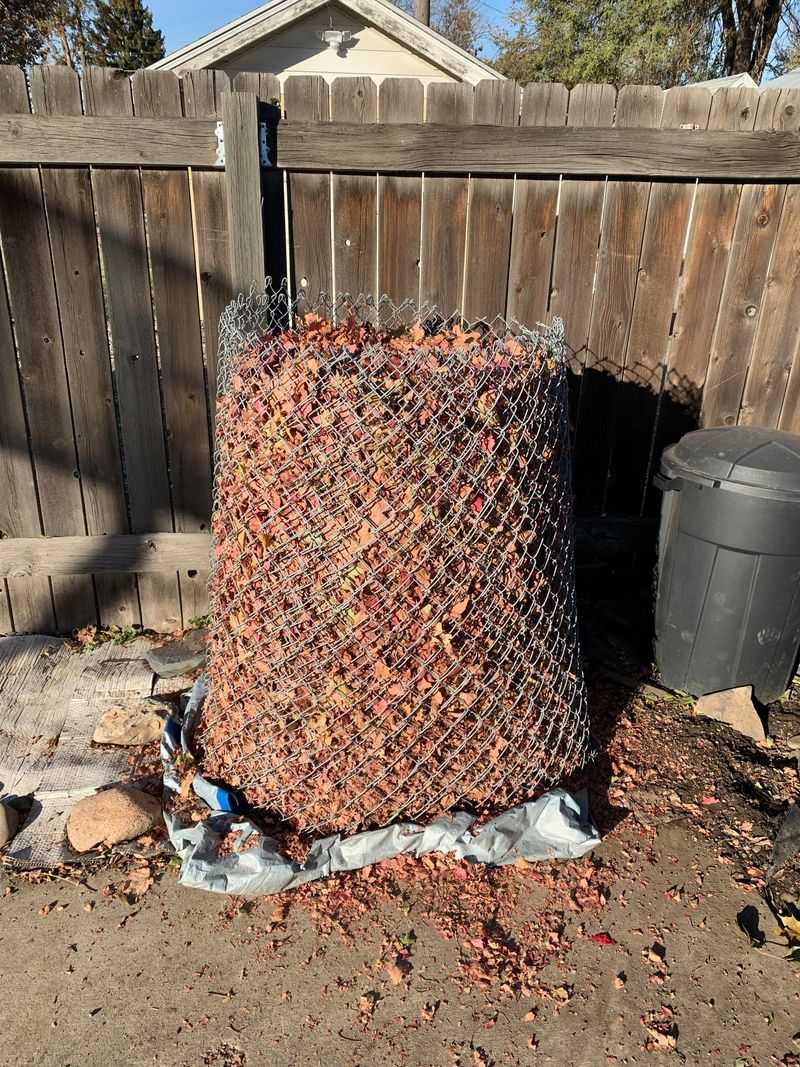
Setting up a proper containment system makes the leaf mold creation process much more efficient and organized.
You can build a simple wire mesh bin using chicken wire or hardware cloth attached to wooden stakes, creating a cylinder about three feet wide and tall.
Alternatively, wooden pallets stood on end and tied together make excellent leaf mold bins that allow good airflow.
Some Wisconsin gardeners prefer creating an open pile in a corner of their yard, though bins keep everything neater and speed up decomposition.
Position your leaf mold bin or pile in a shaded area where it won’t dry out too quickly during summer months.
A spot near your garden but out of direct view works perfectly, as the pile will sit for a year or two before becoming finished leaf mold.
Make sure the location has good drainage so excess water doesn’t pool around the leaves.
You can create multiple bins if you have space, allowing you to start a new batch each year while last year’s leaves continue breaking down.
Having a dedicated space keeps your leaf mold project organized and prevents leaves from blowing around your Wisconsin property.
Your Wisconsin Garden Changes Every Week. Your Plan Should Too.
Gardening in Wisconsin changes quickly throughout the season. Every Friday you’ll receive a simple weekly plan showing exactly what to plant, prune, fertilize, harvest, and protect so you never miss the right timing.
Moisten Leaves Thoroughly Before Storing Them
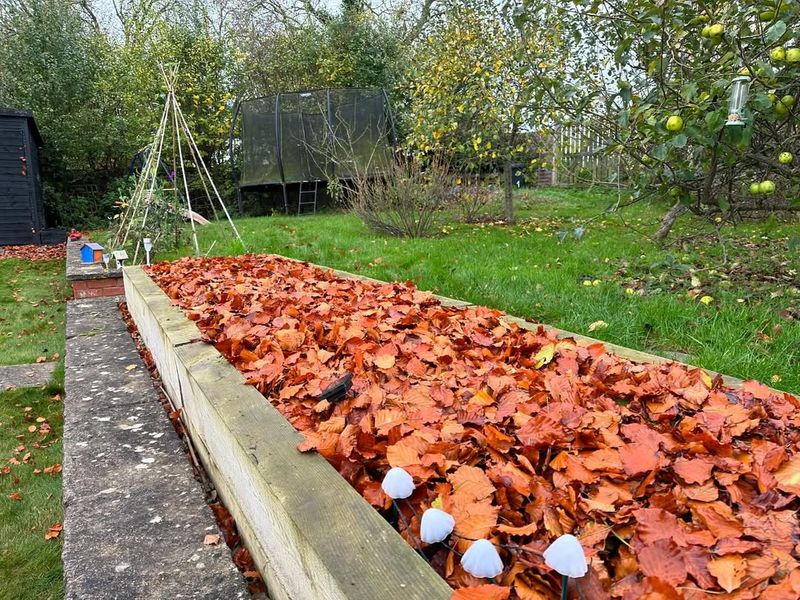
Water plays a crucial role in the decomposition process that transforms dry leaves into rich, crumbly leaf mold.
Before piling leaves into your bin or designated area, spray them down with a garden hose until they’re thoroughly dampened but not soaking wet.
The leaves should feel like a wrung-out sponge, moist enough to support fungal growth but not waterlogged.
In Wisconsin’s humid climate, you might find that fall rains do some of this work for you, especially if you collect leaves after a rainstorm.
Dry leaves take much longer to break down, sometimes requiring an extra year or more to become usable leaf mold.
As you add layers of leaves to your pile, spray each layer lightly to ensure even moisture distribution throughout.
During dry Wisconsin summers, check your leaf pile occasionally and add water if the leaves seem overly dry and crispy.
Proper moisture encourages the beneficial fungi that do most of the work breaking down leaf material into that dark, earthy amendment.
Think of moisture as the key ingredient that activates the natural decomposition process in your leaf pile.
Shred Leaves To Speed Up Decomposition Time
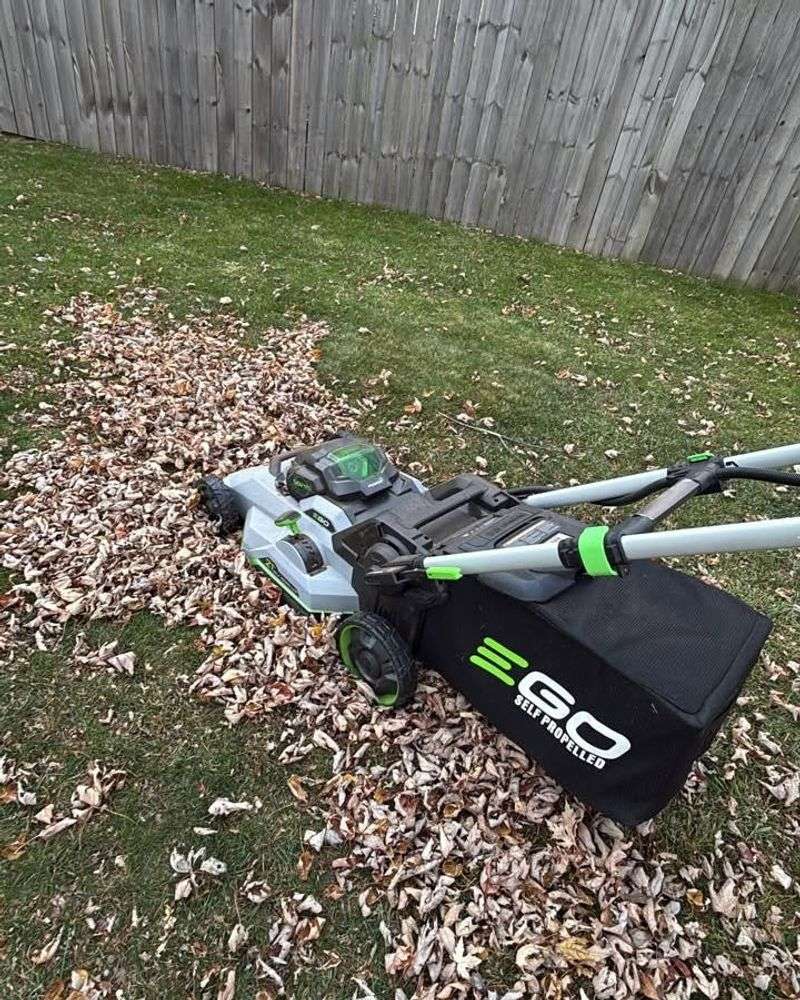
Whole leaves can take two to three years to fully decompose into usable leaf mold, but shredded leaves break down in just one year.
The easiest way to shred leaves is by running your lawn mower over them several times before collecting them.
Mulching mowers work especially well, as they’re designed to chop material into fine pieces.
You can also use a leaf shredder or leaf blower with a vacuum and mulching feature to process large quantities quickly.
Smaller leaf pieces have more surface area exposed to the fungi and bacteria that break them down, dramatically speeding up the process.
Wisconsin gardeners who shred their leaves in fall can often use the resulting leaf mold by the following autumn.
If you don’t have equipment for shredding, don’t worry—whole leaves will still make excellent leaf mold, just with a longer wait time.
Store shredded leaves the same way you would whole leaves, keeping them moist and contained in your designated bin or pile.
The extra effort of shredding pays off when you have finished leaf mold ready much sooner for your garden beds.
Turn The Pile Occasionally For Better Aeration
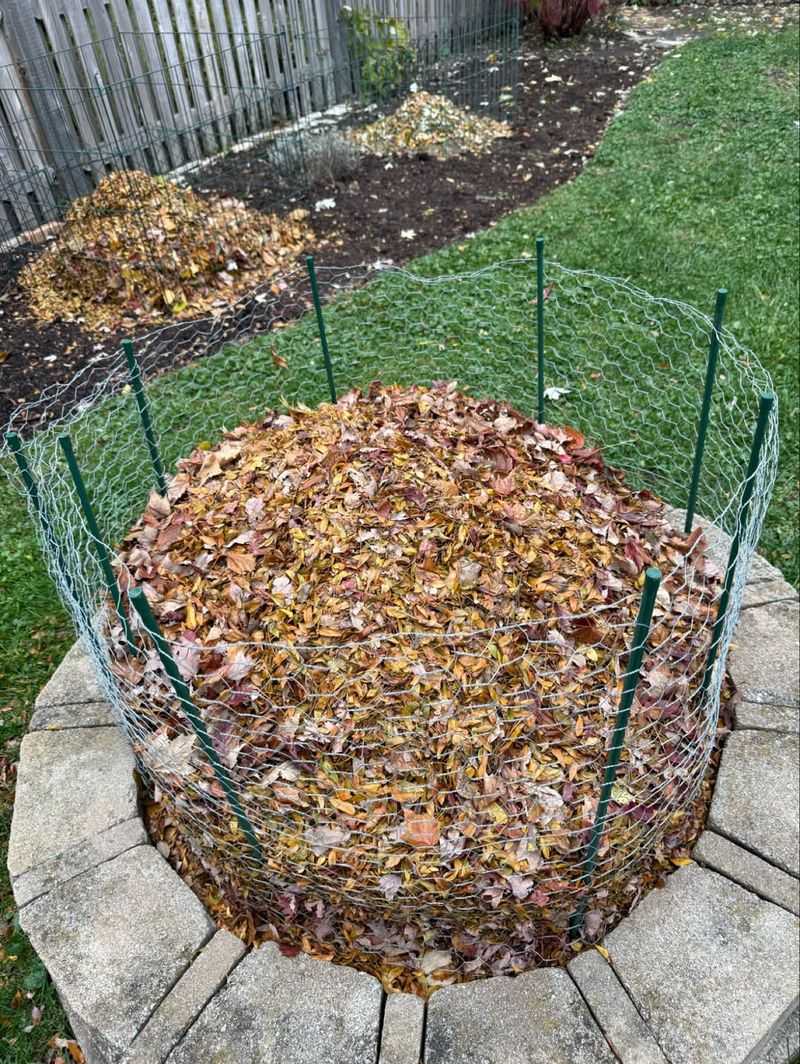
While leaf mold doesn’t require the frequent turning that hot compost demands, occasional mixing helps speed things along.
Every few months, use a garden fork or pitchfork to fluff up the pile and move outer leaves toward the center.
This simple action introduces oxygen throughout the pile and ensures more even decomposition.
You’ll notice that leaves at the bottom and center break down faster than those on the outside edges.
Turning redistributes the material so everything gets a chance to decompose thoroughly.
Wisconsin’s freeze-thaw cycles during winter and spring naturally help break down leaf structure, but turning amplifies this effect.
If your pile seems dry when you turn it, add water with a hose to restore proper moisture levels.
Some gardeners turn their piles just twice a year—once in spring and once in late summer—and still get excellent results.
Don’t stress about turning too often; leaf mold is forgiving and will form eventually even without any turning at all.
The goal is simply to encourage faster, more uniform decomposition throughout your entire leaf pile.
Wait Patiently For The Decomposition Process
Perhaps the hardest part of making leaf mold is simply waiting for nature to do its work.
Unlike hot composting, which can produce finished material in weeks, leaf mold takes anywhere from one to three years depending on conditions.
Shredded leaves in ideal conditions might be ready in twelve months, while whole leaves could take twice that long.
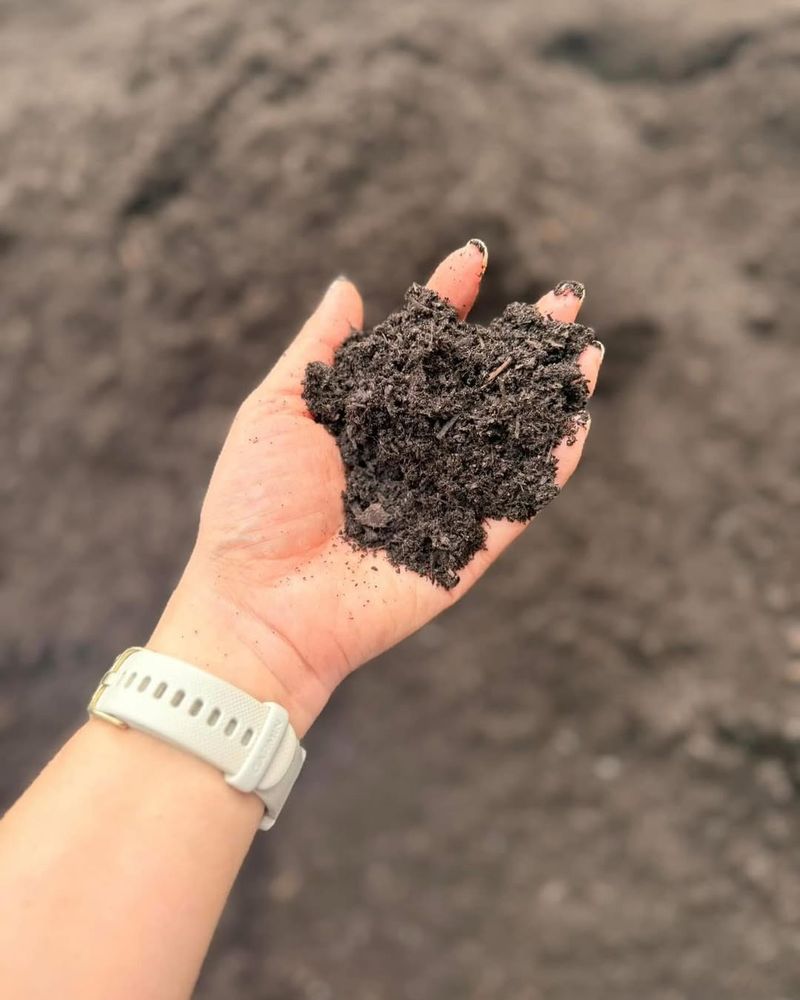
You’ll know your leaf mold is ready when it becomes dark brown, crumbly, and smells earthy rather than like fresh leaves.
The original leaf shapes should be barely recognizable, broken down into a texture resembling coarse coffee grounds or rich forest floor material.
Wisconsin’s cold winters slow down the process, but spring and summer warmth kick decomposition into higher gear.
Many experienced gardeners start a new leaf pile each fall, creating a rotation system so they always have finished leaf mold available.
Patience truly pays off, as the resulting material is worth every month of waiting.
Use the time to plan how you’ll incorporate this wonderful amendment into your garden beds and containers.
Mix Leaf Mold Into Garden Beds Each Spring
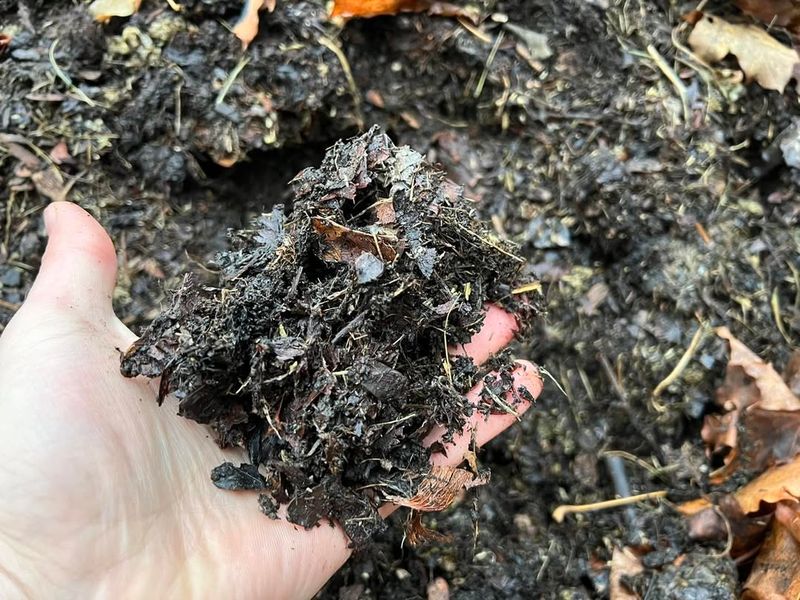
Spring is the perfect time to incorporate finished leaf mold into your Wisconsin garden beds before planting season begins.
Spread a layer about two to three inches thick across your vegetable gardens, flower beds, or around perennials.
Use a garden fork or spade to work the leaf mold into the top six to eight inches of soil.
This amendment improves soil structure dramatically, helping clay soils drain better and sandy soils retain more moisture.
Leaf mold doesn’t add huge amounts of nutrients like fertilizer does, but it creates an ideal environment for plant roots to access existing nutrients.
Wisconsin’s heavy clay soils especially benefit from leaf mold’s ability to break up compacted particles and improve aeration.
You can also mix leaf mold into potting soil for containers, using about one part leaf mold to three parts potting mix.
Plants grown in leaf mold-amended soil develop stronger root systems and show improved drought tolerance during dry Wisconsin summers.
Make this an annual spring ritual, and you’ll notice your soil becoming darker, richer, and easier to work with each year.
Use Leaf Mold As Mulch Around Plants
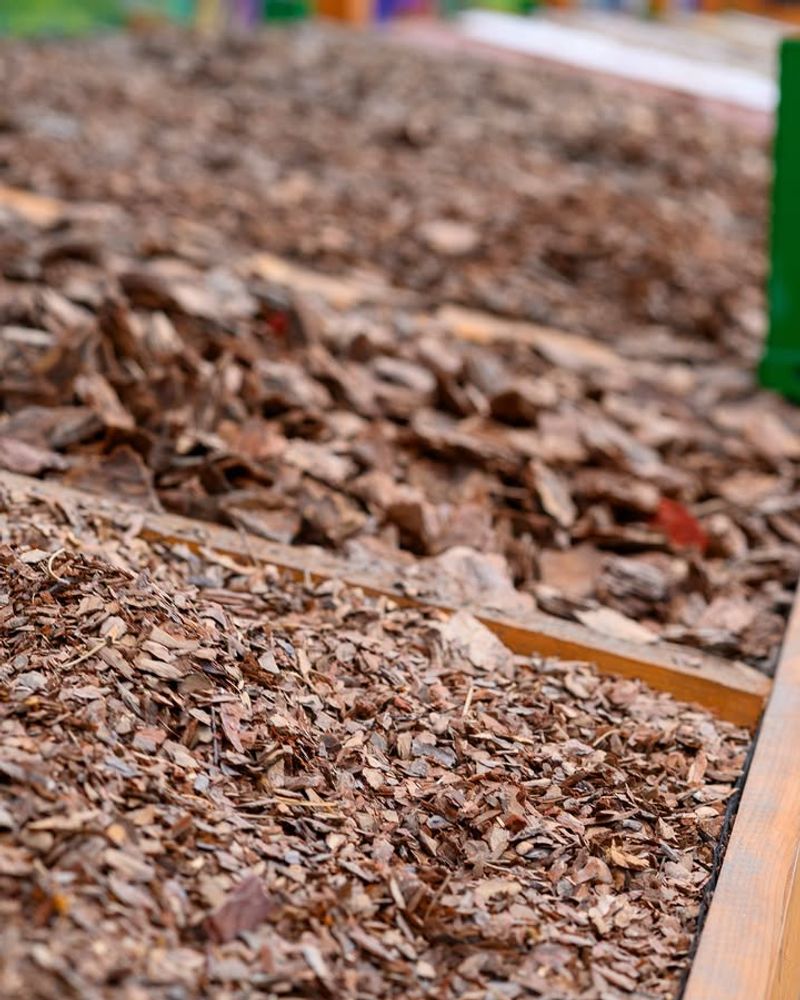
Beyond mixing it into soil, leaf mold makes an excellent surface mulch that protects plants and conserves moisture.
Apply a two to three-inch layer of leaf mold around vegetables, flowers, shrubs, and trees, keeping it a few inches away from plant stems.
This mulch layer suppresses weed growth by blocking light from reaching weed seeds in the soil below.
During Wisconsin’s hot, dry summer periods, leaf mold mulch reduces water evaporation, meaning you’ll need to irrigate less frequently.
As rain and irrigation water pass through the leaf mold layer, they carry small amounts of nutrients down to plant roots.
The mulch also moderates soil temperature, keeping roots cooler in summer and providing some insulation during Wisconsin’s harsh winters.
Unlike wood chip mulches, leaf mold breaks down relatively quickly, continuously improving your soil as it decomposes.
Replenish your leaf mold mulch layer each spring or fall as the previous layer integrates into the soil.
This dual-purpose use—both as amendment and mulch—makes leaf mold incredibly valuable for Wisconsin gardeners working to build healthier garden ecosystems.
Improve Container Garden Soil With Leaf Mold
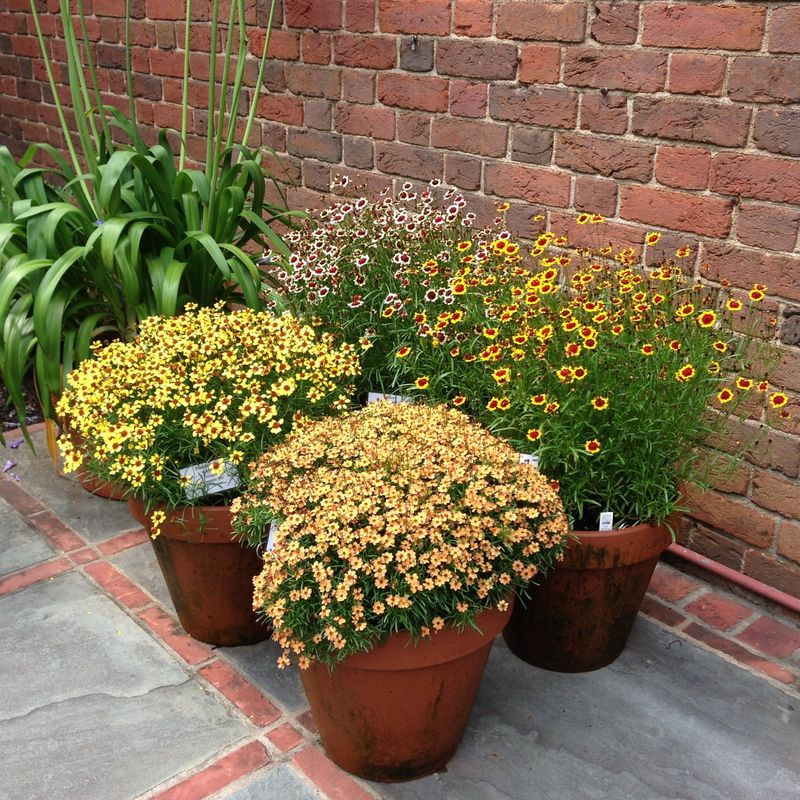
Container gardens benefit tremendously from the water-retention properties that leaf mold provides.
Mix leaf mold into your potting soil at a ratio of about one part leaf mold to four parts potting mix for most plants.
This addition helps containers retain moisture longer, reducing how often you need to water during Wisconsin’s warm summer months.
The improved moisture retention is especially helpful for patio containers and hanging baskets that dry out quickly.
Leaf mold also provides beneficial fungi and microorganisms that support healthy root development in confined container spaces.
For larger containers like half-barrels or big decorative pots, you can increase the leaf mold ratio slightly for even better results.
Wisconsin gardeners growing vegetables in containers will notice improved plant vigor and more consistent production when leaf mold is included.
Replace or refresh container soil each spring, always incorporating fresh leaf mold into your new potting mix.
This simple addition transforms ordinary potting soil into a rich growing medium that supports robust plant growth throughout the season.
Store Extra Leaf Mold For Future Use
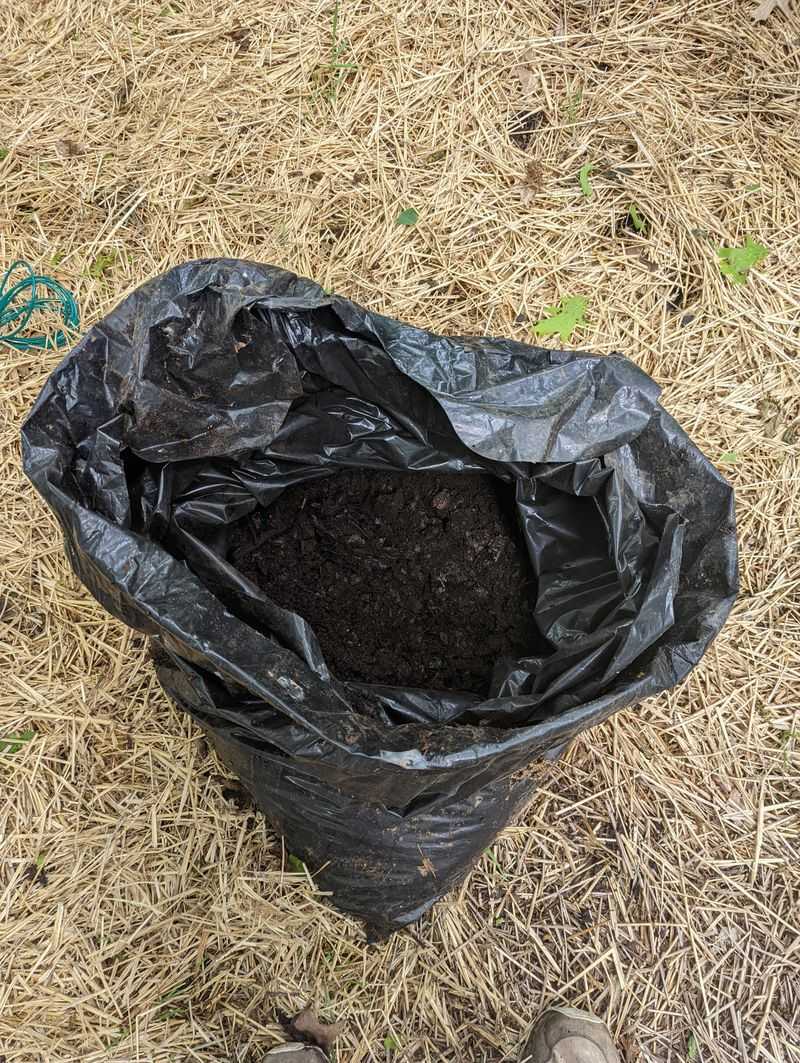
Once your leaf mold is finished, you might have more than you can use immediately, and that’s a wonderful problem to have.
Store excess leaf mold in large plastic bins, old trash cans with lids, or heavy-duty garbage bags.
Keep stored leaf mold in a shaded area like a garage, shed, or under a tarp to prevent it from drying out completely.
Properly stored leaf mold remains usable for several years, though it’s best to use it within two years for maximum benefit.
Check stored leaf mold occasionally and add a little water if it becomes bone dry, as some moisture helps preserve its structure.
Having a stockpile means you can amend new garden beds anytime or share this valuable resource with fellow Wisconsin gardeners.
Many community gardens and gardening clubs organize leaf mold sharing programs where members exchange or donate surplus materials.
Label your storage containers with the date the leaf mold was finished so you know which batches to use first.
This stored treasure gives you gardening flexibility and ensures you’re never without this valuable soil amendment when you need it.