How To Save Overwatered Houseplants In New York Apartments This Winter
Winter in New York apartments can be tough on houseplants, especially when overwatering becomes a problem.
The combination of dry indoor heating and reduced sunlight often confuses plant owners, leading them to water more than necessary.
Overwatered plants can develop root rot, yellowing leaves, and stunted growth, but the good news is that most can be saved with the right approach.
Understanding how to rescue your green friends during the cold months will keep your indoor garden thriving all season long.
Stop Watering Immediately And Assess The Damage
Once you notice signs of overwatering, the first step is to put down that watering can and take a good look at your plant.
Check the soil by sticking your finger about two inches deep to feel if it’s soggy or waterlogged.
Look at the leaves for yellowing, wilting, or a mushy texture, which are telltale signs of too much moisture.
In New York apartments during winter, the heating system can create misleading conditions that make you think plants need more water when they actually need less.
Roots sitting in wet soil for too long can suffocate because they need oxygen to survive.
Take note of any foul smell coming from the soil, as this indicates root rot has likely started.
Remove any standing water from saucers or trays beneath the pot immediately.
This pause gives you time to evaluate the severity and plan your next steps.
Remember that plants in winter enter a dormant or slower growth phase, so they naturally require less water.
By stopping the watering cycle right away, you prevent further damage and give your plant a fighting chance to recover.
Remove The Plant From Its Pot To Inspect Roots
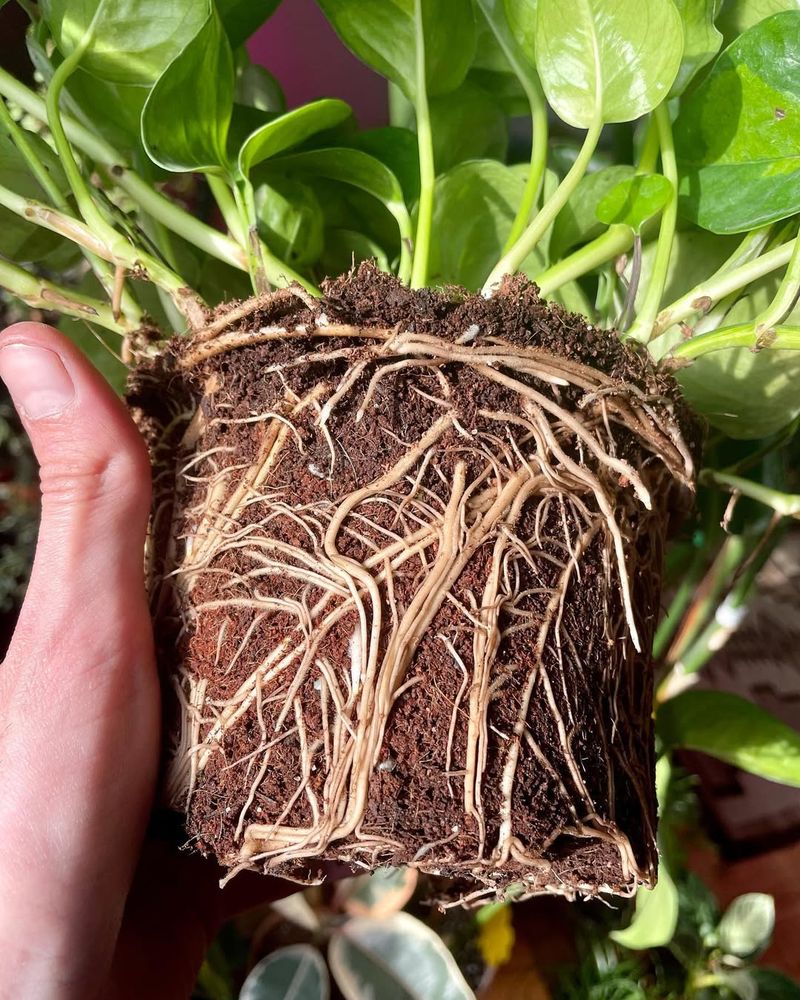
Carefully take your plant out of its container to get a clear view of what’s happening below the surface.
Gently turn the pot on its side and slide the plant out, supporting the base of the stem to avoid breakage.
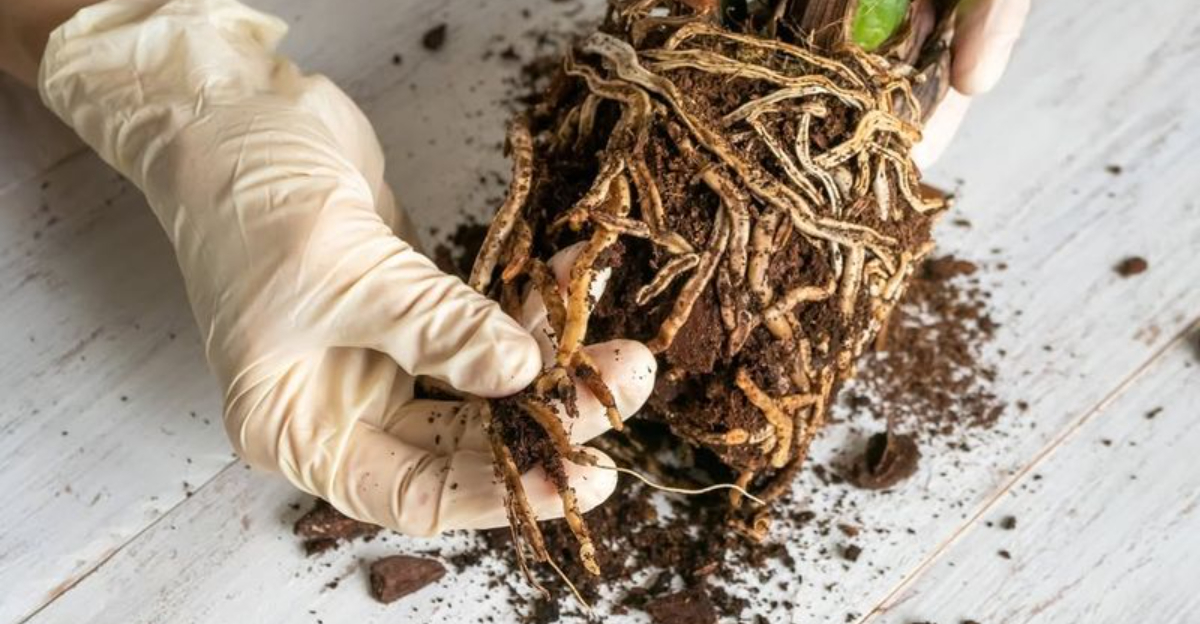
Healthy roots should be white or light tan and firm to the touch, while overwatered roots often appear brown, black, or mushy.
If you notice a slimy texture or a rotten smell, root rot has set in and needs immediate attention.
New York apartment dwellers often keep plants in decorative pots without drainage, which can worsen overwatering issues during winter months.
Examining the roots helps you understand how serious the problem is and whether you need to trim away damaged sections.
Use your hands to gently shake off excess soil so you can see the entire root system clearly.
This inspection is crucial because it determines your next course of action, whether that’s repotting, pruning, or simply letting the roots dry out.
Don’t rush this step, as a thorough examination ensures you address all the problem areas.
Taking the plant out also allows air to reach the roots, which is the first step toward recovery.
Trim Away Rotted And Damaged Root Sections
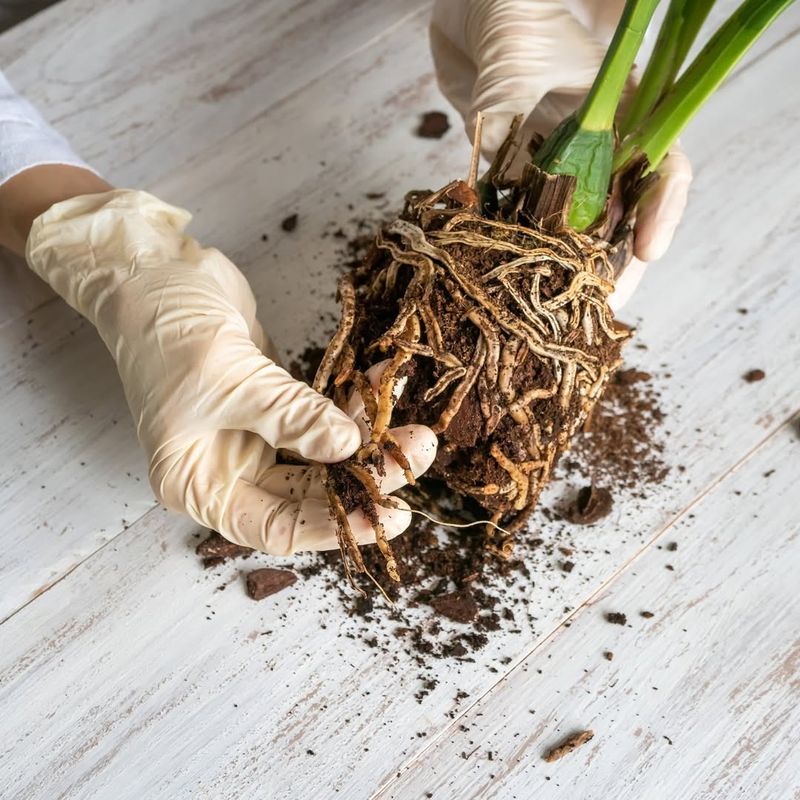
Using clean, sharp scissors or pruning shears, carefully cut away any roots that look brown, black, or feel mushy.
Your New York Garden Changes Every Week. Your Plan Should Too.
Gardening in New York changes quickly throughout the season. Every Friday you’ll receive a simple weekly plan showing exactly what to plant, prune, fertilize, harvest, and protect so you never miss the right timing.
Rotted roots cannot recover and will only spread decay to healthy parts if left untouched.
Make your cuts just above the damaged area, removing all the compromised tissue to prevent further infection.
Sterilize your cutting tool with rubbing alcohol before and after use to avoid introducing new problems.
In the tight quarters of a New York apartment, it’s easy to overlook tool cleanliness, but this step is essential for plant health.
After trimming, you should be left with only firm, healthy roots that have a better chance of recovering.
Don’t worry if you have to remove a significant portion, as plants are surprisingly resilient and can regrow roots under the right conditions.
Dispose of the trimmed roots in the trash rather than composting them, since they may carry harmful bacteria or fungi.
Rinse the remaining healthy roots gently with lukewarm water to remove any lingering soil that might harbor pathogens.
This pruning process gives your plant a fresh start and prevents the rot from spreading during the winter recovery period.
Let The Roots Dry Out Before Repotting
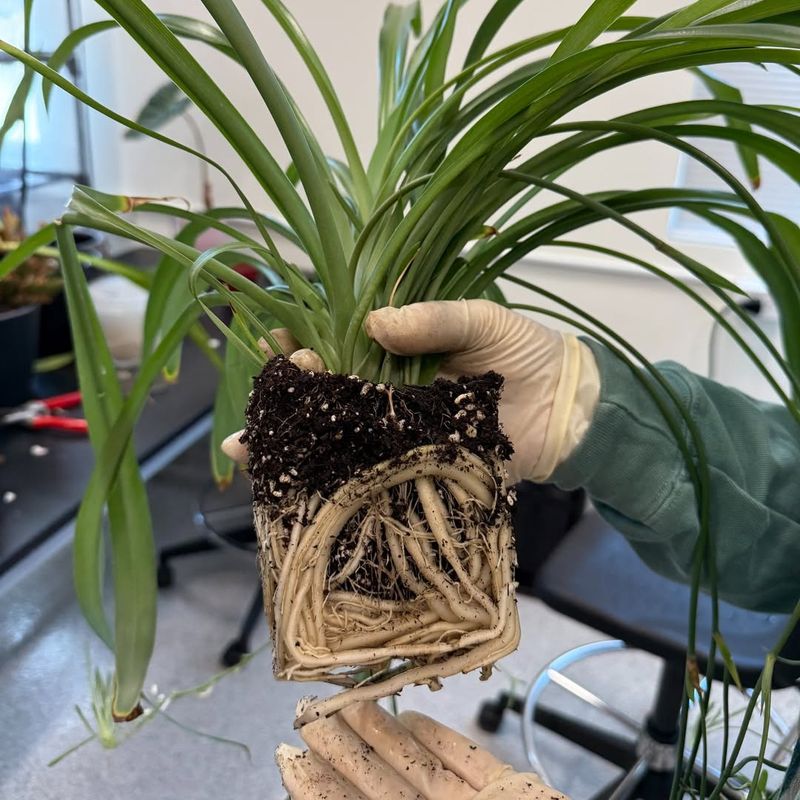
After trimming, give the roots time to air out and dry before putting the plant back into soil.
Lay the plant on a clean towel or newspaper in a spot with good air circulation, away from direct heat sources.
This drying period can last anywhere from a few hours to overnight, depending on how waterlogged the roots were.
New York apartments with radiator heating can actually help speed up this process, but don’t place the plant directly on or near the radiator.
Allowing the roots to dry helps prevent further rot and gives any cut surfaces time to callous over, which protects against infection.
You might notice the plant looks a bit wilted during this time, but that’s normal and temporary.
Keep the plant in a room with moderate temperature and avoid placing it in a dark closet or overly humid bathroom.
Check the roots periodically by gently touching them to see if they feel dry to the touch.
This waiting period is essential because replanting wet roots into fresh soil can just restart the overwatering problem.
Patience here pays off, as properly dried roots have a much better chance of thriving once repotted.
Choose A Well-Draining Potting Mix For Repotting
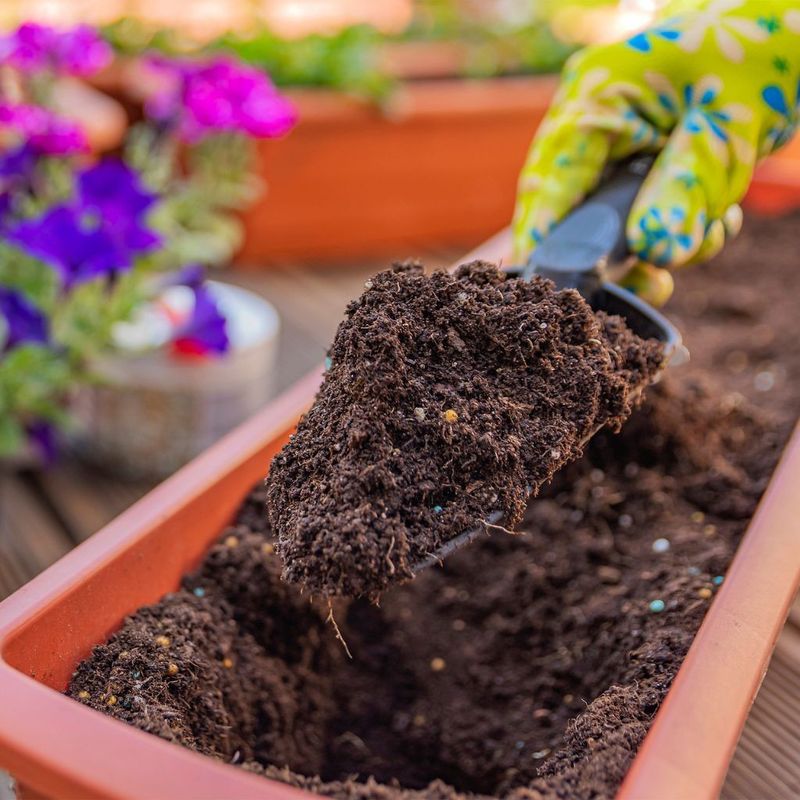
Selecting the right soil is critical when repotting an overwatered plant, as heavy, moisture-retaining mixes will only repeat the problem.
Look for potting mixes labeled as well-draining or formulated for succulents and cacti, which contain ingredients like perlite, coarse sand, or bark.
These components create air pockets in the soil, allowing excess water to drain away quickly and giving roots the oxygen they need.
In New York apartments during winter, when natural evaporation is slower, a fast-draining mix becomes even more important.
You can also create your own blend by mixing regular potting soil with perlite or pumice in a two-to-one ratio.
Avoid using garden soil or dense topsoil, as these can compact easily and hold too much moisture indoors.
Check that your chosen mix feels light and fluffy when you squeeze it, rather than clumping together.
A good soil mix should allow water to flow through quickly when you water, not sit on the surface or pool at the bottom.
Using the right medium gives your recovering plant the best environment to rebuild healthy roots.
This simple change can make all the difference in preventing future overwatering issues.
Select A Pot With Proper Drainage Holes
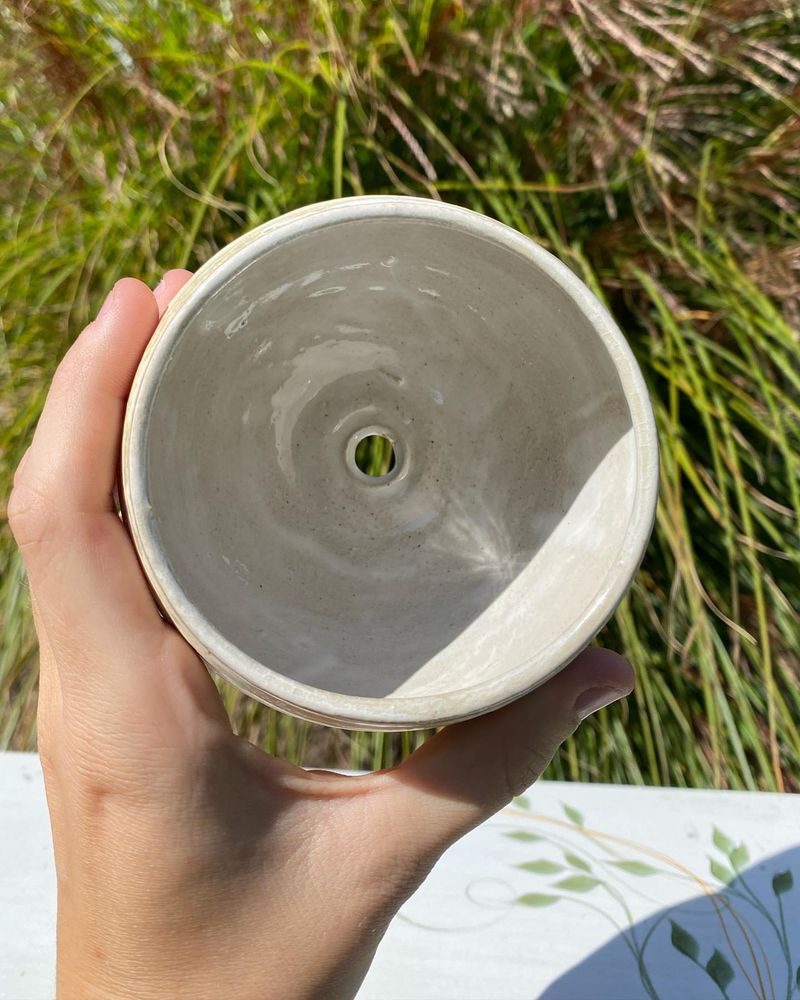
A container with drainage holes at the bottom is non-negotiable when it comes to preventing overwatering problems.
These holes allow excess water to escape, ensuring that roots never sit in standing water.
Many decorative pots sold in New York stores lack drainage, which looks nice but creates a recipe for root rot.
If you love a particular pot without holes, use it as a decorative outer sleeve and keep your plant in a smaller nursery pot with drainage inside.
Terracotta pots are excellent choices because they’re porous and allow moisture to evaporate through the sides as well as the bottom.
Plastic pots work fine too, as long as they have adequate drainage and you’re careful not to overwater.
Make sure the drainage holes aren’t blocked by placing a piece of mesh or a coffee filter over them before adding soil.
In winter, when plants use less water, proper drainage becomes even more crucial in New York apartments with dry heating.
Always place a saucer underneath to catch draining water, but empty it within an hour after watering.
Choosing the right pot is a simple fix that can save you from future plant emergencies.
Adjust Your Watering Schedule For Winter Conditions
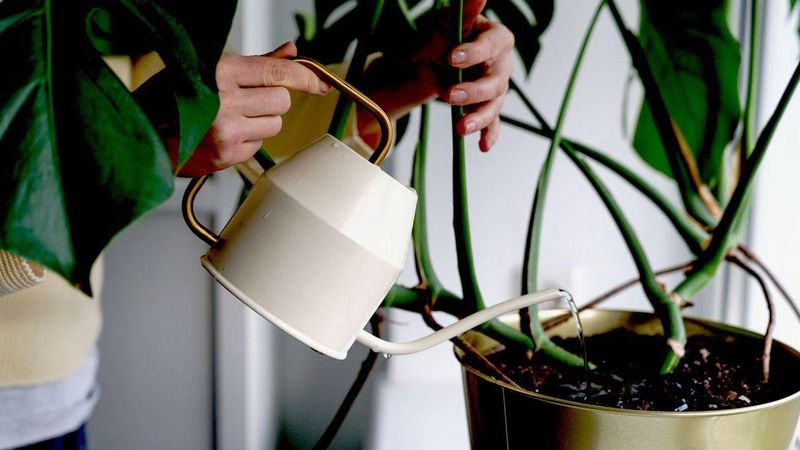
Winter changes everything when it comes to watering houseplants, especially in New York apartments where heating systems run constantly.
Most plants enter a dormant or semi-dormant phase during the colder months, meaning they grow slower and need significantly less water.
Instead of watering on a fixed schedule, check the soil moisture before each watering by sticking your finger two inches deep.
Water only when the top layer feels completely dry, and even then, use less water than you would during spring or summer.
The dry indoor air in New York apartments can make the soil surface look dry while deeper layers remain moist, so always check below the surface.
Reduce watering frequency by about half compared to your summer routine, and monitor your plants for signs of thirst like slightly drooping leaves.
Keep in mind that different plants have different needs, so research your specific varieties to understand their winter requirements.
Overwatering in winter is one of the most common mistakes because the slower evaporation rate means soil stays wet much longer.
By adjusting your schedule, you work with your plant’s natural rhythm rather than against it.
This simple shift in approach can prevent most overwatering problems before they start.
Improve Air Circulation Around Your Plants
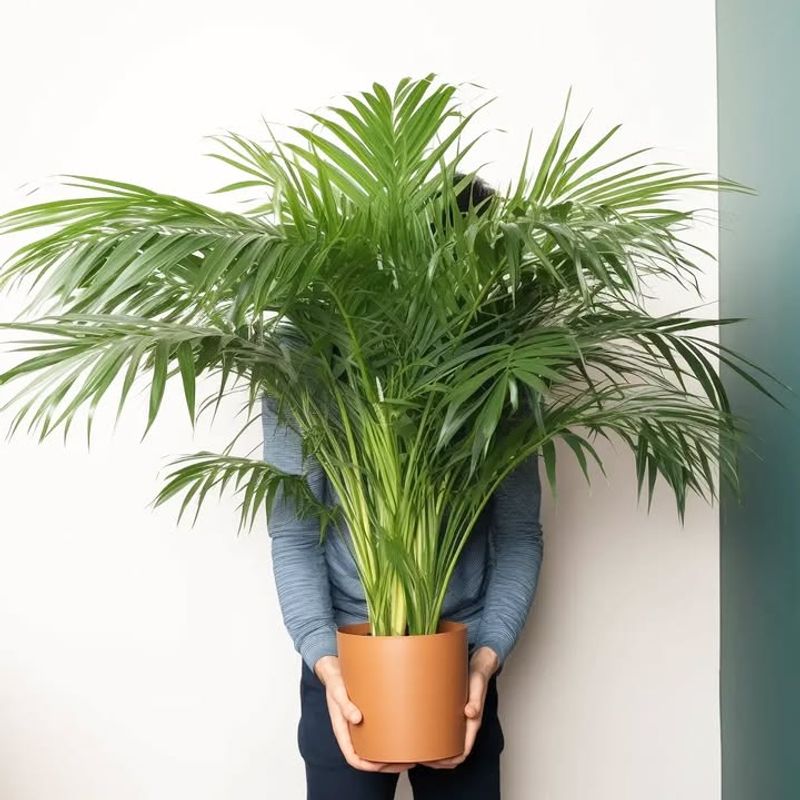
Good air movement helps soil dry out at a healthy rate and prevents the stagnant, humid conditions that encourage root rot and fungal growth.
In cramped New York apartments, plants often end up crowded together or pushed into corners where air barely moves.
Position your plants where they can benefit from natural air currents, such as near doorways or in rooms where people move around frequently.
A small fan set on low speed can work wonders for improving circulation, especially in rooms that tend to feel stuffy.
Just make sure the fan isn’t blowing directly on your plants, as this can dry them out too quickly or damage delicate leaves.
Opening windows for a few minutes each day, even in winter, can refresh the air and help regulate humidity levels in your New York apartment.
Avoid placing plants in enclosed spaces like closed cabinets or terrariums if they’re recovering from overwatering.
Space plants a few inches apart on shelves or windowsills so air can flow between them freely.
Better circulation also helps prevent pest problems, which can take advantage of weak, overwatered plants.
This often-overlooked factor plays a huge role in helping your plants bounce back from too much water.
Monitor Humidity Levels In Your Apartment
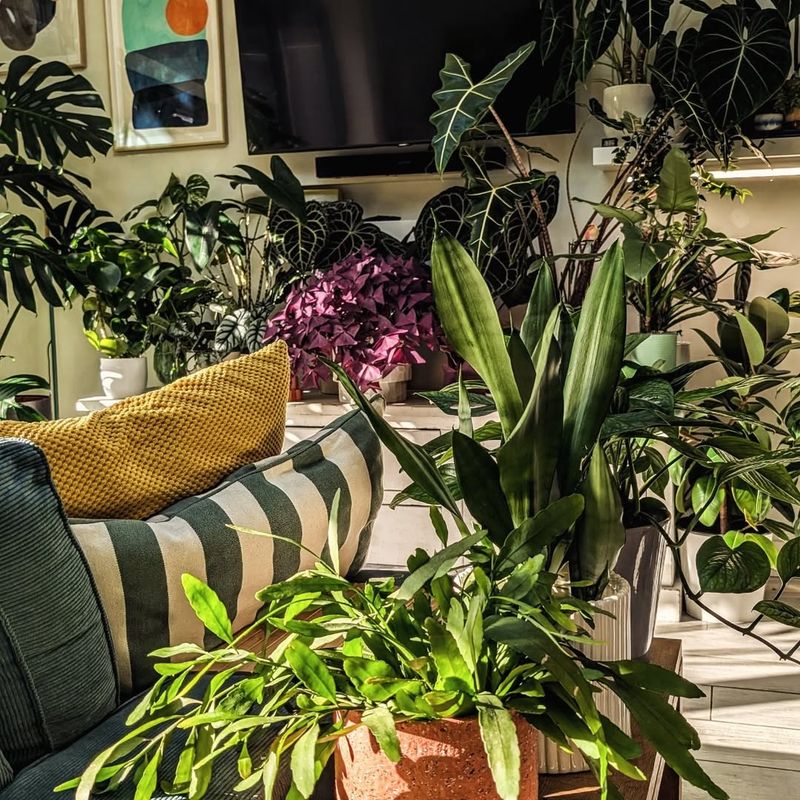
Understanding the humidity in your living space helps you make better decisions about watering and plant care during winter months.
New York apartments with central heating or radiators typically have very low humidity, often dropping below thirty percent.
While this might seem like it would help dry out overwatered plants, it can actually cause confusion about when to water next.
A simple digital hygrometer costs less than fifteen dollars and gives you accurate readings of your indoor humidity levels.
Most houseplants prefer humidity between forty and sixty percent, but can adapt to slightly drier conditions if watered properly.
If your apartment is extremely dry, your plant’s leaves might show stress even while the soil remains too wet, creating mixed signals.
Using a pebble tray with water under the pot can add localized humidity without adding water directly to the soil.
Group plants together to create a microclimate where they naturally increase humidity around each other through transpiration.
Avoid misting overwatered plants, as this adds surface moisture without addressing the root problem and can promote fungal issues.
Knowing your humidity levels helps you understand your plant’s overall environment and adjust care accordingly in your New York space.
Watch For Signs Of Recovery And Adjust Care
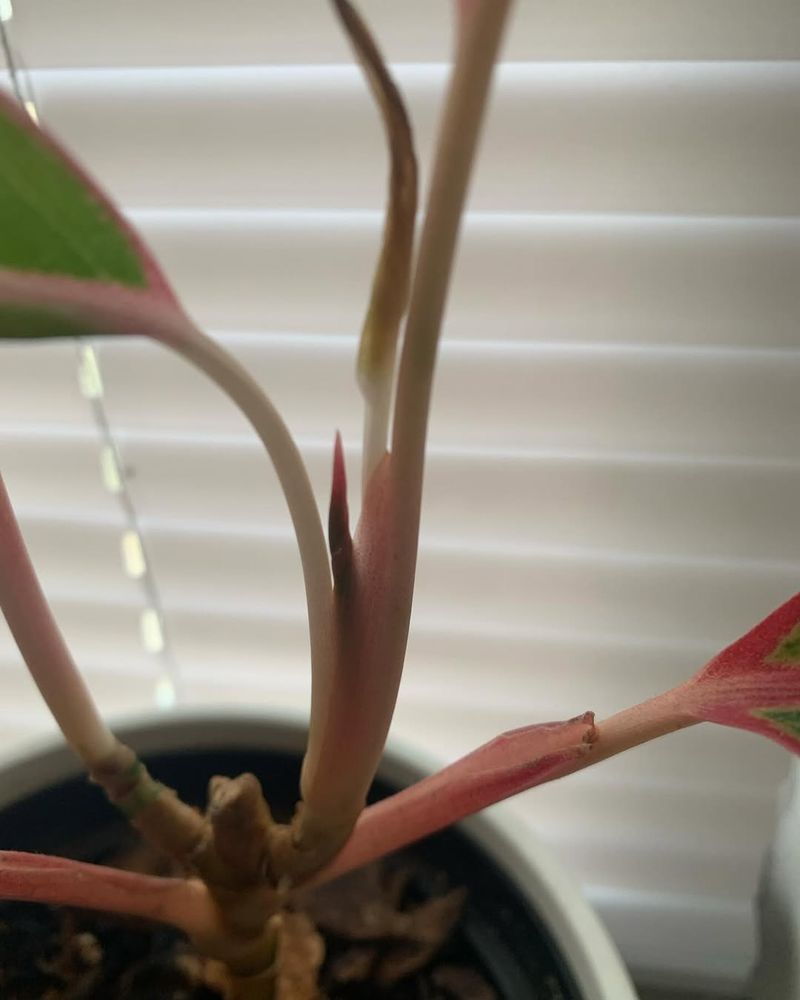
After implementing rescue measures, keep a close eye on your plant for positive changes that indicate it’s bouncing back.
New growth is the best sign of recovery, whether that’s fresh leaves, stronger stems, or visible root development if you check the drainage holes.
Leaves should gradually return to their normal color and firmness, though damaged leaves may never fully recover and can be trimmed away.
In New York apartments during winter, recovery can take several weeks because plants grow slowly in reduced light and cooler temperatures.
Continue checking soil moisture regularly and resist the urge to overcompensate by watering too frequently out of concern.
If you notice continued decline despite your efforts, you may need to repeat the root inspection and trimming process.
Keep a simple journal noting when you water and any changes you observe, which helps you spot patterns and avoid repeating mistakes.
Some plants may drop a few leaves during recovery, which is normal as they redirect energy to rebuilding their root system.
Avoid fertilizing until you see consistent new growth, as stressed plants can’t process nutrients properly.
Patience is essential, but with proper care and attention, most overwatered houseplants can make a full comeback and thrive through winter.