How To Build A Winter Indoor Plant Shelf In New Jersey Homes
Winter knocks on New Jersey doors with a frosty fist, yet many homes still crave a dash of green.
An indoor plant shelf steps up as the ace in the hole, a feature that flips cold months on their head and turns any room into a quiet sanctuary.
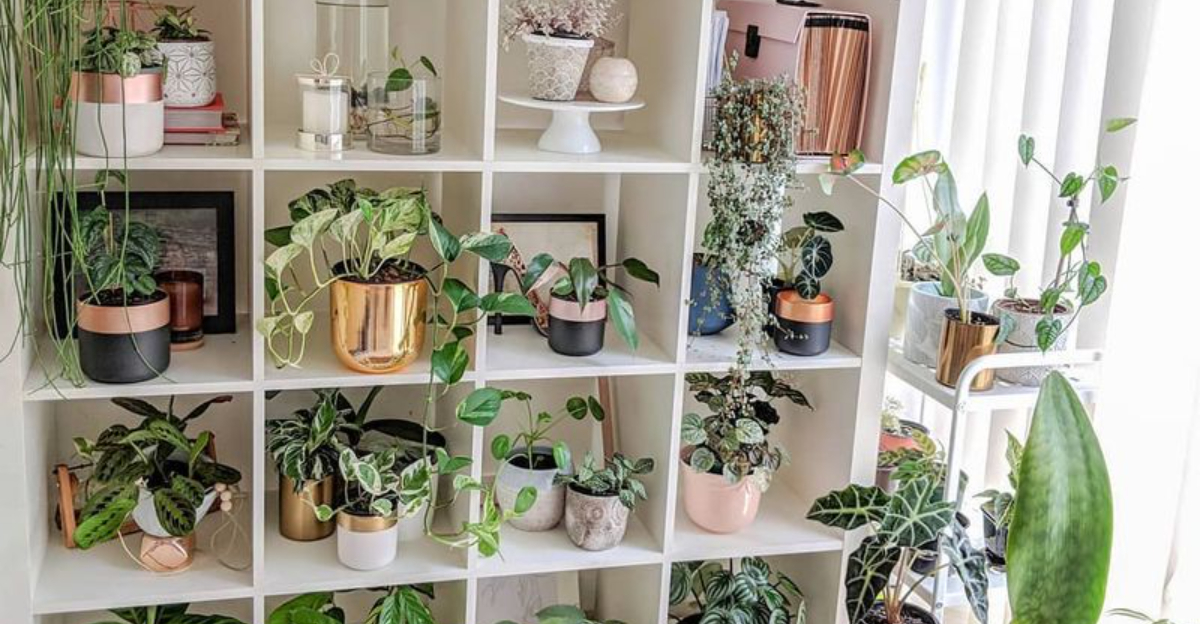
A single wall shifts from dull to dazzling as pots rise in tidy tiers, each one alive with color and attitude.
Neighbors walk in and spot a setup that hits the bull’s-eye for style, function, and sheer morale.
A proper shelf also answers a deeper call: a desire for life that refuses to bow to gray skies or short days.
New Jersey residents understand that a clever layout can punch far above its weight, and a well-placed plant nook proves it.
Once the shelf stands firm, the house gains a fresh heartbeat, a hint of spring that refuses to slip away, snow or no snow.
Choose The Right Location Near Windows
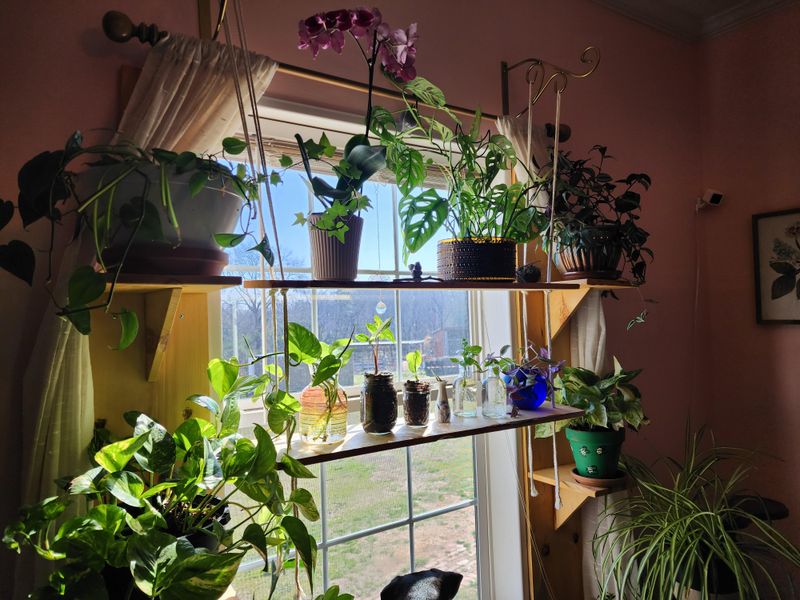
Natural light becomes precious during New Jersey winters when days grow shorter and clouds often block the sun.
Your plant shelf needs a spot that gets as much natural brightness as possible throughout the day.
South-facing windows work best because they receive the most consistent sunlight, even during December and January.
East-facing windows provide gentle morning light that many plants love, while west-facing windows offer strong afternoon rays.
North-facing windows give the least light, so avoid them unless you plan to add grow lights.
Measure the distance from your chosen window to where the shelf will stand.
Plants should sit within three to five feet of the window for optimal light exposure.
Check for drafts by holding your hand near the window on a cold day.
Cold air sneaking through cracks can harm tropical plants even if the room feels warm.
Consider the view from outside too—you want your plant display visible from both inside and outside your home.
Also think about foot traffic patterns in the room.
You need easy access to water and care for your plants without bumping into furniture.
Temperature stability matters just as much as light.
Avoid spots near heating vents that blast hot, dry air directly onto plants.
The ideal location balances brightness with consistent, moderate temperatures throughout winter months.
Select Sturdy Materials That Handle Moisture
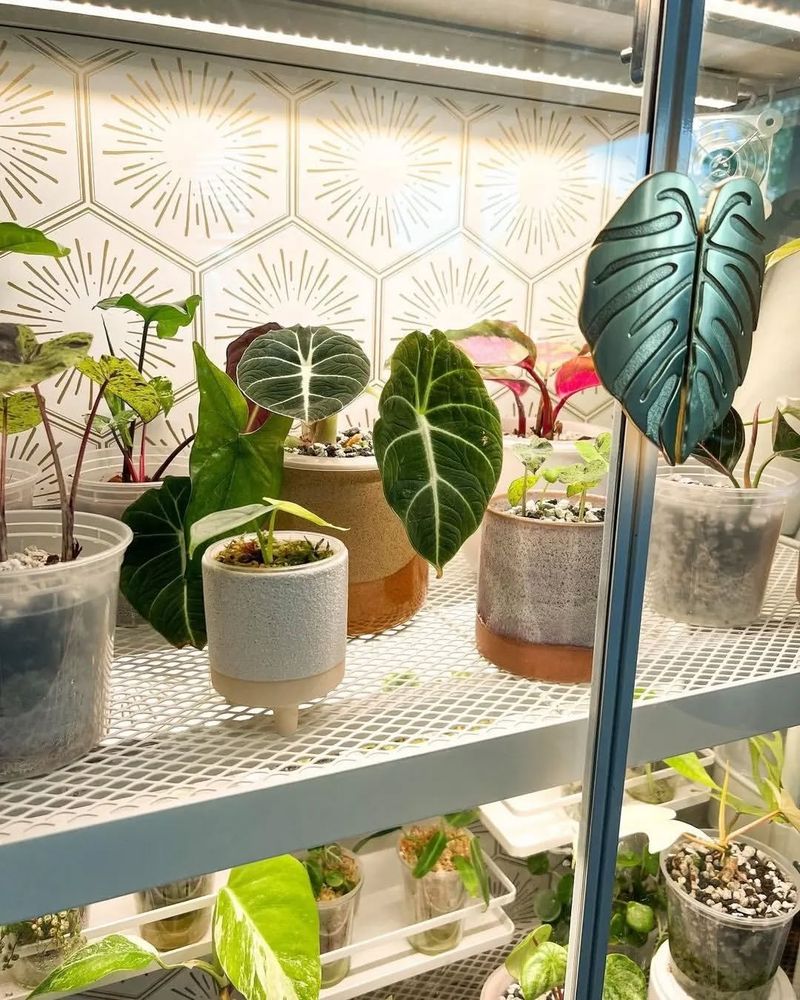
Water spills happen when you care for plants, so your shelf materials must withstand moisture without warping or rotting.
Solid wood looks beautiful but needs proper sealing to protect it from water damage.
Pine and cedar are affordable options, while oak and maple offer superior durability.
Apply several coats of polyurethane or water-resistant sealant to all wood surfaces before assembly.
Pay special attention to the top surfaces where plant pots will sit.
Metal shelving units resist moisture naturally and come in various styles from industrial to modern.
Powder-coated steel or aluminum won’t rust even with regular water exposure.
Plastic shelving works well too, especially in humid environments, though it may not look as elegant as wood or metal.
Your New Jersey Garden Changes Every Week. Your Plan Should Too.
Gardening in New Jersey changes quickly throughout the season. Every Friday you’ll receive a simple weekly plan showing exactly what to plant, prune, fertilize, harvest, and protect so you never miss the right timing.
Consider mixing materials—metal frames with wooden shelves create an attractive combination.
Brackets and supports need equal attention to moisture resistance.
Galvanized or stainless steel hardware won’t corrode over time.
Avoid particle board or MDF unless it’s specifically rated for moisture exposure, as these materials swell and crumble when wet.
Glass shelves offer a modern look and handle water perfectly, but they require strong supports due to weight.
Think about adding a waterproof tray or liner on each shelf level.
This extra protection catches drips and makes cleanup much easier after watering sessions.
Install Proper Grow Lights For Winter Darkness
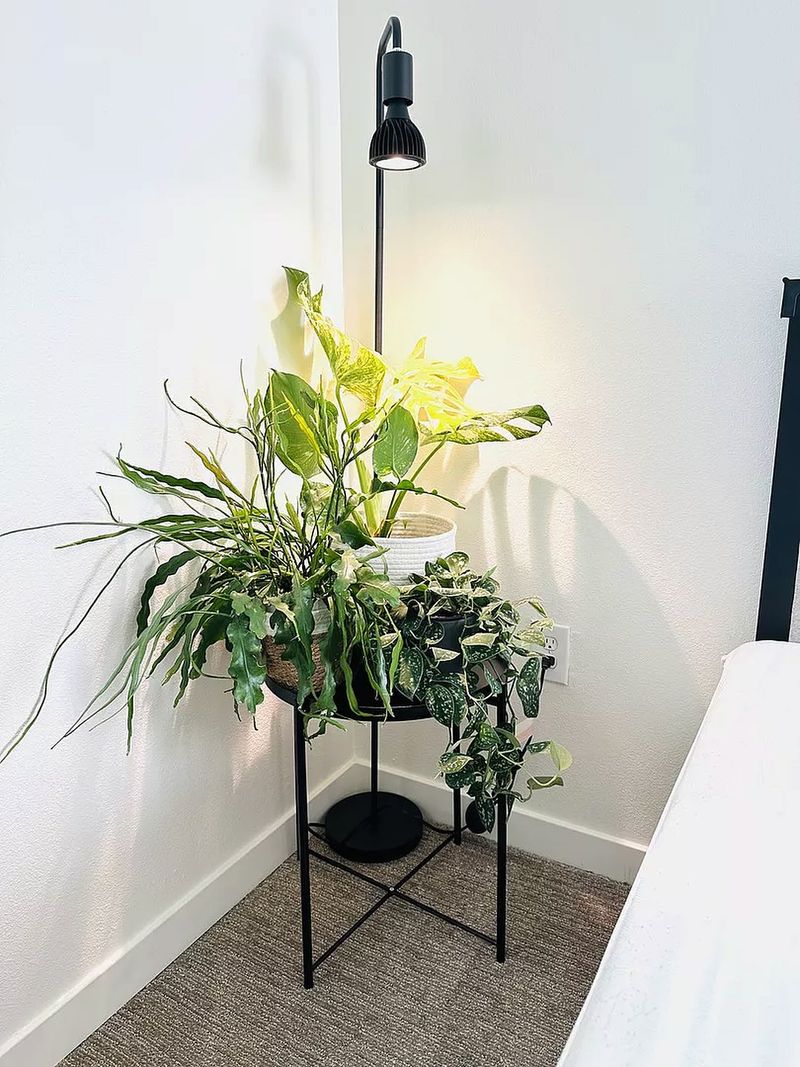
New Jersey winters bring short days and long nights, which means your plants won’t get enough natural light even near windows.
Grow lights supplement sunlight and keep plants healthy when outdoor conditions turn gloomy.
LED grow lights work best because they produce little heat, use less electricity, and last for years.
Full-spectrum LEDs mimic natural sunlight and support all stages of plant growth.
Mount lights on the underside of each shelf level so they shine down on the plants below.
Adjustable fixtures let you change the height as your plants grow taller.
Position lights six to twelve inches above plant tops for most species.
Leafy greens and herbs need lights closer, while succulents can handle more distance.
Set up a timer to run your grow lights for twelve to sixteen hours daily.
This schedule mimics spring and summer day lengths, keeping plants in active growth mode.
Purple-tinted lights look dramatic but full-spectrum white lights appear more natural in your living space.
Calculate the wattage needed based on shelf size—aim for twenty to forty watts per square foot.
String lights together with extension cords, but avoid overloading electrical outlets.
Consider smart plugs that let you control lights from your phone.
Good lighting transforms a simple shelf into a thriving indoor garden that brightens both your plants and your winter mood.
Create Multiple Levels For Different Plant Heights
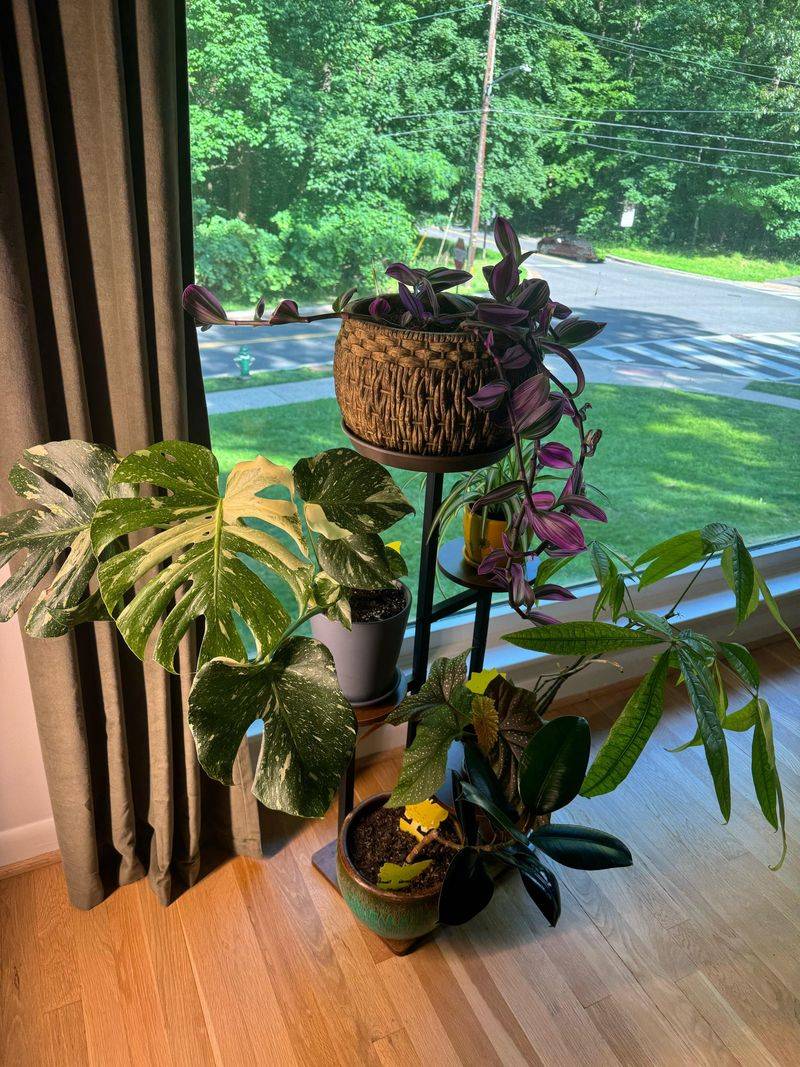
Plants come in various sizes, from tiny succulents to tall ferns, and your shelf design should accommodate this diversity.
Multiple levels maximize vertical space, especially important in smaller New Jersey apartments and townhomes.
Start by measuring your tallest plants to determine how much clearance each level needs.
Most houseplants do well with twelve to eighteen inches of vertical space between shelves.
Trailing plants like pothos or string of pearls need more room to cascade downward.
Place these on higher shelves where their vines can hang freely without touching lower levels.
Compact plants such as African violets or small cacti fit perfectly on narrower shelves with less clearance.
Consider making your bottom shelf taller to hold statement plants or decorative pots.
Adjustable shelving systems offer flexibility as your plant collection changes over time.
Ladder-style shelves create a tiered effect that looks attractive and provides easy access to all plants.
Each level should be deep enough to hold pots securely—eight to twelve inches works for most containers.
Think about weight distribution too.
Heavier pots filled with wet soil belong on lower, sturdier shelves.
Lighter plants can go higher up without stressing the structure.
Stagger plant heights within each level to create visual interest and ensure every plant gets adequate light exposure from windows or grow lights.
Add Humidity Trays To Combat Dry Indoor Air
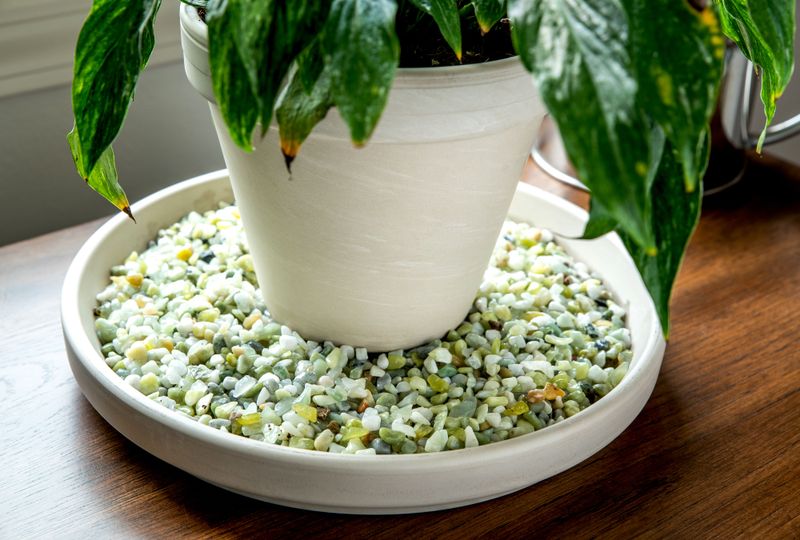
Winter heating systems in New Jersey homes create desert-like conditions that stress tropical plants.
Humidity trays are simple solutions that increase moisture in the air around your plants.
These trays consist of shallow containers filled with pebbles or gravel and water.
Plant pots sit on top of the pebbles, elevated above the water line.
As water evaporates, it creates a humid microclimate around the plants.
This method works especially well for ferns, orchids, and calatheas that crave moisture.
You can buy decorative humidity trays or make your own from waterproof saucers and aquarium gravel.
Each shelf level should have its own tray system sized to fit the available space.
Group plants with similar humidity needs together on the same tray for efficiency.
Refill trays weekly as water evaporates, but never let pot bottoms sit directly in water.
This causes root rot and other problems.
Clear or colored glass pebbles add a decorative touch while serving a practical purpose.
Some gardeners use sphagnum moss instead of pebbles for a more natural look.
The moss holds water and releases it slowly into the air.
Combining humidity trays with occasional misting creates the perfect moisture balance.
Monitor your plants for signs of proper humidity—crispy leaf edges mean air is too dry.
A small hygrometer helps you track humidity levels, aiming for forty to sixty percent for most houseplants during New Jersey winters.
Ensure Strong Support Brackets And Wall Anchors
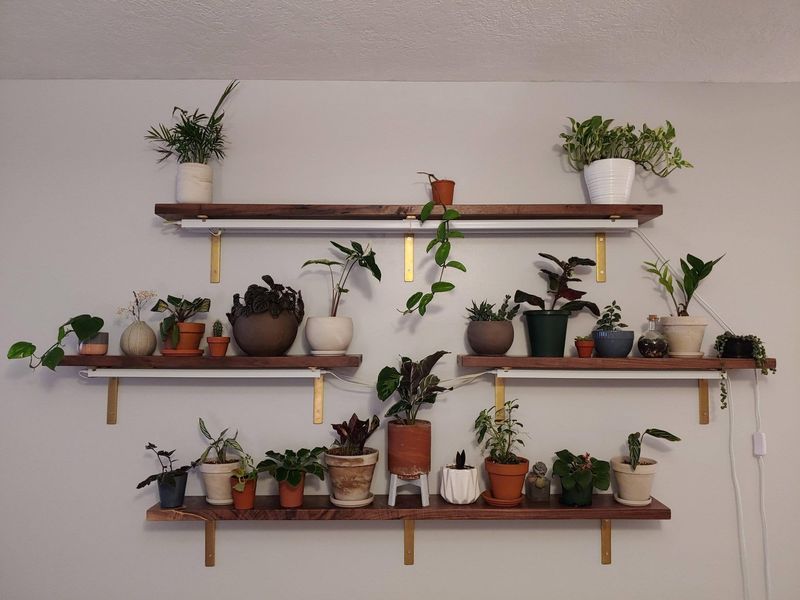
Plant-filled shelves get surprisingly heavy once you add soil, pots, water, and multiple plants.
Strong support brackets prevent disasters like collapsed shelves and broken pots.
Calculate the total weight your shelf will hold by adding up all components.
A standard ten-inch pot with soil and a plant can weigh ten to fifteen pounds when freshly watered.
Multiply that by the number of plants you plan to display, then add twenty percent for safety.
Heavy-duty metal brackets rated for at least fifty pounds each provide adequate support.
Space brackets no more than sixteen inches apart along the length of each shelf.
Longer shelves need more brackets to prevent sagging in the middle.
Wall anchors matter just as much as brackets.
Locate wall studs using a stud finder and screw brackets directly into these solid supports whenever possible.
For spots between studs, use toggle bolts or heavy-duty wall anchors designed for drywall.
Avoid basic plastic anchors—they pull out under sustained weight.
Test your installation by pressing down firmly on empty shelves before adding plants.
Any wobbling or flexing indicates insufficient support.
Consider adding decorative corbels or L-brackets that combine strength with visual appeal.
Floor-standing shelving units need wide, stable bases to prevent tipping.
Anchor tall units to walls using furniture straps for extra security.
Proper support gives you peace of mind and protects your investment in plants and materials.
Plan For Easy Watering And Drainage Access
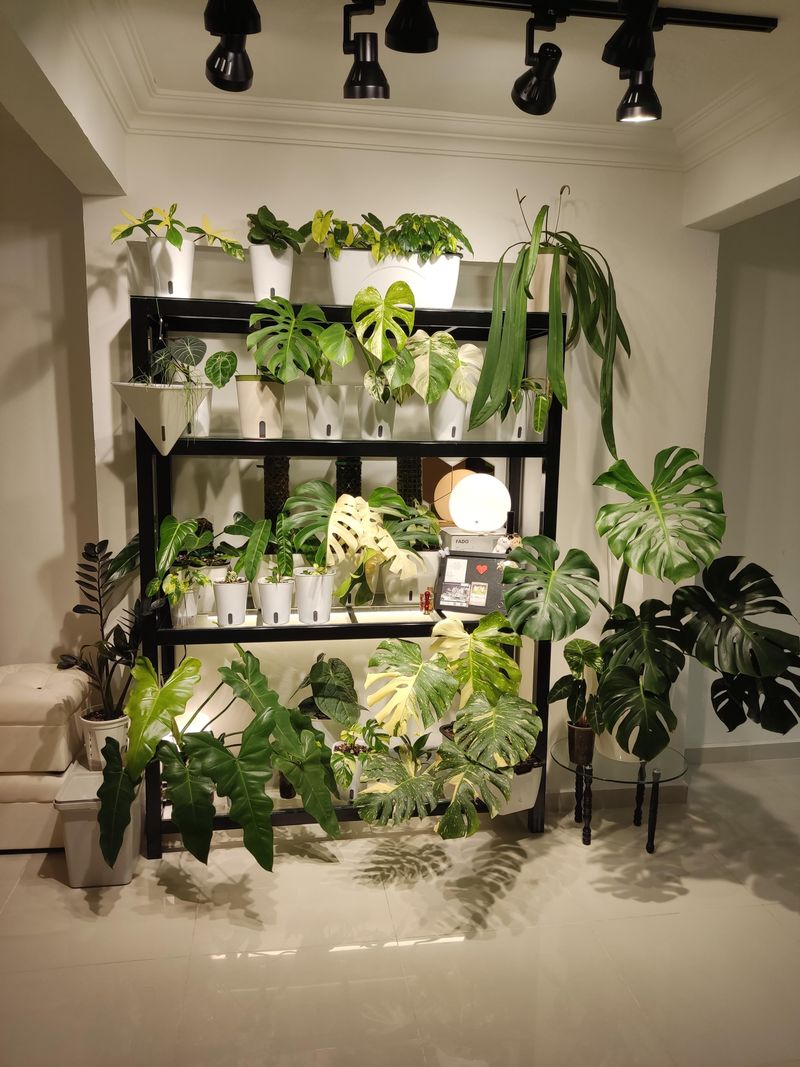
Watering indoor plants can turn messy without proper planning, especially when shelves hold many pots.
Design your shelf system with maintenance in mind from the start.
Each plant needs drainage holes in its pot to prevent root rot from excess water.
Place saucers under every pot to catch drips and protect shelf surfaces.
Clear plastic saucers work well because you can see when water accumulates and needs emptying.
Consider using pots with attached saucers or self-watering containers that reduce maintenance time.
Leave enough space between plants so you can reach each one with a watering can.
Cramped arrangements look full but make care difficult.
Keep a small watering can or bottle near the shelf for quick, easy access
Long-spouted cans help you reach back corners without disturbing other plants.
Some people install small shelves on wheels, making it easy to roll the entire unit to a sink for watering.
This approach works well for smaller displays.
Bottom watering works great for African violets and other plants that dislike wet leaves.
Fill saucers with water and let plants absorb what they need through drainage holes.
Empty excess water after thirty minutes.
Install a drip tray along the bottom shelf edge to catch any spills.
Check saucers weekly and wipe up standing water promptly.
Good drainage systems keep plants healthy and your home clean throughout the winter season.
Incorporate Decorative Elements For Visual Appeal
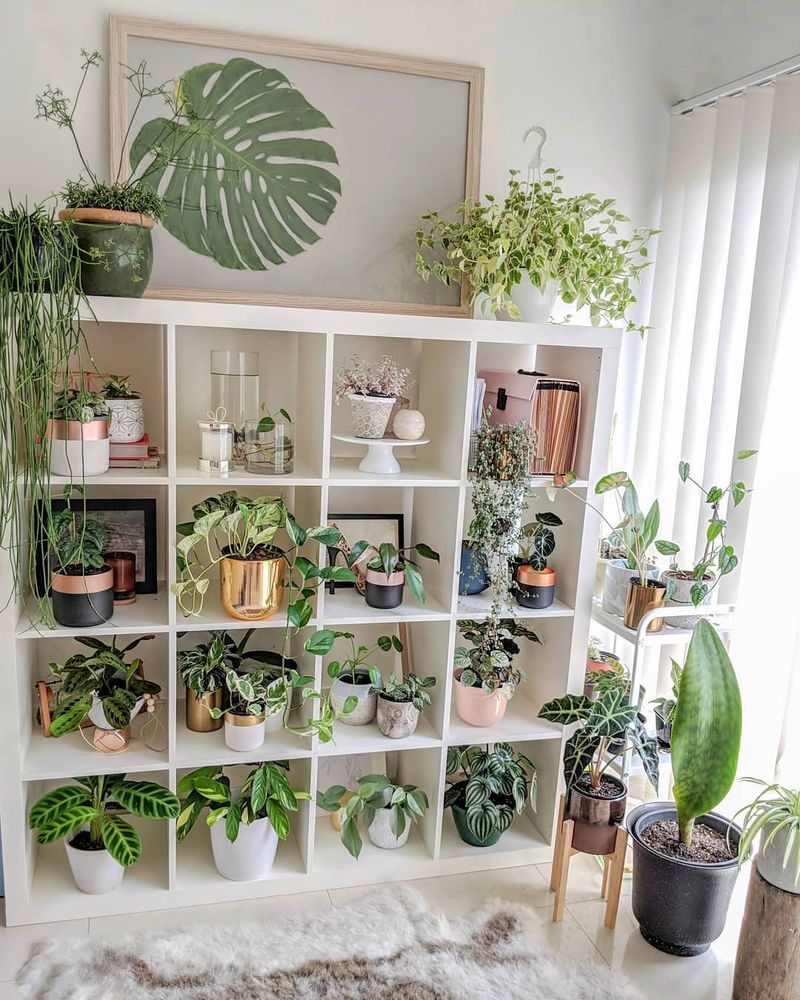
Functional plant shelves can also serve as beautiful focal points in your New Jersey home.
Decorative touches transform basic shelving into living art that enhances your winter decor.
Start by choosing a cohesive color scheme for pots and containers.
Matching ceramic pots create a clean, organized look, while mixed vintage containers add eclectic charm.
Terra cotta pots offer classic appeal and help regulate soil moisture naturally.
Paint wooden shelf edges in colors that complement your room’s palette.
Add small decorative objects between plants—smooth stones, tiny figurines, or seasonal items create visual interest.
Avoid cluttering shelves too much, as plants should remain the main attraction.
String fairy lights along shelf edges for a magical glow during dark winter evenings.
Battery-operated lights work well if electrical outlets are far away.
Use plant stands or risers to create height variations within each shelf level.
This technique makes displays more dynamic and ensures smaller plants don’t hide behind larger ones.
Consider the backdrop behind your shelves too.
A painted accent wall or removable wallpaper adds depth and makes plants pop visually.
Label plants with attractive tags if you enjoy sharing botanical knowledge with guests.
Rotate seasonal decorations around your plants—small pumpkins in fall, pine cones in winter, flowers in spring.
Keep the overall design balanced, with heavier visual elements distributed evenly across all levels.
Your plant shelf becomes a year-round source of joy and beauty.