How Wisconsin Gardeners Protect Young Trees From Winter Rodents And Damaging Sunscald
Winter in Wisconsin isn’t for the faint of heart—and young trees feel it more than anyone.
Between gnawing rodents looking for a cold-weather snack and harsh sun that cracks bark like old paint, saplings face challenges left and right.
Gardeners know that if you don’t protect young trees before winter hits, you’re asking for trouble.
Thankfully, tried-and-true methods can help safeguard trunks, roots, and bark until spring returns.
This guide dives into the smart strategies Wisconsin gardeners depend on to keep their trees standing tall, no matter how fierce the weather gets.
Guarding Against Gnawing
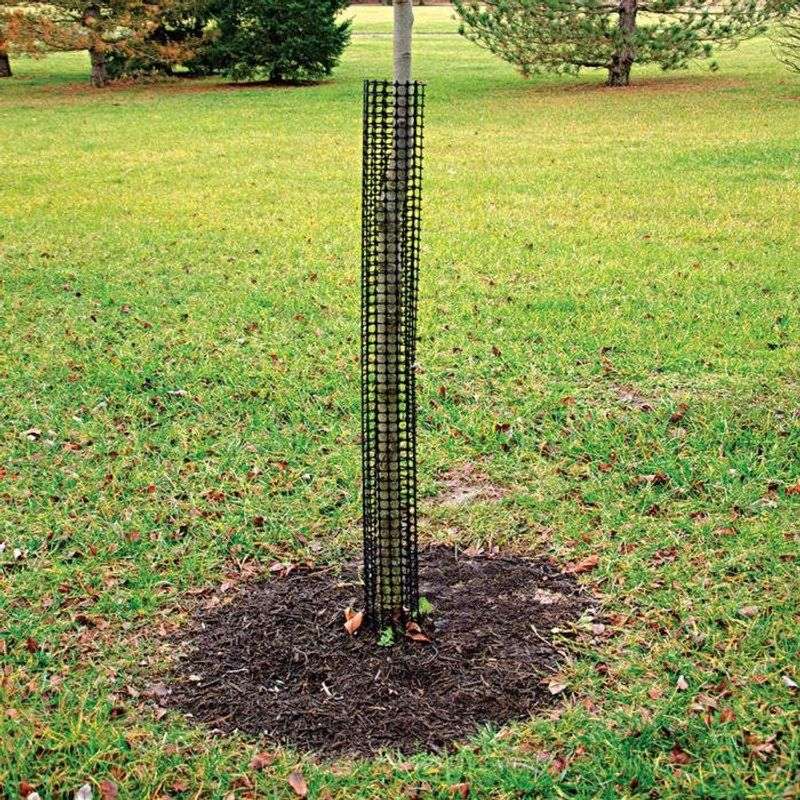
Hardware cloth creates a fortress around your young tree trunks that rodents simply cannot penetrate.
This sturdy wire mesh features small openings—usually a quarter inch—that block mice, voles, and rabbits from reaching the precious bark underneath.
Install these guards in late autumn before snow begins to accumulate, wrapping them loosely around the trunk so the tree has room to grow.
The cylinder should stand at least two feet tall and be buried a few inches into the soil to prevent tunneling critters from sneaking underneath.
Secure the mesh with zip ties or wire clips, making sure there are no gaps where a determined rodent could squeeze through.
Many Wisconsin gardeners prefer hardware cloth over plastic guards because it lasts for years, resists chewing, and allows air circulation to prevent moisture buildup.
Check your guards each month throughout winter, especially after heavy snowfall, to ensure they remain firmly in place.
This simple barrier provides peace of mind, knowing your saplings are safe from hungry visitors.
When spring arrives, you can remove or loosen the guards if you prefer, though many gardeners leave them in place year-round for ongoing protection.
Investing a few dollars in hardware cloth now saves you from heartbreak later when you discover girdled bark that threatens your tree’s future.
The Snowline Problem
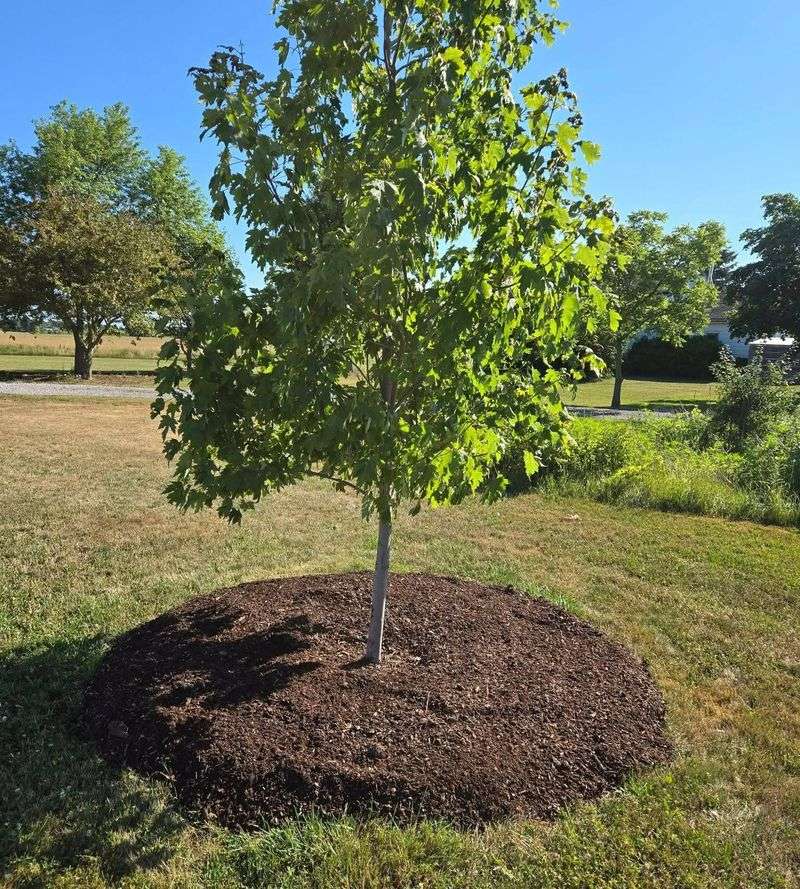
Mulch serves as a wonderful insulator for tree roots, but it can also become a cozy winter hotel for voles and mice looking for shelter.
These small rodents love to burrow through fluffy mulch piles, creating tunnels that lead them straight to your tree’s tender bark.
Wisconsin gardeners have learned to pull mulch back about four to six inches from the trunk, creating a clear zone that discourages nesting.
This simple adjustment removes the hidden highways that rodents use to approach trees undetected while still providing root insulation farther out.
Apply a two-to-three-inch layer of wood chips, shredded bark, or leaves in a donut shape around the tree, keeping that critical gap at the base.
As winter progresses and snow accumulates, this mulch-free zone becomes even more important because snow itself can act like mulch, offering rodents additional cover.
Check your mulch placement in early winter and again after any major thaw-and-freeze cycles that might shift materials around.
Some gardeners mark the proper distance with small stakes as a visual reminder of where mulch should end.
Proper mulch management balances the benefits of soil protection with the reality of rodent behavior, giving your trees the best chance at winter success.
Your Wisconsin Garden Changes Every Week. Your Plan Should Too.
Gardening in Wisconsin changes quickly throughout the season. Every Friday you’ll receive a simple weekly plan showing exactly what to plant, prune, fertilize, harvest, and protect so you never miss the right timing.
This strategy costs nothing but a few minutes of your time and dramatically reduces the likelihood of bark damage.
Winter Wrap Protection: Shielding Bark From Sunscald

Sunscald happens when bright winter sun warms the bark on cold days, causing cells to break dormancy and become active.
When temperatures plummet after sunset, those active cells freeze and burst, creating ugly cracks and splits that weaken the tree.
White tree wrap reflects sunlight away from the trunk, keeping bark temperatures stable and preventing this damaging cycle.
Wisconsin gardeners typically wrap the south and southwest sides of young trees—the areas most exposed to intense afternoon sun during winter months.
Start wrapping at the base and spiral upward, overlapping each layer by about half, until you reach the lowest branches.
Secure the top and bottom with masking tape or twine, avoiding materials that might cut into bark as the tree sways in winter winds.
The wrap should stay in place from late November through early April, covering the period when temperature swings are most extreme.
Remove wraps each spring to allow bark to breathe and prevent moisture from becoming trapped underneath, which could encourage fungal growth.
Many garden centers sell specialized tree wrap made from crepe paper or fabric, but even plain white burlap works effectively.
This affordable protection makes an enormous difference for thin-barked species like maples, fruit trees, and lindens that are especially vulnerable to sunscald.
Your trees will thank you with healthy, intact bark that supports vigorous spring growth.
Preventing Moisture Stress Before Deep Cold Hits

Trees continue losing moisture through their bark all winter long, even when the ground freezes solid and roots cannot absorb replacement water.
This moisture stress weakens bark tissue, making it more susceptible to both rodent damage and sunscald cracking.
Wisconsin gardeners give their young trees a thorough soaking in late October or early November, just before the ground freezes for the season.
Use a soaker hose or let a regular hose trickle slowly for several hours, ensuring water penetrates deeply into the root zone rather than just wetting the surface.
Well-hydrated trees enter winter dormancy with plump, resilient bark cells that can better withstand temperature extremes and resist injury.
This practice is especially critical during dry autumns when natural rainfall has been scarce and soil moisture levels are already low.
Young trees with shallow root systems benefit most from this deep watering because they haven’t yet developed the extensive networks that mature trees rely upon.
Some gardeners repeat this process during winter thaws when temperatures rise above freezing for several consecutive days, though this isn’t always necessary.
The goal is to ensure your saplings have adequate internal moisture reserves to last until spring rains return and the soil thaws completely.
This simple watering session takes minimal effort but provides maximum benefit, strengthening your trees from the inside out.
Healthy, hydrated bark is your tree’s first line of defense against winter’s many challenges.
Food Scarcity Season: Reducing Attractants In Your Yard

Rodents venture into your yard searching for food, and once they arrive, your tree bark becomes an easy secondary target.
Fallen apples, crabapples, birdseed, and other organic debris create an all-you-can-eat buffet that draws voles, mice, and rabbits from surrounding areas.
Wisconsin gardeners rake up fruit drops, gather scattered seeds beneath bird feeders, and remove vegetable garden remnants before winter settles in.
This cleanup eliminates the primary attractants that bring rodents close to your valuable young trees in the first place.
If you feed birds during winter, consider using trays beneath feeders to catch spilled seeds, or switch to seed types that local rodents find less appealing.
Compost piles should be properly managed and located away from young trees, as they can also attract hungry critters seeking easy meals.
The fewer food sources available in your yard, the less likely rodents will establish territories near your saplings.
Some gardeners even temporarily relocate bird feeders to the far edges of their property during the harshest winter months when rodent pressure is highest.
This strategy doesn’t harm wildlife—it simply encourages them to forage elsewhere rather than making your landscape their winter headquarters.
Combined with physical barriers around tree trunks, reducing food attractants creates a two-pronged defense that significantly lowers rodent damage risks.
A tidy autumn cleanup session protects your investment in young trees while maintaining a neat, attractive winter landscape.
Elevating Barriers: Keeping Rodents Out When Snow Piles Up
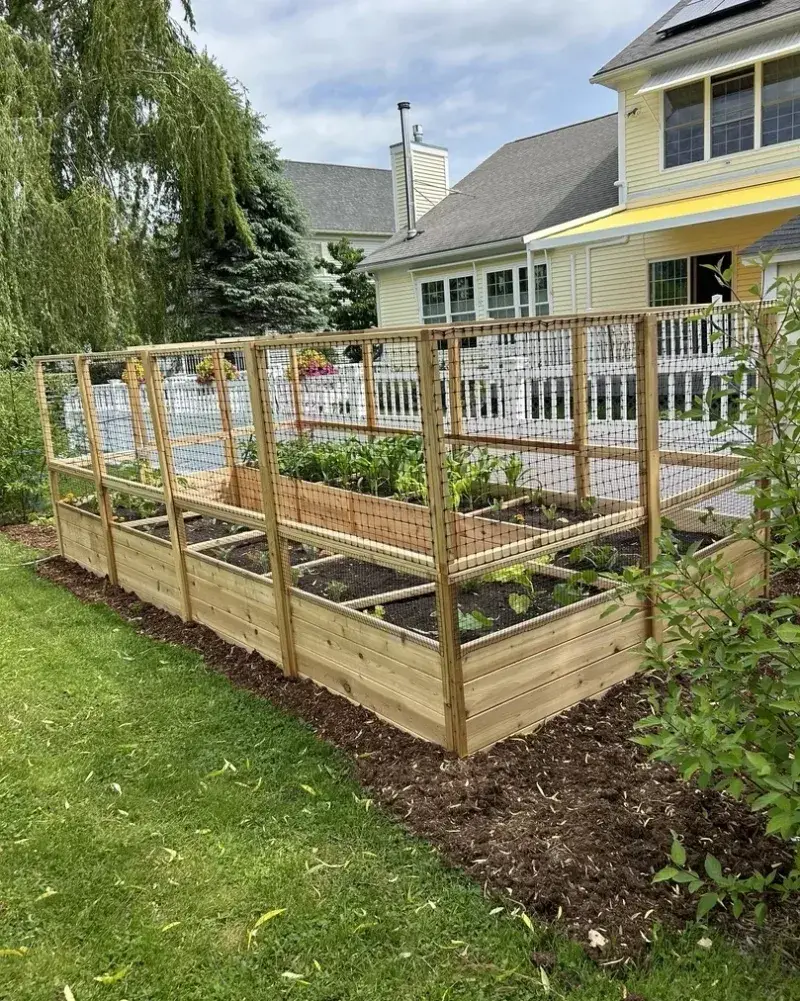
Snow accumulation changes the game completely when it comes to protecting young tree trunks from hungry rodents.
What started as a two-foot-tall barrier in November might only extend six inches above the snow surface by January, leaving bark exposed and vulnerable.
Wisconsin gardeners anticipate this problem by installing guards that reach eighteen to twenty-four inches above their area’s typical snow depth.
In northern Wisconsin counties where snow routinely piles three feet high, this means guards might need to extend four to five feet up the trunk.
Rabbits are particularly notorious for standing on snow crust to reach bark that would otherwise be far above their heads.
Some gardeners add height to existing guards mid-winter by attaching additional sections of hardware cloth or wrapping extra tree wrap higher on the trunk.
Others use tall stakes driven into the ground alongside the tree, wrapping fencing or mesh around both the trunk and stakes to create an extended protective cylinder.
The key is thinking vertically and planning for worst-case snow scenarios rather than average conditions.
After major snowstorms, take a quick walk around your yard to verify that guards still extend well above the snow line.
If you notice guards becoming buried, you can either shovel snow away from the base or add emergency height extensions using whatever materials you have available.
This proactive approach ensures your barriers remain effective throughout winter’s unpredictable weather patterns, keeping bark safe no matter how high the drifts climb.
Smart Pruning Before Winter Dormancy

Low-hanging branches that seem harmless in summer become convenient access points for rabbits when snow raises them to the perfect browsing height.
These branches act like ladders, allowing rabbits to reach higher bark areas that would normally be protected by guards and wraps.
Wisconsin gardeners prune away branches that grow within two feet of the ground before winter arrives, eliminating these natural pathways.
Late autumn pruning also removes potential shelter spots where rodents might nest close to the trunk, reducing overall activity near vulnerable bark.
Use clean, sharp pruning shears and make cuts just outside the branch collar—the slightly swollen area where the branch meets the trunk.
This technique promotes proper healing and prevents the ragged edges that can invite disease into fresh wounds.
Focus your pruning efforts on young trees specifically, as mature trees with established bark are far less vulnerable to rodent damage.
Some fruit tree varieties naturally produce low branches that need regular attention to maintain good form and reduce pest access.
While you’re pruning, also remove any branches that show signs of damage or disease, as these can weaken the tree’s overall winter resilience.
Store your pruned branches away from young trees—don’t pile them nearby, as they can attract the very rodents you’re trying to discourage.
This simple pruning session tidies your trees’ appearance while simultaneously improving their winter defenses, making it a worthwhile task for any Wisconsin gardener’s autumn checklist.
Monitoring After Every Thaw
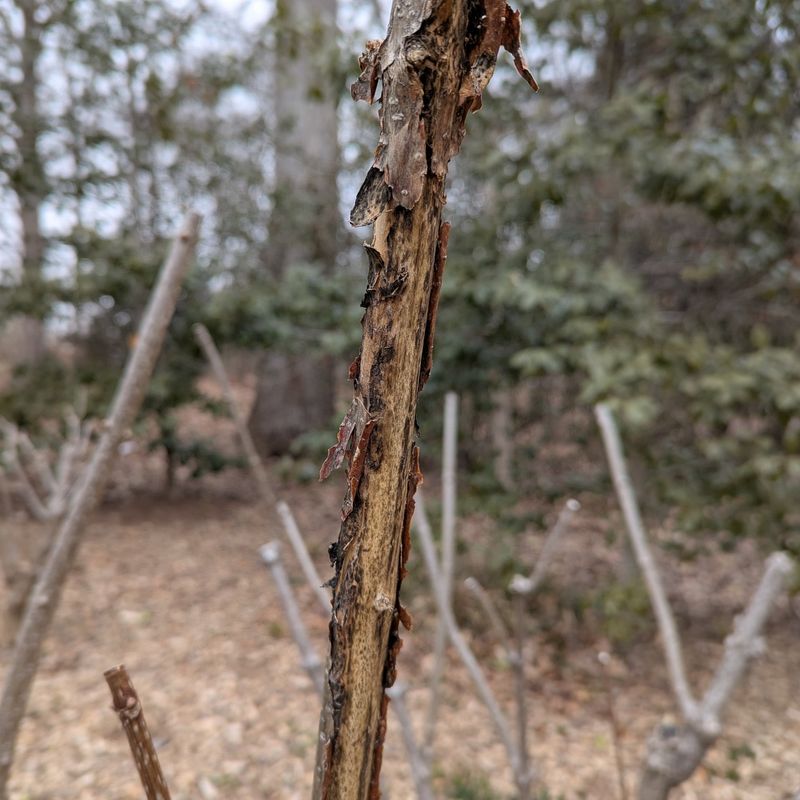
Winter weather in Wisconsin rarely stays consistently cold—thaw cycles interrupt the freeze, creating opportunities for both rodent activity and sunscald damage.
After each warming period, take a walk around your young trees to inspect bark for fresh chew marks, scrapes, or the telltale bleached appearance that signals early sunscald.
Catching problems early allows you to make adjustments before damage becomes severe enough to threaten the tree’s health.
Look for small gnaw marks near the base, especially on the side facing away from prevailing winds where snow might have drifted against inadequate guards.
Sunscald typically appears as discolored patches on the south or southwest side of the trunk, where afternoon sun is strongest.
If you discover fresh rodent damage, reinforce guards immediately and consider adding repellents around the base, though physical barriers remain the most reliable solution.
When you spot early sunscald, wrap the affected area with white tree wrap right away to prevent the damage from worsening during the next cold snap.
Keep a simple garden journal noting what you observe during each inspection—this helps you identify patterns and adjust your strategies for future winters.
Many Wisconsin gardeners schedule these inspections after every major thaw, making it part of their routine just like shoveling the driveway or refilling bird feeders.
Regular monitoring transforms winter tree care from a set-it-and-forget-it task into an active practice that responds to changing conditions.
Your vigilance pays off with healthier trees that emerge from winter ready to flourish.
Choosing The Right Species For Wisconsin Winters
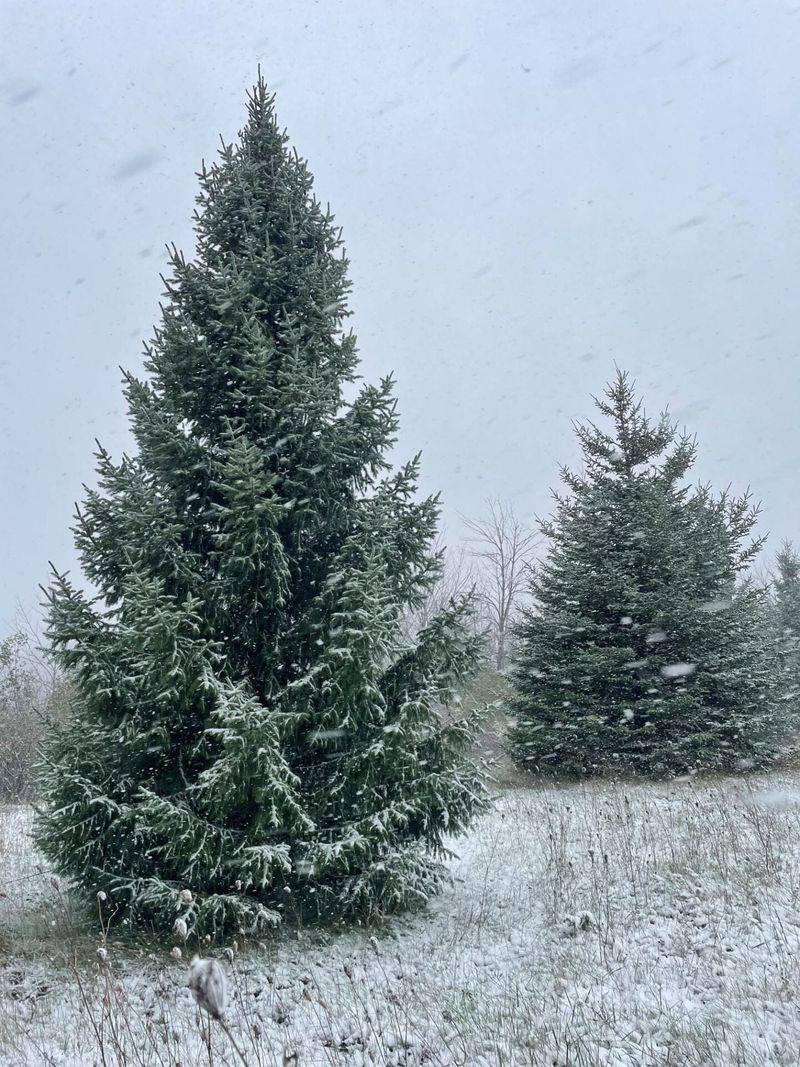
Not all trees face equal winter challenges—some species have naturally evolved defenses that make them far more resilient to both rodent damage and sunscald.
Trees with thick, corky bark like bur oak or shagbark hickory are less appealing to rodents and better insulated against temperature swings.
Species with naturally light-colored bark, such as paper birch or American sycamore, reflect winter sun more effectively and experience less sunscald stress.
Wisconsin gardeners who select regionally appropriate species from the start save themselves years of extra winter protection efforts.
Native trees adapted to Wisconsin’s climate cycles have built-in advantages over species imported from milder regions that lack these natural defenses.
Consult with local nurseries or university extension services to identify varieties that perform best in your specific Wisconsin county and soil type.
While you can successfully grow many tree species with proper care, choosing naturally hardy varieties reduces maintenance and increases long-term success rates.
Young trees of any species remain vulnerable during their first few winters, but selecting resilient varieties means you can often reduce protection measures sooner.
Consider mature bark characteristics when choosing saplings—what looks smooth and tender now will eventually develop protective features as the tree ages.
Planting a diverse mix of hardy species also creates a more resilient landscape that can withstand various environmental stresses beyond just winter challenges.
Smart species selection is perhaps the most overlooked aspect of winter tree protection, yet it provides benefits that last for the entire life of your trees.