Why Orchids Struggle Inside Ohio Homes During Winter And The Simple Fixes That Bring Them Back
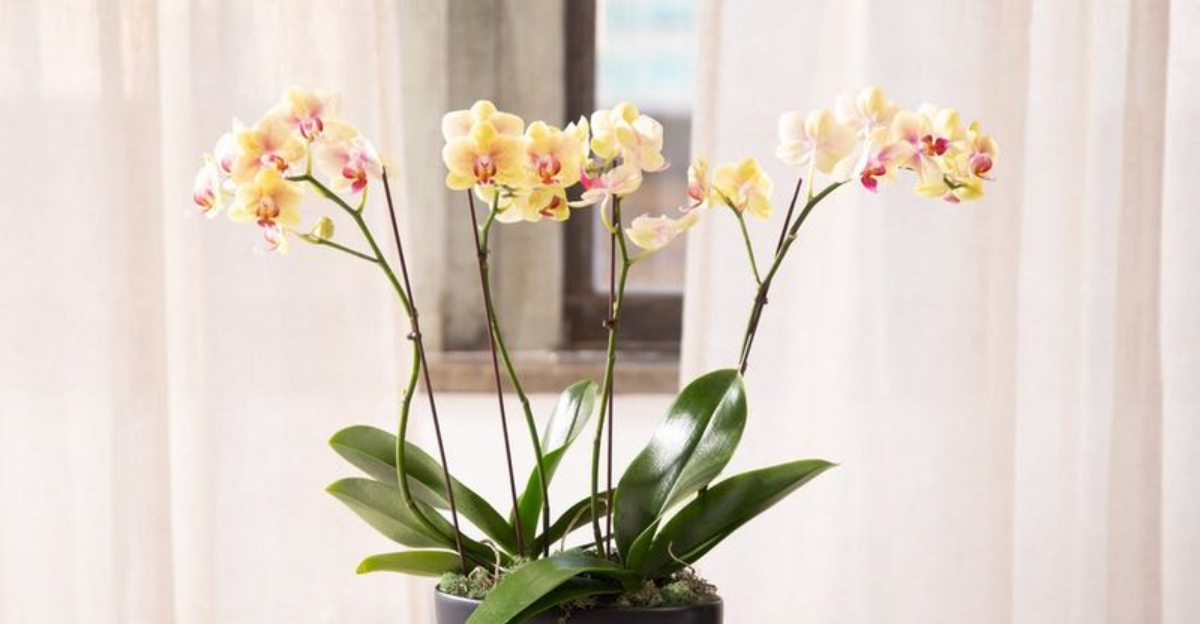
Orchids may be tropical beauties, but inside an Ohio home in winter, they’re fish out of water.
Dry furnace heat, dim days, and cold drafts turn these delicate stunners into drama queens overnight.
Leaves wilt, buds drop, and before you know it, your once-gorgeous orchid looks like it’s calling for backup.
But don’t toss it out with the holiday clutter just yet.
A few simple adjustments can bring an orchid back from the brink.
This guide breaks down the real reasons orchids struggle in Ohio winters and the easy fixes that help them reclaim their tropical charm.
Indoor Heating Systems Zap Essential Moisture From The Air
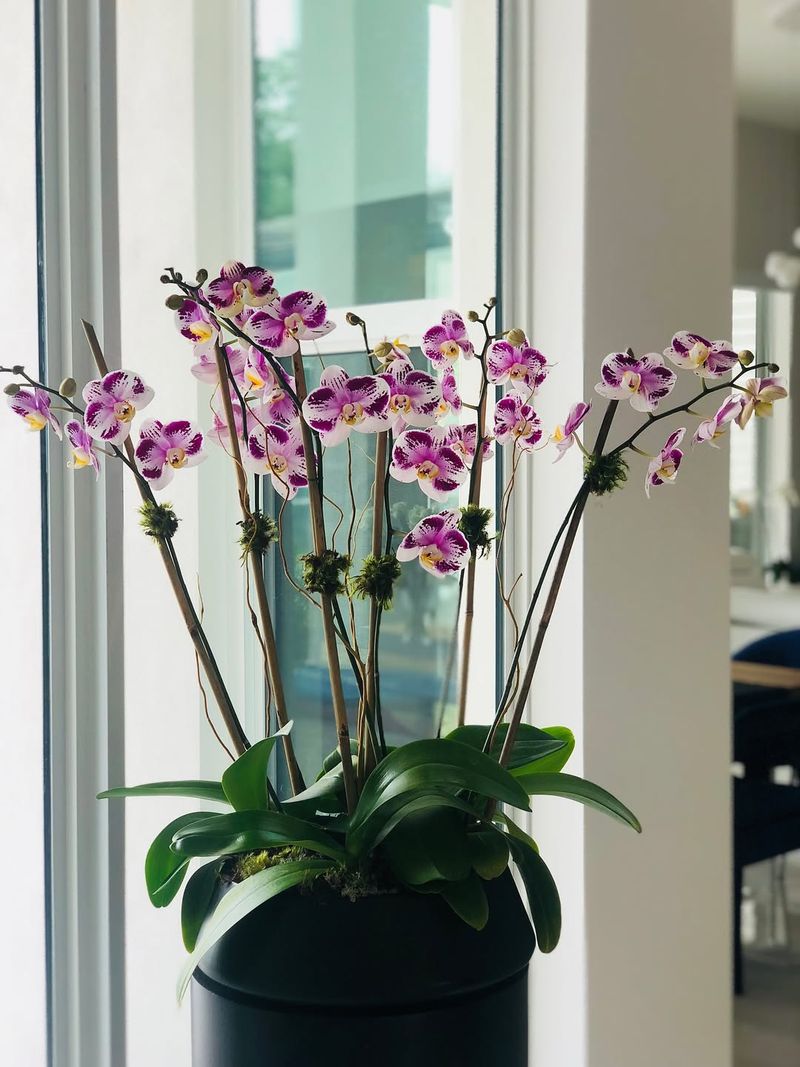
Furnaces work overtime during Ohio winters, pumping warm air throughout your home while simultaneously removing moisture from the environment.
Orchids naturally grow in humid tropical forests where moisture levels stay high year-round.
When indoor humidity drops below 40 percent, these plants struggle to absorb water through their roots and leaves.
You might notice wrinkled leaves, shriveled roots, or buds that refuse to open when humidity levels plummet.
The fix is surprisingly straightforward and budget-friendly.
Place a humidity tray filled with pebbles and water beneath your orchid pots, making sure the water level stays just below the pebbles.
As water evaporates, it creates a microclimate of moisture around your plants.
You can also group several orchids together to create a humidity zone, or invest in a small humidifier for the room where you keep your collection.
Misting your orchids lightly in the morning helps too, but avoid soaking the leaves or letting water sit in the crown overnight.
Aim for humidity levels between 50 and 70 percent for optimal orchid health.
A simple hygrometer from any hardware store lets you monitor moisture levels accurately.
Shortened Daylight Hours Limit Photosynthesis Opportunities
Ohio experiences significantly fewer daylight hours during winter months, with some days offering less than nine hours of natural light.
Orchids depend on consistent light exposure to produce energy through photosynthesis, which fuels growth and blooming.
Without adequate light, your plants may develop weak stems, pale leaves, or refuse to produce flowers altogether.
South-facing windows provide the best natural light during winter, but even these spots may not deliver enough intensity for your orchids to thrive.
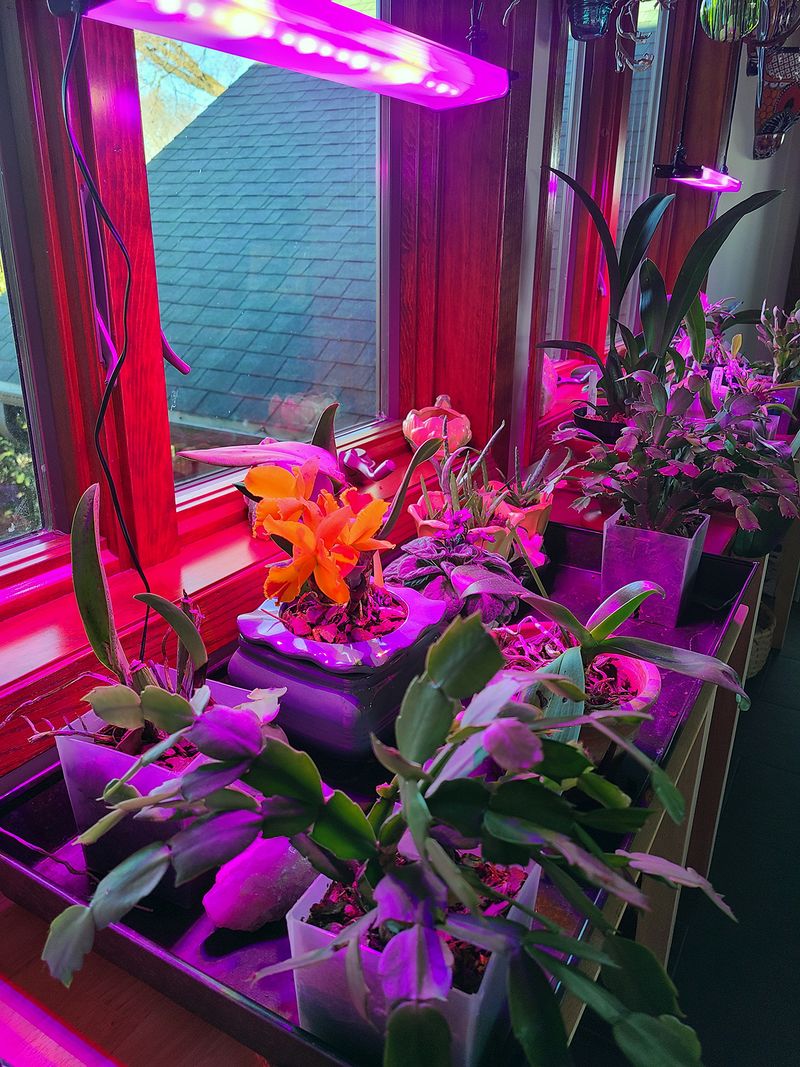
The solution involves supplementing natural light with artificial sources designed for plant growth.
LED grow lights have become affordable and energy-efficient, offering the full spectrum of light orchids need.
Position grow lights about 12 to 18 inches above your orchids and run them for 12 to 14 hours daily.
Many models come with timers that automate the process, ensuring your plants receive consistent light even when you travel or forget.
Watch for signs your orchids are getting enough light by checking leaf color.
Healthy leaves should be bright green, not dark forest green or yellowish.
Adjust the distance between lights and plants if you notice any burning or bleaching on the foliage.
Cold Drafts From Windows And Doors Shock Sensitive Root Systems
Even well-insulated Ohio homes develop cold spots near windows, doors, and exterior walls during winter.
Your Ohio Garden Changes Every Week. Your Plan Should Too.
Gardening in Ohio changes quickly throughout the season. Every Friday you’ll receive a simple weekly plan showing exactly what to plant, prune, fertilize, harvest, and protect so you never miss the right timing.
Temperature fluctuations stress orchids tremendously since these tropical plants evolved in environments with stable, warm conditions.
A sudden drop in temperature can shock the root system, causing growth to stall and buds to drop.
Orchids prefer temperatures between 60 and 80 degrees Fahrenheit, with minimal variation between day and night.
Start by checking the placement of your orchids throughout your home.
Move plants away from drafty windows, especially single-pane glass that radiates cold.
Position orchids at least three feet away from exterior doors that open frequently.
You can also install weather stripping around windows and doors to reduce cold air infiltration.
Another clever trick involves placing a small barrier, like a decorative screen or curtain, between your orchids and cold windows at night.
This creates an insulating buffer zone that maintains more stable temperatures.
Use a thermometer to monitor the actual temperature where your orchids sit, not just the general room temperature.
You might discover surprising cold pockets that need addressing for your plants to stay comfortable and healthy throughout the winter season.
Overwatering Becomes Common When Growth Naturally Slows Down
Many orchid enthusiasts maintain their summer watering schedule throughout winter without realizing their plants need less water during dormant periods.
Cooler temperatures and reduced light levels cause orchids to slow their growth significantly, which means they absorb water much more slowly.
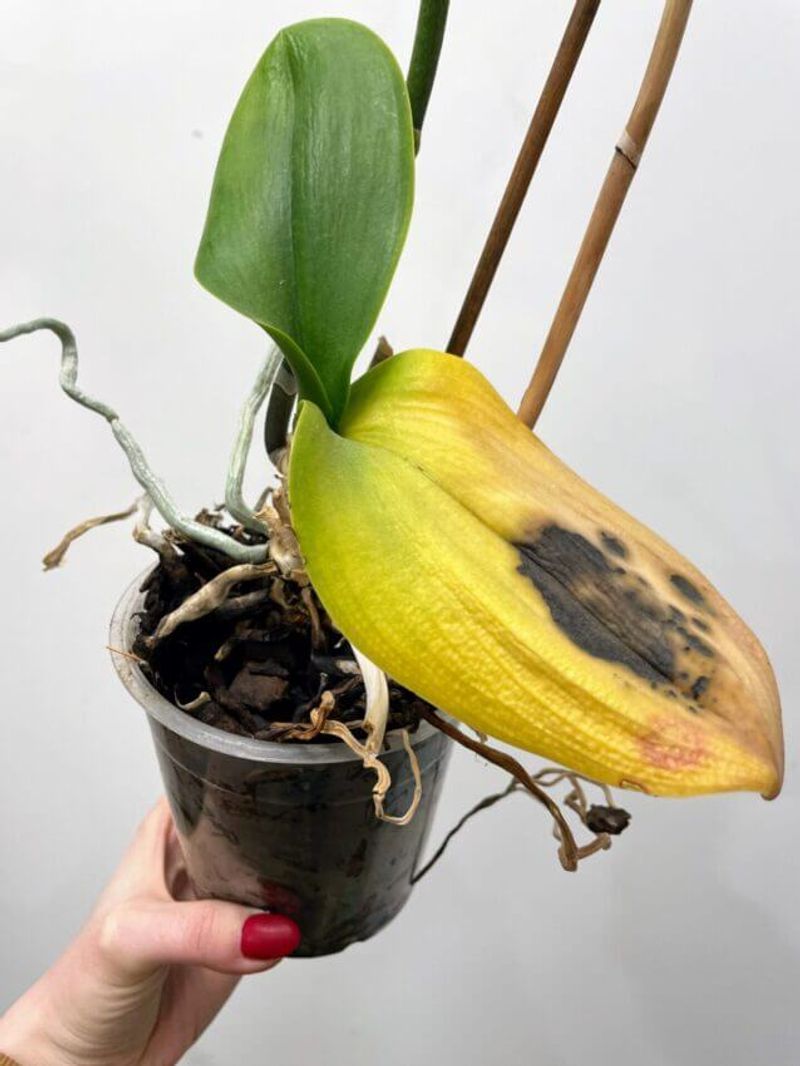
Roots sitting in soggy media for extended periods develop rot, turning brown and mushy instead of remaining firm and silvery-green.
The key to winter watering success lies in observation rather than following a rigid schedule.
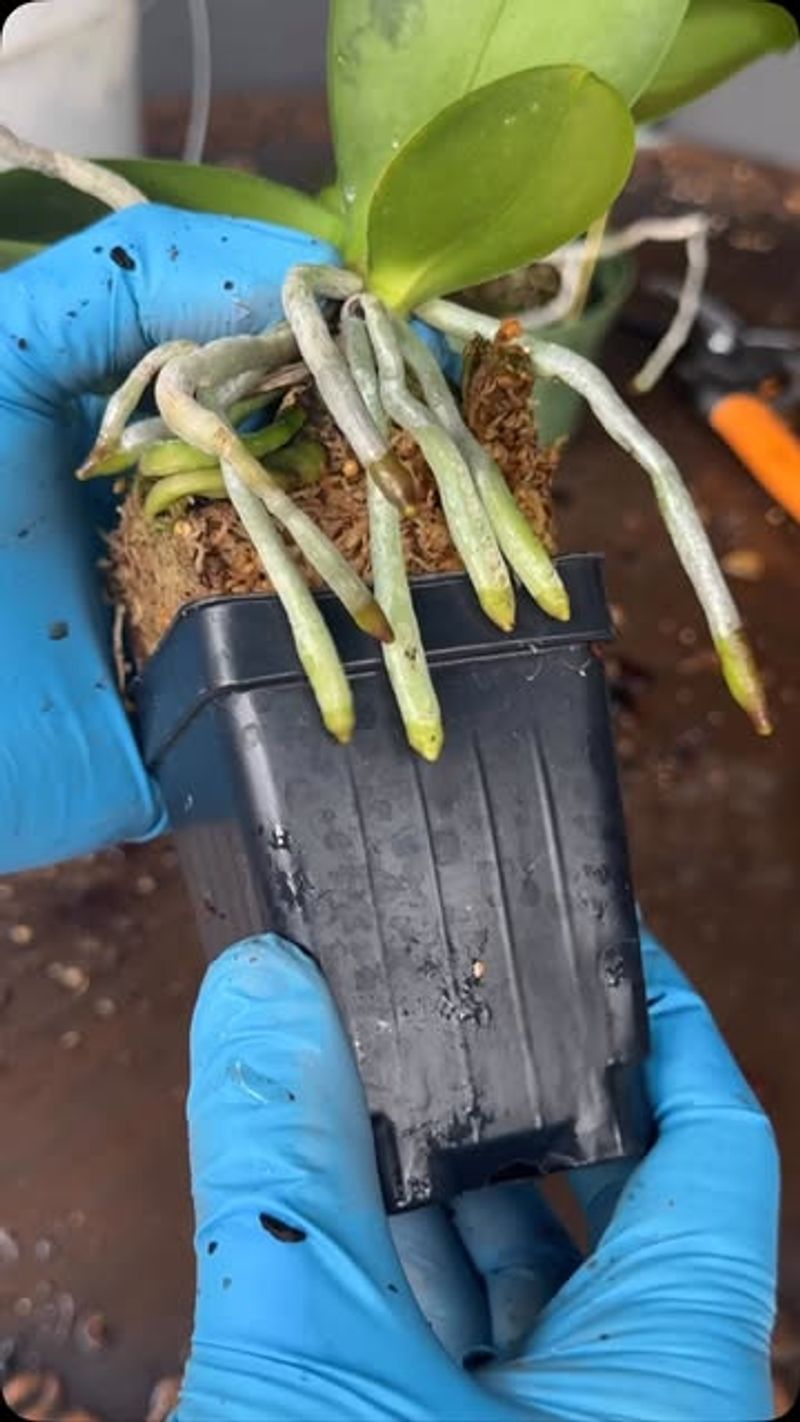
Check your orchid roots before watering by looking through clear pots or gently lifting the plant to assess weight.
Silvery-white roots indicate the plant needs water, while green roots show adequate moisture.
The potting medium should feel almost completely dry before you water again.
For most orchids in Ohio homes during winter, this might mean watering every 10 to 14 days instead of weekly.
When you do water, do it thoroughly by running room-temperature water through the pot until it drains completely from the bottom.
Never let orchids sit in standing water, as this invites root problems.
Morning watering works best because it gives excess moisture time to evaporate before nighttime temperatures drop.
Reduced Air Circulation Creates Perfect Conditions For Fungal Issues
Winter means closed windows and doors, which dramatically reduces fresh air circulation throughout your home.
Stagnant air combined with moisture creates an ideal breeding ground for fungal infections and bacterial problems.
You might notice black spots on leaves, fuzzy growth on stems, or a general decline in plant vigor when air movement stops.
Orchids in their natural habitat benefit from constant gentle breezes that keep foliage dry and air fresh.
Creating artificial air movement indoors requires minimal effort and equipment.
Position a small oscillating fan to run on low speed near your orchid collection, making sure it provides gentle circulation without blasting plants directly.
The goal is to mimic natural breezes, not create a windstorm.
Running the fan for several hours daily, especially after watering, helps prevent moisture from lingering on leaves and in crown crevices where problems typically start.
Proper spacing between plants also improves air circulation significantly.
Avoid crowding orchids together even when trying to create humidity zones.
Leave at least six inches between pots to allow air to flow freely around each plant.
This simple adjustment reduces fungal issues dramatically while keeping your orchids healthier throughout the challenging winter months.
Temperature Swings Between Day And Night Stress Plant Systems
Thermostats often get adjusted throughout the day in Ohio homes, with temperatures dropping significantly at night to save on heating costs.
While this makes sense financially, orchids prefer consistent temperatures without dramatic fluctuations.
A difference of more than 15 degrees between day and night temperatures can trigger stress responses, causing buds to blast and new growth to stall.
Some orchid varieties actually need slight temperature variations to trigger blooming, but extreme swings create problems rather than benefits.
Finding the sweet spot for your home heating schedule helps both your wallet and your orchids.
Try to maintain nighttime temperatures no lower than 60 degrees Fahrenheit, even if you prefer cooler sleeping conditions in your bedroom.
Place orchids in rooms that maintain more stable temperatures throughout the day and night.
Bathrooms often work well because they tend to stay warmer and more humid.
Guest rooms or home offices where temperature stays consistent also make excellent orchid havens.
If you use a programmable thermostat, set it to make gradual temperature changes rather than sudden drops or spikes.
Monitor the actual temperature fluctuations near your orchids using a min-max thermometer that records highs and lows over 24 hours, giving you accurate data to work with.
Fertilizer Application Needs Adjustment During Dormant Months
Continuing heavy fertilization through winter wastes money and potentially harms your orchids since they grow much more slowly during cold months.
Excess fertilizer salts build up in the potting medium when plants cannot absorb nutrients quickly enough, eventually burning tender roots.
You might notice white crusty deposits on the pot rim or medium surface, indicating salt accumulation.
Orchids simply cannot process the same nutrient levels in winter that they happily consume during active growing seasons.
Adjusting your fertilizer routine for winter requires cutting back frequency and concentration significantly.
Switch to a diluted formula at quarter strength instead of full strength, and apply it only once monthly rather than weekly.
Some experienced growers stop fertilizing completely from December through February, allowing their orchids to rest naturally.
This approach mimics the dry seasons orchids experience in their native habitats.
When spring arrives and you notice new growth beginning, gradually increase fertilizer frequency and strength again.
Flushing your orchid pots with plain water every few weeks helps wash away accumulated salts, even during winter.
Run water through each pot several times, letting it drain completely between flushes.
This simple maintenance step prevents buildup and keeps roots healthy throughout the dormant period.
Potting Medium Breaks Down Faster In Warm Indoor Environments
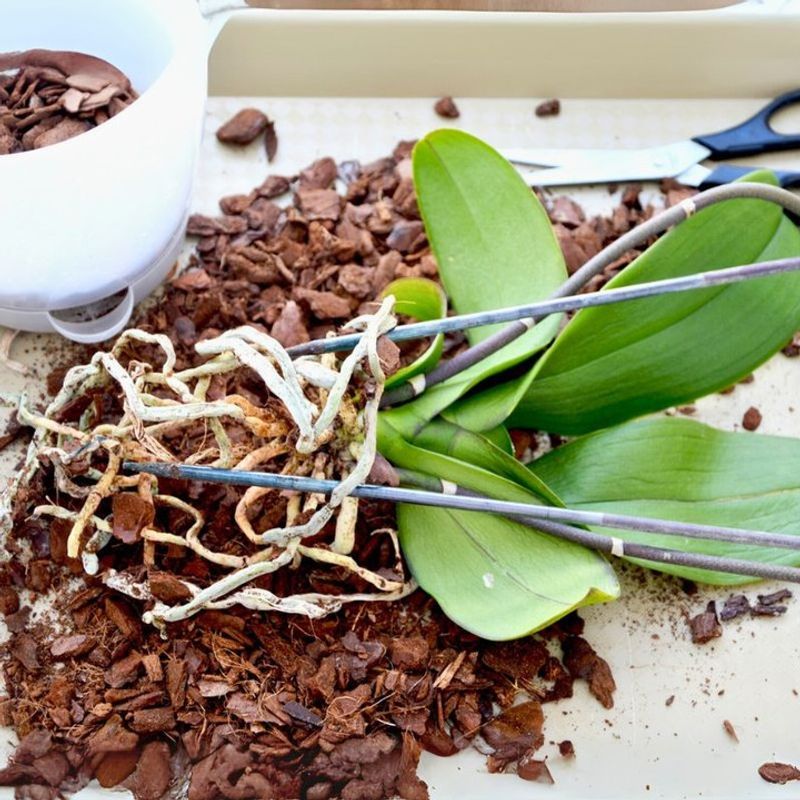
Bark-based potting mixes commonly used for orchids decompose gradually over time, breaking down into smaller particles that retain too much moisture.
Heated indoor air during winter actually accelerates this decomposition process, causing medium to compact and suffocate roots.
Compacted medium prevents proper air circulation around roots, which orchids absolutely need to thrive.
You might notice your orchids struggling even with perfect watering and light if the potting medium has broken down too much.
Checking your orchid potting medium condition should happen at least once during winter, especially for plants that have been in the same pot for more than a year.
Gently remove an orchid from its pot and examine the medium.
Fresh bark should feel chunky and springy, not mushy or powdery.
If the medium looks decomposed, winter actually offers a good time for repotting since growth is slow and plants handle the disturbance better.
Choose a high-quality orchid bark mix appropriate for your orchid type.
Phalaenopsis orchids prefer medium-grade bark, while cattleyas like larger chunks.
After repotting, wait about a week before watering to allow any damaged roots to heal.
Fresh medium dramatically improves root health and helps your orchids bounce back from winter stress more successfully when spring arrives.
Pest Problems Intensify When Plants Experience Winter Stress
Stressed orchids become magnets for common houseplant pests like spider mites, scale insects, and mealybugs that thrive in warm, dry indoor conditions.
Winter creates the perfect storm of plant stress and ideal pest breeding conditions.
Weakened plants cannot defend themselves effectively, allowing small pest populations to explode into serious infestations.
You might spot tiny webs between leaves, sticky residue on foliage, or small bumps clustered along stems.
Prevention works far better than treatment when it comes to orchid pests.
Inspect your plants weekly during winter, checking the undersides of leaves, along stems, and in leaf axils where pests hide.
Catching problems early means you can address them with simple solutions like wiping leaves with rubbing alcohol on a cotton swab.
Maintaining proper humidity levels actually deters spider mites, which prefer dry conditions.
If you discover an infestation, isolate the affected orchid immediately to prevent pests from spreading to your entire collection.
Insecticidal soap or horticultural oil sprays work effectively against most orchid pests without harming the plants.
Apply treatments thoroughly, covering all plant surfaces including undersides of leaves.
Repeat applications according to product directions to catch newly hatched pests that survived the first treatment.
Lack Of Fresh Air Causes Carbon Dioxide Depletion Around Plants
Sealed homes during Ohio winters trap stale air that becomes depleted of carbon dioxide, which plants need for photosynthesis just like we need oxygen.
While this rarely becomes severe enough to threaten plant survival, it can slow growth and reduce blooming significantly.
Orchids in poorly ventilated spaces may appear healthy but fail to produce the spectacular flowers you expect.
Fresh air exchanges bring in new carbon dioxide and remove ethylene gas that accumulates from ripening fruit and aging flowers.
Opening windows for even brief periods during milder winter days provides tremendous benefits for your orchid collection.
Just ten minutes of fresh air exchange on a day when temperatures reach above 45 degrees helps refresh your indoor environment.
Position orchids away from the direct draft during these ventilation sessions to prevent cold shock.
Running kitchen and bathroom exhaust fans also helps exchange stale air with fresh outdoor air.
Another helpful strategy involves keeping orchids away from ripening fruit in your kitchen, as bananas and apples release ethylene gas that causes orchid flowers to fade prematurely.
Houseplants naturally improve indoor air quality by processing carbon dioxide and releasing oxygen.
Having a diverse collection of houseplants throughout your home creates a healthier atmosphere for both you and your orchids during the sealed-up winter months.
Insufficient Attention To Individual Orchid Variety Requirements
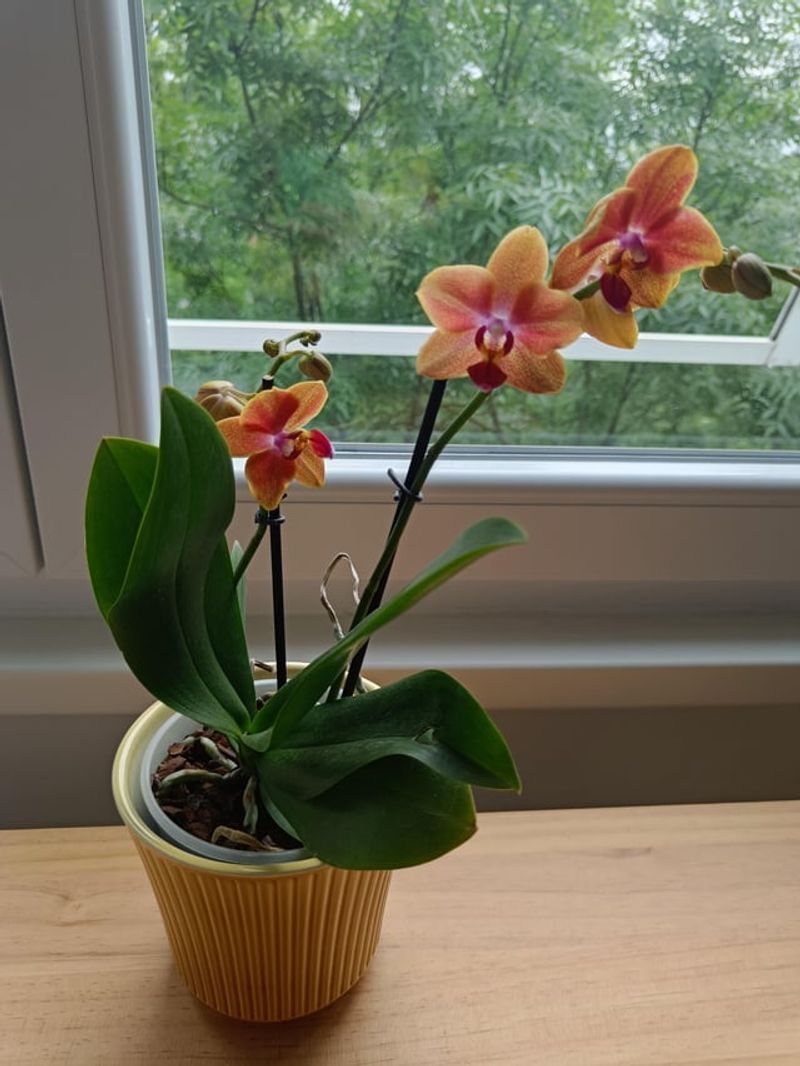
Not all orchids share identical care requirements, yet many people treat their entire collection the same way regardless of species differences.
Phalaenopsis orchids tolerate lower light levels than cattleyas, while dendrobiums need a distinct dry rest period during winter.
Ignoring these variety-specific needs causes unnecessary struggle and disappointment.
Taking time to understand what each type of orchid in your collection actually needs makes the difference between surviving winter and thriving through it.
Research the specific requirements for every orchid variety you own, paying attention to native habitat conditions that shaped their evolution.
Phalaenopsis orchids come from warm, shaded forest floors and prefer consistent moisture and moderate light.
Cattleyas grow on tree branches in bright, breezy conditions and need more light plus a slight dry period between waterings.
Dendrobiums often require cooler temperatures and reduced water during winter to trigger spring blooming.
Create care tags for each orchid that note its specific needs for water frequency, light levels, and temperature preferences.
This simple organization system prevents you from treating all orchids identically.
Group orchids with similar requirements together in your home, making it easier to provide appropriate conditions for each type.
Understanding and respecting these differences transforms your success rate dramatically, turning winter from a challenging survival period into a time of healthy growth and spectacular blooms.