How To Get Your Christmas Cactus To Rebloom Next Year In Arizona’s Dry Desert Climate
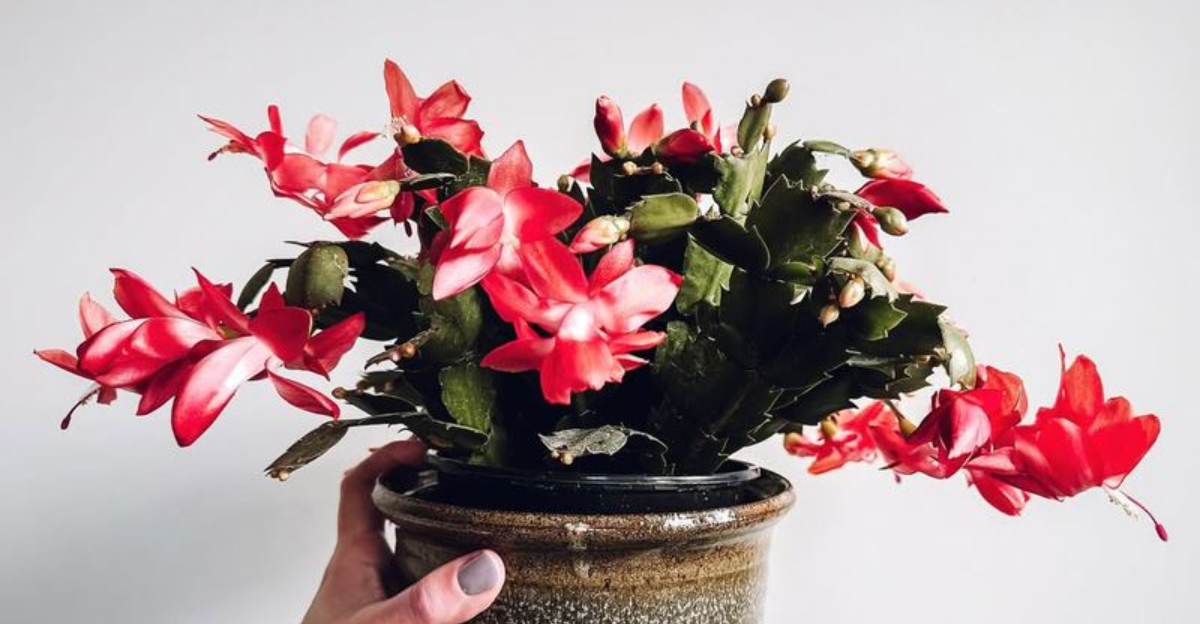
Getting a Christmas cactus to rebloom is a satisfying victory on its own—but trying to pull it off in Arizona’s dry desert climate can feel like trying to teach a fish to climb a cactus.
Between the sharp swings in temperature, the relentless sunshine, and the near-constant thirst the desert air creates, these tropical beauties often struggle to find their groove.
It’s no wonder so many Arizona plant lovers end up scratching their heads when next year rolls around and their Christmas cactus suddenly acts shy about putting on a show.
But here’s the good news: reblooming isn’t just possible—it’s predictable once you understand the plant’s rhythm.
Christmas cacti aren’t divas; they just need the right cues at the right time.
With a few simple adjustments to lighting, temperature, and humidity, plus a bit of patience, you can coax out another round of brilliant blooms that’ll stop holiday guests in their tracks.
Secrets To Consistent Holiday Blooms
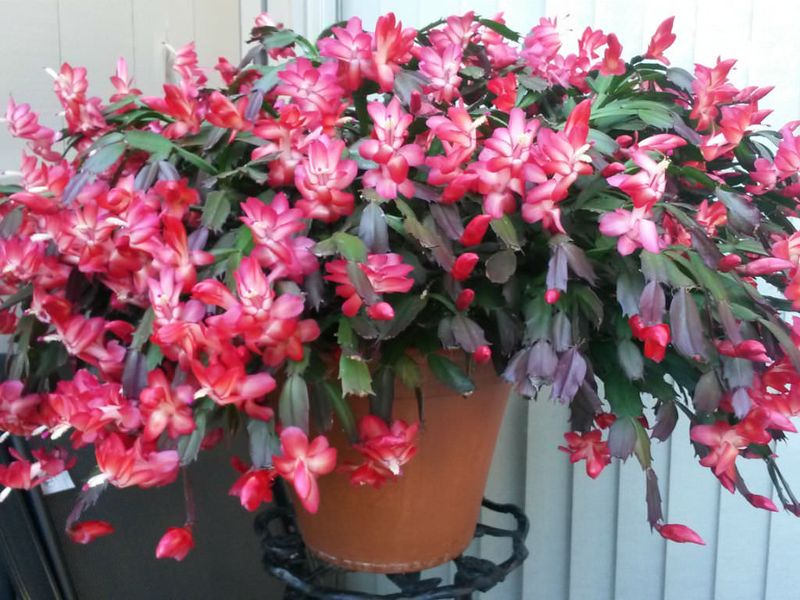
Getting your Christmas cactus to bloom reliably starts with understanding what triggers flower formation in the first place.
Plants need specific environmental cues to shift from vegetative growth into reproductive mode.
For Christmas cacti, this means experiencing cooler nights combined with extended darkness periods starting in early fall.
Around late September or early October, place your plant where it receives at least 12–14 hours of complete darkness each night.
This mimics the natural shortening of days that happens in their native Brazilian rainforest habitat.
During this critical six-to-eight-week period, temperatures should drop into the 50s at night while staying moderate during the day.
Even in Arizona, many homes cool down naturally at night during fall, making this achievable without special equipment.
Avoid turning on lights near the plant during evening hours, as even brief exposure can interrupt the darkness cycle and delay bud formation.
A spare bedroom, garage, or covered patio works perfectly for this phase.
Once you see tiny buds forming at the leaf tips, you can gradually return the plant to its normal location.
This intentional triggering process is the foundation for reliable blooms every single year.
Arizona Light Levels That Trigger Reblooming
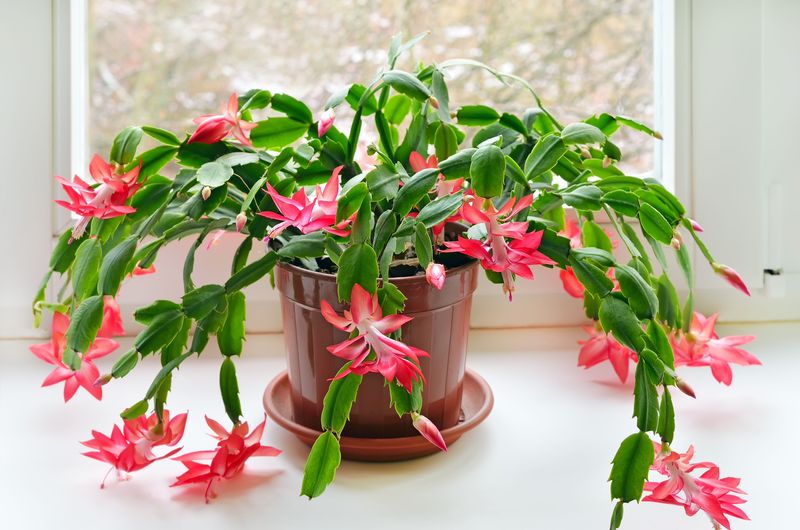
Light intensity plays a huge role in whether your Christmas cactus will produce buds or struggle with scorched, stressed foliage.
Arizona’s intense desert sun can easily overwhelm these tropical plants, which naturally grow under the canopy of taller trees.
Direct afternoon sun streaming through a south or west-facing window often causes leaf segments to turn reddish or develop brown burn marks.
Instead, position your plant near an east-facing window where it receives gentle morning light, or use sheer curtains to diffuse harsh rays.
Bright, indirect light throughout the day keeps the foliage healthy and photosynthesizing without causing damage.
During summer months, consider moving your Christmas cactus to a shadier spot or even outdoors under a covered patio where filtered light reaches it.
Too much sun not only burns leaves but also stresses the plant enough to prevent bud formation entirely.
Your Arizona Garden Changes Every Week. Your Plan Should Too.
Gardening in Arizona changes quickly throughout the season. Every Friday you’ll receive a simple weekly plan showing exactly what to plant, prune, fertilize, harvest, and protect so you never miss the right timing.
On the flip side, insufficient light leads to weak, leggy growth and few or no flowers.
Finding that sweet spot—bright but not blazing—is essential in our climate.
Monitor your plant’s color; healthy leaves should be rich green, not pale yellow or burnt red.
Adjusting light levels throughout the year helps maintain vigor and sets the stage for abundant blooms.
The Temperature Trick Arizona Gardeners Rely On
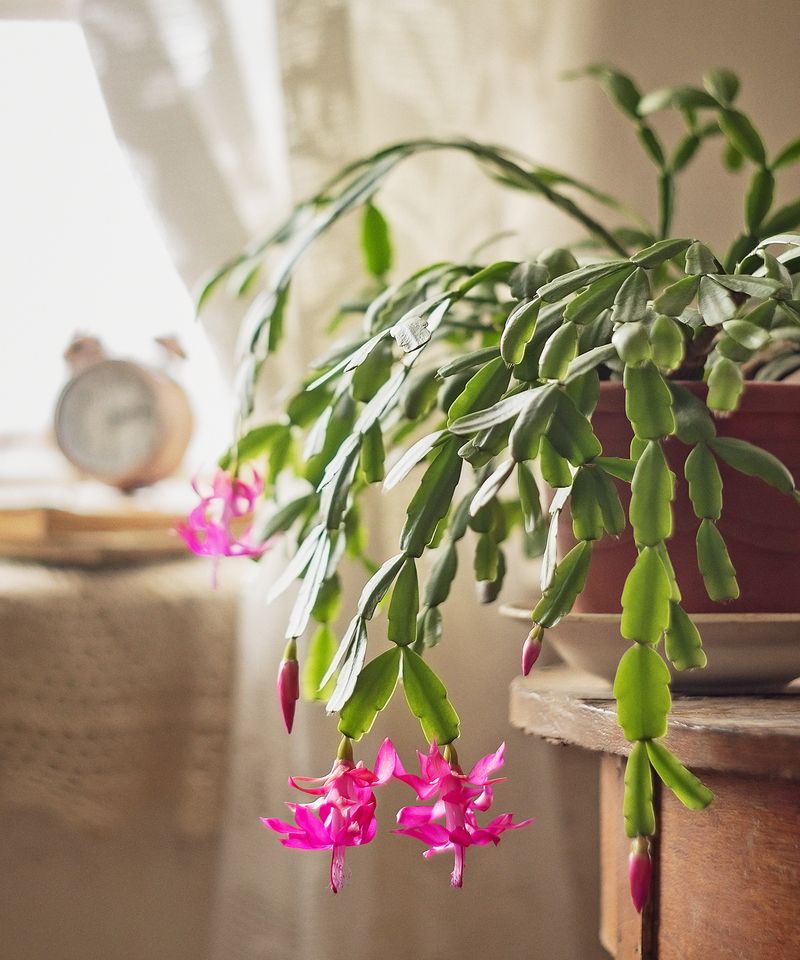
Temperature manipulation is one of the most powerful tools for encouraging your Christmas cactus to set buds and bloom on schedule.
These plants require a noticeable drop in nighttime temperatures—ideally between 50 and 55 degrees Fahrenheit—for several consecutive weeks during early fall.
This cool period signals to the plant that it’s time to start forming flower buds rather than just producing more leaves.
Fortunately, Arizona’s fall and early winter nights often dip into this range naturally, especially in higher elevation areas like Flagstaff or Prescott.
Even in Phoenix or Tucson, October and November evenings can cool down enough to trigger blooming.
Place your plant outdoors on a covered patio or near an open window during these cooler nights, but bring it inside if frost threatens.
The combination of cool nights and warm days creates the perfect conditions for bud initiation.
Avoid placing your Christmas cactus near heating vents or fireplaces during this period, as constant warmth prevents the temperature fluctuation it needs.
Consistent exposure to temperatures above 70 degrees at night will delay or completely stop flower formation.
Once buds appear, you can return the plant to a warmer indoor environment.
This simple temperature trick makes all the difference in achieving reliable, spectacular blooms.
Hydration Habits For A Desert Friendly Christmas Cactus
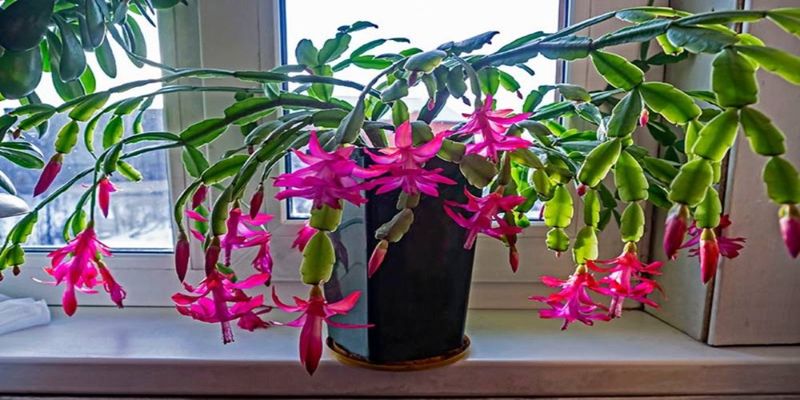
Watering correctly in Arizona’s arid climate can be the trickiest part of Christmas cactus care, but mastering it ensures healthy growth and abundant blooms.
Unlike true desert cacti, Christmas cacti are epiphytes from humid Brazilian forests and need more moisture.
However, Arizona’s extremely dry air causes soil to dry out much faster than in other regions, so you’ll need to adjust your watering routine accordingly.
Water your plant deeply whenever the top one-third of the soil feels dry to the touch.
Pour water slowly until it drains from the bottom holes, ensuring the entire root ball gets moistened.
Then allow the soil to dry partially before watering again—typically every seven to ten days during active growth periods.
Never let the soil become completely bone-dry, as this stresses the plant and causes bud drop.
During fall when you’re encouraging bud formation, reduce watering slightly but don’t cut it off entirely.
Once buds appear, resume regular watering to support flower development.
Arizona’s low humidity means moisture evaporates quickly from both soil and leaves, so check your plant more frequently than care guides from humid regions suggest.
Using a moisture meter can help you gauge when watering is truly needed, preventing both overwatering and underwatering problems that sabotage blooming efforts.
Humidity Boosting Techniques That Actually Work
Arizona’s notoriously low humidity levels can wreak havoc on tropical plants like Christmas cacti, which thrive in moisture-rich environments.
Indoor humidity in desert homes often drops below 20 percent, especially during winter when heaters run constantly.
This extreme dryness causes leaf segments to shrivel, buds to drop prematurely, and overall plant stress that prevents blooming.
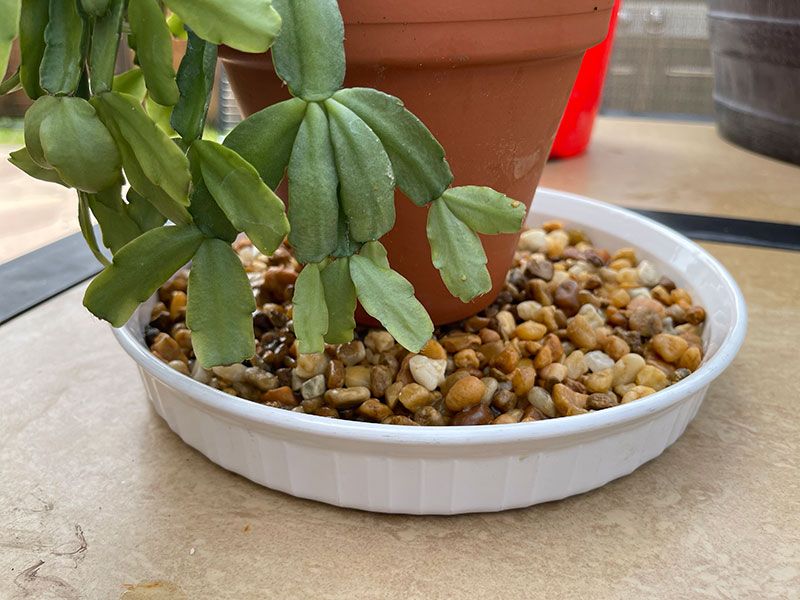
One effective solution is placing your Christmas cactus pot on a shallow tray filled with pebbles and water.
As water evaporates, it creates a humid microclimate around the plant without waterlogging the roots.
Make sure the pot sits on the pebbles above the waterline, not directly in the water.
Refill the tray regularly as our dry air quickly evaporates the moisture.
Running a small humidifier near your plant collection also helps, especially during winter months.
Even raising humidity to 40–50 percent makes a noticeable difference in plant health and bud retention.
Grouping several houseplants together creates a naturally more humid environment as they release moisture through transpiration.
Avoid misting leaves directly, as this provides only temporary relief and can encourage fungal problems if done excessively.
These humidity-boosting strategies help your Christmas cactus feel more at home despite Arizona’s challenging climate, supporting healthy growth and reliable flowering.
Soil Mix Choices That Protect Roots From Heat Stress
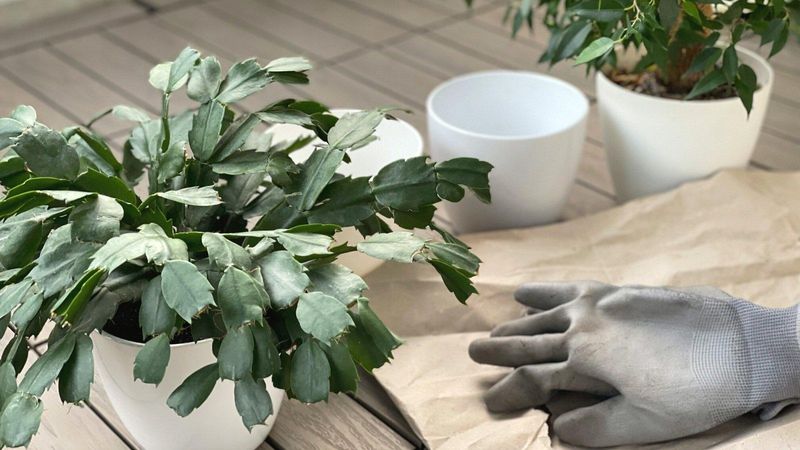
Choosing the right soil blend is crucial for Christmas cactus success in Arizona, where heat and dryness can quickly turn poorly draining soil into a root health nightmare.
Standard potting soil holds too much moisture and can suffocate roots, especially when combined with our intense heat.
Christmas cacti need a fast-draining mix that allows air circulation around the roots while still retaining some moisture.
Look for commercial cactus or succulent potting mixes as your base, then improve them further by adding orchid bark, perlite, or coarse sand.
A blend of roughly 60 percent cactus mix and 40 percent bark or perlite works beautifully.
This combination drains quickly after watering, preventing root rot that commonly occurs when soil stays soggy in warm conditions.
The added bark also helps regulate temperature around the roots, protecting them from heat stress during Arizona’s scorching summers.
Avoid heavy, clay-based soils or mixes containing moisture-retaining crystals, as these create problems in our climate.
When repotting, choose a container with multiple drainage holes to ensure excess water escapes quickly.
Well-aerated soil encourages healthy root development, which directly translates to stronger growth and better blooming.
Refreshing the soil every two to three years keeps the mix from breaking down and becoming too compacted, maintaining optimal drainage and root health.
Fertilizing For Strong Growth And Bloom Cycles
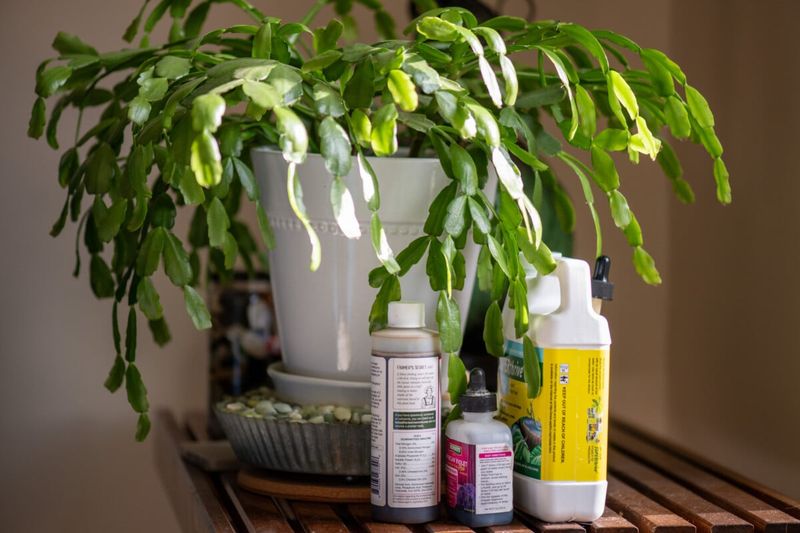
Proper fertilization gives your Christmas cactus the nutrients it needs to produce lush foliage and abundant flower buds, but timing matters tremendously.
Start feeding in early spring when new growth appears, using a balanced, water-soluble fertilizer with equal nitrogen, phosphorus, and potassium ratios like 10-10-10 or 20-20-20.
Dilute the fertilizer to half the strength recommended on the package to avoid burning the sensitive roots.
Feed your plant every three to four weeks throughout spring and summer while it’s actively growing.
This regular nutrition supports healthy leaf development and builds energy reserves the plant will need for flowering later.
As early fall approaches—around late August or early September—stop fertilizing completely.
Continued feeding during the bud initiation period can actually prevent flower formation by encouraging vegetative growth instead.
The slight nutritional stress combined with cooler temperatures and longer nights works together to trigger blooming.
Once buds are fully formed and beginning to show color, you can resume very light feeding if desired, though it’s not essential.
Avoid high-nitrogen fertilizers, which promote leaf growth at the expense of flowers.
Arizona’s intense growing conditions mean plants use nutrients efficiently, so less is often more.
This strategic feeding schedule ensures your Christmas cactus has the strength to bloom profusely without being pushed into non-stop vegetative growth.
Pot Size Strategy For Dependable Flowering
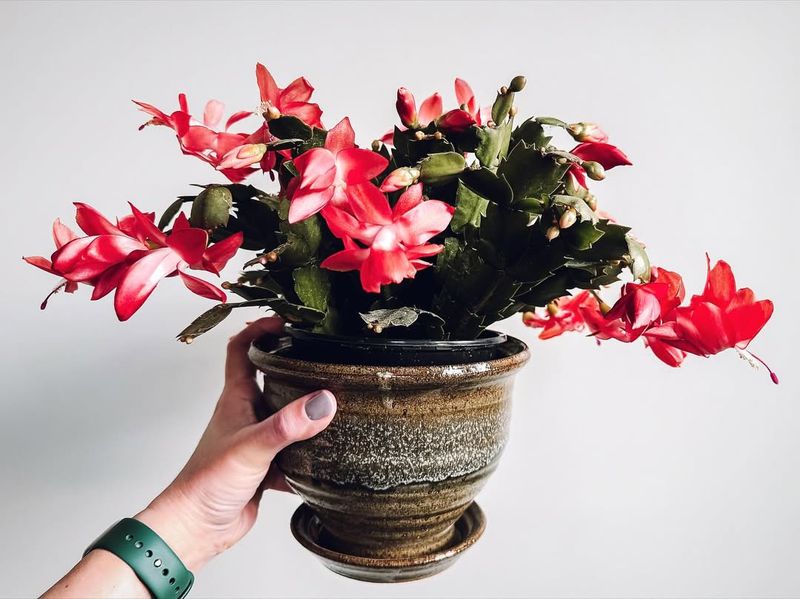
Surprisingly, keeping your Christmas cactus slightly root-bound is actually beneficial for encouraging consistent flowering rather than hindering it.
These plants bloom more reliably when their roots fill the pot snugly, creating a bit of crowding that triggers reproductive mode.
When given too much space, Christmas cacti focus energy on root and leaf growth rather than producing flowers.
Choose a container that’s only about one inch larger in diameter than the current root ball when repotting becomes necessary.
Oversized pots hold excessive soil and moisture, which is especially problematic in Arizona where the combination of heat and wet soil can lead to root rot.
You’ll know it’s time to repot when roots start growing through drainage holes or the plant becomes top-heavy and unstable.
Even then, resist the urge to move up more than one pot size.
Terra cotta pots work exceptionally well in our climate because they’re porous and allow soil to dry more evenly, preventing moisture buildup.
Plastic pots retain water longer, which can be risky during hot months.
A slightly cramped root system also makes watering easier to manage since there’s less excess soil to hold moisture.
This pot size strategy combined with proper soil creates ideal conditions for dependable flowering year after year, even in challenging desert conditions.
Stress Factors That Stop Blooming In Dry Regions
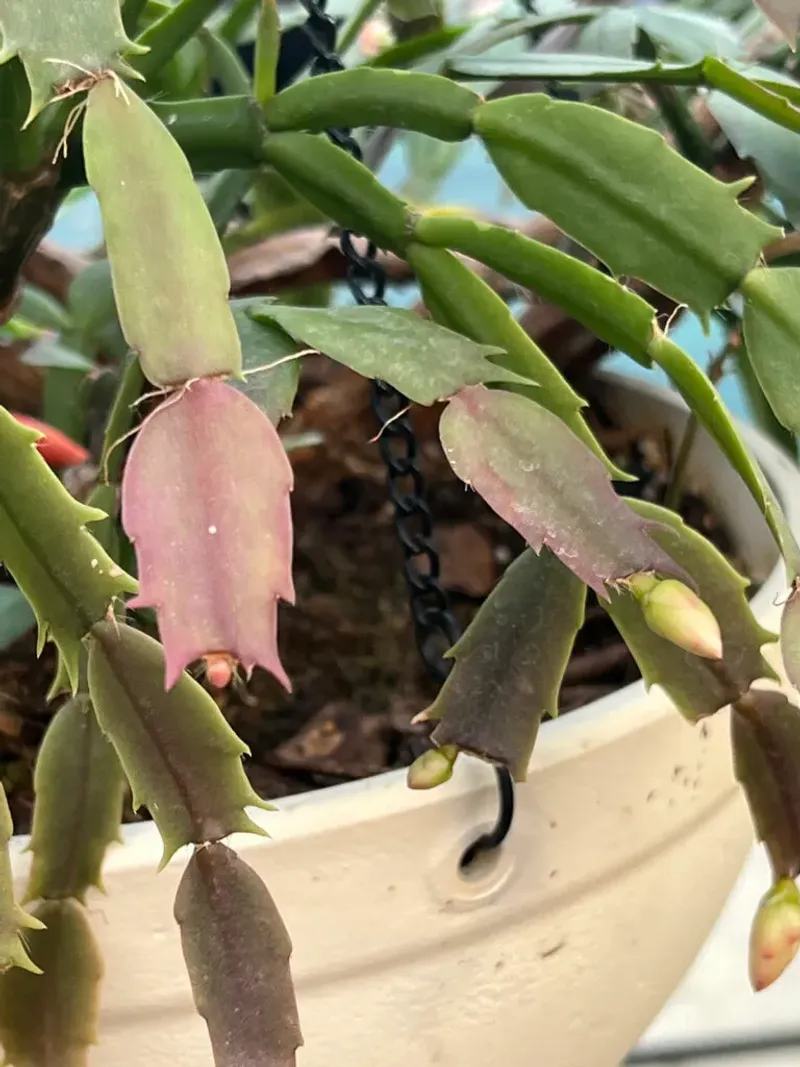
Environmental stress is one of the biggest reasons Christmas cacti fail to bloom or drop their buds prematurely in Arizona homes.
These sensitive plants react strongly to sudden changes in their surroundings, especially during the critical bud development phase.
Moving your plant to a different location once buds have formed often causes bud drop, as the cactus struggles to adjust to new light, temperature, and humidity conditions.
Hot, dry air from heating vents or air conditioning ducts creates another major stress factor.
Position your plant away from direct airflow, which rapidly dries out both soil and foliage, causing buds to shrivel and fall before opening.
Allowing the soil to become completely dry during bud formation is equally problematic.
While you should reduce watering slightly to encourage blooming, never let the plant experience severe drought stress during this sensitive period.
Temperature fluctuations also cause problems—avoid placing your Christmas cactus near exterior doors that open frequently or windows that get extremely cold at night.
Drafts of either hot or cold air shock the plant and interrupt the blooming process.
Finally, overwatering during bud development leads to root stress and bud drop just as readily as underwatering does.
Consistency and stability are key to getting your Christmas cactus through the blooming phase successfully in our unpredictable desert climate.
Post Bloom Care To Ensure Next Year’s Flowers
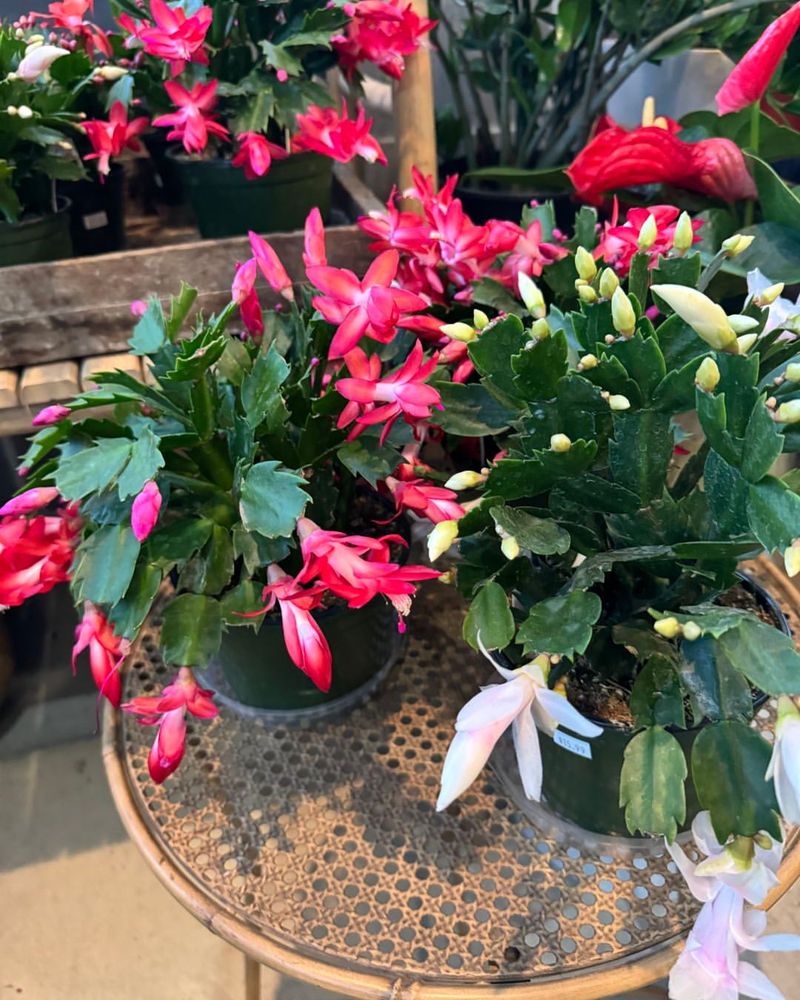
What you do after the flowers fade has a tremendous impact on whether your Christmas cactus will bloom abundantly next year or struggle to produce buds.
Once all the flowers have finished, gently remove the spent blooms by pinching them off at the base.
This tidying up prevents the plant from putting energy into seed production and redirects that energy toward healthy growth instead.
Light pruning after flowering helps maintain an attractive, bushy shape and encourages branching, which means more potential bloom sites for next year.
Simply twist off one or two segments at the joints of any stems that look leggy or unbalanced.
Give your Christmas cactus a rest period of about four to six weeks after blooming ends.
During this time, reduce watering slightly and skip fertilizing to let the plant recuperate from the energy-intensive flowering process.
As spring arrives, gradually increase watering and resume your regular feeding schedule.
If possible, move your plant outdoors to a shaded patio or under a tree canopy during Arizona’s milder months, typically late March through early June and again in September.
Outdoor shade exposure provides ideal growing conditions with natural air circulation and gentle filtered light.
Just watch for extreme heat and bring the plant inside before temperatures soar above 90 degrees consistently.
This post-bloom care routine helps your Christmas cactus rebuild strength and prepare for another spectacular flowering season.