How Maryland Gardeners Create Bird Friendly Backyards
Maryland backyards can become amazing places for birds to visit and thrive.
From the Chesapeake Bay shores to the Appalachian foothills, our state hosts over 400 bird species throughout the year.
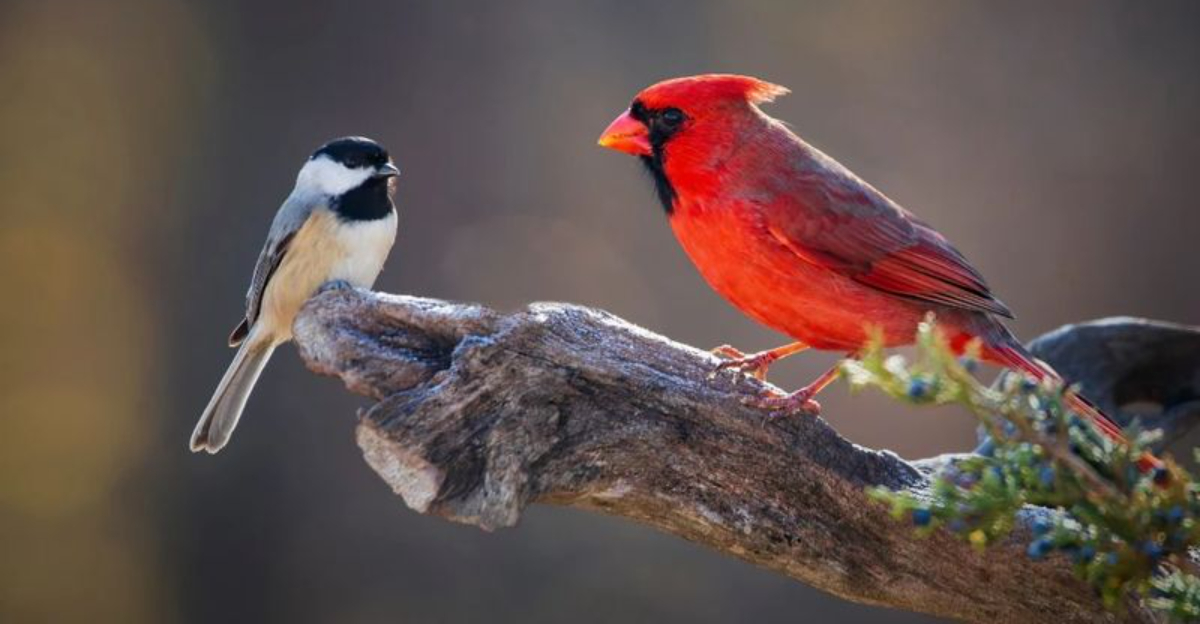
Cardinals, bluebirds, chickadees, and woodpeckers are just a few feathered friends that call Maryland home.
When you create a bird-friendly space, you help these creatures find food, water, and safe places to rest.
Many bird populations face challenges from habitat loss and environmental changes.
Your backyard can make a real difference in their survival.
Gardeners across Maryland have discovered simple ways to transform ordinary yards into bird havens.
Native plants, water sources, and smart landscaping choices attract dozens of species.
You do not need a huge yard or expensive equipment to get started.
Small changes can bring big results.
Birds bring beauty, songs, and natural pest control to your outdoor space.
They eat mosquitoes, aphids, and other insects that damage plants.
Watching birds visit your yard provides endless entertainment and connects you with nature.
Maryland gardeners have perfected techniques that work in our specific climate and seasons.
Their proven methods can help you create a backyard sanctuary that birds will love all year long.
Plant Native Trees And Shrubs
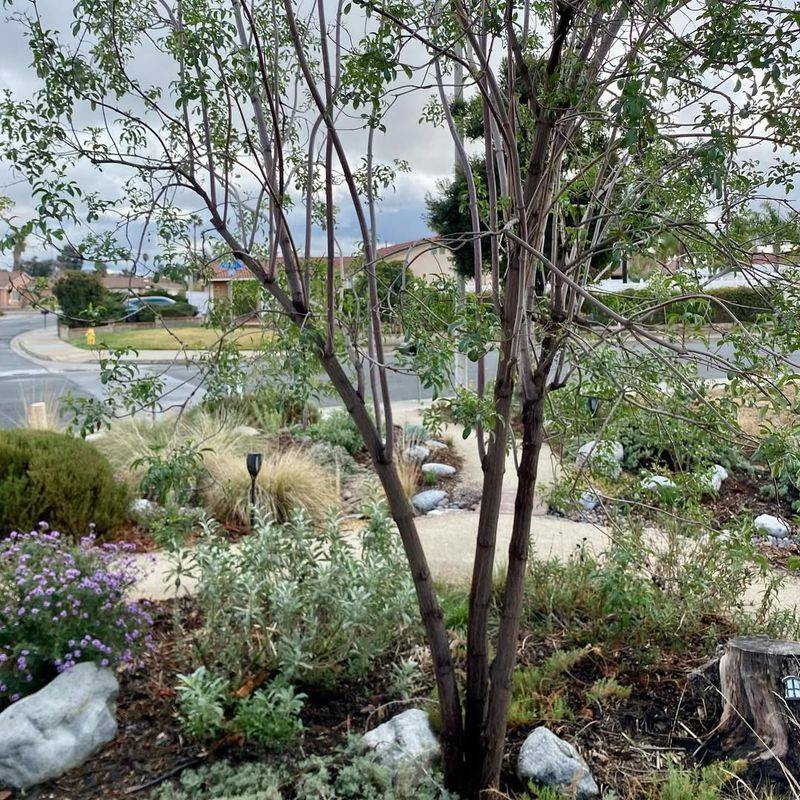
Birds have evolved alongside Maryland’s native plants for thousands of years.
Oak trees alone support over 500 species of caterpillars, which become essential food for baby birds.
Dogwood, serviceberry, and elderberry provide berries that migrating birds depend on for energy.
Native plants require less water and maintenance than exotic species once established.
They naturally resist local pests and diseases better than imports.
Chickadees need thousands of caterpillars to raise just one brood of chicks.
Without native plants, these insects simply do not exist in sufficient numbers.
Maryland’s native viburnums, hollies, and chokeberries offer food across different seasons.
Spring flowers feed hummingbirds and insects.
Summer berries sustain catbirds and robins.
Fall fruits help birds build fat reserves for migration.
Winter berries provide emergency food during harsh weather.
Plant a variety of native species to create a year-round buffet.
Group plants in layers with tall trees, medium shrubs, and low groundcovers.
This mimics natural forest edges where birds feel most comfortable.
Local nurseries now stock many native options specifically grown for Maryland conditions.
Choose plants suited to your specific county and soil type for best results.
Native gardens become more beautiful and productive each year as plants mature and spread.
Install Multiple Water Features
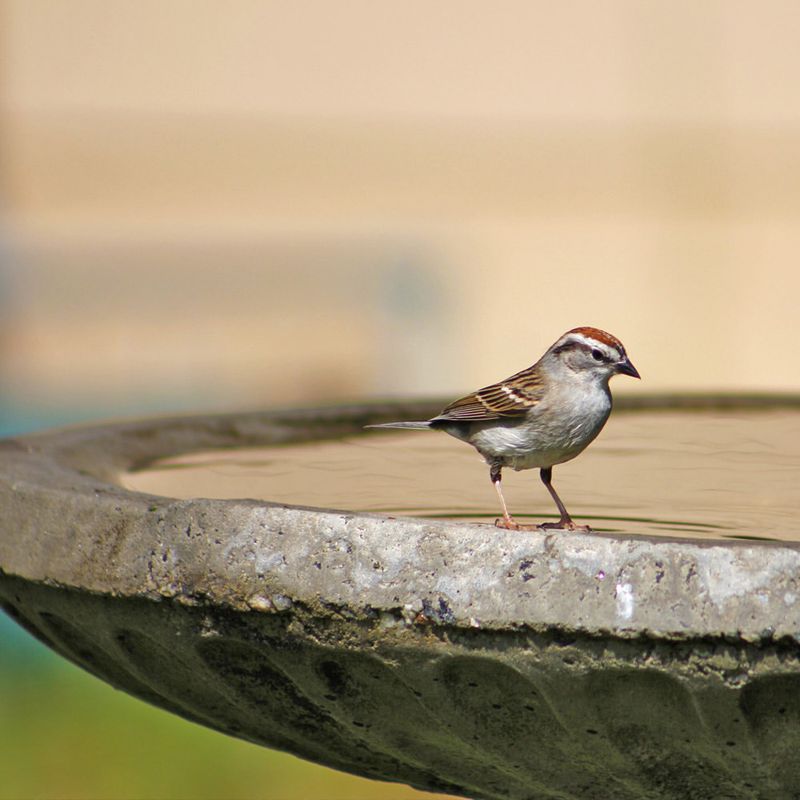
Fresh water attracts more bird species than feeders alone ever could.
Birds need water for drinking and bathing every single day, regardless of season.
A simple birdbath placed at ground level welcomes ground-feeding species like towhees and thrashers.
Elevated baths attract cardinals, jays, and finches who prefer higher perches.
Water depth matters tremendously for bird safety and comfort.
Keep water between one and three inches deep, with gradual slopes for different sized birds.
Add rocks or pebbles to provide secure footing in deeper areas.
Moving water creates sounds that birds can hear from great distances.
Your Maryland Garden Changes Every Week. Your Plan Should Too.
Gardening in Maryland changes quickly throughout the season. Every Friday you’ll receive a simple weekly plan showing exactly what to plant, prune, fertilize, harvest, and protect so you never miss the right timing.
A small fountain, dripper, or solar bubbler makes your water source irresistible.
Birds spot the sparkle and hear the splash, drawing them from surrounding areas.
Change water every two or three days during warm months to prevent mosquito breeding.
Scrub baths weekly with a stiff brush to remove algae and droppings.
In winter, heated birdbaths become critical when natural water sources freeze solid.
Position water features near shrubs or small trees so wet birds can quickly reach cover.
Avoid placing baths too close to dense bushes where cats might hide.
Multiple water sources scattered around your yard accommodate more birds at once.
Different species visit at different times and prefer different locations.
Water features transform ordinary backyards into bustling bird gathering spots.
Create Brush Piles and Natural Shelter

Tangled branches might look messy, but birds see them as lifesaving refuges.
Brush piles offer protection from predators, harsh weather, and territorial conflicts.
Sparrows, wrens, and towhees dart into these structures when hawks fly overhead.
During Maryland’s cold winters, brush piles provide windbreaks and insulation.
Start your pile with larger logs or thick branches as a stable foundation.
Layer smaller branches, twigs, and pruned stems on top to create gaps and tunnels.
Make piles four to eight feet wide and three to five feet tall for maximum usefulness.
Position brush piles near feeding areas so birds can quickly escape danger.
Place them at yard edges or in corners where they blend into the landscape.
Add to your pile throughout the year as you prune trees and shrubs.
Fresh material on top keeps the structure dense and functional.
Bottom layers slowly decompose, creating habitat for insects that birds eat.
Chipmunks, rabbits, and beneficial insects also use brush piles for shelter.
This increases overall backyard biodiversity and ecological health.
Some Maryland gardeners create artistic brush piles that look intentional and attractive.
Arrange branches in neat stacks or spiral patterns for visual appeal.
Even small piles in urban yards provide valuable cover for birds.
One strategically placed brush pile can support dozens of bird visits daily.
Reduce Lawn Area For Meadow Spaces
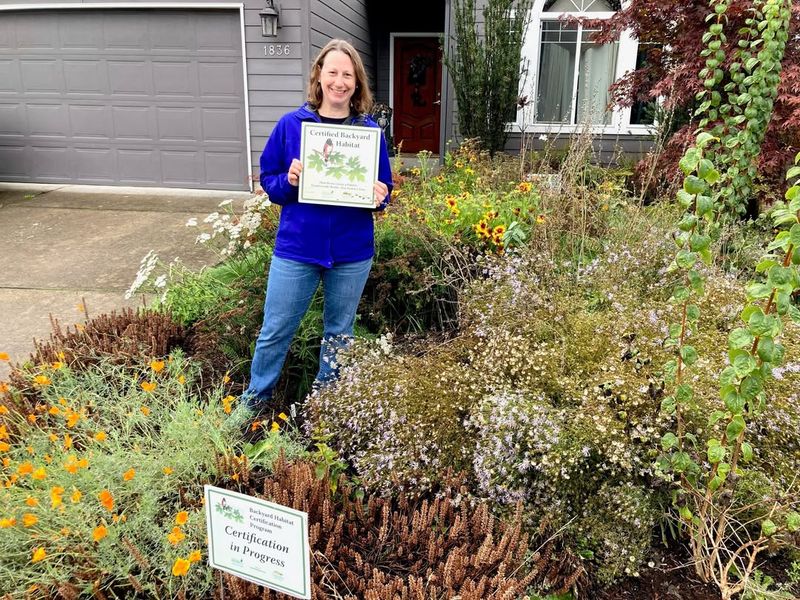
Grass lawns offer almost nothing for birds except robins hunting earthworms.
Converting even a portion of your lawn to meadow creates incredible bird habitat.
Native grasses and wildflowers produce seeds that goldfinches, sparrows, and juncos devour.
Insects thrive in meadow plants, providing protein for warblers and wrens.
Start small by converting a sunny corner or strip along your property line.
Choose native grass mixes suited to Maryland’s climate and your soil conditions.
Little bluestem, switchgrass, and Indian grass all produce nutritious seeds.
Mix in wildflowers like black-eyed Susan, coneflower, and milkweed for additional benefits.
Meadows require less mowing, watering, and chemical treatments than traditional lawns.
You save time, money, and help the environment simultaneously.
Mow your meadow just once per year in late winter or early spring.
This timing allows birds to eat seeds throughout fall and winter months.
Standing seed heads also provide shelter for overwintering insects.
Meadows look beautiful with seasonal color changes and graceful movement in breezes.
Many Maryland counties offer native seed mixes specifically designed for local conditions.
Some municipalities even provide financial incentives for reducing lawn areas.
Meadows support butterflies, bees, and other pollinators alongside birds.
Your reduced lawn becomes a thriving ecosystem rather than a biological desert.
Offer Variety In Bird Feeders
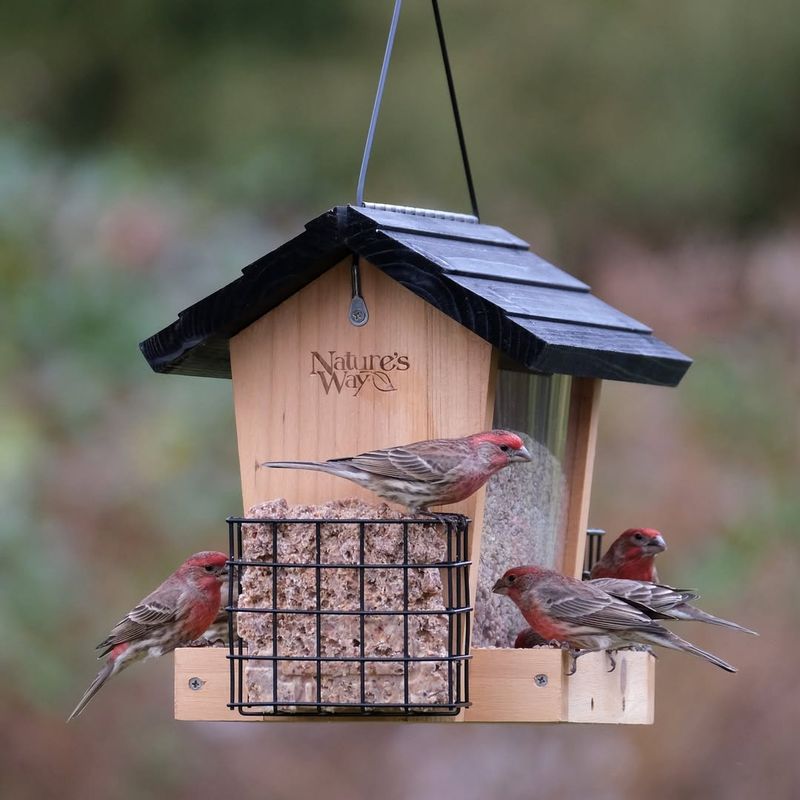
Different bird species have distinct feeding preferences and physical abilities.
Tube feeders with small perches attract finches, chickadees, and titmice perfectly.
Platform feeders welcome larger birds like jays, cardinals, and mourning doves.
Suet feeders provide high-energy fat that woodpeckers, nuthatches, and starlings love.
Nyjer seed feeders specifically target goldfinches and pine siskins.
Black oil sunflower seeds appeal to the widest variety of Maryland birds.
This single seed type can attract over thirty different species to your yard.
Safflower seeds deter squirrels and grackles while cardinals adore them.
Peanuts in the shell entertain jays and provide entertainment as birds work to open them.
Position feeders at different heights throughout your yard for maximum diversity.
Place some near windows for close viewing and others farther away for shy species.
Keep feeders at least ten feet from dense shrubs where cats might lurk.
Clean feeders every two weeks with hot soapy water to prevent disease spread.
Moldy or spoiled seed can make birds seriously ill.
Store seed in metal containers to keep it fresh and protect from rodents.
Rotate feeder locations occasionally to prevent waste buildup underneath.
Accumulated hulls and droppings can harbor harmful bacteria.
Multiple feeder types reduce competition and allow more birds to feed peacefully together.
Avoid Pesticides And Chemicals
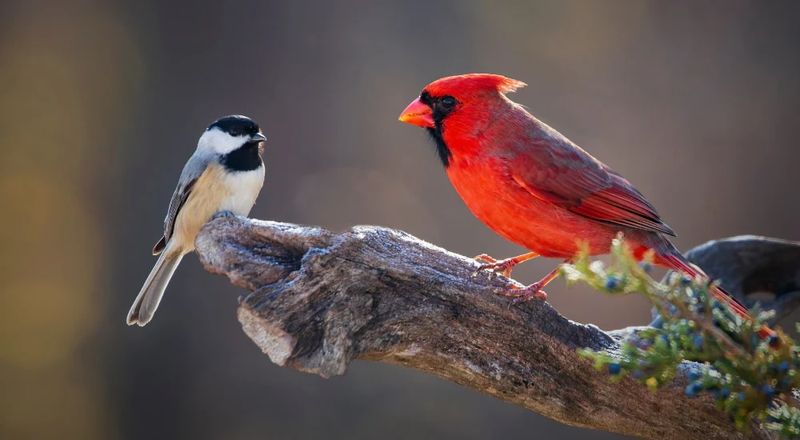
Chemicals that target insects also harm the birds that depend on those insects.
A single chickadee chick requires over 6,000 caterpillars before it can leave the nest.
Pesticides eliminate this crucial food source and poison birds directly through contaminated prey.
Herbicides reduce plant diversity, which decreases insect populations and seed availability.
Birds can absorb toxic chemicals through their feet when walking on treated lawns.
They also ingest poisons while preening contaminated feathers.
Maryland gardeners have discovered many natural pest control methods that work beautifully.
Encourage natural predators like ladybugs, lacewings, and yes, insect-eating birds themselves.
Hand-pick larger pests like Japanese beetles early in the morning when they move slowly.
Use physical barriers like row covers to protect vulnerable plants from damage.
Companion planting with herbs and flowers confuses and repels many common pests.
Accept some plant damage as the price of a healthy, balanced ecosystem.
Perfect lawns and flawless gardens actually indicate ecological problems, not success.
Native plants naturally resist local pests better than non-native varieties.
Strong, healthy plants grown in appropriate conditions need minimal intervention.
If you must treat a serious problem, choose organic options as a last resort.
Apply treatments only to affected areas rather than broadcasting across entire yards.
Chemical-free yards support more birds, butterflies, and beneficial insects year after year.
Provide Nesting Materials And Sites
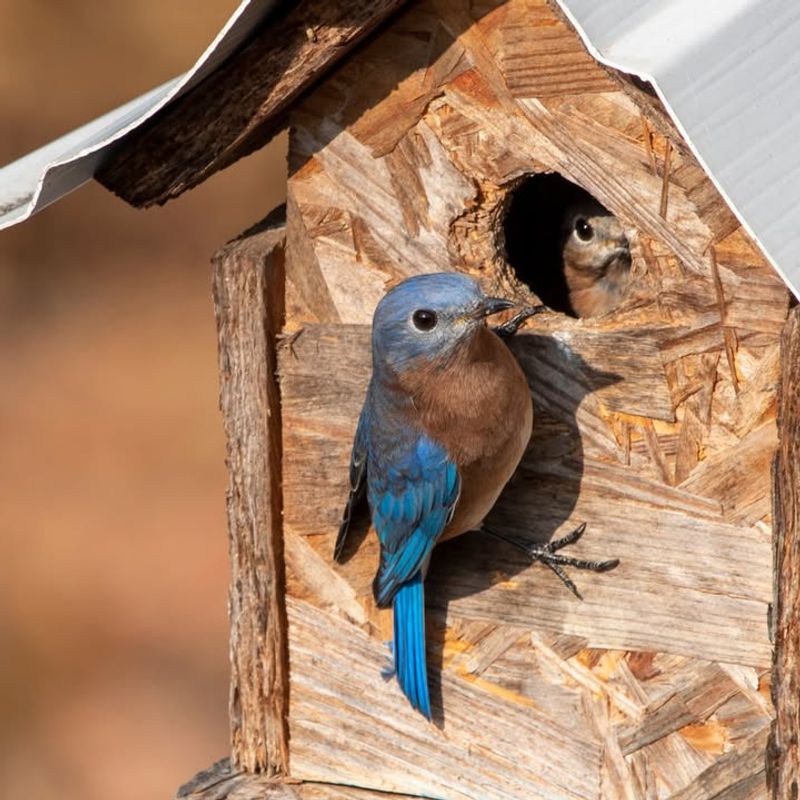
Birds spend weeks searching for perfect nesting locations and building materials.
You can help by leaving some areas of your yard a bit wild and untidy.
Mature trees with cavities offer homes for woodpeckers, chickadees, and screech owls.
Dense shrubs provide concealed spots where robins, cardinals, and mockingbirds build nests.
Install nest boxes designed for specific species common in Maryland backyards.
Bluebird boxes should face open areas with entrance holes exactly 1.5 inches in diameter.
Chickadee and titmouse boxes need 1.125-inch holes and prefer woodland edges.
Mount boxes on poles with predator guards to protect eggs and chicks from snakes and raccoons.
Offer natural nesting materials by leaving small piles of twigs, moss, and dried grass.
Pet fur, wool scraps, and short pieces of natural fiber string also work wonderfully.
Avoid synthetic materials, dryer lint, or anything treated with chemicals.
Place materials in mesh bags or suet cages where birds can easily pull them out.
Some birds collect mud for nest construction, so maintain a muddy patch during spring.
Robins especially appreciate this resource for their cup-shaped nests.
Avoid heavy pruning during nesting season from April through August in Maryland.
You might accidentally disturb active nests and cause parents to abandon their eggs.
Observing nest building and chick rearing provides incredible educational opportunities.
Your yard becomes a classroom for understanding bird life cycles and behaviors.
Plant For Year-Round Food Sources
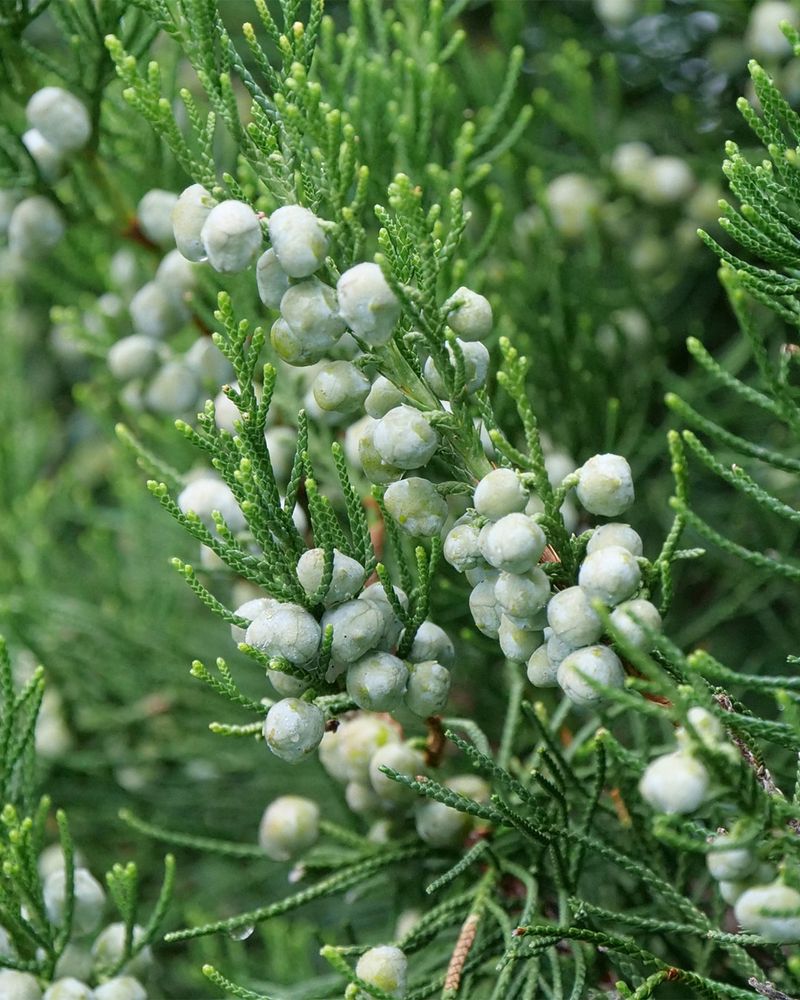
Strategic planting ensures birds find food in your yard during every season.
Spring-blooming native trees and shrubs provide nectar for early hummingbirds and insects.
Summer flowers attract butterflies and moths whose caterpillars feed baby birds.
Fall berries help migrants build energy reserves for long journeys south.
Winter fruit and seed heads sustain resident birds when food becomes scarce.
Serviceberry blooms early and produces June berries that bluebirds and robins adore.
Elderberry ripens in late summer when young birds need extra nutrition.
Viburnums hold their berries into winter, providing emergency food during storms.
Coneflowers and black-eyed Susans produce seeds that finches eat from fall through spring.
Leave flower heads standing rather than cutting them back for tidy appearances.
Seeds remaining on plants taste better and retain more nutrition than fallen seeds.
Native grasses like switchgrass and little bluestem feed sparrows throughout cold months.
Their seeds remain accessible even under light snow cover.
Crabapples hold fruit through winter when other food sources have been exhausted.
Choose varieties that produce small, persistent fruits rather than large ornamental types.
Overlap bloom and fruit times by selecting plants with different seasonal peaks.
Research which plants support birds during Maryland’s specific seasonal transitions.
A well-planned yard becomes a reliable food source that birds return to annually.
Minimize Window Collisions
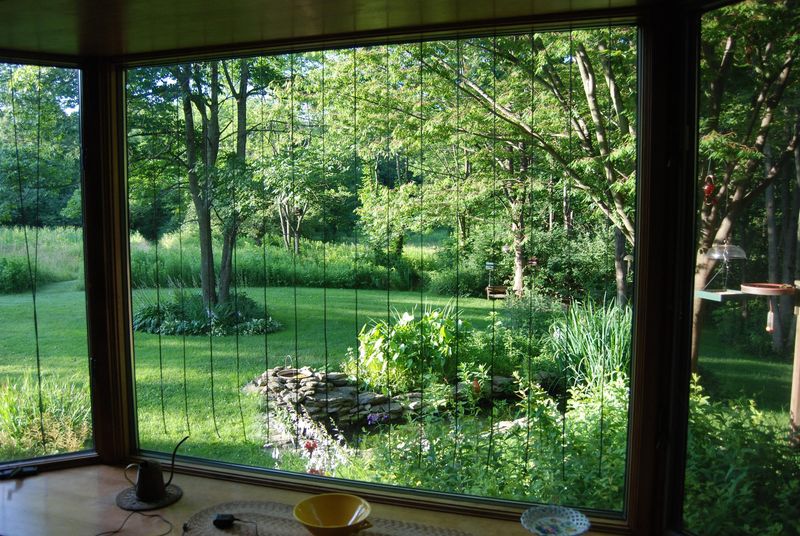
Glass windows cause millions of bird injuries and fatalities across America annually.
Birds cannot perceive glass as a solid barrier and see reflections as continuation of habitat.
They fly full-speed into windows while fleeing predators or moving between feeding areas.
Maryland gardeners have found several effective solutions to prevent these tragic accidents.
Apply window decals, stickers, or tape in patterns with spacing no larger than two inches.
Birds will not attempt to fly through gaps smaller than this dimension.
External screens and netting create visible barriers that birds recognize and avoid.
These solutions also reduce solar heat gain and protect your home’s interior.
Relocate feeders either very close to windows or farther than thirty feet away.
Birds flying from feeders right next to windows cannot build up dangerous speeds.
Feeders positioned far away give birds time to perceive windows as obstacles.
The dangerous zone exists between three and thirty feet from glass surfaces.
Close blinds or curtains partially to break up reflections and make glass more visible.
UV-reflective films and markers appear bright to birds but remain nearly invisible to humans.
These products take advantage of birds’ ability to see ultraviolet light that we cannot detect.
Keep outdoor lights off at night during migration seasons in spring and fall.
Artificial light confuses migrating birds and increases collision risks dramatically.
Simple precautions save countless bird lives while maintaining your view and home aesthetics.
Join Local Bird Monitoring Programs

Maryland hosts numerous citizen science projects that benefit birds while enhancing your experience.
Project FeederWatch runs from November through April, tracking which species visit feeders.
Participants count birds for just a few hours every week or two.
Your observations help scientists understand population trends, range changes, and migration patterns.
The Great Backyard Bird Count occurs each February over a long weekend.
Anyone can participate by counting birds for as little as fifteen minutes.
Data collected creates a real-time snapshot of bird distributions across entire continents.
Maryland Ornithological Society offers local bird clubs and field trips throughout the state.
Connect with experienced birders who can help you identify species and improve your habitat
NestWatch teaches participants to safely monitor nests and report breeding success.
This information reveals how habitat quality affects bird reproduction rates.
eBird allows you to keep personal bird lists while contributing to global databases.
Record every bird you see in your yard and watch your species list grow.
These programs provide feedback about how your habitat improvements attract more birds.
You will notice seasonal patterns and discover which features work best in your specific location.
Contributing to science gives deeper meaning and purpose to your bird-friendly gardening efforts.
Your backyard observations genuinely advance our understanding of bird ecology and conservation needs.
Participation connects you with a community of people who share your passion for birds.