15 Trees That Are Toxic And Should Not Be Planted In Alabama Landscapes
Alabama’s rich soil and long growing season make it tempting to plant any tree that catches your eye, but not every attractive species belongs in your backyard.
Some trees pose hidden dangers—whether to pets, livestock, children, or even the surrounding ecosystem.
In a state where curious wildlife roams freely and outdoor living is a year-round affair, planting the wrong tree can turn into a costly mistake.
Toxic sap, hazardous seeds, invasive root systems, and dangerously brittle limbs can all create problems that outweigh the beauty a tree provides.
Many homeowners don’t realize they’ve invited trouble until symptoms appear: sick pets, damaged structures, or a yard that suddenly feels hostile to native plants and wildlife.
Alabama’s unique combination of heat, humidity, and biodiversity makes certain trees far riskier here than in other parts of the country.
Before adding new shade or ornamentals to your landscape, discover which trees you should skip entirely to keep your property safe, healthy, and hassle-free.
1. Black Walnut (Juglans Nigra)
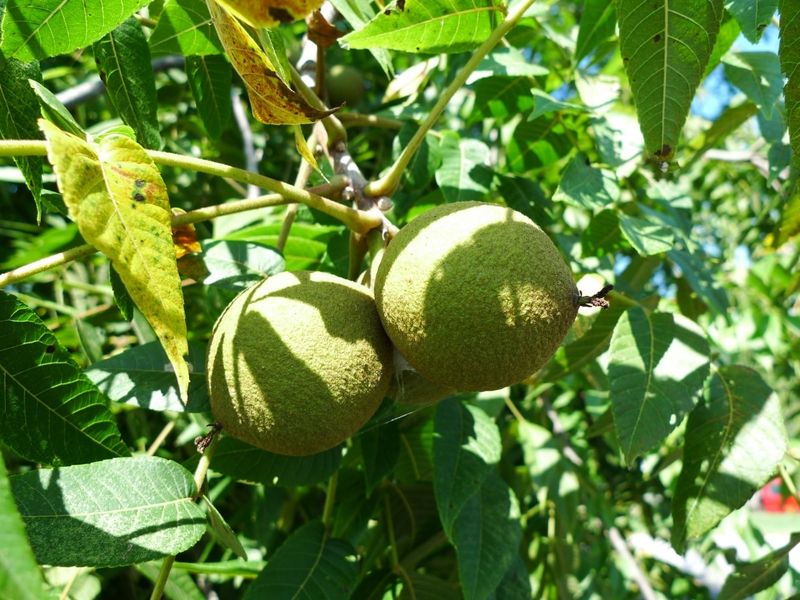
Black walnut trees might seem like a valuable addition because of their beautiful wood and edible nuts, but they come with a hidden danger that affects everything around them.
The roots, leaves, and husks produce a chemical called juglone that acts like an invisible poison in the soil.
This compound spreads through the ground and can harm or destroy many popular garden plants growing nearby.
Tomatoes, azaleas, rhododendrons, and blueberries are especially vulnerable to juglone poisoning.
These plants develop yellowing leaves, stunted growth, and eventually wither away when planted too close to black walnuts.
Even after removing the tree, juglone can persist in the soil for several years, making it difficult to establish new plantings in that area.
Horses face additional risks when they consume the shavings, bark, or nuts from these trees.
Ingesting black walnut material can cause a painful condition called laminitis in horses, affecting their hooves and mobility.
The toxin interferes with blood flow to the sensitive tissues inside the hoof, causing swelling and lameness.
If you have horses or plan to grow a diverse garden with vegetables and ornamentals, black walnut trees should stay off your planting list.
Their allelopathic properties make them incompatible with most Alabama landscape designs.
2. Chinaberry Tree (Melia Azedarach)
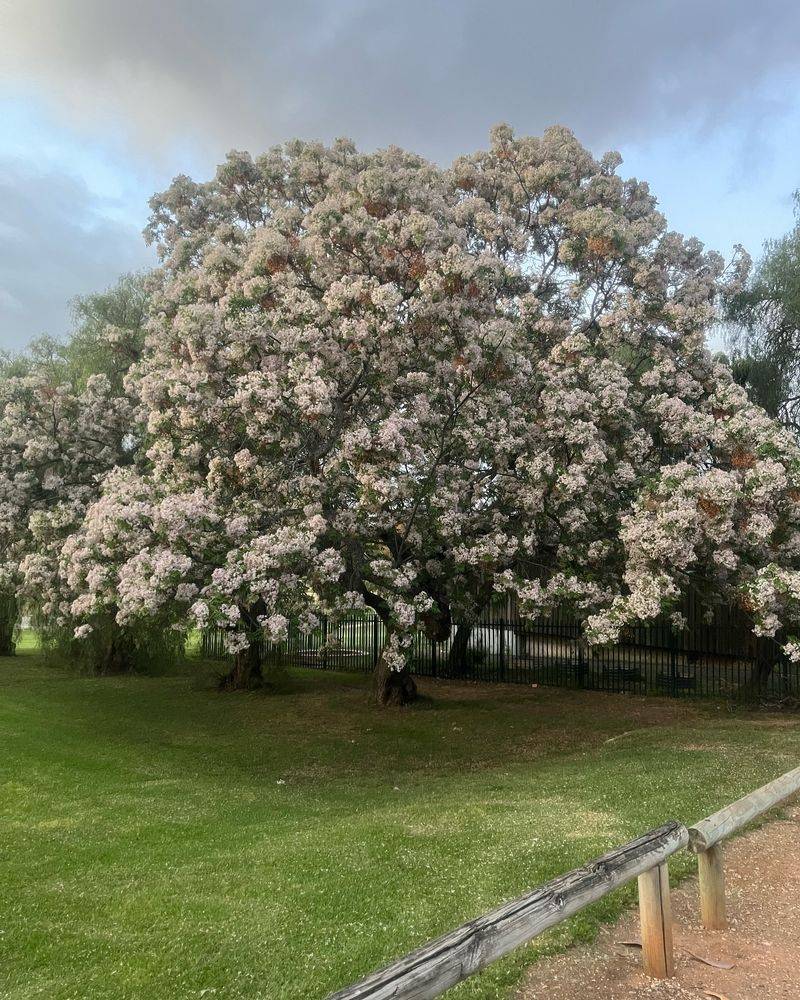
Chinaberry trees produce clusters of golden berries that look tempting but hide a dangerous secret inside.
These attractive fruits contain toxins that can cause serious illness in anyone who eats them, especially curious children and pets.
Dogs and cats are naturally drawn to the fallen berries, which can lead to emergency veterinary visits.
Symptoms of chinaberry poisoning include vomiting, diarrhea, drooling, and abdominal pain that develops within hours of ingestion.
In more severe cases, the toxins affect the nervous system, causing seizures, tremors, and difficulty breathing.
Livestock grazing near chinaberry trees face similar risks when they nibble on fallen berries or leaves.
The tree spreads rapidly throughout Alabama, producing thousands of seeds that birds distribute across the landscape.
This aggressive growth pattern has earned chinaberry a spot on invasive species lists in many Southern states.
Your Alabama Garden Changes Every Week. Your Plan Should Too.
Gardening in Alabama changes quickly throughout the season. Every Friday you’ll receive a simple weekly plan showing exactly what to plant, prune, fertilize, harvest, and protect so you never miss the right timing.
Young saplings pop up in gardens, fence rows, and natural areas, creating ongoing maintenance challenges for property owners.
The tree’s rapid spread also threatens native plant communities by crowding out indigenous species.
Even the tree’s beauty during flowering season cannot outweigh the safety concerns it presents.
With so many safer alternatives available for Alabama landscapes, there’s no good reason to plant or keep chinaberry trees on your property.
3. Mimosa Tree / Silk Tree (Albizia Julibrissin)
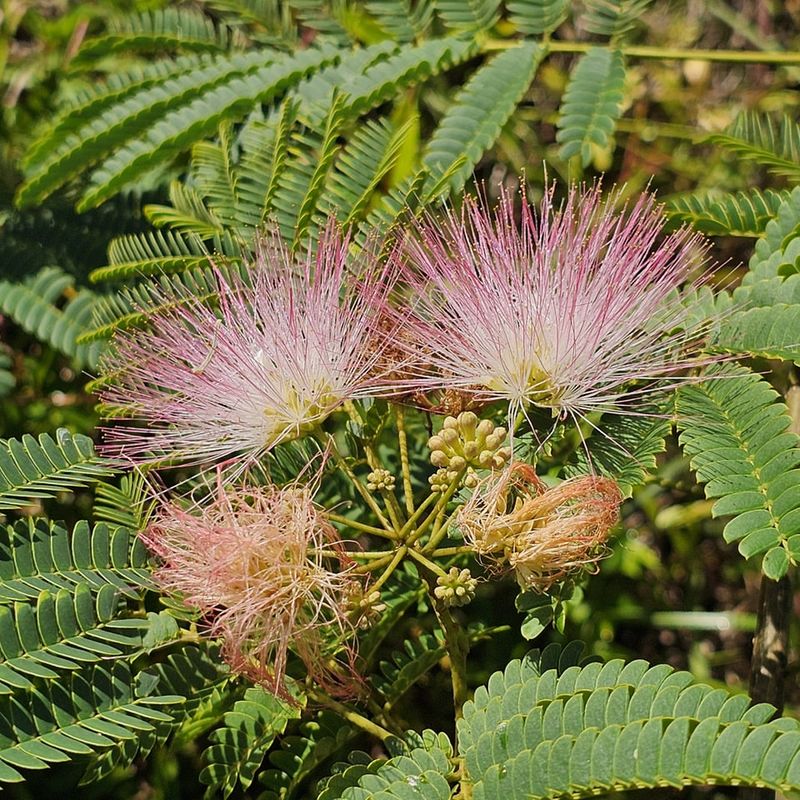
With fluffy pink blooms that look like something from a fairy tale, mimosa trees seem like the perfect ornamental choice at first glance.
However, these pretty flowers give way to seed pods containing toxins that pose risks to pets and grazing animals.
Dogs and livestock that consume the seeds may experience digestive upset, weakness, and other uncomfortable symptoms.
Beyond the toxicity concerns, mimosa trees have earned a reputation as aggressive invaders across the Southeast.
A single tree produces hundreds of seeds each year, and these seeds germinate easily in disturbed soil, roadsides, and garden beds.
Before long, mimosa seedlings appear everywhere, creating a never-ending removal task for homeowners.
The shallow root system makes mature trees vulnerable to storm damage, and fallen branches create additional cleanup work.
Mimosa trees also have relatively short lifespans compared to native species, often declining after just fifteen to twenty years.
As they age, they become susceptible to various diseases and pests that weaken their structure further.
Alabama’s native trees offer far better options for long-term landscape beauty without the invasive behavior.
Species like redbud or fringe tree provide similar ornamental appeal with none of the aggressive spreading.
Choosing native alternatives supports local ecosystems while eliminating the safety and maintenance headaches that mimosa trees bring to your property.
4. Oleander Tree Form (Nerium Oleander)
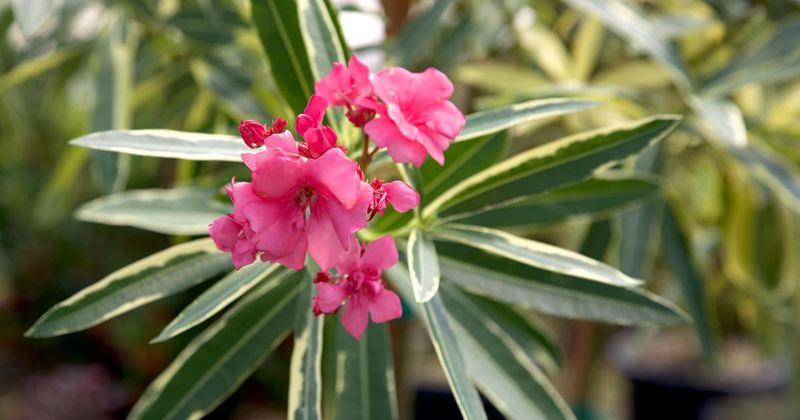
Oleander stands out as one of the most dangerous plants you can introduce to any landscape where people and animals spend time.
Every single part of this plant contains cardiac glycosides, powerful toxins that affect heart function in humans and animals.
Even a small amount of leaf material, stem, or flower can cause serious poisoning symptoms.
Children playing in yards with oleander face particular risk because they might be tempted to taste the colorful flowers or use the branches as play sticks.
Pets that chew on oleander leaves or stems can experience rapid heart rate, vomiting, and potentially life-threatening cardiac effects.
The danger extends beyond direct consumption of plant material.
Burning oleander branches releases toxic smoke that can harm anyone nearby, making it hazardous even during yard cleanup.
Using oleander wood for cooking fires or roasting marshmallows has resulted in poisoning cases.
Some people mistakenly believe that cooking neutralizes the toxins, but heat does not reduce oleander’s poisonous properties.
Despite these serious risks, oleanders are sometimes sold at nurseries because of their attractive flowers and heat tolerance.
Garden centers may not always emphasize the extreme toxicity to customers.
Alabama offers countless safer flowering alternatives that provide beauty without the life-threatening risks.
Crape myrtles, vitex, and native azaleas all deliver stunning blooms without putting your family and pets in danger around your home.
5. Black Cherry (Prunus Serotina)
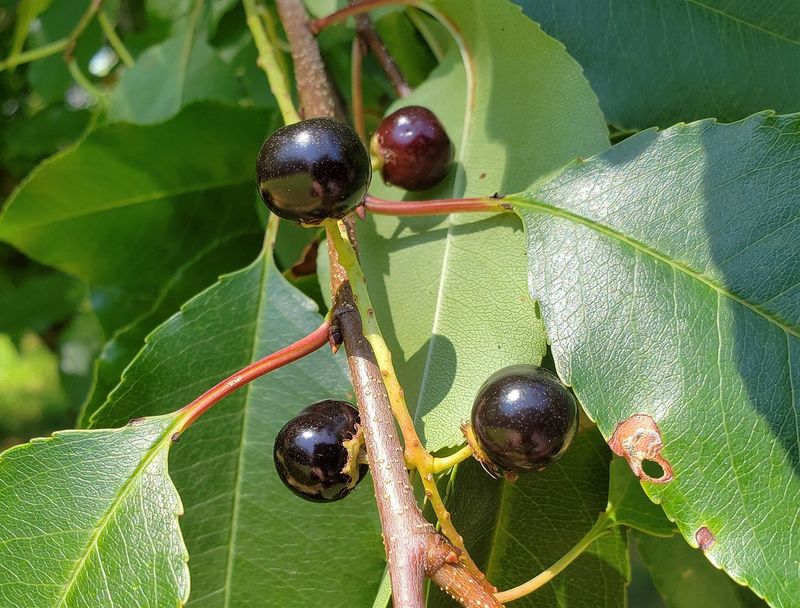
Black cherry trees grow naturally throughout Alabama’s forests and seem harmless until you understand how their chemistry changes under stress.
Fresh leaves contain compounds that convert to cyanide when the foliage wilts or dries after being damaged.
This transformation makes black cherry particularly dangerous for livestock that graze on fallen branches after storms or pruning.
Cattle are especially vulnerable to cyanide poisoning from wilted black cherry leaves.
Even a moderate amount of wilted foliage can cause rapid breathing, staggering, convulsions, and potentially fatal respiratory failure in cattle.
The danger is highest during drought conditions, after frost damage, or when branches fall during storms and begin to wilt.
Horses and goats can also be affected, though cattle tend to be most susceptible to the toxins.
Property owners with livestock should be extremely cautious about black cherry trees near pastures and grazing areas.
The trees often grow along fence lines and property boundaries where branches can easily fall into pastures.
While wildlife like birds safely consume the ripe berries, the foliage remains dangerous to domestic animals.
Managing these trees requires constant vigilance to keep wilted material away from livestock.
For Alabama landowners who keep cattle or other grazing animals, removing black cherry trees from accessible areas provides important protection.
Native alternatives like serviceberry offer similar ecological benefits without the cyanide risk that makes black cherry so problematic around livestock.
6. Golden Rain Tree (Koelreuteria Paniculata)
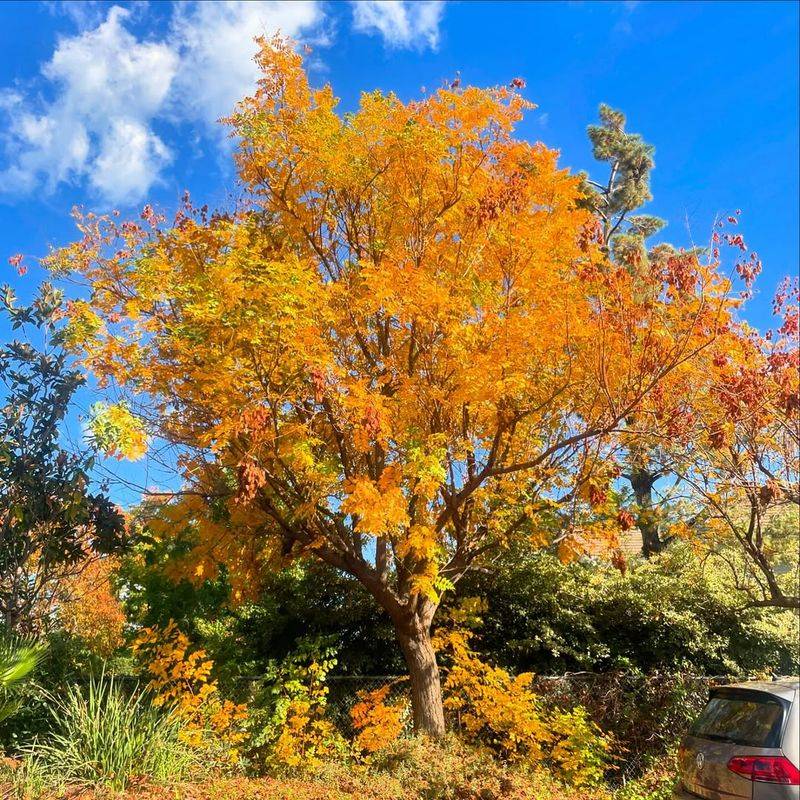
Golden rain trees catch attention with their showy yellow flower clusters and unusual papery seed pods that look like miniature Chinese lanterns.
These ornamental features have made them popular landscape choices, but their behavior in Alabama’s climate reveals serious problems.
The tree produces abundant seeds that germinate readily, allowing it to spread aggressively throughout the Southeast.
Young seedlings pop up in garden beds, natural areas, and anywhere birds drop the seeds after eating the pods.
This invasive tendency threatens native plant communities and creates ongoing maintenance work for property owners.
Beyond the ecological concerns, the seeds contain compounds that can cause mild toxicity in pets and children who consume them.
While not as dangerous as some other species on this list, the seeds can still cause digestive upset and discomfort.
The combination of invasive behavior and toxicity makes golden rain trees a poor choice for Alabama landscapes.
Native alternatives like yellowwood provide similar visual interest with beautiful yellow flowers and none of the spreading problems.
Yellowwood trees grow at a moderate pace, support local wildlife, and integrate beautifully into Alabama’s natural ecosystem.
They offer the golden color and ornamental appeal that many gardeners seek without the ecological disruption.
Choosing native species helps preserve Alabama’s natural plant communities while reducing the time and effort spent controlling invasive seedlings that appear throughout your property year after year.
7. Tree-Of-Heaven (Ailanthus Altissima)
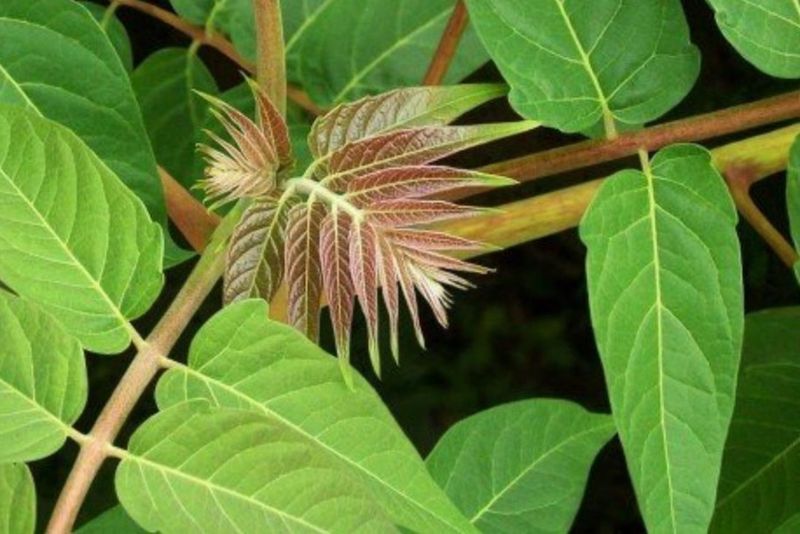
Despite its heavenly name, this tree behaves more like a landscape nightmare once it establishes itself on your property.
Tree-of-heaven grows at an alarming rate, quickly reaching heights of fifty feet or more while spreading through root suckers and abundant seeds.
A single tree can produce hundreds of thousands of seeds in one season, and each seed has a high germination rate.
The roots release allelopathic chemicals into the soil that suppress the growth of nearby plants, similar to black walnut but with aggressive spreading behavior added to the problem.
This combination of rapid growth, prolific seeding, and chemical warfare against other plants makes tree-of-heaven one of the most problematic invasive species in the United States.
Handling the tree creates additional concerns because the sap and crushed leaves can cause skin irritation and allergic reactions in sensitive individuals.
The tree also emits an unpleasant odor that many people compare to rancid peanut butter or rotting cashews.
This smell becomes especially noticeable during flowering season and when leaves or branches are damaged.
Tree-of-heaven has become so problematic that many states have designated it as a noxious weed requiring removal.
Once established, the tree is extremely difficult to eliminate because cutting it down stimulates rapid regrowth from the root system.
Proper removal often requires repeated treatments and professional assistance to prevent the tree from returning.
Alabama gardeners should never intentionally plant this species and should work to remove any specimens that appear on their property.
8. Elderberry Tree Form (Sambucus Canadensis, Unripe Parts)
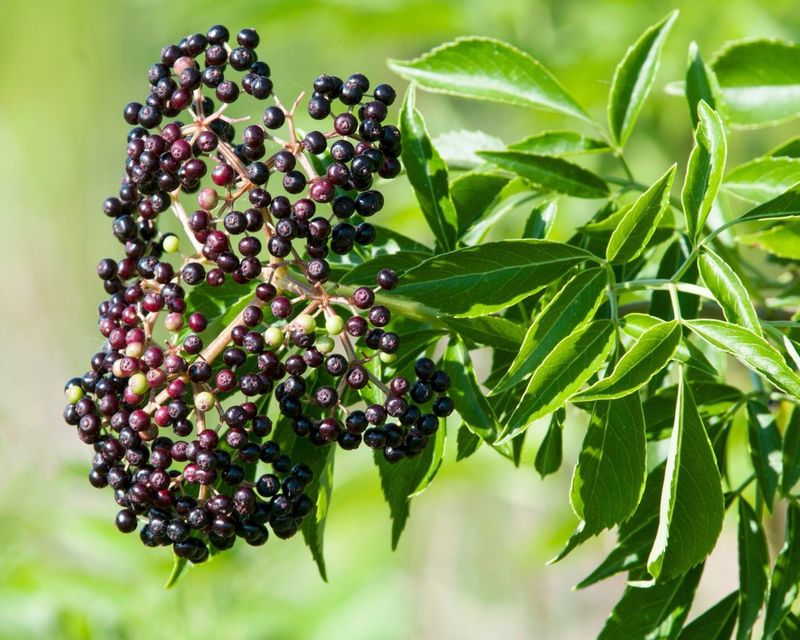
Elderberries have gained popularity for their ripe fruit, which people use in jams, syrups, and herbal remedies.
However, the same plant contains dangerous compounds in its unripe berries, leaves, stems, and roots.
These parts contain cyanogenic glycosides that convert to cyanide in the digestive system when consumed.
Children and pets exploring the yard might not understand the difference between ripe and unripe berries, creating a serious safety concern.
Green, unripe elderberries look similar to the safe, dark purple ripe ones, making it easy for someone unfamiliar with the plant to make a dangerous mistake.
Even the leaves and stems remain toxic throughout the growing season, regardless of berry ripeness.
Dogs that chew on elderberry branches or consume fallen leaves can experience vomiting, diarrhea, and more serious symptoms if they ingest enough material.
The plant’s toxic properties have resulted in numerous accidental poisonings, especially among people attempting to harvest the berries without proper knowledge.
Raw elderberries, even when fully ripe, can cause digestive upset and should always be cooked before consumption.
For Alabama homeowners with young children or pets, the risk-benefit calculation often doesn’t favor planting elderberry.
Many safer alternatives provide ornamental value and wildlife benefits without the toxicity concerns.
Native shrubs like beautyberry offer similar ecological benefits while posing no risk to curious kids or pets.
If you choose to grow elderberry for its fruit, ensure it’s planted in a secure area away from children’s play spaces and pet areas.
9. Horse Chestnut / Buckeye (Aesculus Species)
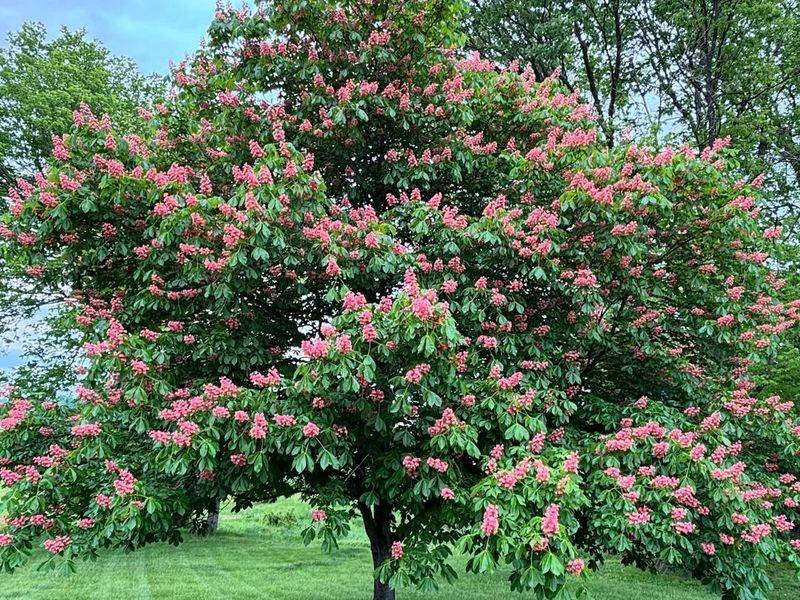
Buckeye trees produce glossy brown nuts that look tempting enough to eat, but appearances can be deceiving in this case.
These attractive seeds contain aesculin and other toxic compounds that affect the nervous system and digestive tract.
Children often collect the shiny nuts as treasures, and pets may chew on them out of curiosity, leading to poisoning incidents.
Symptoms of buckeye poisoning include vomiting, diarrhea, muscle twitching, weakness, and coordination problems.
In severe cases, the toxins can cause paralysis and respiratory distress requiring immediate veterinary or medical attention.
Livestock that consume buckeye leaves or nuts face similar risks, though most animals avoid the plant due to its bitter taste.
However, hungry animals or those with limited forage options may eat enough to cause problems.
The toxicity extends to all parts of the plant, including the leaves, bark, and flowers, though the nuts contain the highest concentration.
Even handling the nuts and then touching your mouth or eyes can cause mild irritation in some people.
Despite these dangers, buckeye trees are sometimes planted for their attractive flowers and distinctive foliage.
Ohio buckeye and red buckeye both grow in Alabama, and both species share the same toxicity concerns.
If you love the look of buckeye trees but worry about safety, consider planting them in areas where children and pets don’t regularly play or explore.
Better yet, choose native alternatives like fringe tree or serviceberry that provide similar ornamental value without the poisonous nuts scattered across your lawn each fall.
10. Yew Tree (Taxus Species)
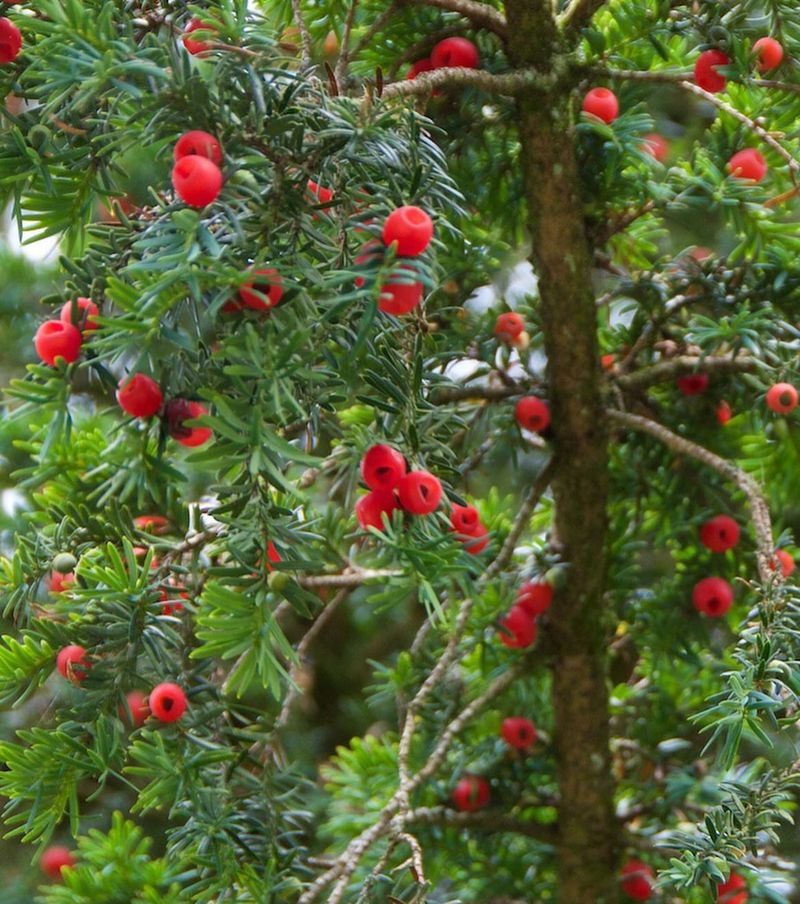
Yew trees rank among the most toxic plants commonly found in ornamental landscapes across the country.
Nearly every part of the plant contains taxine alkaloids, powerful compounds that can cause sudden cardiac arrest.
The needles, seeds, and bark all contain dangerous levels of these toxins, making the entire plant a hazard.
What makes yews particularly dangerous is how quickly the toxins work and how little material it takes to cause serious harm.
Horses are extremely sensitive to yew toxins, and consuming even a small amount of foliage can be rapidly fatal.
Dogs and cats that chew on yew branches or consume fallen needles face similar life-threatening risks.
The bright red berry-like structures called arils might attract children, though the fleshy part is actually the only non-toxic portion of the plant.
However, the seed inside the aril is highly poisonous, and children who eat the entire structure are at serious risk.
Because the toxins act so quickly, there is often little time for intervention once someone has consumed yew plant material.
Many poisoning cases result in sudden collapse without warning symptoms.
Despite these extreme dangers, yews remain popular foundation plants and hedge materials in many parts of the country.
Their evergreen foliage and tolerance for shade make them attractive landscaping choices, but the risks far outweigh the benefits.
Alabama gardeners have numerous safer evergreen alternatives including native hollies, southern magnolia, and various juniper species that provide year-round color without the life-threatening toxicity.
11. Red Maple (Acer Rubrum)
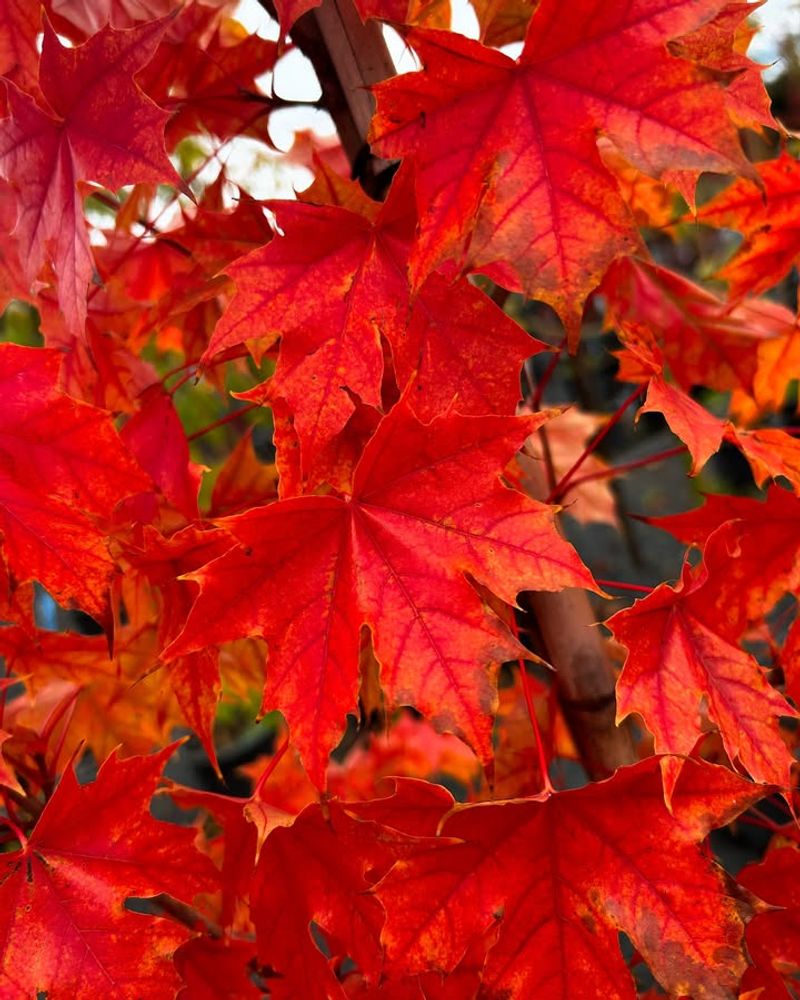
Red maples are beloved for their spectacular fall color, painting Alabama landscapes in brilliant shades of red and orange each autumn.
These native trees seem perfectly harmless until their leaves wilt, creating a deadly threat to horses.
Fresh green leaves pose no danger, but once leaves begin to wilt from drought stress, frost damage, or after falling from the tree, their chemistry changes dramatically.
Wilted red maple leaves contain compounds that destroy red blood cells in horses, causing a severe form of anemia.
Even a relatively small amount of wilted foliage can trigger this reaction, and horses often find the slightly sweet taste of wilted leaves appealing.
Affected horses develop dark-colored urine, pale gums, rapid breathing, and lethargy as their red blood cell count drops.
Without immediate veterinary intervention, red maple poisoning can be fatal within just a few days.
The danger is highest during storm seasons when branches fall into pastures, and during fall when leaves naturally drop from the trees.
Horse owners must remain vigilant about removing fallen branches and leaves from areas where horses graze or spend time.
The challenge is that red maples grow naturally throughout Alabama, making it nearly impossible to eliminate all trees from a property.
Instead, horse owners should focus on fencing horses away from red maple trees and quickly removing any fallen branches from accessible areas.
For new landscape plantings near horse pastures, choose species that pose no toxicity risk to equines, such as oak trees or hickories that horses can safely be around.
12. Tung Tree (Aleurites Fordii)
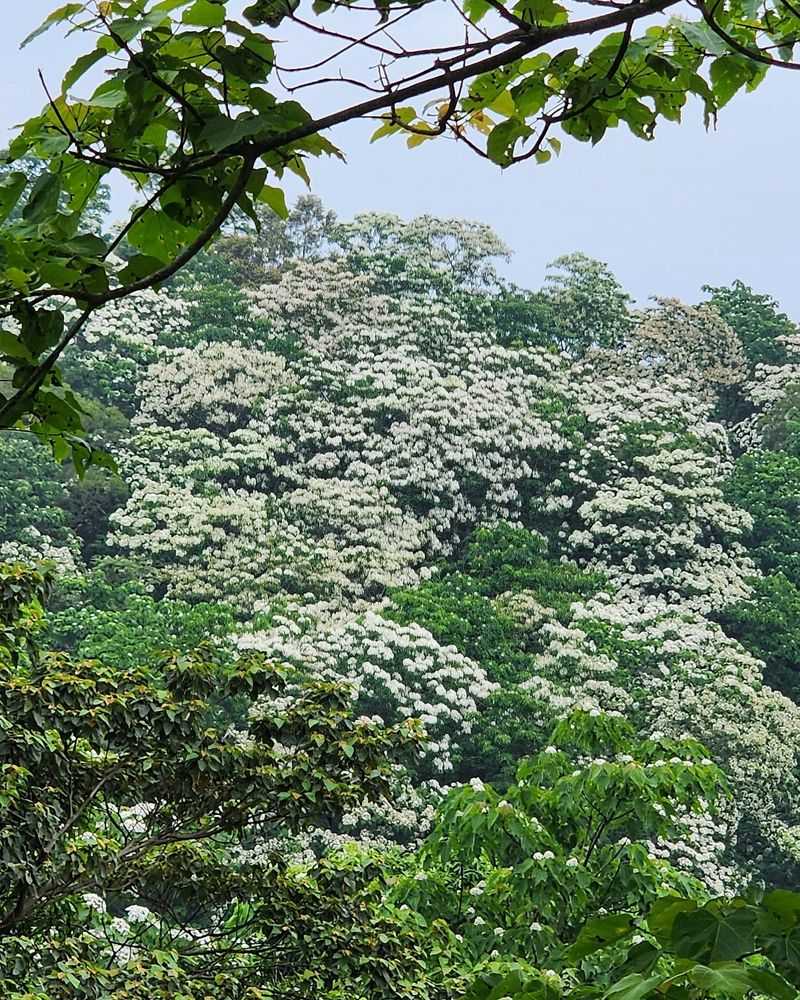
Tung trees were once widely planted across the South for commercial oil production, creating a legacy that still affects Alabama landscapes today.
These trees escaped cultivation decades ago and now grow wild in many areas, producing fruit with extremely poisonous seeds.
The large, heart-shaped leaves and white flowers make tung trees easy to identify once you know what to look for.
The fruit resembles a small apple or peach, but inside are seeds containing toxins that can cause severe poisoning.
Children and pets who consume the seeds experience violent vomiting, abdominal pain, diarrhea, and weakness.
Even small amounts of seed material can trigger these symptoms, which typically begin within an hour of consumption.
The seeds contain saponins and other compounds that irritate the digestive system and can affect the nervous system in larger doses.
Because tung trees were historically cultivated in Alabama, they often appear on older properties and abandoned farmland.
Many current landowners don’t recognize these trees or understand the danger the fruit poses to families and animals.
The trees continue to spread through wildlife that consume and disperse the seeds, though the seeds remain toxic even after passing through an animal’s digestive system.
If you discover tung trees on your property, consider removing them, especially if children or pets play in the area.
The combination of toxicity and invasive tendencies makes tung trees unwelcome additions to modern Alabama landscapes.
Removing these trees helps protect your family while preventing further spread of this non-native species throughout the local ecosystem.
13. Mountain Laurel (Kalmia Latifolia, Tree-Form Shrubs)
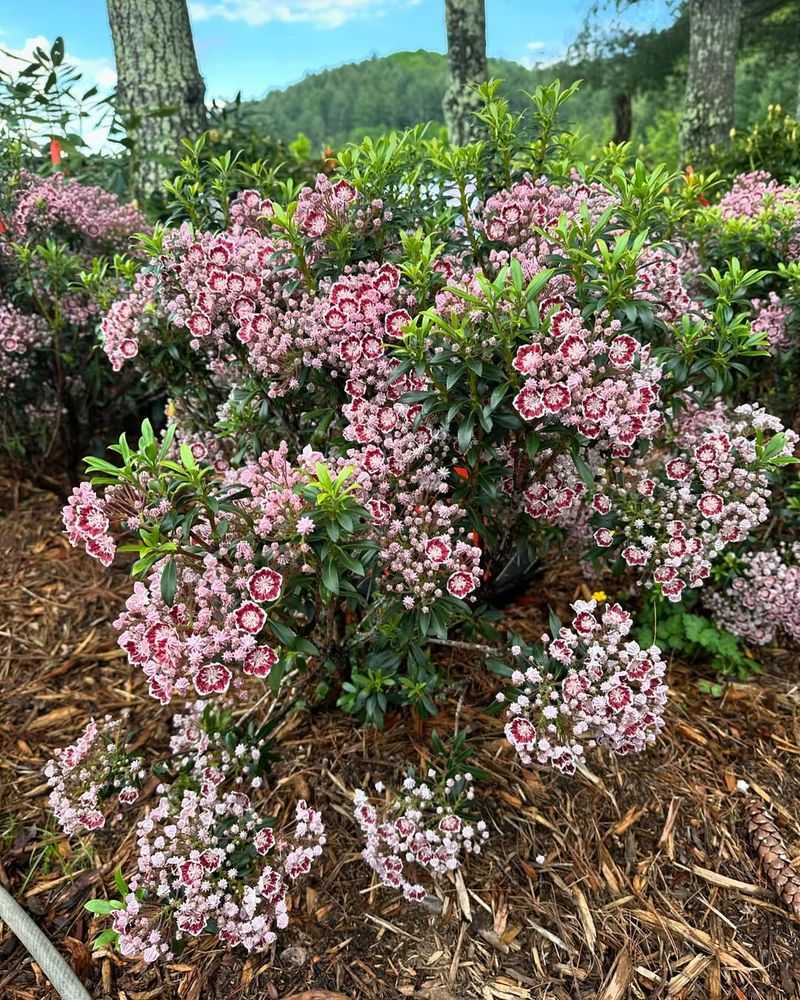
Mountain laurel produces some of the most beautiful flowers in the native plant world, with intricate pink and white blooms that look almost artificial.
These stunning displays hide a dangerous reality that affects people and animals who consume any part of the plant.
All parts of mountain laurel contain grayanotoxins, compounds that interfere with normal nerve and muscle function throughout the body.
Even honey made from mountain laurel nectar can contain enough toxins to cause illness in people who consume it.
Symptoms of mountain laurel poisoning begin with excessive salivation, nausea, and vomiting as the digestive system reacts to the toxins.
As the poisoning progresses, victims may experience a slow heart rate, low blood pressure, and difficulty breathing.
In severe cases, the toxins cause paralysis, convulsions, and potentially fatal cardiac effects.
Livestock that browse on mountain laurel face these same risks, though most animals avoid the plant unless other food sources are scarce.
Deer and other wildlife can safely consume mountain laurel, but domestic animals lack this natural tolerance.
The evergreen leaves remain toxic year-round, creating a persistent hazard rather than a seasonal concern.
Mountain laurel grows naturally in Alabama’s mountain regions, where it thrives in acidic soil and partial shade.
While removing wild mountain laurel from natural areas isn’t necessary, homeowners should think carefully before adding it to landscapes where children and pets spend time.
Many other native flowering shrubs provide similar beauty without the toxicity concerns, making them safer choices for family-friendly Alabama gardens.
14. Carolina Laurel Cherry (Prunus Caroliniana)
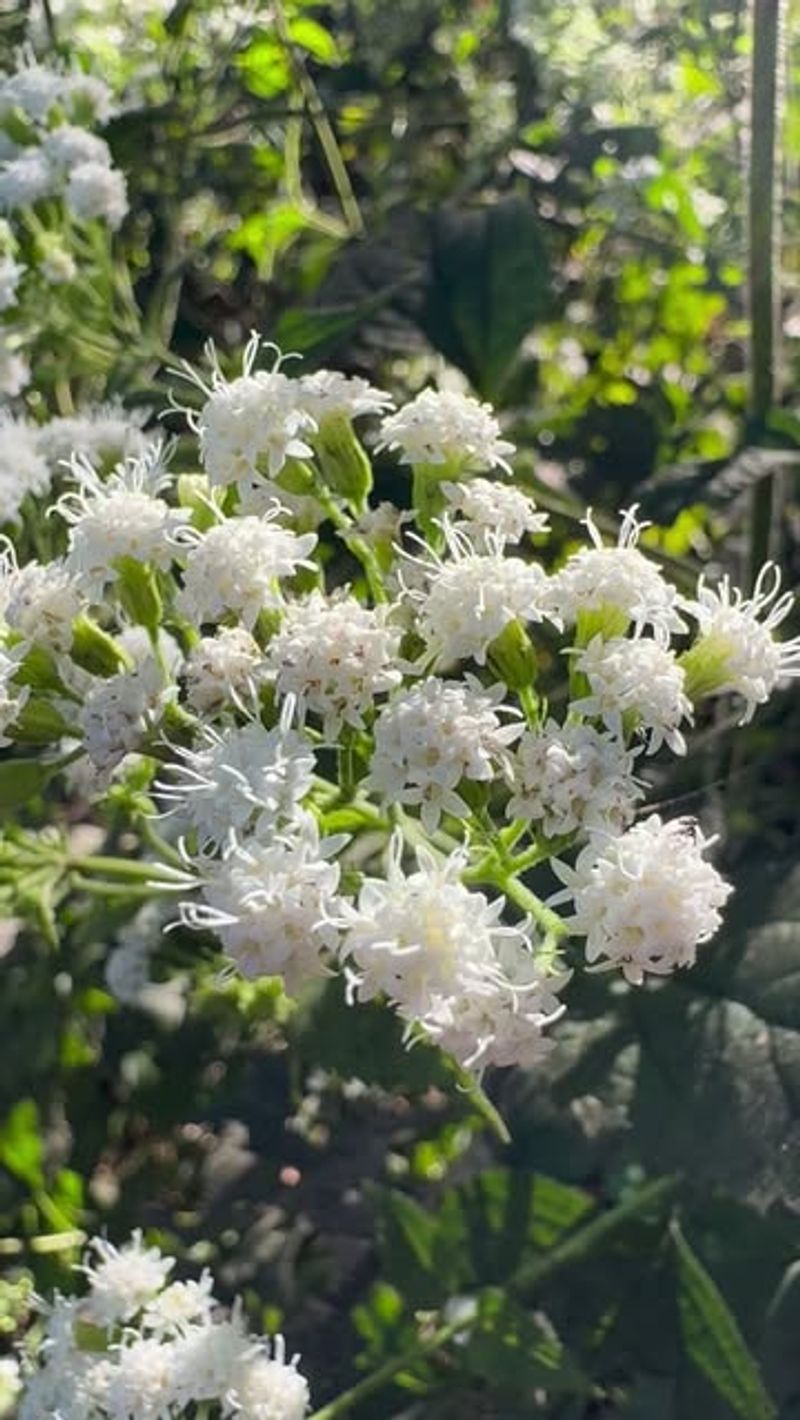
Carolina cherry laurel appears in countless Alabama landscapes as hedges, privacy screens, and foundation plantings.
Its glossy evergreen foliage and rapid growth make it a popular choice for homeowners seeking quick screening.
However, this common landscape plant contains cyanogenic compounds in its leaves and seeds that pose risks to pets and livestock.
When the leaves are chewed, crushed, or wilted, these compounds break down into cyanide in the digestive system.
Dogs that chew on fallen branches or consume leaves while playing in the yard can experience cyanide poisoning symptoms.
Grazing animals face even greater risk because they may consume larger quantities of foliage if the plant grows near pastures.
Symptoms of cyanide poisoning include difficulty breathing, bright red gums, dilated pupils, and rapid collapse in severe cases.
The seeds inside the small black berries also contain cyanogenic compounds, though the flesh of the ripe fruit has lower toxin levels.
Birds safely consume the berries and spread the seeds, but dogs that eat multiple berries may experience digestive upset.
Despite these concerns, Carolina cherry laurel remains widely planted because many homeowners are unaware of its toxic properties.
The plant’s popularity means it’s readily available at nurseries, often without clear warnings about the potential dangers.
If you already have Carolina cherry laurel on your property, monitor pets carefully and consider removing plants that are within easy reach of curious dogs.
For new plantings, safer alternatives include wax myrtle, native hollies, or eastern red cedar, all of which provide excellent screening without the cyanide concerns.
15. Chinese Tallow Tree (Triadica Sebifera)
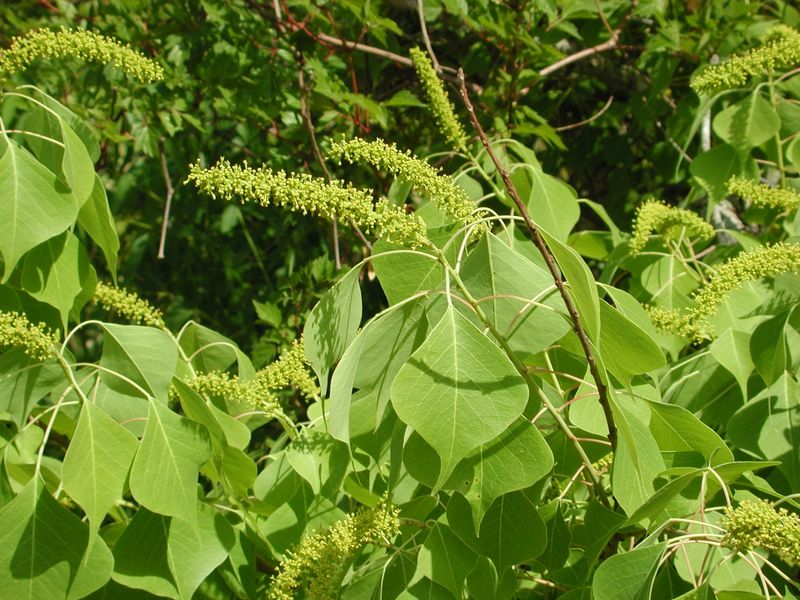
Chinese tallow trees earned the nickname popcorn tree because of their distinctive white seeds that resemble popped kernels clinging to branches.
These attractive seeds and brilliant fall colors initially made the species popular for landscaping across the South.
However, Chinese tallow has become one of the most aggressive invasive species in Alabama and throughout the Southeast.
The trees produce enormous quantities of seeds that germinate readily in disturbed soil, wetlands, and forest edges.
Within just a few years, a single tree can spawn hundreds of offspring that crowd out native vegetation.
This aggressive invasion threatens Alabama’s natural ecosystems, particularly wetland areas where native species provide critical habitat for wildlife.
Beyond the ecological damage, Chinese tallow trees also pose toxicity concerns for livestock and wildlife.
The leaves and seeds contain compounds that can cause digestive upset and other symptoms when consumed in quantity.
Cattle and other grazing animals that eat fallen leaves or seeds may experience illness, though the bitter taste usually limits consumption.
The milky sap can also cause skin irritation in people who handle the plant or attempt to remove it.
Many Alabama communities have recognized the serious threat posed by Chinese tallow and have launched removal programs to control its spread.
Property owners should never plant this species and should work to eliminate existing trees before they produce more seeds.
Removing Chinese tallow helps protect Alabama’s native plant communities and prevents the ongoing ecological damage these invasive trees cause throughout the region.