13 Animals You’re Not Allowed To Remove From Your Washington Home Or Garden
In Washington, the line between backyard visitor and legally protected wildlife can be surprisingly thin.
Homeowners often assume they can trap, relocate, or remove any critter that wanders onto their property—but state law says otherwise.
From curious raccoons to majestic raptors, many animals are safeguarded by strict regulations that prioritize conservation and habitat protection.
Even well-intentioned attempts to “help” wildlife can lead to unintended harm or hefty fines if you remove the wrong species.
Washington’s diverse ecosystems—from coastal forests to mountain foothills—support wildlife that plays an essential role in environmental balance.
When these animals show up in your yard, your options may be far more limited than you expect.
Understanding which species cannot legally be disturbed empowers homeowners to respond safely, ethically, and within the law.
Before calling animal control or setting a trap, take a closer look at the protected creatures Washington requires you to leave undisturbed.
1. Bald Eagles
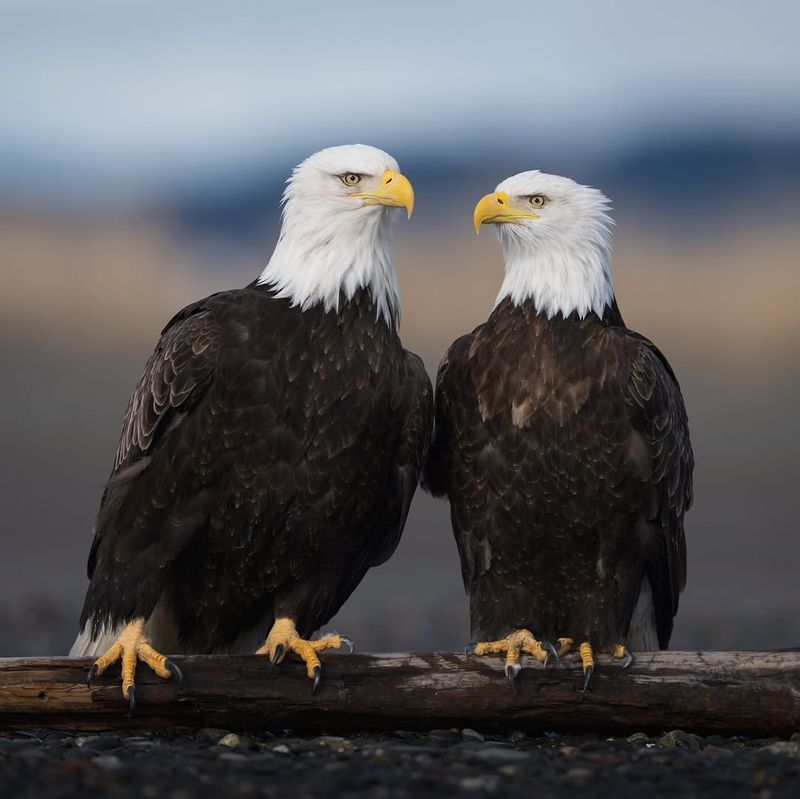
America’s national symbol commands respect not just for its majestic appearance but also for the ironclad legal protections surrounding it.
The Bald and Golden Eagle Protection Act makes it a federal offense to disturb these magnificent raptors in any way.
Even finding a single feather on your property doesn’t give you the right to keep it as a souvenir.
If a bald eagle decides to nest near your home, you’ll need to adjust your plans rather than the bird’s.
Their nests can weigh up to a ton and measure eight feet across, often built in the tallest trees available.
Washington’s recovering bald eagle population means more homeowners are experiencing these close encounters.
Federal law prohibits approaching nests, disturbing feeding eagles, or interfering with their natural behaviors.
Violators face fines reaching $100,000 and potential imprisonment.
The U.S. Fish and Wildlife Service takes reports of eagle harassment extremely seriously.
Property owners who discover eagle nests should contact the Washington Department of Fish and Wildlife immediately for guidance.
Sometimes buffer zones around nests restrict construction or landscaping activities during breeding season.
Learning to coexist with these powerful predators represents both a legal obligation and a remarkable privilege for Washington residents.
2. Ospreys
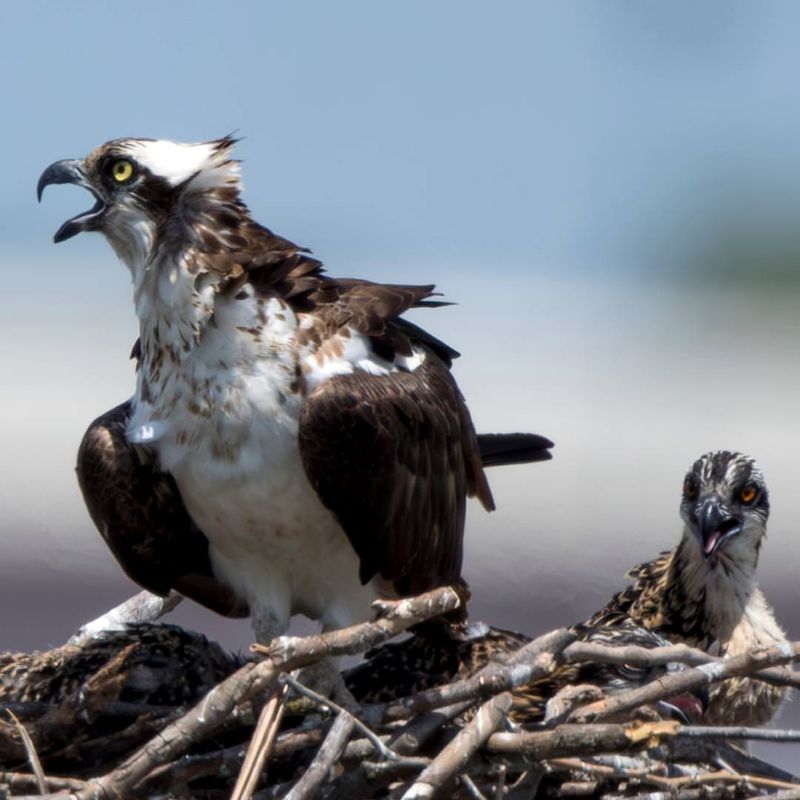
Fish hawks, as they’re sometimes called, build their impressive stick nests in the most inconvenient places from a homeowner’s perspective.
Utility poles, cell towers, and tall structures near water become prime real estate for these skilled fishers.
Once an osprey claims a spot and begins construction, that nest gains immediate legal protection under state and federal law.
Washington’s osprey population has rebounded beautifully over recent decades, leading to more frequent backyard encounters.
These raptors return to the same nesting sites year after year, adding new material each season.
What starts as a modest platform can grow into a massive structure weighing hundreds of pounds.
Removing an active osprey nest without proper permits from the Washington Department of Fish and Wildlife constitutes a serious violation.
The birds themselves fall under the Migratory Bird Treaty Act, offering additional federal protections.
Your Washington Garden Changes Every Week. Your Plan Should Too.
Gardening in Washington changes quickly throughout the season. Every Friday you’ll receive a simple weekly plan showing exactly what to plant, prune, fertilize, harvest, and protect so you never miss the right timing.
Even inactive nests during off-season require permits before removal.
Homeowners concerned about osprey nests near their property should document the situation and contact WDFW for assessment.
Wildlife officials can determine whether the nest poses genuine safety hazards warranting special consideration.
Installing alternative nesting platforms nearby sometimes convinces ospreys to relocate voluntarily, though this requires professional guidance and proper timing.
3. All Migratory Birds (Songbirds, Woodpeckers, Swallows)
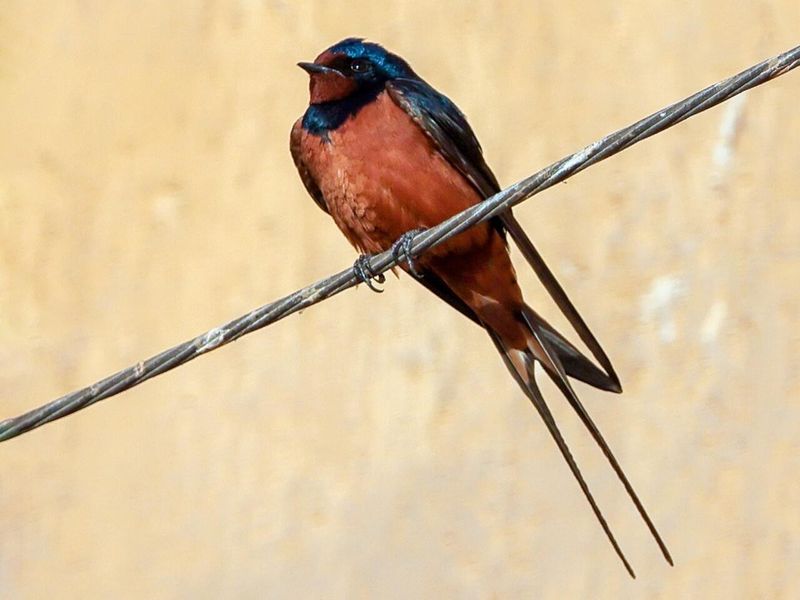
That cheerful robin building a nest on your porch light enjoys the same federal protections as eagles and ospreys.
The Migratory Bird Treaty Act covers over 1,000 species, including nearly every songbird, woodpecker, and swallow you’ll encounter in Washington.
Active nests containing eggs or young birds are completely off-limits, regardless of location inconvenience.
Barn swallows frequently choose garage entryways and covered porches for their mud nests, creating messy situations for homeowners.
Woodpeckers may decide your cedar siding makes perfect territory for drumming or excavating nest cavities.
Removing these birds or their active nests carries penalties including fines up to $15,000 and potential criminal charges.
Timing matters significantly when dealing with migratory bird conflicts.
Once nesting season concludes and young birds have fledged, you can remove empty nests and take preventive measures for next year.
Installing physical barriers before breeding season begins represents the most effective legal approach.
Washington homeowners should familiarize themselves with local nesting schedules, which vary by species and region.
Generally, March through August represents peak nesting season for most migratory birds.
If you discover an active nest in an inconvenient location, your best option involves waiting until the babies leave naturally, typically within a few weeks.
4. Great Blue Herons
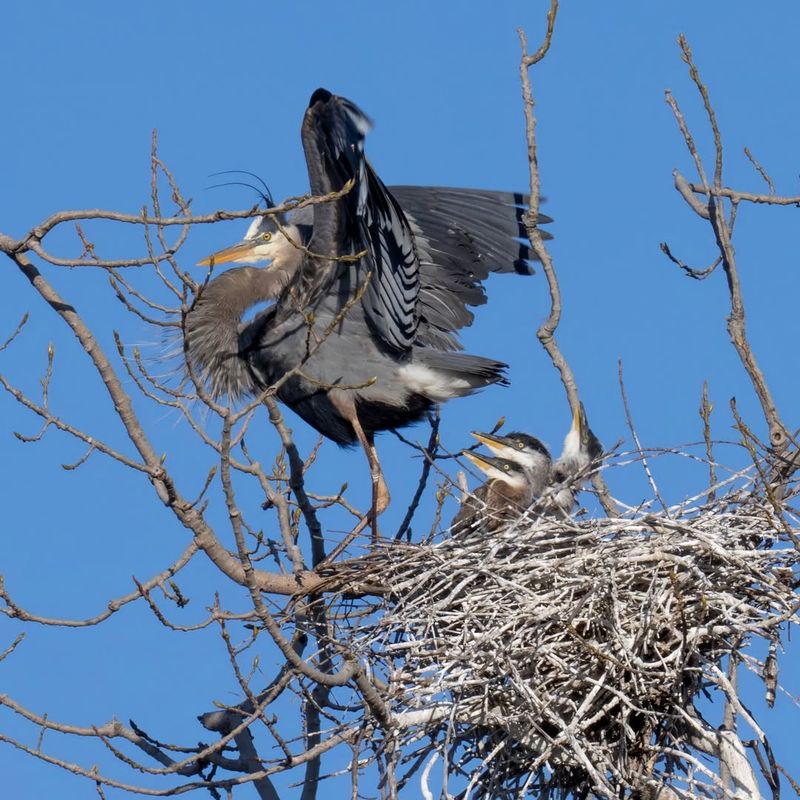
Standing nearly four feet tall with a wingspan exceeding six feet, great blue herons make quite an impression when they visit residential areas.
These elegant waders often establish rookeries where dozens of pairs nest together in tall trees.
If your property becomes part of a heron colony, you’ve essentially gained protected tenants you cannot evict.
Colony nesting sites receive especially strong legal protections under Washington law.
The birds return to successful rookery locations year after year, sometimes for decades.
Their nests, built high in conifers or deciduous trees, can number twenty or more in a single grove.
Homeowners sometimes complain about the noise and mess associated with heron colonies.
The birds produce loud squawks and leave significant droppings beneath nesting trees.
Despite these nuisances, disturbing or attempting to dismantle a heron rookery violates both state and federal wildlife protection laws.
Property owners concerned about herons eating ornamental fish from backyard ponds face limited legal options.
Installing netting over water features before herons discover them provides the most effective prevention.
The Washington Department of Fish and Wildlife can offer guidance on non-harmful deterrents, but removing or harassing the birds remains prohibited.
Appreciating these prehistoric-looking birds as temporary visitors rather than permanent problems helps maintain legal compliance.
5. Bats
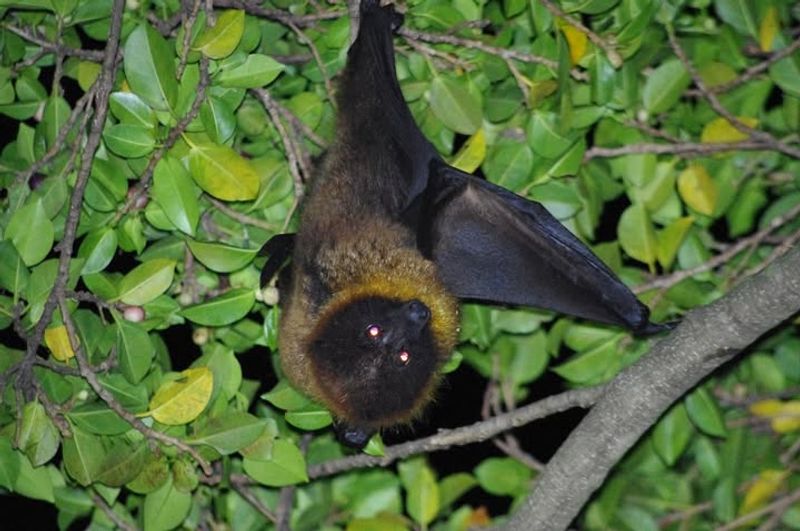
Those fluttering shadows at dusk provide invaluable pest control, consuming thousands of mosquitoes and agricultural pests nightly.
Washington protects all bat species, with particularly strict rules during maternity season when females raise their young.
Excluding bats from buildings between May and August is illegal because flightless babies would be trapped inside and perish.
Homeowners discovering bat colonies in attics or wall spaces must wait until fall before implementing exclusion methods.
Even then, the process requires careful one-way door installation allowing bats to leave but not return.
Harming bats intentionally at any time of year violates state law and can result in significant penalties.
Washington’s bat populations face serious threats from white-nose syndrome and habitat loss.
Several species are candidates for endangered status listing.
These circumstances make wildlife officials especially vigilant about enforcing bat protection regulations.
Professional wildlife control operators familiar with legal bat exclusion techniques offer the safest approach for homeowners.
Attempting DIY bat removal often leads to incomplete exclusion, return infestations, or legal violations.
The Washington Department of Fish and Wildlife provides lists of licensed wildlife control operators.
Understanding bat biology helps homeowners coexist more peacefully with these beneficial mammals.
Most bat encounters involve harmless species simply seeking shelter, not aggressive behavior.
Properly timed exclusion combined with sealing entry points provides permanent solutions without harming protected wildlife.
6. Western Pond Turtles
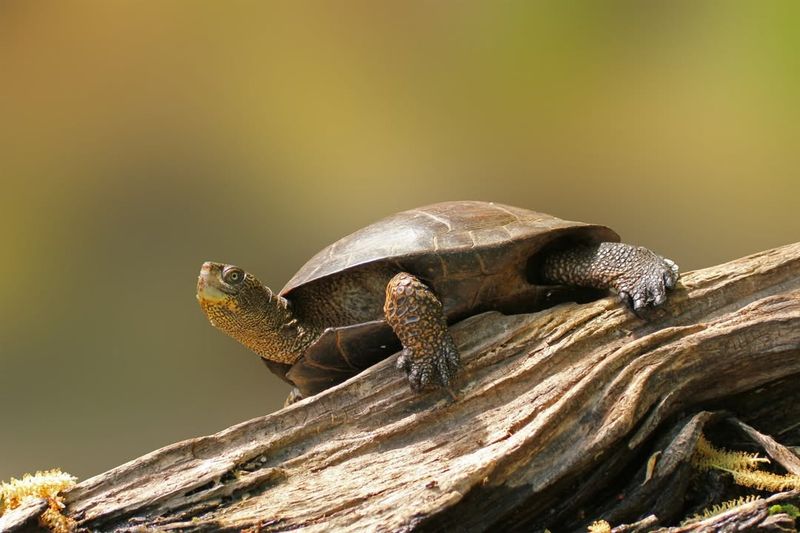
Washington’s only native freshwater turtle faces serious population declines that earned it endangered species status.
Finding one in your yard or garden pond represents a rare and special encounter that comes with strict legal responsibilities.
These turtles cannot be touched, relocated, or disturbed in any way without explicit permission from wildlife authorities.
Western pond turtles prefer slow-moving streams, ponds, and wetlands with abundant basking sites.
Urban development has destroyed much of their historical habitat throughout the Pacific Northwest.
Remaining populations concentrate in protected areas, though occasional individuals wander onto private property.
If you discover a western pond turtle on your land, contact the Washington Department of Fish and Wildlife immediately.
They’ll assess the situation and determine appropriate next steps.
In some cases, your property might provide valuable habitat worth preserving.
These turtles face threats from predators, vehicle strikes, and habitat fragmentation.
Well-meaning people who attempt to relocate turtles often place them in unsuitable environments.
Females traveling overland to nesting sites are particularly vulnerable and should never be moved.
Property owners can support western pond turtle conservation by maintaining natural pond edges and avoiding pesticides.
If turtles inhabit your water feature, consider yourself a steward of endangered species habitat.
The legal protections surrounding these reptiles reflect their precarious conservation status and the importance of every remaining individual to population recovery.
7. Oregon Spotted Frogs
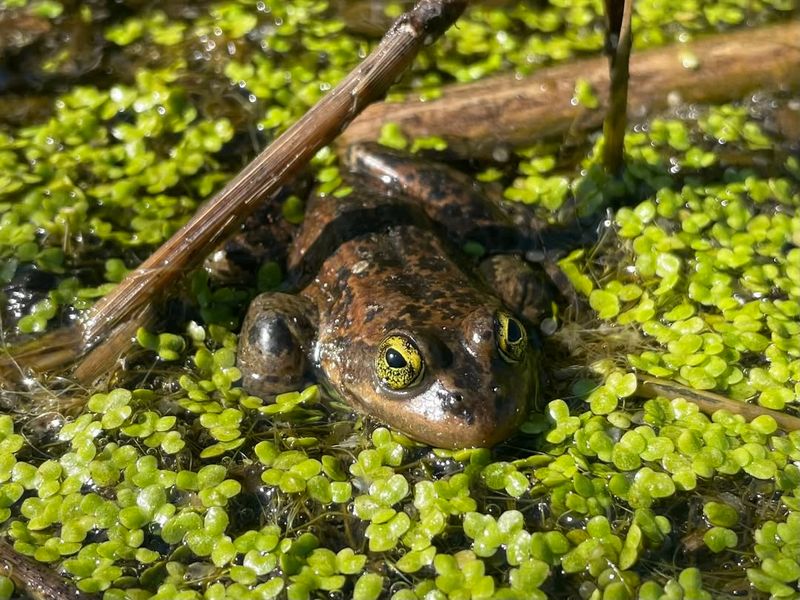
This federally threatened amphibian once thrived throughout the Pacific Northwest but now clings to existence in scattered wetland fragments.
Oregon spotted frogs require specific habitat conditions including shallow marshes with abundant vegetation and minimal predatory fish.
Any property containing suitable habitat might host these protected amphibians, making disturbance or removal illegal under the Endangered Species Act.
Identifying Oregon spotted frogs requires careful observation since several similar species inhabit Washington.
They feature dark spots on reddish-brown backs and typically measure two to four inches long.
Their preference for permanent wetlands means residential encounters occur primarily on rural properties with ponds or marsh edges.
Federal protections for threatened species carry serious enforcement consequences.
Violations can result in civil penalties reaching $25,000 per offense and criminal charges including imprisonment.
Even unintentional habitat destruction affecting Oregon spotted frogs triggers legal liability.
Landowners who discover these frogs should document the sighting with photographs and contact the U.S. Fish and Wildlife Service.
Your property might qualify for habitat conservation programs offering technical and financial assistance.
Some landowners take pride in providing refuge for species on the brink.
Maintaining wetland areas, avoiding pesticide use, and preserving native vegetation all support Oregon spotted frog conservation.
If your property includes suitable habitat, educating yourself about these amphibians helps ensure compliance with federal law.
The presence of threatened species can affect property development plans, making early identification crucial.
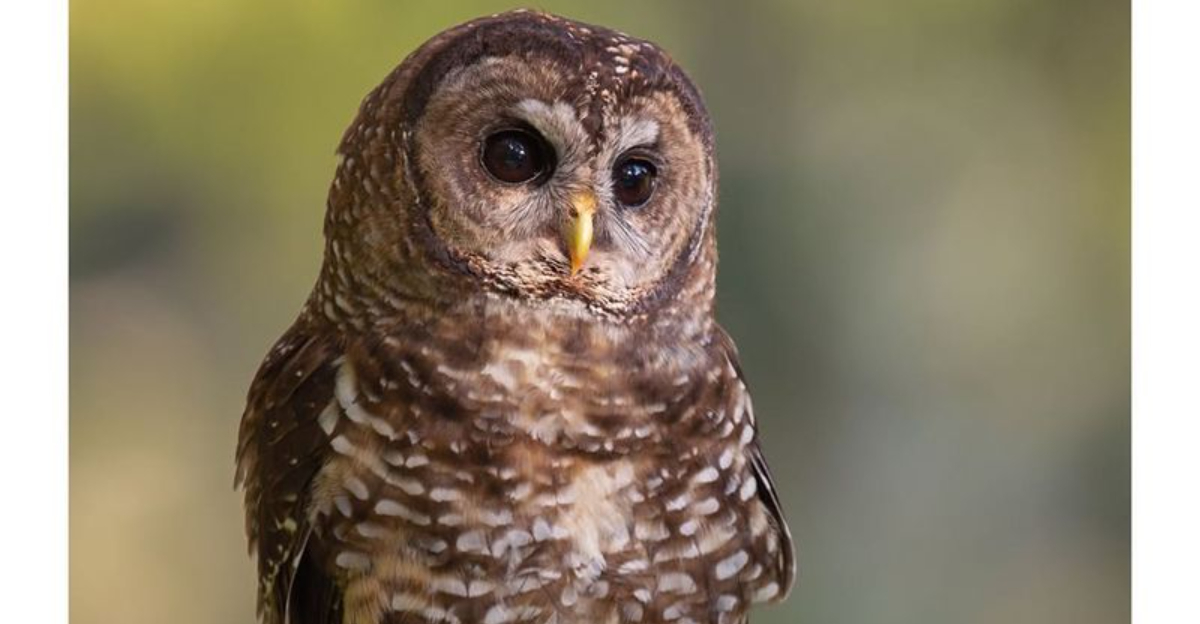
8. Northern Spotted Owls
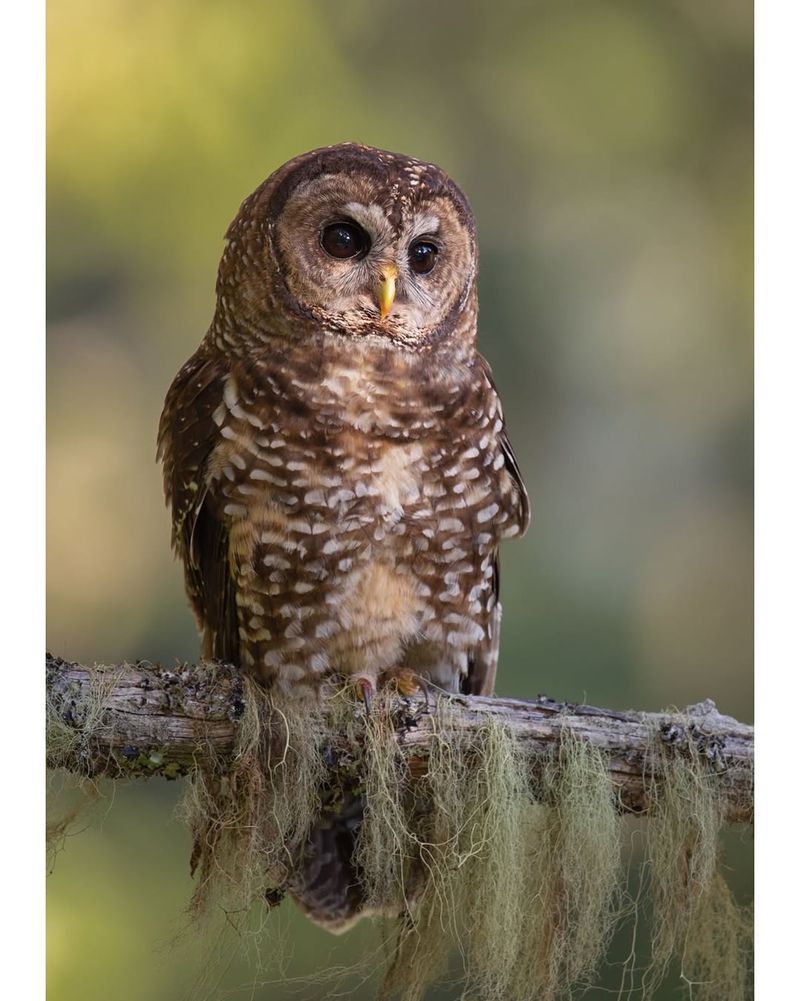
Old-growth forest specialists, northern spotted owls symbolize the ongoing tension between conservation and land use in the Pacific Northwest.
These federally threatened owls require mature forest habitat with dense canopy cover and abundant prey.
While most commonly associated with remote wilderness, occasional individuals establish territories in wooded residential areas, particularly near forested foothills.
Northern spotted owls are remarkably site-faithful, returning to the same roosting and nesting locations for years.
If one takes up residence near your home, you’ve acquired a protected neighbor with priority rights.
Federal law prohibits harassment, which includes excessive noise, artificial lighting, or any activity causing the owl to alter its behavior.
The Endangered Species Act provides powerful protections for northern spotted owls and their habitat.
Property owners cannot remove trees used by owls for roosting or nesting.
Even indirect disturbances like construction noise during breeding season may require consultation with federal wildlife authorities.
These owls face numerous threats including habitat loss, competition from barred owls, and climate change.
Every remaining territory holds significance for population recovery.
Homeowners should consider spotted owl presence a mark of high-quality forest habitat on their property.
If you suspect northern spotted owls near your home, contact the Washington Department of Fish and Wildlife for confirmation.
They can help you understand restrictions and opportunities associated with hosting federally protected wildlife.
9. Sea Lions (California And Steller)
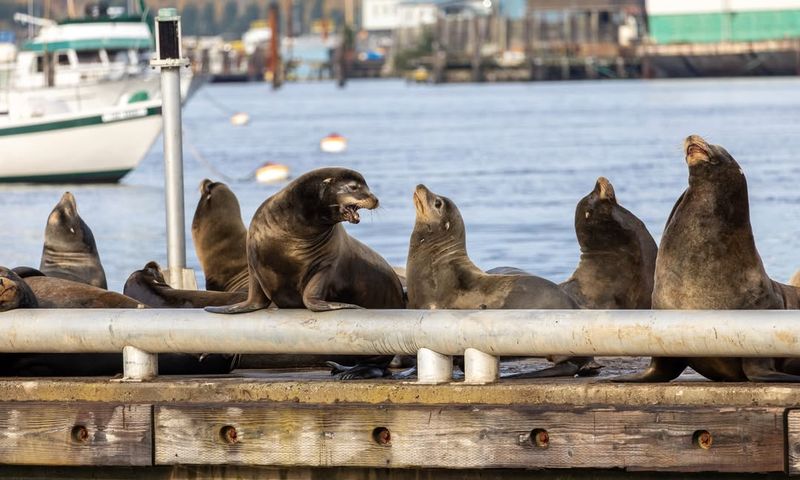
Waterfront property owners sometimes face unexpected visitors when sea lions haul out on private docks or beaches.
Both California and Steller sea lions enjoy federal protection under the Marine Mammal Protection Act.
This law makes it illegal to approach, touch, feed, or harass these marine mammals regardless of where they appear.
Sea lions use docks and floating platforms as convenient resting spots, especially during salmon migration season.
Their presence can be noisy, smelly, and potentially damaging to dock structures.
Despite these inconveniences, property owners cannot physically remove sea lions or use methods causing them to abandon the area.
The Marine Mammal Protection Act carries substantial penalties for violations.
Fines can reach $28,000 per incident, with criminal prosecution possible in serious cases.
Even seemingly harmless actions like spraying water at sea lions to encourage departure constitute illegal harassment.
Washington residents dealing with sea lion conflicts should contact NOAA Fisheries, the federal agency responsible for marine mammal protection.
In some circumstances, they may authorize specific deterrent methods or provide guidance on dock modifications.
Generally, the best approach involves waiting for sea lions to leave naturally.
Understanding sea lion behavior helps waterfront homeowners develop realistic expectations.
These intelligent animals recognize safe resting spots and may return repeatedly to favored locations.
Structural modifications making docks less attractive to sea lions offer the most effective long-term solution while maintaining legal compliance.
10. Harbor Seals
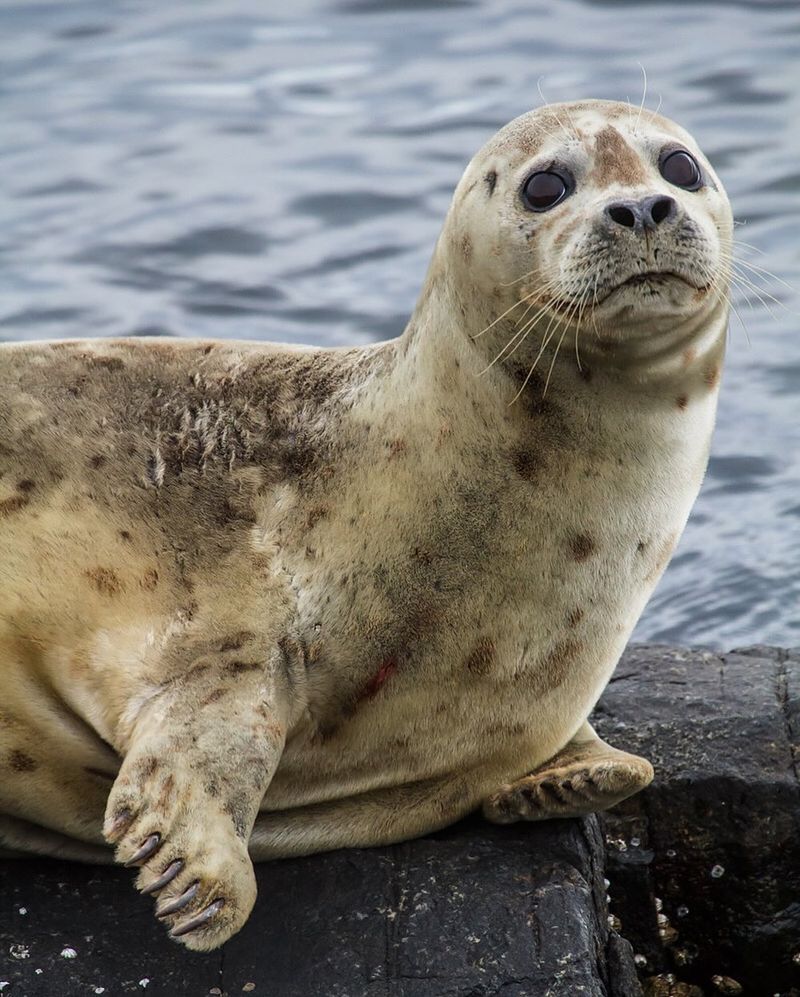
Smaller and generally less disruptive than sea lions, harbor seals still receive identical federal protections under the Marine Mammal Protection Act.
These curious marine mammals occasionally rest on private beaches, boat ramps, or rocky shorelines adjacent to residential properties.
Approaching within the recommended distance of 100 yards constitutes harassment under federal guidelines.
Harbor seals use haul-out sites for essential activities including rest, thermoregulation, and nursing young.
Pupping season from late spring through early summer makes disturbance particularly problematic.
Mother seals temporarily leave pups onshore while feeding, and well-meaning people often mistakenly believe these young seals are abandoned.
Touching or attempting to rescue apparently stranded seal pups can separate families and may expose humans to disease or injury.
Harbor seals bite when frightened, and their mouths harbor bacteria causing serious infections.
The legal and ethical response involves observing from distance and contacting marine mammal stranding networks if the animal appears injured.
Waterfront property owners should educate family members and guests about proper seal etiquette.
Allowing dogs to approach or chase harbor seals violates federal law and can result in owner liability.
Maintaining quiet observation distances protects both the animals and your legal standing.
The Washington Department of Fish and Wildlife and NOAA Fisheries provide resources for coexisting with marine mammals.
Most harbor seal visits are brief, with animals departing naturally after resting.
Appreciating these encounters as glimpses into marine ecosystems helps frame them as privileges rather than problems.
11. River Otters
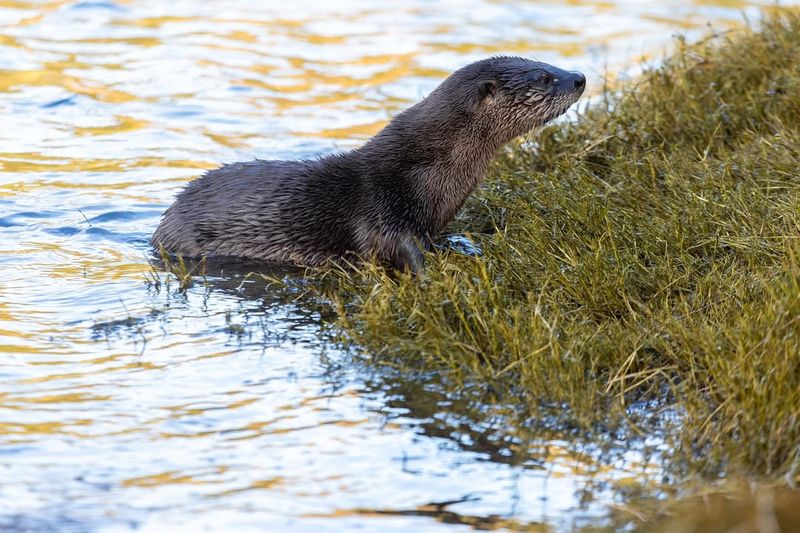
Few wildlife encounters delight homeowners more than watching playful river otters, yet these charismatic mammals carry strict legal protections.
Washington classifies river otters as protected wildlife, making unauthorized trapping, relocation, or harm illegal.
Their presence in residential areas typically indicates healthy aquatic ecosystems with abundant fish populations.
River otters are highly mobile, traveling several miles along waterways while hunting and exploring.
They may temporarily visit backyard ponds, streams, or waterfront areas before moving on.
Property owners concerned about otters eating ornamental fish face limited legal recourse beyond preventive measures like pond netting.
These members of the weasel family are remarkably intelligent and adaptable.
They create dens in streambanks, under docks, or within riparian vegetation.
While generally shy around humans, river otters defend themselves vigorously if cornered or threatened.
Washington law requires special permits for any river otter removal, typically issued only when animals cause significant property damage.
Licensed wildlife control operators can assess situations and pursue necessary permits through proper channels.
DIY trapping or relocation attempts violate state law and often prove ineffective anyway.
Most river otter conflicts resolve naturally as animals move through their territories.
Understanding their transient nature helps property owners maintain patience during temporary visits.
Installing physical barriers around vulnerable fish ponds before otters discover them provides the most effective legal prevention strategy.
Coexisting with these playful predators connects homeowners to Washington’s rich wildlife heritage.
12. Beavers
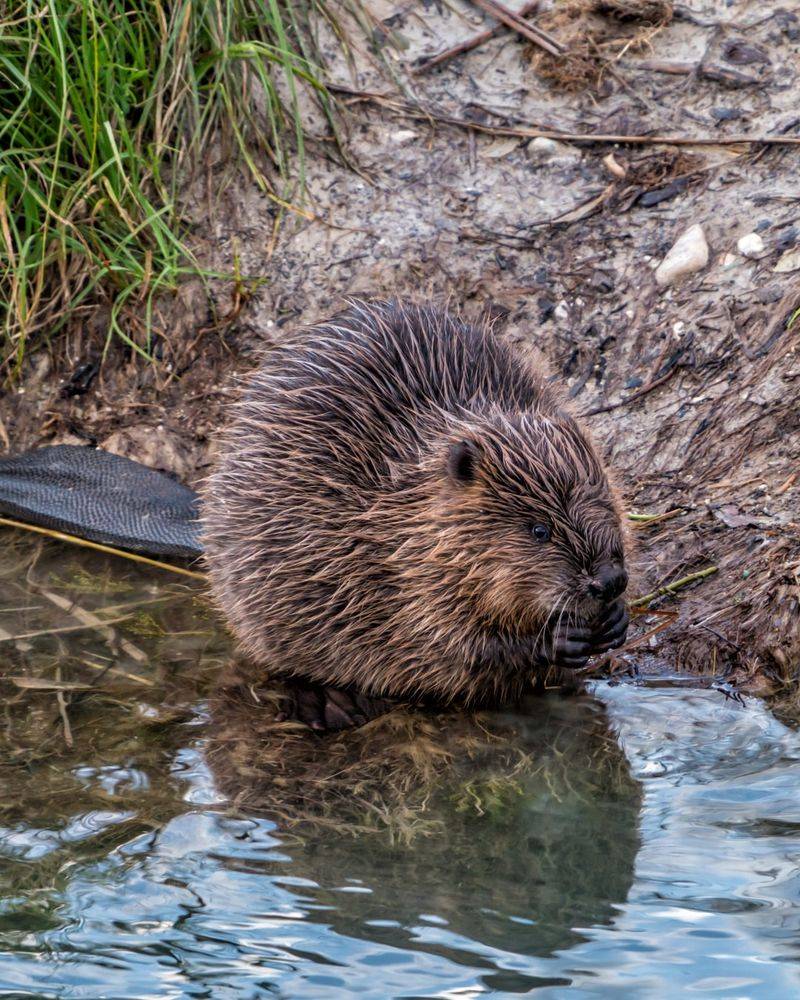
North America’s largest rodents transform landscapes through their dam-building activities, sometimes creating conflicts with property owners.
Washington protects beavers as furbearers, requiring special permits from the Department of Fish and Wildlife for removal.
Homeowners cannot trap, relocate, or harm beavers without proper authorization and licensing.
Beaver activity can flood property, undermine roads, and damage valuable trees.
Despite these legitimate concerns, taking matters into your own hands risks legal consequences and often proves ineffective.
Beavers are remarkably persistent, and removing one family simply opens territory for others to claim.
The permitting process for beaver removal involves demonstrating actual damage and exhausting non-lethal alternatives.
Installing tree guards, pond levelers, or exclusion fencing often resolves conflicts without removing animals.
Licensed trappers can assist property owners once proper permits are obtained through WDFW.
Understanding beaver ecology helps homeowners develop realistic management strategies.
These ecosystem engineers create wetlands that benefit numerous other species.
Some property owners embrace beaver presence once they understand the habitat value created.
Washington regulations distinguish between beaver management in different contexts.
Agricultural damage receives different consideration than aesthetic concerns about landscaping.
Documenting specific damages strengthens permit applications if removal becomes necessary.
The Washington Department of Fish and Wildlife offers technical assistance for beaver conflicts.
Their wildlife biologists can suggest site-specific solutions balancing property protection with conservation requirements.
Working within legal frameworks produces better long-term outcomes than unauthorized beaver removal attempts.
13. Raptors (Hawks, Falcons, Kestrels)
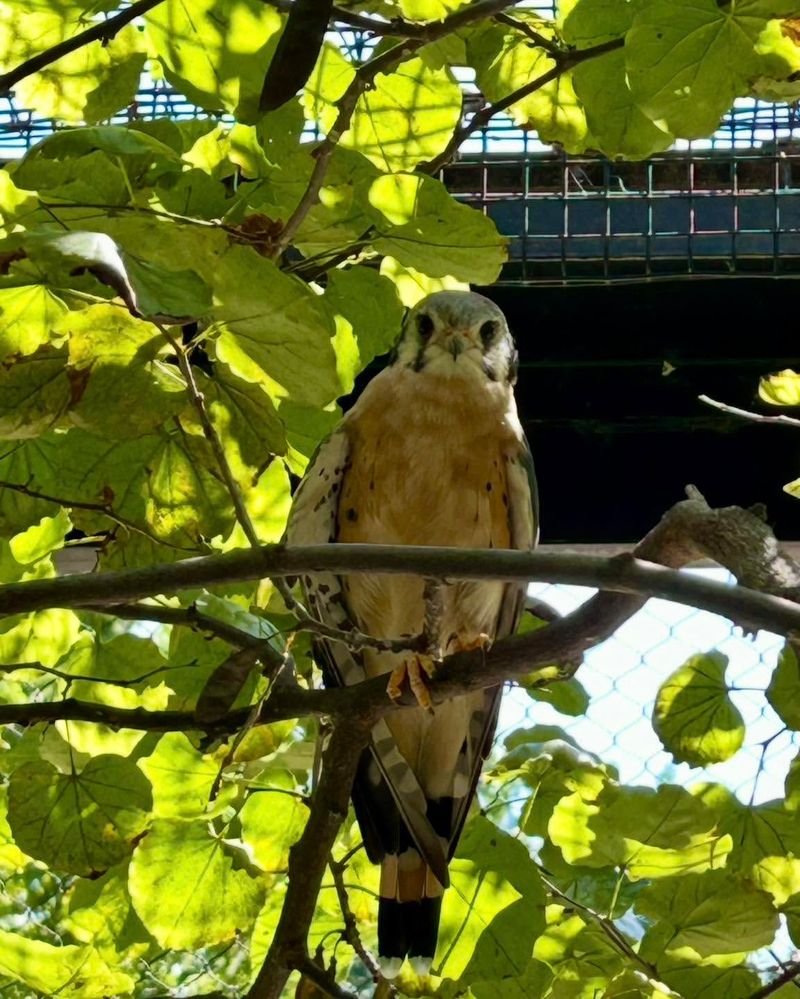
Powerful predators with keen eyesight, all raptors enjoy comprehensive federal protection under the Migratory Bird Treaty Act.
Hawks, falcons, and kestrels hunting in residential areas cannot be trapped, relocated, or harassed regardless of their impact on songbird feeders or small pets.
These birds of prey fill important ecological roles controlling rodent and insect populations.
Red-tailed hawks commonly nest in suburban areas, building stick platforms in tall trees or on utility structures.
Cooper’s hawks specialize in hunting songbirds and sometimes stake out backyard feeders as productive hunting grounds.
American kestrels, North America’s smallest falcons, nest in cavities and hunt insects and small mammals from exposed perches.
Federal law prohibits disturbing active raptor nests or possessing feathers, eggs, or body parts without special permits.
Violations carry penalties including substantial fines and potential imprisonment.
Even inactive nests may require permits before removal depending on species and circumstances.
Property owners concerned about raptors threatening small pets should supervise animals outdoors and provide overhead cover.
Removing bird feeders temporarily may encourage hawks hunting songbirds to seek food elsewhere.
These management strategies work within legal boundaries while protecting both raptors and pets.
Raptor presence indicates healthy local ecosystems with adequate prey populations.
Many homeowners appreciate these magnificent hunters once they understand their protected status.
Washington’s diverse raptor community includes over a dozen regularly occurring species, each playing specialized ecological roles.
Observing these powerful birds in your own yard offers remarkable wildlife viewing opportunities increasingly rare in developed landscapes.