12 Protected California Creatures You’re Legally Required To Leave In Your Yard
California’s incredible biodiversity means homeowners regularly cross paths with animals found nowhere else in the country—and many of them are protected by state or federal law.
Whether you live along the coast, in the desert, or beneath towering redwoods, your yard may be home to species that require hands-off treatment no matter how inconvenient their presence may seem.
Some are endangered, others are threatened, and a few are simply safeguarded due to their ecological importance.
Removing or disturbing them, even unintentionally, can lead to serious penalties.
But beyond avoiding trouble, understanding these protected animals helps Californians appreciate the unique wildlife woven into their everyday lives.
Instead of reacting with alarm or frustration, homeowners can make informed choices about coexistence and habitat-friendly landscaping.
Before you attempt to relocate a burrowing owl or shoo away a visiting salamander, learn which creatures you’re legally required to let be—and why protecting them matters.
1. Monarch Butterflies
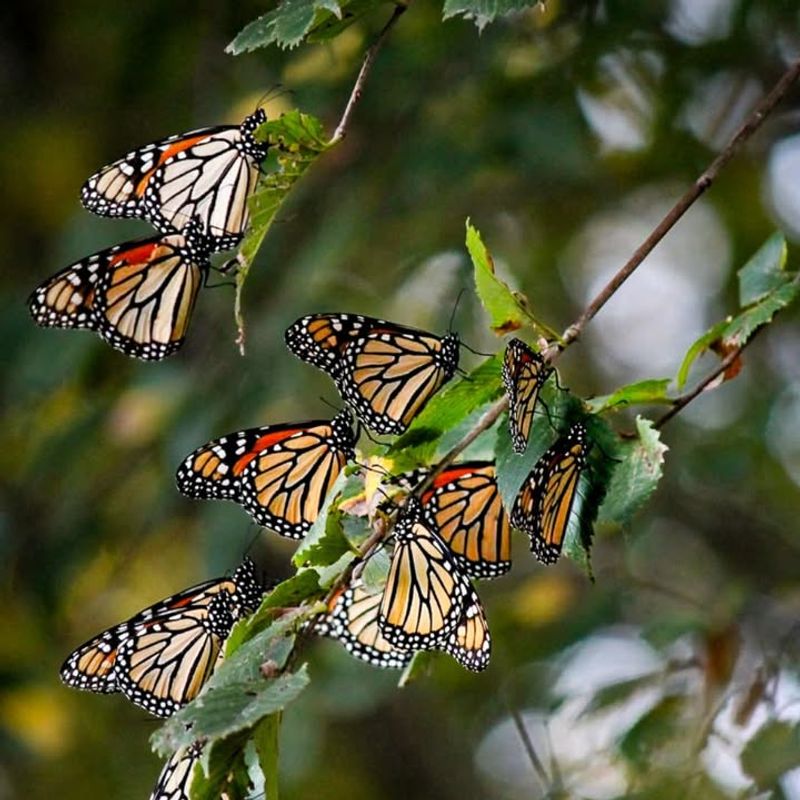
Orange wings glide through California gardens each fall as monarchs arrive to spend the winter in massive clusters.
State law specifically protects these iconic butterflies during their overwintering period, making it illegal to disturb the clusters, remove tree limbs they’re roosting on, or handle individual butterflies.
Monarchs gather by the thousands in coastal groves and inland sites, clinging to eucalyptus, pine, and cypress trees for warmth and protection.
If you discover a roosting site on your property, you’ve been chosen as a critical habitat host.
Homeowners cannot prune trees or perform maintenance work that would scatter the clusters or expose them to harsh weather.
Even well-meaning attempts to relocate butterflies or “help” them can violate protection laws.
The best approach involves leaving the area undisturbed from November through March when monarchs are most vulnerable.
Planting native milkweed nearby supports their spring breeding cycle without interfering with protected winter behavior.
Violations can result in hefty fines since monarchs face declining populations across North America.
Your yard becomes a sanctuary by law, and respecting these temporary residents helps ensure future generations can witness this remarkable migration phenomenon.
2. Burrowing Owls
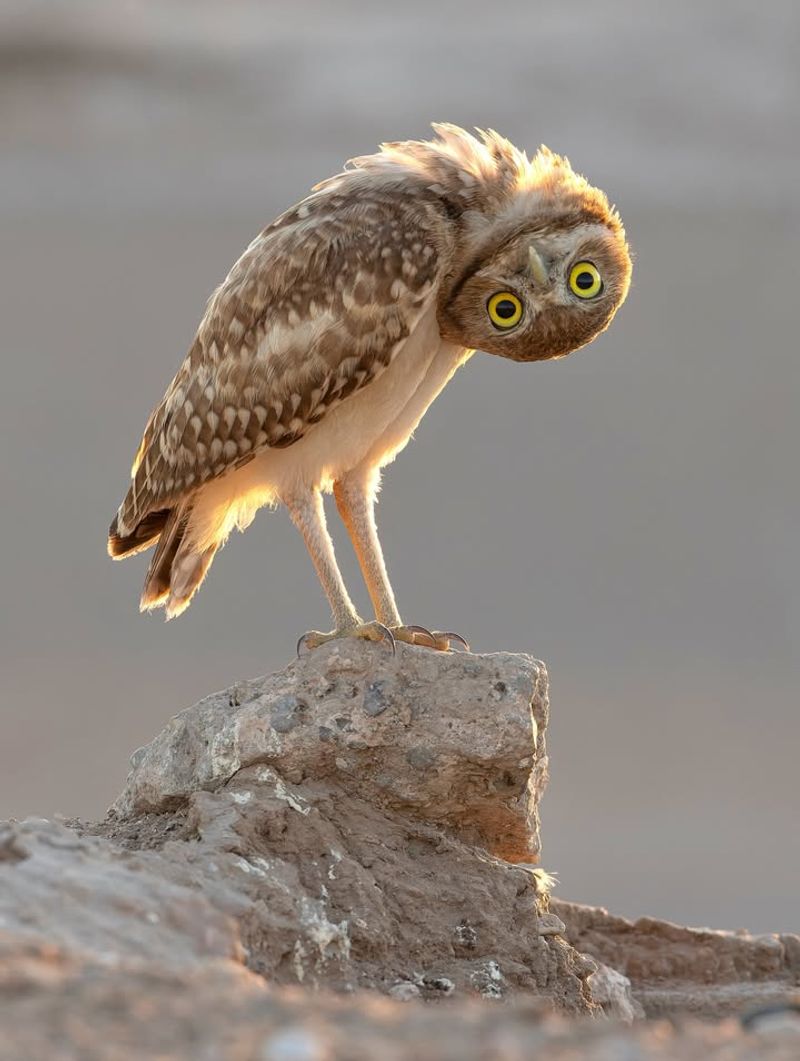
Long-legged and ground-dwelling, burrowing owls bring charm to California yards with their comical head-bobbing and intense golden stares.
These small raptors are fully protected under California law, meaning you absolutely cannot destroy their burrows, block entrances, or attempt relocation without special authorization from wildlife agencies.
Unlike tree-nesting owls, these birds make their homes in abandoned ground squirrel tunnels or dig their own underground chambers.
Finding one in your yard means you’ve got prime grassland habitat that these declining birds desperately need.
Homeowners face serious legal consequences for filling in burrows or disturbing nesting sites, even during landscaping or construction projects.
The owls use burrows year-round for shelter, nesting, and raising young from spring through summer.
If you spot white wash around burrow entrances or hear their distinctive cooing calls, you’ve got protected tenants.
Maintaining open sight lines and keeping grass relatively short actually benefits the owls by helping them spot predators and hunt insects.
Your California Garden Changes Every Week. Your Plan Should Too.
Gardening in California changes quickly throughout the season. Every Friday you’ll receive a simple weekly plan showing exactly what to plant, prune, fertilize, harvest, and protect so you never miss the right timing.
Many California cities have specific ordinances adding extra protection layers for these charismatic birds.
Rather than viewing them as obstacles, consider yourself a conservation partner hosting one of California’s most endearing protected species.
3. California Newts
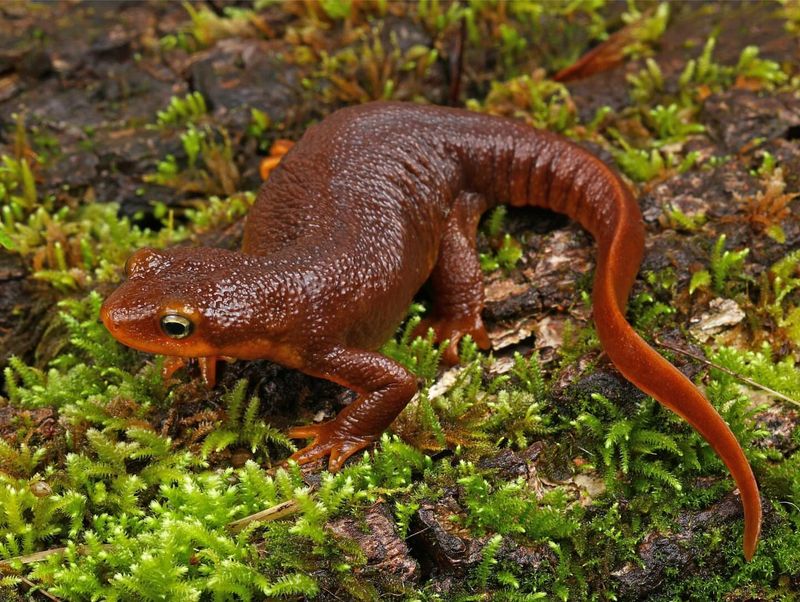
Bright orange bellies flash a warning as California newts emerge from hiding spots during rainy season migrations.
These remarkable amphibians are protected by state law, making it illegal to remove, capture, or disturb them without explicit permission from California Department of Fish and Wildlife.
Newts travel from hillside forests to backyard ponds and streams for breeding, often crossing yards in surprising numbers after winter storms.
Their skin contains powerful toxins that protect them from most predators but also make them ecologically important.
Homeowners who find newts in pools, window wells, or garden ponds cannot simply scoop them up and relocate them elsewhere.
The law requires leaving them alone or contacting wildlife authorities for guidance on proper handling.
During breeding season from December through May, newts congregate in still or slow-moving water where they perform elaborate underwater courtship dances.
Creating safe passage routes around swimming pools and providing escape ramps helps newts navigate your property without requiring illegal intervention.
Even collecting newts for educational purposes requires special permits that most homeowners don’t possess.
These ancient amphibians have survived millions of years, and California’s protection laws ensure they’ll continue thriving in suburban habitats where development hasn’t completely eliminated their breeding pools.
4. Pacific Pond Turtles
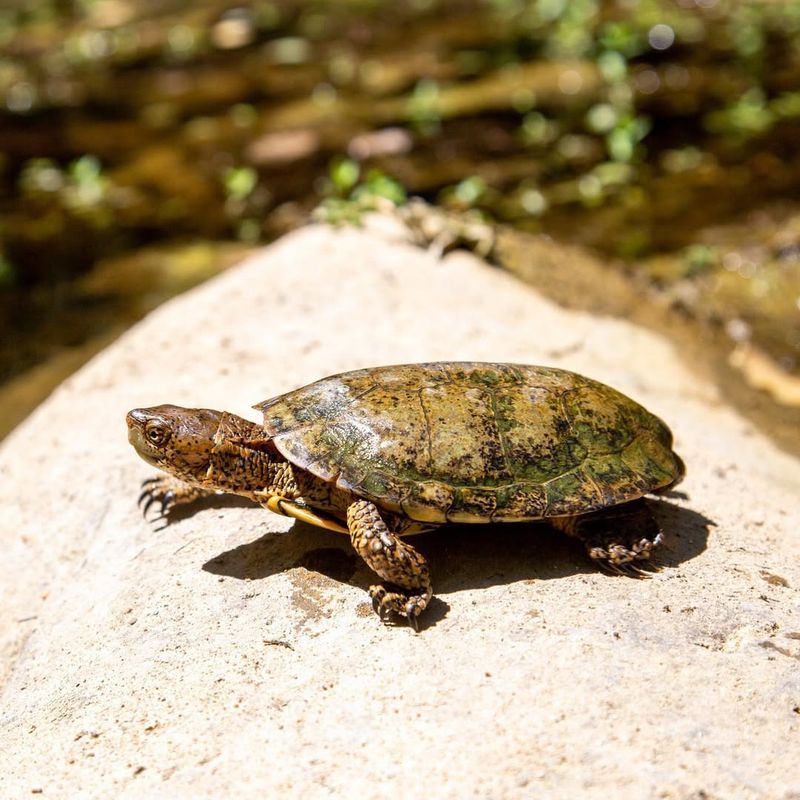
Sunbathing on logs and rocks, Pacific pond turtles represent California’s only native freshwater turtle species.
Designated as a California Species of Special Concern, these reptiles cannot be collected, relocated, or removed from backyard ponds or streams under state regulations.
Their populations have declined dramatically due to habitat loss and competition from released pet turtles.
If one appears in your water feature or creek, you’re witnessing a conservation success story since suitable habitat has become increasingly rare.
The turtles spend hours basking to regulate body temperature, then slip into water at the slightest disturbance.
Homeowners sometimes mistakenly believe they’re helping by moving turtles to “better” locations, but relocation disrupts established territories and breeding patterns.
Females travel surprising distances to find suitable nesting sites in late spring, sometimes appearing far from water.
Even during these terrestrial journeys, they remain protected and must be left alone.
Providing basking platforms, maintaining clean water, and protecting pond edges with native vegetation creates ideal habitat without requiring any hands-on interaction.
Pet store turtles should never be released into waters where Pacific pond turtles live since non-native species carry diseases and compete for resources.
Your cooperation with protection laws directly supports recovery efforts for this increasingly rare California native.
5. California Kingsnakes
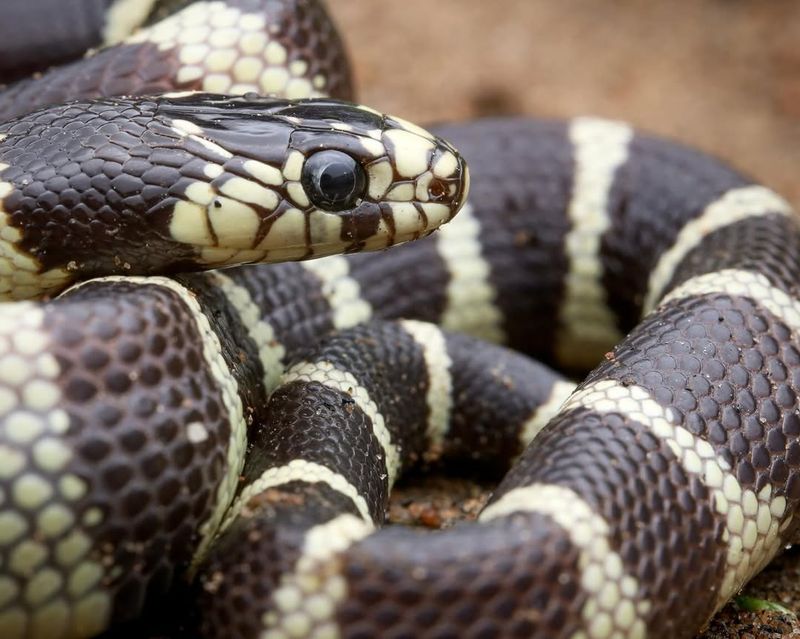
Glossy bands of black and white ripple through gardens as California kingsnakes patrol for rodents and other prey.
These non-venomous constrictors are native species protected by state regulations that prohibit harming or relocating them without proper permits.
Many homeowners panic at the sight of any snake, but kingsnakes are actually beneficial predators that help control pest populations naturally.
They’re immune to rattlesnake venom and will actually hunt and consume venomous snakes, making them valuable neighbors.
California law recognizes their ecological importance by requiring permits for collection or relocation, even from private property.
The snakes are most active during warmer months when they hunt rodents, lizards, and occasionally raid bird nests.
Finding one in your yard means you’ve got healthy habitat with adequate food sources and shelter.
Kingsnakes are docile when left alone and will typically retreat if given space and an escape route.
Attempting to capture or relocate them not only breaks the law but also removes natural pest control from your property.
Education about their benefits helps overcome instinctive fear responses that lead to unnecessary confrontations.
Maintaining brush piles, rock walls, and natural ground cover provides the habitat features kingsnakes need while keeping them out of high-traffic areas where encounters might cause alarm.
6. Desert Tortoises In Southern Regions
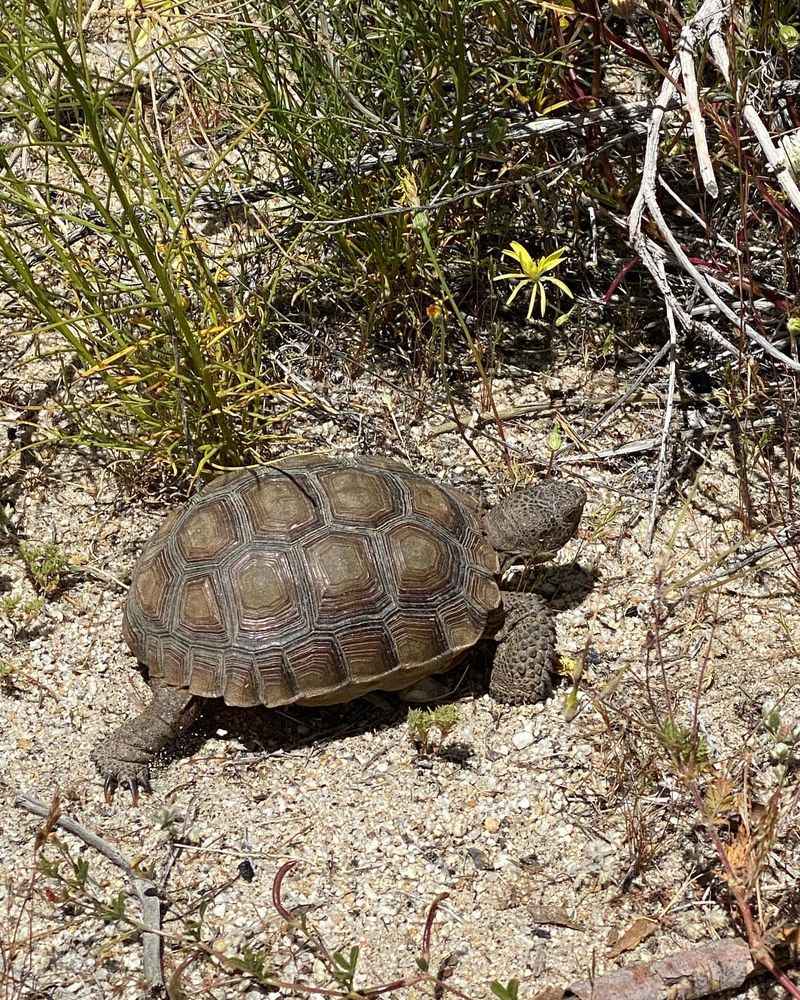
Ancient and slow-moving, desert tortoises carry federally threatened status that makes every interaction legally significant.
In Southern California’s desert communities, finding one in your yard comes with strict obligations: you cannot move, touch, or attempt to “help” the tortoise without authorization from wildlife officials.
These remarkable reptiles can live over 80 years and are perfectly adapted to harsh desert conditions.
Well-meaning homeowners often make situations worse by relocating tortoises or providing water and food, which can actually harm them.
Federal law under the Endangered Species Act protects desert tortoises with serious penalties for violations, including substantial fines.
The tortoises dig extensive burrow systems for temperature regulation and spend most of their lives underground.
If you discover one in your yard, the law requires you to leave it completely alone and contact California Department of Fish and Wildlife for guidance.
Even picking up a tortoise to move it off a road requires special authorization in most circumstances.
Desert landscaping that includes native plants and maintains natural terrain actually benefits tortoises more than artificial interventions.
Their presence indicates you’re living in critical habitat that must be preserved for species recovery.
Respecting the hands-off requirements protects both the tortoise and your legal standing while supporting conservation of this iconic desert resident.
7. All Migratory Birds Including Hummingbirds Songbirds And Swallows

Tiny nests tucked into porch eaves, hanging plants, and decorative wreaths bring legal protection directly to your doorstep.
The Migratory Bird Treaty Act provides federal protection for hundreds of bird species, making it illegal to remove nests, eggs, or birds during nesting season.
This includes beloved backyard visitors like hummingbirds, robins, finches, swallows, and wrens.
Once a bird begins building a nest or lays eggs, that location becomes protected territory regardless of inconvenience to homeowners.
You cannot remove an active nest from your front door, garage, or any other structure until babies have fledged and the nest is completely abandoned.
Violations carry potential fines up to $15,000 and possible criminal charges since this is federal law.
Swallows returning to the same nesting sites year after year create particularly challenging situations for homeowners who want to paint or renovate.
The solution involves timing maintenance work for periods when nests are inactive, typically late fall through early winter.
Installing deterrents before nesting season begins is legal, but once construction starts, you’re committed to hosting your tenants.
Most nesting periods last only a few weeks, making patience the simplest approach.
Understanding these protections helps you plan outdoor projects around wildlife needs while avoiding serious legal troubles.
8. Hawks Eagles Falcons And Other Raptors
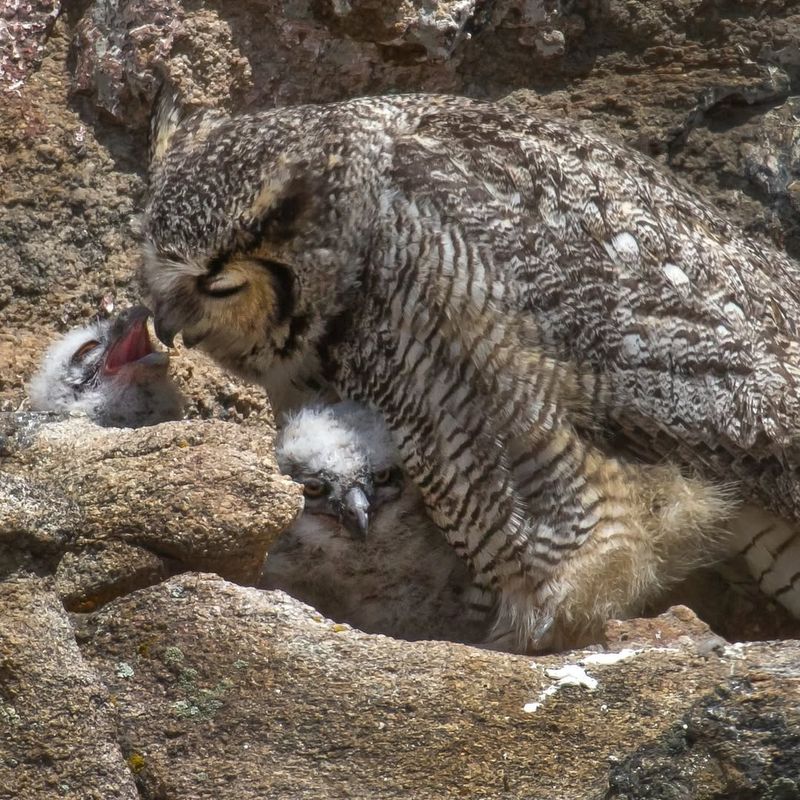
Powerful wings cast shadows across California yards as raptors hunt, nest, and raise young under strict federal protection.
All hawks, eagles, falcons, and owls receive protection under multiple federal laws that make disturbing nests, removing young, or relocating birds serious criminal offenses.
Red-tailed hawks commonly nest in suburban areas, building large stick platforms in tall trees that command views of surrounding territory.
Homeowners cannot trim trees with active raptor nests or take any action that might cause nest abandonment.
Even approaching too closely or making loud noises near nesting sites can constitute illegal harassment under federal regulations.
Cooper’s hawks and sharp-shinned hawks often hunt backyard bird feeders, creating distressing scenes that homeowners cannot legally interrupt.
The predator-prey relationship is natural and protected, even when it happens right outside your window.
Peregrine falcons and other species have made remarkable recoveries thanks to these protective laws after near-extinction from pesticide exposure.
Finding a raptor nest on your property means accepting a several-month period of restricted activity in that area.
Parents can be aggressive when defending nests, adding practical reasons to maintain distance beyond legal requirements.
Most nesting attempts conclude by midsummer when young birds fledge and families disperse.
Your role as temporary host contributes to conservation success stories decades in the making.
9. Seals And Sea Lions On Coastal Properties
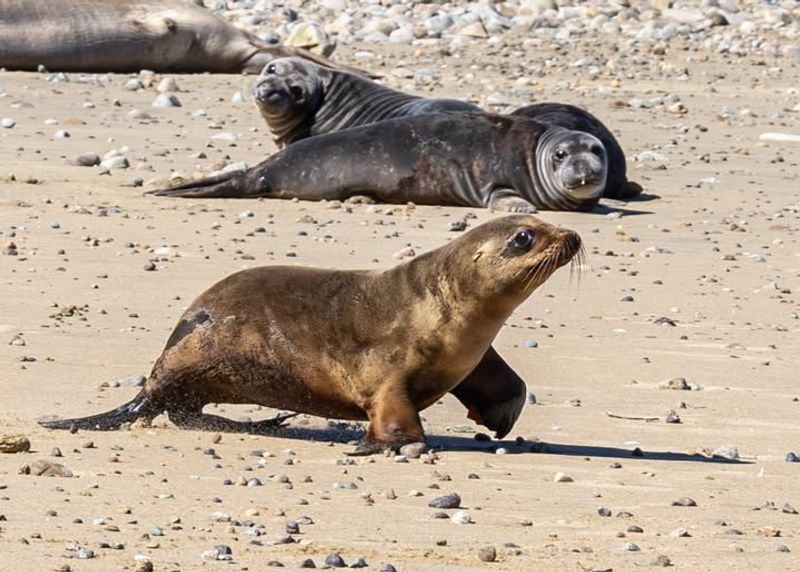
Barking and lounging on private beaches, marine mammals bring federal protection right to the shoreline of coastal properties.
The Marine Mammal Protection Act makes it illegal to touch, relocate, or harass seals and sea lions, even when they’re hauled out on your private beach access.
These animals use coastal areas for resting, molting, and nursing young, with legal requirements to maintain significant distance.
Homeowners cannot chase them away, make loud noises to disturb them, or attempt to push them back into the water.
Federal law requires staying at least 50 yards away, though individual animals may approach you out of curiosity.
Violations carry penalties up to $28,000 and potential criminal prosecution since marine mammals remain under federal jurisdiction regardless of property lines.
Sea lions particularly favor rocky outcrops and beaches during breeding season, sometimes arriving in noisy groups.
Their presence can temporarily limit beach access and create strong odors, but property owners have no legal recourse for removal.
Injured or sick animals require immediate reporting to marine mammal rescue organizations rather than personal intervention.
Even well-intentioned attempts to help can cause stress that worsens their condition.
Coastal living comes with wildlife neighbors whose federal protections supersede property rights, making coexistence not just good ethics but legal necessity.
10. Bats
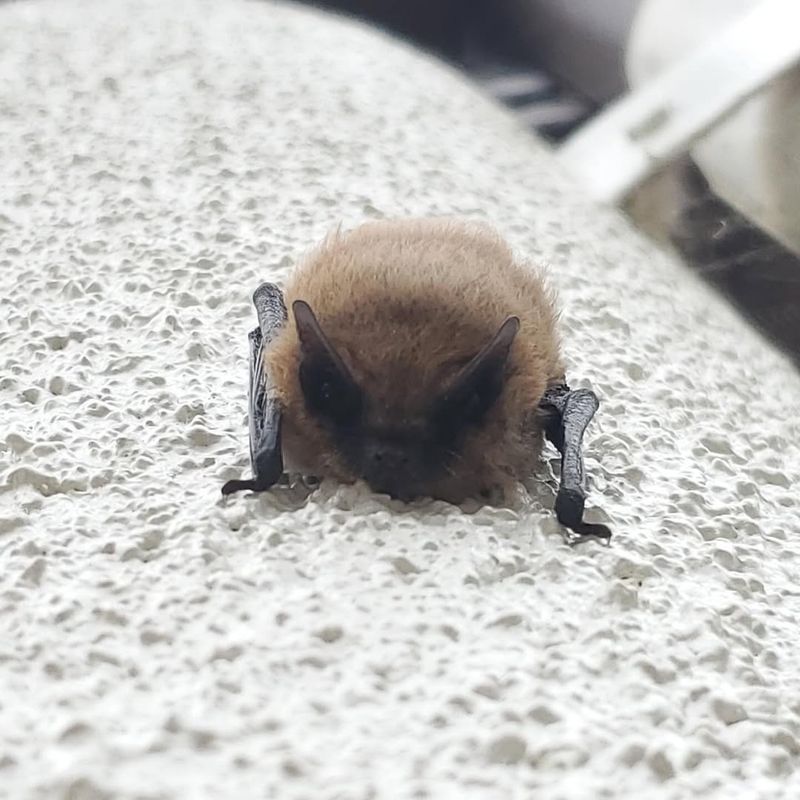
Fluttering at dusk, California’s bat species provide incredible insect control while enjoying special legal protections.
Several species are protected under state law, making it illegal to exclude them during maternity season or harm established roosts.
Bats commonly roost in attics, under roof tiles, behind shutters, and in other sheltered spaces around homes.
From spring through late summer, female bats gather in maternity colonies to give birth and raise flightless young.
Excluding bats during this critical period can trap babies inside, leading to violations of protection laws and inhumane outcomes.
California regulations require waiting until fall when young can fly before performing any exclusion work.
A single bat consumes thousands of mosquitoes and agricultural pests nightly, making them extraordinarily beneficial neighbors.
Despite unfounded fears, bats are shy animals that avoid human contact and rarely cause problems beyond occasional guano accumulation.
Installing bat houses nearby before excluding them from structures provides alternative roosting sites that maintain their pest control benefits.
Professional wildlife excluders understand legal timing requirements and humane methods that comply with protection laws.
Attempting DIY exclusion during prohibited periods risks both legal penalties and harm to protected species.
Learning to coexist with these remarkable flying mammals benefits your property through natural pest management while respecting their legal safeguards.
11. Gray Foxes

Nimble climbers with distinctive black-tipped tails, gray foxes navigate California neighborhoods with surprising agility.
Classified as furbearers under state law, these foxes cannot be trapped, relocated, or harmed without obtaining a depredation permit from California Department of Fish and Wildlife.
Unlike their larger red fox cousins, gray foxes are native to California and play important roles in controlling rodent populations.
They’re primarily nocturnal but sometimes appear during daylight hours, especially when raising young in spring and summer.
Homeowners who consider foxes nuisances cannot legally take matters into their own hands through trapping or removal.
The permit process requires documenting actual property damage and exhausting non-lethal deterrent methods first.
Gray foxes are generally shy and avoid human interaction, though they may become habituated in neighborhoods where people feed them.
Never feeding wildlife and securing trash cans prevents most fox-related conflicts without requiring legal intervention.
These intelligent animals den in hollow trees, rock crevices, and sometimes under sheds or decks during breeding season.
Young foxes are particularly playful and visible in early summer as parents teach hunting skills.
Watching from a distance provides entertainment while respecting their protected status.
Most fox families move on naturally once young are independent, making coexistence temporary and legally required during their residence in your yard.
12. Western Fence Lizards And Other Native Reptiles
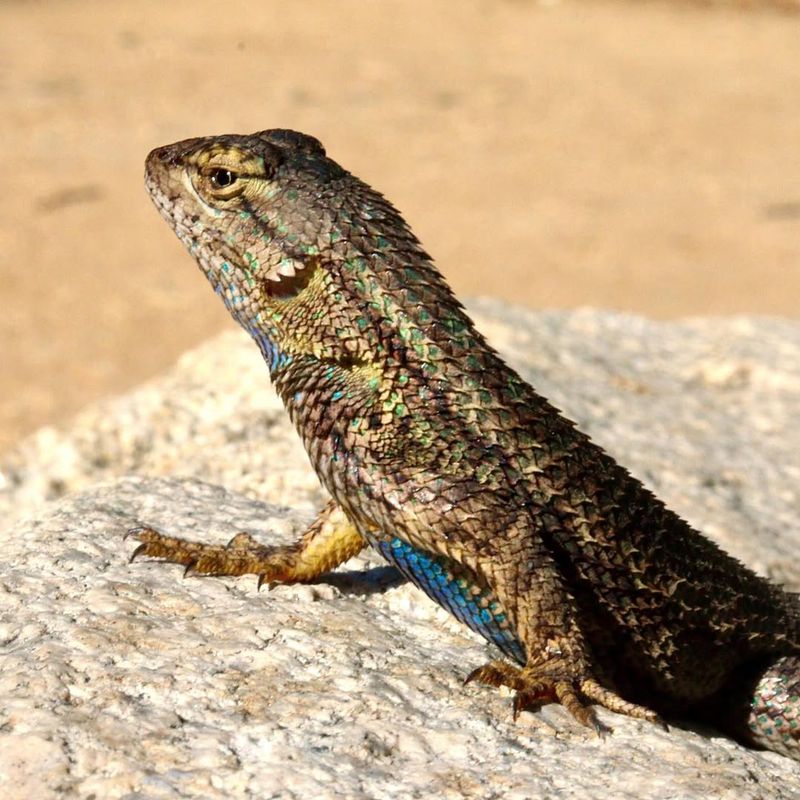
Quick movements catch your eye as western fence lizards perform their characteristic push-up displays on sunny fence posts.
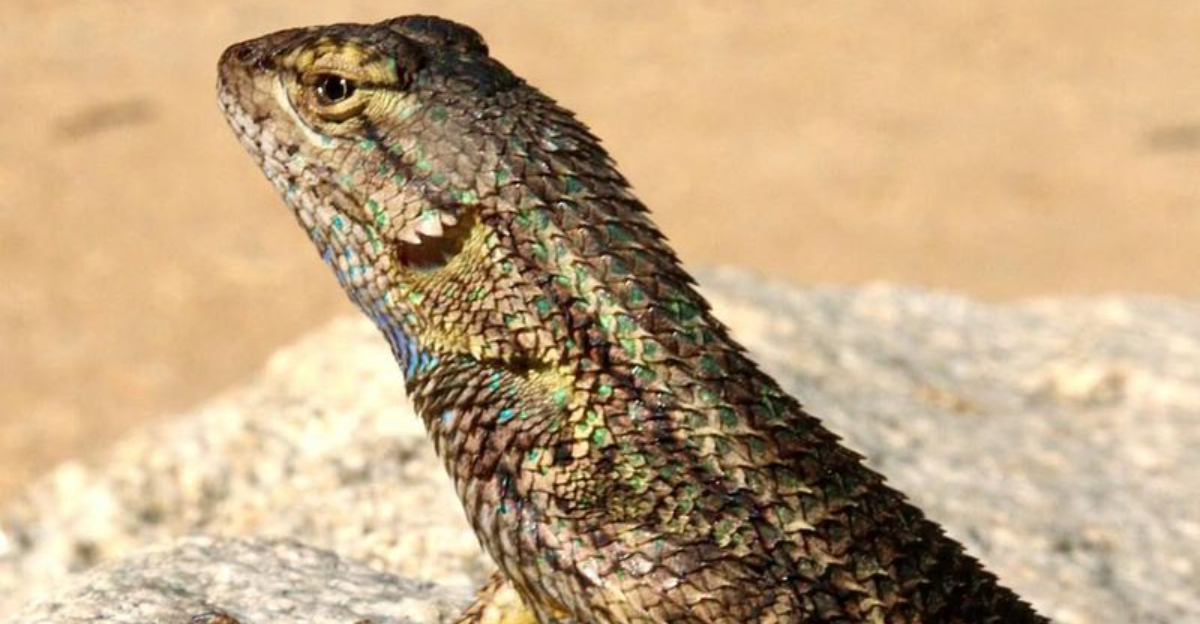
These common reptiles and many other native California lizards are protected from capture or relocation under state wildlife regulations.
The distinctive blue belly patches on males flash during territorial displays and mating season, adding color to garden landscapes.
Research shows these lizards actually help reduce Lyme disease transmission by cleaning ticks of the bacteria when the ticks feed on them.
Children and adults alike are tempted to catch these quick reptiles, but state law requires leaving them undisturbed in their natural habitats.
Collecting native reptiles, even temporarily, requires special permits that most homeowners don’t possess.
Western fence lizards thrive in yards with rock piles, wood stacks, and sunny basking spots near protective cover.
They consume enormous quantities of insects and spiders, providing natural pest control throughout warm months.
During winter, they retreat to underground burrows and tree crevices, emerging in spring to resume their active lifestyles.
Other protected native reptiles include alligator lizards, skinks, and various snake species that share suburban habitats.
Creating lizard-friendly landscaping with native plants and natural features supports these beneficial reptiles while complying with protection laws.
Your yard becomes part of a larger conservation effort simply by letting these small but important creatures go about their business undisturbed.