10 Things Every Wisconsin Homeowner Should Know Before Trying To Remove A Possum
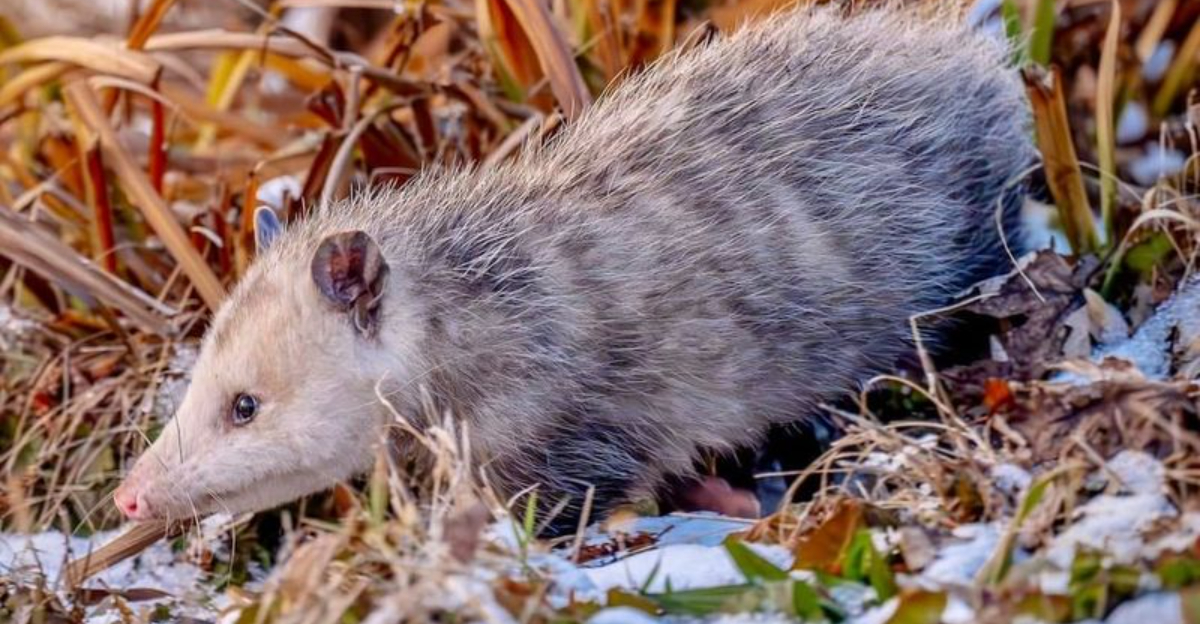
Seeing a possum wandering across your Wisconsin yard at night can spark concern, but removing one isn’t as simple—or as legal—as many homeowners assume.
Possums are harmless for the most part, and they’re protected by wildlife regulations that limit what you’re allowed to do without proper permits.
Wisconsin winters, food scarcity, and natural behaviors also influence how and why possums enter residential areas.
Unfortunately, rushing to trap or relocate them often does more harm than good, both for the animal and your property.
Possums serve as nature’s cleanup crew, eating pests that cause far more trouble than they ever could.
Before you attempt to handle one yourself—or call someone to do it for you—it’s essential to understand the laws, the risks, and the practical alternatives.
This guide walks homeowners through the most important things to know so you can respond safely, legally, and humanely whenever a possum makes an unexpected appearance.
1. Possums Are Legal Wildlife And Protected From Harm
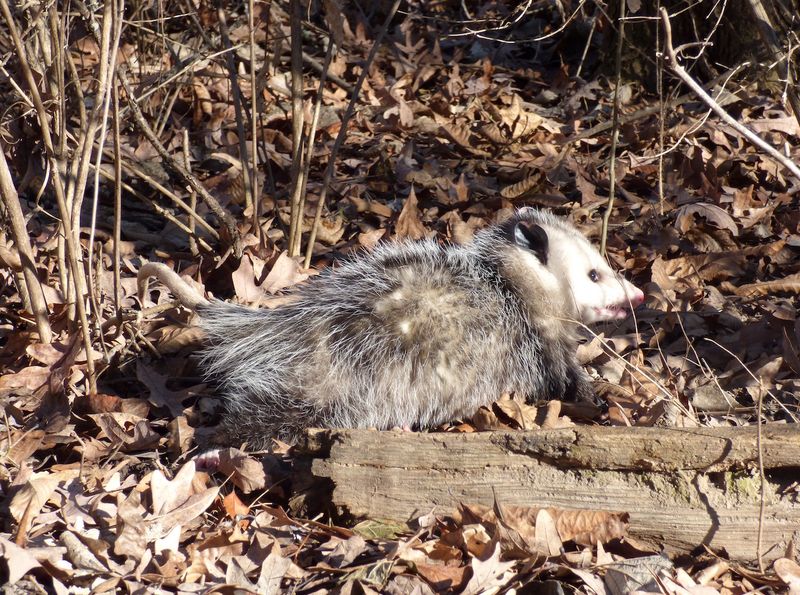
Wisconsin law treats possums as protected wildlife, which means you cannot harm or injure them without specific authorization from the Department of Natural Resources.
This protection exists because possums play an important role in the ecosystem and are not considered dangerous pests.
If you attempt to harm a possum, you could face fines or legal consequences depending on the severity of the violation.
Removal methods must follow state wildlife regulations and humane-handling standards at all times.
Trapping is allowed under certain conditions, but the animal must be treated with care and respect throughout the process.
Many homeowners do not realize that even setting a trap requires following specific guidelines to avoid breaking the law.
If you are unsure about what is legal, contact your local DNR office or a licensed wildlife control operator for guidance.
They can explain your options and help you understand the best way to handle the situation without violating state rules.
Respecting wildlife laws not only keeps you out of trouble but also supports conservation efforts across Wisconsin.
Understanding these protections is the first step in making responsible decisions about possum encounters on your property.
2. Relocating Possums Without Permission Is Illegal
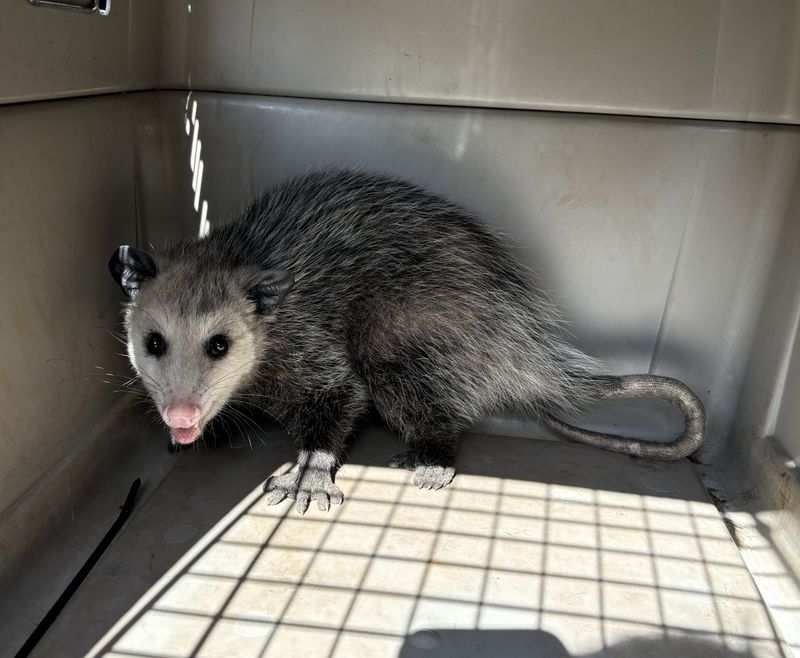
You might think trapping a possum and releasing it in the woods is a kind solution, but Wisconsin DNR regulations prohibit relocating most wild animals without a permit.
This law exists because moving wildlife can spread diseases, disrupt local ecosystems, and harm the animal by placing it in unfamiliar territory.
Relocated possums often struggle to find food, shelter, and safety, which reduces their chances of survival significantly.
If you trap a possum on your property, you must release it on-site or have it handled by a licensed professional.
On-site release means opening the trap in the same area where you caught the animal, allowing it to leave naturally.
This approach respects the law while giving the possum a fair chance to move on without interference.
Licensed wildlife control operators have the training and permits needed to relocate animals when absolutely necessary.
Your Wisconsin Garden Changes Every Week. Your Plan Should Too.
Gardening in Wisconsin changes quickly throughout the season. Every Friday you’ll receive a simple weekly plan showing exactly what to plant, prune, fertilize, harvest, and protect so you never miss the right timing.
They understand the legal requirements and can ensure the process is done safely and humanely.
Hiring a professional may cost money, but it guarantees you are following the rules and protecting the animal.
Before you set any trap, research your local regulations or consult with the DNR to avoid unintentional violations.
Making informed choices helps you stay within the law while addressing your wildlife concerns responsibly.
3. Possums Rarely Carry Rabies Compared To Other Wildlife
One of the biggest misconceptions about possums is that they are rabies carriers, but the truth is quite different.
Their naturally low body temperature makes it extremely difficult for the rabies virus to survive and replicate in their systems.
This biological fact means possums are far less likely to carry rabies than raccoons, bats, skunks, or foxes.
Many homeowners panic when they see a possum acting strangely, assuming it must be infected with rabies.
However, the odd behavior you observe is often just the possum being startled, defensive, or entering its famous “playing possum” state.
Understanding this reduces the urgency and fear that drive people to take drastic or unnecessary actions.
While rabies in possums is extremely rare, you should still avoid direct contact with any wild animal.
Use gloves if you must handle traps or equipment, and never try to touch or pet a possum no matter how harmless it seems.
If you are bitten or scratched, wash the wound thoroughly and consult a doctor to be safe.
Knowing the real risk level helps you respond calmly and rationally rather than reacting out of fear.
Possums are not the rabies threat many people believe them to be, so you can approach the situation with confidence and common sense.
4. They Provide Major Pest Control Benefits
Before you chase a possum away, consider the valuable pest control services it provides for free.
Possums are opportunistic omnivores that eat ticks, slugs, cockroaches, mice, beetles, and even venomous snakes.
A single possum can consume thousands of ticks in a season, which helps reduce the risk of Lyme disease and other tick-borne illnesses in your yard.
Removing a possum may actually increase the number of pests around your home rather than solving your problem.
Without this natural predator, tick populations can explode, gardens can suffer slug damage, and rodents may move in unchecked.
Many homeowners who remove possums quickly discover they miss the benefits these animals quietly provided.
Possums also help clean up fallen fruit, carrion, and other organic waste that might attract flies or other unwanted visitors.
Their scavenging habits keep your property cleaner and reduce odors that could draw in more problematic wildlife.
Think of them as unpaid members of your yard maintenance team working the night shift.
If you are dealing with a possum on your property, ask yourself whether it is truly causing harm or simply passing through.
In most cases, the benefits far outweigh any inconvenience, making coexistence the smartest choice for Wisconsin homeowners.
5. Possums Usually Leave On Their Own
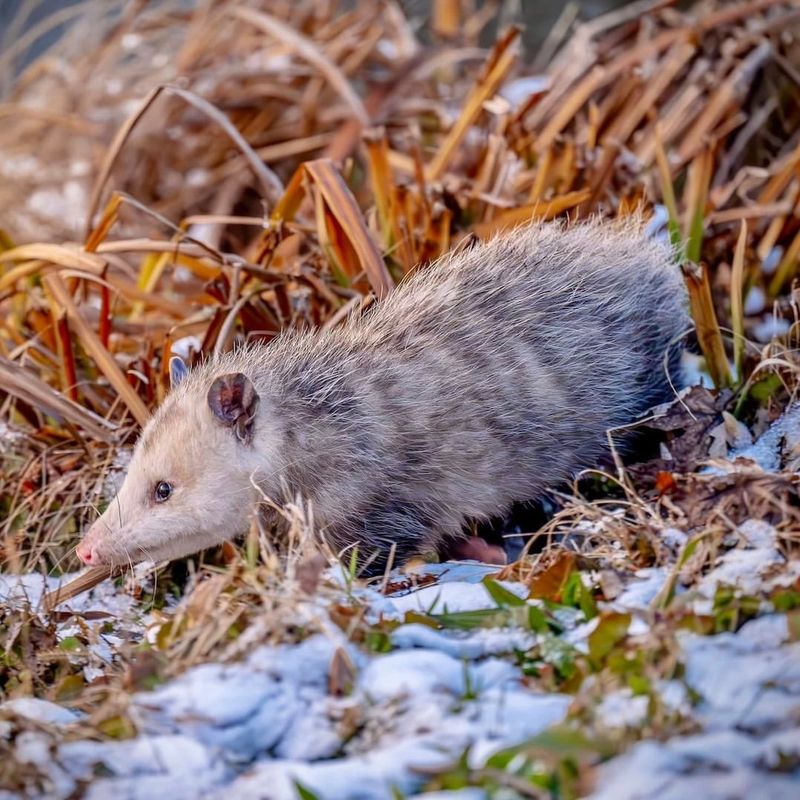
Possums are nomadic creatures that rarely stay in one place for more than a few days or weeks.
They do not build permanent dens like raccoons or skunks, and they prefer to keep moving in search of food and shelter.
This natural behavior means the possum under your porch today will likely be gone on its own very soon.
Chasing or trapping a possum that would leave naturally on its own creates unnecessary stress for both you and the animal.
It also wastes time, money, and energy on a problem that would resolve itself without any intervention.
Patience is often the best strategy when dealing with these temporary visitors.
If you want to encourage a possum to leave sooner, make your property less attractive by removing food sources and water.
Secure garbage cans, clean up pet food, and eliminate standing water that might draw them in.
Once the easy meals are gone, the possum will move on to more promising locations.
Forcing a possum out before it is ready can also cause injury or panic, leading to more problems than solutions.
The animal might become defensive, injure itself trying to escape, or leave behind young that cannot survive alone.
Allowing natural departure is the safest, easiest, and most humane approach for everyone involved.
6. They Play Possum Instead Of Attacking
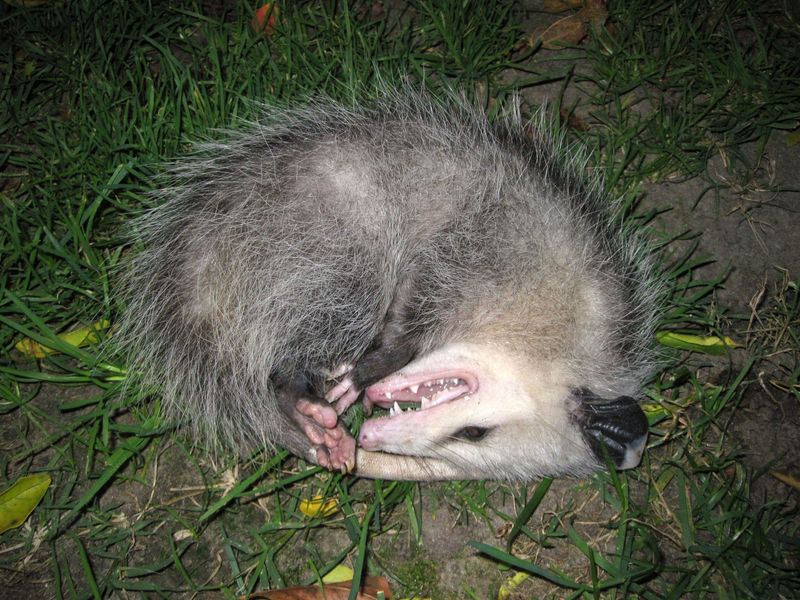
When threatened, possums enter an involuntary catatonic state commonly called “playing possum,” which is not aggression but a survival reflex.
During this state, the possum falls over, becomes stiff, drools, and may even release a foul-smelling fluid from its glands.
This behavior is completely automatic and not something the possum can control or turn off at will.
Many people mistake this response for illness, assuming the animal is sick or suffering from rabies.
In reality, the possum is simply frozen in fear and will recover once it feels safe enough to move again.
This can take anywhere from a few minutes to several hours depending on how threatened the animal feels.
Possums are not aggressive by nature and would much rather flee or freeze than fight.
They have sharp teeth they may show when scared, but actual biting is extremely rare and usually only happens if they are cornered or handled roughly.
Their hissing and teeth-baring are bluffs meant to scare you away, not signs of impending attack.
Understanding this behavior helps you avoid unnecessary panic and make better decisions when encountering a possum.
If you see one playing possum, simply leave it alone and give it space to recover and leave on its own.
There is no need for alarm, intervention, or removal when the animal is just trying to protect itself naturally.
7. Blocking Access Points Is More Effective Than Removal
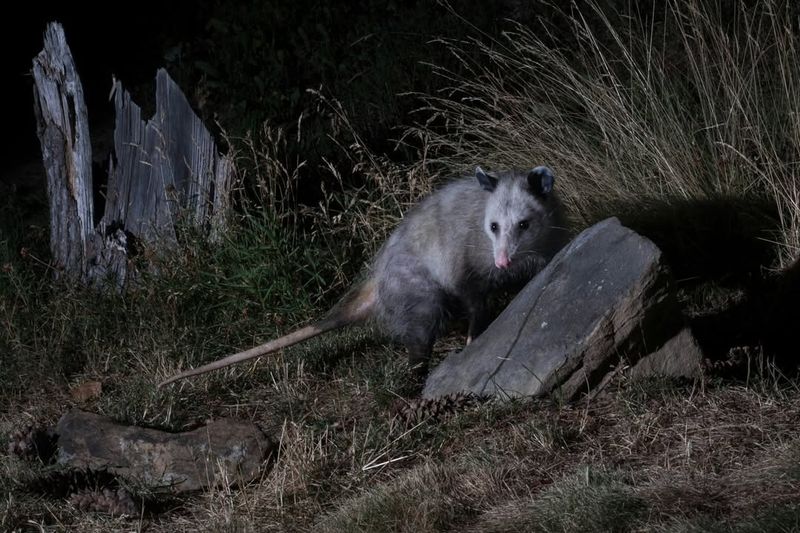
Removing a possum does not solve the underlying problem if your property still offers easy access to shelter.
Sheds, porches, crawlspaces, and gaps under fences are all attractive hiding spots that will continue to draw wildlife even after one animal leaves.
Exclusion, which means blocking entry points, is the most effective long-term solution to prevent repeat visits.
Inspect your property carefully for openings that possums or other animals might use to get inside or underneath structures.
Look for holes in skirting, damaged vents, gaps around pipes, and spaces under decks or stairs.
Even small openings can be entry points since possums are surprisingly flexible and can squeeze through tight spaces.
Use sturdy materials like hardware cloth, metal flashing, or wooden boards to seal these openings securely.
Make sure to wait until you are certain the possum has left before sealing, or you may trap it inside accidentally.
You can use a one-way door or monitor the area for a few nights to confirm the animal is gone.
Once the access points are blocked, your home becomes much less attractive to future wildlife visitors.
This approach saves you time and money by preventing the need for repeated trapping or removal services.
Proactive exclusion is the smartest investment any Wisconsin homeowner can make for lasting peace of mind.
8. Young Pouch Babies May Be Present
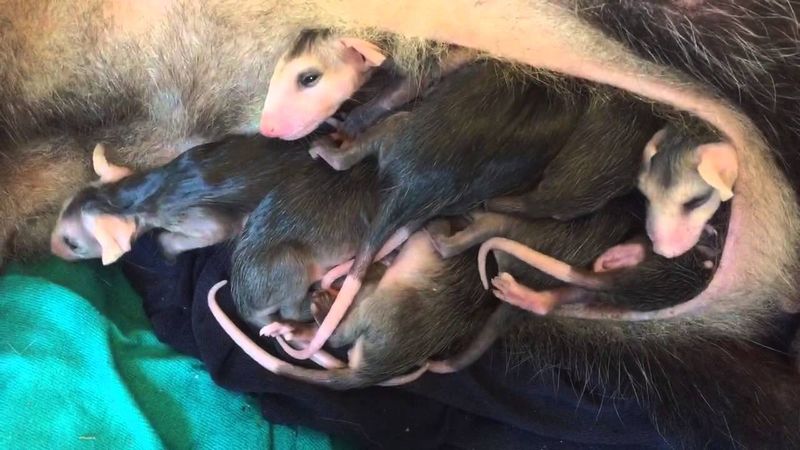
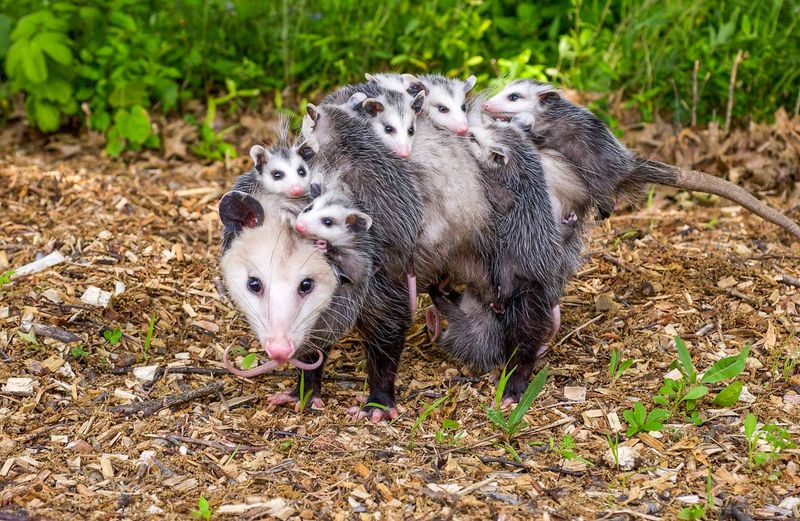
Female possums carry their babies in a pouch for the first few months of life, and older joeys often ride on their mother’s back.
If you remove or trap a mother possum too quickly, you may separate her from helpless babies that cannot survive on their own.
These young possums depend entirely on their mother for warmth, food, and protection during their early development.
Orphaned joeys left behind will not survive without intervention from a licensed wildlife rehabilitator.
They require specialized care, feeding schedules, and temperature control that most homeowners cannot provide.
Rushing to remove a possum without checking for babies can result in unnecessary suffering and waste of young lives.
If you suspect a possum on your property might have young, observe the animal carefully before taking action.
Look for signs of nursing, such as a swollen pouch or babies clinging to the mother’s back.
Spring and summer are peak breeding seasons, so extra caution is needed during these months.
Waiting a few extra days or weeks for the young to mature enough to travel independently is the compassionate choice.
Once the babies are old enough, the entire family will move on naturally without any need for trapping or removal.
Patience protects both the mother and her offspring, ensuring humane treatment for all animals involved.
9. Using Poison Or Harmful Traps Is Illegal And Dangerous
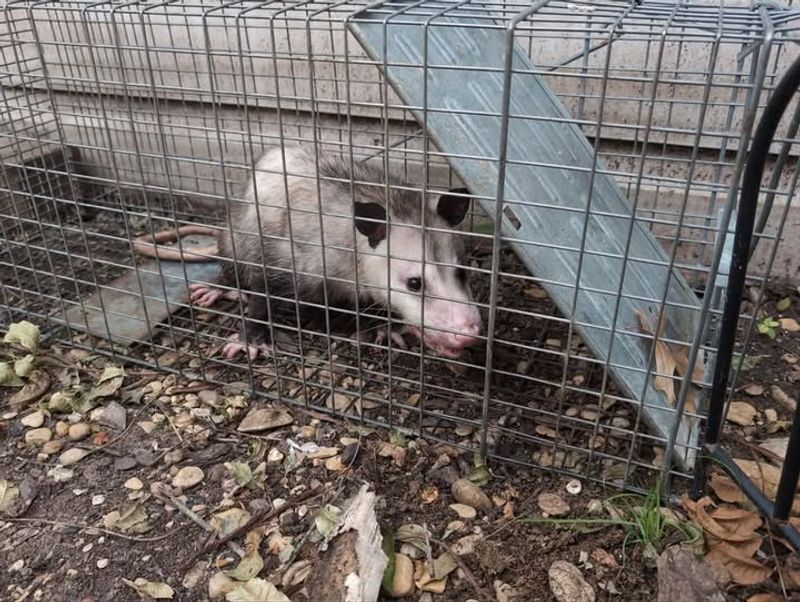
Some homeowners consider using poison or body-gripping traps to remove possums quickly, but these methods are illegal under Wisconsin wildlife laws.
Poison is indiscriminate and can harm pets, children, and non-target wildlife that might consume the bait or scavenge a poisoned animal.
Body-gripping traps cause unnecessary suffering and are prohibited for use by unlicensed individuals in most situations.
Even if these methods were legal, they would pose serious risks to everyone on your property and in your neighborhood.
Dogs and cats are especially vulnerable to poisoning, and children might accidentally come into contact with dangerous substances or traps.
Secondary poisoning can also occur when predators or scavengers consume poisoned animals, spreading harm throughout the ecosystem.
Humane live traps are the only legal and safe option for homeowners who feel they must trap a possum.
These traps capture the animal without injury, allowing for safe release or transfer to a licensed professional.
Always check traps frequently to avoid leaving an animal trapped for extended periods without food or water.
If you are considering any removal method, research Wisconsin DNR regulations first to ensure compliance.
Using illegal methods can result in fines, criminal charges, and harm to innocent animals and people.
Choosing legal, humane approaches protects everyone and demonstrates responsible stewardship of Wisconsin’s wildlife.
10. Professional Wildlife Control May Be Required For Certain Situations
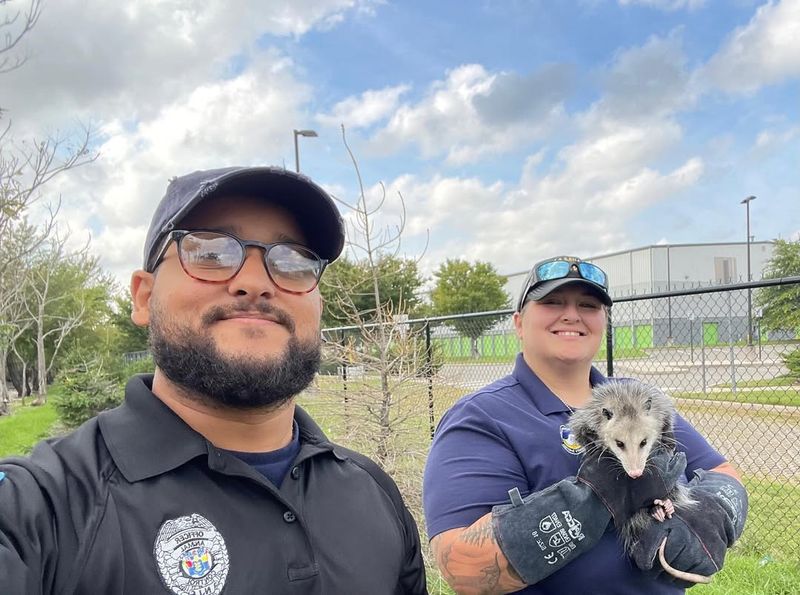
While many possum encounters resolve naturally, some situations require the expertise of licensed wildlife control operators or rehabilitators.
If a possum is injured, trapped inside your home, or unable to exit safely on its own, professional help is the best option.
These experts have the training, equipment, and permits needed to handle wildlife safely and legally.
Injured possums need medical care that only licensed rehabilitators can provide, and attempting to help them yourself may worsen their condition.
Animals trapped indoors can panic and cause damage or injure themselves trying to escape, making professional removal essential.
Situations involving aggressive behavior, unusual illness, or confirmed contact with people or pets also warrant professional assessment.
Licensed operators understand Wisconsin wildlife laws and can ensure all removal and relocation activities comply with state regulations.
They also have liability insurance to protect you in case of accidents or property damage during the removal process.
Hiring a professional may cost money, but it provides peace of mind and guarantees the job is done right.
To find a qualified wildlife control operator, check the Wisconsin DNR website or ask your local conservation office for recommendations.
Verify that any professional you hire is properly licensed and insured before allowing them to work on your property.
When the situation is beyond your ability to handle safely, calling in the experts is the smartest and most responsible choice.