Toxic Trees You Should Avoid Planting In Any California Yard
California’s climate diversity—from foggy coastal towns to scorching valleys—allows homeowners to grow an extraordinary variety of trees.
But not all of them are good choices.
Some trees commonly sold in nurseries come with hidden dangers that make them completely unsuitable for California yards.
Toxic sap, poisonous berries, invasive root systems, and fire-prone foliage can create hazards for pets, children, wildlife, and even your home.
California’s drought cycles, water restrictions, and high wildfire risks amplify these dangers, turning certain tree species into liabilities rather than assets.
Many homeowners only discover the risks after a pet falls ill, a sewer line cracks, or brittle branches drop during a dry-season windstorm.
Understanding which trees are best avoided can save you thousands in repairs and keep your yard safer year-round.
Before planting anything new, get familiar with the toxic trees that simply don’t belong in California landscapes—no matter how pretty they look in the nursery.
1. Oleander Tree Form (Nerium Oleander)
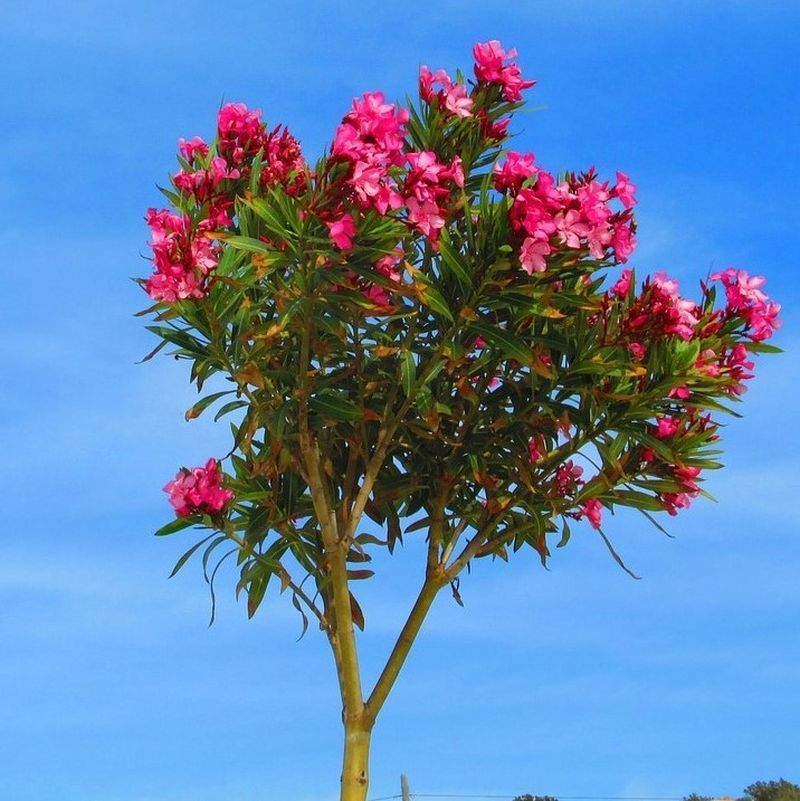
Oleander might catch your eye with its stunning pink, white, or red flowers, but this beauty comes with a terrifying secret.
Every single part of this tree contains potent cardiac glycosides that can cause serious harm to anyone who touches or ingests it.
Even the smoke from burning oleander branches carries these dangerous compounds into the air.
Pets who nibble on fallen leaves or children who play near the tree face immediate risks including vomiting, irregular heartbeat, and severe digestive distress.
Gardeners working with oleander should wear gloves because the sap can irritate skin and eyes on contact.
The tree also drops toxic leaves and flowers that remain hazardous even after they dry out and fall to the ground.
Many California homeowners plant oleander as a privacy hedge without realizing the constant danger it presents.
If you already have one in your yard, consider removing it professionally rather than attempting the job yourself.
Safer flowering alternatives like crape myrtle or desert willow offer similar beauty without the life-threatening risks.
Your family and furry friends deserve a landscape where they can play and explore without hidden dangers lurking in every branch.
2. Chinaberry Tree (Melia Azedarach)
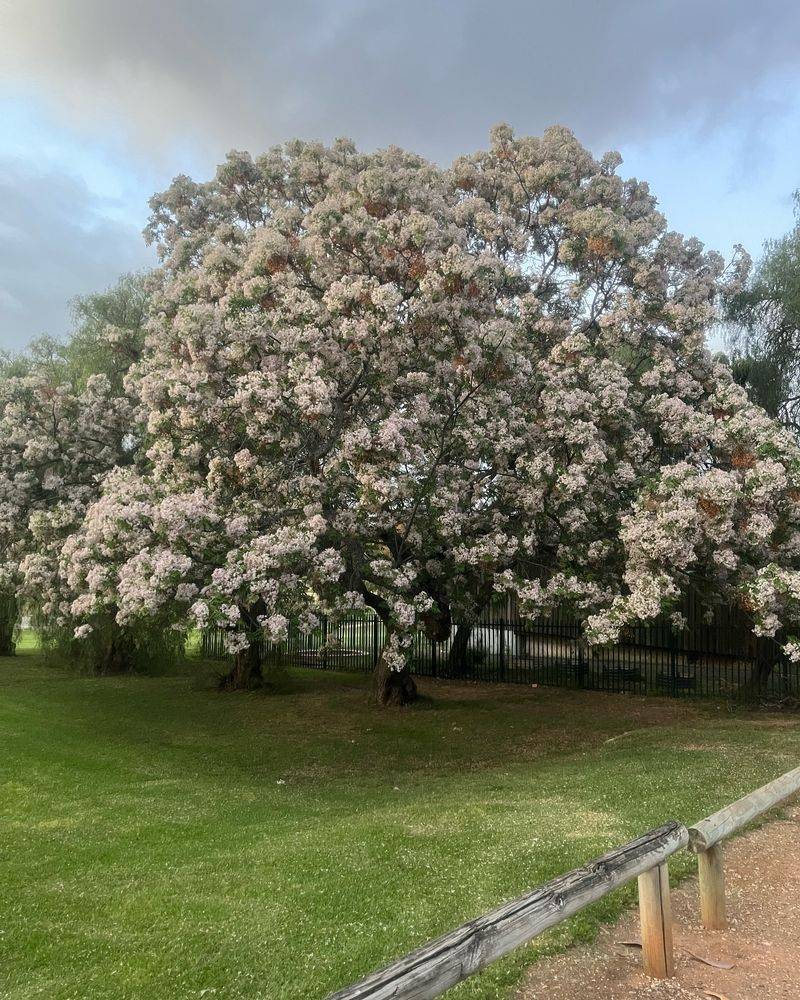
Those cheerful yellow berries dangling from chinaberry branches might look like nature’s candy, but they pack a poisonous punch.
Children find the bright fruits irresistible, which makes this tree particularly dangerous for families with curious little ones.
The seeds contain powerful neurotoxins called tetranortriterpenes that attack the nervous system within hours of ingestion.
Symptoms start with stomach upset but can quickly progress to tremors, seizures, and temporary paralysis in severe cases.
Dogs and cats who eat fallen berries experience similar reactions, often requiring emergency veterinary care to recover fully.
Beyond its toxicity, chinaberry has earned a reputation as an aggressive invader throughout California’s warmer regions.
The tree spreads rapidly through bird-dispersed seeds, popping up in unexpected places and crowding out native vegetation.
Its brittle wood breaks easily during storms, creating additional hazards and cleanup headaches for homeowners.
Many California counties now discourage planting chinaberry and encourage removal of existing specimens.
Your California Garden Changes Every Week. Your Plan Should Too.
Gardening in California changes quickly throughout the season. Every Friday you’ll receive a simple weekly plan showing exactly what to plant, prune, fertilize, harvest, and protect so you never miss the right timing.
Better shade tree options include California sycamore or coast live oak, both of which support local ecosystems without threatening your family’s wellbeing.
3. Black Walnut (Juglans Nigra)
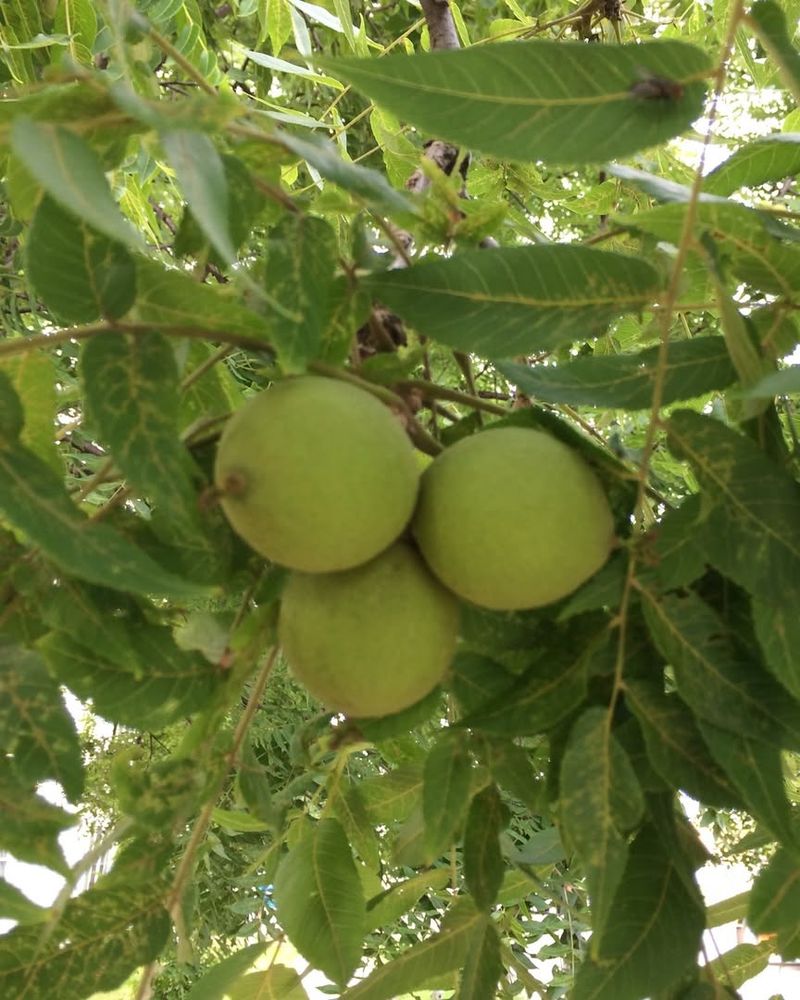
Black walnut trees produce more than just edible nuts—they manufacture their own botanical warfare chemical called juglone.
This natural toxin seeps from the roots, leaves, and hulls, creating a hostile zone around the tree where many beloved plants simply cannot survive.
Tomatoes, peppers, azaleas, rhododendrons, and hydrangeas all wilt and struggle when planted anywhere near a black walnut.
The toxin remains active in the soil for months or even years after the tree gets removed, continuing to sabotage your gardening efforts.
Composting black walnut leaves spreads juglone throughout your garden beds, turning helpful mulch into a growth-stunting nightmare.
Even rainwater dripping from the canopy carries enough of the chemical to damage sensitive plants growing underneath.
While the tree itself poses minimal direct threat to humans and pets, it makes vegetable gardening and ornamental landscaping incredibly frustrating.
California gardeners who dream of colorful flower beds and productive vegetable patches should steer clear of this species.
English walnut varieties produce fewer problems with juglone and still provide delicious homegrown nuts for your kitchen.
Your garden will thrive when you choose trees that support rather than sabotage your other plants.
4. Golden Chain Tree (Laburnum × Watereri)
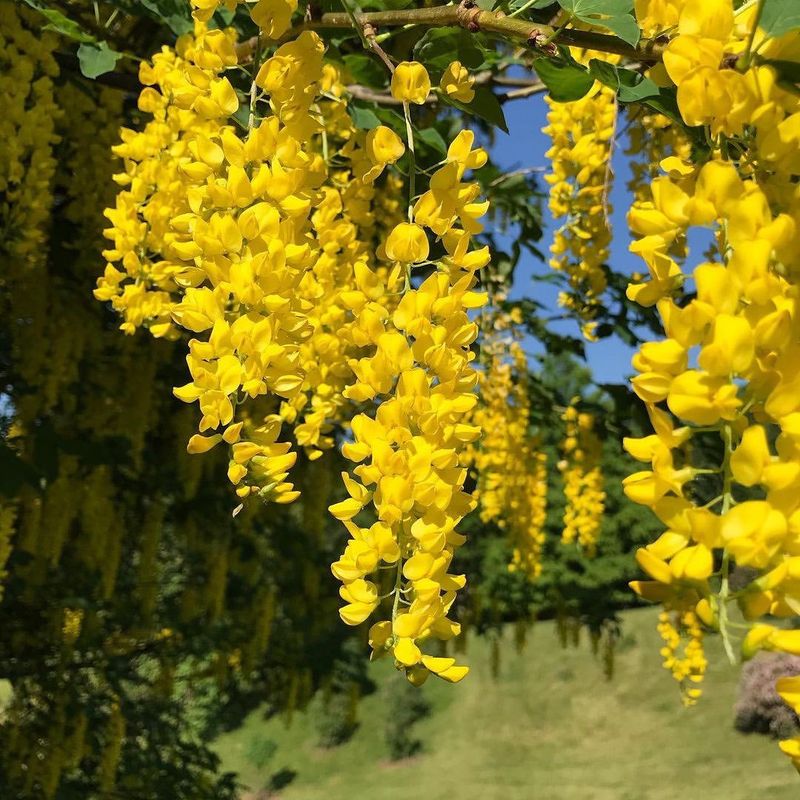
Few trees can match the spectacular display of golden chain when its cascading yellow flowers bloom in late spring.
Photographers and garden enthusiasts travel miles to capture images of these stunning floral waterfalls draped across arbors and pathways.
Unfortunately, every part of this tree contains cytisine, an alkaloid that mimics nicotine but with far more dangerous effects.
The seeds and pods pose the greatest threat, with just a few causing nausea, excessive salivation, and convulsions in children and pets.
Young children mistake the pea-like pods for edible treats, leading to emergency room visits every year across California.
Even adults who handle the tree while pruning or cleaning up fallen pods can experience skin irritation and headaches.
The tree drops its toxic seed pods throughout summer and fall, creating an ongoing hazard that requires constant vigilance.
Many municipalities now prohibit planting golden chain near schools, parks, and public walkways because of these safety concerns.
Homeowners with young families should absolutely avoid this tree despite its undeniable beauty.
Wisteria offers similar cascading flowers with considerably less toxicity, making it a smarter choice for California gardens seeking that dramatic hanging bloom effect.
5. Eucalyptus (Several Species)
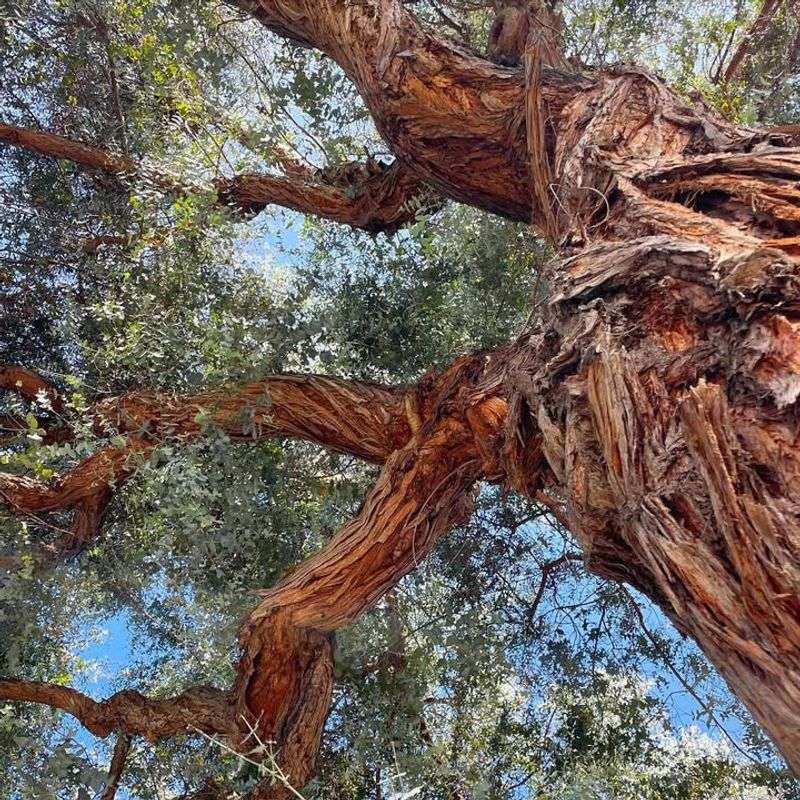
California’s landscape practically defines itself with towering eucalyptus trees imported from Australia over a century ago.
These aromatic giants dominate many neighborhoods, but their popularity doesn’t make them safe choices for residential yards.
The essential oils concentrated in eucalyptus leaves and bark can cause serious problems for cats, dogs, and horses who chew on fallen branches.
Pets experience excessive drooling, vomiting, and weakness after ingesting even small amounts of eucalyptus material.
The same oils that give eucalyptus its distinctive scent also make it extremely flammable, especially during California’s dry summer months.
Eucalyptus bark peels off in long strips that accumulate beneath the tree, creating perfect kindling for wildfires.
Heavy branches drop without warning, damaging roofs, cars, and anything else parked underneath these unpredictable trees.
The shallow root systems can’t support the massive height, causing entire trees to topple during storms and high winds.
Many California communities now discourage eucalyptus planting and offer programs to help homeowners replace them with native species.
Coast redwood or California bay laurel provide similar evergreen presence without the fire hazards and toxic risks that eucalyptus brings to your property.
6. California Pepper Tree (Schinus Molle)
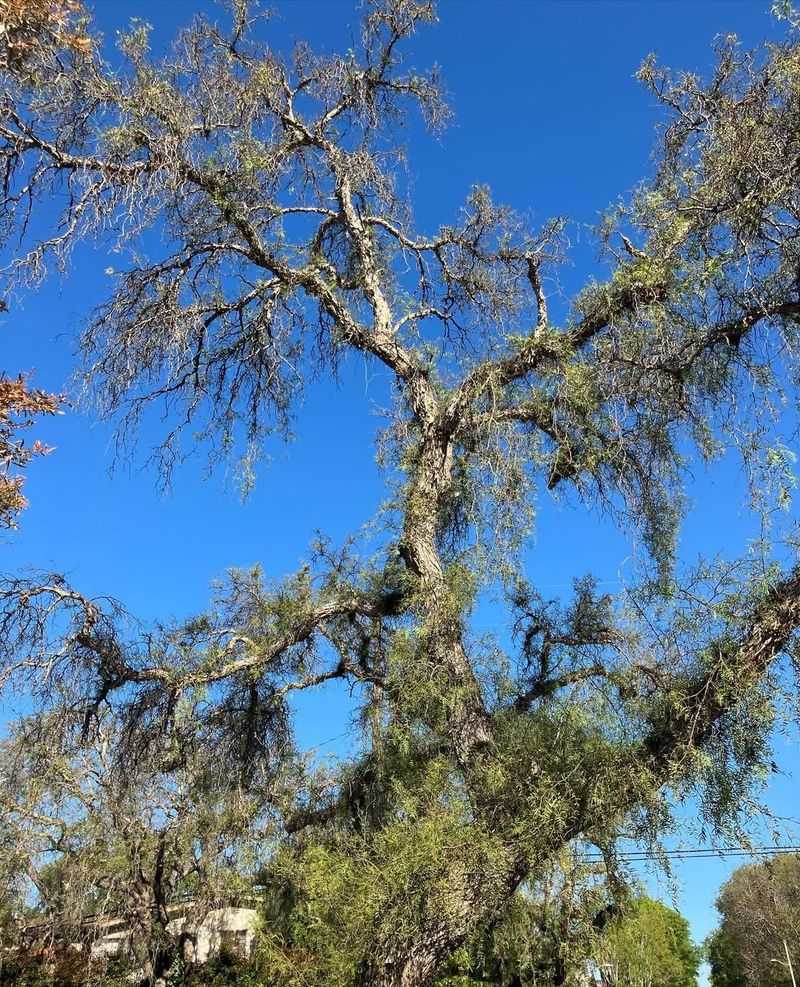
Despite its name suggesting native status, California pepper tree actually hails from South America and has overstayed its welcome.
The graceful weeping branches and clusters of rosy berries create an undeniably romantic silhouette against California’s blue skies.
However, those pretty berries contain compounds that trigger stomach upset in pets and allergic reactions in sensitive people.
Some dogs develop severe gastrointestinal distress after eating fallen berries, requiring veterinary intervention to recover.
The tree’s sap and crushed leaves release oils that cause skin rashes and respiratory irritation in individuals with allergies.
California pepper tree has earned invasive status in several regions because it spreads aggressively and crowds out native vegetation.
The shallow roots lift sidewalks and crack foundations, while the constant berry drop creates slippery, staining messes on patios and driveways.
Birds love the berries and spread seeds everywhere, causing pepper trees to pop up in unexpected locations throughout your property.
Removing established specimens requires professional help because the extensive root systems resprout persistently after cutting.
California native alternatives like western redbud or desert willow offer beautiful form without the invasive tendencies and toxic concerns that make pepper trees problematic neighbors.
7. Privet Tree Form (Ligustrum Species)
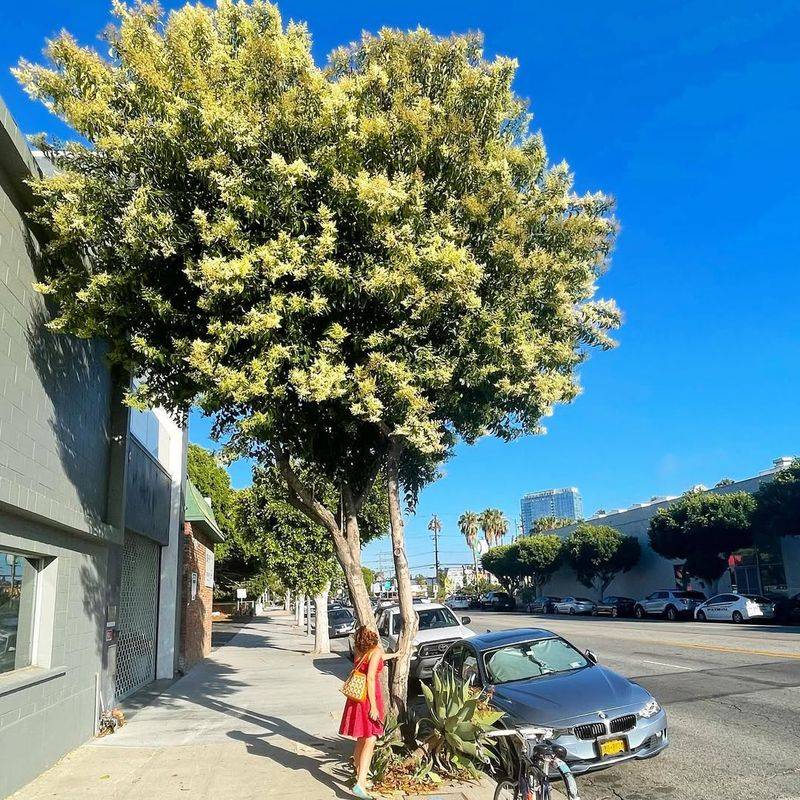
Privet started its California career as a popular hedge plant but some varieties grow into substantial tree forms over time.
The glossy green leaves and fragrant white flowers seem innocent enough, but appearances can certainly deceive in this case.
Both the berries and foliage contain terpenoid glycosides that cause vomiting, abdominal pain, and coordination problems in pets.
Horses prove particularly sensitive to privet, experiencing serious complications from eating even modest amounts of leaves or berries.
Dogs who munch on privet often develop intense stomach upset that lasts for days despite veterinary treatment.
The small black berries ripen in fall and remain on branches through winter, providing a long season of potential hazards.
Children sometimes mistake the berries for edible fruit, though the bitter taste usually prevents serious poisoning incidents.
Beyond toxicity concerns, privet has become invasive across several California regions, spreading into wildlands and displacing native understory plants.
The tree’s aggressive root system and prolific seeding make it difficult to control once established in your landscape.
Better evergreen options include California wax myrtle or toyon, both offering similar screening qualities while supporting local wildlife and posing no threat to your household.
8. Black Locust (Robinia Pseudoacacia)
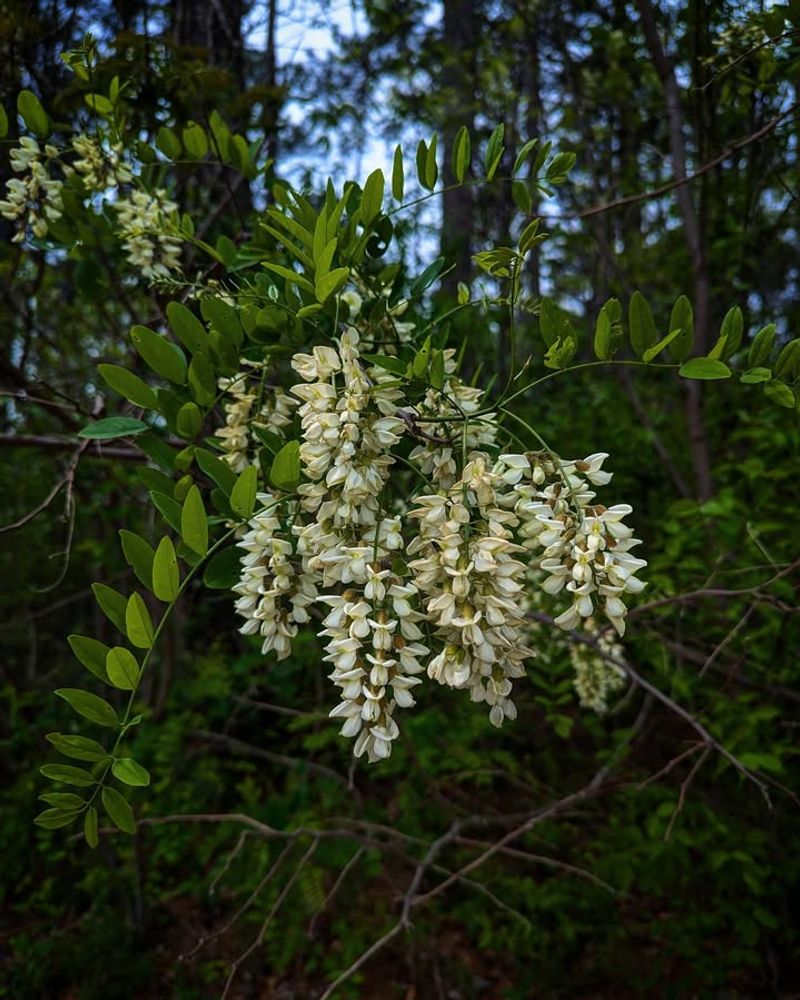
Black locust arrived in California promising fast growth, fragrant flowers, and tough wood for fence posts and construction.
What it delivered instead was a toxic, invasive nightmare that continues spreading through yards and wildlands alike.
The bark, seeds, and leaves all contain robin and phasin, compounds that attack the digestive and nervous systems.
People who accidentally ingest any part of the tree experience nausea, weakness, and irregular heartbeat within hours.
Livestock and pets face similar risks, with horses being especially vulnerable to the neurotoxins in black locust foliage.
The tree compensates for any pruning or damage by sending up dozens of root suckers that pop up across your entire yard.
These aggressive shoots turn a single tree into a spreading grove that invades flower beds, lawns, and neighboring properties.
The thorns on young branches add another hazard, piercing skin and creating painful wounds that easily become infected.
Removing black locust requires persistent effort to dig out spreading roots and eliminate every sucker before they establish new trees.
California natives like blue palo verde or desert ironwood provide equally fast growth and beautiful spring flowers without the toxic baggage and invasive behavior.
9. Angel’s Trumpet Tree Form (Brugmansia Species)
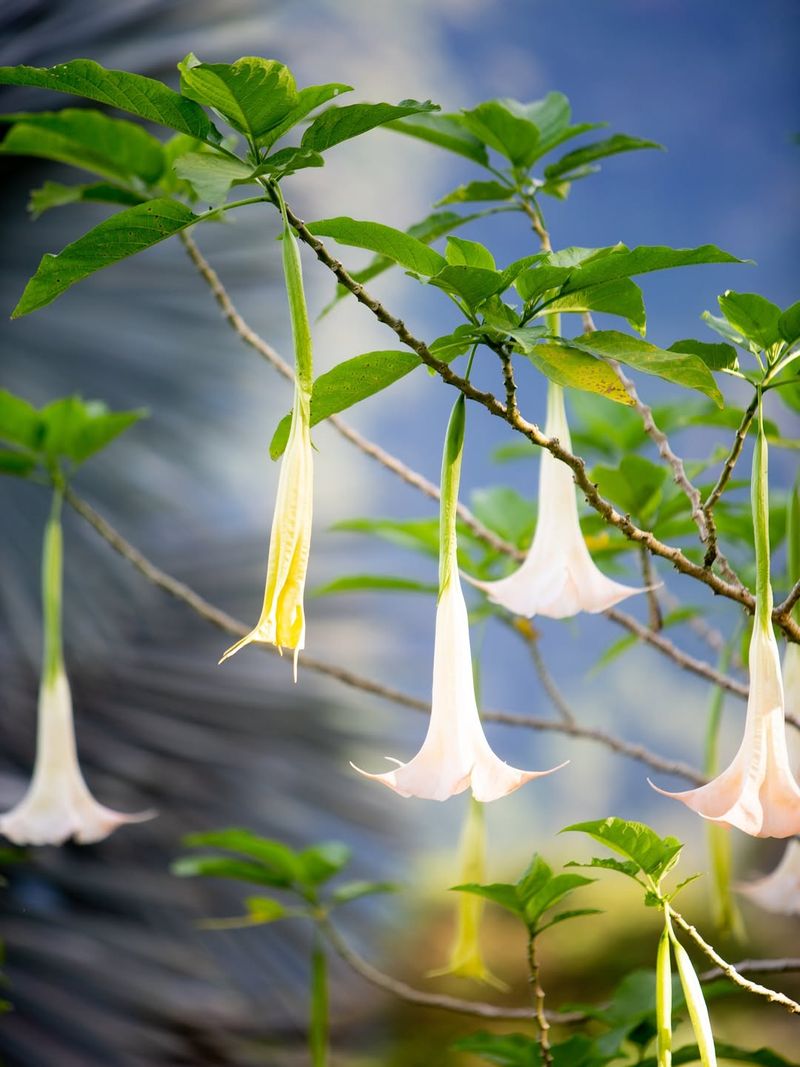
Angel’s trumpet earns its heavenly name from the enormous, fragrant flowers that hang like bells from arching branches.
These spectacular blooms release intense perfume at night, filling gardens with an almost intoxicating sweetness that attracts moths and admirers.
Unfortunately, every part of this plant contains scopolamine, atropine, and hyoscyamine—tropane alkaloids that affect heart rhythm and brain function.
Even touching the flowers or leaves transfers enough toxin to cause dilated pupils, confusion, and rapid heartbeat in sensitive individuals.
Children and pets who chew on any part of angel’s trumpet face life-threatening emergencies requiring immediate medical intervention.
The seeds and flowers contain the highest concentrations of alkaloids, making them especially dangerous when they drop within reach.
Some people intentionally misuse angel’s trumpet for its hallucinogenic properties, leading to hospitalizations and long-term health consequences.
Planting this tree near walkways, play areas, or anywhere children and pets frequent creates completely unnecessary risk.
The powerful fragrance can also trigger headaches and nausea in people sensitive to strong scents, especially in enclosed spaces.
Safer fragrant alternatives include citrus trees or night-blooming jasmine, both offering delicious scents without the dangerous alkaloids that make angel’s trumpet unsuitable for family gardens.
10. Umbrella Tree / Schefflera Actinophylla (Tree Form)
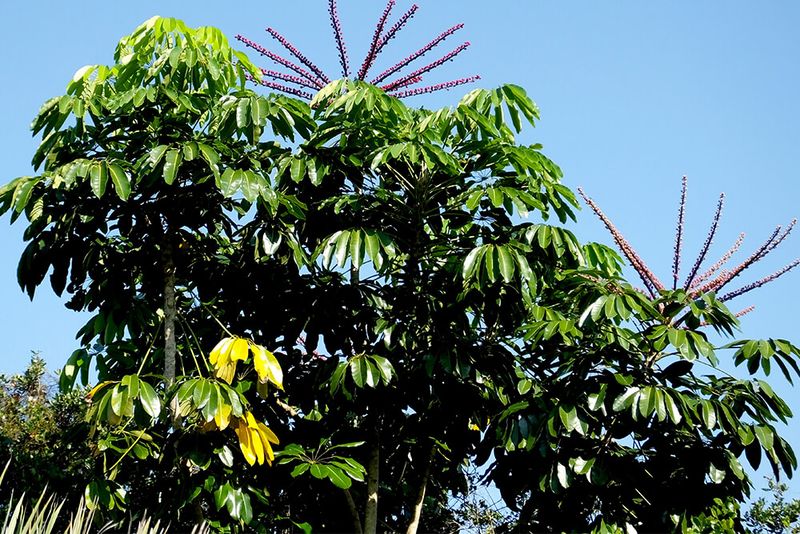
Umbrella tree brings a tropical vibe to California gardens with its distinctive wheel-spoke leaf arrangement and bold architectural presence.
Indoor gardeners know schefflera as a popular houseplant, but in mild California climates it grows into a substantial outdoor tree.
The leaves and sap contain calcium oxalate crystals that cause immediate burning sensations in the mouth, throat, and digestive tract.
Pets who bite into umbrella tree leaves experience intense pain, excessive drooling, and difficulty swallowing that can last for hours.
The needle-like crystals embed in soft tissues, creating ongoing irritation even after the initial exposure ends.
People with sensitive skin develop contact dermatitis from handling the foliage, with red, itchy rashes appearing wherever sap touches.
Beyond toxicity issues, umbrella tree has become invasive along California’s mild coastal regions where it spreads into natural areas.
Birds eat the small fruits and deposit seeds throughout neighborhoods, causing unwanted seedlings to appear in gardens and wild spaces.
The tree’s aggressive growth and spreading habit make it difficult to maintain in typical residential landscapes.
Better tropical-looking alternatives include bird of paradise or New Zealand flax, both offering dramatic foliage without the toxic sap and invasive tendencies that make umbrella tree problematic.