11 Reasons South Carolina Homeowners Are Choosing Lavender For Their Patio Gardens
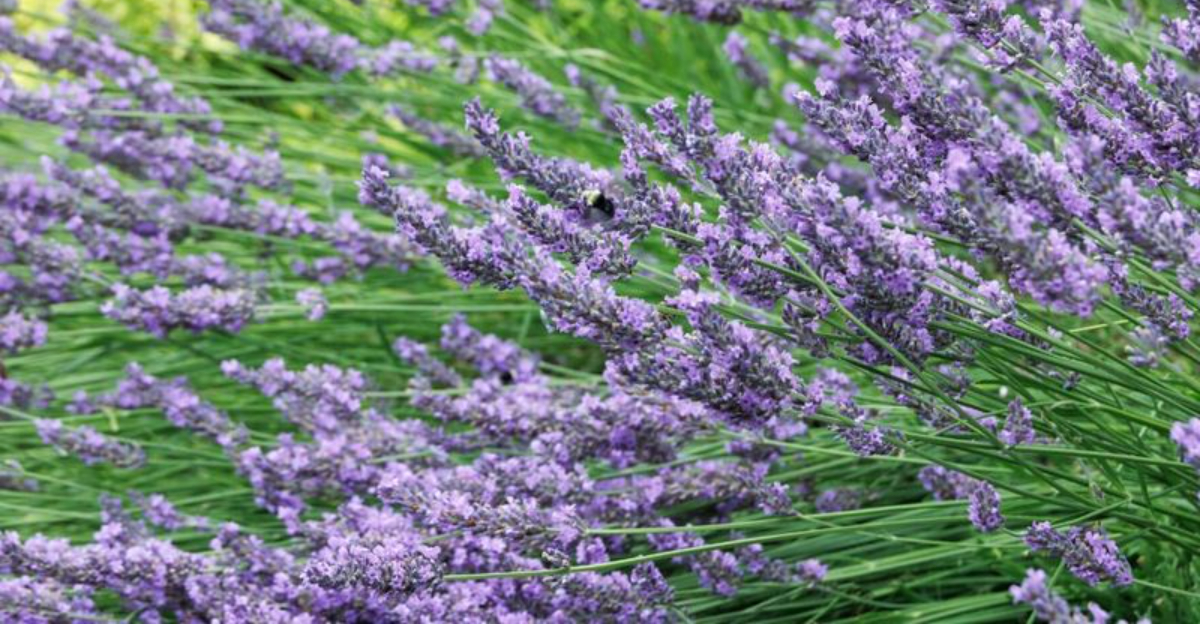
Lavender has become the darling of South Carolina patio gardens—and for good reason.
This fragrant, sun-loving herb offers a rare blend of beauty, resilience, and practicality that fits perfectly with the Palmetto State’s warm, sometimes unpredictable climate.
Homeowners are discovering that lavender doesn’t just smell heavenly; it also repels pests, attracts pollinators, and thrives in well-drained, sandy soils common across much of the state.
Its drought tolerance makes it a smart choice during hot summers, while its evergreen foliage keeps patios looking polished year-round.
From Charleston coastal breezes to the Piedmont’s rolling hills, lavender adapts easily and brings a calming, cottage-garden charm wherever it’s planted.
Whether used as a border, a patio pot focal point, or a problem-free substitute for high-maintenance shrubs, lavender is earning its place as a must-have garden staple.
It’s no wonder more South Carolinians are choosing this hardy, aromatic plant to elevate their outdoor spaces.
1. Thrives In South Carolina’s Hot Summers
South Carolina summers can be brutal, with temperatures soaring into the high 90s and humidity making everything feel even hotter.
Many plants struggle or wilt under these conditions, requiring constant attention and extra watering just to survive.
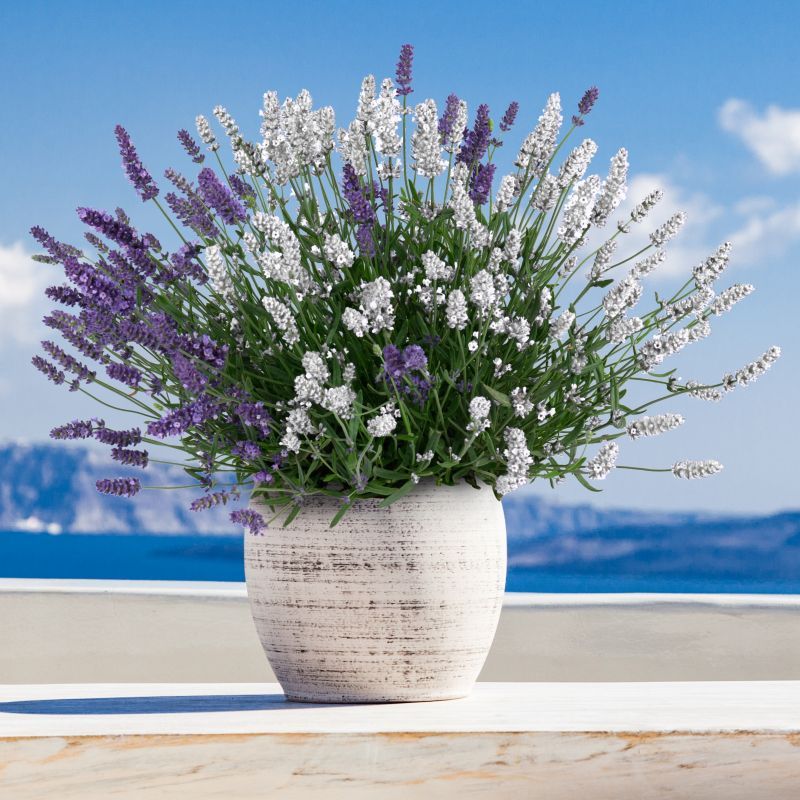
Lavender, however, actually loves the heat and sunshine that South Carolina dishes out during summer months.
Originally from the Mediterranean region, lavender evolved to handle hot, dry conditions with ease.
The plant stores water efficiently in its leaves and roots, meaning you won’t need to water it constantly like other garden favorites.
Once established in your patio garden, lavender becomes remarkably self-sufficient during those scorching summer weeks.
Its silver-green foliage reflects sunlight rather than absorbing too much heat, keeping the plant comfortable even on the hottest days.
This heat tolerance makes lavender a smart choice for busy homeowners who want beautiful gardens without spending hours maintaining them.
You can enjoy your summer weekends without worrying whether your patio plants are suffering in the heat.
Lavender simply keeps growing and blooming, adding color and fragrance to your outdoor space all season long.
2. Requires Minimal Watering Once Established
Water bills in South Carolina can climb quickly during summer, especially when you’re trying to keep a garden looking fresh and green.
Lavender offers a welcome break from water-hungry plants that demand daily attention.
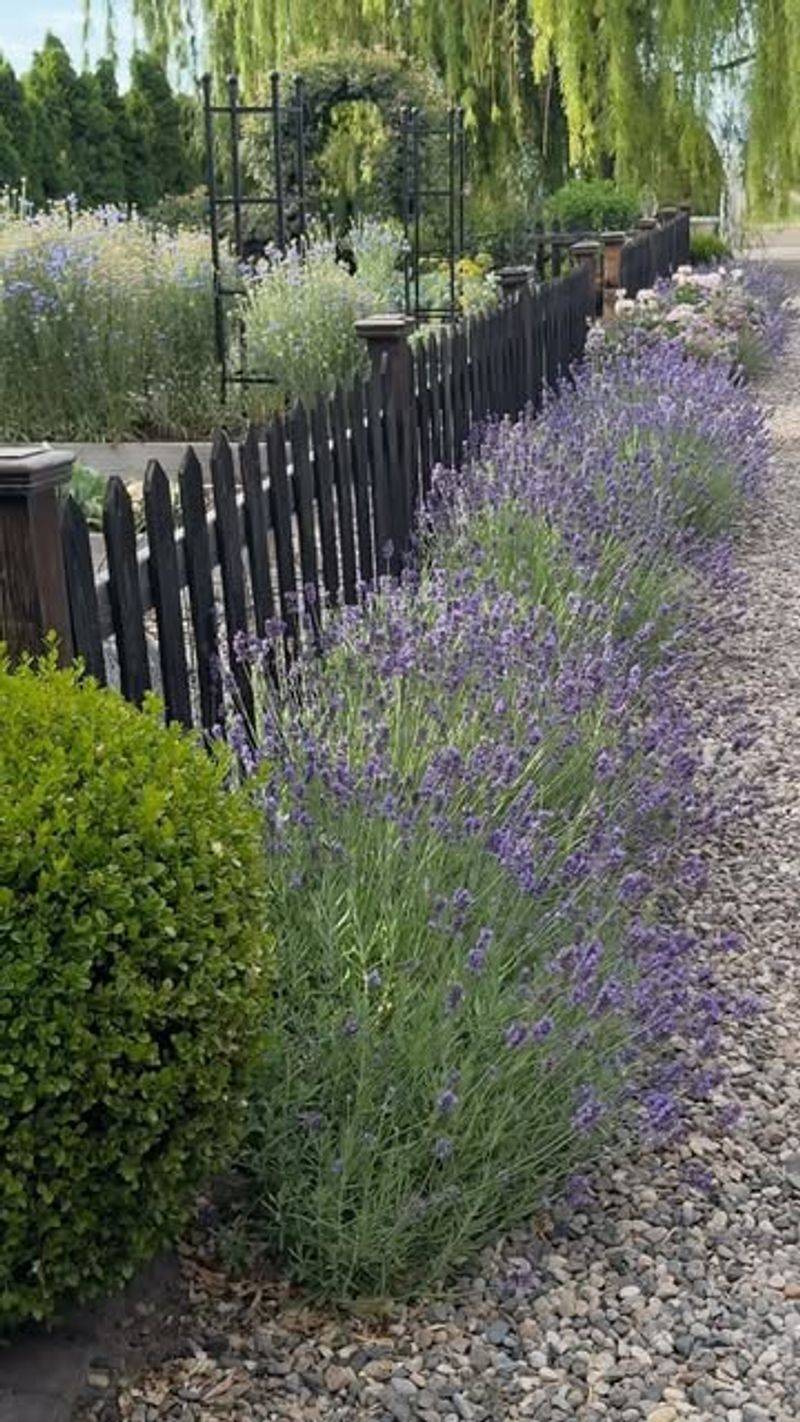
After the first growing season, established lavender plants need very little supplemental watering, even during dry spells.
The secret lies in lavender’s deep root system, which develops over time and reaches down to find moisture in the soil.
These roots allow the plant to access water that surface-rooting plants simply can’t reach.
For patio gardens, this means you can go on vacation without arranging for someone to water your containers every day.
Lavender tolerates periods of dryness better than most flowering plants, bouncing back quickly when rain finally arrives.
Overwatering actually causes more problems for lavender than underwatering does, making it perfect for forgetful gardeners or those with busy schedules.
The plant prefers to dry out between waterings, which fits perfectly with South Carolina’s occasional summer droughts.
Your South Carolina Garden Changes Every Week. Your Plan Should Too.
Gardening in South Carolina changes quickly throughout the season. Every Friday you’ll receive a simple weekly plan showing exactly what to plant, prune, fertilize, harvest, and protect so you never miss the right timing.
By choosing lavender for your patio, you’re selecting a plant that works with your lifestyle rather than against it, saving time, effort, and money on water.
3. Natural Mosquito And Pest Deterrent
Anyone who’s spent a summer evening on a South Carolina patio knows how quickly mosquitoes can ruin outdoor relaxation time.
These buzzing pests seem to appear the moment you step outside, making it nearly impossible to enjoy dinner or conversation without constantly swatting and scratching.
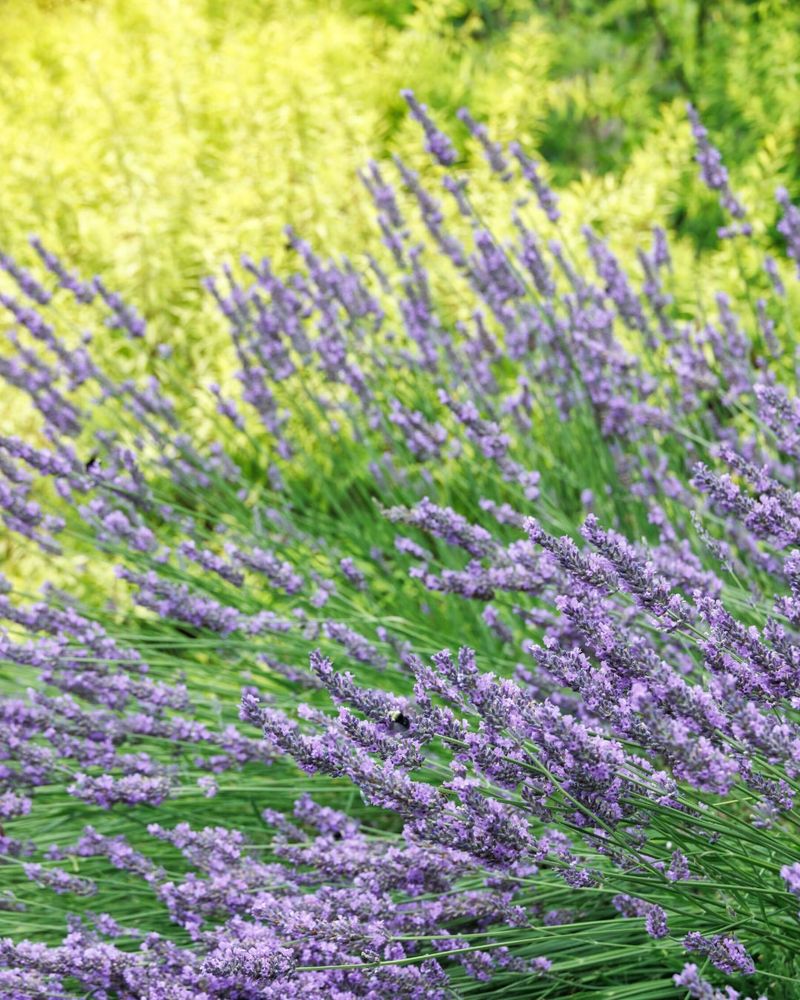
Lavender contains natural oils that mosquitoes and many other flying insects find extremely unpleasant.
Planting lavender around your patio seating areas creates an invisible barrier that helps keep these annoying bugs at bay.
The same compounds that give lavender its wonderful scent to humans act as a repellent to mosquitoes, flies, and moths.
You don’t need to do anything special to activate this pest-fighting power—simply growing the plant provides continuous protection throughout the season.
Many homeowners place pots of lavender near doorways, along patio edges, and beside outdoor furniture to maximize the protective effect.
Unlike chemical sprays that wear off quickly and need constant reapplication, lavender works around the clock without any effort on your part.
You can also harvest sprigs to rub on your skin for additional personal protection during particularly buggy evenings.
This natural approach to pest control means fewer chemicals around your family and pets while still enjoying comfortable outdoor living.
4. Beautiful Purple Blooms Add Color
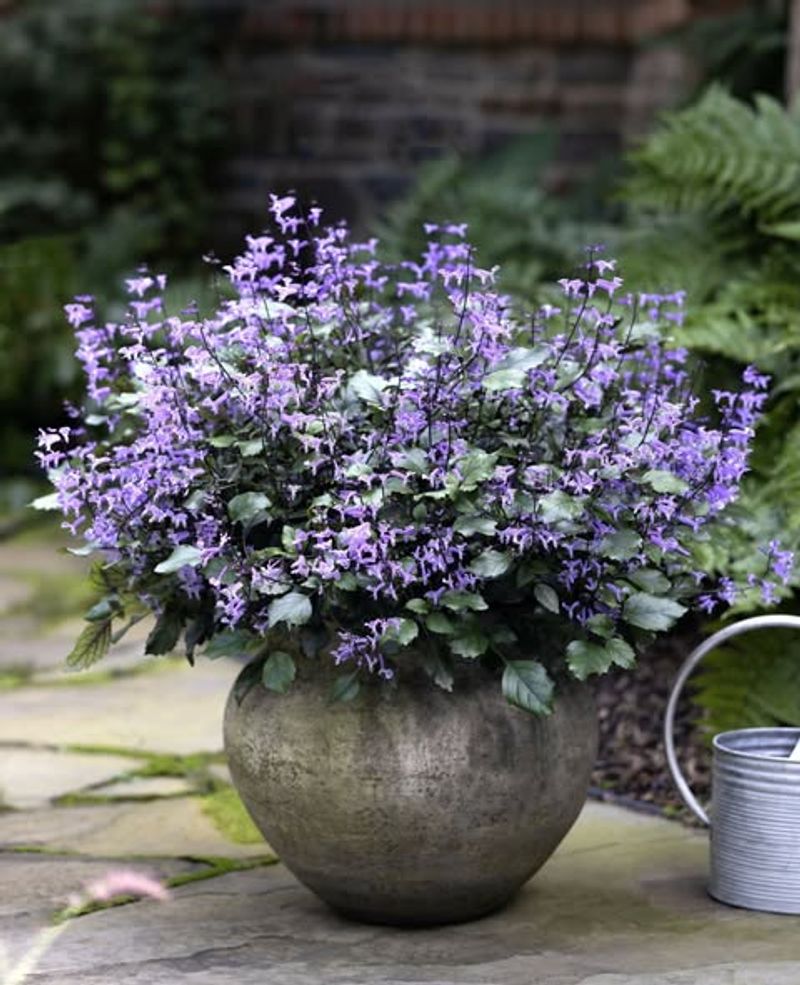
Patio gardens need plants that deliver visual impact, and lavender certainly doesn’t disappoint in the color department.
The distinctive purple spikes of lavender flowers create stunning vertical interest that draws the eye upward and adds dimension to container arrangements.
These blooms typically appear in late spring and can continue through summer, depending on the variety you choose.
The purple shades range from soft lilac to deep violet, giving you options to match your existing outdoor décor or create new color schemes.
Lavender’s color pairs beautifully with yellows, whites, pinks, and even bold oranges, making it easy to incorporate into existing garden designs.
Unlike some flowering plants that bloom briefly and then fade away, lavender provides weeks of continuous color when conditions are right.
The flowers hold their color well even as they dry, meaning your patio stays attractive long after the initial bloom period ends.
Many homeowners appreciate that lavender blooms don’t require deadheading to keep looking good, unlike roses or petunias that need constant grooming.
The flower spikes stand tall above the silvery foliage, creating a two-toned effect that adds sophistication to even simple container arrangements.
This reliable color display makes lavender a cornerstone plant for patio gardens throughout South Carolina.
5. Wonderful Fragrance Enhances Outdoor Living
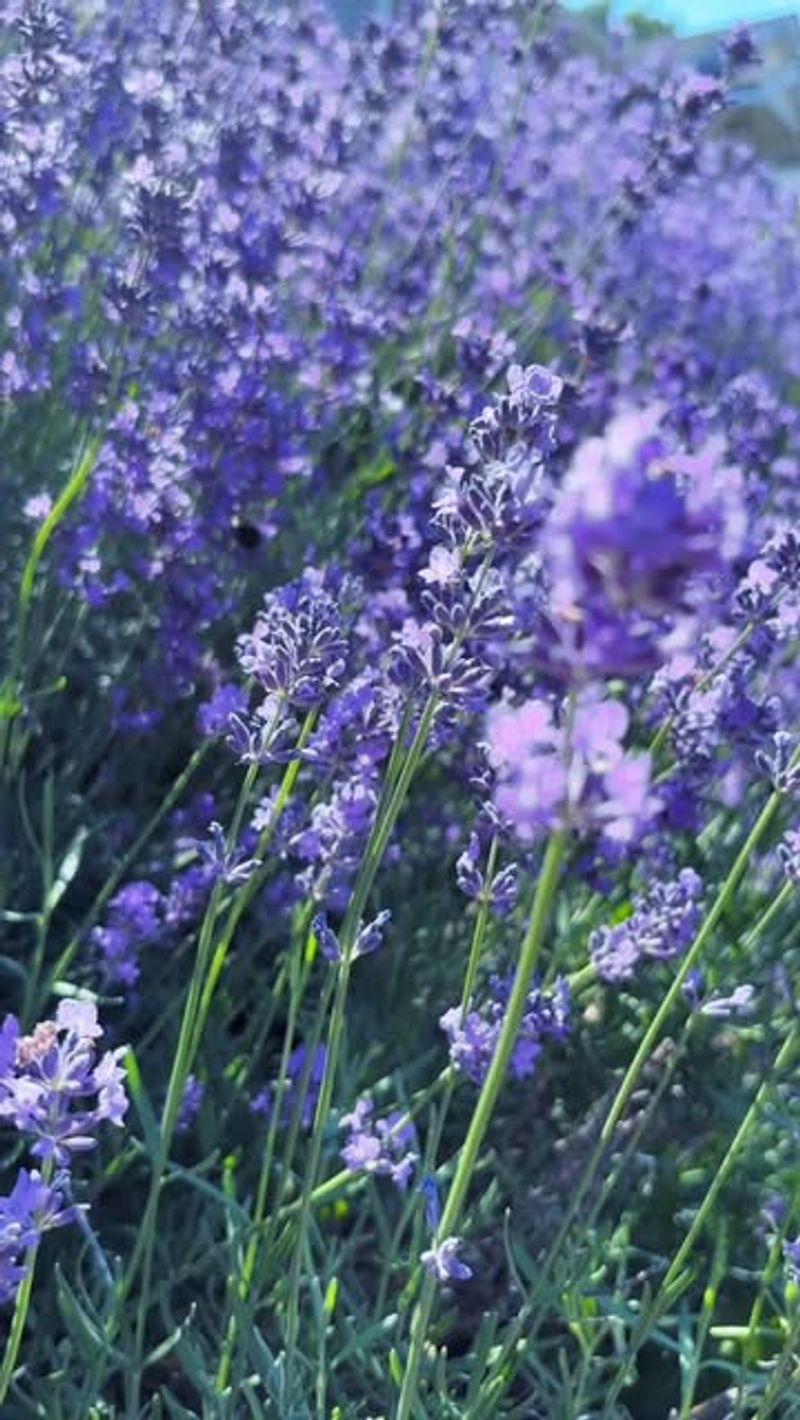
Imagine stepping onto your patio and being greeted by a sweet, herbal scent that instantly relaxes your mind and lifts your spirits.
Lavender’s signature fragrance is one of the most beloved scents in the plant world, recognized for its calming and soothing properties.
This aroma isn’t overwhelming or cloying like some heavily scented flowers can be—instead, it’s clean, fresh, and naturally pleasant.
The scent intensifies on warm days when the sun heats the essential oils in the plant’s leaves and flowers.
Brushing past lavender as you move around your patio releases additional bursts of fragrance, creating a sensory experience that makes outdoor time more enjoyable.
Many South Carolina homeowners position lavender near seating areas specifically to take advantage of this natural aromatherapy.
The scent can help reduce stress after a long workday, making your patio a true retreat from daily pressures.
Unlike artificial air fresheners that fade quickly and contain synthetic chemicals, lavender provides authentic, long-lasting fragrance throughout the growing season.
You can also cut fresh stems to bring the scent indoors or use dried lavender in sachets and arrangements.
This wonderful aroma transforms your patio from a simple outdoor space into a fragrant garden sanctuary that engages multiple senses at once.
6. Perfect For Container Gardening
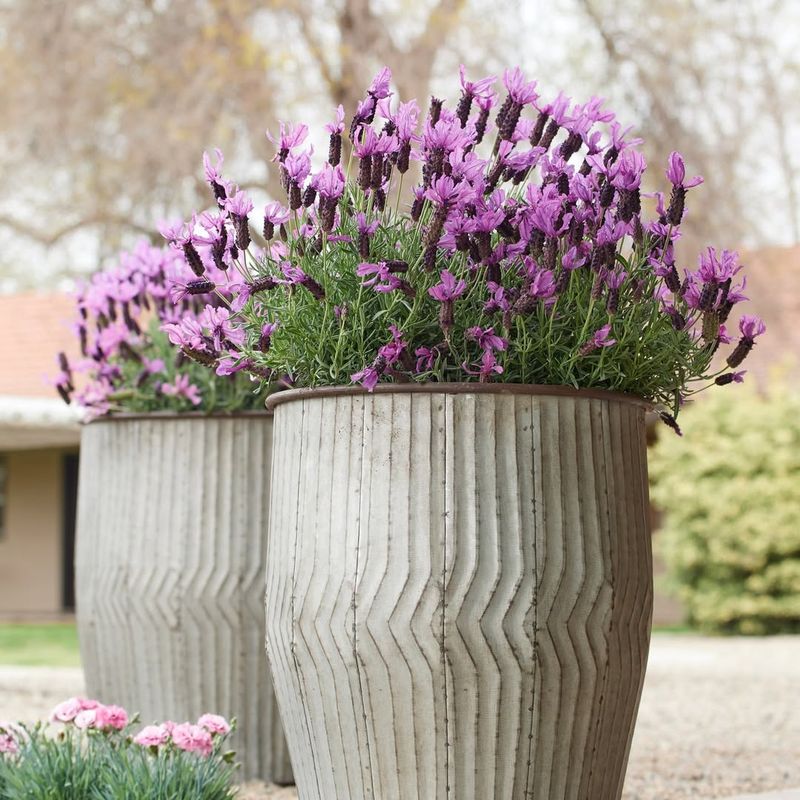
Not everyone has sprawling garden beds, but that doesn’t mean you have to miss out on growing lavender.
This adaptable herb actually performs exceptionally well in containers, making it ideal for patio gardening where space is often limited.
Lavender’s compact root system adapts easily to pot life, unlike plants that need deep soil to thrive.
Container growing offers several advantages for South Carolina gardeners, including the ability to move plants to optimal locations as seasons change.
You can position pots where they’ll receive the most sunlight, then relocate them if needed for better drainage or protection from rare cold snaps.
Pots also allow you to control soil quality more precisely, which is especially helpful if your native soil is heavy clay common in many South Carolina areas.
Lavender prefers well-draining soil, and containers make it easy to provide the perfect growing medium without amending entire garden beds.
The vertical growth habit of lavender works beautifully in pots, creating attractive focal points on patios, decks, and balconies.
You can group several containers of different lavender varieties together for a stunning display, or mix lavender with complementary plants.
Container gardening also keeps lavender at a convenient height for harvesting, making it simple to snip stems whenever you need them for cooking or crafts.
7. Attracts Beneficial Pollinators
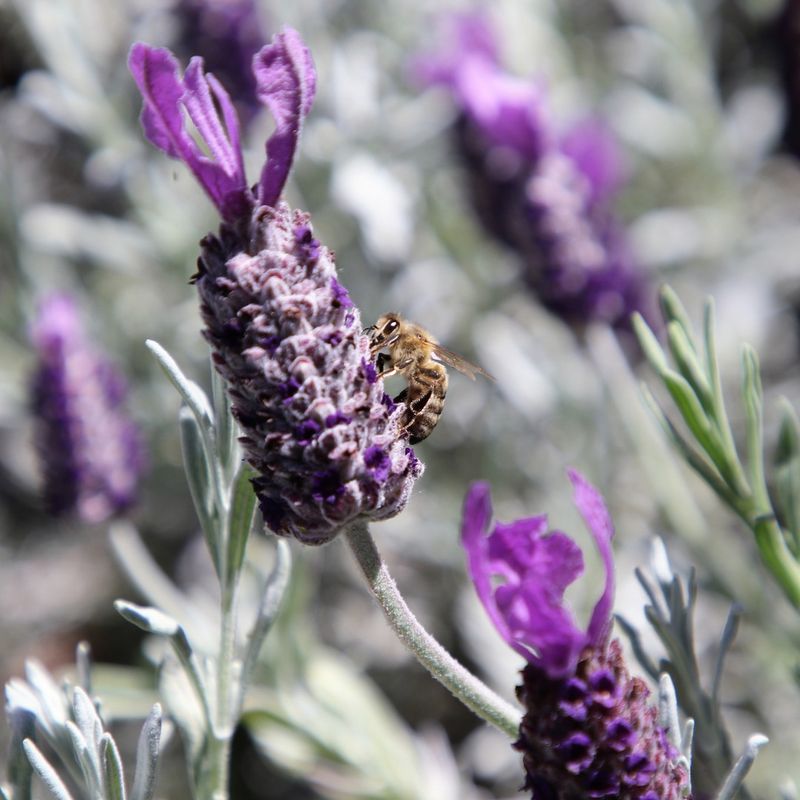
A healthy garden ecosystem depends on pollinators, and lavender acts like a magnet for these helpful creatures.
Bees absolutely adore lavender flowers, visiting them repeatedly throughout the day to collect nectar and pollen.
Watching these industrious insects work the purple blooms adds movement and life to your patio garden, creating an engaging natural display.
Butterflies also find lavender irresistible, floating from flower to flower in a graceful dance that’s mesmerizing to observe.
These pollinators don’t just benefit your lavender—they also help pollinate any vegetables, herbs, or fruiting plants you might have elsewhere in your garden.
Supporting pollinator populations has become increasingly important as these creatures face various environmental challenges.
By planting lavender, you’re providing essential food sources that help sustain local bee and butterfly populations.
Unlike some pollinator plants that attract aggressive wasps or hornets, lavender primarily draws gentle honeybees and bumblebees that mind their own business.
These insects are far more interested in flowers than in bothering people, so you can safely enjoy your patio even when bees are actively feeding.
Many South Carolina gardeners appreciate the educational opportunity lavender provides, especially for children who can safely observe pollinators up close while learning about their importance to our environment.
8. Low Maintenance And Easy To Grow
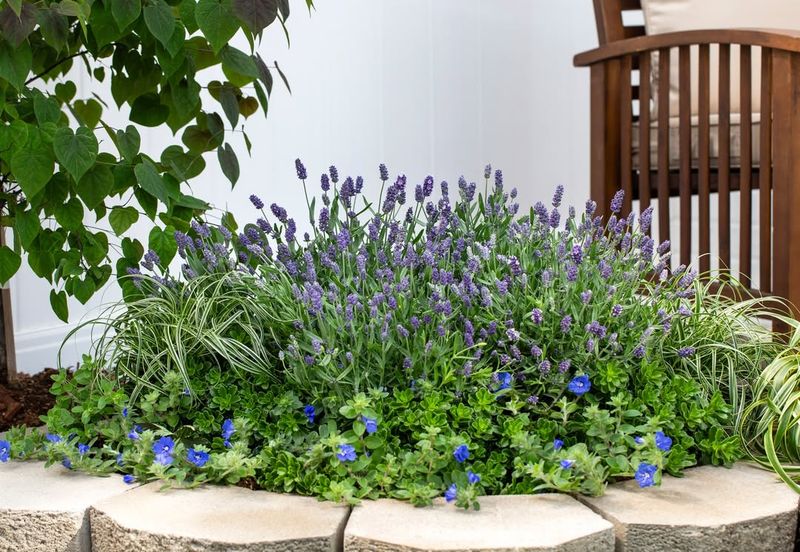
Gardening shouldn’t feel like a second job, and lavender understands that perfectly.
This herb ranks among the lowest-maintenance plants you can choose for a South Carolina patio garden, requiring minimal intervention once established.
Lavender doesn’t need regular fertilizing like heavy feeders such as tomatoes or roses—in fact, too much fertilizer can actually reduce its fragrance and flowering.
The plant naturally maintains a nice shape without constant pruning, though a light trim after flowering helps keep it looking tidy and compact.
Pests rarely bother lavender thanks to its aromatic oils, so you won’t spend time treating for aphids, spider mites, or other common garden problems.
Diseases seldom affect lavender in South Carolina’s climate, especially when planted in well-draining soil that prevents root issues.
This means you can enjoy beautiful plants without learning complicated treatment protocols or investing in various garden chemicals.
For beginners, lavender offers confidence-building success that encourages further gardening adventures.
Experienced gardeners appreciate having reliable plants that don’t demand constant attention, freeing up time to experiment with more challenging species.
The combination of beauty, fragrance, and easy care makes lavender a smart foundation plant for any patio garden, regardless of your experience level or available time for maintenance.
9. Versatile Culinary And Craft Uses
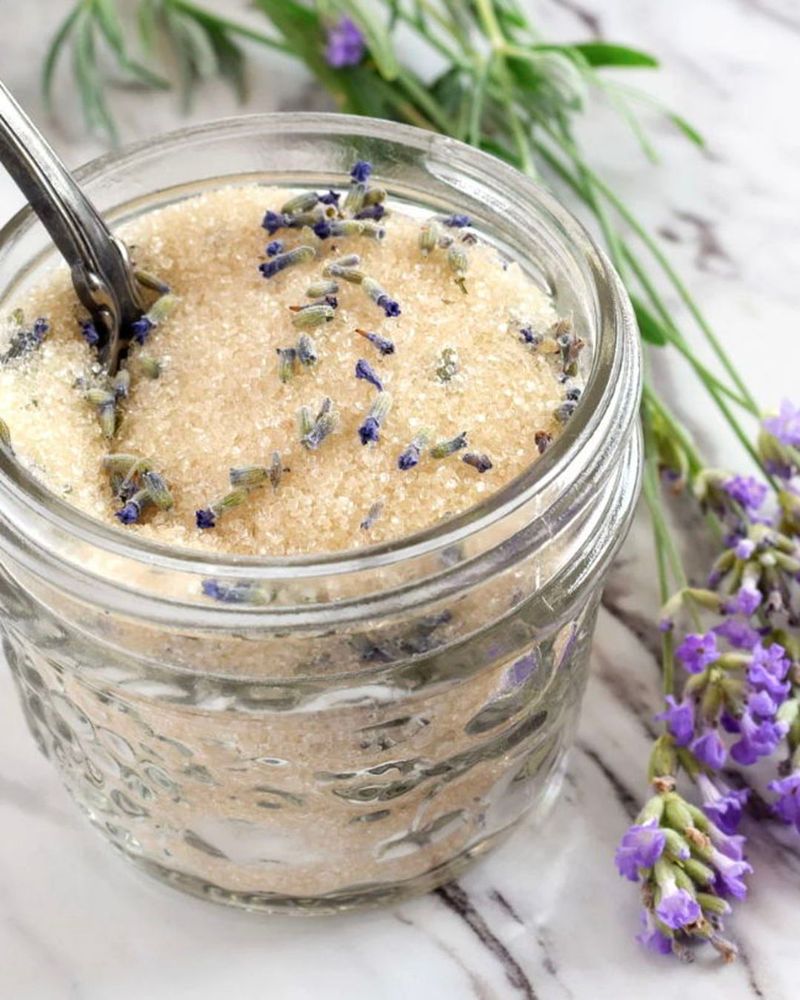
Growing lavender on your patio means having a versatile ingredient right outside your door whenever inspiration strikes.
Culinary lavender adds a sophisticated floral note to both sweet and savory dishes, from cookies and cakes to marinades and herb rubs.
Just remember to use it sparingly—a little lavender goes a long way in recipes, and too much can taste soapy.
Bakers particularly love adding dried lavender to shortbread, scones, and sugar cookies for an elegant flavor that impresses guests.
You can also infuse honey, sugar, or cream with lavender to create unique ingredients for special recipes.
Beyond the kitchen, lavender opens up countless crafting possibilities that make use of both fresh and dried stems.
Homemade lavender sachets make wonderful gifts and keep drawers and closets smelling fresh for months.
You can create beautiful wreaths, arrangements, and bouquets using lavender stems, either alone or combined with other flowers and herbs.
The flowers dry beautifully while retaining their color and scent, making them perfect for long-lasting decorative projects.
Some South Carolina homeowners use lavender to make homemade soaps, bath salts, and body oils, turning their patio harvest into luxurious personal care products.
Having this multipurpose plant growing just steps from your kitchen adds both convenience and creativity to daily life.
10. Handles South Carolina’s Humidity Better Than Expected
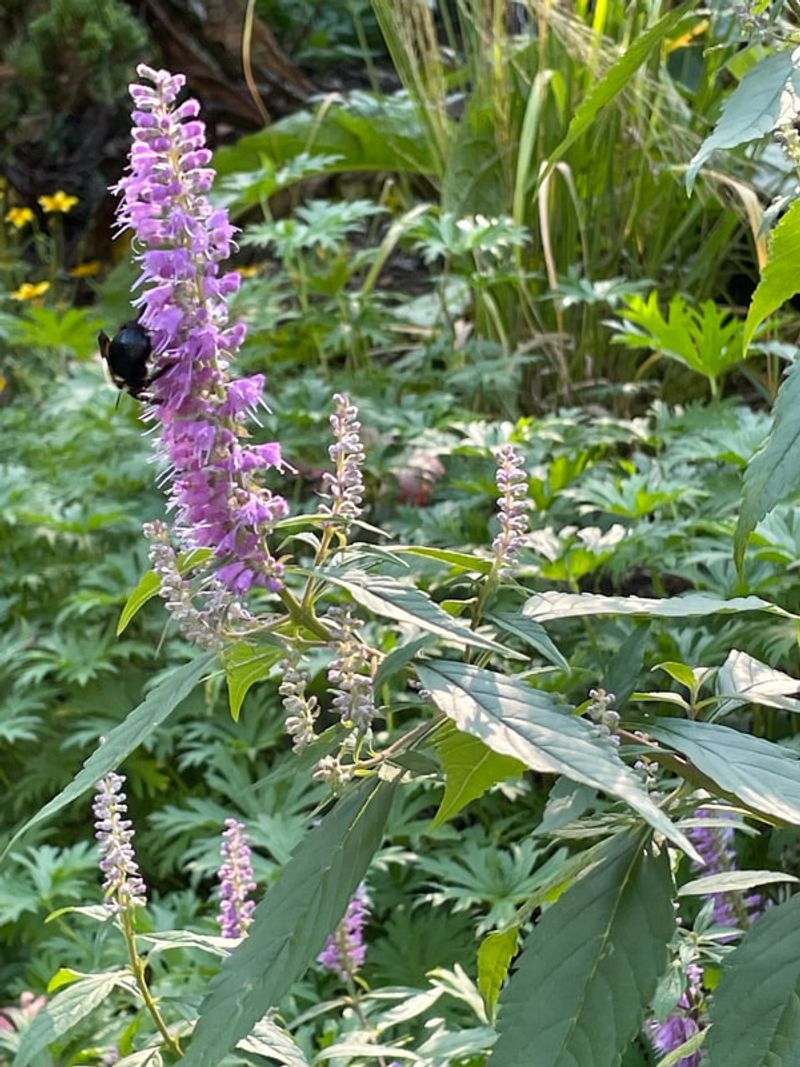
When people hear that lavender comes from Mediterranean climates, they often worry about how it will handle South Carolina’s notorious humidity.
While it’s true that lavender prefers drier conditions, choosing the right varieties and providing proper growing conditions allows it to thrive even in humid environments.
The key is ensuring excellent air circulation around plants and avoiding overhead watering that leaves foliage wet.
Spanish lavender and certain French lavender varieties show particularly good tolerance for humidity, making them smart choices for South Carolina gardens.
These types have adapted to slightly different growing conditions than traditional English lavender, giving them an edge in the Southeast.
Planting lavender in containers actually helps manage humidity issues because you can use fast-draining potting mix that doesn’t stay soggy.
Elevating pots on feet or stands also improves airflow underneath, helping plants dry out quickly after rain.
Many South Carolina gardeners have discovered that placing lavender in locations with good morning sun helps evaporate dew quickly, reducing humidity-related problems.
Spacing plants appropriately and avoiding crowding also promotes the air movement that keeps lavender healthy.
With these simple adjustments, lavender performs beautifully throughout South Carolina, proving that this Mediterranean herb can adapt to Southeastern conditions more readily than many people expect.
11. Year-Round Evergreen Interest
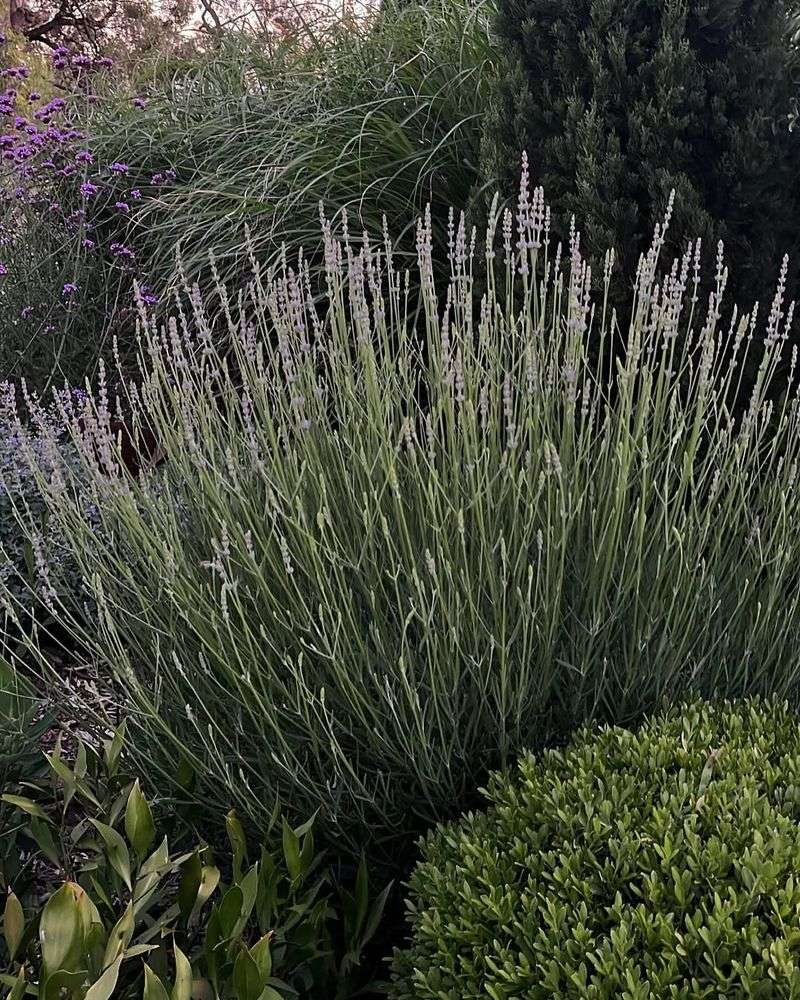
Unlike many flowering plants that disappear completely during winter, lavender maintains its presence throughout the year.
The silvery-green foliage stays attractive even when flowers have faded, providing color and texture to patio gardens during fall and winter months.
This evergreen quality means your patio won’t look bare and abandoned during the cooler season.
South Carolina’s relatively mild winters allow lavender to remain green and growing, rather than going completely dormant like it would in colder climates.
You’ll continue enjoying the plant’s structure and subtle beauty even when most other garden plants have retreated underground.
The textural contrast between lavender’s fine, needle-like leaves and broader-leafed plants creates visual interest that enhances container arrangements year-round.
This architectural quality makes lavender valuable beyond its flowering season, functioning as a permanent fixture in your patio design.
During winter, lavender’s mounded form can even catch light dustings of snow on rare occasions, creating a picturesque scene that’s worth photographing.
The plant’s bones remain attractive through every season, giving your patio garden continuity and structure.
For homeowners who want outdoor spaces that look intentional and cared-for throughout the year, lavender delivers consistent performance that doesn’t require seasonal replanting or constant rotation of annual flowers to maintain visual appeal.