12 Fruit Trees That Struggle In Georgia’s Climate And Aren’t Worth Planting
Georgia may be famous for peaches, but not every fruit tree thrives in the state’s mix of sweltering summers, mild winters, and unpredictable frosts.
Many popular fruit species simply can’t handle Georgia’s humidity, soil conditions, or pest pressure, and homeowners often learn the hard way after years of disappointing harvests.
Some trees fail to get enough winter chill hours, others succumb to blight and fungal diseases, and many attract pests that thrive in warm Southern weather.
Instead of pouring time, money, and water into trees destined to struggle, it’s far better to understand which species aren’t suited to Georgia’s climate from the start.
This guide highlights the fruit trees that rarely perform well here—no matter how carefully you tend them—so you can avoid frustration and choose varieties that will actually flourish.
A little knowledge up front can make the difference between a thriving orchard and a backyard full of underperforming trees.
1. Sweet Cherries (Bing, Rainier)
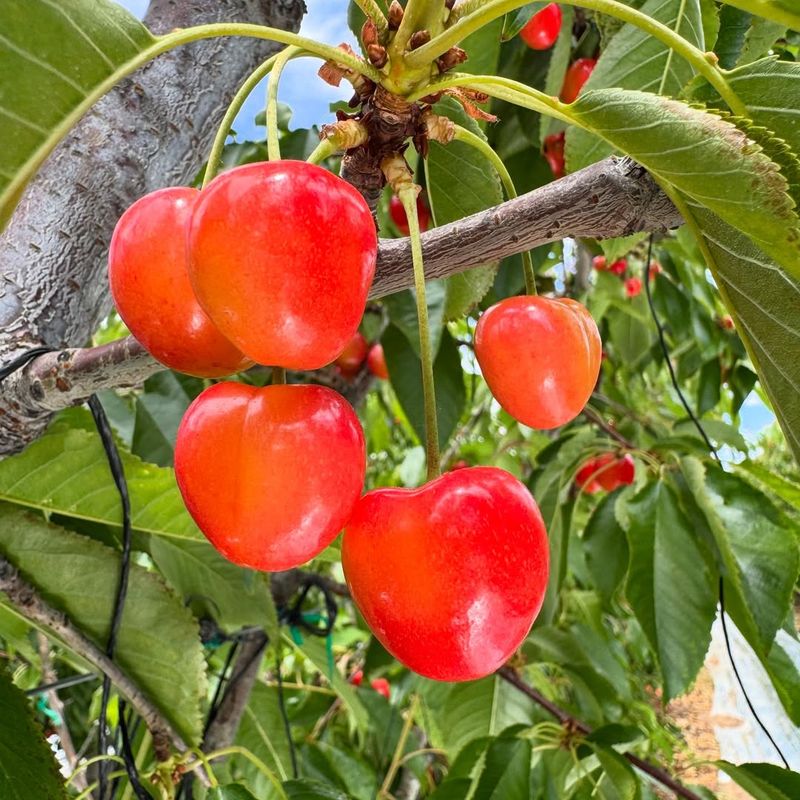
Sweet cherry varieties like Bing and Rainier need something Georgia simply cannot provide: long, consistently cold winters.
These trees require substantial chill hours to properly set buds and produce fruit, and Georgia’s mild winters leave them confused and unproductive.
Even if you manage to coax a few blossoms from your sweet cherry tree, the state’s humid climate creates a perfect breeding ground for fungal diseases.
Brown rot, leaf spot, and powdery mildew attack sweet cherries relentlessly in Georgia’s moisture-heavy environment.
You’ll find yourself spraying fungicides constantly just to keep the tree alive, let alone productive.
The fruit itself rarely develops properly, often rotting on the branch before it ripens.
Commercial cherry growers in the Pacific Northwest and Michigan have the ideal climate these trees crave, with dry summers and cold winters.
Georgia gardeners who plant sweet cherries usually watch their investment decline over just a few seasons.
Instead of fighting nature, consider native muscadine grapes or disease-resistant peach varieties that actually enjoy Georgia’s climate.
Your garden will thank you, and you’ll actually get to enjoy homegrown fruit without the endless battle against weather and disease.
2. Apricots
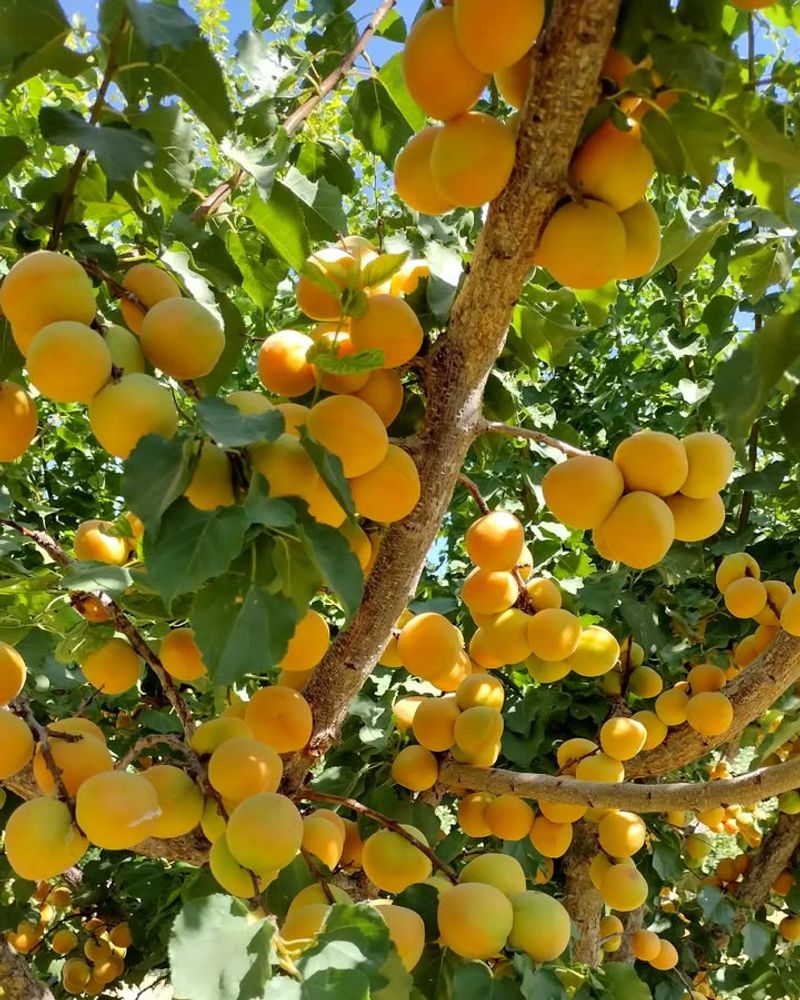
Apricot trees bloom beautifully in early spring, which sounds lovely until you realize this timing spells disaster in Georgia.
These eager bloomers open their delicate flowers weeks before the last frost, and Georgia’s unpredictable late-season cold snaps wipe out the entire crop in a single night.
One warm February week tricks the tree into full bloom, then March arrives with a hard freeze that turns all those potential apricots into brown, withered disappointments.
Even in years when frost doesn’t strike, apricots face another Georgia nemesis: fungal infections.
Brown rot and bacterial canker thrive in humid conditions, attacking both fruit and branches.
Canker diseases create sunken, oozing lesions on branches that eventually girdle and damage entire limbs.
The fruit itself rarely makes it to harvest without significant rot and blemishes.
California and other arid western states provide the dry, predictable climate apricots evolved to handle.
Your Georgia Garden Changes Every Week. Your Plan Should Too.
Gardening in Georgia changes quickly throughout the season. Every Friday you’ll receive a simple weekly plan showing exactly what to plant, prune, fertilize, harvest, and protect so you never miss the right timing.
Georgia’s rainfall and humidity create constant stress for these Mediterranean-climate trees.
Gardeners who plant apricots here typically harvest nothing for years, watching their tree struggle through each growing season.
Save your garden space for fruit trees that actually match Georgia’s climate patterns and humidity levels.
3. European Pears (Bosc, Anjou)
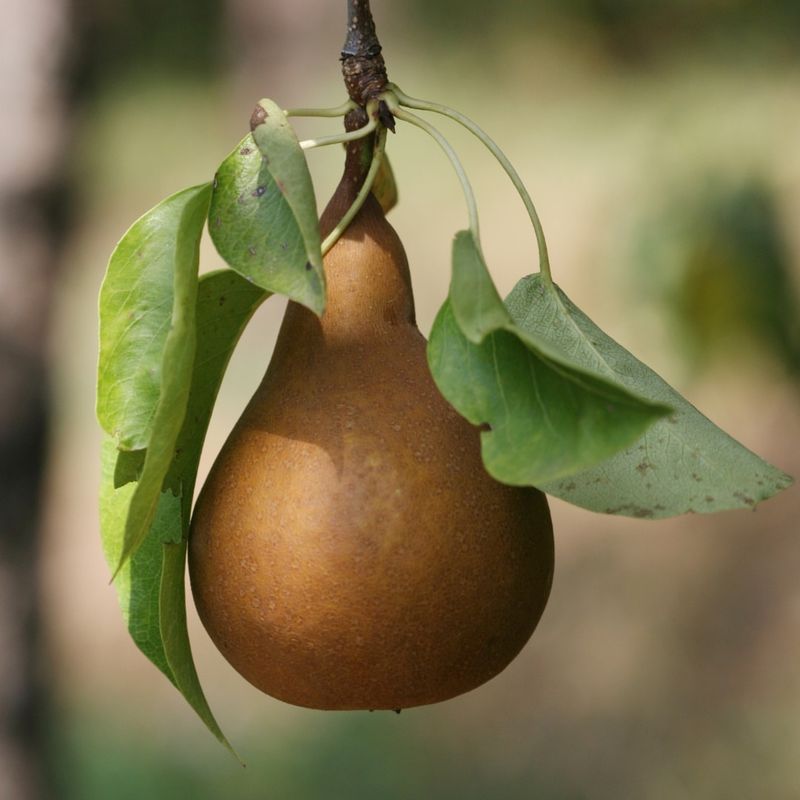
Fire blight is the nightmare disease that makes European pear varieties nearly impossible to grow successfully in Georgia.
This bacterial infection spreads like wildfire through humid conditions, causing branches to blacken and curl as if scorched by flames.
Georgia’s spring and summer humidity provides perfect conditions for fire blight to rampage through susceptible pear varieties like Bosc and Anjou.
Young trees often experience significant branch loss before they ever produce a single pear.
Established trees can lose entire scaffolding limbs in a single season, essentially ruining the tree’s structure and productivity.
Once fire blight establishes itself in a European pear tree, controlling it becomes an exhausting cycle of pruning infected branches and applying treatments.
Even with aggressive management, the disease usually wins eventually.
Heat stress adds another layer of difficulty, as European pears prefer cooler summer temperatures than Georgia typically provides.
The fruit that does manage to develop often has poor texture and flavor compared to pears grown in ideal climates.
Asian pear varieties and certain fire blight-resistant hybrid pears perform much better in Georgia’s challenging conditions.
European pears belong in the Pacific Northwest orchards where they can thrive without constant disease pressure and climate stress.
4. Nectarines (Certain Non-Rust-Resistant Types)
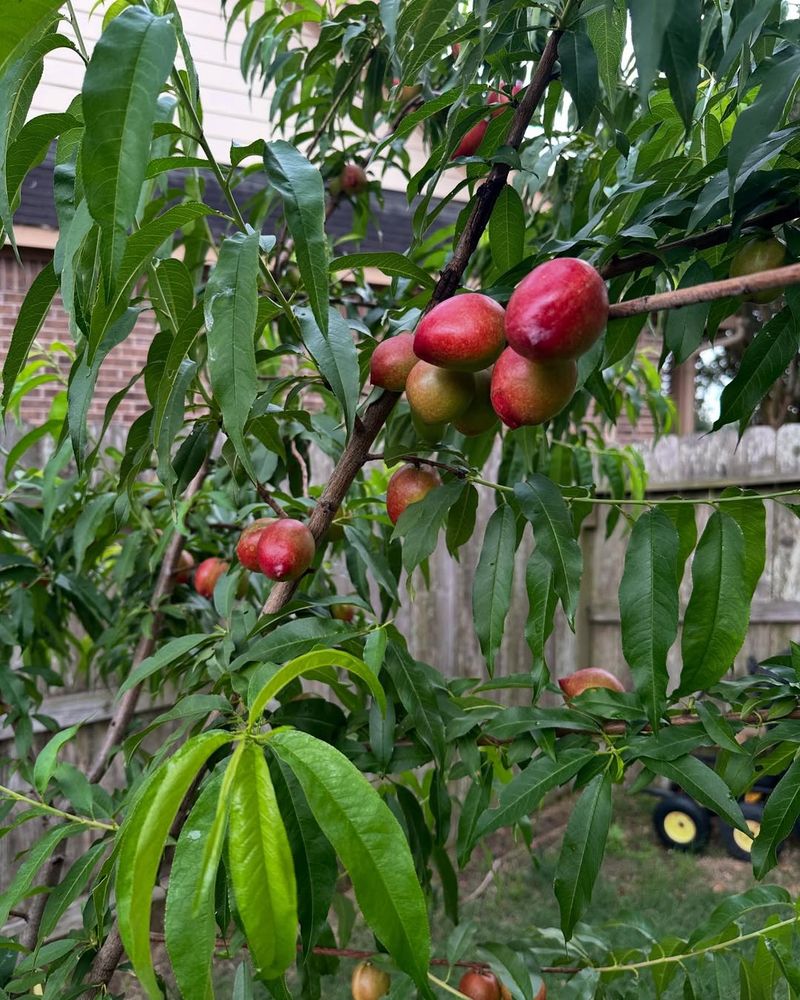
Nectarines are essentially peaches without the fuzzy skin, but that smooth, attractive surface creates major problems in Georgia.
The fuzz on peaches actually provides some protection against fungal spores and disease organisms.
Without this natural defense, nectarine skin becomes an easy target for every fungal infection floating through Georgia’s humid air.
Brown rot, scab, and various leaf diseases attack nectarines with particular enthusiasm in the Southeast.
You’ll need to maintain an intensive spray schedule throughout the growing season just to get edible fruit.
Missing even one application can result in your entire crop rotting on the tree.
Non-rust-resistant nectarine varieties face additional challenges from rust diseases that thrive in Georgia’s climate.
The leaves develop orange spots and drop prematurely, weakening the tree and reducing fruit quality.
Commercial orchards that grow nectarines successfully use carefully selected disease-resistant varieties and professional-grade spray programs.
Home gardeners rarely have the time, equipment, or desire to spray every week throughout spring and summer.
If you love stone fruit, stick with disease-resistant peach varieties bred specifically for Southeastern conditions.
They’ll give you delicious harvests without requiring a chemistry degree and constant vigilance.
5. Traditional Apples (Gala, Fuji, Honeycrisp Without Disease Resistance)
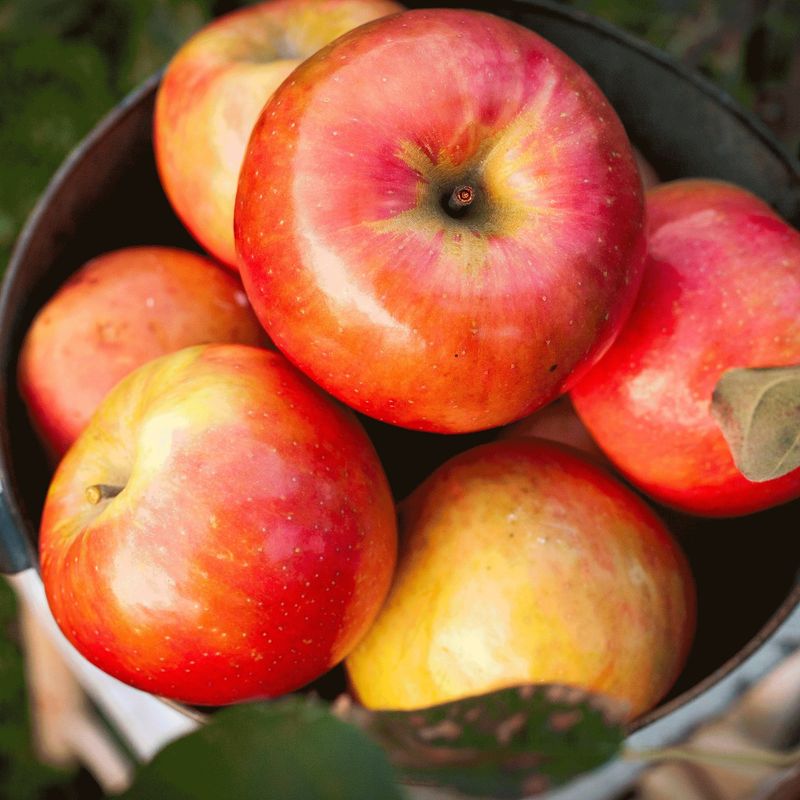
Walking through a grocery store, you’ll see Gala, Fuji, and Honeycrisp apples looking perfect and delicious.
These popular varieties grow beautifully in Washington State and other apple-friendly regions, but Georgia is definitely not apple-friendly for these particular cultivars.
Cedar-apple rust turns leaves orange and spotted, eventually causing them to drop and weakening the entire tree.
This fungal disease requires both cedar trees and apple trees to complete its lifecycle, and Georgia has plenty of both.
Fire blight attacks apple blossoms and shoots during Georgia’s humid springs, causing blackened, curled branches.
Bitter rot develops on fruit during hot, rainy summer weather, creating sunken spots that ruin the harvest.
Traditional apple varieties simply lack the genetic resistance needed to handle Georgia’s disease pressure.
The trees survive but rarely thrive, producing small, blemished fruit after constant spraying and care.
Fortunately, apple breeders have developed Southern-adapted varieties like Enterprise, GoldRush, and Arkansas Black that resist common Georgia diseases.
These specially bred apples actually enjoy Georgia’s climate and produce excellent fruit without endless chemical applications.
Skip the grocery store varieties and choose apples specifically developed for Southeastern growing conditions.
6. Quince
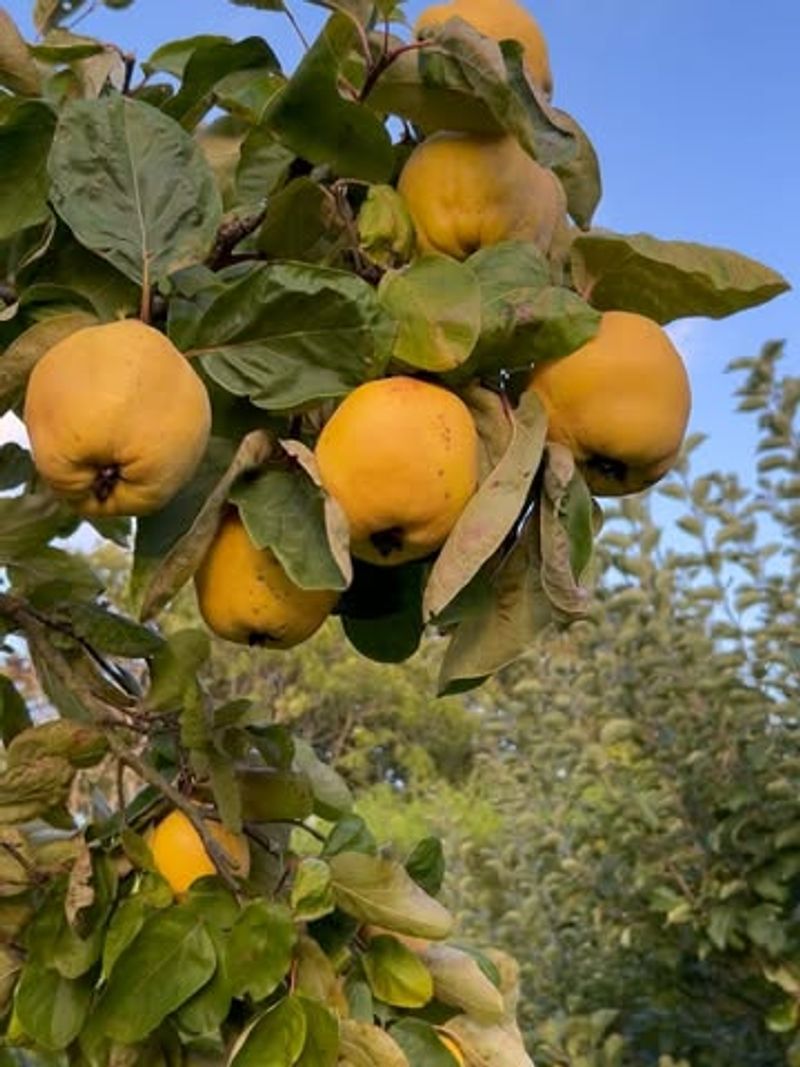
Quince trees produce wonderfully fragrant fruit that’s been prized for centuries in Mediterranean and Middle Eastern cuisines.
Unfortunately, these ancient fruit trees face overwhelming challenges in Georgia’s humid climate.
Fire blight attacks quince even more aggressively than it does pears, rapidly spreading through branches during warm, moist spring weather.
A single infection can devastate a young quince tree, causing extensive branch loss before the tree establishes itself.
Mature trees constantly battle new infections, requiring frequent pruning of affected branches.
Georgia’s heat and humidity create additional stress that quinces simply weren’t bred to handle.
These trees evolved in regions with hot, dry summers and cold winters—the opposite of Georgia’s muggy growing season.
Even trees that survive produce disappointing fruit yields compared to what quinces achieve in ideal climates.
The fruit quality suffers as well, with increased blemishes and reduced flavor development.
Trees often decline after just a few years, succumbing to accumulated disease pressure and climate stress.
If you want unusual fruit in your Georgia garden, consider Asian persimmons or hardy kiwi vines instead.
These alternatives actually appreciate Georgia’s conditions and will reward you with reliable harvests rather than constant disappointment and tree decline.
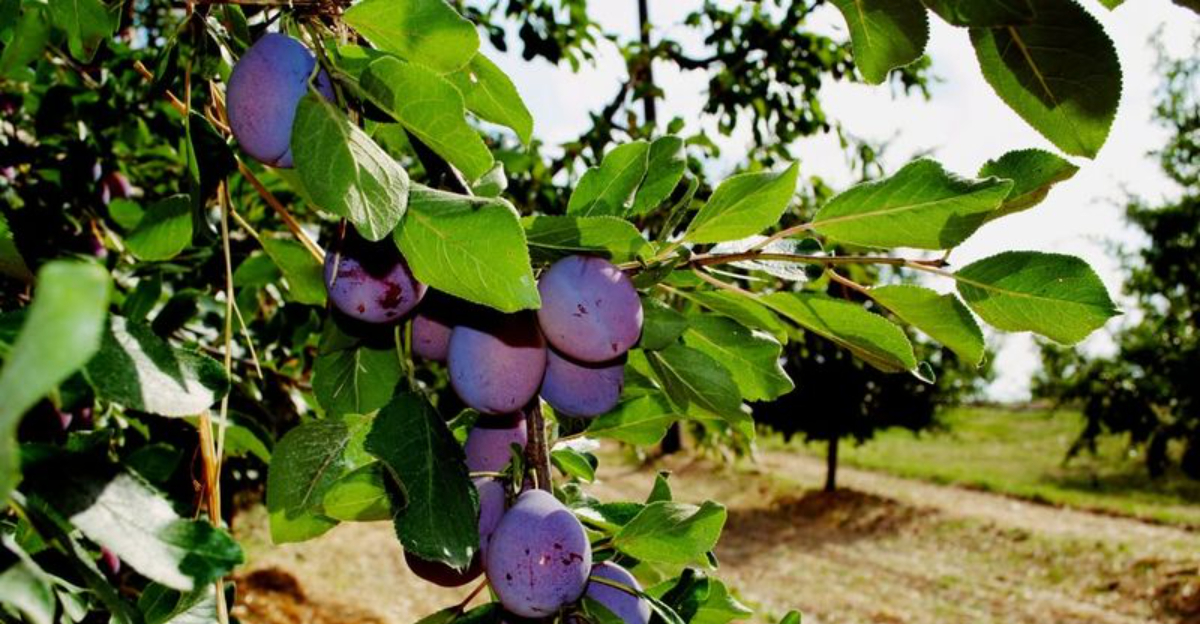
7. European Plums
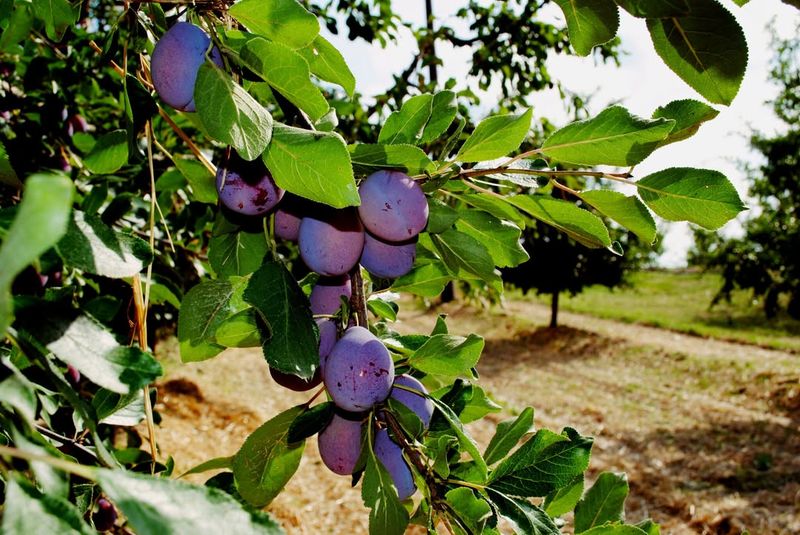
European plum varieties like Italian Prune and Stanley developed in climates with moderate summers and low humidity.
Georgia’s sweltering, moisture-laden summers create miserable conditions for these cool-climate fruit trees.
The trees struggle with heat stress, showing scorched leaf edges and reduced vigor throughout the hottest months.
Brown rot fungus attacks the fruit with particular vengeance in humid climates, causing plums to rot before they fully ripen.
You might see beautiful developing fruit in early summer, only to watch it turn brown and mummify on the branch by harvest time.
Black knot disease creates rough, black swellings on branches that look like something from a horror movie.
This fungal infection spreads readily in moist conditions, disfiguring trees and eventually reducing their productivity.
Infected branches must be pruned out well below the visible knot, often removing significant portions of the tree.
European plums also require more chill hours than Georgia reliably provides, leading to poor bloom and fruit set.
The combination of inadequate winter chilling, summer heat stress, and constant disease pressure makes European plums a poor choice for Georgia gardens.
Japanese plum varieties like Methley and AU Rosa perform much better here, tolerating heat and humidity while producing delicious fruit.
8. Almond Trees
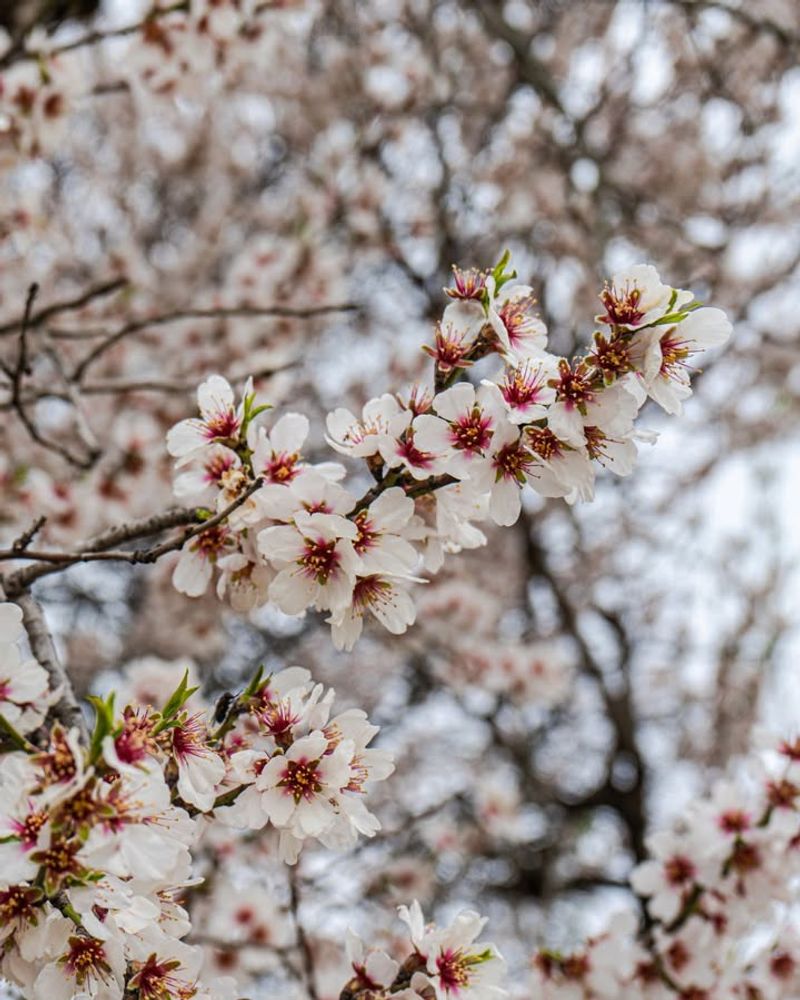
Almond trees belong in California’s Central Valley, where dry air and predictable weather patterns create ideal growing conditions.
Bringing them to Georgia is like asking a desert creature to thrive in a rainforest—the environment is simply all wrong.
Almonds cannot tolerate the high humidity and abundant rainfall that define Georgia’s climate.
Fungal diseases that rarely trouble California almond growers attack Georgia-grown trees relentlessly.
The blossoms open early in spring, making them extremely vulnerable to Georgia’s infamous late frost events.
A single cold snap after bloom can eliminate the entire potential crop for that year.
Even if frost doesn’t strike, spring moisture interferes with proper pollination and nut development.
Almond flowers need dry conditions during bloom for successful pollination, and Georgia springs are typically anything but dry.
Rain and humidity prevent pollen from moving effectively between flowers, resulting in poor nut set.
The nuts that do form often develop hull rot and kernel problems due to moisture exposure.
Trees planted in Georgia rarely produce more than a handful of usable almonds, and they decline quickly under constant environmental stress.
Georgia gardeners craving homegrown nuts should plant pecans, which actually thrive in Southern conditions and produce abundant, delicious harvests.
9. Pear-Based Ornamental Hybrids (Like Bradford Pear Relatives)
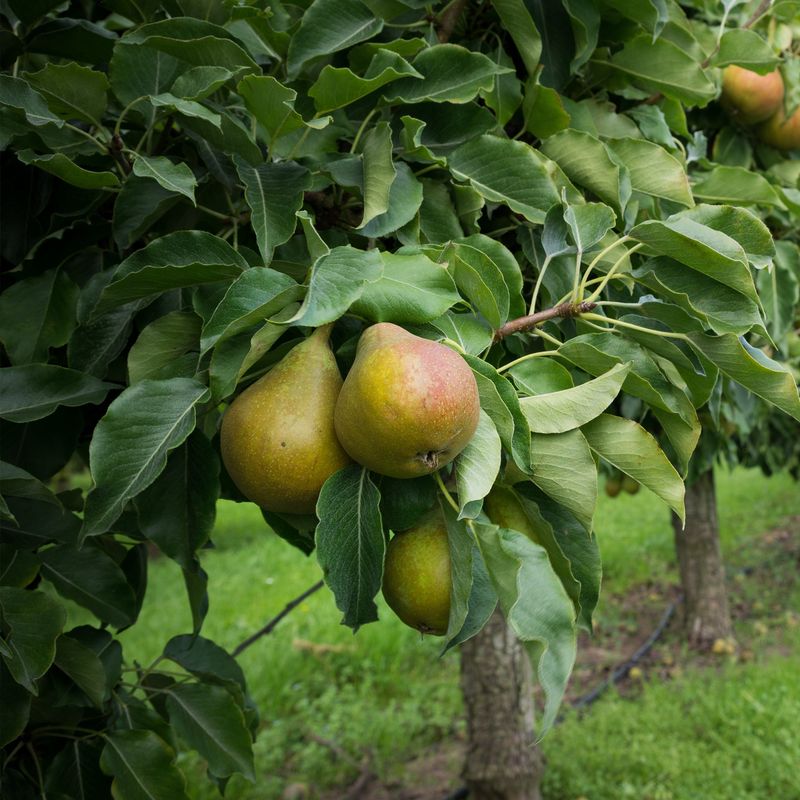
Bradford pears became infamous for their weak branch structure and invasive tendencies, but other ornamental pear hybrids share similar problems.
These trees develop rapid growth with poorly attached branches that split and break during storms.
Georgia’s thunderstorms and occasional ice events regularly tear apart ornamental pears, leaving damaged, unsightly trees.
The wood structure is inherently weak because these trees grow too quickly, creating narrow branch angles that can’t support the weight.
Even young trees experience significant storm damage, and mature specimens often lose major limbs.
Beyond structural problems, ornamental pears produce small, largely inedible fruit that attracts invasive pest pressure.
Birds eat the fruit and spread seeds everywhere, contributing to these trees’ invasive spread across Georgia’s natural areas.
The trees escape cultivation and crowd out native species in forests and along roadsides.
Many Georgia municipalities now discourage or ban planting ornamental pears because of their ecological impact.
From a fruit production standpoint, these hybrids offer nothing—the tiny fruits are hard, bitter, and worthless.
If you want spring blooms, choose native serviceberry or flowering dogwood instead.
For actual pear production, select fire blight-resistant varieties bred for Southern fruit growing rather than ornamental hybrids that create more problems than beauty.
10. Avocado Trees
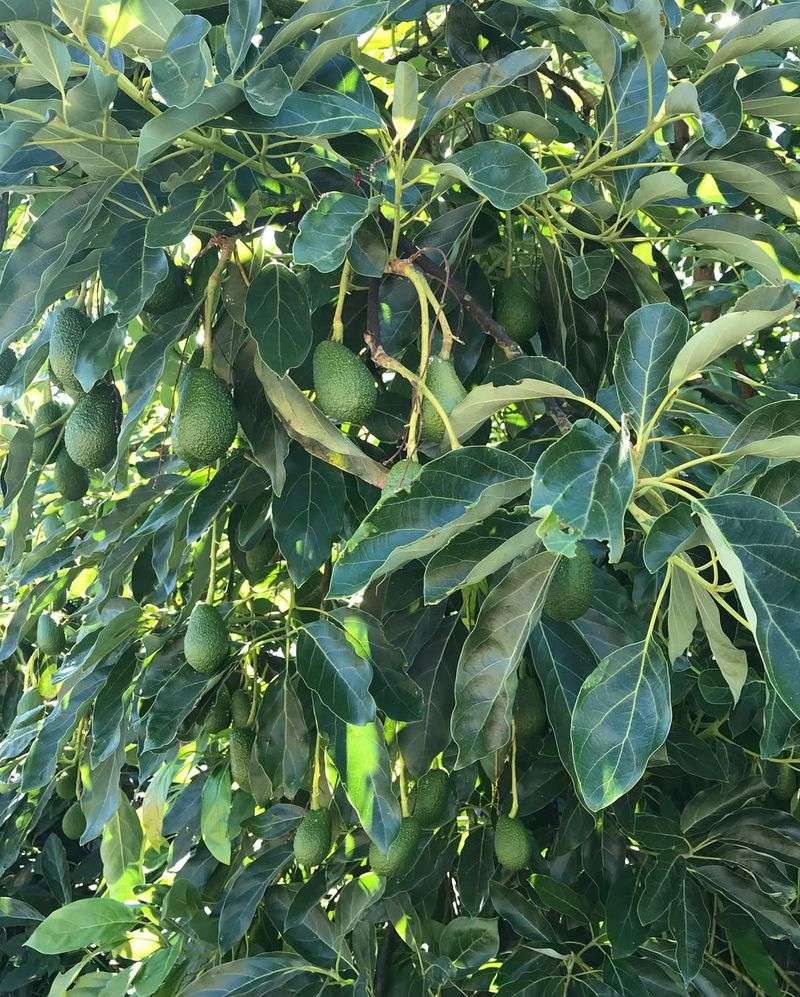
Avocado toast might be trendy, but avocado trees will break your heart if you try growing them outdoors in Georgia.
These tropical and subtropical trees simply cannot survive Georgia’s winter temperatures.
Even the so-called “cold-hardy” avocado varieties suffer severe damage or complete loss when winter cold arrives.
A single night below 25°F can eliminate all the above-ground growth on an avocado tree.
Georgia experiences temperatures well below this threshold during most winters, especially in the northern and central parts of the state.
Gardeners who plant avocados often watch their trees grow beautifully through spring and summer, only to see them collapse when winter hits.
Some cold-hardy varieties might resprout from the roots after freeze damage, but they rarely develop into productive trees.
The constant cycle of growth and freeze-back prevents the tree from maturing enough to produce fruit.
Even in South Georgia, where winters are milder, sudden cold snaps can strike without warning.
Avocado roots and trunks suffer permanent damage from unexpected temperature drops, eventually destroying the entire tree.
Container growing with winter protection offers the only realistic option for Georgia avocado enthusiasts, but this requires significant space and effort.
Focus your garden energy on fruit trees that actually thrive outdoors in Georgia’s climate year-round.
11. Pomegranate (Non-Heat-Tolerant Cultivars)
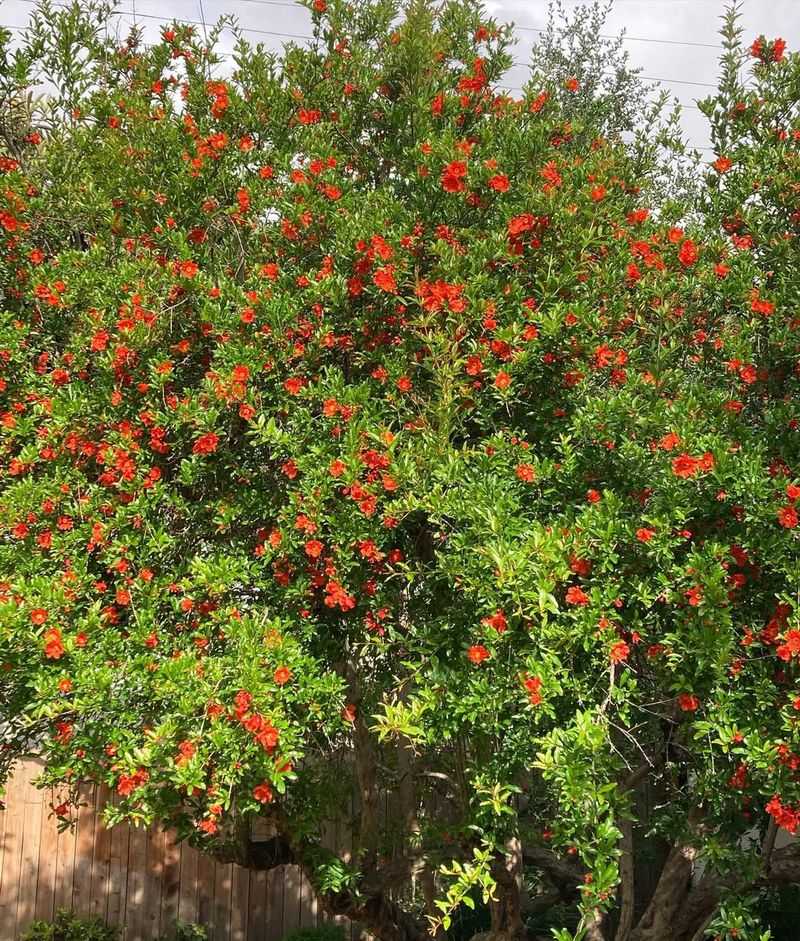
Pomegranates can actually grow in Georgia, but many popular varieties struggle with the state’s specific climate challenges.
Non-heat-tolerant cultivars suffer during Georgia’s hot, humid summers, but the real problem is the rainfall pattern.
Georgia receives abundant summer rain, and pomegranate fruit exposed to heavy moisture tends to crack and split.
Once the fruit cracks, rot organisms invade quickly, ruining the harvest before you can pick it.
Watching beautiful pomegranates develop all summer only to split and rot in August is incredibly frustrating.
Humidity also encourages fungal leaf diseases that many pomegranate varieties cannot resist effectively.
Leaf spot diseases reduce the tree’s vigor and photosynthetic capacity, weakening overall fruit production.
Certain Russian and Asian pomegranate varieties bred for humid climates perform much better in Georgia conditions.
These adapted cultivars have thicker fruit skins that resist cracking and genetic resistance to common fungal problems.
If you plant a standard Mediterranean pomegranate variety, you’ll likely face constant disappointment.
The tree might survive, but reliable fruit production remains elusive without careful variety selection.
Research heat-tolerant, humidity-resistant pomegranate cultivars before planting, or skip pomegranates entirely in favor of muscadines, figs, or persimmons that love Georgia’s climate.
12. Olive Trees
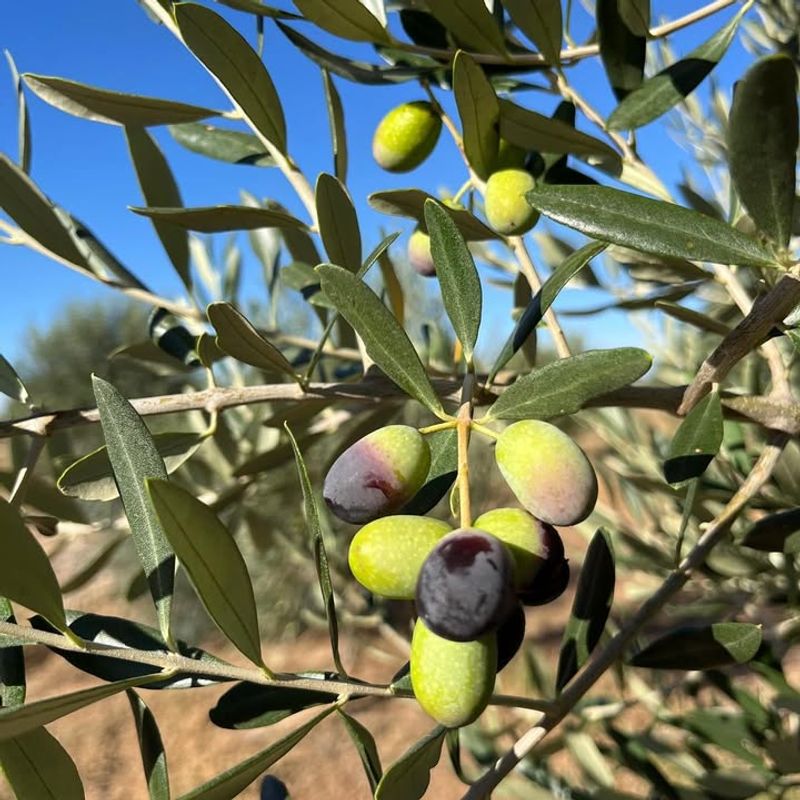
Olive trees evoke images of sunny Mediterranean hillsides, ancient groves, and that distinctive silvery-green foliage.
These romantic visions don’t translate well to Georgia’s reality, where olives face multiple insurmountable challenges.
Olives require long, hot, dry summers to properly develop and ripen their fruit.
Georgia summers are certainly hot, but they’re also humid and punctuated by regular rainfall.
This moisture interferes with fruit set and creates conditions for various fungal diseases that attack both leaves and developing olives.
Peacock spot and other olive diseases thrive in humid environments, causing leaf drop and reduced tree vigor.
Even if the tree survives and produces some olives, the fruit rarely ripens properly without extended dry periods.
Olives need specific climate conditions during the ripening phase to develop proper oil content and flavor.
Georgia’s late summer and fall weather patterns don’t provide what olives require for quality fruit production.
The trees might survive as ornamentals in protected locations, but expecting a meaningful olive harvest is unrealistic.
Commercial olive production succeeds in California and other Mediterranean-climate regions for good reason—those places offer what olives need.
Georgia gardeners should embrace fruit trees adapted to humidity and summer rain rather than fighting for crops that require the opposite conditions.