10 Easy DIY Pathways Brightening Ohio Yards

Ohio homeowners know that a beautiful yard makes a house feel like home.
One simple way to add charm and function to your outdoor space is by creating a pathway.
A well-made path guides visitors through your garden, protects your grass from wear, and adds a special touch that neighbors will notice.
Best of all, you can build most of these pathways yourself without needing expensive tools or professional help.
Pathways serve more than just looks.
They keep your shoes clean on rainy days and prevent muddy tracks through the house.
During Ohio’s wet spring seasons, a solid path means you can still enjoy your yard without sinking into soggy ground.
Pathways also help organize your outdoor space, creating clear routes between your patio, garden, shed, or front door.
The good news is that creating a beautiful pathway does not require a huge budget or expert skills.
Many materials are affordable and easy to find at local hardware stores.
With a free weekend and some basic supplies, you can transform your yard into a more organized and attractive space.
From simple gravel trails to creative stepping stone designs, each option offers its own benefits and style.
The right pathway can turn an ordinary backyard into something truly special that you will enjoy for years to come.
1. Classic Gravel Path

Gravel pathways offer one of the most budget-friendly options for Ohio homeowners.
You can buy bags of gravel at any garden center, and installation takes just a few hours.
The crunching sound underfoot adds a pleasant sensory experience every time you walk through your yard.
Start by marking where you want your path to go with spray paint or stakes and string.
Dig down about three inches and remove any grass or weeds.
Lay down landscape fabric to prevent weeds from popping up later, then pour your gravel on top.
Pea gravel works great because it compacts nicely and feels comfortable to walk on.
Crushed stone offers better drainage during Ohio’s rainy seasons.
Edge your path with bricks, stones, or metal edging to keep the gravel contained and looking neat.
Maintenance is simple with gravel paths.
Just rake them occasionally to keep the surface even.
Add more gravel every year or two to maintain depth.
This type of pathway drains water quickly, which makes it perfect for areas that tend to get muddy.
You can curve your gravel path around trees or garden beds to create a natural, flowing look that complements any yard style.
2. Stepping Stone Trail
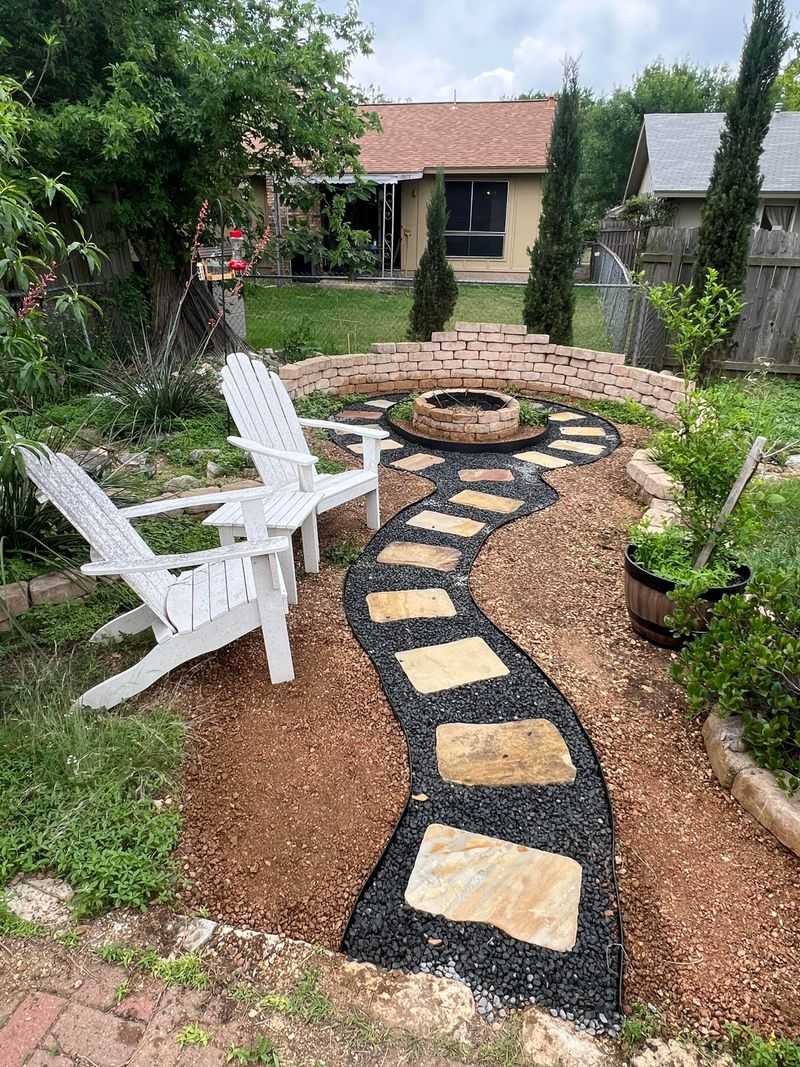
Stepping stones create a charming, fairy-tale look that children and adults both love.
Flat stones placed strategically through your lawn provide a stable walking surface while keeping most of your grass intact.
This option works wonderfully for informal garden areas or winding paths through flower beds.
You can buy pre-made concrete stepping stones or use natural flat rocks from landscape suppliers.
Space them about one comfortable stride apart, typically eighteen to twenty-four inches.
Place each stone where you naturally step when walking the route to ensure they feel right.
Your Ohio Garden Changes Every Week. Your Plan Should Too.
Gardening in Ohio changes quickly throughout the season. Every Friday you’ll receive a simple weekly plan showing exactly what to plant, prune, fertilize, harvest, and protect so you never miss the right timing.
Dig out grass underneath each stone so the top sits level with or slightly above your lawn.
This prevents tripping and makes mowing easier.
Add a layer of sand underneath for stability and drainage.
Ohio’s freeze-thaw cycles can shift stones over time, so check them each spring.
Personalize your stepping stones by choosing different shapes, sizes, or colors.
Round stones give a softer appearance, while square ones look more formal.
You can even make your own concrete stones using molds and add decorative elements like glass pieces or handprints.
Plant low-growing ground covers like creeping thyme between stones for extra beauty and a wonderful fragrance when stepped on.
3. Mulch Walkway

Wood chip or bark mulch creates a soft, natural-looking pathway that fits perfectly in woodland or cottage-style gardens.
This material costs very little, and many municipalities in Ohio offer free mulch to residents.
The natural brown tones blend beautifully with plants and trees.
Mulch pathways feel cushioned underfoot, making them comfortable for long walks through your garden.
They absorb water well, so puddles rarely form even after heavy rain.
Installation requires minimal effort compared to other pathway types
Mark your path boundaries and remove existing grass and weeds down about four inches.
Install landscape fabric to block weed growth.
Pour mulch into the prepared area, spreading it to a depth of three to four inches.
Use edging to keep mulch from spreading into surrounding areas.
Hardwood mulch lasts longer than pine or cedar but costs slightly more.
Shredded bark provides better stability than wood chips.
Mulch breaks down over time, which means you will need to add fresh material annually.
This decomposition actually benefits nearby plants by adding nutrients to the soil.
Rake your mulch path occasionally to keep it looking fresh and to redistribute material that gets kicked aside.
The natural appearance makes this pathway especially attractive near trees and shrubs.
4. Brick Paver Pathway

Brick pavers bring timeless elegance and durability that can last decades with proper installation.
Many Ohio homes feature brick architecture, so a brick pathway creates visual harmony with your house.
The classic red color adds warmth and traditional charm to any landscape design.
You can arrange bricks in countless patterns like herringbone, basket weave, or running bond.
Each pattern creates a different visual effect.
Herringbone offers the most stability and works well for paths that get heavy foot traffic.
Proper base preparation makes all the difference with brick pathways.
Excavate four to six inches deep, then add two inches of gravel for drainage.
Top that with two inches of sand, which you should level carefully using a board.
Set bricks tightly together on the sand, tapping them into place with a rubber mallet.
After laying all bricks, sweep fine sand over the surface to fill joints.
This locks pavers together and prevents shifting.
Edge restraints keep bricks from creeping outward over time.
Reclaimed or antique bricks add character but cost more than new ones.
Brick pathways handle Ohio winters well, though you may need to reset a few pavers after frost heaving.
Power washing every few years keeps bricks looking fresh and removes moss or algae that can make surfaces slippery.
5. Flagstone Path
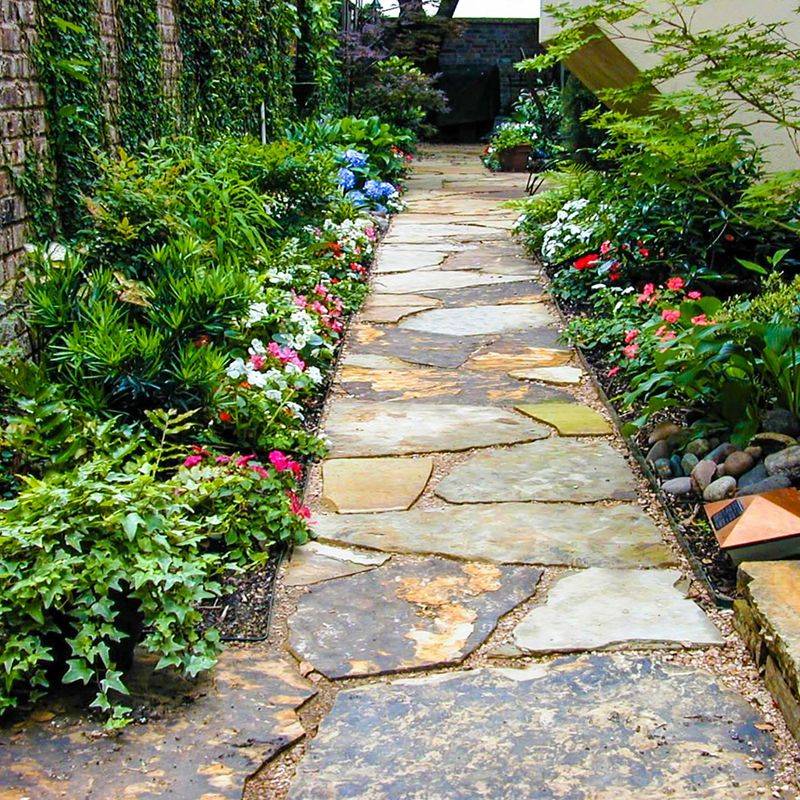
Flagstone pathways showcase natural beauty with their irregular shapes and earthy color variations.
Each stone is unique, creating a one-of-a-kind path that looks like it has been there forever.
Ohio quarries provide locally sourced flagstone in gray, tan, and reddish tones.
Larger, flatter pieces work best for pathways.
Thickness should be at least one and a half inches to prevent cracking under foot traffic.
You can set flagstones directly in sand for a casual look or use mortar for a more permanent, formal installation.
Arrange stones like a puzzle, fitting them together with small gaps between pieces.
This takes patience but creates a beautiful, flowing pattern.
Place the largest, flattest stones in high-traffic areas where people step most often.
Fill smaller gaps with tiny stone pieces or ground cover plants.
For sand-set installation, excavate four inches deep and add a gravel base topped with sand.
Set stones firmly, checking that they do not wobble.
Sweep polymeric sand into joints to lock stones in place and discourage weeds.
Mortared flagstone requires a concrete base but creates an extremely durable surface.
Flagstone handles Ohio weather beautifully and develops an attractive patina over time.
The natural texture provides good traction even when wet, making these paths safe during rainy seasons or after morning dew.
6. Concrete Slab Walkway
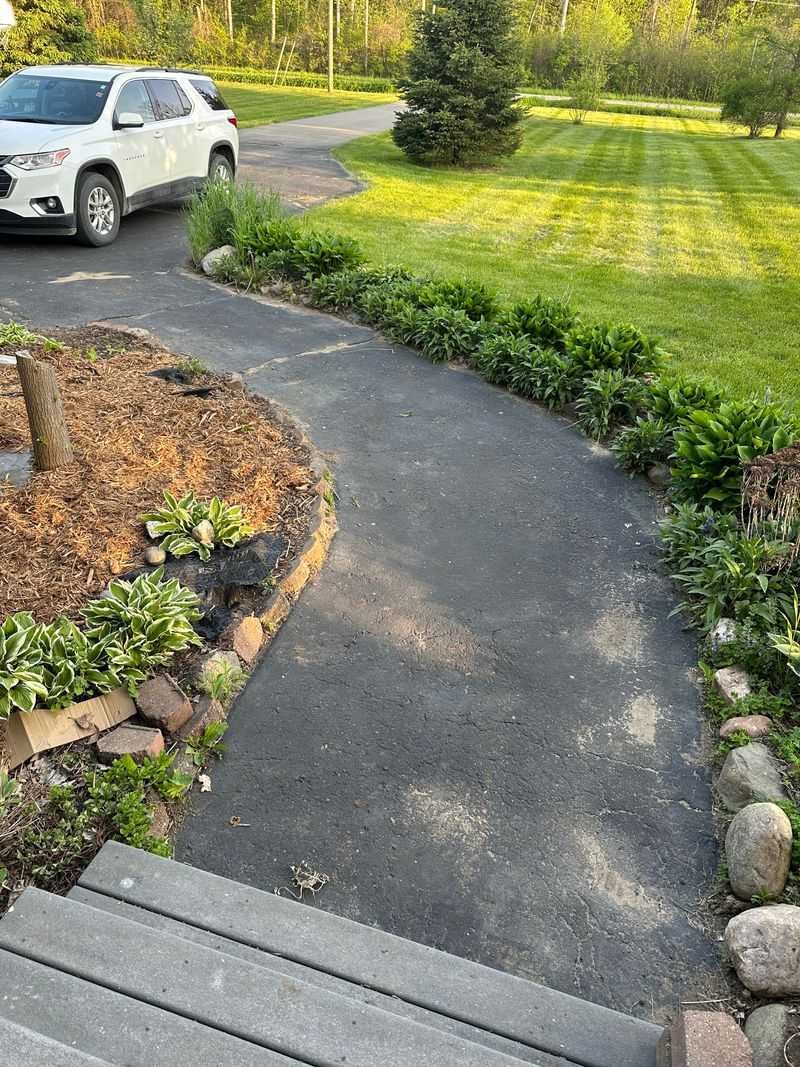
Poured concrete creates a smooth, modern pathway that requires minimal maintenance once installed.
This option provides excellent durability and can last thirty years or more without major repairs.
Concrete works especially well for main walkways that connect your driveway to your front door.
While concrete might sound plain, you can customize it in many ways.
Add color using concrete stains or dyes.
Create texture by stamping patterns that mimic stone, brick, or tile.
Exposed aggregate finishes reveal beautiful stones within the concrete for added visual interest.
Installation requires careful planning and some physical work.
Build wooden forms to define your path edges and hold wet concrete in place.
Excavate and add a gravel base for drainage and stability.
Pour concrete sections with control joints every four to six feet to prevent random cracking.
Finishing techniques affect both appearance and safety.
A broom finish creates texture that prevents slipping.
Smooth troweled finishes look sleek but can be slippery when wet.
Concrete cures slowly, so avoid walking on your new path for at least three days.
Ohio winters can crack concrete if water seeps into small gaps and freezes, so seal your pathway every few years.
Proper installation with adequate base preparation helps prevent settling and cracking problems that sometimes occur with concrete paths.
7. Recycled Material Pathway

Creative homeowners can build stunning pathways using recycled or reclaimed materials that cost very little.
Broken concrete pieces, called urbanite, create a rustic flagstone look without the expense.
Old bricks from demolished buildings add character and history to your landscape.
Check online marketplaces, demolition sites, or construction zones for free or cheap materials.
Many people give away broken concrete when removing old patios or driveways.
Salvage yards often sell reclaimed bricks, stones, and pavers at bargain prices.
Urbanite pieces can be fitted together like a jigsaw puzzle.
Choose chunks with at least one flat side for the walking surface.
The irregular shapes create an artistic, organic appearance that looks intentionally designed.
Plant creeping ground covers in the gaps for a cottage garden effect
Reclaimed materials add environmental benefits by keeping waste out of landfills.
They also provide instant weathered character that new materials lack.
Mix different materials together for a truly unique pathway.
Combine old bricks with stone pieces or add colorful broken tiles for mosaic accents.
Since materials are free or cheap, you can experiment without worrying about mistakes.
These pathways tell a story and give your yard personality that cookie-cutter materials cannot match.
Friends and neighbors will admire your creativity and resourcefulness when they see your finished project.
8. Wooden Boardwalk

Wooden pathways bring warmth and a natural feel that complements gardens beautifully.
A simple boardwalk made from pressure-treated lumber provides an affordable and attractive solution.
This style works especially well in areas that stay damp or where you want to protect delicate ground covers.
Pressure-treated wood resists rot and insects, making it suitable for outdoor use.
Cedar and redwood cost more but offer natural resistance to decay plus beautiful color.
Build your boardwalk by creating a simple frame from two-by-four lumber, then attach deck boards across the top.
Space boards slightly apart to allow water drainage and air circulation.
This prevents wood from staying wet and rotting prematurely.
Set your boardwalk on gravel or concrete blocks to keep it off the ground.
Raising the path even a few inches dramatically extends wood life.
Apply wood stain or sealant every two to three years to protect against Ohio weather.
Natural wood tones blend into garden settings, while painted boardwalks make bold statements.
Add railings if your path crosses slopes or uneven terrain.
Wooden pathways feel comfortable underfoot and stay cooler than concrete or stone during summer heat.
They also provide excellent traction even when damp.
Regular sweeping removes debris that can trap moisture and cause decay.
Inspect boards annually and replace any that show signs of rot or damage.
9. Crushed Shell Pathway
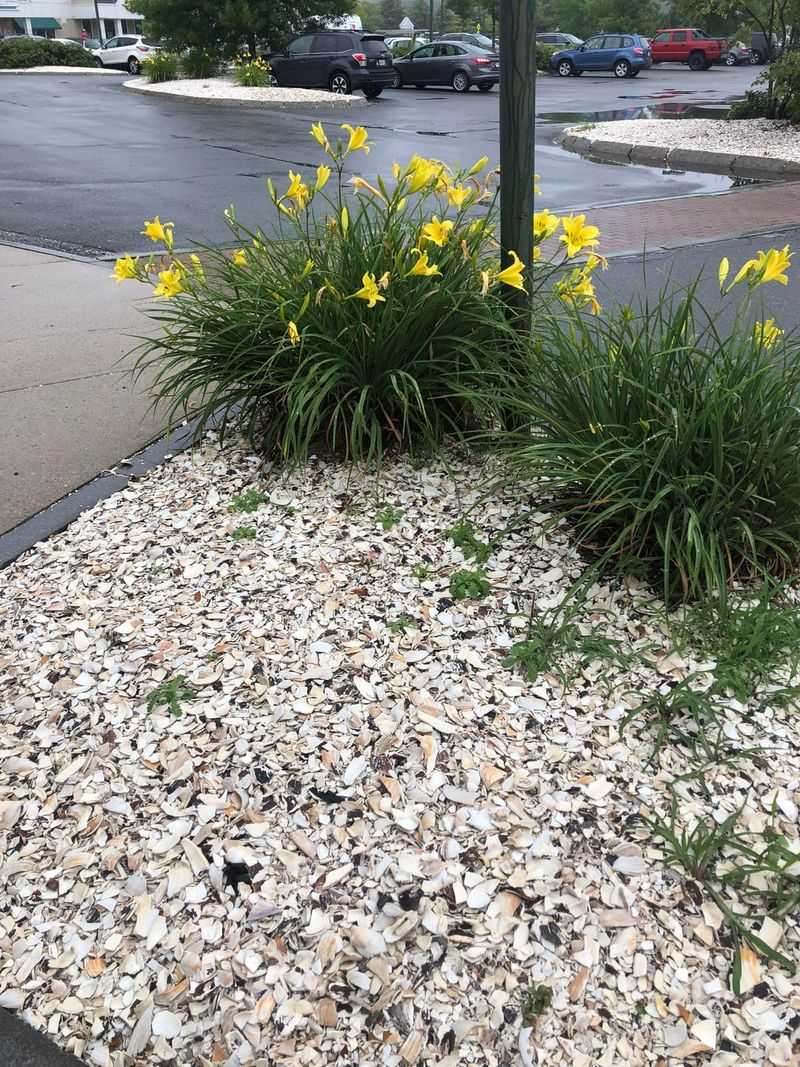
Crushed shell pathways bring a coastal vibe to Ohio yards with their bright white color and crunchy texture.
Shells reflect sunlight, making paths appear to glow and brightening shady garden areas.
This unexpected material choice creates conversation and adds unique character to your landscape.
Oyster shells are most commonly used, though you can find crushed clam or mixed shell products.
Shells compact reasonably well but drain water excellently, making them perfect for areas prone to puddles.
The white color stays relatively clean and contrasts beautifully with green plants and dark mulch.
Install shell paths the same way you would gravel pathways.
Excavate three to four inches, add landscape fabric, and pour shells on top.
Edge the path to contain shells and maintain clean lines.
Shells may initially feel sharp underfoot but smooth out with traffic and weathering.
One drawback is that shells can scatter into surrounding lawn areas, making mowing slightly challenging.
Good edging minimizes this problem.
Shells cost more than gravel but less than stone or pavers.
They also provide excellent drainage, which benefits nearby plants.
The bright color makes paths visible at night, improving safety when walking through your yard after dark.
Shells break down very slowly, so your pathway will maintain its appearance for many years with minimal maintenance beyond occasional raking and adding fresh material to maintain depth.
10. Rubber Mulch Trail
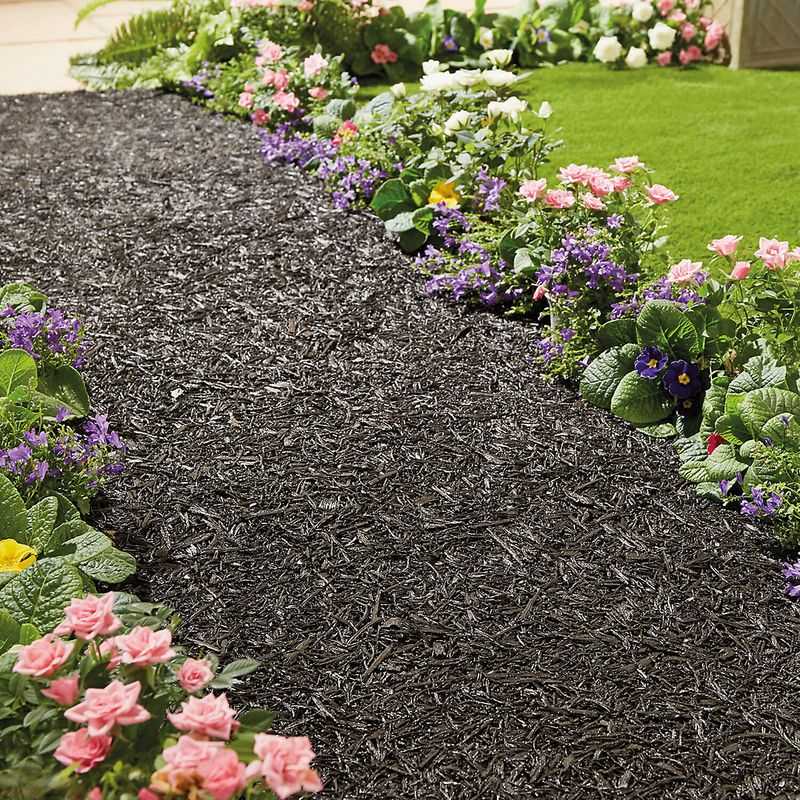
Rubber mulch pathways offer a modern, eco-friendly option made from recycled tires.
This material provides a soft, cushioned walking surface that feels comfortable underfoot.
Families with young children appreciate the forgiving surface that reduces injury risks from trips and falls.
Rubber mulch comes in various colors including natural brown, black, red, and even bright hues.
Dark colors absorb heat, so choose lighter shades for paths that receive full sun.
The material never decomposes, which means you will not need to add fresh mulch annually like you would with wood chips.
Installation follows the same process as other loose materials.
Remove grass, lay landscape fabric, and pour rubber mulch to a depth of two to three inches.
Rubber mulch stays in place better than wood mulch because pieces interlock slightly.
Edging still helps maintain neat boundaries.
This pathway type drains extremely well and never gets muddy.
Rubber does not attract insects or provide food for pests.
It will not rot, splinter, or develop mold.
Some people dislike the artificial appearance or faint rubber smell that fades over time.
Rubber mulch costs more initially than organic mulches but lasts indefinitely, making it economical long-term.
Simply rake occasionally to keep the surface even and looking fresh.
The cushioned surface makes this pathway especially suitable near play areas or for gardeners who spend hours walking between beds and appreciate the joint-friendly surface.